
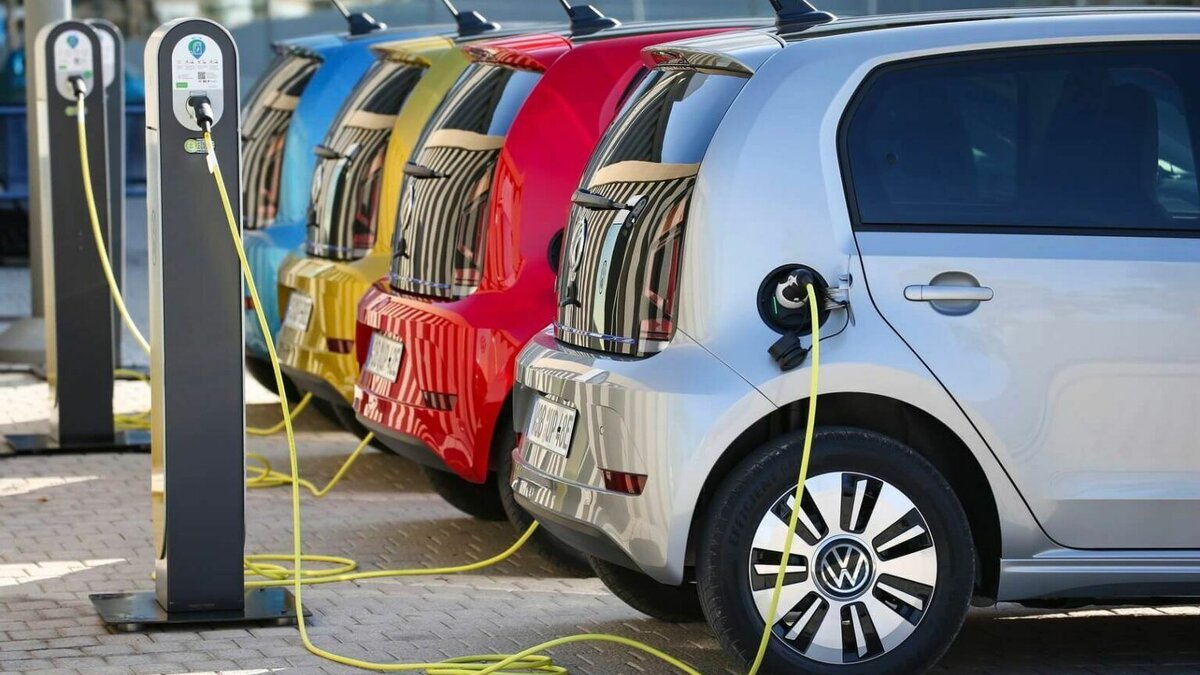
Number of electric cars might double in Moldova by 2030; authorities prepare solutions to expand charging stations
The number of electric cars used in Moldova might double by 2030, if the current growth rate is maintained, with around 11,000 electric cars and over 81,500 hybrid cars, including plug-in hybrids, currently registered in the country. Under these conditions, the authorities are preparing solutions to accelerate the development of the necessary infrastructure, including the expansion of charging stations for electric vehicles.

To analyze the current situation, officials in the field carried out a pre-feasibility study on the development of charging station infrastructure for electric vehicles. The study was developed in partnership with the National Center for Sustainable Energy and the Energy Ministry, within a UNDP (United Nations Development Programme) Moldova project financed by the government of Denmark.

The study provides a comprehensive assessment of the current situation, future demand, investment needs, regulatory aspects and implementation options. It also presents a roadmap for infrastructure development up to 2030 and provides a solid data basis for future policy and investment decisions.

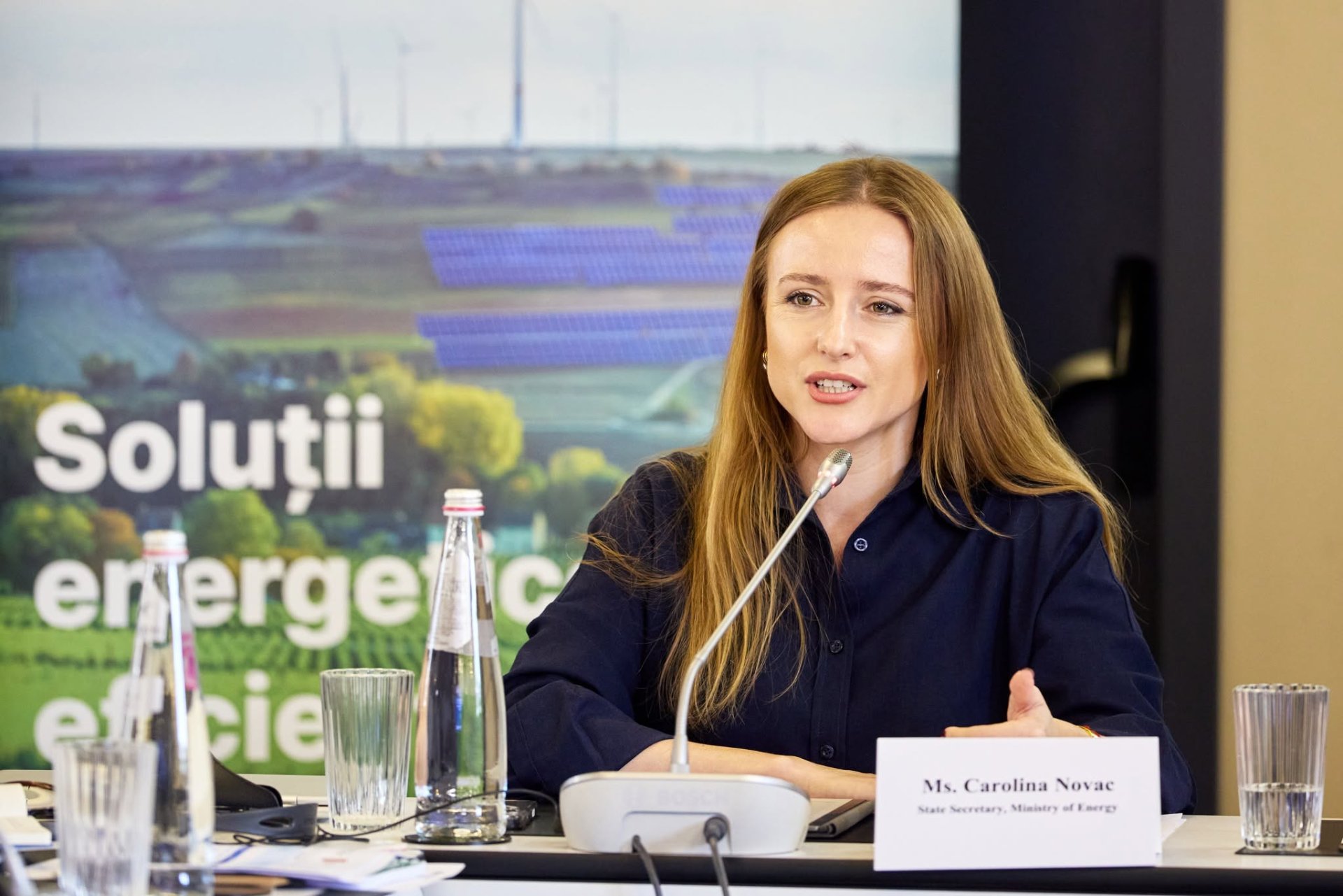
State Secretary of the Energy Ministry Carolina Novac said that Moldova had already achieved in advance one of the targets set in the National Energy and Climate Plan (NECP), namely 11,000 electric vehicles by 2030. At the same time, Carolina Novac highlighted another objective to be reached: a 6.9-per cent share of renewable energy in transport by 2030.

The study’s conclusions show that Moldova has already made notable progress in promoting electric mobility. At the same time, the network of charging stations remains unevenly distributed and insufficient to cope with the scheduled increase in the number of electric vehicles.

The authors propose a practical pathway for developing a network of modern, accessible charging stations adapted to future requirements, which will support Moldova’s climate and energy objectives, strengthen alignment with European standards and improve residents’ quality of life. The transport sector generates about a quarter of the country’s total greenhouse gas emissions.

The current data and development prospects presented in the study were analyzed by experts from Moldova, Germany, Poland and Romania during a workshop held on 9 June. The final version of the study is to be completed following the discussions at the workshop and then published.
 Facebook
 Instagram
 X/Twitter
 Telegram
LIVE TEXT // Investment Conference in Chișinău. Deputy Prime Minister: Moldova advancing toward full integration into European market
Entrepreneurs on both banks of Dniester can participate in training program to develop export capacities
Natural gas transit tariff on route to Ukraine to be cut by 90 percent; Moldovan energy minister: “It will make the route more economically feasible”
Record number of registrations for Moldova – EU investment conference
EBRD to provide additional financing for rehabilitation of Chișinău–Leușeni road and Chișinău bypass
Subsidies worth 178 million lei for Moldova's farmers authorized in last May
Moldova to build up larger natural gas reserves: bill proposed by Ministry of Energy
Fuels continue to get cheaper
PHOTO GALLERY // Best local entrepreneurs awarded at Moldovan Business Gala
Moldova hosts annual conference of banking supervisors from Central and South-Eastern Europe
Moldova’s walnut exports exceed 40 million dollars annually
30 MW Photovoltaic park with battery storage to be built in Vadul lui Vodă
Moldovan National Road Transport Agency launches nationwide inspections of heavy trucks
First contract for Union Highway A8 signed; project to connect Moldova by road with European network
Number of electric cars might double in Moldova by 2030; authorities prepare solutions to expand charging stations
PHOTO // Moldova learns from France’s experience in urban mobility, public transport's modernization; deputy PM’s visit to Paris
Over 300 tons of used appliances collected for recycling through EcoVoucher Programme in Moldova
Moldovan-Hungarian cooperation in focus for foreign ministers of Chisinau and Budapest
European Commission President: EU to open first negotiation cluster with Moldova on days to come
Moldova, Romania coordinate efforts to advance EU accession negotiations
Over 250 rescuers from Europe to take part in MD–EU MODEX 2026 exercise organized in Moldova
 National Bank of Moldova
Moldovan deputy PM for reintegration has meeting with French senators
Moldovan parliament speaker thanks UNICEF representative in Moldova for support in social reforms, child protection
Moldovan president attends ceremony on 24th anniversary of foundation of National Anticorruption Centre
Prime Minister at Moldova Digital Summit 2026: Our ambition is not only to join EU, but to help build Europe’s digital future
Over 1 billion euros in new investment partnerships, financing announced for Moldova

VIDEO // Over 5 million lei seized following searches in fraud file in Moldova; five people detained
Record on electricity exchange in Moldova: largest volume of traded power since its launch
Deputy Prime Minister: EU Growth Plan for Moldova creates conditions for modernizing economy at unprecedented pace
Sergiu Caraman remains head of Superior Council of Magistracy
Moldovagaz to supply natural gas to Transnistrian region by late 2026
VIDEO // Alexei Buzu: Government allocates 145 million lei for development of amalgamated localities in Călărași
Deputy parliament speaker says Moldova must strengthen defense capabilities
Works at Chisinau Electrical Substation progressing; Romanian Ambassador says Romania stays reliable partner of Moldova in strengthening energy security
EUROPEAN VILLAGE // Over 27 million lei invested in modernizing infrastructure in central Moldova settlement
Moldovan Foreign Affairs Ministry issues travel alert for Qatar, Kuwait: “Security situation stays volatile”
Economic, investment opportunities of Moldova promoted at Annual Meeting of Board of Governors of European Bank for Reconstruction and Development
Environmental NGOs' representatives trained in alternative methods for resolving environmental conflicts in Moldova
PHOTO // Moldovan deputy parliament speaker says Grand Duchy of Luxembourg, as EU founding member, firmly supports Moldova's European path
ARMENPRESS: IRI observers: Armenia’s June 7 elections conducted calmly and fairly
Discover Moldova with #MOLDPRES // Sweet business in Prut Meadow
MOLDPRES REPORT // Smart technology for old apartment blocks: Chinese solutions that might fix parking, waste problems in Moldova’s cities
Receive the latest news directly to your email

Receive the latest news directly to your email