
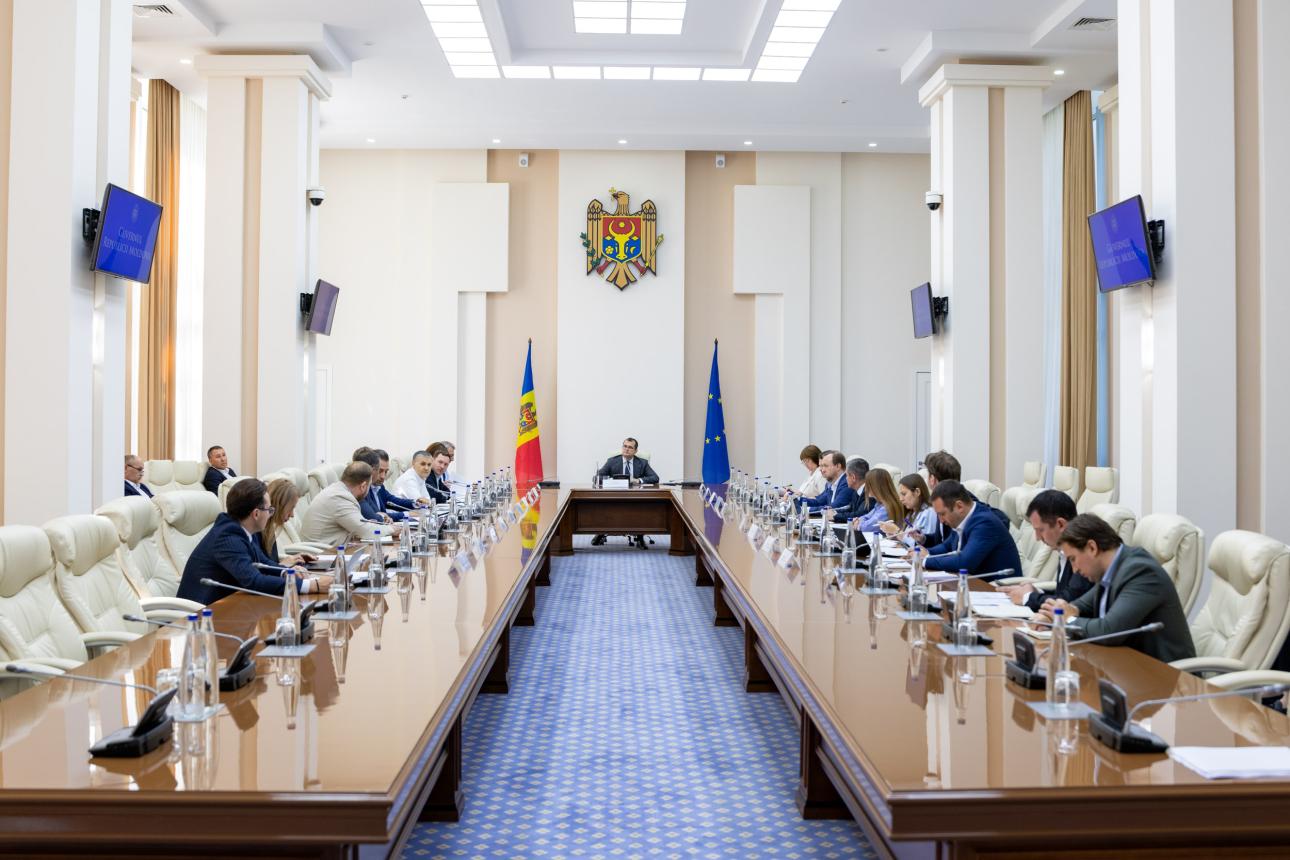
Moldova's National Crisis Management Commission approves new measures to ensure energy security, protect water resources
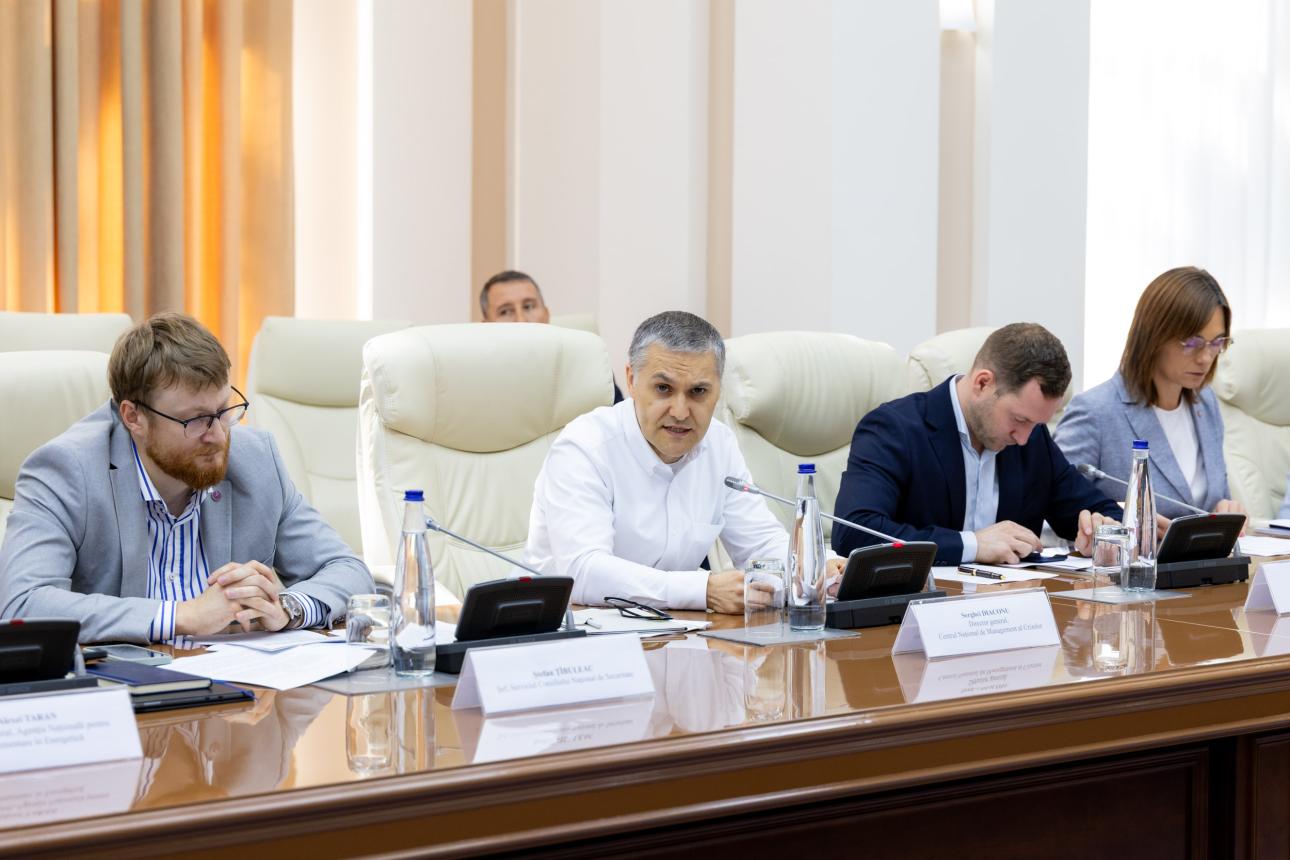
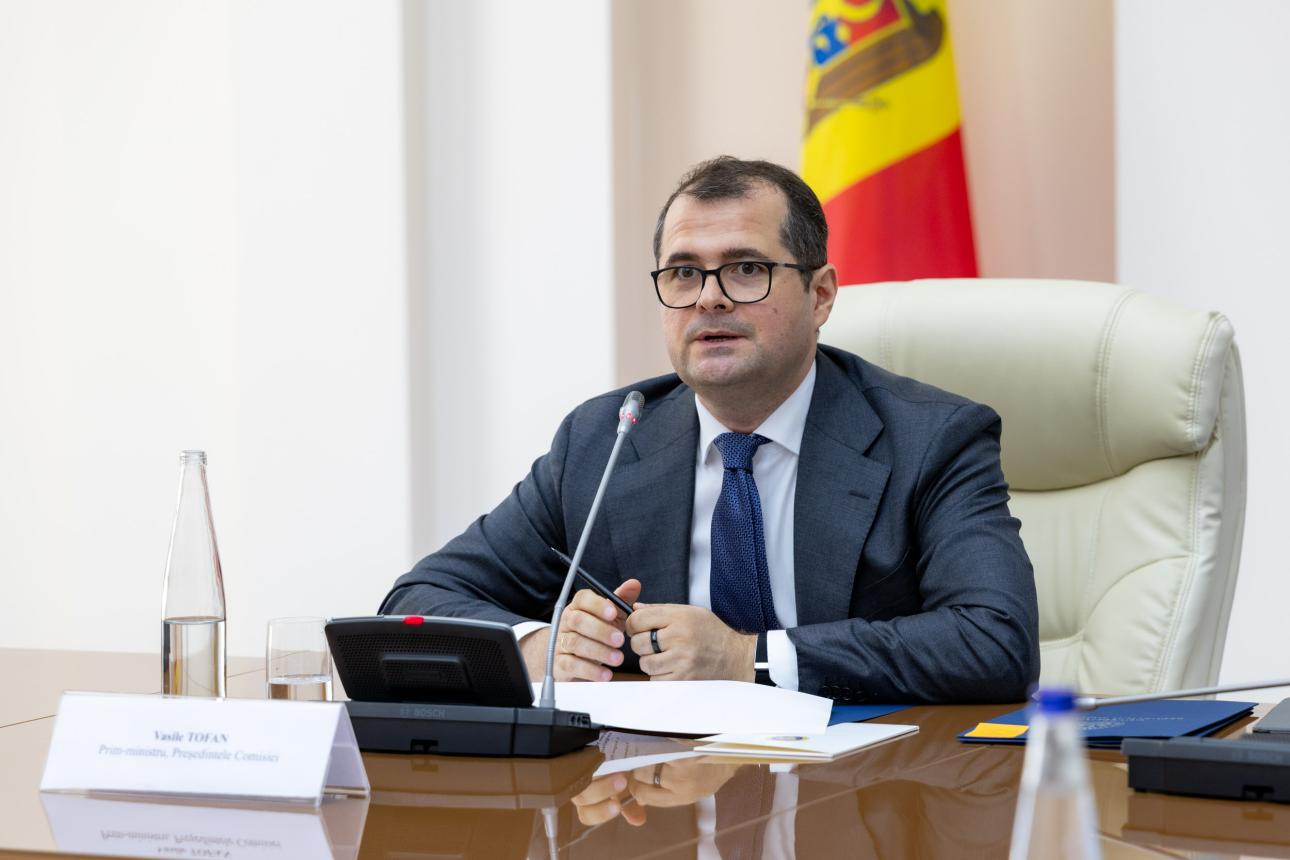
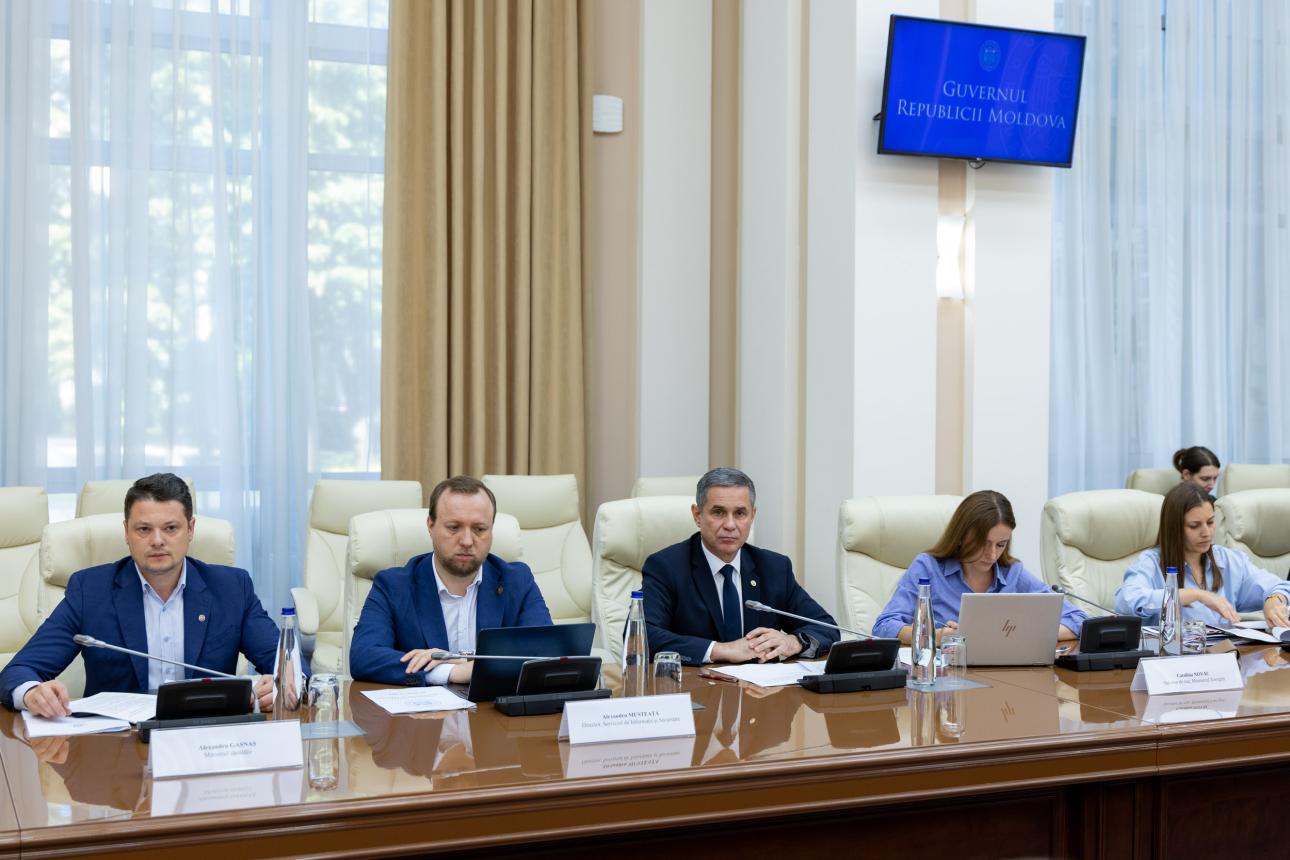
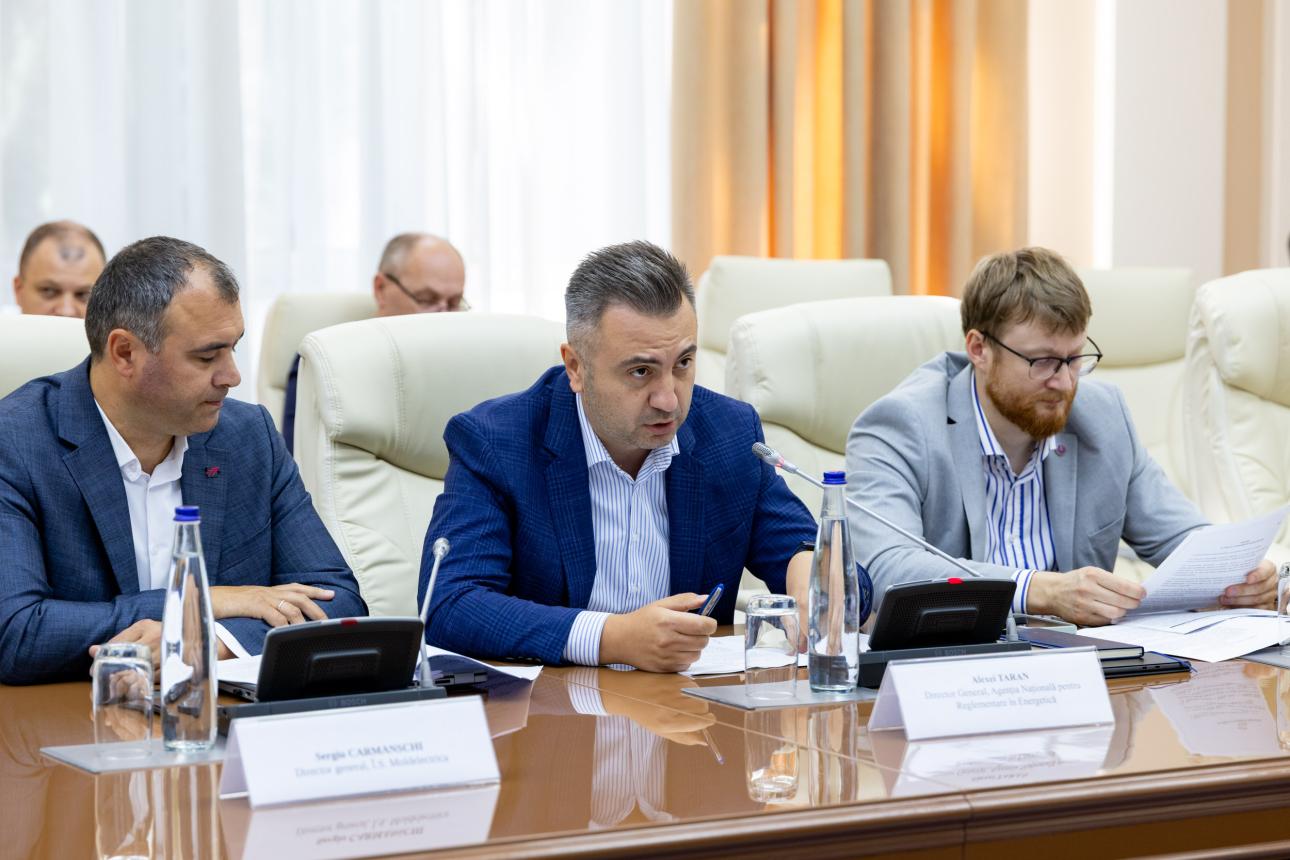
The National Crisis Management Commission, chaired by Prime Minister Vasile Tofan, today approved a new set of measures for managing the situation in the energy sector and the risks triggered by the low water level of the Dniester River. The decisions aim to ensure the continuity of vital services and to protect the population.

In the context of rising prices on regional markets and the need to import part of the energy consumed, the authorities have approved measures to reduce consumption, maintain system stability and accelerate the development of domestic energy production and storage capacities.

To protect domestic consumption during peak hours, commercial electricity exports will be limited between 18:00 and 22:00. The measure will be implemented by the state enterprise Moldelectrica, with the exception of the quantities needed to fulfill public service obligations related to security of supply.

At the same time, system operators will give priority to examining connection requests for energy storage facilities and for solar and wind power plants equipped with batteries, so that new capacities are connected to the grid as quickly as possible. Authorization procedures will also be simplified for generation and storage projects.

In parallel, the joint-stock company Energocom will identify and contract alternative energy sources from Romania, Ukraine and other markets accessible via transit, and will present procurement scenarios for the next 7–14 days, as well as daily operational reports on price developments and required financial resources. In addition, the state enterprise Moldelectrica will boost cooperation with transmission system operators of Romania and Ukraine, in order to maintain the balance of the power system and, if necessary, activate emergency assistance mechanisms.

The Commission has also approved a set of temporary measures to reduce electricity consumption. Administrators of public buildings and commercial spaces will reduce interior lighting by at least 30 per cent, where possible, and will disconnect lighting in unoccupied rooms. Between 18:00 and 06:00, fountains, shop windows, and decorative, architectural and advertising lighting will be disconnected. Companies with production processes (electric furnaces, melting installations) will reorganize their activity, so that the bulk of consumption occurs outside the time intervals 06:00–09:00 and 18:00–23:00.

Water supply and sewerage service operators will adjust the operation of pumps to reduce energy consumption during the aforementioned time intervals, and public authorities will apply measures to rationalize consumption, including by optimizing public lighting, without affecting essential services.

At the same time, administrators of residential buildings will inform residents about the recommendation to avoid using elevators during peak consumption hours (06:00–09:00 and 18:00–23:00), in order to prevent people from being trapped in the event of possible power outages.

As for the hydrological situation, the Commission has introduced restrictions on the use of drinking water and surface water for non-essential activities, such as washing streets and sidewalks or filling swimming pools and recreational basins. Water will be used with priority for the essential needs of the population.

Water abstraction and irrigation of agricultural land from the Dniester River will be allowed only at night, between 21:00 and 06:00, with priority for horticultural crops. Irrigation will be monitored by the competent authorities, and in areas where the water level reaches critical thresholds, the Environment Ministry will be able to temporarily suspend abstractions.

To ensure continuity of water supply, local authorities will activate backup wells and, where necessary, use available funds to put them into operation. At the same time, public service operators will intensify monitoring of water quality at intake points for drinking water supply by carrying out sampling and laboratory analyses.

The joint-stock company Apa-Canal Chisinau, together with the competent local and central authorities, will carry out the works necessary to maintain the water supply to the Chisinau municipality. Depending on how the situation evolves, the General Inspectorate for Emergency Situations will prepare its logistical capacities for distributing drinking water by mobile tankers in the affected localities.

The Commission has also ruled reduce by at least 20 per cent the water consumption of industrial economic operators whose activities are not essential for food production, the medical field or public health. In parallel, monitoring of water quality through laboratory analyses will be boosted.
 Facebook
 Instagram
 X/Twitter
 Telegram
Summary of Moldovan parliament's plenary meeting held on September 17, 2026
Roman Rosca takes over as chair of special parliamentary commission for monitoring and oversight of Moldova’s reintegration policy
Working of small farms in built-up areas of localities to be regulated by law in Moldova
Moldova accedes to convention in marine environmental protection sector
Moldovan deputy PM for reintegration has meeting with Sweden’s Ambassador
Moldovan PM meets Director of European Bank for Reconstruction and Development for Ukraine and Moldova
Voted in first reading: Railway of Moldova state enterprise to be reorganized by late 2026
Clear requirements for classification, labelling of chemical products in Moldova
Regulatory framework for extractive waste management harmonized with EU standards in Moldova
Moldovan parliament denounces agreement with Commonwealth of Independent States on interlibrary lending
Moldovan government creates single structure for implementing strategic infrastructure projects
Defence Staff institutionalized by law in Moldova
Moldovan parliament adopts measures to prevent phone scams, electronic communications fraud
Moldova's legislation establishes mechanism for authorizing operators holding emergency stocks of oil products
Moldovan president explains why Moldova does not buy gas from Russia
VIDEO // Moldovan parliament to convene at extraordinary meeting to declare state of emergency in energy, hydrological sectors
Moldovan government to ask parliament to declare state of emergency in energy, hydrological sectors; PM: “We cannot afford to wait for a crisis to emerge”
Moldova's National Security Council orders measures to protect energy infrastructure from drones, cyberattacks
Moldovan PM meets Irish Ambassador
Low water flows in Dniester; Moldovan environment minister announces measures to manage situation
VIDEO // Moldova's National Security Council: authorities to consider declaring state of emergency in energy, hydrological sectors
 National Bank of Moldova
Moldovan president's message following meeting of National Security Council
Moldovan PM meets Irish Ambassador
Deputy PM for reintegration has meeting with new Ambassador of Austria to Moldova
Europe at Your Home – dialogue on European path continues in Ungheni city of Moldova
Moldovan deputy PM for reintegration has meeting with members of Foreign Affairs, Defence and Security Committee of Czech Republic's Senate

Natural gas price in European exchanges stays high, amid regional situation
Moldovan Education Ministry launches Young Researcher contest meant ethnic minorities' pupils
Europe at Your Home – dialogue on European path continues in Ungheni city of Moldova
Moldovan deputy PM for reintegration has meeting with members of Foreign Affairs, Defence and Security Committee of Czech Republic's Senate
Moldovan parliament speaker says leadership seeks closest possible cooperation with Lithuania during its presidency of Council of EU
Documentary play to be presented on Moldovan parliament's square
Investing in government securities: Ministry of Finance launches new subscription round
VIDEO // Caligula, Ivan Franko Theatre’s production from Kyiv presented in Chișinău
Foreign Ministry condemns Russia’s organization of State Duma elections in Transnistrian region without consent of Chișinău’s constitutional authorities
Aircraft object illegally entered airspace of Moldova near Palanca
Three athletes from Moldova become beach wrestling world champions
PHOTO // Judges and prosecutors from Moldova trained on integrated environmental permits and liability for damage
Centre for Strategic Communication warns of propaganda following drone incidents
Parliament hosts visit by delegation of Senate of Czech Republic
Territorial Education Agencies to take over responsibilities of education directorates
National Security Council to convene on 21 September
Receive the latest news directly to your email

Receive the latest news directly to your email