
ANSP: Water from over 70 percent of wells in Moldova unsafe for drinking
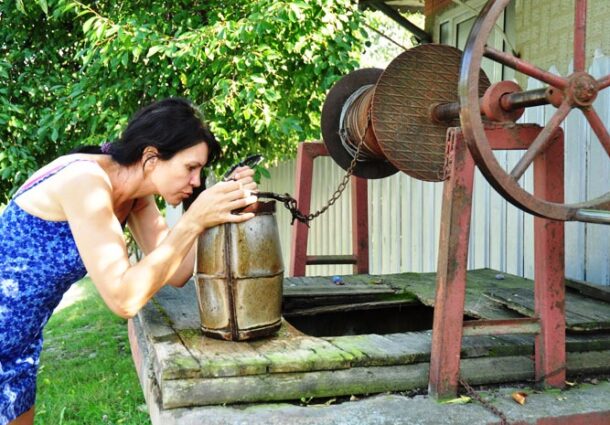
Water from over 70 percent of the wells in the country is not safe for drinking and does not meet sanitary standards, warns specialists from the National Public Health Agency (ANSP). They urge villagers to clean and disinfect the wells.

ANSP hygienist Liliana Carp said that in many localities, the water in wells does not meet sanitary standards. In Anenii Noi district alone, where a large outbreak of swine fever was recently recorded, specialists took 21 samples from wells. Water quality in Roșcani, Calfa and Calfa Nouă is constantly monitored to prevent any danger to public health.

Drinking water in the area comes mostly from artesian wells and public wells. Artesian wells reach depths of up to 142 meters and are protected by a thick layer of rock and clay, reducing the risk of harmful substances infiltrating.

The specialist said that in the spring, the water from the wells must be checked and treated, and many springs need to be cleaned and sanitized.

The results of drinking water quality monitoring from wells over the past years indicate quite high levels of non-compliance in both chemical and microbiological parameters. This situation is characteristic of groundwater and is mainly determined by the lack of centralized sewer systems, the unsanitary conditions of localities, the placement of latrines, toilets, and dumpsites in the immediate vicinity of wells. The most unfavorable situation in terms of water supply from underground wells was recorded in the districts of Anenii Noi, Căușeni, Fălești, Ștefan Vodă, Cahul and Gagauzia.

The specialist mentioned that in the urban sector, the situation is better, with over 97 percent of citizens having access to the water supply network, while in the rural sector, about 50% of residents have tap water access.

Statistics show that the majority of the population in rural areas consume water from wells.
 Facebook
 Instagram
 X/Twitter
 Telegram
DOC // Moldova's public-sector employees to receive one-off allowances of up to four thousand lei: law published in Official Journal, enters into force
Drone found in Florești had onboard camera, features specific to Gerbera type
Emotional moment in Parliament: six children opened plenary session with special sign language performance
Draft decisions with environmental impact compiled in new section on EcoContact
Researchers from four countries gathered in Chișinău to discuss medicinal plant biotechnology
DOC // Moldova has new media law
PHOTO GALLERY // Journey through Northern Moldova through MOLDPRES lens
New director at Teleradio-Moldova Company: Ecaterina Cheptanaru wins competition
Moldovan-American sectoral cooperation discussed at Moldova's Defense Ministry
Moldovan PM says situation on Dniester must not be turned into subject of political speculation
Moldovan PM says over 620,000 households might benefit from energy compensation during this season
Environment Minister on Dniester situation: Water reserves three times lower than discharges, situation worsened
Number of families eligible for energy compensation to increase
Government approves declaration of state of emergency in energy and hydrological sectors
VIDEO // Message in Romanian delivered by Prime Minister from UN rostrum
PHOTO // U.S. Ambassador-designate to Moldova arrives in Chisinau
Moldovan Prime Minister holds talks with Croatian and Slovenian counterparts
VIDEO // Prime Minister for Fox News Podcasts: Moldova can be export and trade hub for entire region
 National Bank of Moldova
Prime Minister at UN: Moldova may never become great power, but it can certainly become great country
Speech by Prime Minister at 81st Session of United Nations General Assembly
Prime Minister discusses European integration and strengthening economic cooperation with Croatian and Slovenian counterparts in New York
“A Night Written in Red” - documentary performance about courage, resistance and freedom staged in Parliament square
Strengthening Moldova’s cooperation with UNDP, UNOPS discussed in New York

Strengthening Moldova’s cooperation with UNDP, UNOPS discussed in New York
PHOTO // PM in New York tells Diaspora government willing to turn experience of Moldovans from United States into projects for country
Moldovan foreign affairs minister at UN says Moldova strengthening capacity to respond to health threats
Moldova under emergency state in energy, hydrological sectors as of September 26; what measures take effect
Moldova's National Crisis Management Commission approves new measures to ensure energy security, protect water resources
PHOTO // PM promotes Moldova's investment opportunities in New York
Balti Clinical Hospital to receive ultrasound machine through grant provided by government of Japan
Moldovan PM, U.S. investors, companies discuss potential projects in Moldova
Japan supports modernization of Balti Clinical Hospital with grant worth over 95,000 dollars
Moldovan parliament speaker urges students not to be afraid to express their ideas, wishes
Moldova's Border Police receive six special vehicles on behalf of FRONTEX
Head of state says Moldovans must build economy where well-educated people can find opportunities at home
Moldovan president attends events dedicated to 35th anniversary of foundation of Academy of Economic Studies
New charges brought against former Moldovan president Igor Dodon in “Kuliok” case; prosecutors seek harsher sentence
Moldova represented at Interparliamentary Conference on Stability, Economic Coordination and Governance in European Union
ARMENPRESS: EU Commissioner Kos promotes Armenian products after trade measures adopted
Receive the latest news directly to your email

Receive the latest news directly to your email