
Moldovan energy minister says Vulcanesti–Chisinau line prevents nationwide blackout in Moldova, after Russian attacks on Ukraine’s energy infrastructure
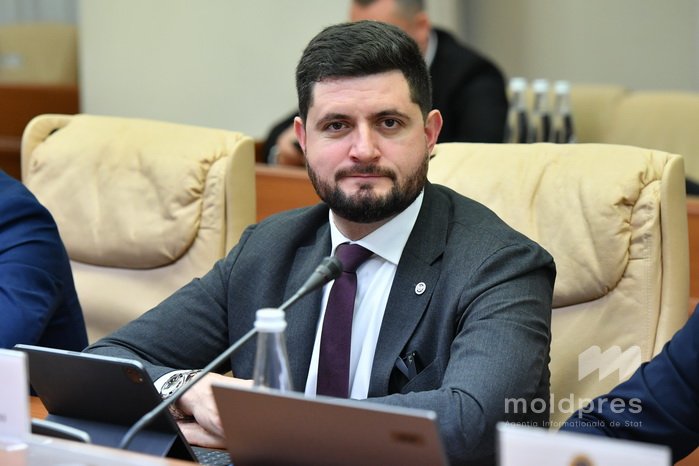
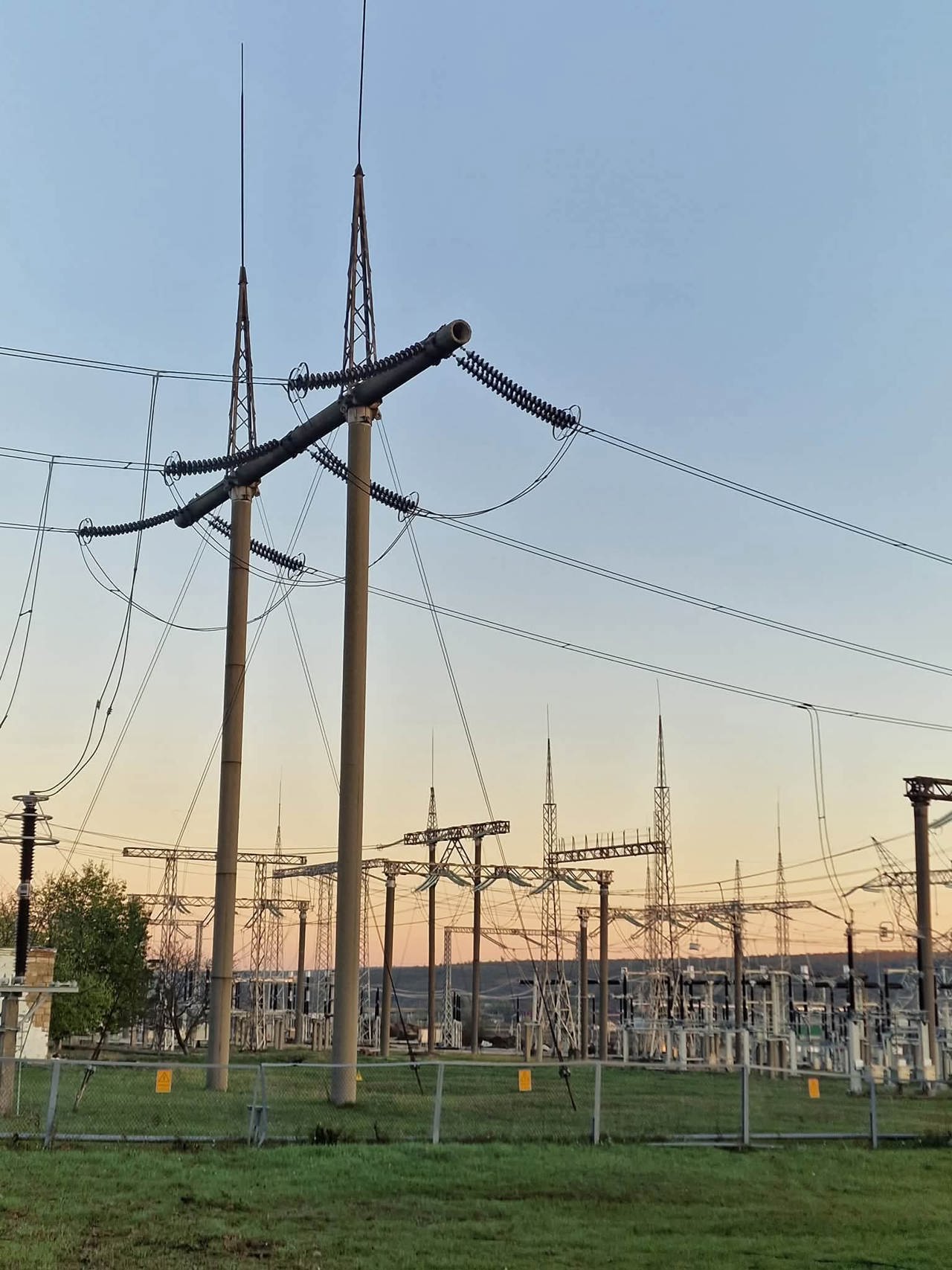
The new Vulcanesti–Chisinau power line has prevented a possible nationwide blackout in Moldova, following Russian attacks on energy infrastructure in the Odesa region. The line automatically absorbed disruptions in the regional electricity system, while consumers of Moldova experienced only minor fluctuations. Energy Minister Dorin Junghietu made statements to this effect during the In Context programme on Moldova 1 TV channel.
According to the minister, the attacks took place last Friday, at about 10:30 and the city of Odesa was left practically without electricity. Under these circumstances, the new electricity transmission infrastructure played an important role in maintaining the stability of the national system.
“As you know, on that day, Odesa was practically left without electricity, and we felt that shock only as a fluctuation. The national electricity system managed to cope precisely because the Vulcanesti–Chisinau power line had been commissioned and automatically absorbed that potential shock,” Dorin Junghietu said.
The minister emphasized that, without the new line, the consequences for Moldova could have been much more serious, with a high risk of a widespread interruption of electricity supplies.
“If we had still been using the old Isaccea–Vulcanesti–Kuchurgan line, we would have experienced a power outage. (...) Under the old configuration, there was a very high probability that we would have faced some kind of blackout,” the official said.
Dorin Junghietu noted that risks to Moldova’s energy security persist, which is why the government ruled to move from a state of emergency to an alert status in the energy sector, without abandoning rapid-response mechanisms. He also said that Moldova continued to operate within an electricity system integrated with Ukraine’s, and that security developments in the region may affect energy supplies.
“We must have mechanisms for rapid intervention in various scenarios, as was the case throughout the current year. (...) Following the attacks that took place in Ukraine during the past week, the Ukrainians set their export capacity to zero. Therefore, they are no longer commercially exporting a single megawatt of electricity,” the minister specified.
At present, Moldova is meeting its electricity needs through imports from the Romanian market, particularly during peak hours, to compensate for insufficient domestic production.
The Vulcanesti–Chisinau power line, approximately 157 kilometers long and with a capacity of 400 kV, was inaugurated and energized on November 8, 2026. It enables electricity to be transmitted from Romania directly to the center of the country, without passing through the Kuchurgan energy hub. Two other major interconnections are in preparation: the Balti–Suceava line, for which a contract worth 17.5 million euros has been signed, and Straseni–Gutinas, a project estimated at 130 million dollars and financed by the United States, the completion of which is planned for 2032.Ukraine’s energy infrastructure continues to come under Russian attacks, while electricity generation and transmission capacities remain affected. According to an assessment published by the International Energy Agency on November 4, 2026, attacks during the previous winter damaged or destroyed 8.5 GW of electricity generation capacity, while power outages affecting the population reached nearly 12 hours a day in last February. The IEA warns that new attacks on power plants, electricity grids and gas infrastructure continue to pose a risk of energy shortages in next winter too.
According to a joint assessment conducted by the government of Ukraine, the World Bank, the European Union, and the United Nations, published on February 23, 2026, total direct damages in Ukraine exceeded 195 billion dollars as of December 31, 2025, while the energy sector recorded an approximately 21-per cent increase in damaged or destroyed assets compared with the previous assessment. The energy sector’s reconstruction and recovery needs are estimated at almost 91 billion dollars.

 Facebook
 Instagram
 X/Twitter
 Telegram
PHOTO // Southern Moldova farmers trained in Comrat on agroforestry solutions to combat effects of drought
Moldova to be able to create own defense industry
Moldovan parliament appoints vice president of Court of Accounts
Registration for Wine of Moldova 2026 National Competition open; wineries can register till November 25
VIDEO // Chisinau Airport to be expanded under contract worth over 180 million lei; reconstruction works to start in next December
0.5% tax on construction investments to be eliminated
Moldovan government simplifies rules for entrepreneurs: over 70 authorizations to be eliminated or simplified, 150 permits to be reviewed
PHOTO // Twenty-four producers promote Moldovan wines, divins in Tokyo
Prime Minister about 2027 State Budget: Revenues will grow twice as fast as expenditures
Moldova's National Road Transport Agency warns carriers Estonia to close three border crossing points with Russia as of December 1
Japan to provide Moldova with loan of up to 8.6 billion yen for agricultural modernization
ANRE: Natural gas reserves for 2026–2027 cold season fully established
From Ungheni to Iasi on European-Gauge railway: Moldovan deputy PM provides details on project, construction timeline
Railway of Moldova enterprise separates infrastructure of freight transport from passenger one; deputy PM announces when reform to be completed
Moldova prepares law to protect citizens from deepfakes, identity theft
Moldovan PM says Kremlin has well-laid plans for Moldova
Moldovan energy minister says Vulcanesti–Chisinau line prevents nationwide blackout in Moldova, after Russian attacks on Ukraine’s energy infrastructure
PHOTO GALLERY // From Alexander the Great’s gold to electronic cards: story of money captured at National History Museum of Moldova
More than 300 coins displayed at National History Museum of Moldova; two ancient hoards presented for the first time
Moldovan parliament approves draft state budget for 2027 in first reading; supporting population, economic recovery, investments in infrastructure among priorities
Moldova's draft state budget for 2027 unveiled in parliament
 National Bank of Moldova

Moldovan parliament approves draft state budget for 2027 in first reading; supporting population, economic recovery, investments in infrastructure among priorities
Irrigation infrastructure of Moldova to be rehabilitated with financial support of European Bank for Reconstruction and Development
Ratified by Moldova's parliament: irrigation infrastructure to be rehabilitated with top European bank's financial support
Less bureaucracy and lower administrative costs for businesses: Parliament votes in first reading on new deregulation package
Better conditions for students in vocational and technical education

Moldovan authorities investigate possible cases of illegal financing, voter bribery ahead of runoff election in Gagauzia
Ratified by Moldova's parliament: irrigation infrastructure to be rehabilitated with top European bank's financial support
PHOTO GALLERY // Over 60 companies participating in Expo Mobila 2026, opened at Moldexpo
Less bureaucracy and lower administrative costs for businesses: Parliament votes in first reading on new deregulation package
Speaker about Russian Embassy’s message on alleged anti-Russian provocation
Better conditions for students in vocational and technical education
16 Days of activism against gender-based violence campaign backed by Parliament
Introduction of digital identity wallets for citizens and businesses approved in first reading
Moldova and Romania advance energy interconnection expansion: construction of Suceava–Bălți line to be accelerated
Local Public Administration Reform in Moldova under review by Council of Europe’s Centre of Expertise
Old-calendar Orthodox Christians start Nativity Fast, which lasts 40 days
Chisinau denounces new “information diversions” by Moscow after Russian Embassy invoked alleged “anti-Russian provocation”
Council of Europe welcomes efforts to reform local public administration and praises amalgamation model chosen by the Republic of Moldova
More people should be deprived of citizenship of the Republic of Moldova because they do not respect and work against state, President says
Head of State about Prime Minister: I think he is doing well, despite all crises coming one after another
President rejects reports of possible federalization of country
Receive the latest news directly to your email

Receive the latest news directly to your email