
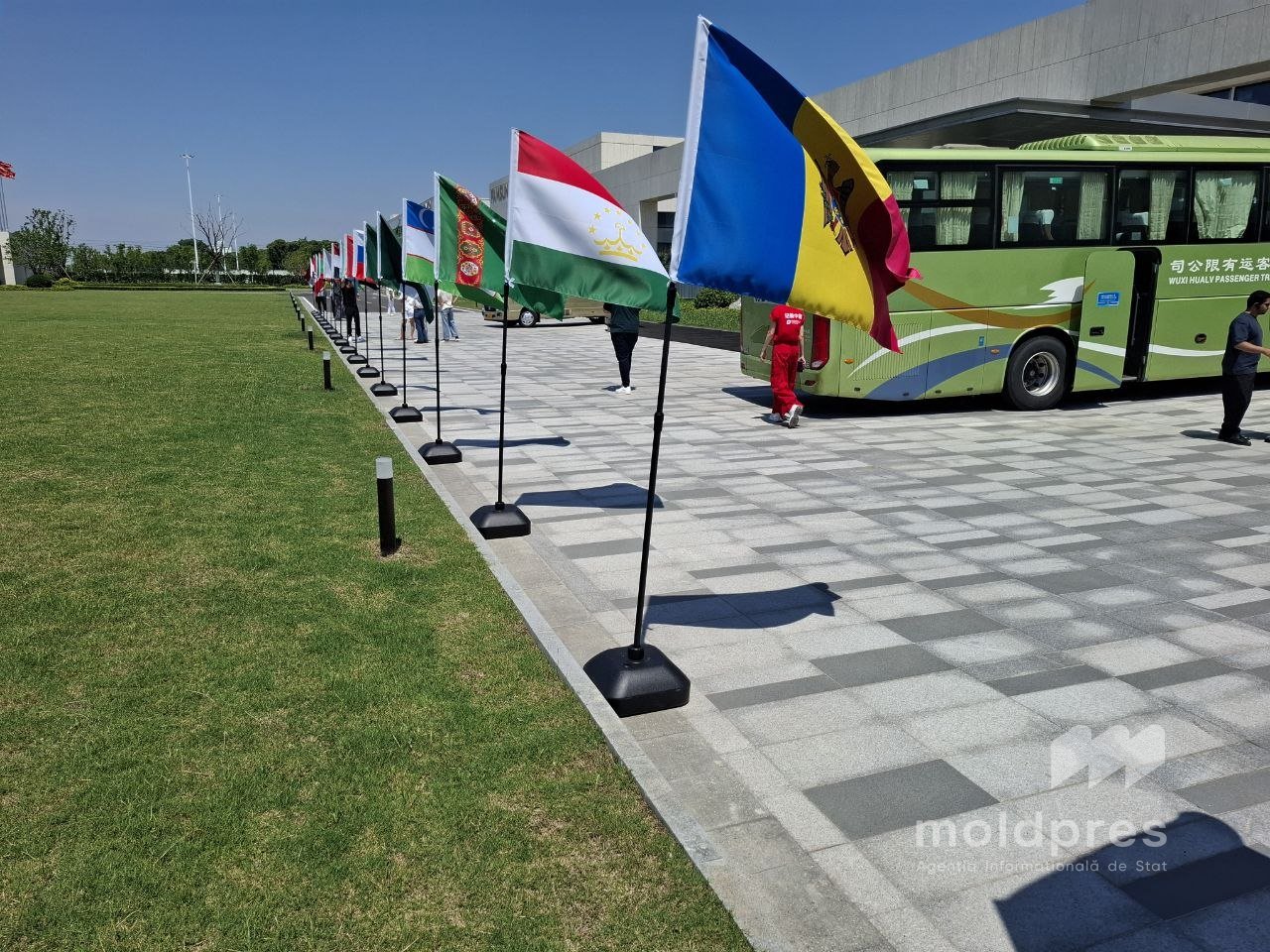
MOLDPRES REPORT // From farm to table: How Moldova can modernize agricultural sector inspired by Chinese giant Famsun’s technologies
In Jiangsu Province, where millennia-old traditions blend in an almost science‑fiction way with the technology of the future, the city of Yangzhou hosts a true global “capital” of agri‑food innovation: the headquarters and research complex of FAMSUN Co., Ltd.

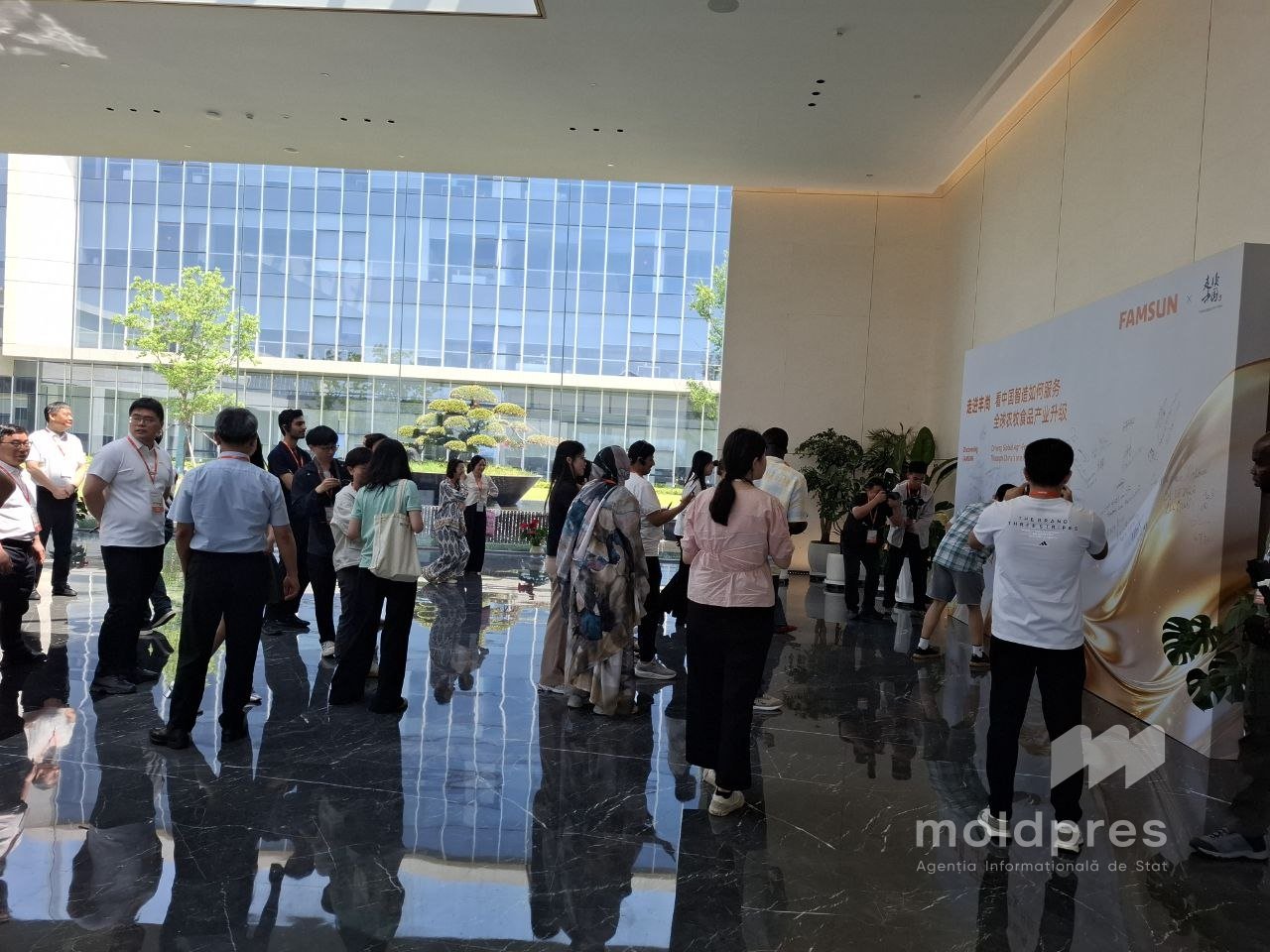
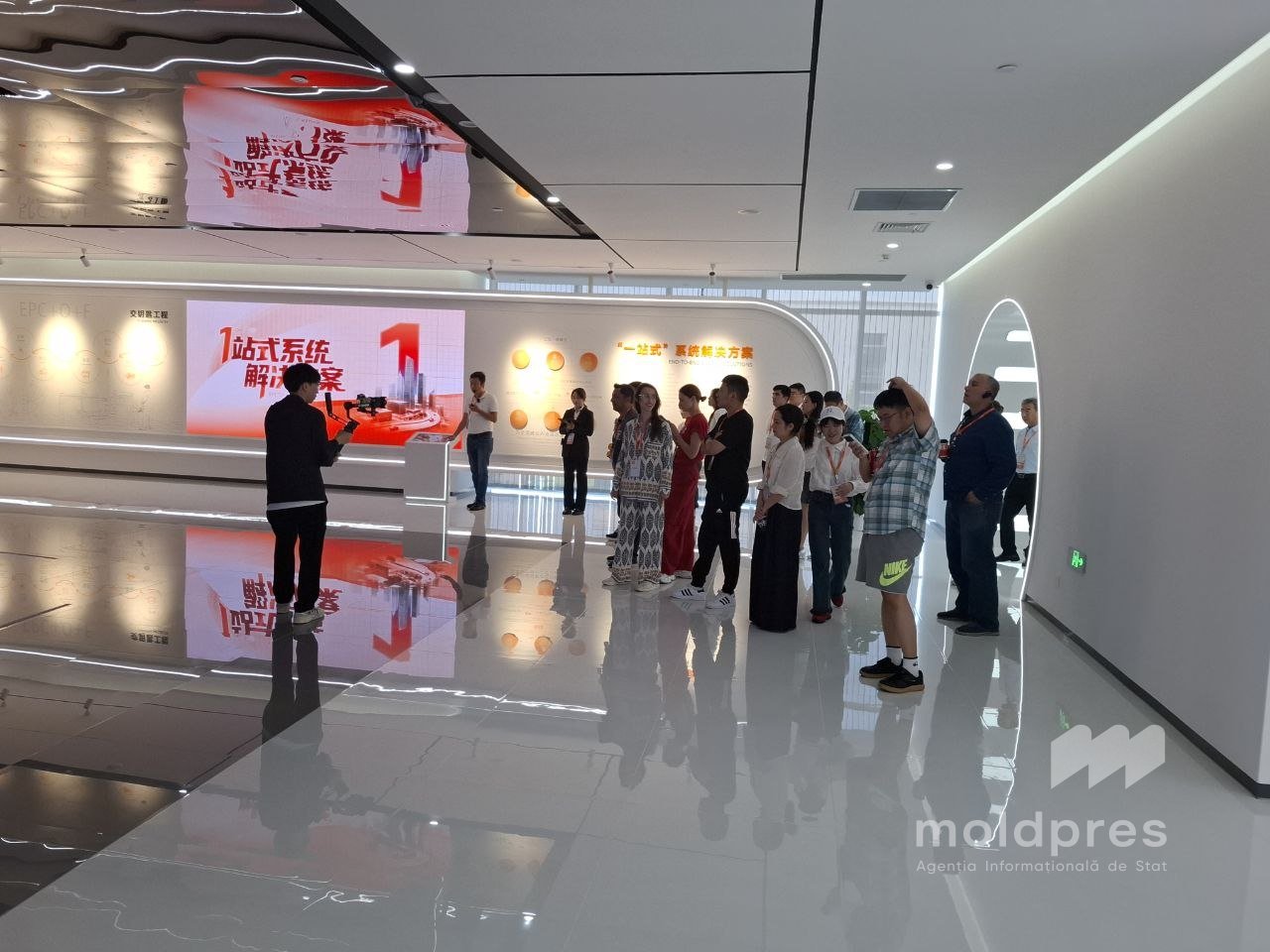
MOLDPRES correspondent visited the production platforms and artificial intelligence laboratories of the Chinese giant to understand how global food security standards are being redefined and, above all, how the Republic of Moldova—a country with a deeply agrarian profile, but partially locked into exporting raw primary commodities—can apply these models to achieve a pronounced economic leap.

A journey into the future: “Blackout” factories where computers replace the hoe

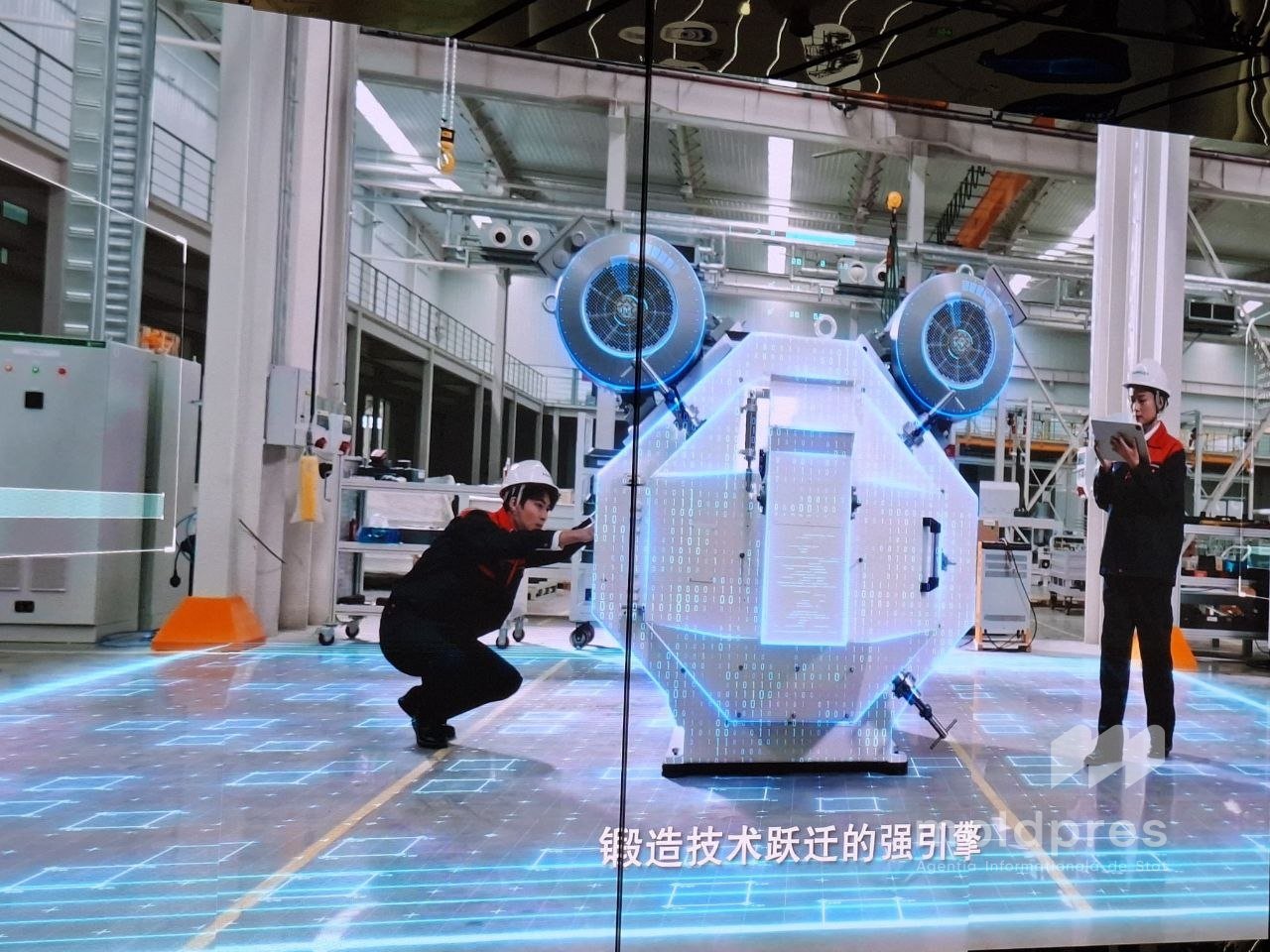
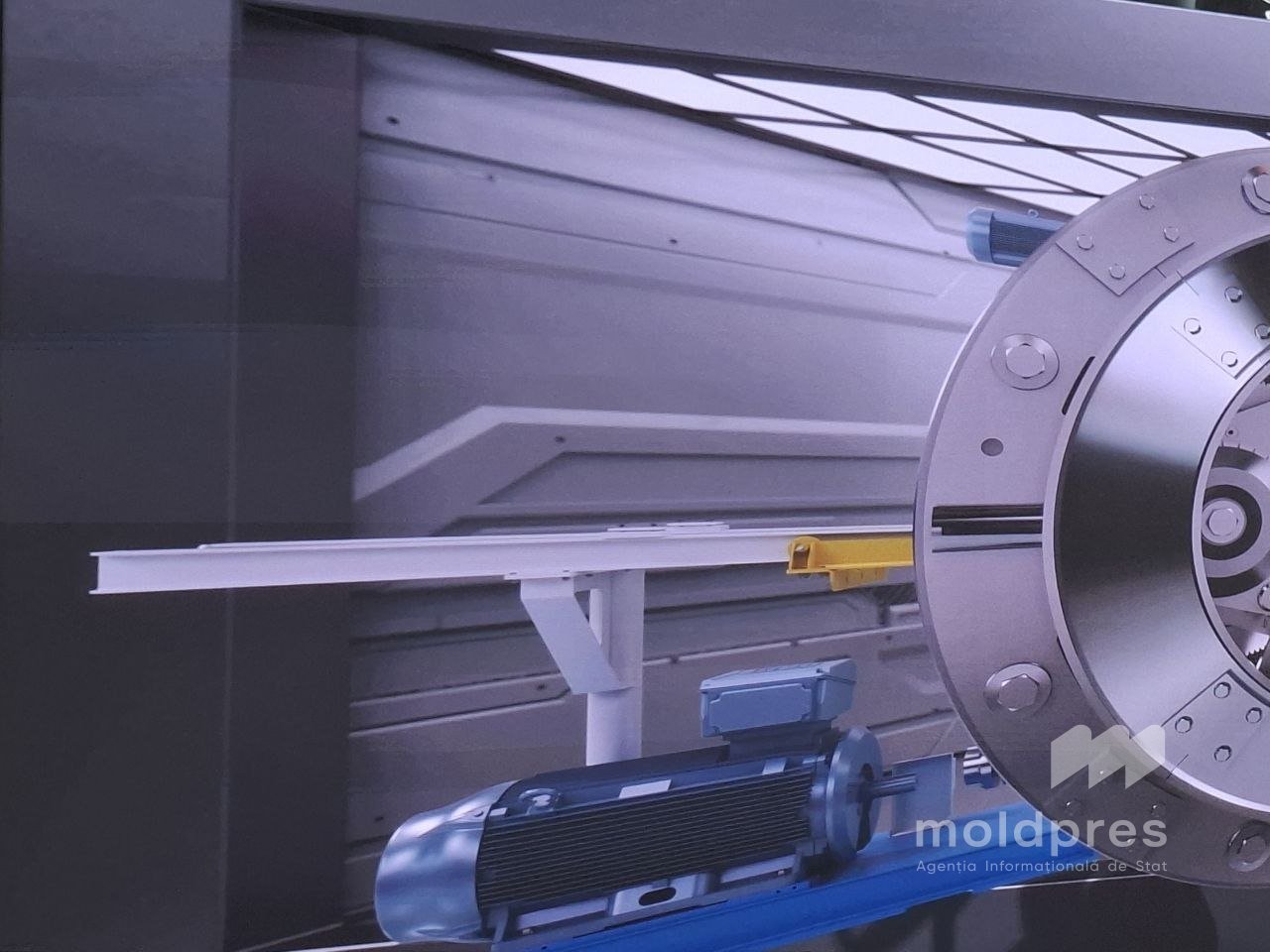
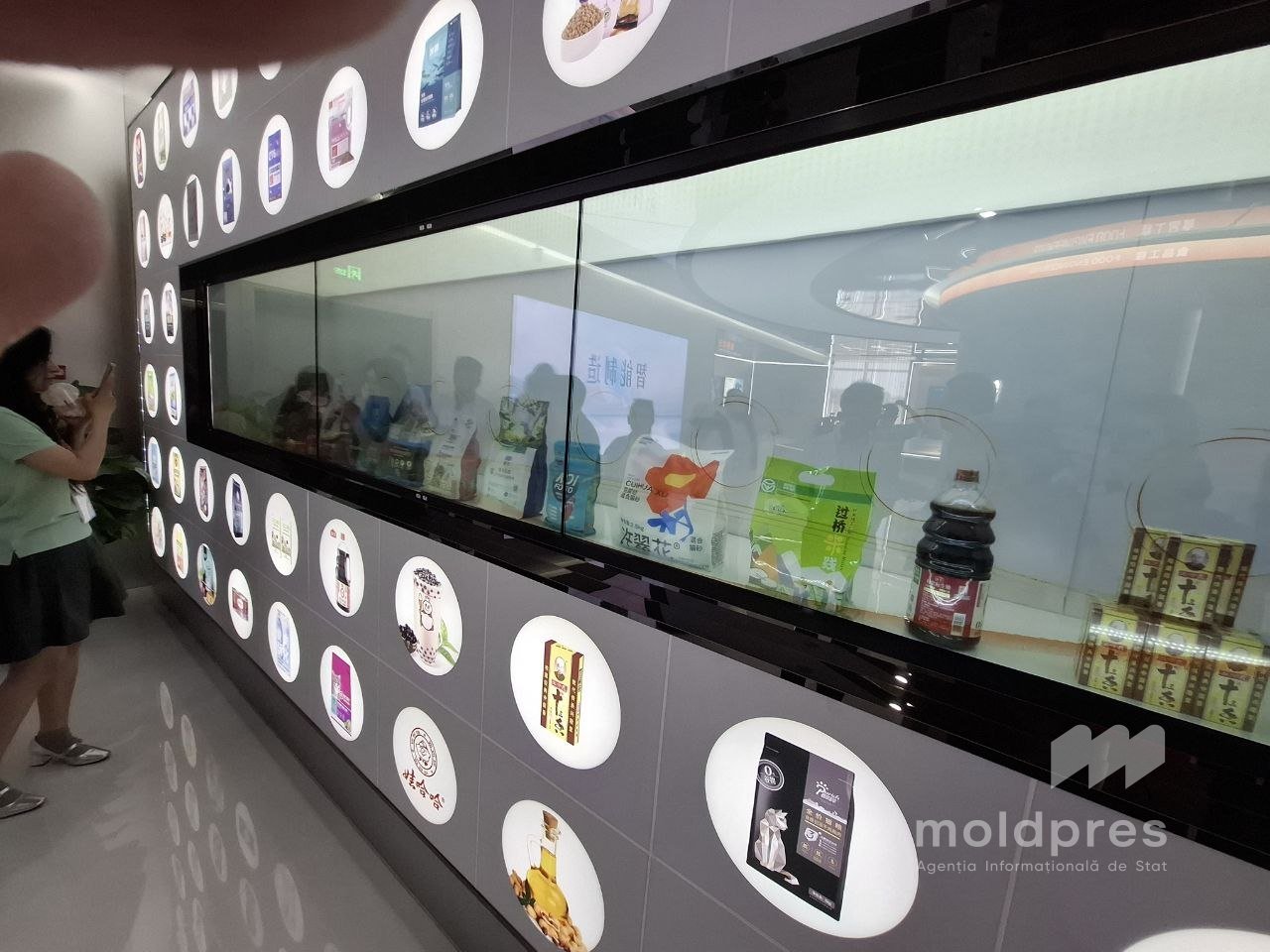
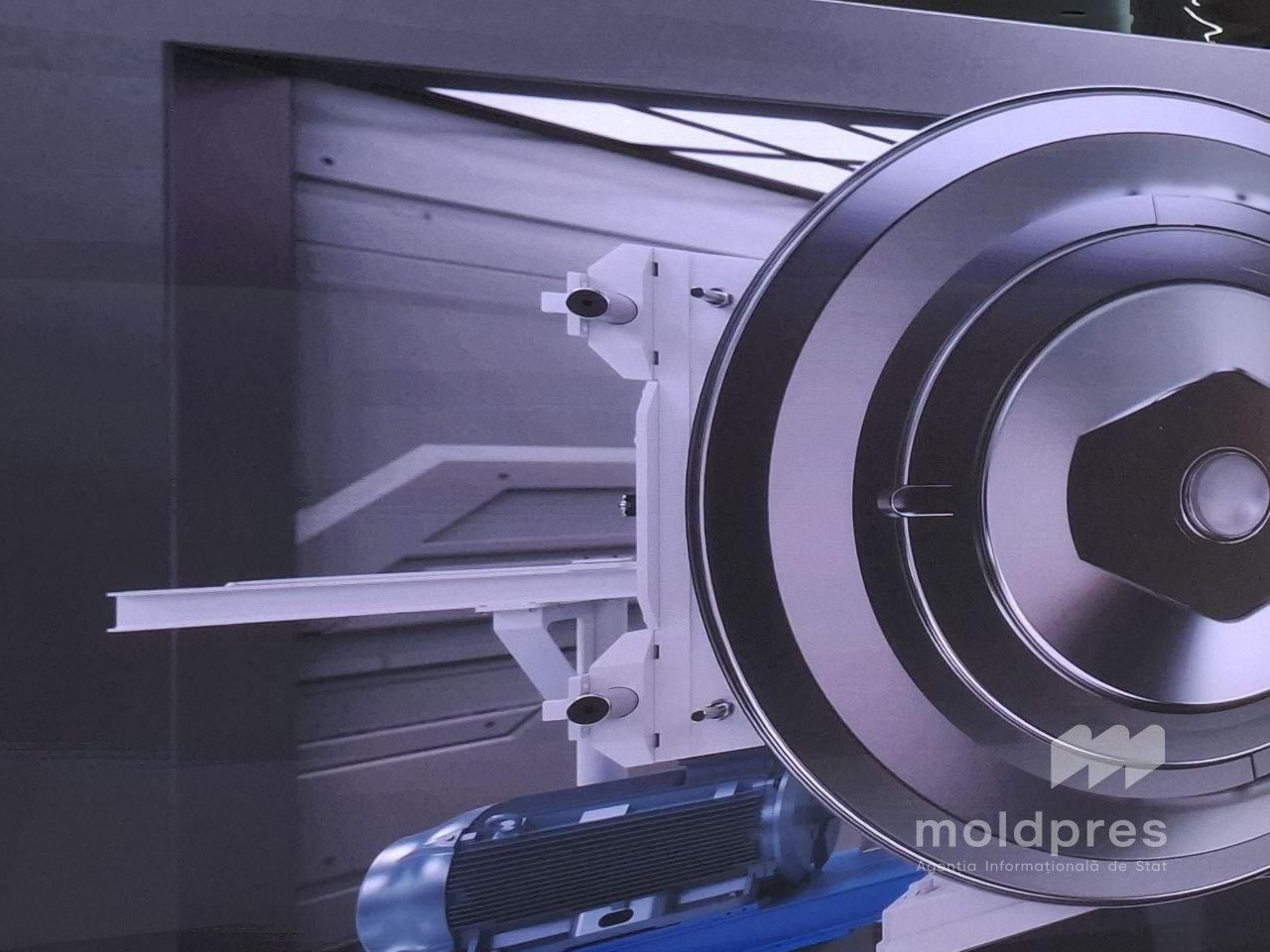
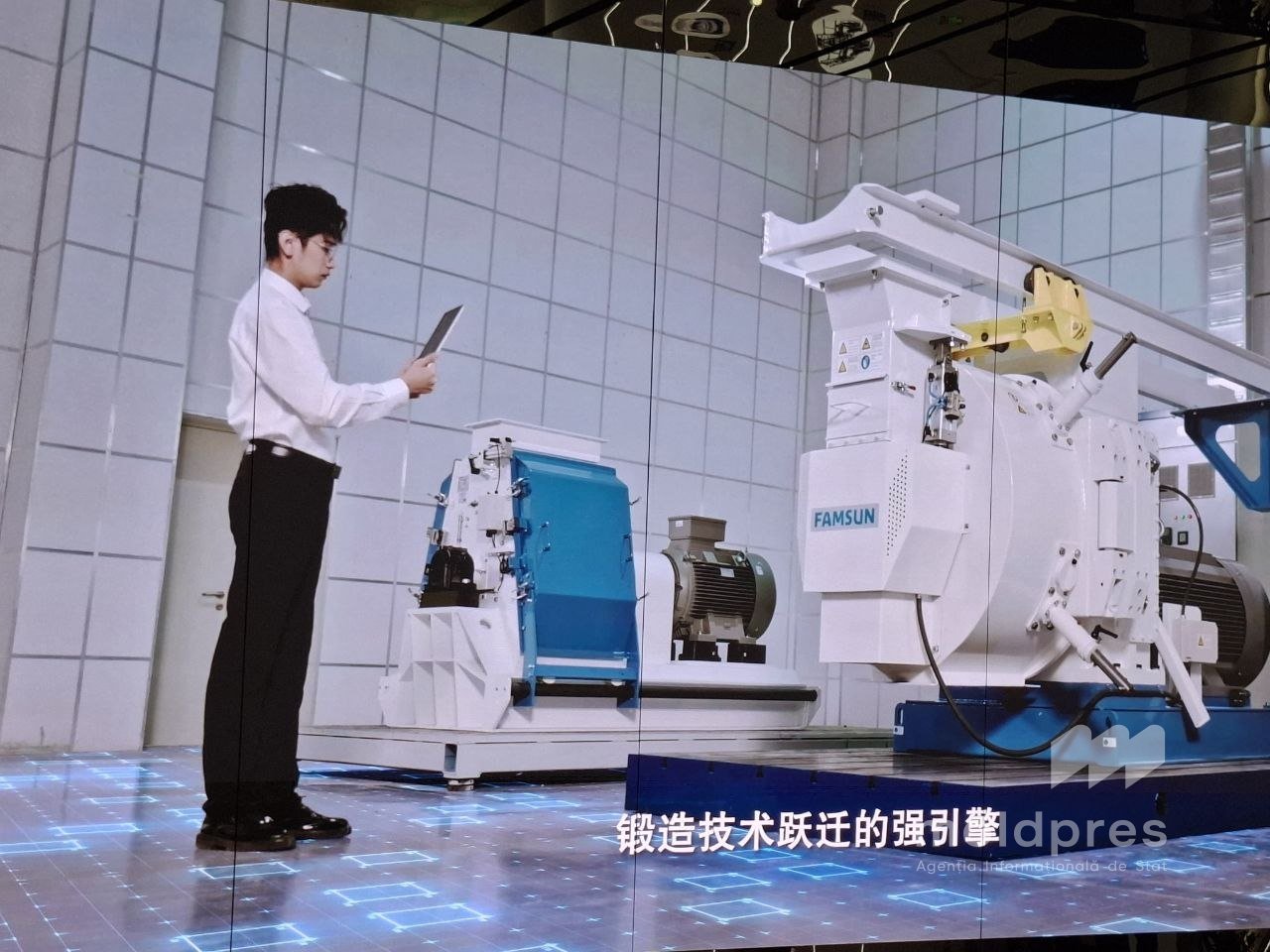
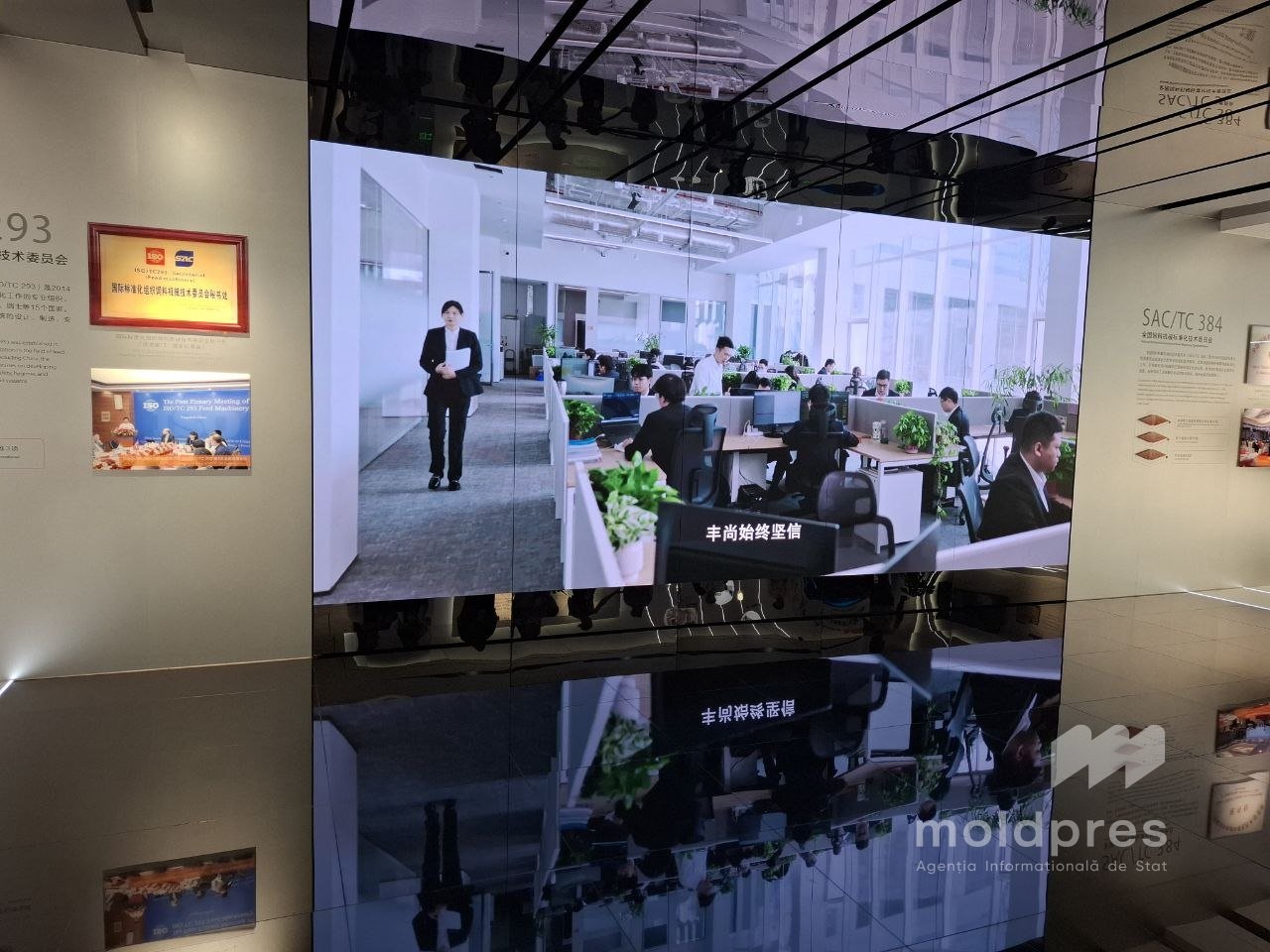
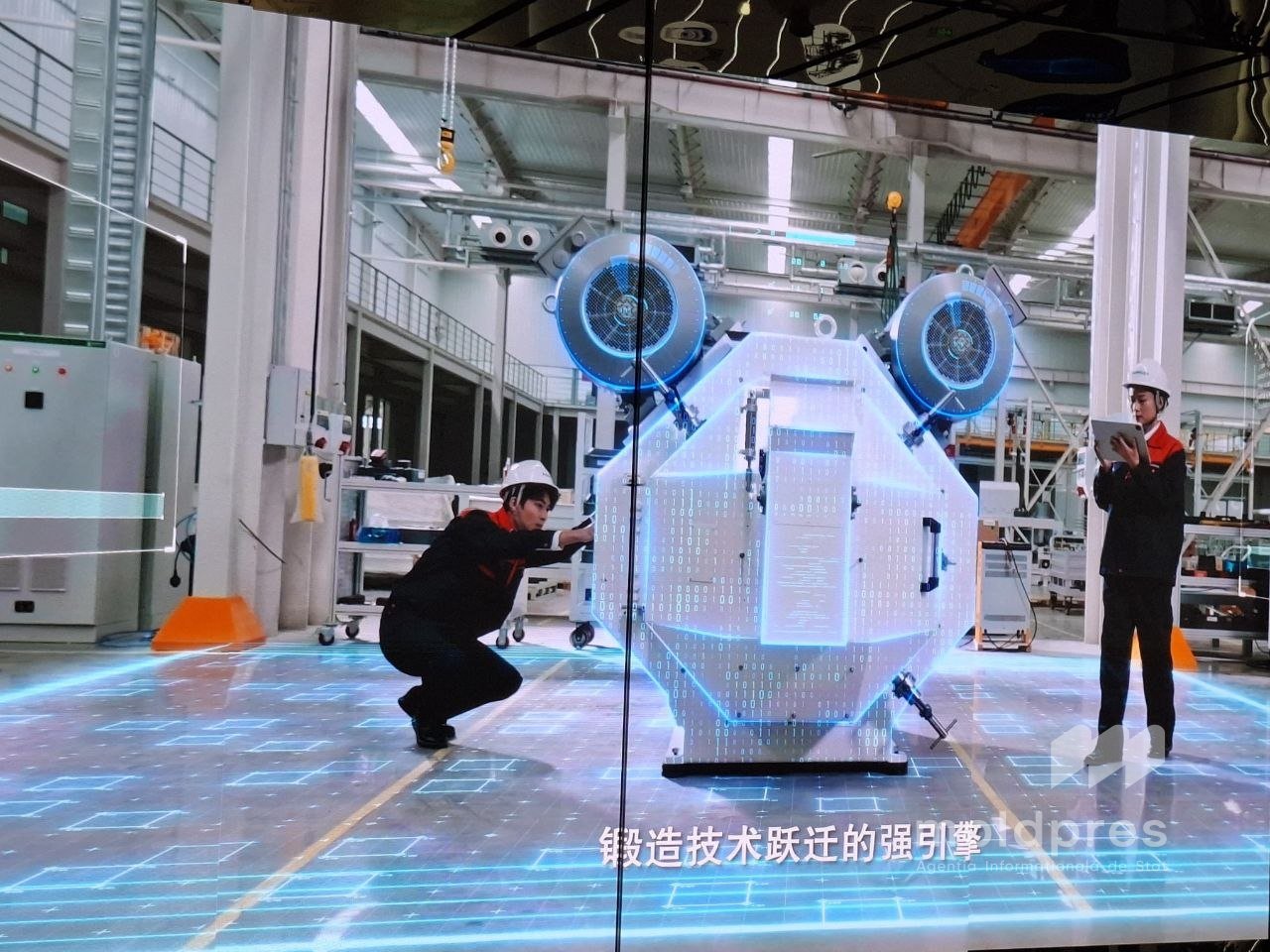
At FAMSUN, the systemic integration vision “From Farm to Table” is not just a branding tool, but a fully automated operational reality. In the laboratories and assembly units in Yangzhou, production flows are guided by state‑of‑the‑art industrial robots, Big Data algorithms and Edge Computing technologies.

Particularly spectacular are the so‑called “blackout factories”: feed production or grain processing lines where human presence in the execution area is reduced to zero, with processes being fully autonomous and remotely monitored via IoT (Internet of Things) sensors. From raw material intake, cleaning and precision dosing to pelletizing, packaging and palletizing, everything runs in a perfectly sterile and energy‑optimized circuit.

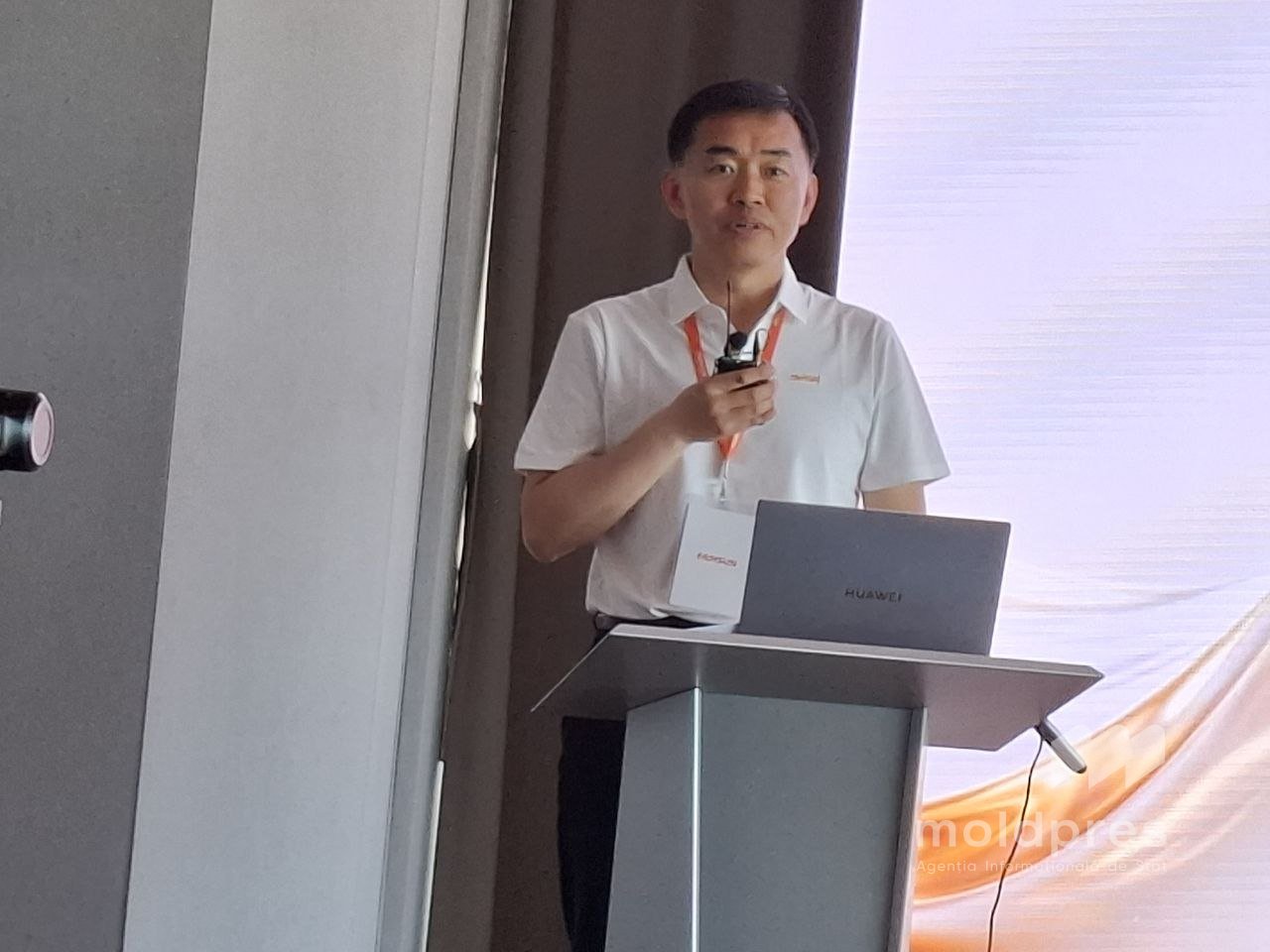
With more than 10,000 major projects completed in 140 countries, the group delivers integrated turnkey solutions. “We are no longer talking about simple individual machines, but about digital ecosystems capable of thinking on their own,” explains to MOLDPRES the chief automation engineer from FAMSUN’s R&D department.

“A major problem of today’s global agriculture is waste caused by poor management and the human factor. Our systems update feed formulas in real time using artificial intelligence algorithms, ensuring millimetric precision and 20–30% lower energy consumption compared to previous‑generation plants. For an emerging country, process digitalization is no longer a luxury, but the only way to become competitive on international markets,” the Chinese expert emphasized.

X‑ray of vulnerabilities in the Republic of Moldova and FAMSUN’s response

For the Republic of Moldova, the agri‑food sector remains the main engine of the rural economy, but structural vulnerabilities are chronic: post‑harvest losses, lack of processing infrastructure, total dependence on weather whims (severe cyclical droughts or floods) and the sale of production at rock‑bottom prices immediately after harvest due to the lack of eco‑friendly storage capacities.

In this context, the experience and technology examined in Jiangsu Province offer three strategic pillars of reform that can be absorbed by Moldova’s agricultural sector:

1. Storage security: Turning the silo into a “digital vault”

Currently, the Republic of Moldova exports a large part of its wheat, corn, sunflower and other grains as raw primary commodities directly from the field, losing massively in terms of added value.

In a discussion with the MOLDPRES correspondent, FAMSUN specialists explained how this vicious circle can be broken:

“We have analyzed the specifics of the Black Sea basin region, including the Republic of Moldova. The solution is not just to build a metal barn, but to implement intelligent systems. Our technology keeps the grains in a state of ‘controlled hibernation’ through automatic management of airflow, temperature and humidity. Moldovan farmers would no longer be forced to sell everything in July or August, when prices collapse. They can safely store their production for months, waiting for optimal quotations on European or international exchanges. Practically, the silo becomes a profit bank, not just a warehouse.”

2. Value leap: From corn exporters to regional leaders in feed and pet food

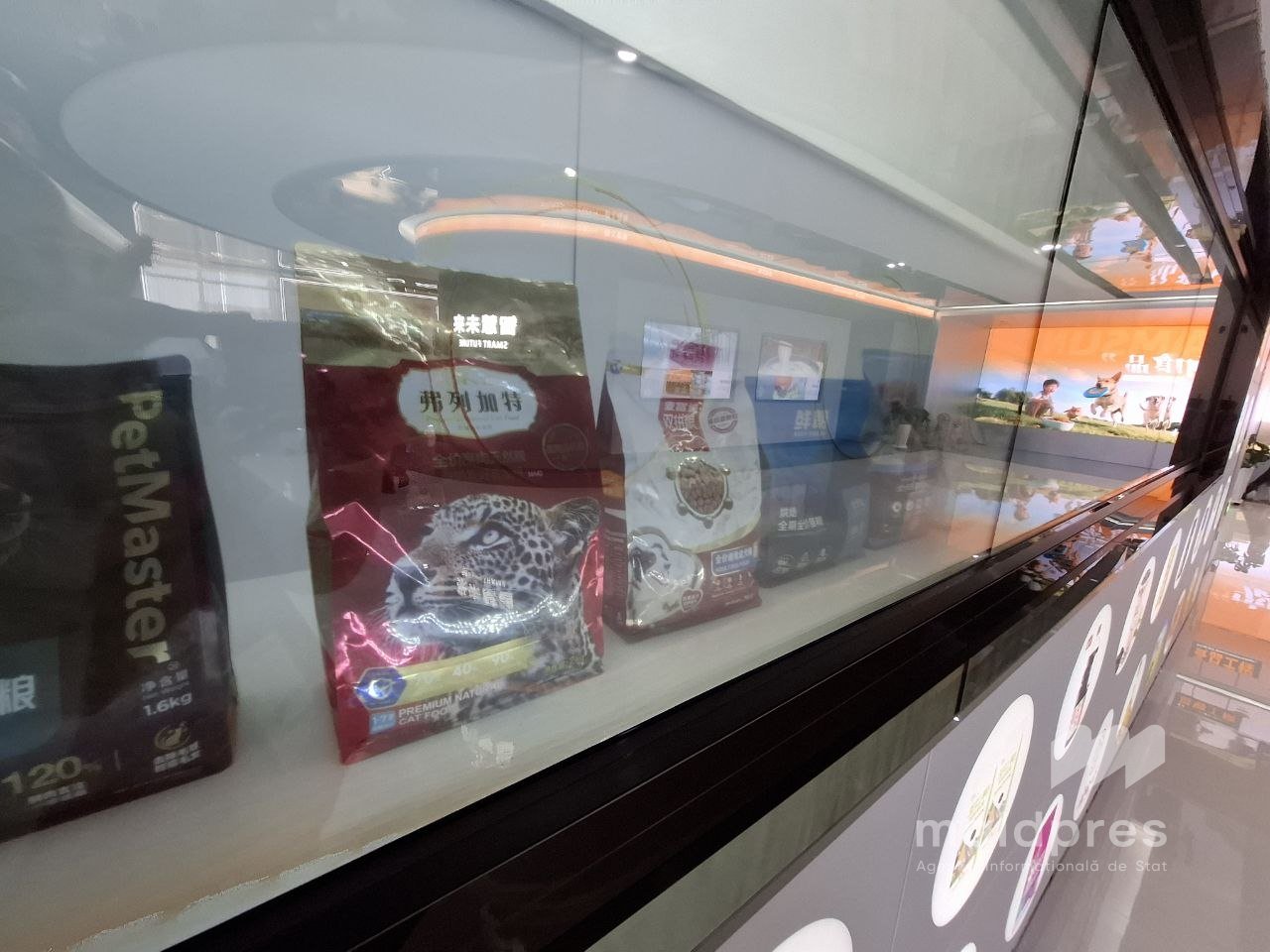
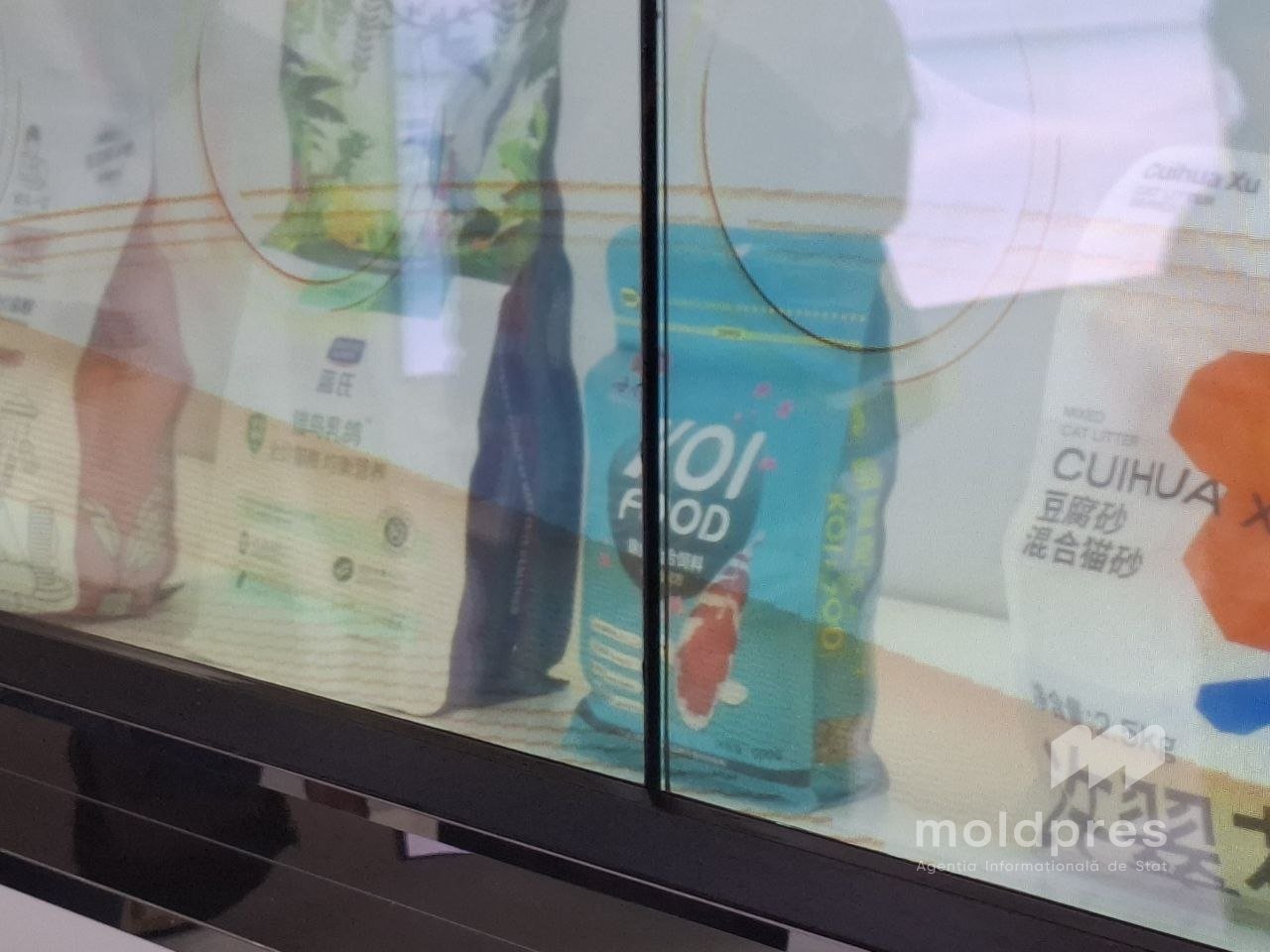
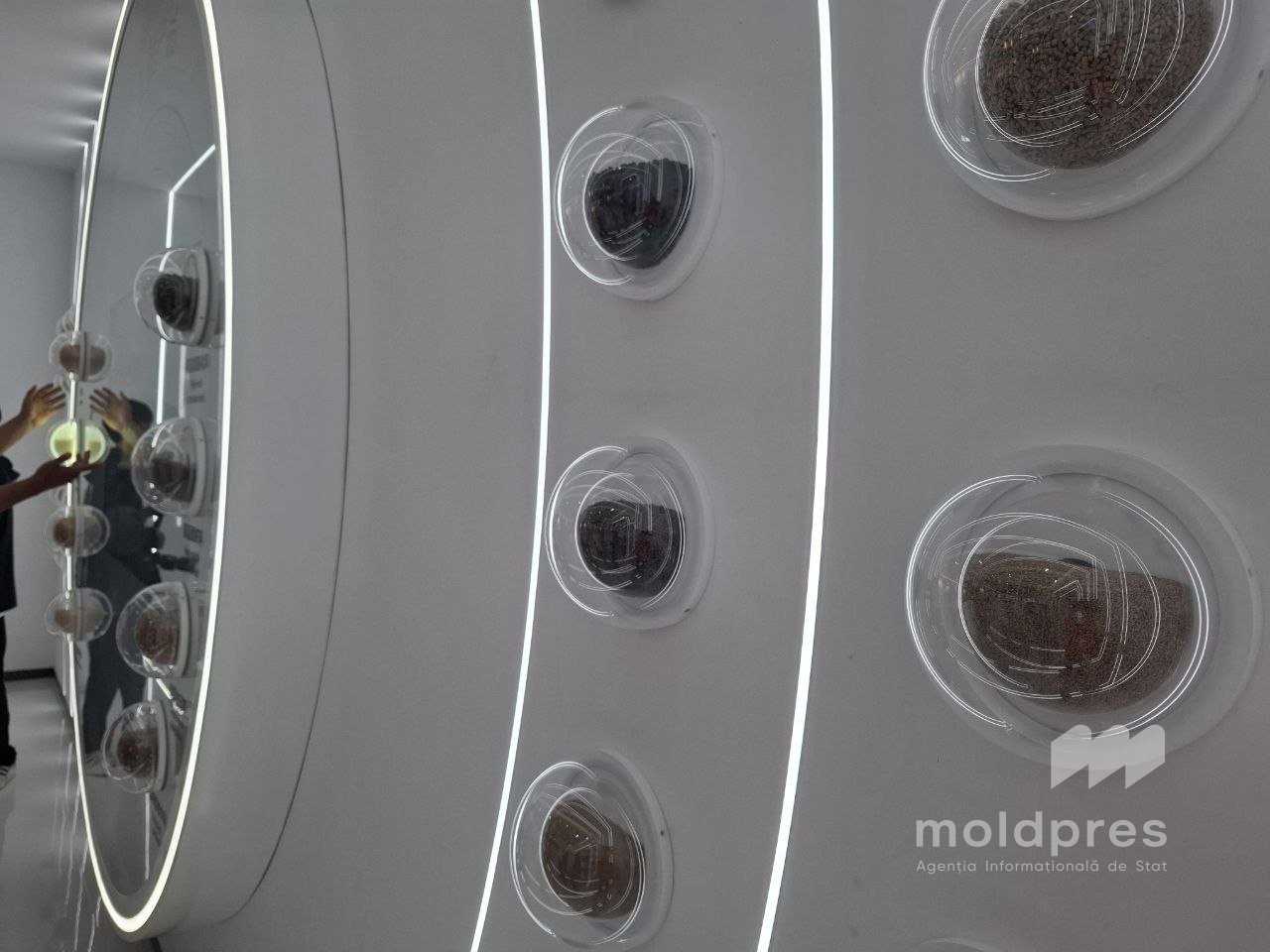
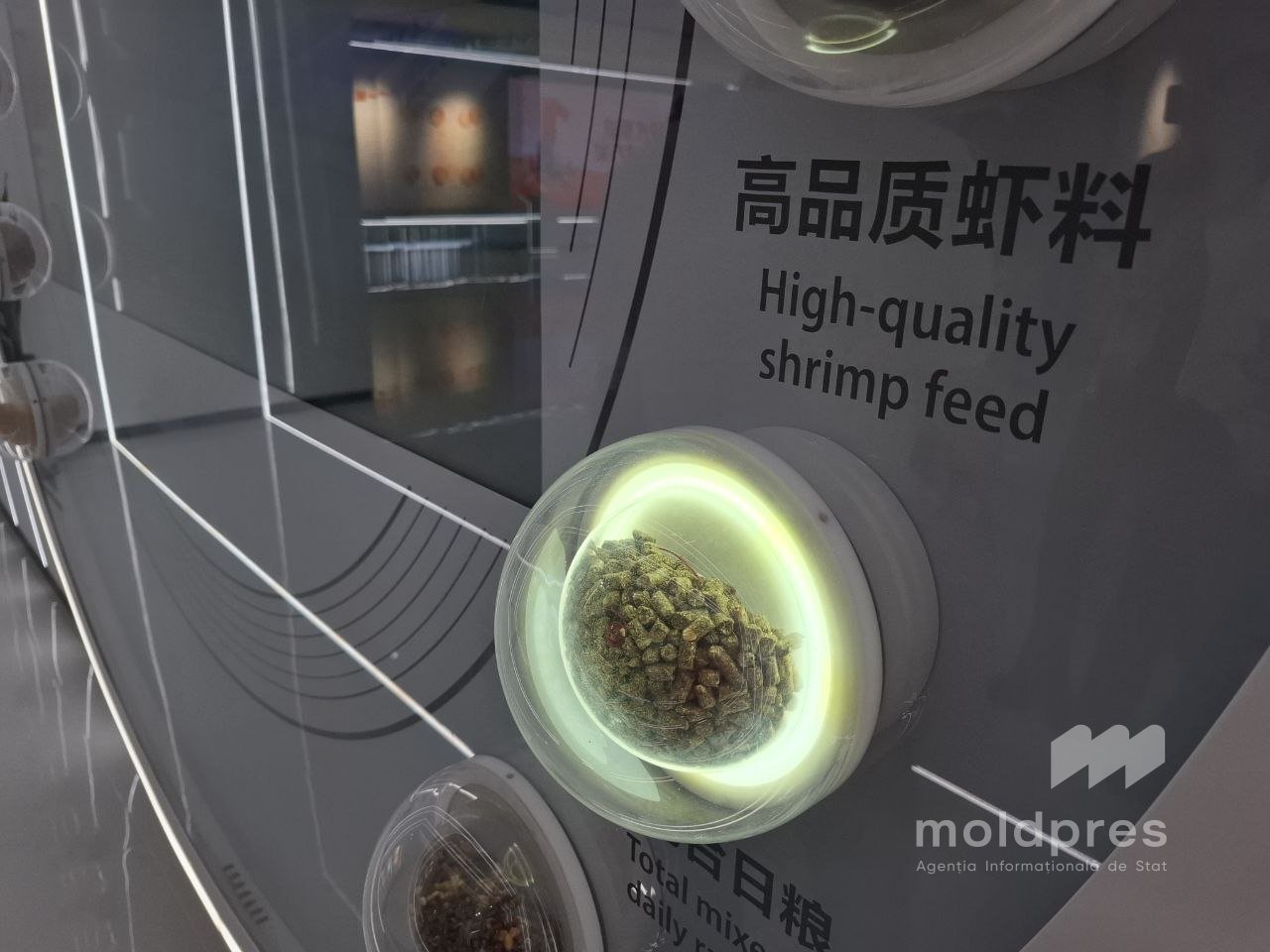
Another opportunity identified in Yangzhou is the grain processing industry for livestock farming and the rapidly expanding “pet food” segment worldwide.

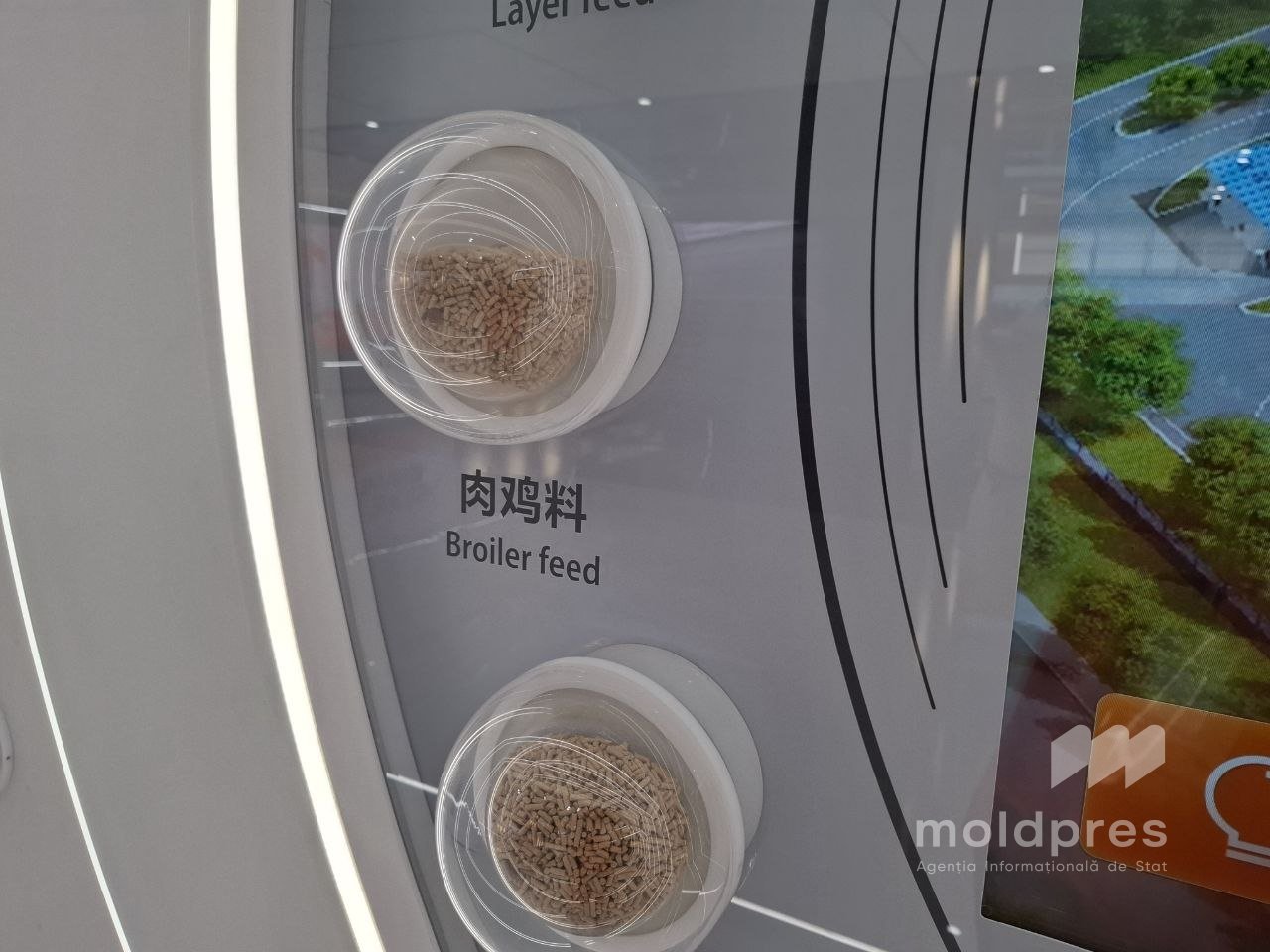
Instead of selling corn as is, FAMSUN’s extrusion and pelletizing technologies would allow Moldova to develop modern plants for concentrated feed with a high degree of bio‑assimilation. Transforming raw grains into premium feed for the local or regional market would create a superior value chain: Moldovan cereals become feed; the feed develops domestic animal husbandry; and the final exported product is processed meat or dairy—items that are up to ten times more expensive on the market than a ton of raw grain.

3. Smart Farming: The solution to drought and high livestock costs

Climate change is hitting Moldovan villages hard. The precision livestock farming proposed by Chinese engineers decouples farm productivity from weather risks. Modern automated poultry, pig or cattle farms use biometric sensors that monitor animal health, regulate the microclimate and optimize water and feed consumption down to the gram. This automated management reduces losses by up to 35% and offers full financial predictability to rural businesses.

Concrete partnership opportunities: Technology transfer for Moldovan engineers

FAMSUN is a major partner in global logistics interconnection initiatives and already has a solid track record of large‑scale projects successfully implemented, including in the ex‑Soviet and Eastern European space. The company does not sell only industrial equipment; it provides a full support package: engineering assistance, design adapted to local terrain and climate, as well as rigorous training programs for local operators.

For the Republic of Moldova, technological cooperation—through credit facilities for modernizing agricultural infrastructure or through public–private partnerships dedicated to regional logistics hubs—would be the necessary push to move from traditional agriculture to a “high‑precision agricultural bio‑economy”.

The visit to FAMSUN’s industrial complex in Yangzhou is a stark yet hopeful reminder: the fertile soil of the Republic of Moldova (our famous chernozem) represents only half of the modern economic success equation. The other half is technology properly applied. Watching the robotic arms that assemble with micro‑precision the components of the world’s future smart factories, it becomes clear that the future of the Moldovan village can no longer be built on empirical methods and rudimentary tools.

The future means automation, digitalization and industrial vision. The technology exists, is globally tested and available: what remains is the courage and economic pragmatism to bring it home.
 Facebook
 Instagram
 X/Twitter
 Telegram
President explains current energy crisis and urges reduced consumption during peak hours
Energocom: Electricity shortage during peak hours; consumers urged to save energy
Prime Minister: This government’s focus is to moderate rise in real estate prices
Finance Minister explains key proposed 2027 tax policy changes on income tax
DOC // Draft fiscal policy for 2027 submitted for public consultation
Government to increase personal tax exemption for employees to 40,000 lei
Prime Minister presents new fiscal policy concept for 2027
Apple harvest in Moldova could grow by 17.5% this year, while EU production expected to decline
LIVE // Prime Minister presents main provisions of fiscal policy for 2027
VIDEO // Digital transformation must be visible in people’s daily lives and in how economy works: Prime Minister visits e-Governance Agency
Fuel crisis: PM announces Romania to support Moldova
VIDEO // Prime Minister announces sweeping tax reform: lower labor taxes, higher levies for banks, tobacco and gambling
Prime Minister urges citizens to use energy rationally: To avoid paying higher costs, we must save
30 MW photovoltaic power plant to be built in Vadul lui Vodă
Restart in Education: MEC proposes reform to take effect in Chișinău, Bălți and Gagauzia starting in 2028
Parallel financial investigations to be conducted under common national mechanism
Ministry of Infrastructure provides clarification on transit of Ukrainian goods
Energocom fully purchased gas needed for upcoming cold season
 National Bank of Moldova
Prime Minister discussed with Czech counterpart
Over 23,000 residents from Transnistrian region officially employed on right bank of Dniester River
More investment in national economy: Government encourages investors through clearer rules and incentives for strategic projects
Moldovan government approves five‑year national development program
Measures to reduce risks caused by natural disasters approved by Government



MPs proposed 188 amendments and delivered 288 speeches in first 2026 session
Local Product exhibition to open on 28 August at Moldexpo: two national records and over 300 participating companies
Moldova offers Ukraine 50% railway transit discount to attract millions of euros to CFM
Prime Minister discussed with Czech counterpart
Additional 6 million lei to be provided to fund shelters for Ukrainian refugees
Ceiling for foreign exchange operations without NBM authorization to be increased to 100,000 euros
Defense Minister: Aircraft that caused explosion in Crocmaz is Russian propulsion drone
Over 23,000 residents from Transnistrian region officially employed on right bank of Dniester River
VIDEO // Moldova ready to facilitate transit of Ukrainian grain
Deputy Prime Minister about recalling Moldova’s ambassador to Moscow for consultations: It is diplomatic response, used when state’s interests affected
More investment in national economy: Government encourages investors through clearer rules and incentives for strategic projects
Approved by Government. Moldova to step up exchange of police data with European states
Key objectives in European integration process set by end of August
Prime Minister orders changes to tax procedures after entrepreneur misses tax relief due to late filing
Moldovan government approves five‑year national development program
Commission to nominate 2026 national award laureates approved
Receive the latest news directly to your email

Receive the latest news directly to your email