
MOLDPRES REPORT // Smart technology for old apartment blocks: Chinese solutions that might fix parking, waste problems in Moldova’s cities
In the heart of China’s Jiangsu province, where the Yangtze River traces the outlines of one of the world’s most dynamic economic regions, the city of Jiangyin is rewriting today the textbooks of urban administration. A special MOLDPRES correspondent visited this hotspot on Asia’s innovation map: the Tianhe Community Workstation – a highly successful technological experiment where Artificial Intelligence (AI) has ceased to be an abstract Silicon Valley concept and has become a daily tool for social assistance and public order.

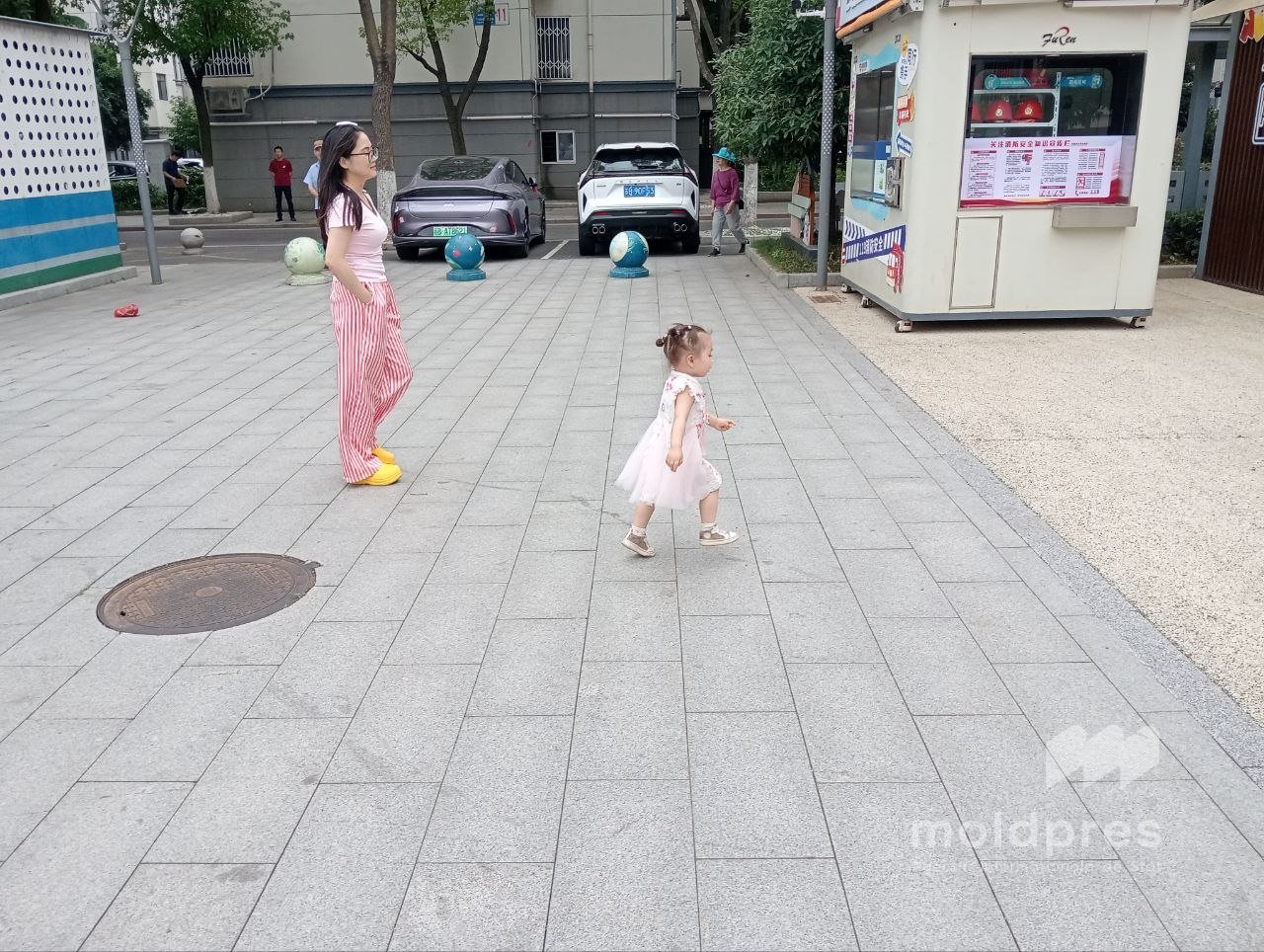
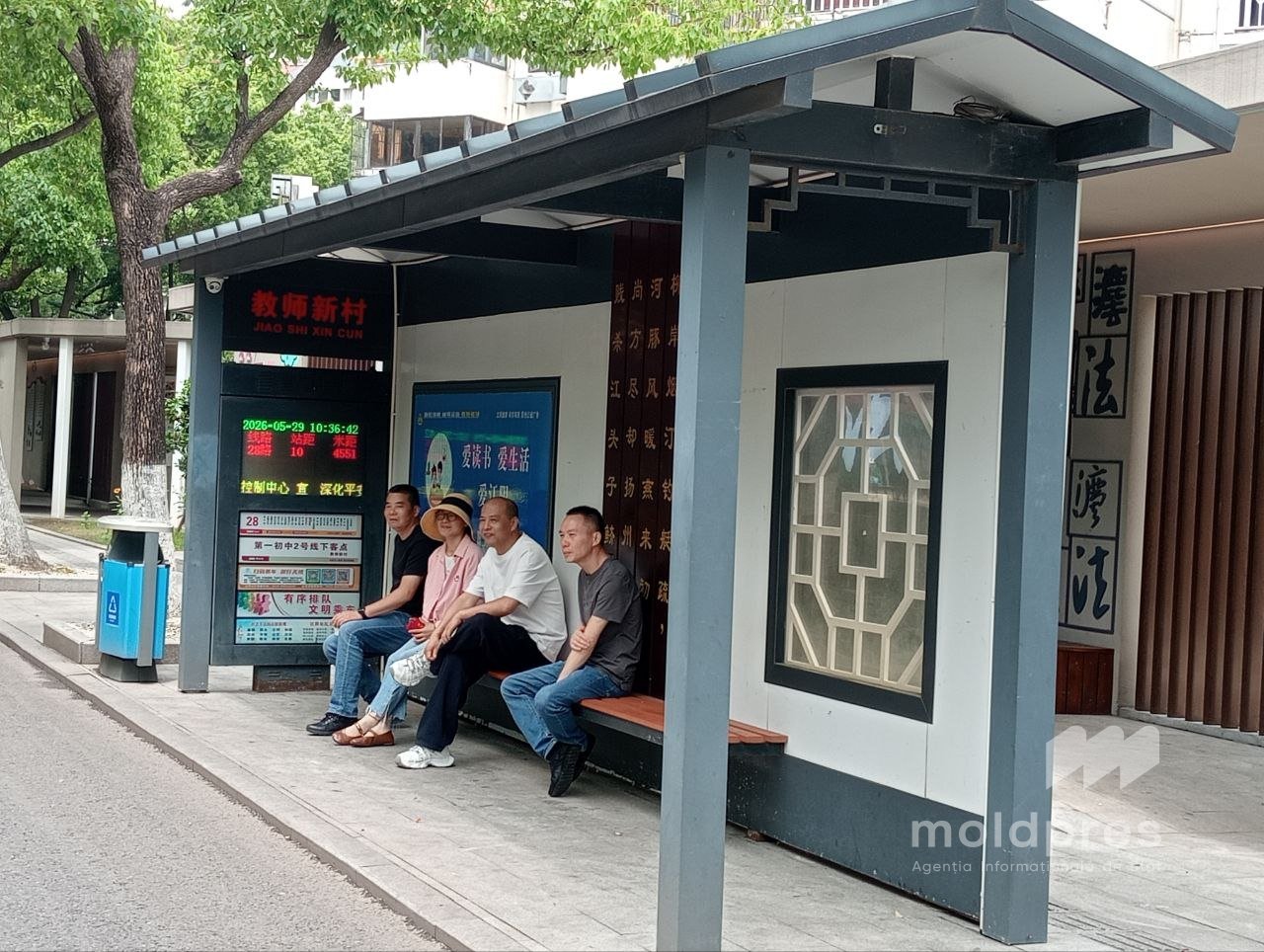
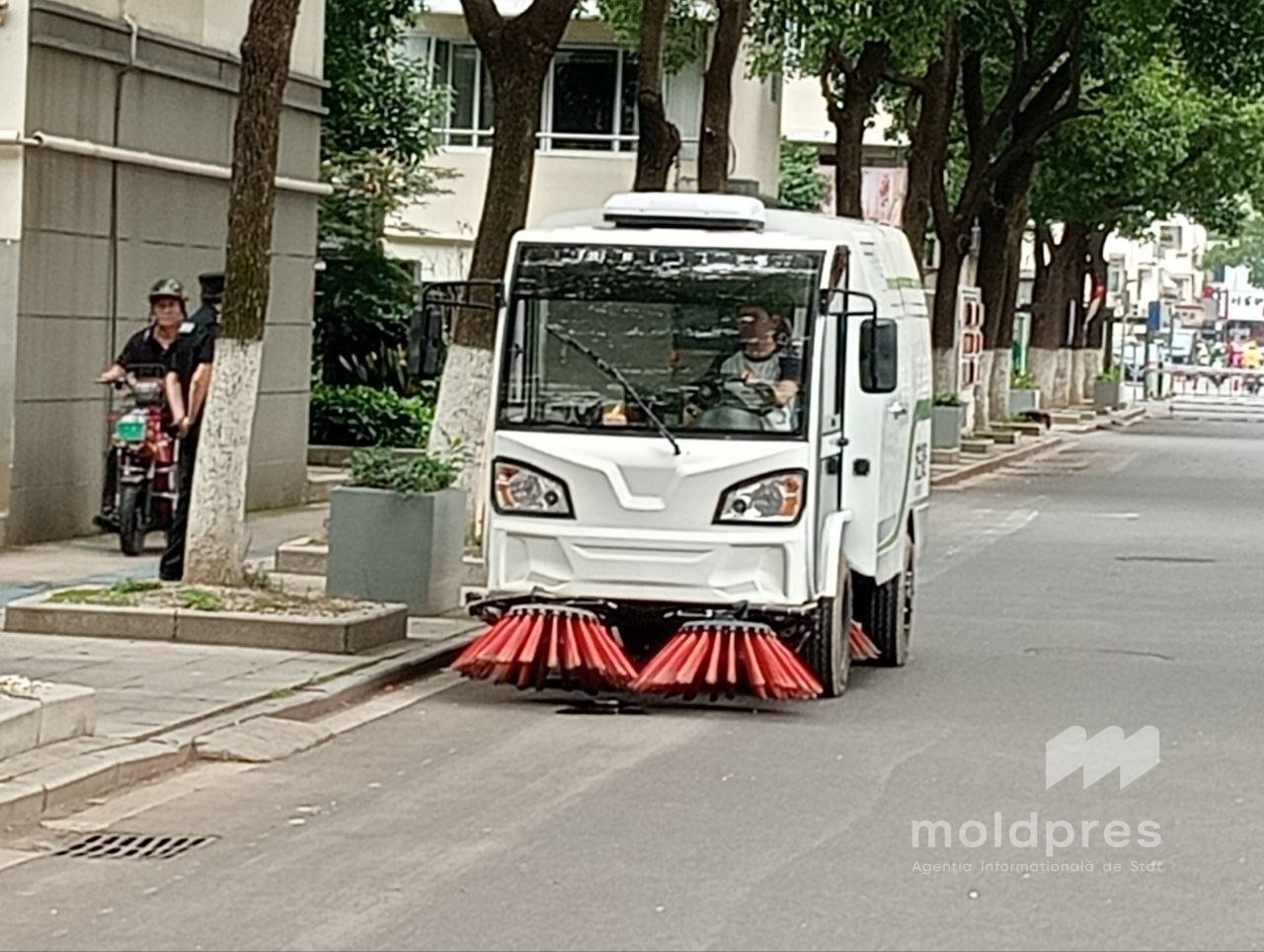
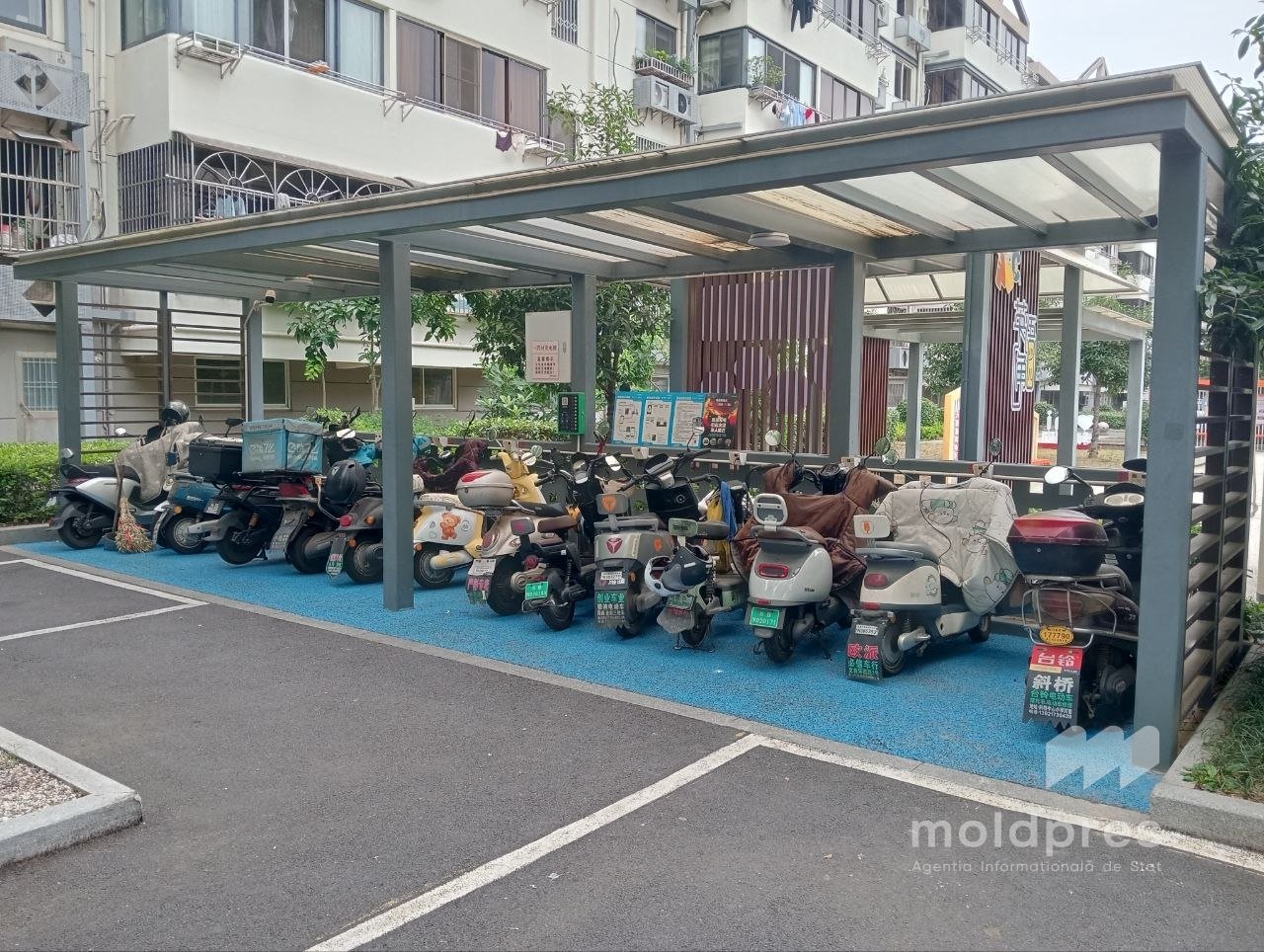
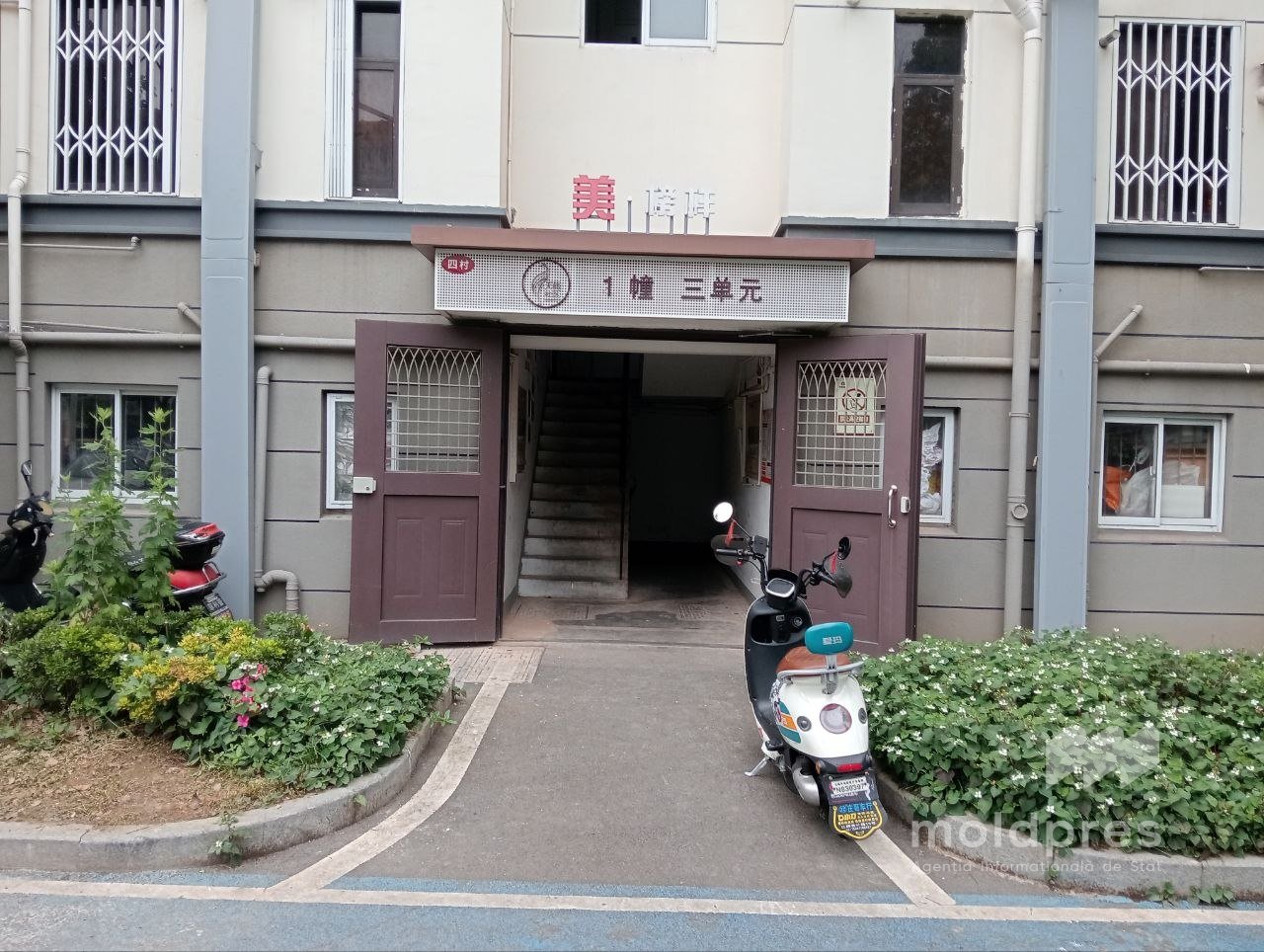
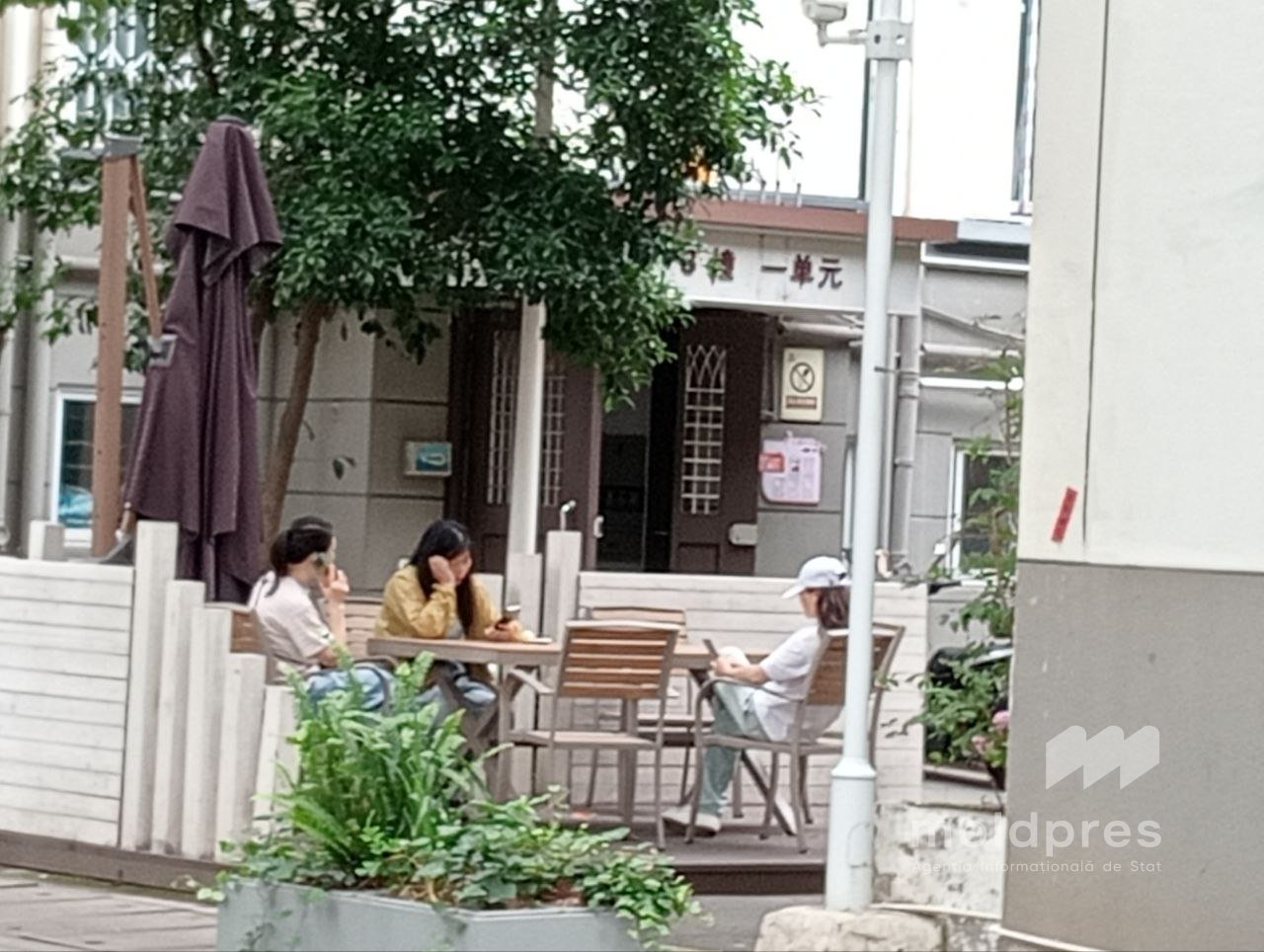
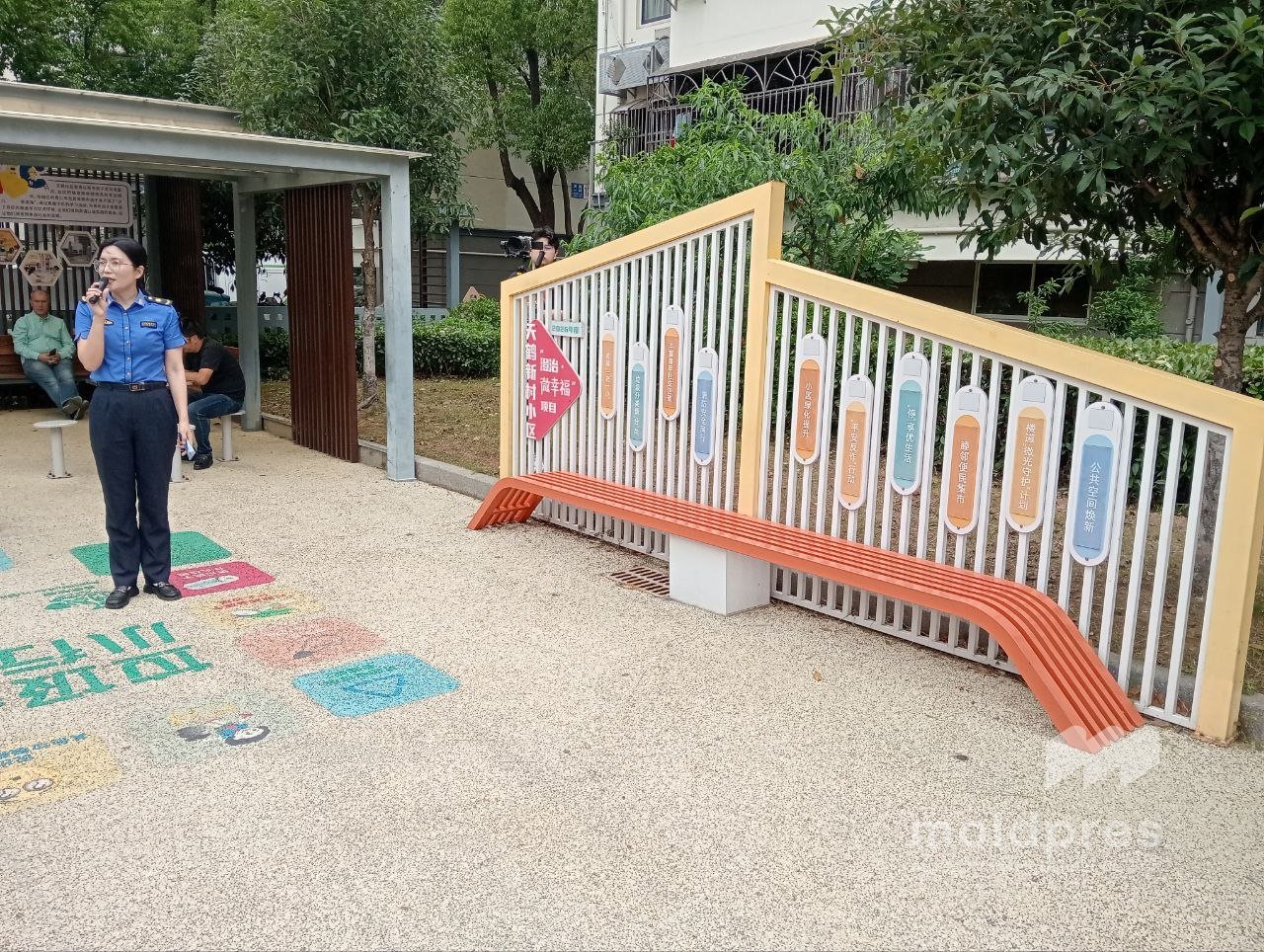
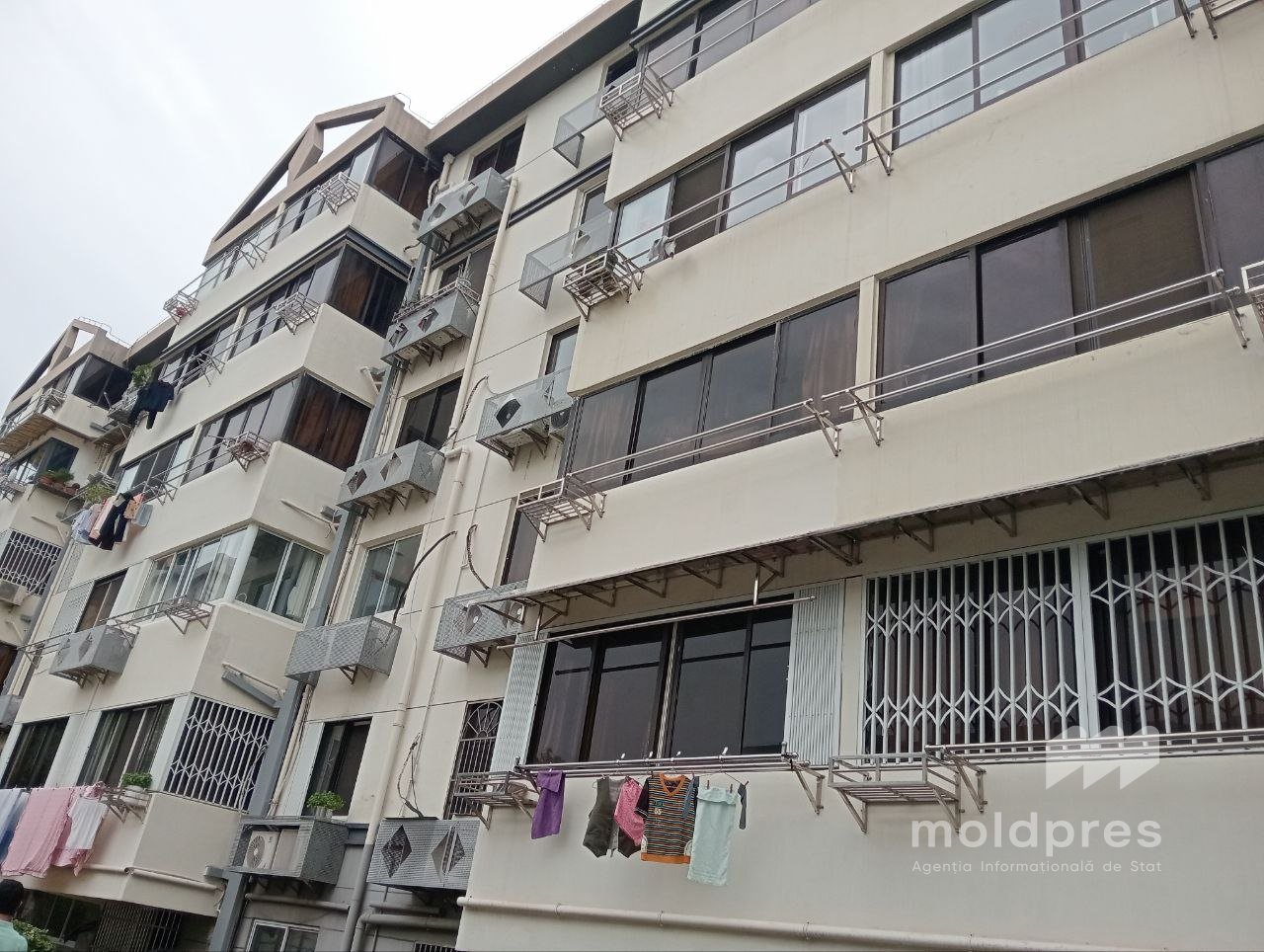
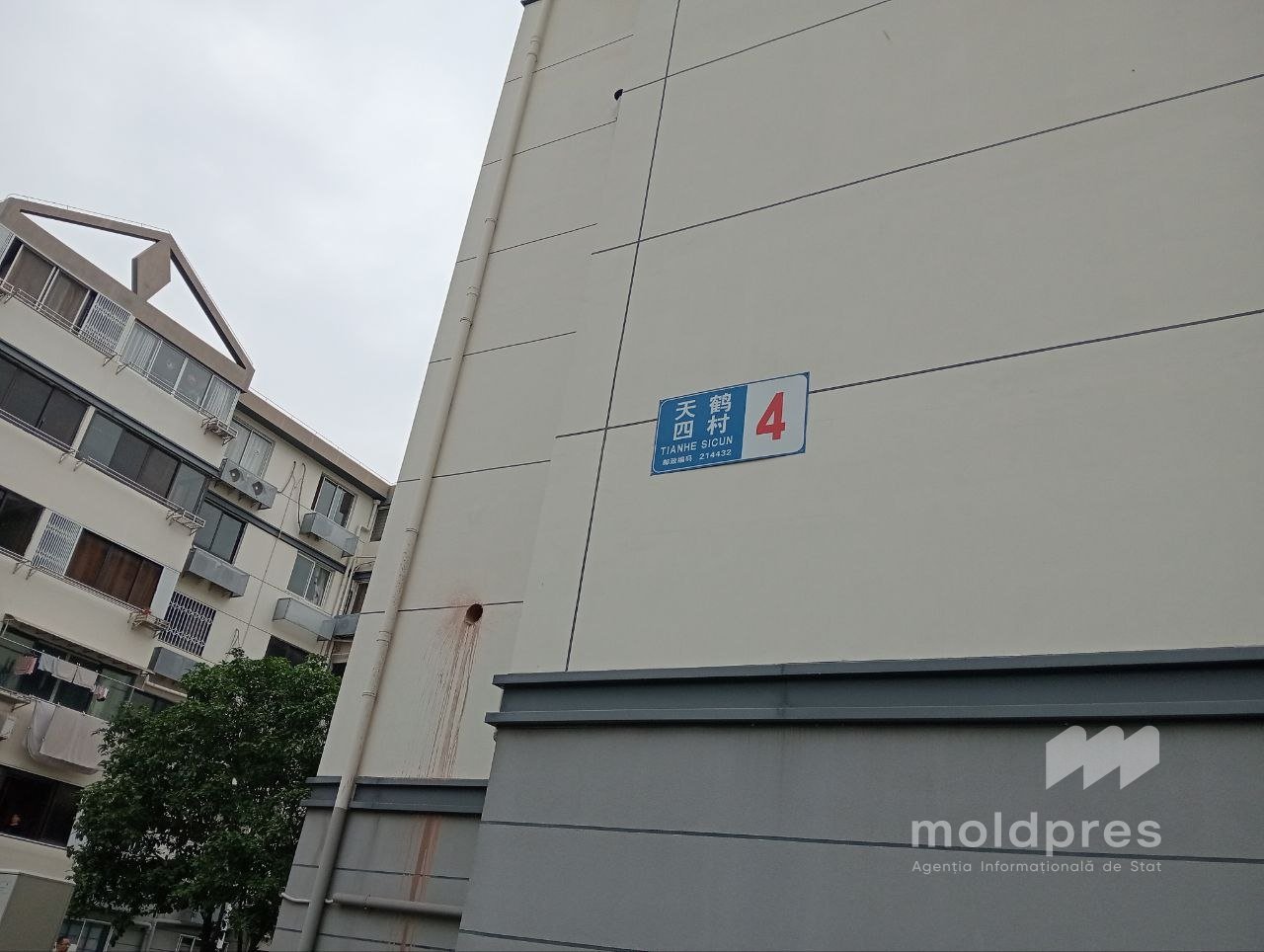
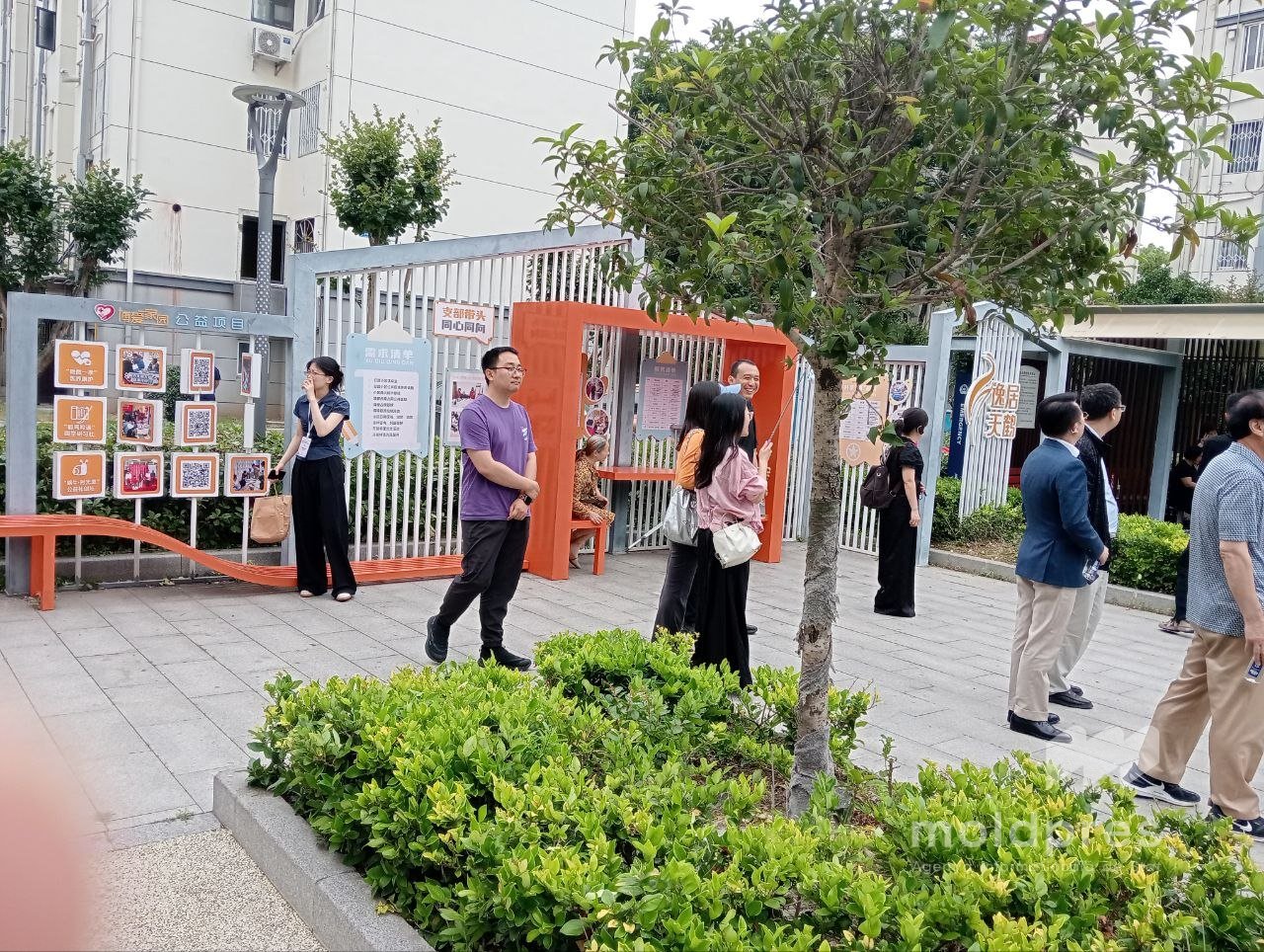
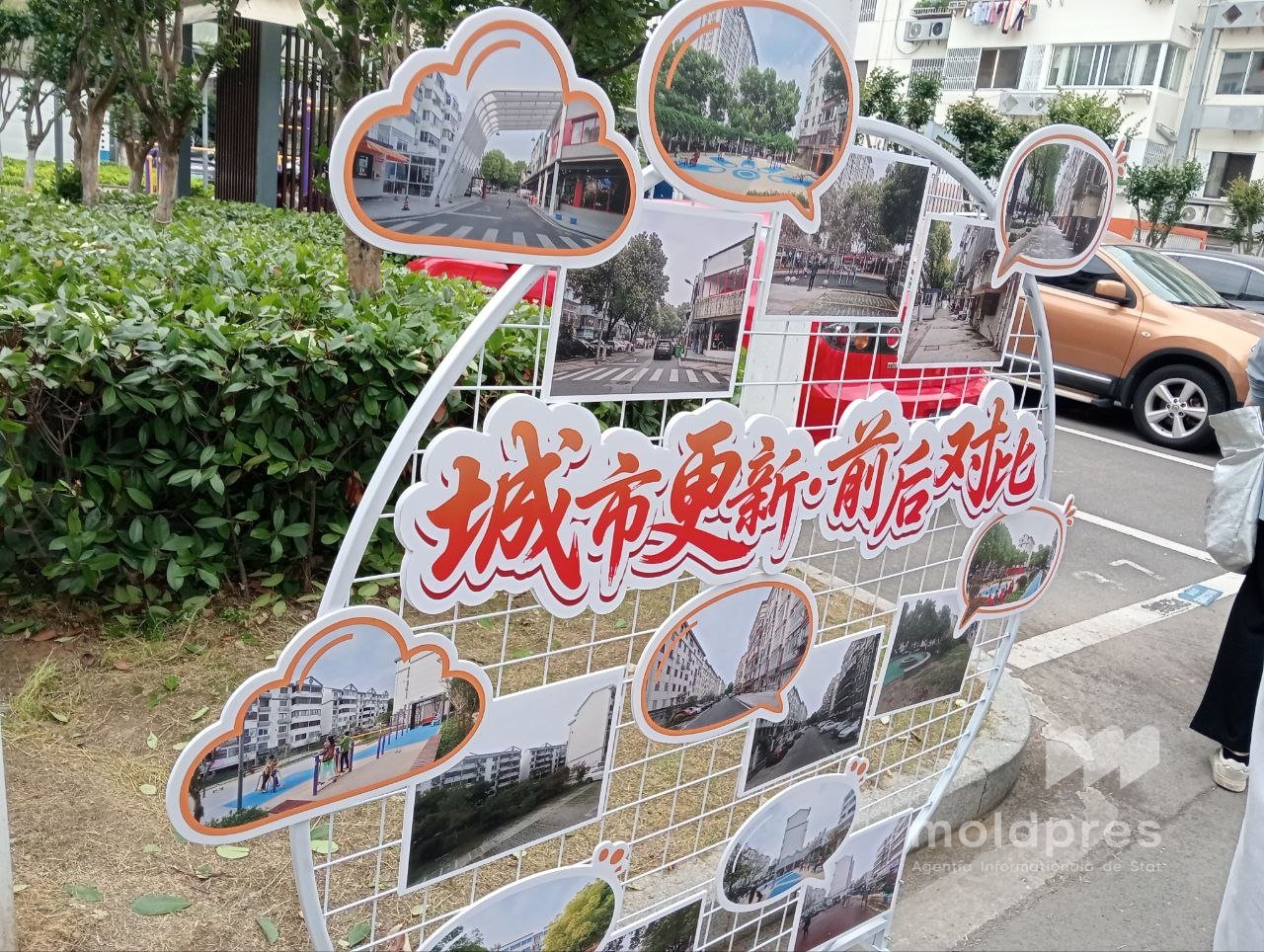
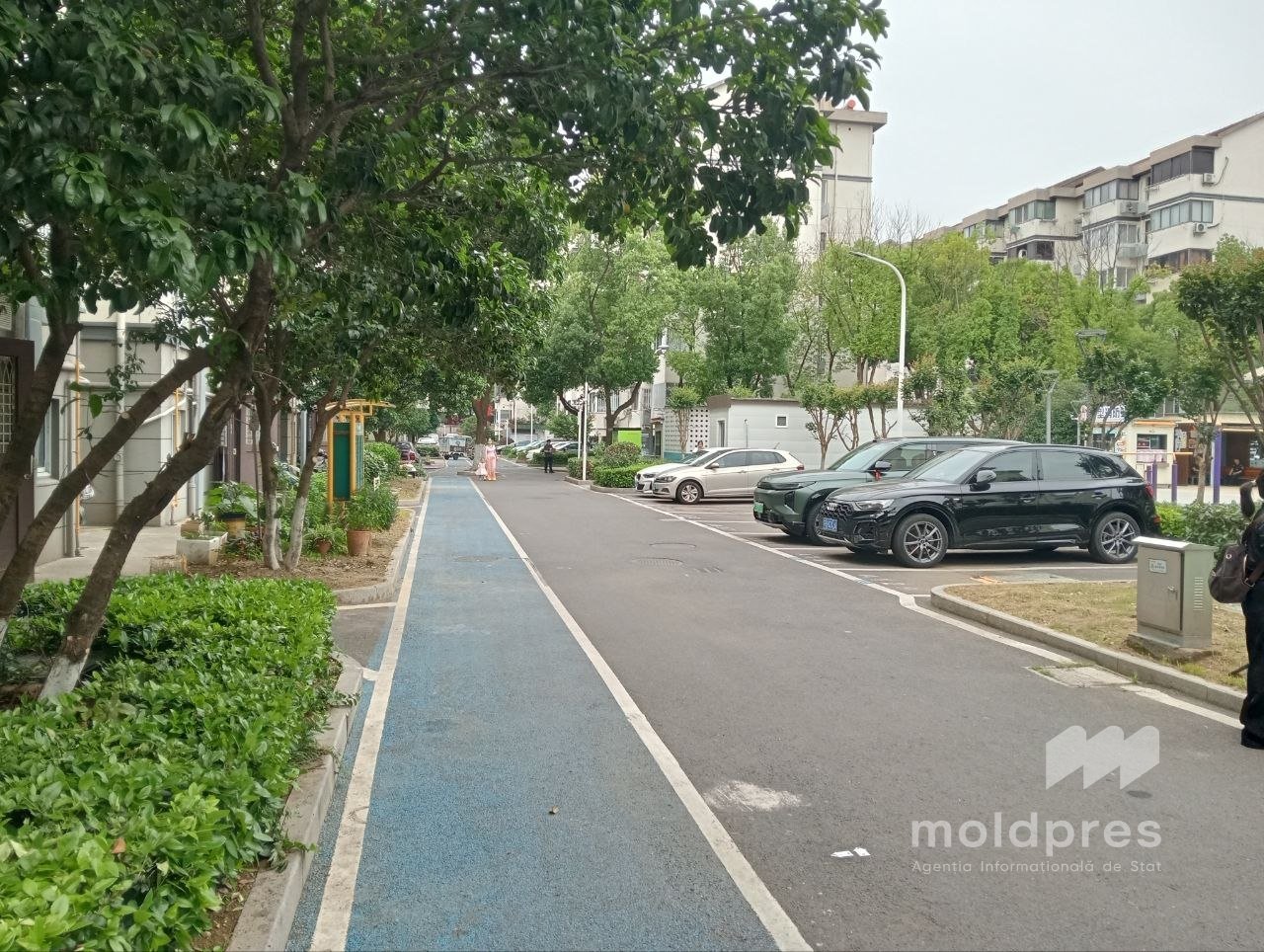
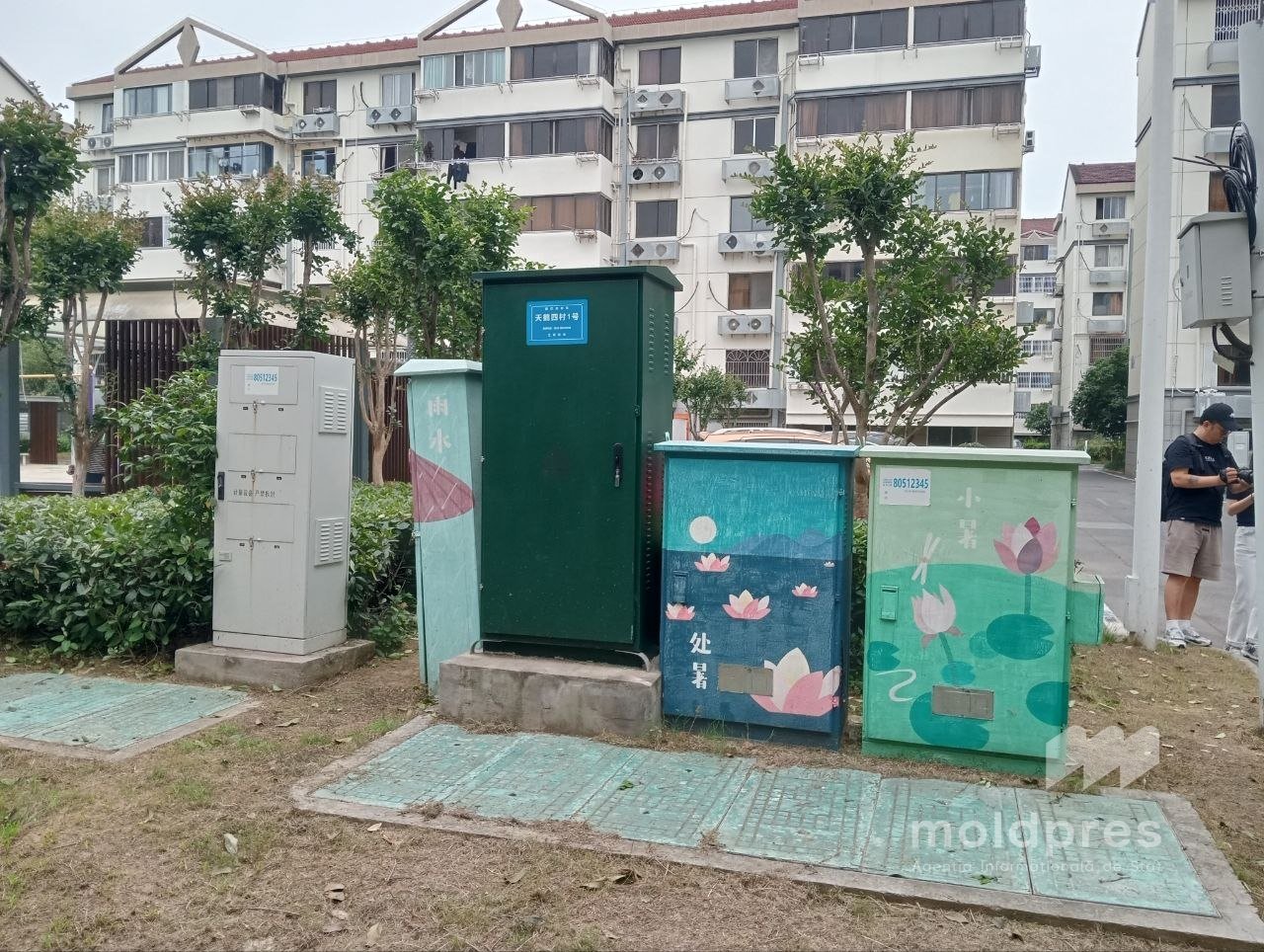
What strikes you first in Tianhe is not shiny skyscrapers, but their very absence. The neighborhood’s buildings were constructed up to the 1990s, with an architecture reminiscent of many apartment blocks from Chisinau, Balti, Cahul, and other cities. Yet, behind the warm, thermally rehabilitated façades, pulses a digital infrastructure able to manage the lives of over 14,000 residents with the precision of a clock.

“The Urban Brain” that senses the city before people complain

During the official visit organized for foreign journalists, the MOLDPRES correspondent entered the community’s command center. On a huge panoramic screen, a three-dimensional digital replica (a “digital twin”) of the neighborhood updates its data in real time. The interactive map monitors everything from air quality and water pressure in pipes to street lighting and waste management.

The system is directly connected to Jiangyin’s regional “Urban Brain” network, and its core technology is based on AI behavioral recognition algorithms and networked sensors (Internet of Things – IoT).

“The secret of our success does not lie in technology for technology’s sake, but in the ability to anticipate citizens’ needs. An old neighborhood comes with old problems: fire risks, waste management, safety of elderly people. AI allows us to turn urban management from reactive to purely preventive,” the technical manager of the platform in Chengjiang subdistrict told MOLDPRES.

Artificial Intelligence in everyday life: three flagship solutions

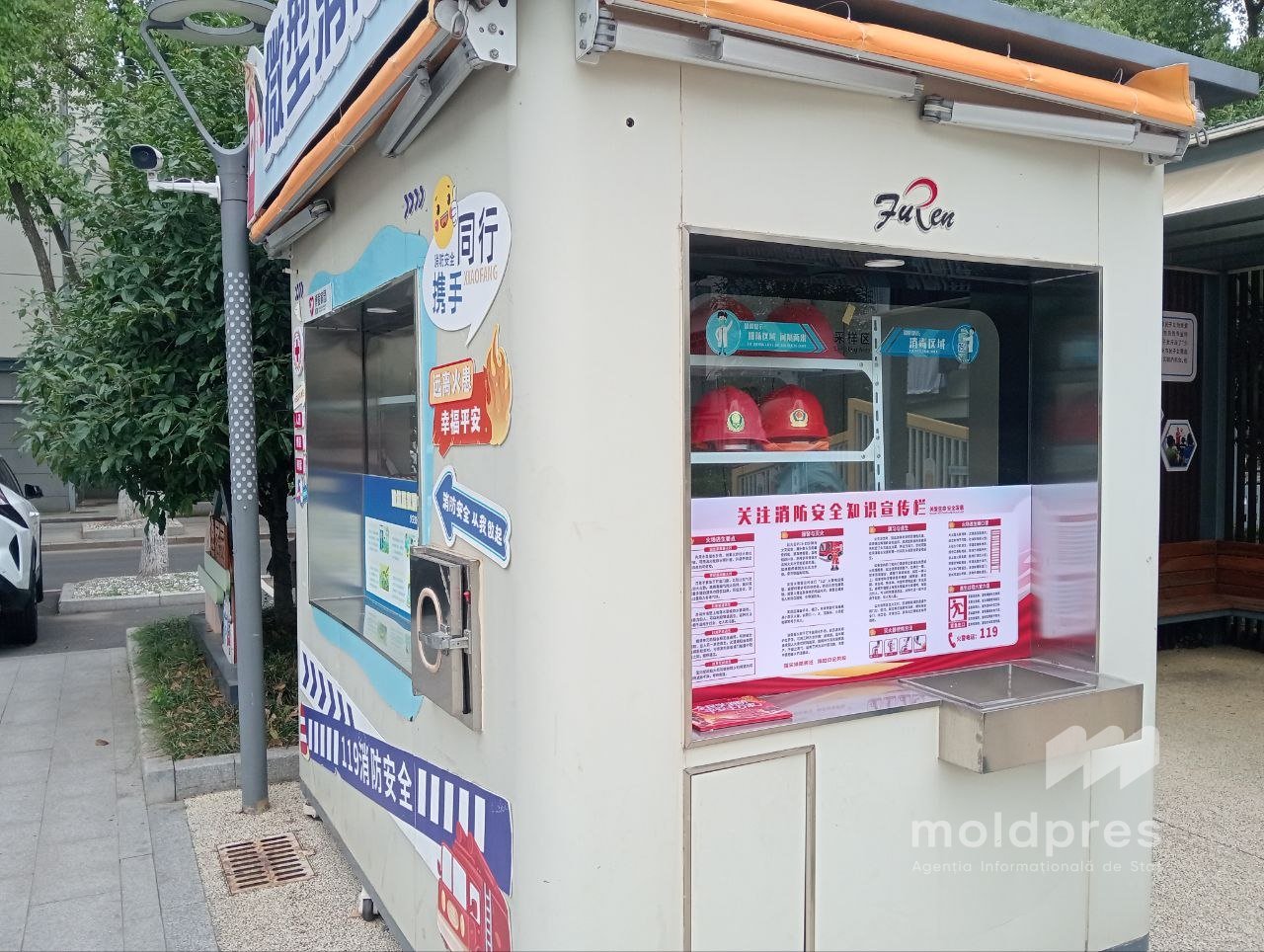
During practical demonstrations for the press delegation, Chinese officials presented three systems implemented at the stairway/building-entrance level:

High-rise Littering Detection System: In high-density areas, objects thrown or accidentally dropped from upper-floor balconies are a deadly hazard for pedestrians. Tianhe’s AI-powered smart cameras can instantly calculate the trajectory of any falling object, identify the window it fell from, and alert the dispatch center in less than a second, providing indisputable video evidence.

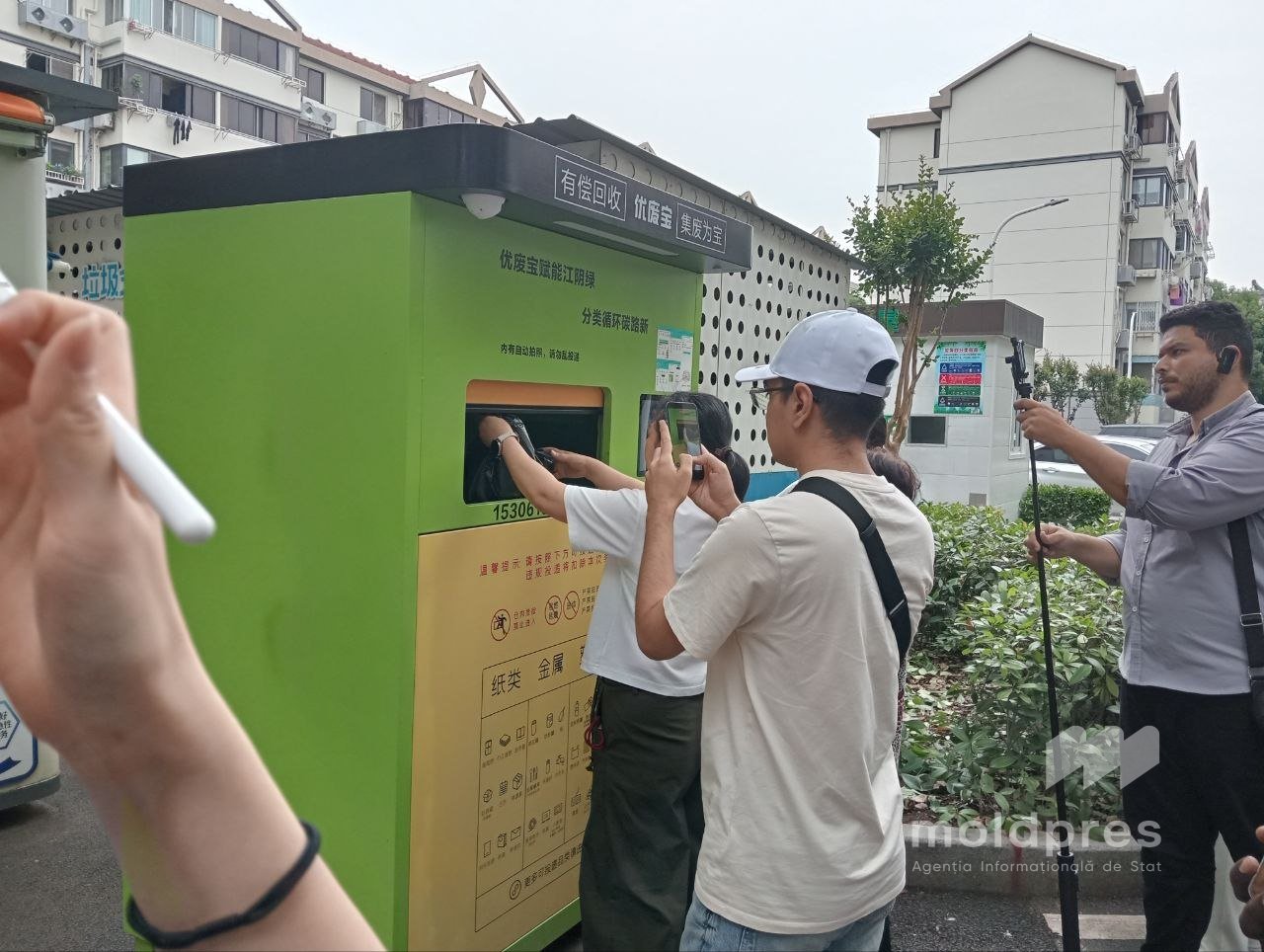
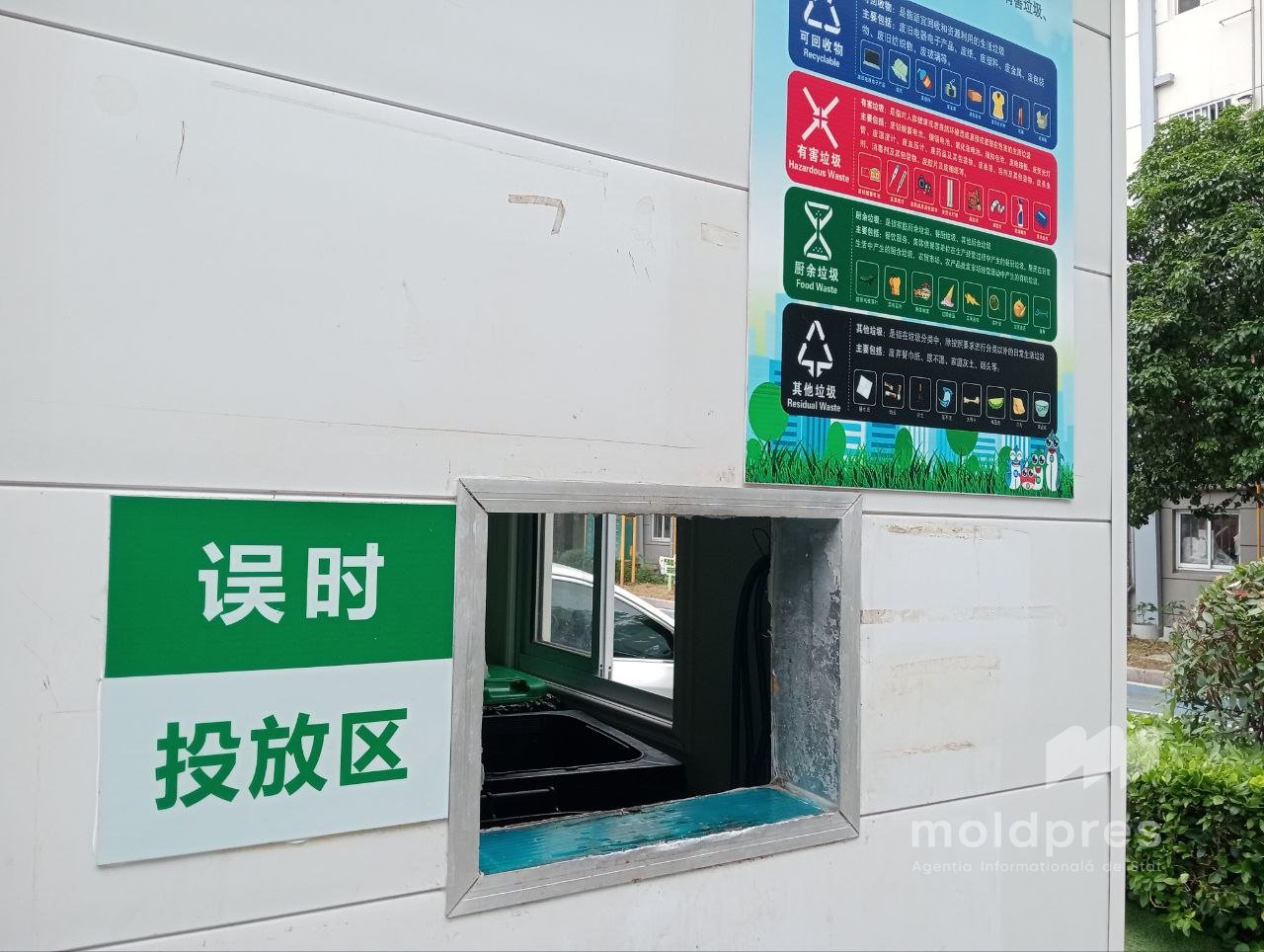
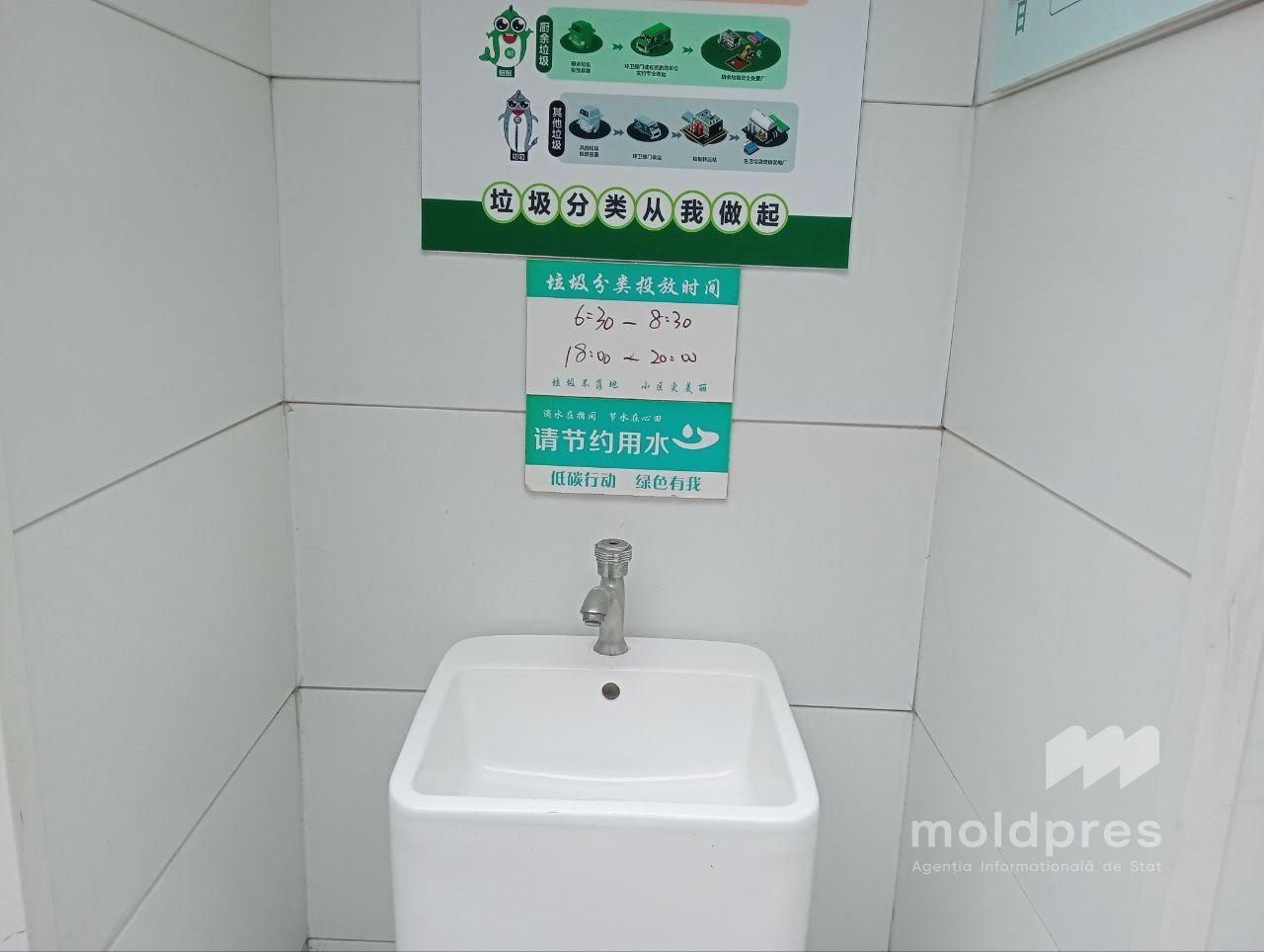
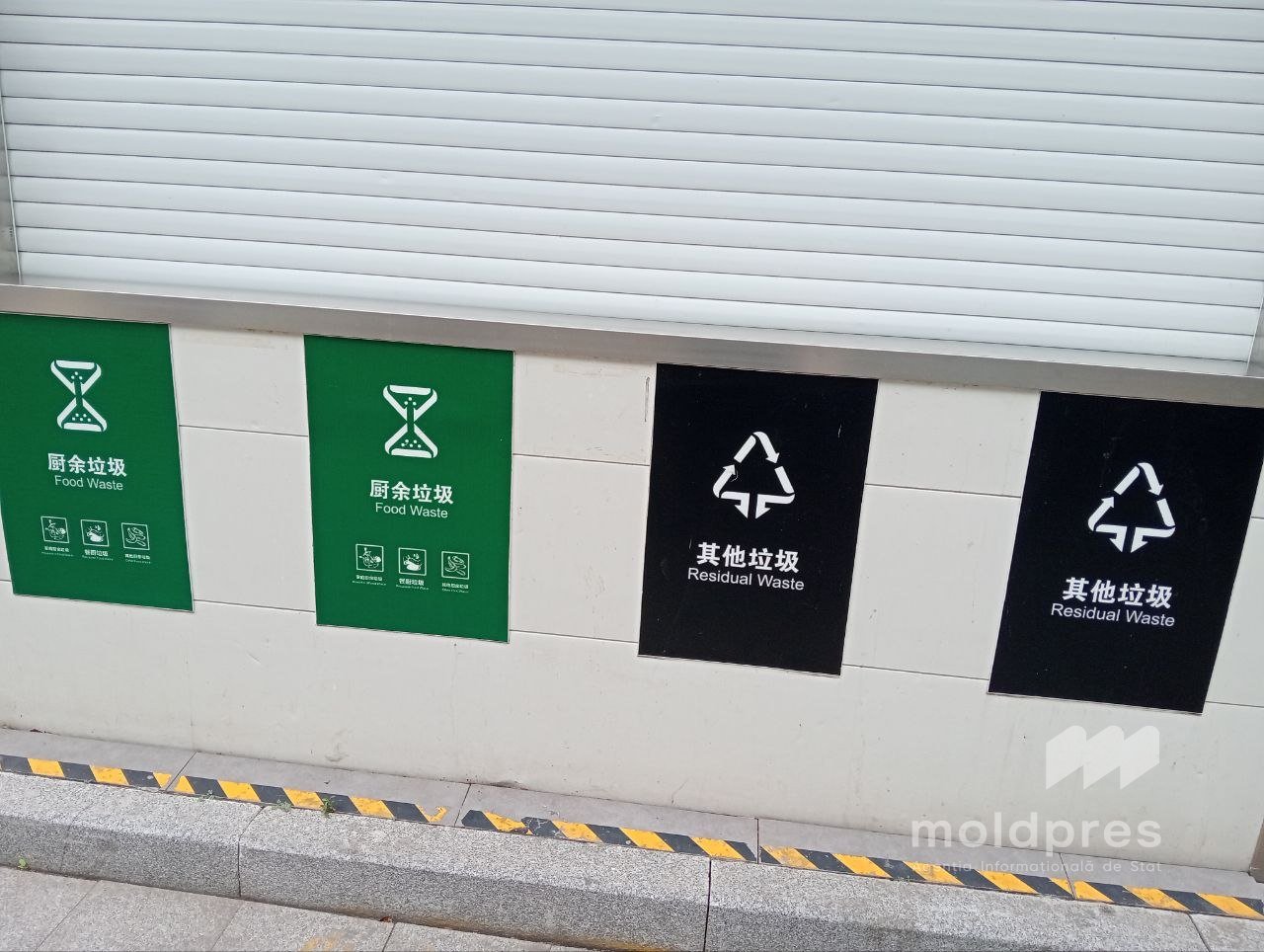
Smart bins with instant digital rewards: Residents in Tianhe not only sort their waste, they are immediately rewarded for doing so. Citizens scan a QR code at the collection platform, and AI-based optical sensors instantly recognize the type of waste (PET, aluminum, cardboard). The waste is automatically weighed and the financial equivalent is instantly transferred to the citizen’s digital wallet (Digital Yuan).

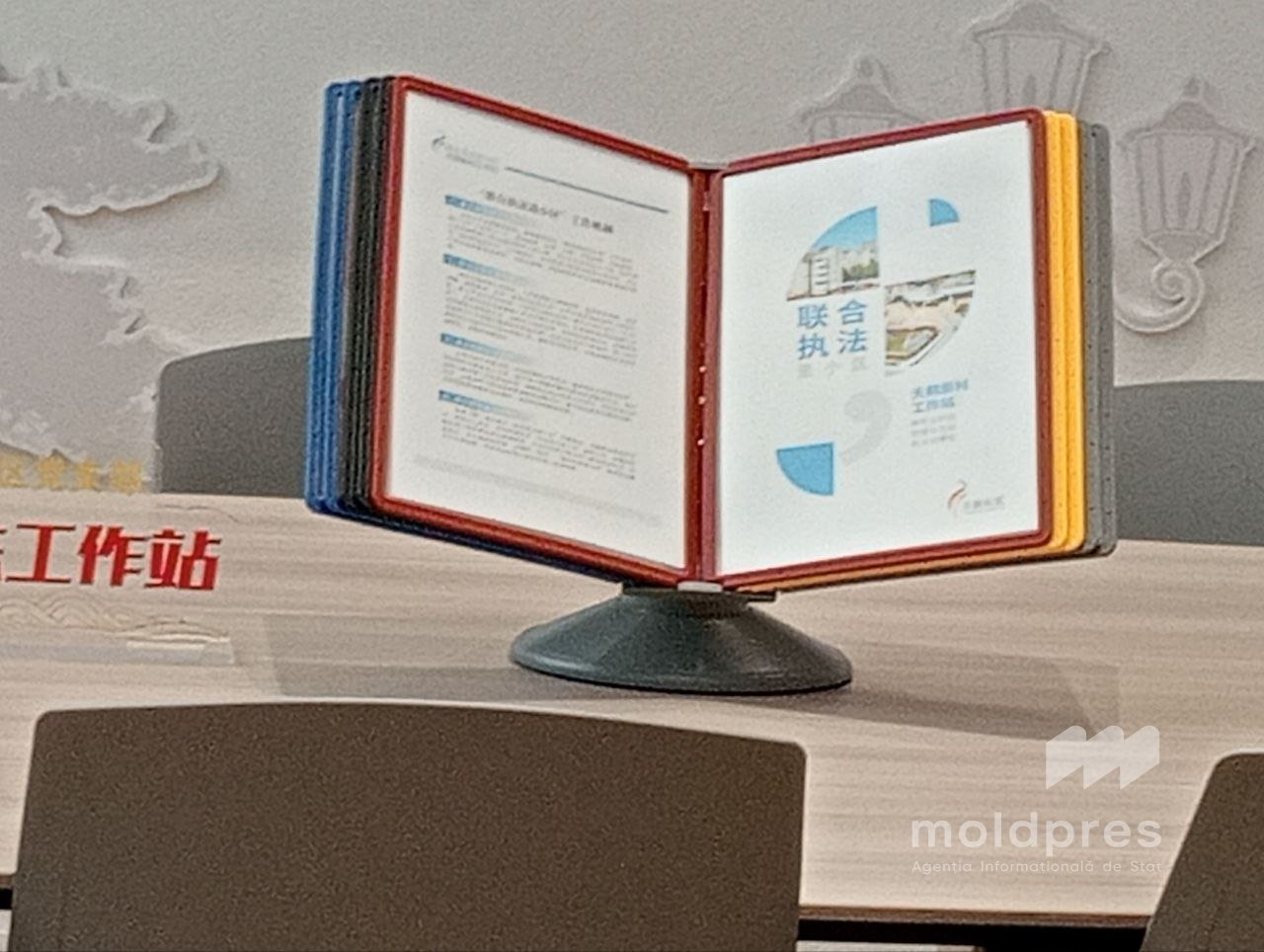
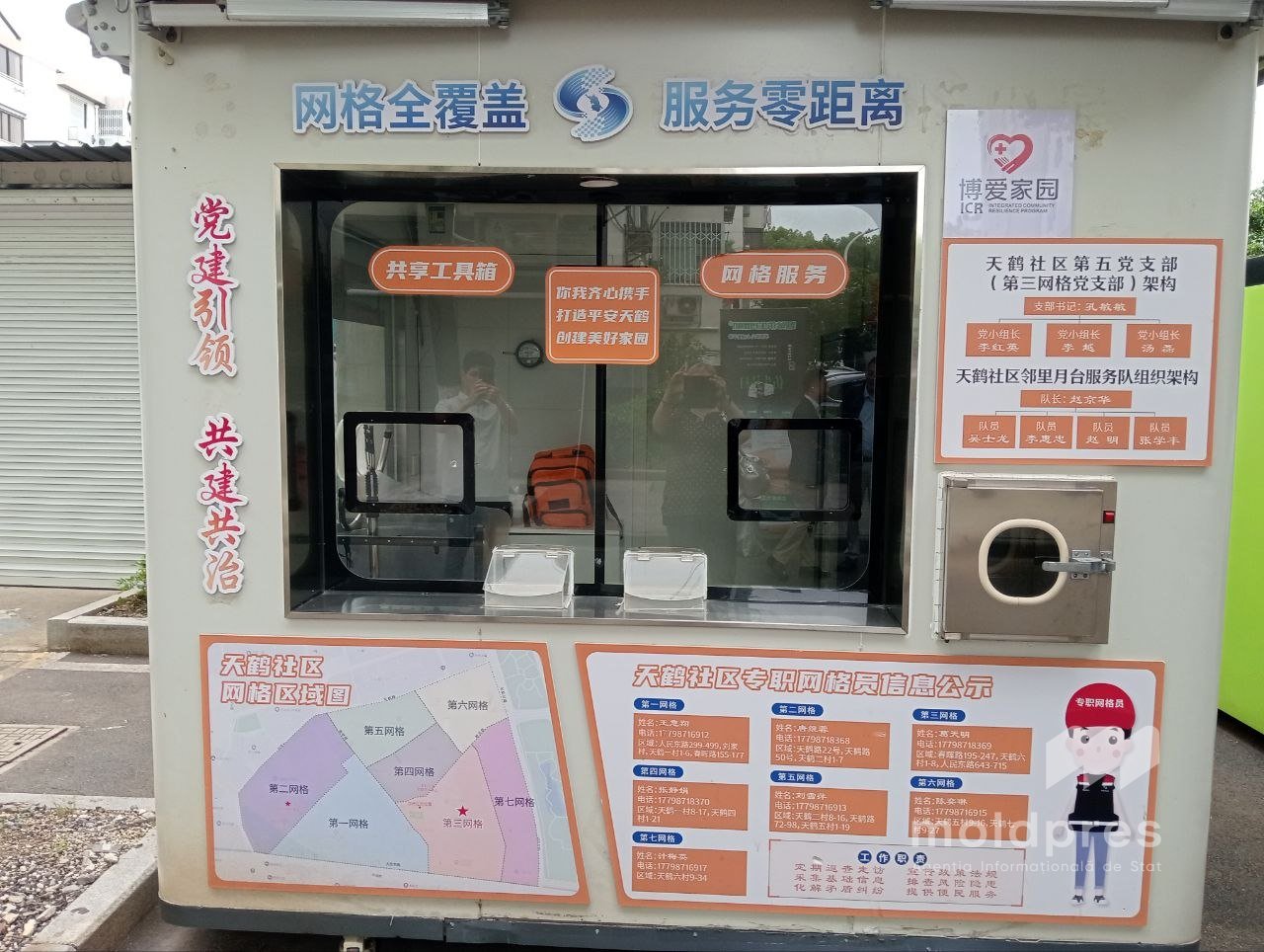
Unified emergency services: The Tianhe platform has broken down bureaucratic barriers. At the same workstation, the databases and dispatch centers of the local Police, Urban Management (Chengguan), and Environmental Protection Inspectorate are digitally integrated. If the system detects a car blocking an ambulance access route, the algorithm does not just send a general alert, but automatically directs the case to the nearest patrol officer.

The Jiangyin lesson: how can Moldova adopt the Tianhe model?

For Moldova, a country in the midst of digitizing public services and modernizing local infrastructure, the experience of the Tianhe community in Jiangyin offers a valuable roadmap. The key advantage of this model is that it does not require demolishing existing cities, but rather smartly digitizing them.

In consultation with Chinese experts, here is how this experience could be adapted to our localities:

Modernizing apartment courtyards through a “Smart Courtyard” programme: Cities often struggle with chaotic parking that blocks fire trucks or ambulances in the courtyards of old Soviet-era apartment blocks. Implementing low-cost AI cameras trained to detect blocked access routes (as done in Jiangyin) could optimize response times for Moldova’s 112 emergency service.

Reward-based recycling systems in communities: Moldova is making significant progress toward a green economy. Piloting smart collection points interconnected with local payment systems (such as the government MPay platform or national banking apps) could massively boost a culture of recycling among Moldovan citizens, offering discounts on sanitation bills for those who recycle actively.

Digital one-stop shop at district or city hall level: The Chinese model of integrating community police with utility services into a single AI platform would reduce bureaucracy in our city halls. Instead of a citizen filing a written complaint about a fallen tree or a pothole, urban sensors and traffic monitoring cameras could automatically notify municipal services (Exdrupo, Green Spaces) without human intervention.

“Moldova has an important advantage: an exceptional high-speed internet infrastructure and a very developed IT community. What we saw in Jiangyin is not about infinite financial resources, but about a correct data architecture. If Moldova manages to unify the databases of utility services with the ones of public safety, Chisinau could have the first Tianhe-type smart neighborhoods in less than three years,” a public policy expert attached to the delegation told MOLDPRES.

The Tianhe Workstation shows that the administrative future belongs to hyper-connected communities. Beyond robots and spectacular screens, the great achievement of Jiangyin’s engineers was using technology to bring people back together, offering them a clean, safe and predictable space. For Moldova, the Smart City vision is a technical opportunity to leapfrog intermediate development stages and move straight to implementing the solutions of the future.
 Facebook
 Instagram
 X/Twitter
 Telegram
Prime Minister after drone explosion in Crocmaz: Fact that we are outside war zone does not protect us
UPDATE // Traffic eased at Otaci border customs post
Air alert in Ukraine: Traffic on Maiaki–Udobnoe bridge suspended
VIDEO // Călărași forms largest voluntary amalgamation cluster in Moldova
Moldova is me // Tamara Șchiopu - entrepreneur building bridges between United Kingdom and Moldova
Diaspora children to benefit from new measures to support integration into education system of Moldova
PHOTO GALLERY // Diaspora at home: Images from largest gathering of Moldovans from abroad
DOC // Strengthening security and cooperation with EU
PHOTO // President met with DOR camp participants
DOC // Capital residents to pay more for water and sewerage services as of today
Government steps up measures to prevent water crisis in Chișinău
PHOTO // Republic of Moldova hosts 25th edition of EPSA Summer University for first time
Prime Minister announces new package of measures on high salaries in public sector
PHOTO // Over 200 local public authority representatives trained within Local Environmental Platforms on application of two sector regulations
Restart in Education: MEC proposes reform to take effect in Chișinău, Bălți and Gagauzia starting in 2028
Parallel financial investigations to be conducted under common national mechanism
Ministry of Infrastructure provides clarification on transit of Ukrainian goods
Energocom fully purchased gas needed for upcoming cold season
 National Bank of Moldova
Prime Minister discussed with Czech counterpart
Over 23,000 residents from Transnistrian region officially employed on right bank of Dniester River
More investment in national economy: Government encourages investors through clearer rules and incentives for strategic projects
Moldovan government approves five‑year national development program
Measures to reduce risks caused by natural disasters approved by Government

MPs proposed 188 amendments and delivered 288 speeches in first 2026 session
Local Product exhibition to open on 28 August at Moldexpo: two national records and over 300 participating companies
Moldova offers Ukraine 50% railway transit discount to attract millions of euros to CFM
Prime Minister discussed with Czech counterpart
Additional 6 million lei to be provided to fund shelters for Ukrainian refugees
Ceiling for foreign exchange operations without NBM authorization to be increased to 100,000 euros
Defense Minister: Aircraft that caused explosion in Crocmaz is Russian propulsion drone
Over 23,000 residents from Transnistrian region officially employed on right bank of Dniester River
VIDEO // Moldova ready to facilitate transit of Ukrainian grain
Deputy Prime Minister about recalling Moldova’s ambassador to Moscow for consultations: It is diplomatic response, used when state’s interests affected
More investment in national economy: Government encourages investors through clearer rules and incentives for strategic projects
Approved by Government. Moldova to step up exchange of police data with European states
Key objectives in European integration process set by end of August
Prime Minister orders changes to tax procedures after entrepreneur misses tax relief due to late filing
Moldovan government approves five‑year national development program
Commission to nominate 2026 national award laureates approved
Receive the latest news directly to your email

Receive the latest news directly to your email