
1992 – The War that cannot be forgotten // Well-known Moldovan historian says Transnistrian War symbol of Moldova’s resilience, more relevant than ever in context of aggression in Ukraine
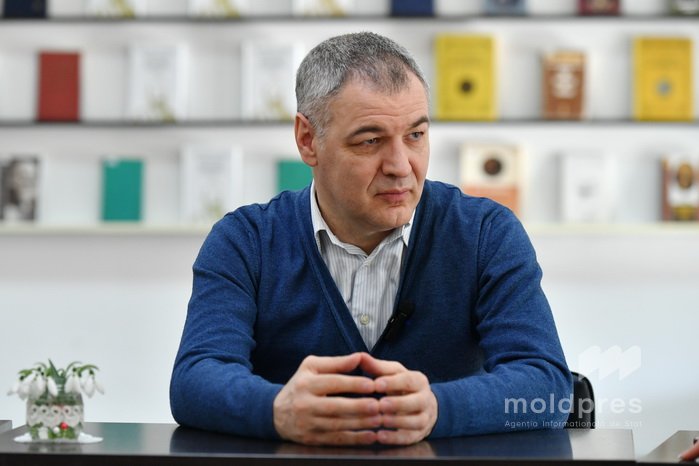
The conflict on the Dniester River today is perceived as a defining moment in the history of the Republic of Moldova and a symbol of society’s resilience in defending independence and territorial integrity, says historian Octavian Tacu. The expert emphasizes that the outbreak of the war in Ukraine has brought back into the public eye the aggressive nature of the Russian Federation and has strengthened national awareness of the importance of the events on Dniester.

“After 2009, we practically witnessed a reconstruction of public perception of the war on Dniester. There was a discreet struggle for the recognition of the merits of veterans, who claimed the respect and justice they deserved on behalf of public authorities, often denied for political reasons, loyal to the interests of the Russian Federation. Since then, Russia has been perceived as an adversary and the public narrative has focused more on the defense of territorial integrity. Significant changes occurred with the outbreak of the war in Ukraine, when citizens began to draw parallels between the conflict back then and recent events, noticing the same patterns of action by the aggressor. In the context, European authorities and Moldovan society consolidated the perception of heroism in the war on Dniester, considering it a defining moment in the history of Moldova and a symbol of society’s resilience in defending independence and territorial integrity,” Octavian Tacu told MOLDPRES.

According to the historian, the war to defend the territorial integrity of Moldova can be divided into two main stages: the political phase and the active military phase.

The political phase started with the creation of the National Revival Movement, the emergence of the Popular Front of Moldova and the launch of demands for a return to the Romanian language, the Latin alphabet, Romanian identity and other aspects of cultural and political autonomy.

“The Soviet center launched oppositionist, internationalist movements by creating Interfront groups, made up of leaders loyal to the authorities in Moscow, concentrated mainly in the Transnistrian region, which had been prioritized for militarization and industrialization during the Soviet period. In the context, the national revival movement gained an institutional framework through the organization of the Great National Assemblies in 1989, 1990 and 1991, which forced the communist regime of the Moldavian SSR to accept certain demands: the return to the Latin alphabet, the raising of the national flag, the adoption of the declaration of sovereignty and the rejection of the union treaty. Soviet resistance was concentrated in the south and east of Moldova, in Comrat and Tiraspol, these regions being seen as poles of antagonism to the revival movement. As the independence of Moldova took shape, and the declaration of sovereignty and the rejection of the new treaty proposed by Mikhail Gorbachev had already been adopted, the separatist entities gained an institutional form. Thus, the Gagauz Autonomous Soviet Socialist Republic was created, and on 2 September 1990 the Transnistrian Moldavian Republic was proclaimed, supported by the Soviet imperial center with the aim of keeping Moldova under Moscow’s control,” Octavian Tacu underlined.

The military phase began after the proclamation of the independence of the Republic of Moldova on 27 August 1991, when relations with the separatist authorities on Dniester became a point of interest for Russia, the successor state of the Soviet Union.

“This stage involved the creation by the separatist entity of its own army, paramilitary formations and the recruitment of Cossack volunteers and others from various regions of Russia. The first clashes took place in the autumn of 1991, and on 13 December the first four deaths were recorded – four policemen at the Dubasari bridge. The conflict escalated in March 1992, through a provocation at the Dubasari police post, followed by actions in the localities of Cocieri, Cosnita, Dorotcaia and Parata. These actions marked the beginning of the active war, with the direct involvement of the 14th Army, confirmed also by the 2004 ECHR (European Court of Human Rights) decision in the Ilascu case. Changes in the command of the 14th Army, the replacement of General Neskachiov with General Lebed, and the latter’s statements, considering Transnistria as part of the Russian world, contributed to the escalation of the conflict. The war took place between March and 22 June 1992, with the main battles at Dubasari and Tighina (Bender), where the highest losses were recorded: over 200 police officers killed and almost 1,000 wounded. The involvement of Russian troops tipped the balance and led to the armistice of 21–22 July 1992, followed by the signing of the convention on the peaceful settlement of the conflict, which ‘froze’ the war, but did not definitively solve the problem of separatism,” the historian noted.

According to Octavian Tacu, this war could not have been avoided.

“International experts acknowledge that Moldova did not have the military capacity to resist the 14th Army, being initially formed only of policemen and volunteers. Nevertheless, the spirit of defending territorial integrity was strong: over 30,000 policemen and volunteers took part in the defense of the Dniester, helping to stop the advance of separatist forces. This mobilization explains the resistance of Moldova, despite the military superiority of the 14th Army. After the war, pro-Russian authorities transformed the conflict, by accepting the presence of the Russian army as ‘peacekeepers’, through the principle of synchronizing the withdrawal of Russian troops with the political settlement of the conflict, a principle that proved flawed, as Russia has conditioned the withdrawal of its troops up to the present day.”

For those involved in the conflict, the war on the Dniester represented more than a military confrontation; it was a struggle for dignity and for the protection of the citizens of Moldova.

The Nistru (Transnistrian) war of 1992 started on March 2, when tensions between Chisinau and the Tiraspol separatist authorities degenerated into armed clashes. Moldova, lacking a professional army, was defended by policemen and volunteers, while the separatists were supported by the Russian 14th Army. The fighting ended with the armistice of July 21 1992, leaving Transnistria under separate control, backed by Russia.
 Facebook
 Instagram
 X/Twitter
 Telegram
Moldova modernizes Register of road accidents, aligns it with EU standards
Moldovan Interior Ministry has new secretary general
PHOTO // Denim Day international campaign campaign; Moldovan Labour Ministry's employees stand in solidarity with violence victims
PHOTO // Promotion of Gagauz language supported through new educational measures
PHOTO GALLERY // Event dedicated to Gagauz language held in Chișinău
Protected areas in Moldova to be managed according to European standards, based on new guide supported by Austria
SIS officers, held captive in Russian Federation, returned to Moldova
PHOTO // Moldovan soldiers from UN mission in Lebanon returned home
Stricter checks at EU borders existing rules enforced more rigorously, Foreign Minister says
VIDEO // Two employees of Moldovan Intelligence and Security Service, held captive in Russia, repatriated with support on behalf of U.S. President
Drone fragments detected on roof of apartment building from Chisinau; General Police Inspectorate says fragments do not contain explosive substances
Patient’s Voice platform launched in Moldova: patients’ feedback becomes official tool in reforming healthcare system
VIDEO // Results of 3rd edition of National Public Childcare Program show investments of about 340 million lei in Moldovan localities
Over 2.7 million Moldovans benefited from visa-free travel to EU and Schengen area
Moldova and Italy launch cooperation project to align national agricultural sector with European Union requirements
Moldovan Speaker to attend EU Speakers Conference
MOLDPRES INTERVIEW // Irinel Ionel Scrioșteanu: We want every district along Prut river to have own road bridge within 5–7 years
President to attend European Political Community Summit in Yerevan
Changes for shipments to USA: Moldovan Post Office announces new rules and fees for parcels with goods
Government’s message on 1 May: Citizens’ work and dedication - pillars of building European and prosperous Moldova
VIDEO, PHOTO // Young Moldovan lawyers preparing to implement European environmental standards in context of EU accession
 National Bank of Moldova
Moldovan Speaker to attend EU Speakers Conference
President to attend European Political Community Summit in Yerevan
Moldovan head of state continues dialogue on children’s safety online in Balti
Paid internships in public service of Moldova: young people invited to apply for edition 6.1 of programme
VIDEO // Prime Minister at National Forum of Labour Market and Social Dialogue

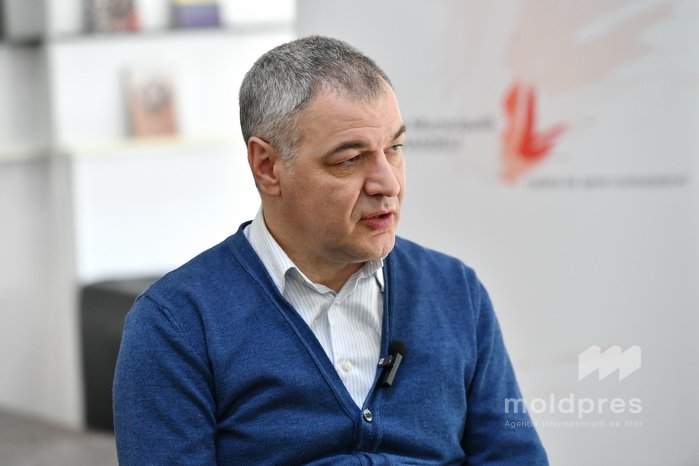
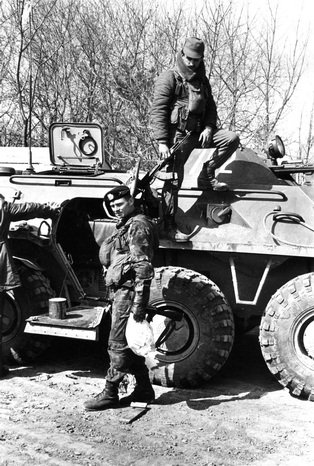
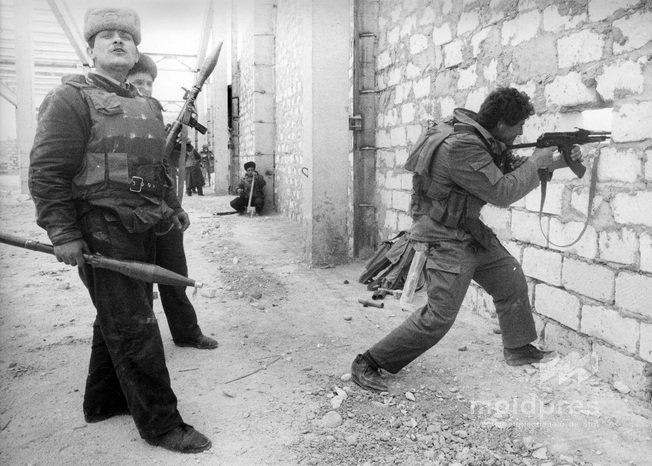
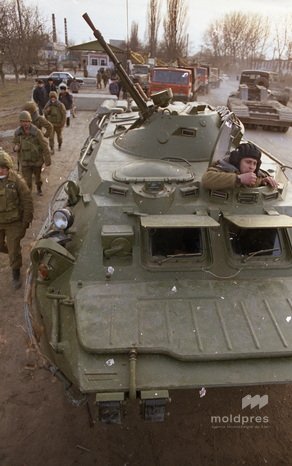
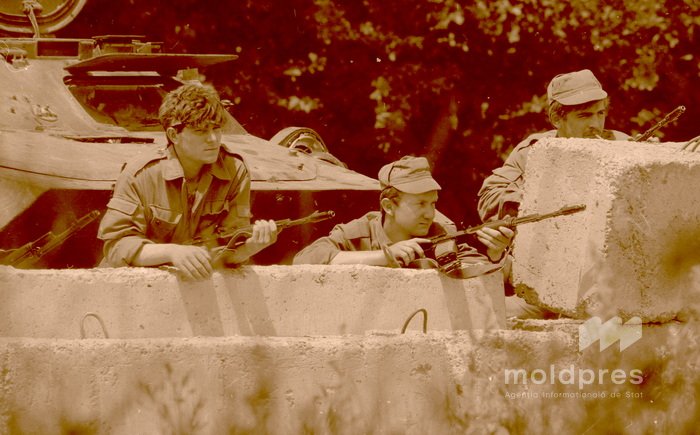
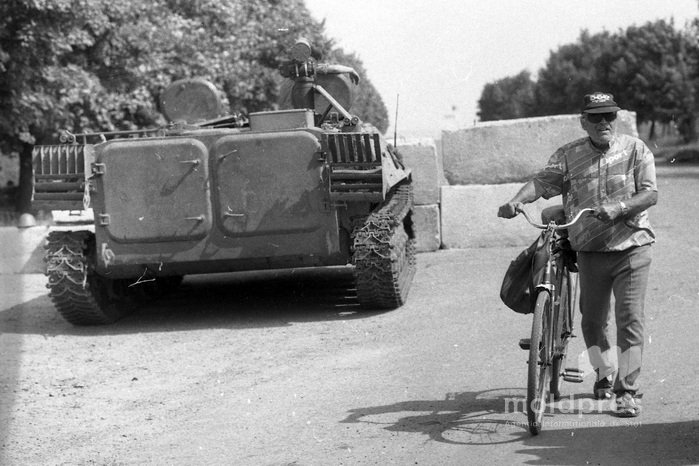
PHOTO // Republic of Moldova celebrates International Workers’ Day, between tradition, social rights and relaxation
SIS Director reveals details on Alexandru Bălan’s espionage activities
EXCLUSIVE // Moldova's People's Artist, composer conductor marks 75th birthday anniversary
Writers from Moldova, Romania call for turning idea of unification into national priority
BTA: 45 Years since First Bulgarian Ascent of Eight-Thousander: Himalaya's Lhotse
Integrity assessment at Moldova's Anticorruption Prosecutor’s Office: two prosecutors pass, two fail test
Head of Moldova's National Integrity Authority reports in parliament: irregularities worth tens of millions of lei detected in 2025
Former president of European Council encourages Moldova on path to EU
Moldovan head of state continues dialogue on children’s safety online in Balti
Moldovan parliament expands foreign relations: friendship groups with United Arab Emirates, Saudi Arabia created
Paid internships in public service of Moldova: young people invited to apply for edition 6.1 of programme
Largest energy storage system of Moldova launched in Radeni; Energy minister says investment promises competitive prices for consumers
Moldovan parliament speaker comments on detection of drones on country’s territory
Moldovan parliament speaker says removing tax, legislative discrepancies between two banks of Dniester River to bring concrete benefits for citizens
VIDEO // Prime Minister at National Forum of Labour Market and Social Dialogue
Japan’s Minister for Internal Affairs to pay visit to Moldova
Receive the latest news directly to your email

Receive the latest news directly to your email