
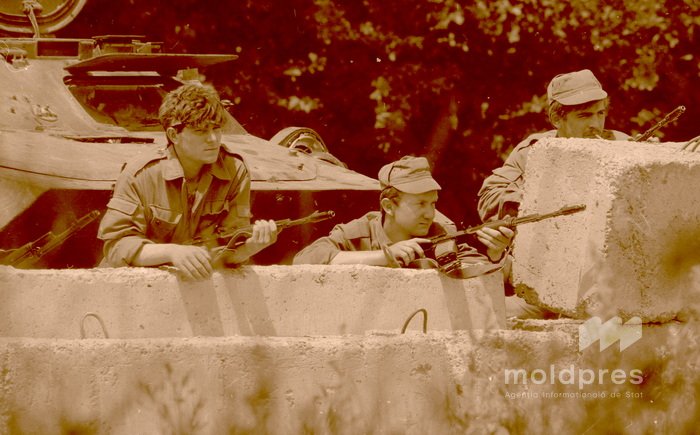
1992 – War that cannot be forgotten // “I Came to Defend My Village.”; story of policeman from east Moldova village
Ilie Ilievici was 27 years old when he returned home to Moldova. He had served in the Soviet army in Nizhny Tagil, Russia, and refused to stay there despite tempting offers. He specialized in strategic missiles and communications. He had just managed to get a job in Chisinau, at the Police Commissariat. On 14 March 1992, the hiring order was issued, he received his ID card and decided to come to his native village, Pohrebea.
“I came from Chișinău to defend my village,” the veteran recalls, still carrying the same outrage in his eyes today.
“People were working on the outskirts of the village, at a cattle farm. The separatists had set up a checkpoint and would not allow them to work. Of course, I felt outraged – how could someone have the right to control me?” he remembers, noting that this situation continued until the bloody separatist attack on 14 March 1992 at the Canned Food Factory in Cosnita.
A hot period had begun. Each day was lived, as if it were the last. He risked his life, and bullets whistled past him. At one point, they were forced to retreat after more colleagues were wounded by mines. The road leading to the separatists’ line had been mined.“On 7 April, the commander called me and told me that we would carry out a demining mission. Being from these places, I knew every path very well. We went to a place where we had to clear a passage along the Dniester. Four guys from Cosnita came and others from our platoon – there were nine of us in all. We went along the road I knew. After just a few steps I found the first mine, intuitively. We removed five or six mines and managed to clear a path about a meter and a half wide. We advanced some 15–20 meters and stopped at an edge. The colleagues went ahead to look for the mines. After two or three hours they came back with two sacks full of mines. There were so many that we couldn’t possibly remove them all by morning,” Ilie Ilievici says.
The area behind the village of Pohrebea, towards Lunca, Dubasari, was mined. That was where the fighting took place. The road linked the two front lines.“There is a deep ravine there, with large, dense trees, and that road was the only way through. The road was mined – it was the road between our line and theirs. An attack was being prepared. The roads had to be checked, and we went on a reconnaissance and demining mission. I was first, the boys were behind me. It was night, we could barely see anything. One of the boys took half a step back and stepped on a mine – he was the sapper from Chișinău. Instinctively, I put out my hand and a fragment hit me in the face and in the hand. I was wounded in the hand and face. My colleague fell on his back. Another boy stepped on another mine. We gave each other first aid and managed to get out of there. That was when I lost an eye,” the veteran recounts.
The mission of 7 April put an end to police officer Ilie Ilievici’s participation at the front. A long period of treatment and rehabilitation followed. Although doctors declared him a war invalid, he continued to work in the Police. His colleagues supported him with a petition to the Interior Ministry and he worked in the system for another two years. For his heroism during the Transnistria War, Sergeant Ilie Ilievici was decorated with the Stefan cel Mare Order.Since then, he has remained in his native village, Pohrebea, guarding its peace and quiet all these years. His two children started their own families, continuing a life marked by the memory of the war.
“My daughter works at a power engineering design company registered in Moldova. She is married to a man from Dubasari. My son-in-law worked as a policeman in Cosnita,” says the veteran.
After witnessing the war and numerous governments alternating in Chișinău and Tiraspol, the veteran says that any decision regarding the country’s future must be carefully thought out. In his opinion, Moldova should join the European Union only together with the Transnistrian region.“On 7 April 2009, when the violent protests took place in Chisinau, my son was there, talking about the need for change in the country. Yes, we want change, but it must be carefully thought through. Accession to the EU must happen, but even here we must think carefully. They say that Transnistria should join later. How so? What will the people from Parata, from Dorotcaia do? Will they put the border here, on the Dniester? People will be left neither here nor there. Integration with Russia will not happen – we all understand this today,” he says.
Twenty-five years after the last demining mission in the Pohrebea area, the community remembers how long the road to safety was. Between 5 May and 12 August 2000, 49 soldiers of the National Army took part in operations to clear the territory of explosives, under the command of Brigadier General Vitalie Stoian. According to official data, over 300 explosive objects were detected and neutralized, including antipersonnel mines – a constant danger for the locals.
For eight years, people lived in fear with every step they took. Many avoided working their fields, going to orchards or vineyards. Every blast caused panic, and each day was a silent confrontation with the risks left behind by the conflict.
Could the Transnistria War of 1992 have been avoided? “I don’t think so,” says Mihai Rotari, former policeman at the Dubasari Commissariat, in an exclusive interview with the State Information Agency Moldpres. “Tensions had begun much earlier,” the veteran recalls about the saddest period of his life, lived at a beautiful age: he was only 31. “We never really left the territory of the war,” continued Mihai Rotari, his brow finally relaxing.


 Facebook
 Instagram
 X/Twitter
 Telegram
Moldova modernizes Register of road accidents, aligns it with EU standards
Moldovan Interior Ministry has new secretary general
PHOTO // Denim Day international campaign campaign; Moldovan Labour Ministry's employees stand in solidarity with violence victims
PHOTO // Promotion of Gagauz language supported through new educational measures
PHOTO GALLERY // Event dedicated to Gagauz language held in Chișinău
Protected areas in Moldova to be managed according to European standards, based on new guide supported by Austria
SIS officers, held captive in Russian Federation, returned to Moldova
PHOTO // Moldovan soldiers from UN mission in Lebanon returned home
Stricter checks at EU borders existing rules enforced more rigorously, Foreign Minister says
VIDEO // Two employees of Moldovan Intelligence and Security Service, held captive in Russia, repatriated with support on behalf of U.S. President
Drone fragments detected on roof of apartment building from Chisinau; General Police Inspectorate says fragments do not contain explosive substances
Patient’s Voice platform launched in Moldova: patients’ feedback becomes official tool in reforming healthcare system
VIDEO // Results of 3rd edition of National Public Childcare Program show investments of about 340 million lei in Moldovan localities
Over 2.7 million Moldovans benefited from visa-free travel to EU and Schengen area
Moldova and Italy launch cooperation project to align national agricultural sector with European Union requirements
Moldovan Speaker to attend EU Speakers Conference
MOLDPRES INTERVIEW // Irinel Ionel Scrioșteanu: We want every district along Prut river to have own road bridge within 5–7 years
President to attend European Political Community Summit in Yerevan
Changes for shipments to USA: Moldovan Post Office announces new rules and fees for parcels with goods
Government’s message on 1 May: Citizens’ work and dedication - pillars of building European and prosperous Moldova
VIDEO, PHOTO // Young Moldovan lawyers preparing to implement European environmental standards in context of EU accession
 National Bank of Moldova
Moldovan Speaker to attend EU Speakers Conference
President to attend European Political Community Summit in Yerevan
Moldovan head of state continues dialogue on children’s safety online in Balti
Paid internships in public service of Moldova: young people invited to apply for edition 6.1 of programme
VIDEO // Prime Minister at National Forum of Labour Market and Social Dialogue

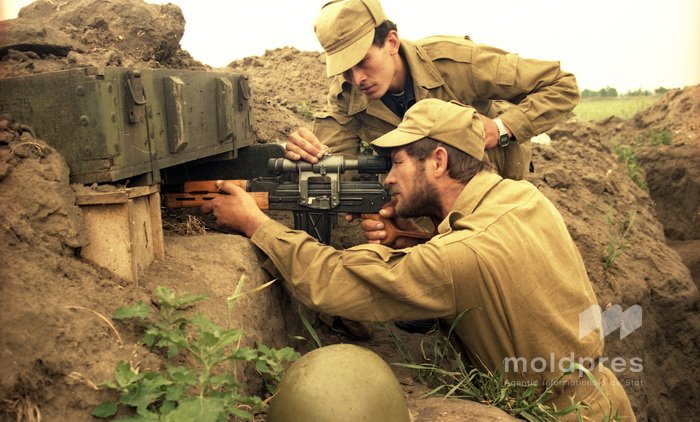
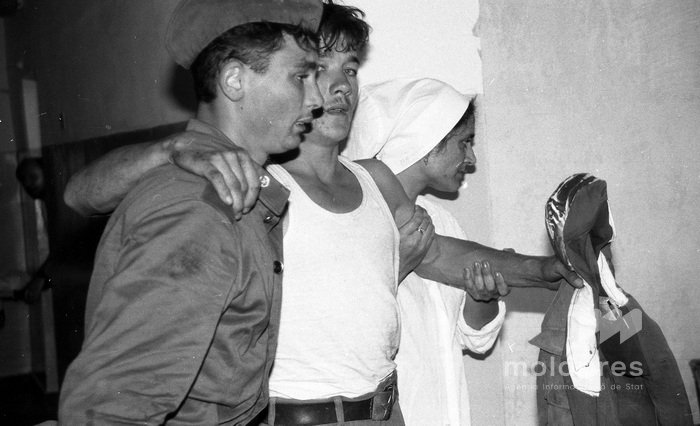
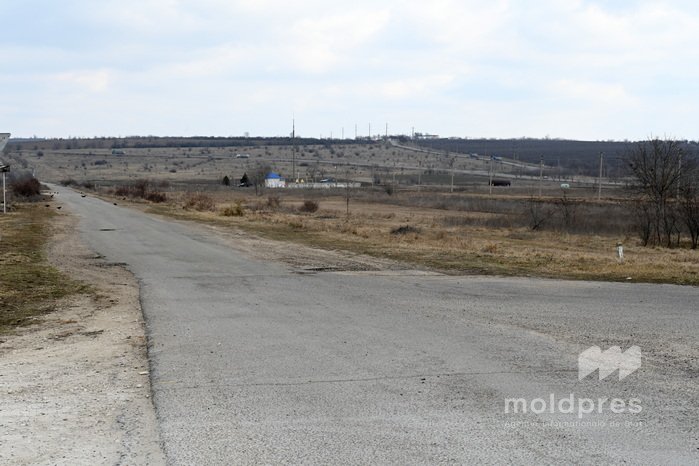
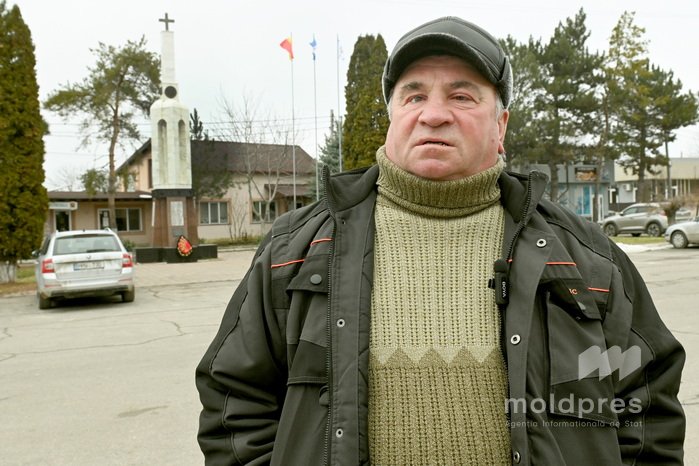
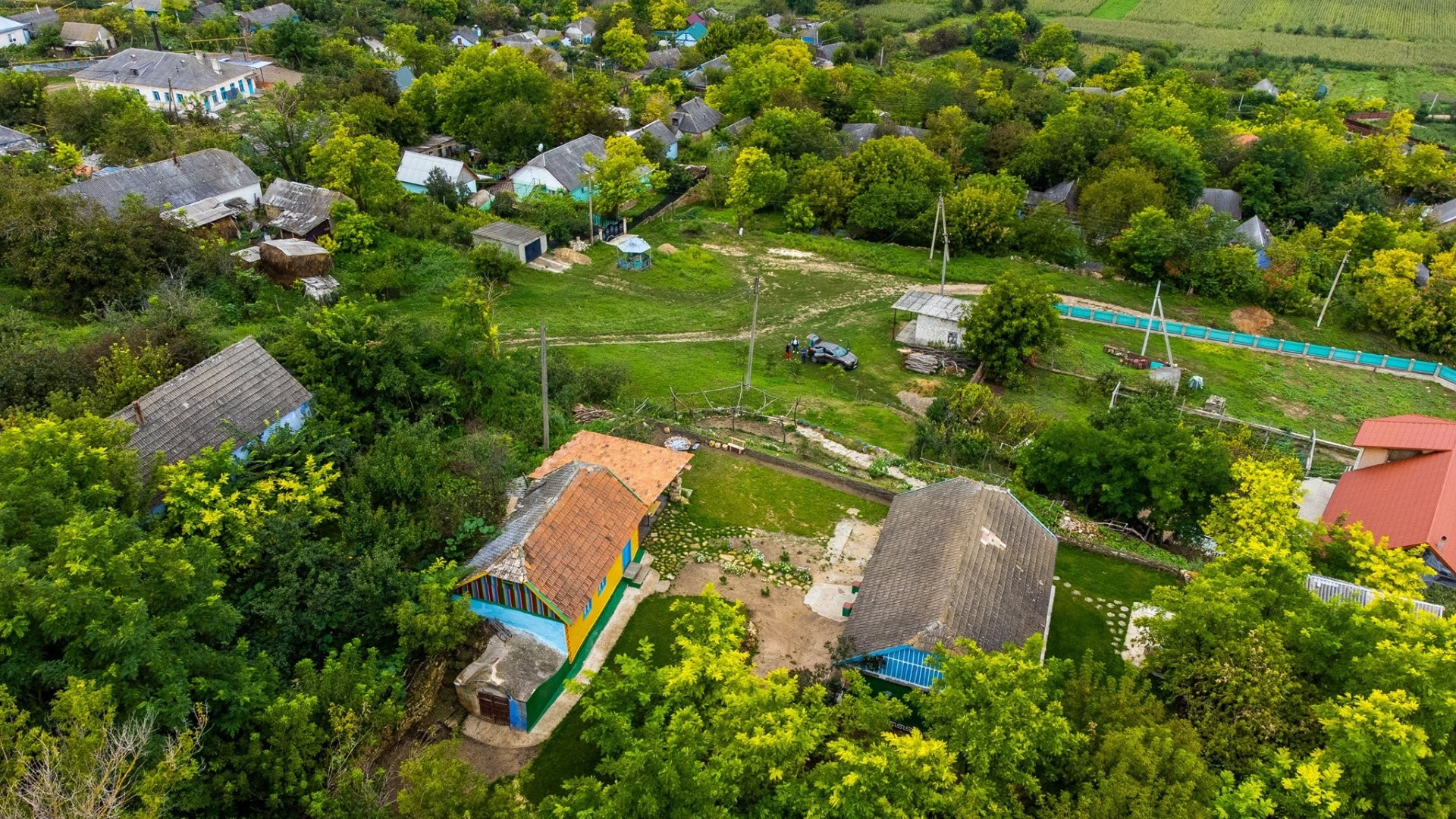
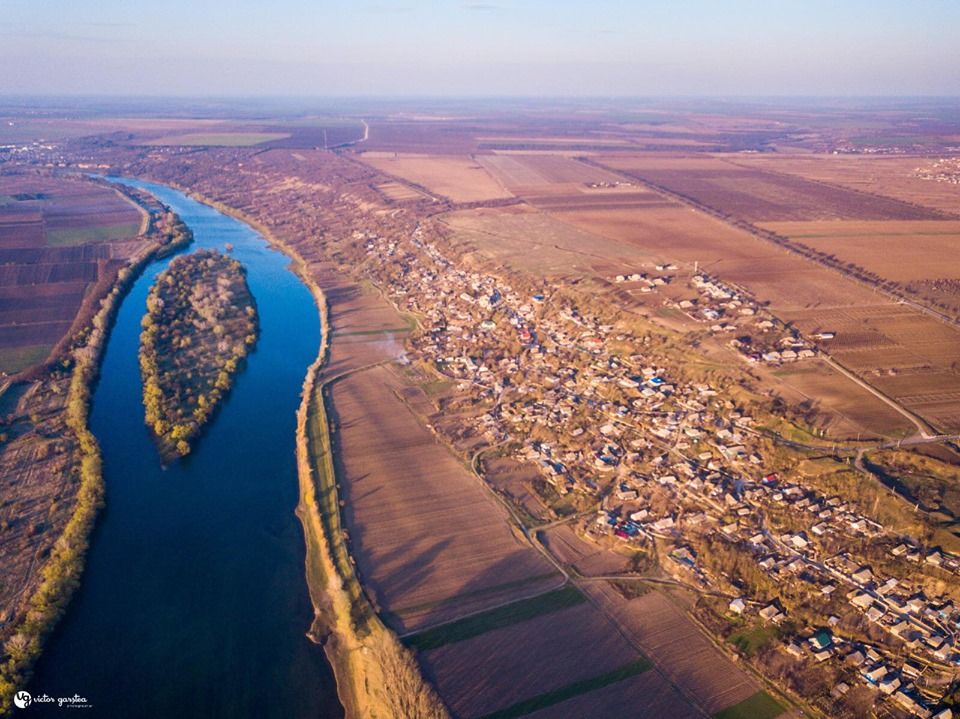
PHOTO // Republic of Moldova celebrates International Workers’ Day, between tradition, social rights and relaxation
SIS Director reveals details on Alexandru Bălan’s espionage activities
EXCLUSIVE // Moldova's People's Artist, composer conductor marks 75th birthday anniversary
Writers from Moldova, Romania call for turning idea of unification into national priority
BTA: 45 Years since First Bulgarian Ascent of Eight-Thousander: Himalaya's Lhotse
Integrity assessment at Moldova's Anticorruption Prosecutor’s Office: two prosecutors pass, two fail test
Head of Moldova's National Integrity Authority reports in parliament: irregularities worth tens of millions of lei detected in 2025
Former president of European Council encourages Moldova on path to EU
Moldovan head of state continues dialogue on children’s safety online in Balti
Moldovan parliament expands foreign relations: friendship groups with United Arab Emirates, Saudi Arabia created
Paid internships in public service of Moldova: young people invited to apply for edition 6.1 of programme
Largest energy storage system of Moldova launched in Radeni; Energy minister says investment promises competitive prices for consumers
Moldovan parliament speaker comments on detection of drones on country’s territory
Moldovan parliament speaker says removing tax, legislative discrepancies between two banks of Dniester River to bring concrete benefits for citizens
VIDEO // Prime Minister at National Forum of Labour Market and Social Dialogue
Japan’s Minister for Internal Affairs to pay visit to Moldova
Receive the latest news directly to your email

Receive the latest news directly to your email