
PHOTO // Major operation on Dniester River: third assistance package from Romania to combat pollution
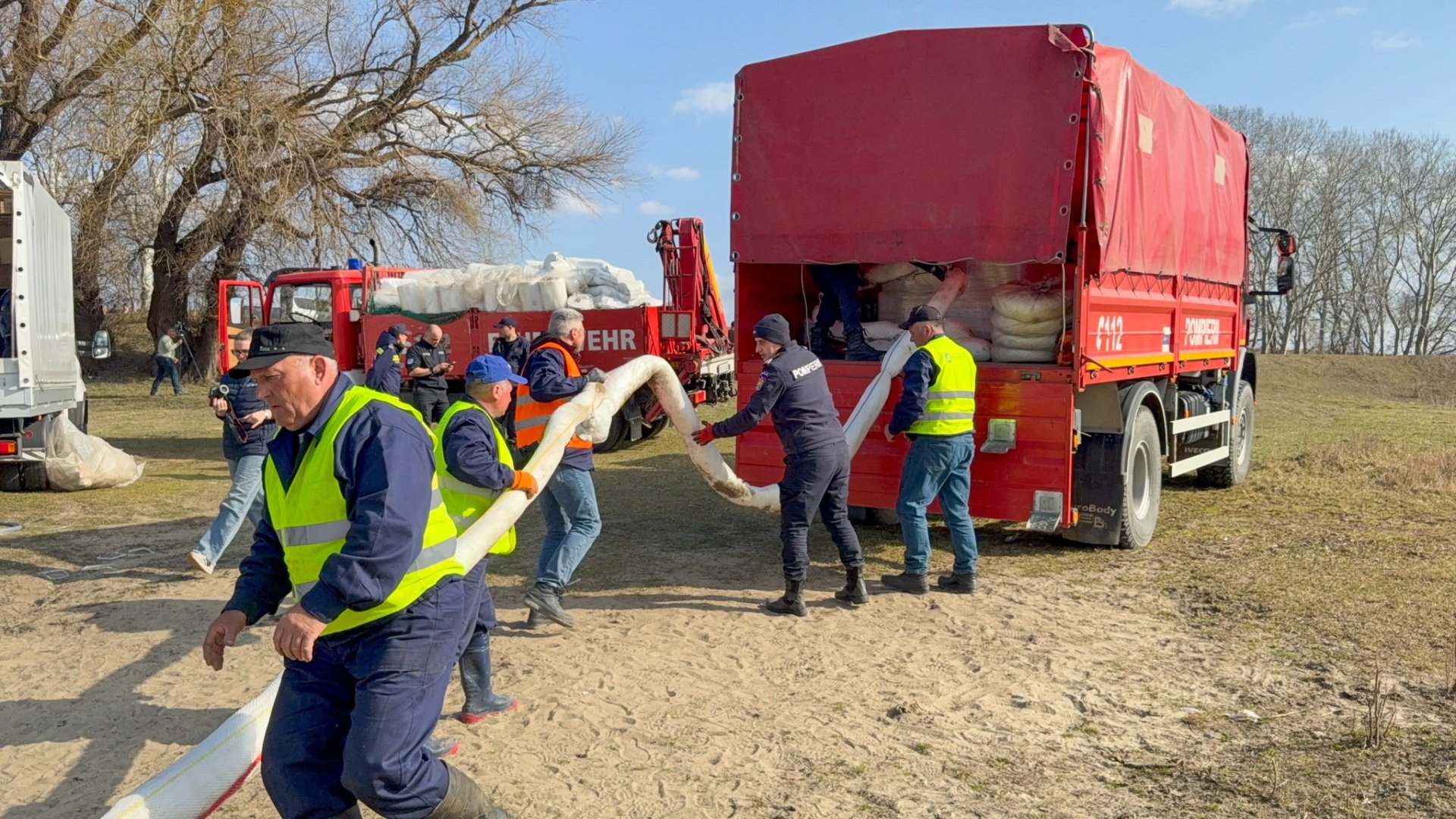
The environmental authorities and emergency teams of Moldova today received the third package of technical assistance provided by Romania, a form of support considered vital and strategic, in the context of the ecological crisis triggered on the Dniester River. The aid offered by the neighboring state has enabled the immediate strengthening of defense lines against oil product leaks that threaten the aquatic ecosystem and drinking water resources.

With the arrival of the new equipment, intervention forces proceeded to install two additional absorbent booms in the locality of Cosnita, Dubasari district. These protective structures are essential for stopping the spread of oil slicks downstream and for isolating pollutants in areas where they can be removed with increased efficiency.

“Installing the booms in this strategic sector is meant to create an additional protective barrier for the localities in the central and southern parts of the country, minimizing the risk that harmful substances reach water intake areas for the population’s consumption. Remediation efforts are carried out continuously, covering the entire riverbed from the northern border to the southern sectors. According to the intervention strategy, specialists’ teams operate at strict six-hour intervals, applying environmentally friendly absorbent material to the water surface,” said Environment Minister Gheorghe Hajder.

This specialized material has the property of neutralizing pollutants through absorption, preventing their dispersion in the water mass or their deposition on the banks. The cyclical intervention is necessary to respond to the continuous flow of water and to ensure a constant level of decontamination, both at the critical points of Unguri and Soroca and in the newly monitored downstream sectors, the official noted.

The emergency situation on the Dniester River is a direct consequence of the transboundary impact caused by the war waged by the Russian Federation against Ukraine. The destruction of industrial and energy infrastructure in the neighboring country has led to massive discharges of chemical and oil substances that have flowed into shared watercourses, turning a military crisis into a major ecological challenge for Moldova.

State institutions, supported by Romanian and European experts, are working in a state of maximum alert, in order to mitigate the consequences of this incident. Environmental safety and, implicitly, citizens’ health stay the fundamental priorities of all activated crisis cells.

In parallel with the physical actions to capture the oil, specialized laboratories periodically collect water samples to monitor the concentration of toxic substances, constantly informing the population about the quality of the water resource. Close cooperation with Romania through these successive deliveries of equipment currently represents the main pillar of Moldova’s resilience in the face of this ecological disaster.

Following cross-border coordination efforts, the authorities of Ukraine have officially informed the Moldovan side about the shutdown of the source of contamination of the Dniester River. Although the pollution hotspot has been closed, Moldova’s Environment Ministry is maintaining a state of alert and strict monitoring. Minister Gheorghe Hajder emphasized that, despite the assurances received, national institutions were obliged to rigorously verify water quality before resuming normal supply processes.

Recent laboratory analyses show a positive trend, with the volume of oil substances present in the water flow decreasing progressively. Nevertheless, the visible presence of oil films on certain sectors of the Dniester requires the maintenance of restrictions. The authorities base their decisions exclusively on the technical indicators provided by specialized laboratories, with the priority being to eliminate any risk of pollutants entering drinking water supply systems.

The situation remains critical in certain areas in the north of the country, where restrictions on water supply from surface sources remain in force. To mitigate the impact on citizens, alternative supply solutions have been activated. For example, on March 16, residents of the Balti municipality were provided with drinking water via tanker trucks, a preventive measure necessary until the purity of the main source is confirmed.

The Environment Ministry estimates that, if the trend of improving water quality continues, new recommendations for consumers will be issued in the coming hours or days. Until then, intervention teams continue monitoring in more localities along the course of the river, being prepared to intervene to limit any residual oil patches that may appear downstream.
 Facebook
 Instagram
 X/Twitter
 Telegram
Moldova modernizes Register of road accidents, aligns it with EU standards
Moldovan Interior Ministry has new secretary general
PHOTO // Denim Day international campaign campaign; Moldovan Labour Ministry's employees stand in solidarity with violence victims
PHOTO // Promotion of Gagauz language supported through new educational measures
PHOTO GALLERY // Event dedicated to Gagauz language held in Chișinău
Protected areas in Moldova to be managed according to European standards, based on new guide supported by Austria
SIS officers, held captive in Russian Federation, returned to Moldova
PHOTO // Moldovan soldiers from UN mission in Lebanon returned home
Stricter checks at EU borders existing rules enforced more rigorously, Foreign Minister says
VIDEO // Two employees of Moldovan Intelligence and Security Service, held captive in Russia, repatriated with support on behalf of U.S. President
Drone fragments detected on roof of apartment building from Chisinau; General Police Inspectorate says fragments do not contain explosive substances
Patient’s Voice platform launched in Moldova: patients’ feedback becomes official tool in reforming healthcare system
VIDEO // Results of 3rd edition of National Public Childcare Program show investments of about 340 million lei in Moldovan localities
Over 2.7 million Moldovans benefited from visa-free travel to EU and Schengen area
Moldova and Italy launch cooperation project to align national agricultural sector with European Union requirements
Moldovan Speaker to attend EU Speakers Conference
MOLDPRES INTERVIEW // Irinel Ionel Scrioșteanu: We want every district along Prut river to have own road bridge within 5–7 years
President to attend European Political Community Summit in Yerevan
Changes for shipments to USA: Moldovan Post Office announces new rules and fees for parcels with goods
Government’s message on 1 May: Citizens’ work and dedication - pillars of building European and prosperous Moldova
VIDEO, PHOTO // Young Moldovan lawyers preparing to implement European environmental standards in context of EU accession
 National Bank of Moldova
Moldovan Speaker to attend EU Speakers Conference
President to attend European Political Community Summit in Yerevan
Moldovan head of state continues dialogue on children’s safety online in Balti
Paid internships in public service of Moldova: young people invited to apply for edition 6.1 of programme
VIDEO // Prime Minister at National Forum of Labour Market and Social Dialogue





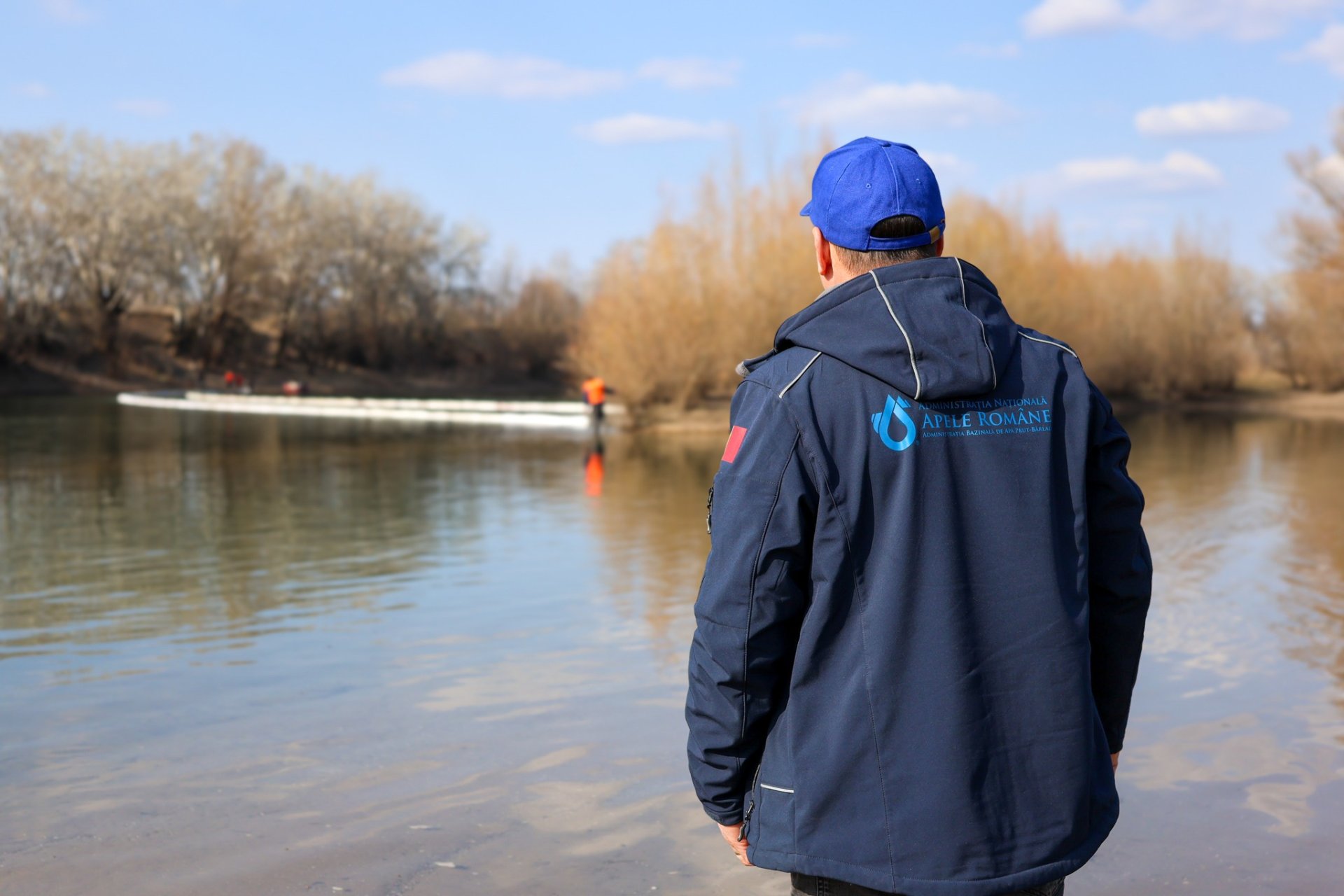
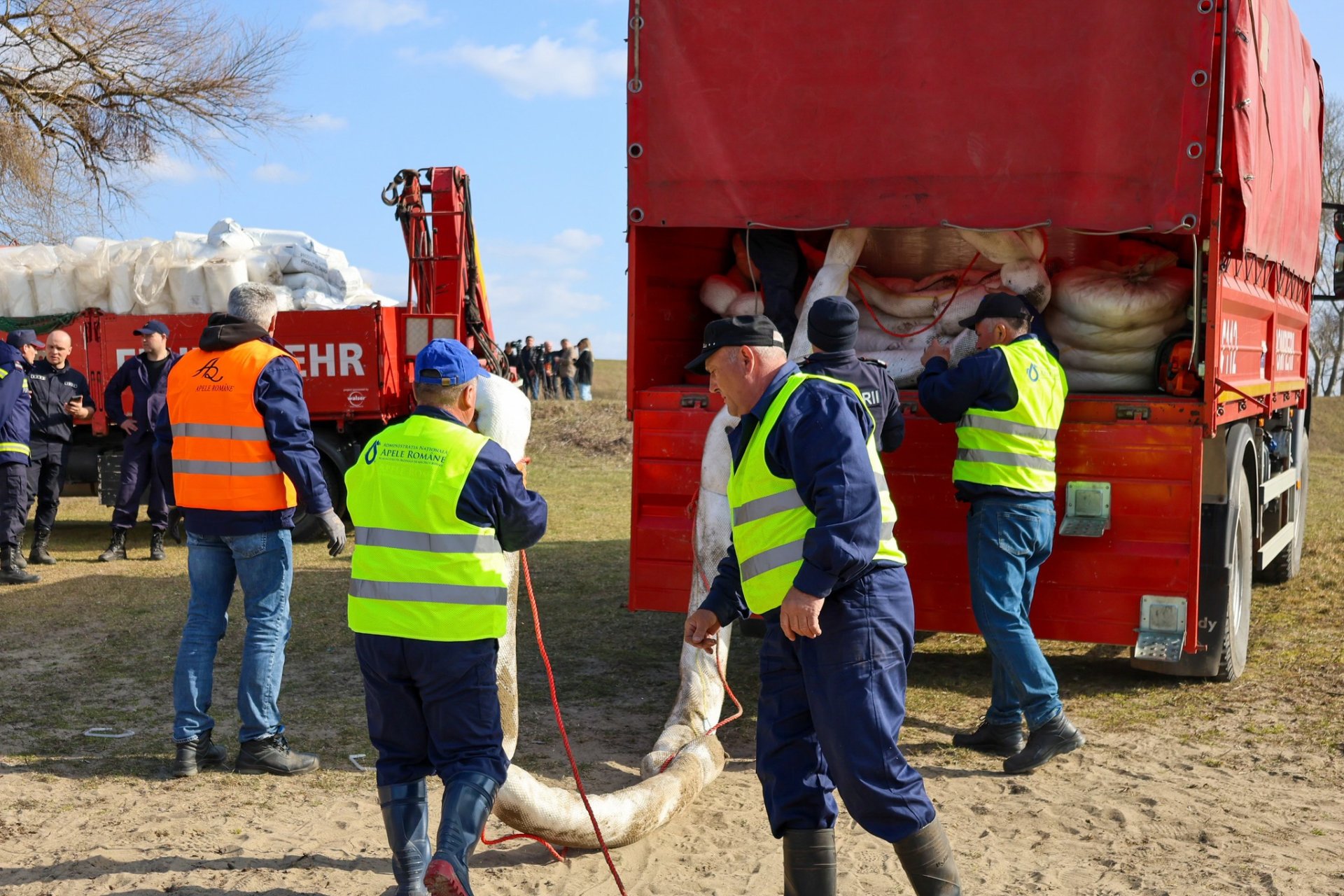
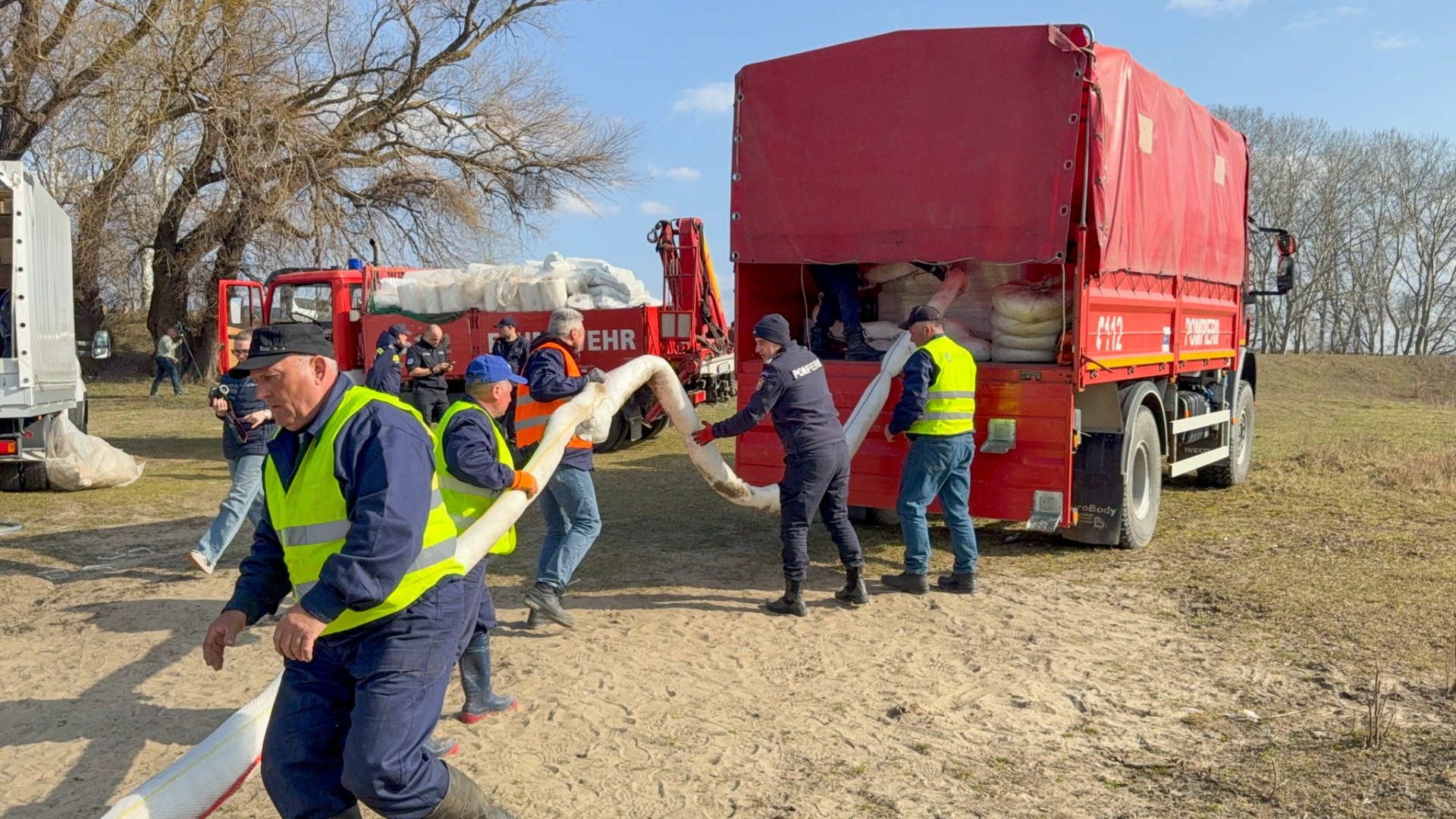
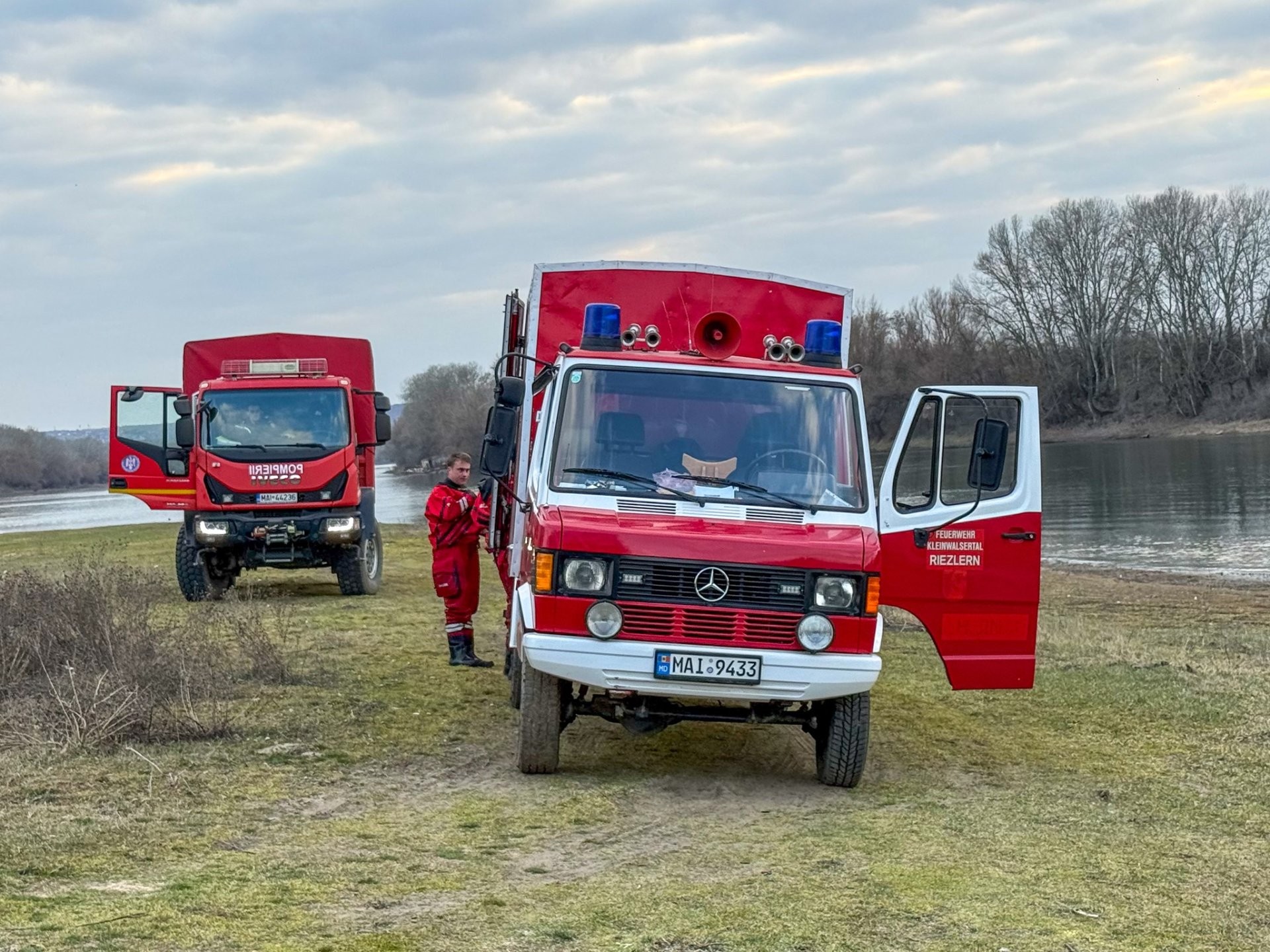
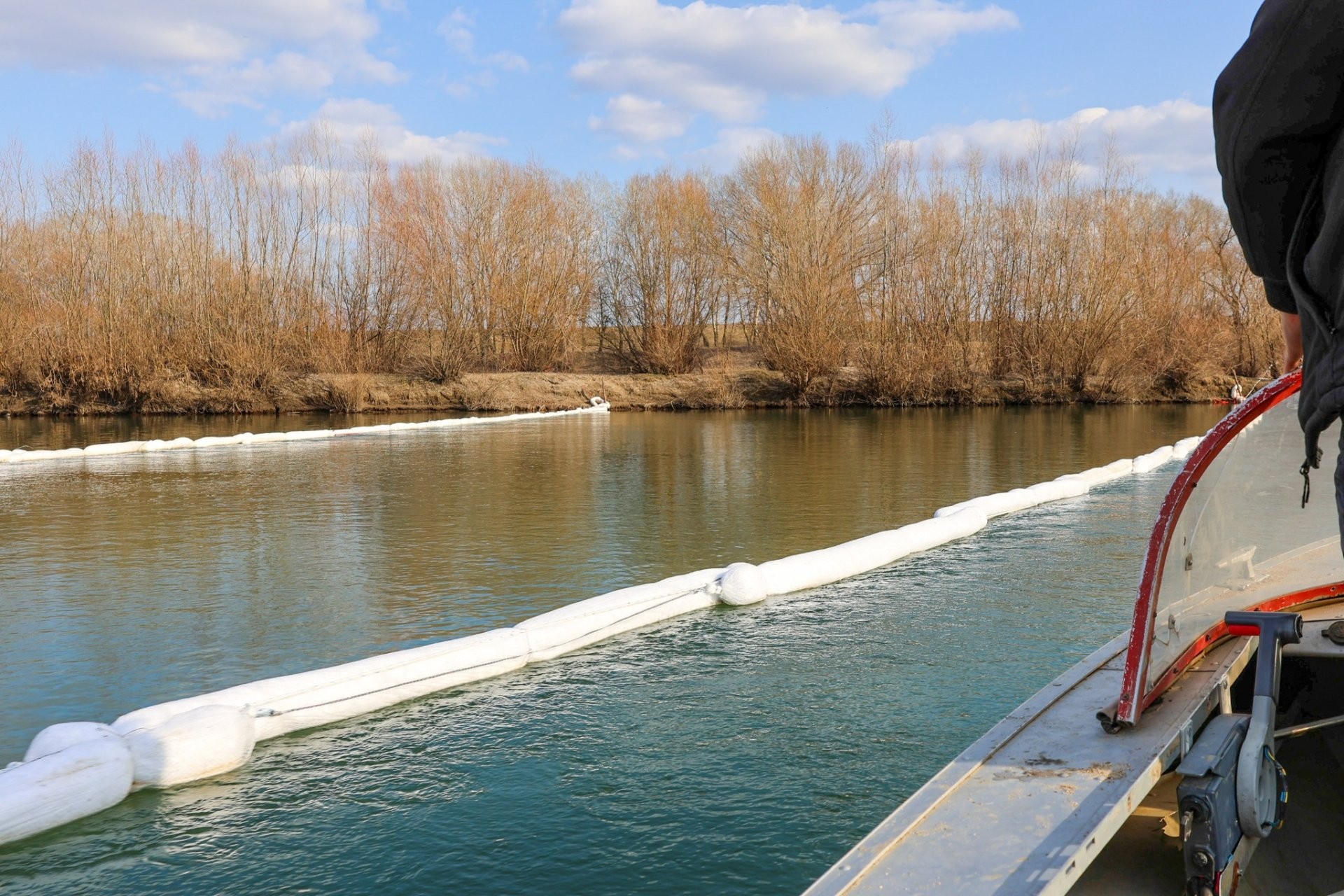
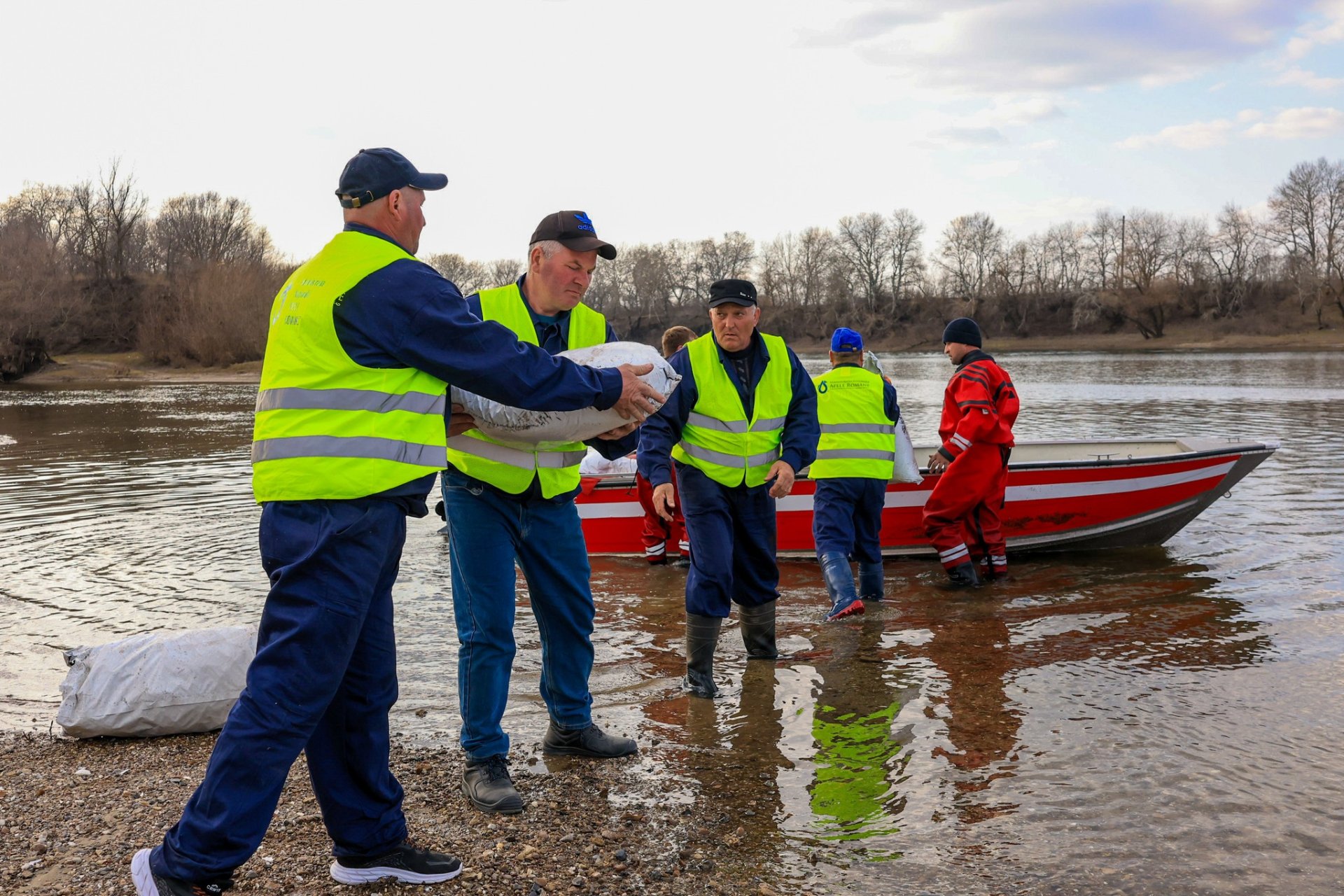

PHOTO // Republic of Moldova celebrates International Workers’ Day, between tradition, social rights and relaxation
SIS Director reveals details on Alexandru Bălan’s espionage activities
EXCLUSIVE // Moldova's People's Artist, composer conductor marks 75th birthday anniversary
Writers from Moldova, Romania call for turning idea of unification into national priority
BTA: 45 Years since First Bulgarian Ascent of Eight-Thousander: Himalaya's Lhotse
Integrity assessment at Moldova's Anticorruption Prosecutor’s Office: two prosecutors pass, two fail test
Head of Moldova's National Integrity Authority reports in parliament: irregularities worth tens of millions of lei detected in 2025
Former president of European Council encourages Moldova on path to EU
Moldovan head of state continues dialogue on children’s safety online in Balti
Moldovan parliament expands foreign relations: friendship groups with United Arab Emirates, Saudi Arabia created
Paid internships in public service of Moldova: young people invited to apply for edition 6.1 of programme
Largest energy storage system of Moldova launched in Radeni; Energy minister says investment promises competitive prices for consumers
Moldovan parliament speaker comments on detection of drones on country’s territory
Moldovan parliament speaker says removing tax, legislative discrepancies between two banks of Dniester River to bring concrete benefits for citizens
VIDEO // Prime Minister at National Forum of Labour Market and Social Dialogue
Japan’s Minister for Internal Affairs to pay visit to Moldova
Receive the latest news directly to your email

Receive the latest news directly to your email