
VIDEO // National Anti-Drug Commission of Moldova proposes fast-tracking promotion of draft imposing harsher penalties for sale, distribution of narcotics
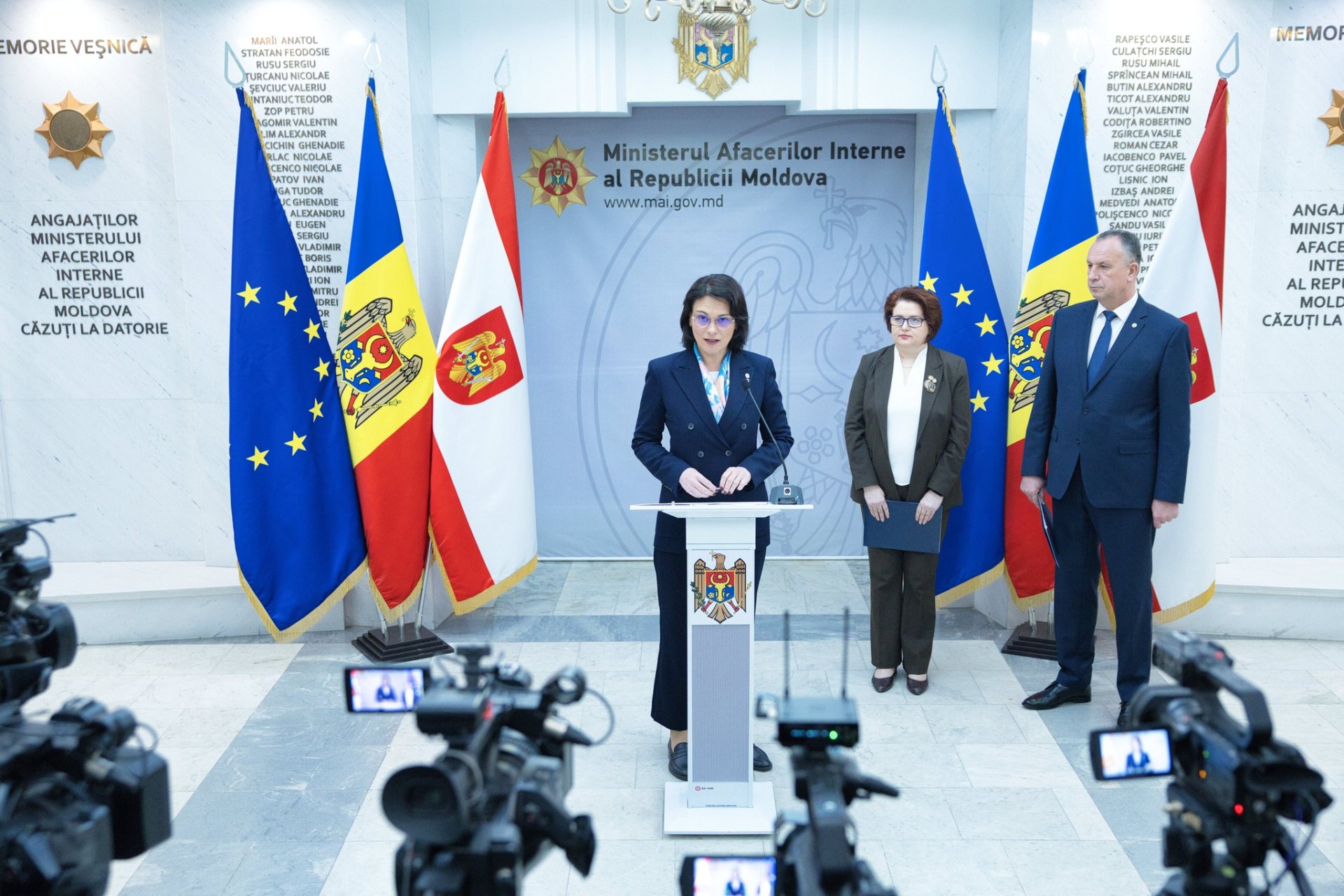
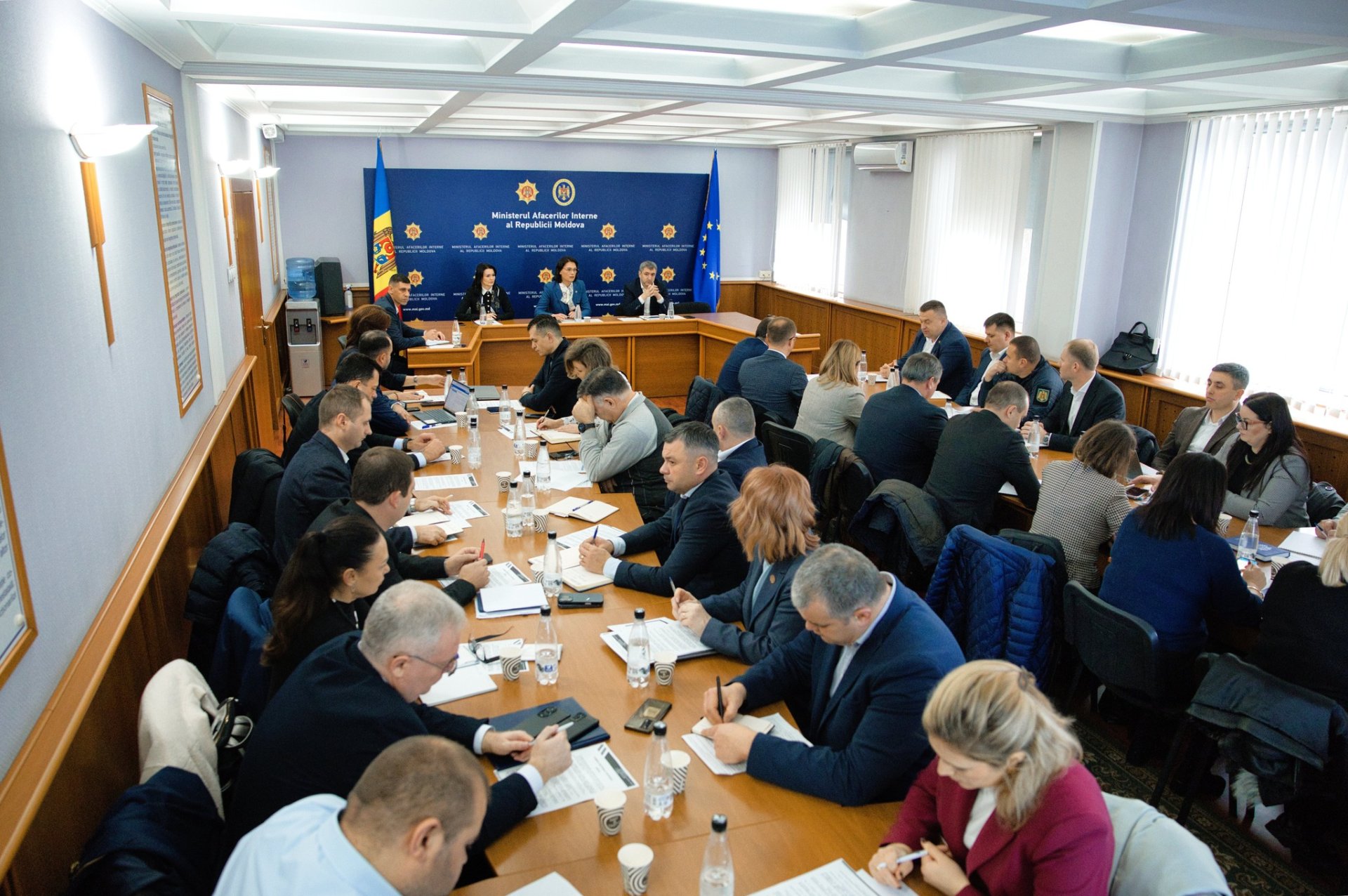
The National Anti-Drug Commission proposes fast-tracking the promotion of the draft law on preventing and combating the illegal circulation of drugs, precursors, and new psychoactive substances. The draft was developed by the Interior Ministry (MAI), along with the General Police Inspectorate (IGP), and entails tougher penalties for the sale and distribution of narcotic substances, especially in cases involving children. Interior Minister Daniella Misail-Nichitin today made statements to this effect, after a meeting of the National Anti-Drug Commission.
The official highlighted that, at present, organized criminal networks were quickly adapting their ways of smuggling and selling narcotics, by using advanced technologies and innovative distribution methods. According to the minister, the war in Ukraine has significantly influenced the drugs’ phenomenon in Moldova.
“We note an increasing trend regarding the number of offenses and criminal cases. In 2023, 994 criminal files were opened, and in the first 10 months of 2025, over 1,800 files have already been registered. As for the value of the seized drugs, it amounts to 97 million lei in the first 10 months of this year. At the same time, in 2023, 3,399 offenses were registered, and in the first 10 months of this year, 3,728 offenses were recorded. Moreover, just in the last week, law-enforcers conducted 17 searches on 15 criminal cases, with the value of the seized drugs being about 20 million lei. From the perspective of the content of narcotic substances, we can note an increase in synthetic drugs, followed by cocaine. The trend of using technology and the online environment on criminal purposes is also noticed in drug-related phenomena, and recent seizures highlight the use of the darknet, encrypted platforms and digital markets for drug transactions,” said Daniella Misail-Nichitin.
In the context of the current circumstances, the platform of the National Anti-Drug Commission has established a set of interinstitutional measures, in order to reduce the risks associated with drugs and the dismantling of organized criminal networks.
“The first measure involves reducing the supply of drugs, and this dimension is implemented by MAI’s subdivisions. The second objective concerns the reduction of drugs’ demand, and on this dimension, we refer to prevention, treatment and care services. The third dimension addresses the negative consequences associated with use of drugs. Moreover, through the new legislative measures, the exclusion of fines is proposed when substances are sold or distributed to children and the liability should be exclusively criminal. The law restricts the situations in which a person can avoid criminal liability for acts related to drugs’ sale and distribution. The only exception represents situations in which this act is not committed with the intent of sale or distribution,” said Daniella Misail-Nichitin.
The minister noted that another measure concerns the traceability of parcels, including the necessity of establishing an information system and modifying the legal framework, so that citizens sending parcels to Moldova also send their personal data, in order to identify those who send prohibited substances via parcels.
“Another ascertaining refers to the need for uniformity in judicial practices. It is very opportune to have a uniform practice and to review the terms for examining criminal files in courts. Another measure involves fast-tracking the development and approval of a national strategy document - I mean the draft National Strategy on Drugs and Addictions for 2026-2032, a strategic document aimed at ensuring better cooperation and a firm response on behalf of the authorities. Another observation from the commission members is also the need for a clear reporting mechanism in educational institutions, in order to discourage all those who attempt to exploit the vulnerability of children and distribute drugs nearby educational institutions. Last but not least, the operationalization of the early warning system and the national focal point for drugs is important. Similarly, we propose implementing additional technical measures to block online drug sales channels, ensuring technical equipment and continuous professional development of employees directly involved in combating the drug phenomenon and the illegal circulation of these substances, continuing and intensifying operations, including cross-border ones, and a stronger fight against online platforms using this space to commit crimes, along with increasing seizures of drugs and dismantling criminal groups,” noted Daniella Misail-Nichitin.
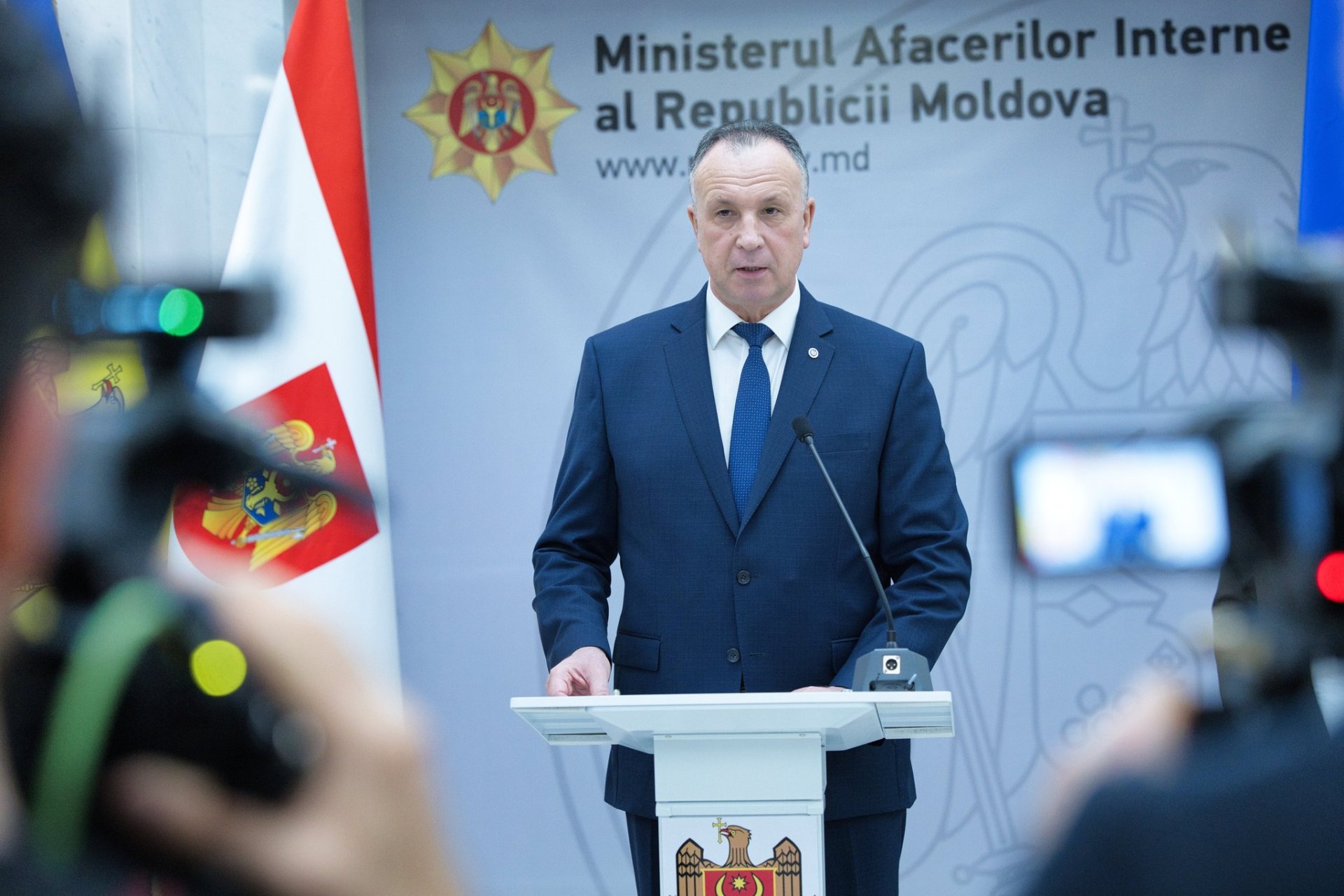
For his part, Health Minister Emil Ceban emphasized that, in the context of the emergence of more substances with different chemical forms, the institution was engaged in studying and regulating them.
“In this context, the law that modernizes the entire legal framework regarding the circulation of these types of substances has been implemented. Also, the national legislation has been harmonized with the European Union regulations. The Health Ministry is an integral part of the three pillars that will help streamline activities. We are working on strengthening prevention, treatment and rehabilitation services, with the Republican Narcology Dispensary being a key institution in this field. The National Public Health Agency monitors the number of drug users and works with those who seek detoxification. Also, more services are provided in Youth-Friendly Health Centers. The Health Ministry is committed to working together with all involved structures, in order to facilitate, reduce, and combat this major scourge,” emphasized Emil Ceban.
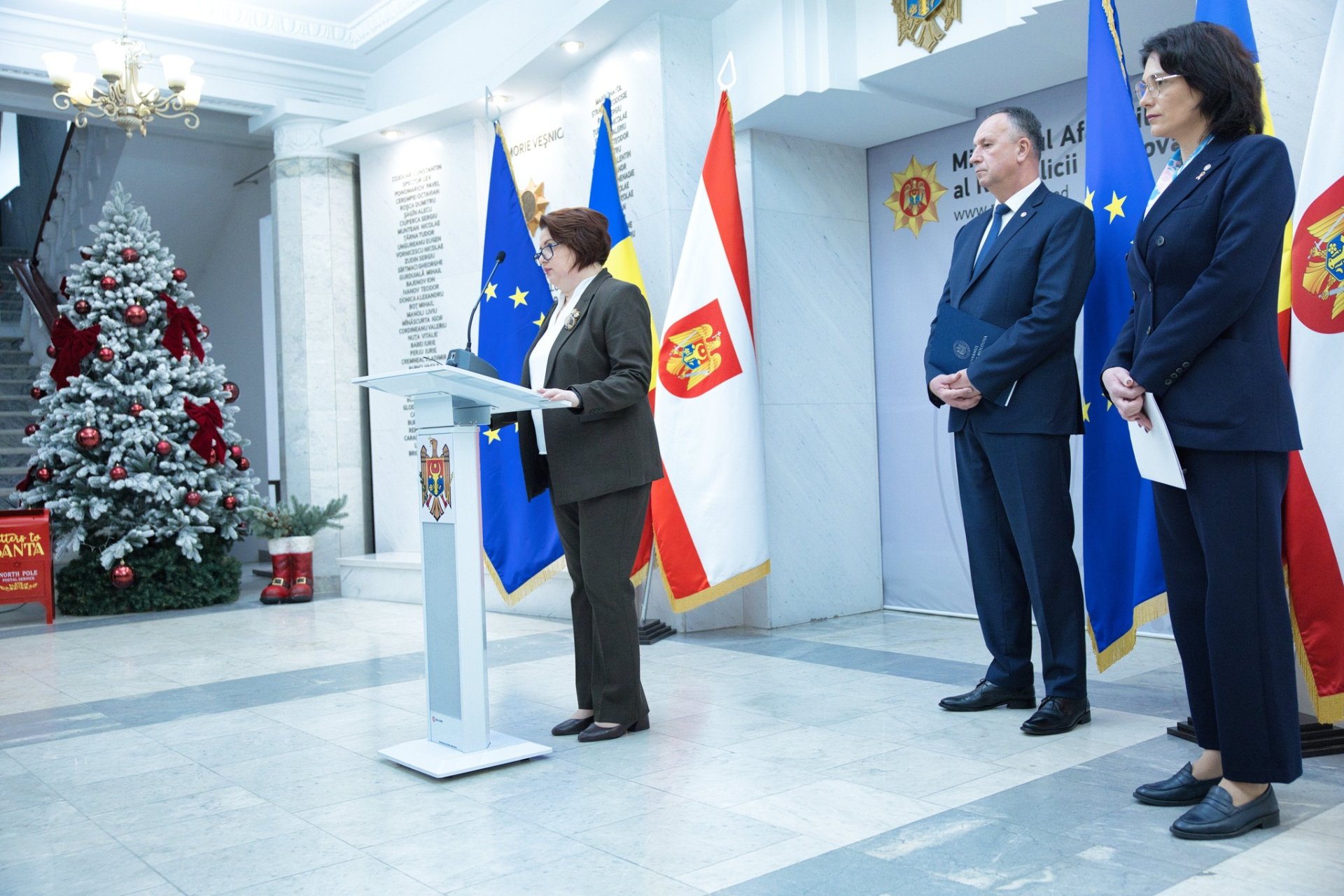
Also, State Secretary of the Education and Research Ministry (MEC) Valentina Olaru said that education was the foundation of prevention and the formation of healthy behaviors.
“Today, combating drug consumption and distribution among children and young people represents one of the most pressing challenges for the state and society, and the MEC treats this issue as a priority. In this regard, we have started implementing the joint action plan for preventing drug consumption and distribution in educational institutions. The document aims to create a safe environment and establishes a mechanism of intervention for the benefit of all children of Moldova. An important element of our intervention involves conducting educational, informative and preventive education activities. Thus, in all schools, we are conducting topic-related lessons about the risks of drug use. At the same time, during December-January, we will organize activities to inform students about the medical risks and the legal consequences of this phenomenon. The second essential element involves the involvement of parents, as no prevention measure can succeed without a solid partnership between school and family. Meanwhile, the MEC is investing in increasing the capacity of teachers and auxiliary staff. Teachers will learn to identify signs of prohibited substance use and how to intervene appropriately in risk situations. Another major aspect concerns the efficiency of reporting and protection mechanisms. In this regard, we will boost the promotion of the children's helpline platform and strengthen the procedures through which students can report cases of abuse, trafficking or consumption. Preventing drug use among children is not only an institutional responsibility, but a moral duty of each of us, and strengthening this common front of education, police, health, family and community is the only way we can ensure a safe future and a protected educational path. The MEC reaffirms its full commitment to act firmly, in a coordinated, and effective manner,” added Valentina Olaru.
The draft that imposes harsher penalties for the sale and distribution of narcotic substances is under review. Thus, the proposed changes by the authorities bring harsher penalties for aggravated forms of offenses, widen the list of prohibited substances and clarify the regime of precursors, ethnobotanicals and new substances that have appeared on the market.
At the same time, the legislation is being harmonized with European standards, so that responsible public authorities can intervene more promptly and efficiently, based on a solid framework meant to protect the health and safety of each citizen.

 Facebook
 Instagram
 X/Twitter
 Telegram
Driver who caused death of two police officers in central Moldova district detained for 72 hours
PHOTO // Moldova and Romania marked centenary of civil aviation by symbolically recreating Bucharest–Chișinău route
Cahul Customs Post temporarily blocked following farmers’ protests
Prepaid SIM cards to only be activated under identity document
ECall system to be implemented in Moldova: Vehicles involved in road accidents to automatically call 112 Service
Lawyer withdrew from competition for Disciplinary Board of Judges
Moment of silence at Government meeting in memory of police officers died in Sângerei
DOC // Published in Official Journal. Investigation bodies’ competences for complex corruption, financial fraud and organized crime cases to be defined more clearly
DOC // President revokes citizenship of former SIS deputy head
Primary healthcare reform: Ministry of Health assures that no medical center will be closed and access to services remains free of charge
Russian Federal Security Service officer detained in Moldova for unauthorized collection of information targeting region on left bank of Dniester
Moldovan government's spokeswoman refers to changes concerning military's pensions
Sovereignty Day: 36 years since act that opened Moldova’s path to independence
Customs Service, Border Police of Moldova strengthen cooperation through a new collaboration agreement
National Fathers’ Day marked Moldova
PHOTO // Exhibition “Republic of Moldova Presents” opens in Brașov
PHOTO // Performance “1946”, presented as part of exhibition “State Terror in Soviet Moldova: Scope, Victims and Perpetrators” in Great National Assembly Square
VIDEO // Labour Minister: Allowance granted to employees will not decrease
 National Bank of Moldova
URBACT Programme: new support opportunities for cities, municipalities of Moldova
Moldovan president meets OSCE High Commissioner on National Minorities
First meeting of Moldova – European Union Subcommittee on public administration reform held in Chisinau
Moldovan PM, top European bank's president hold dialogue on strategic investments, support for Moldova's European path
Moldovan PM has meeting with Estonian counterpart

Attention, travelers! Increased traffic at Giurgiulești–Galați checkpoint on outbound route
Republic of Moldova marks 12 years since signing Association Agreement with EU
VIDEO // Citizens urged to check personal social insurance account
Moldova’s capital market in expansion: CNPF announces significant growth, new financial instruments in 2025
Parliament speaker says Moldova needs stable government in Bucharest
Moldovan parliament speaker comments on draft concerning Moldova's union with Romania, tacitly adopted in Bucharest
Moldovan parliament adopts reform of Service for Prevention and Combatting of Money Laundering in first reading
Moldova's Energy Ministry: over 60 per cent of actions assumed for integration into European energy market already implemented
Investment opportunities of Moldova, new cooperation projects on Moldovan deputy PM's agenda during visit to Austria
URBACT Programme: new support opportunities for cities, municipalities of Moldova
Moldovan president meets OSCE High Commissioner on National Minorities
Moldovan parliament establishes mechanism for identifying prepaid mobile service users: SIM cards to be able to be activated only based on identity document
First meeting of Moldova – European Union Subcommittee on public administration reform held in Chisinau
Contract for construction of Balti–Suceava electricity line signed in Chisinau; Moldovan energy minister says investment strengthens independence, resilience of country's power system
Moldovan parliament speaker explains salary reform: “Ending disparities between institutions and setting a clear salary hierarchy”
Moldova strengthens energy security: Parliament approves creation of emergency petroleum product stocks
Receive the latest news directly to your email

Receive the latest news directly to your email