
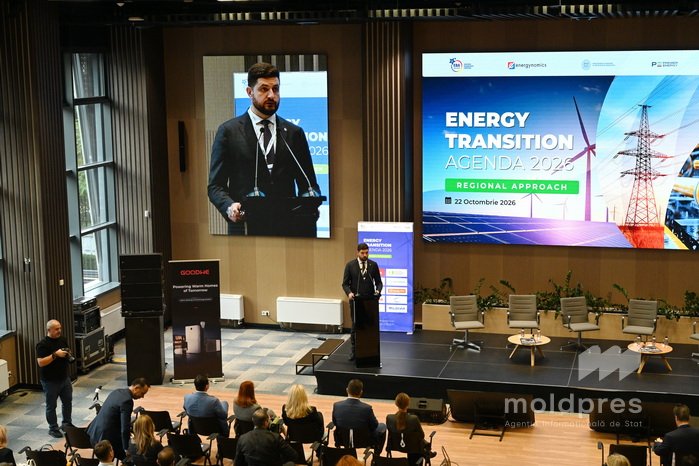
Energy Minister at Energy Transition Agenda Conference: Moldova’s energy future is European, and regional integration path through which we can build it more quickly and efficiently
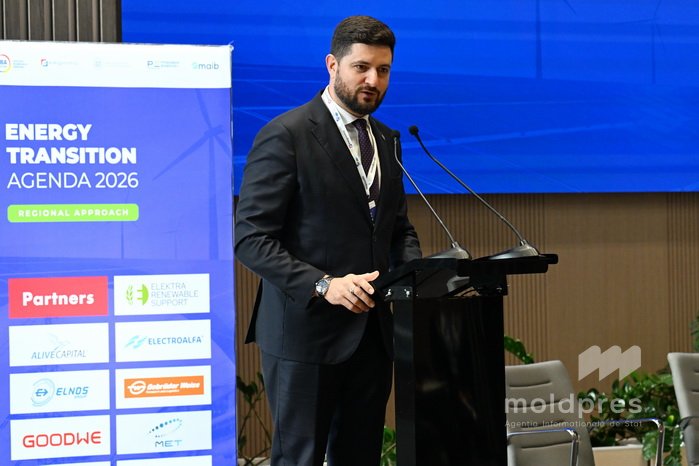
The energy sector of the Republic of Moldova has changed considerably in recent years. We have abandoned our dependence on a single source of supply, opened new import routes, laid the foundations for a competitive energy market, and worked together to develop local generation. Our objective is to couple the national energy market with the European market by 2028. This will enable energy to be traded more efficiently at the regional level, while consumers and businesses will benefit from greater competition and access to more sources of supply. The message was conveyed by Energy Minister Dorin Junghietu during the fifth edition of the Energy Transition Agenda conference, held today in Chisinau.

The official emphasized that the experience of recent years has demonstrated that energy security cannot be ensured in isolation, and that the transition to a modern and competitive energy system extends beyond national borders.


“For the Republic of Moldova, regional cooperation, first and foremost with Romania and Ukraine, is not only a strategic option but also an economic and security necessity. These changes are taking place during a very complicated period, when Russia’s war against Ukraine and the instability of global energy markets constantly test us. Today, the Republic of Moldova has more than 1,000 MW of installed renewable energy generation capacity. In the second quarter of this year, renewable energy accounted for 46% of the electricity consumed in our country and 86% of local electricity generation. These results show how quickly the sector can transform when investments and favorable market development conditions are in place. At the same time, the development of local generation must be accompanied by market development. The Electricity Market Operator of Moldova (OPEM), a subsidiary of the Romanian operator OPCOM, has become an important instrument for the transparent trading of electricity on the Moldovan market. We are recording increased liquidity both on the day-ahead market and on the intraday market. This means more opportunities for producers and suppliers and more competitive price formation. Work is also progressing intensively on developing the bilateral contracts market so that it can be launched under the best possible conditions. In the second quarter of this year, 432 participants were active on the electricity market. This development creates the conditions for the next stage of market liberalization, when, starting on July 1, 2027, large consumers will move to the competitive market,” Dorin Junghietu said.


The minister pointed out that a functional market requires not only the presence of producers, suppliers, and trading platforms, but also the active involvement of end consumers, who must be able to adjust their consumption according to prices and benefit from the flexibility of the energy system.


“ANRE has approved two types of differentiated tariffs, allowing consumers to take advantage of different prices depending on the period of consumption. However, the results are modest so far: only approximately 30 consumers have switched to the new tariffs, although more than 40,000 smart meters have been installed as part of the project carried out with the support of the UNDP and the Government of Italy, to whom we express our gratitude. This shows that simply installing technology or approving tariffs is not enough. We need to inform consumers, provide attractive commercial offers, and create mechanisms that encourage consumption when energy is cheaper and more abundant,” the official noted.


At the same time, the Republic of Moldova continues to develop its electricity interconnections with Romania through projects designed to strengthen energy security and facilitate integration into the European electricity market.


“Vulcanesti–Chisinau power line will soon be completed and commissioned. Balti–Suceava project is underway and has also been declared a public utility project in Bucharest. We also have good news from Transelectrica this week. Straseni–Gutinas line project, developed with the support of our partners in the United States, is advancing. These initiatives do not only mean new power lines, but also a better-connected regional market, more supply options, and better conditions for investment,” Dorin Junghietu said.


The official mentioned that the Government recently approved the Energy Strategy until 2050, which provides for reducing dependence on imports from 77% to 40%, ensuring that renewable sources account for at least 85% of local electricity generation, and significantly increasing the role of electricity in the economy.


“To achieve these objectives, we need private investment, storage capacity, system flexibility, and cybersecurity. Recently, at an economists’ forum in Amsterdam, the term ‘system flexibility’ was repeated more often than any other during the sessions. Therefore, we need closer cooperation between the authorities and the business community to prepare the economy for the European CBAM and ETS mechanisms. The energy transition is not only about installed megawatts and kilometers of power lines built. It means a market that functions, where producers can sell, suppliers can compete, and consumers can choose and better manage their costs. The Republic of Moldova’s energy future is European, and regional integration is the path through which we can build it more quickly and efficiently,” the minister concluded.


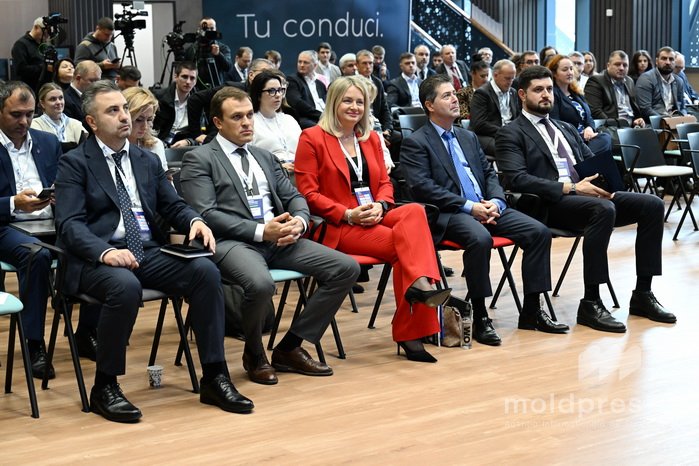
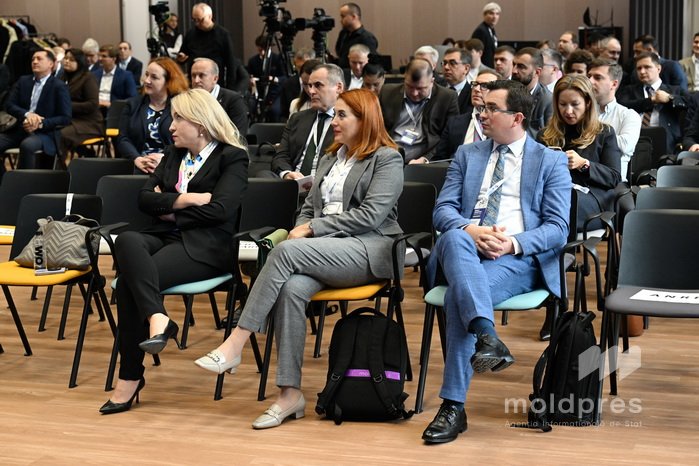
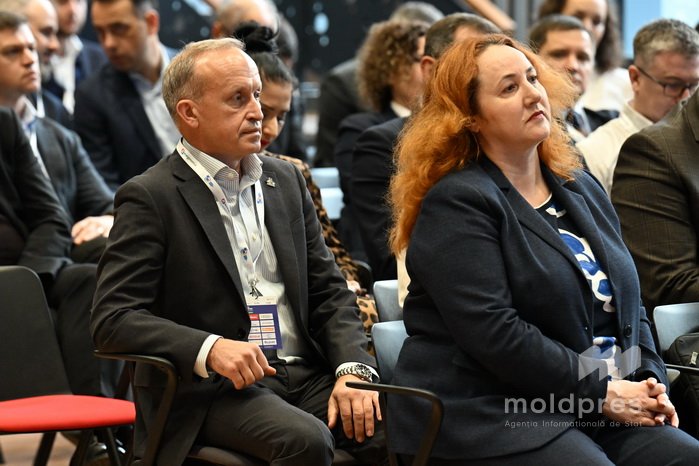
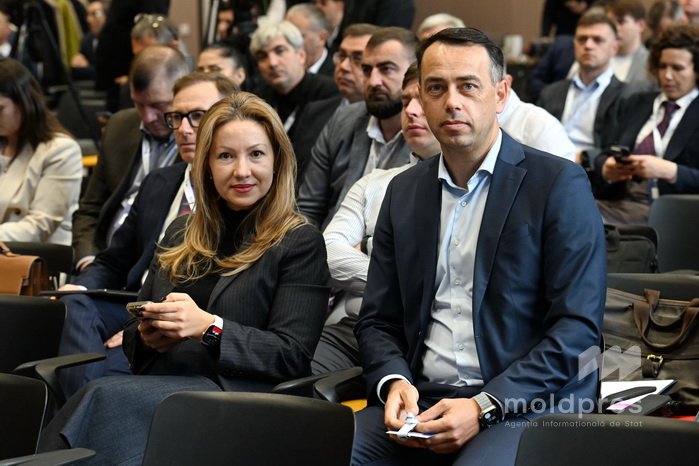
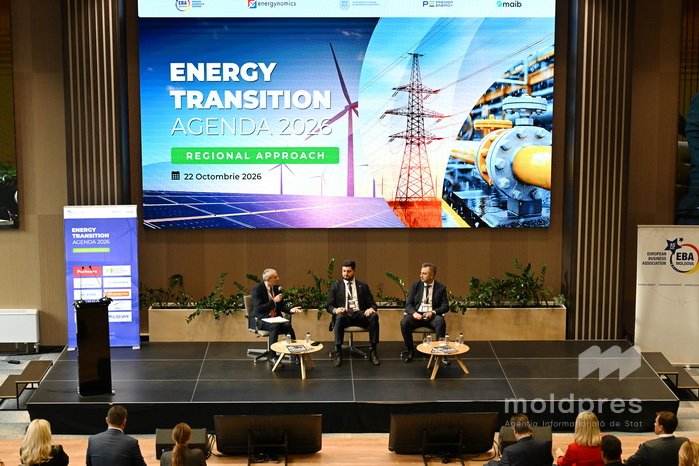
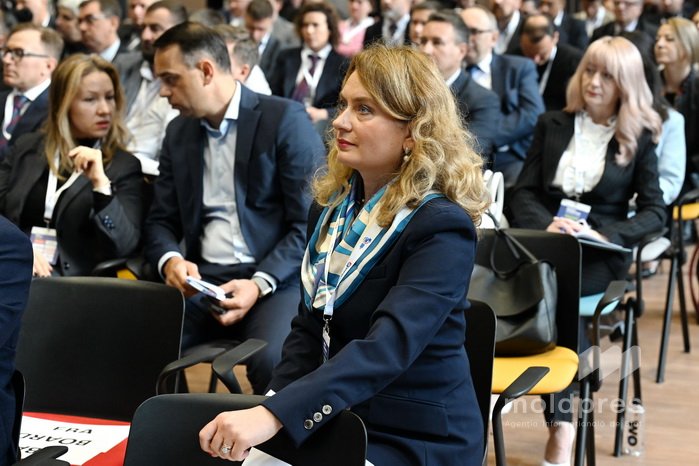
The fifth edition of the Energy Transition Agenda conference brings together in Chisinau representatives of public authorities, the business community, and the energy sector from the Republic of Moldova and Romania. The event is organized by the European Business Association EBA Moldova and is being held this year under the theme “Regional Approach,” addressing current issues in the energy sector and regional cooperation.

The agenda includes four thematic panels and 20 speakers, who will address topics such as energy interconnection between the Republic of Moldova and Romania, the integration of electricity and natural gas markets, infrastructure investment, energy storage, and cybersecurity.

The conference aims to strengthen regional cooperation and identify solutions for developing a secure, competitive energy market integrated into the European market.
 Facebook
 Instagram
 X/Twitter
 Telegram
Moldovan energy minister speaks about new value added tax thresholds for energy, additional funding for energy efficiency
VIDEO // MOLDAGROTECH, FARMER 2026 exhibitions open at Moldexpo center
PHOTO GALLERY // MOLDAGROTECH and FARMER 2026 brought together manufacturers and suppliers of agricultural technologies at Moldexpo
VIDEO // Prime Minister announces simplifications for small food producers
PHOTO // Cosăuți temporary bridge linking Moldova and Ukraine expected to open by late 2026
VIDEO // Moldexpo Exhibition Center aims to become Moldova Expo Park, regional hub for business, leisure, accommodation
Straseni–Gutinas power line at center of talks between Moldovan energy minister and new U.S. Ambassador
VIDEO // EBRD and EU to support modernization of Moldova’s irrigation infrastructure
VIDEO // Moldagrotech, Farmer 2026 exhibitions of Moldova to showcase solutions for improving agricultural efficiency
PHOTO GALLERY // Farmer from Briceni modernizes farm and prepares new investments in fruit growing
VIDEO // Moldova could import natural gas from Ukraine
EcoVoucher Programme: More than 3,300 families replaced old appliances with energy-efficient equipment
Railway of Moldova enterprise to increase freight transport tariffs by 15 per cent as of November 1
Moldova must accelerate investments under Growth Plan; EU Ambassador explains conditions for funding
Energy Minister at Energy Transition Agenda Conference: Moldova’s energy future is European, and regional integration path through which we can build it more quickly and efficiently
Four vocational schools and a college in Southern Moldova to receive over €12 million for modernization
EU Ambassador on support for Moldova: Reforms necessary, investments must be monitored
American investments on agenda of discussions between U.S. officials and Moldovan leadership
European Union Ambassador to Moldova says gradual integration into EU can bring additional benefits to country before accession
VIDEO // Fiscal Policy of Moldova for 2027: Zero value added tax on higher electricity consumption, benefits for families, farmers, investors
EU market absorbs 69.9 million euros in Moldovan IT exports in first quarter of 2026
 National Bank of Moldova

Moldovan parliament's standing bureau approves agenda of parliament meeting of October 22
Topics examined at meetings of Moldovan parliament's standing commissions on 20–21 September 2026
Moldova's state secretary for reintegration has meeting group of students, young professionals
Moldovan government approves national strategy on drugs, addictions for 2026–2032
Clear-cut rules for traffic management, public transport's development, paid parking arrangements in Moldova

United States, Romania, Germany among main markets for Moldovan IT services
Moldova’s IT exports to EU grow by almost 20 per cent in one year
PHOTO // Moldova's Nicolae Testemitanu State University of Medicine and Pharmacy, National Public Health Agency inaugurate renovated, equipped study room
Annual conference on EU enlargement to take place in Chisinau on November 9–10
Topics examined at meetings of Moldovan parliament's standing commissions on 20–21 September 2026
ARMENPRESS: Armenia, Tajikistan discuss expanding environmental cooperation
Moldovan parliament speaker has meeting with Metropolitan of Bessarabia
Moldova's state secretary for reintegration has meeting group of students, young professionals
Moldovan government approves national strategy on drugs, addictions for 2026–2032
Clear-cut rules for traffic management, public transport's development, paid parking arrangements in Moldova
Moldovan deputy PM for reintegration says gradual reintegration process to allow establish formula through which Transnistrian region to be represented in country's administrative structure
Balti municipality's mayor to be able to be assisted by own cabinet
Coal imports into Moldova fall by 19%
Minister Mihai Popșoi holds talks with Romanian counterpart
Republic of Moldova seeks alternatives for natural gas procurement, including in Ukraine
Alexei Buzu announces new round of consultations amid local public administration reform
Receive the latest news directly to your email

Receive the latest news directly to your email