
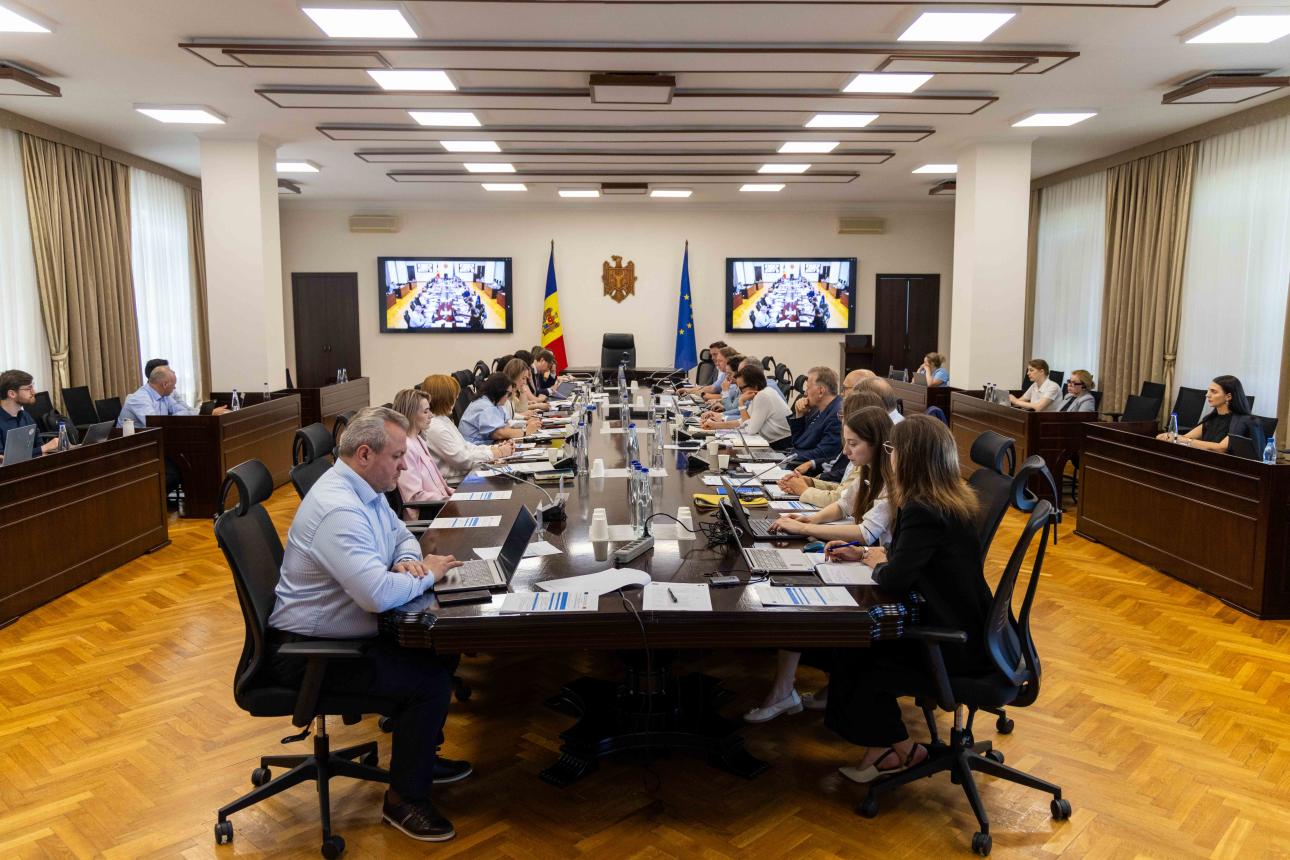
First meeting of Moldova – European Union Subcommittee on public administration reform held in Chisinau
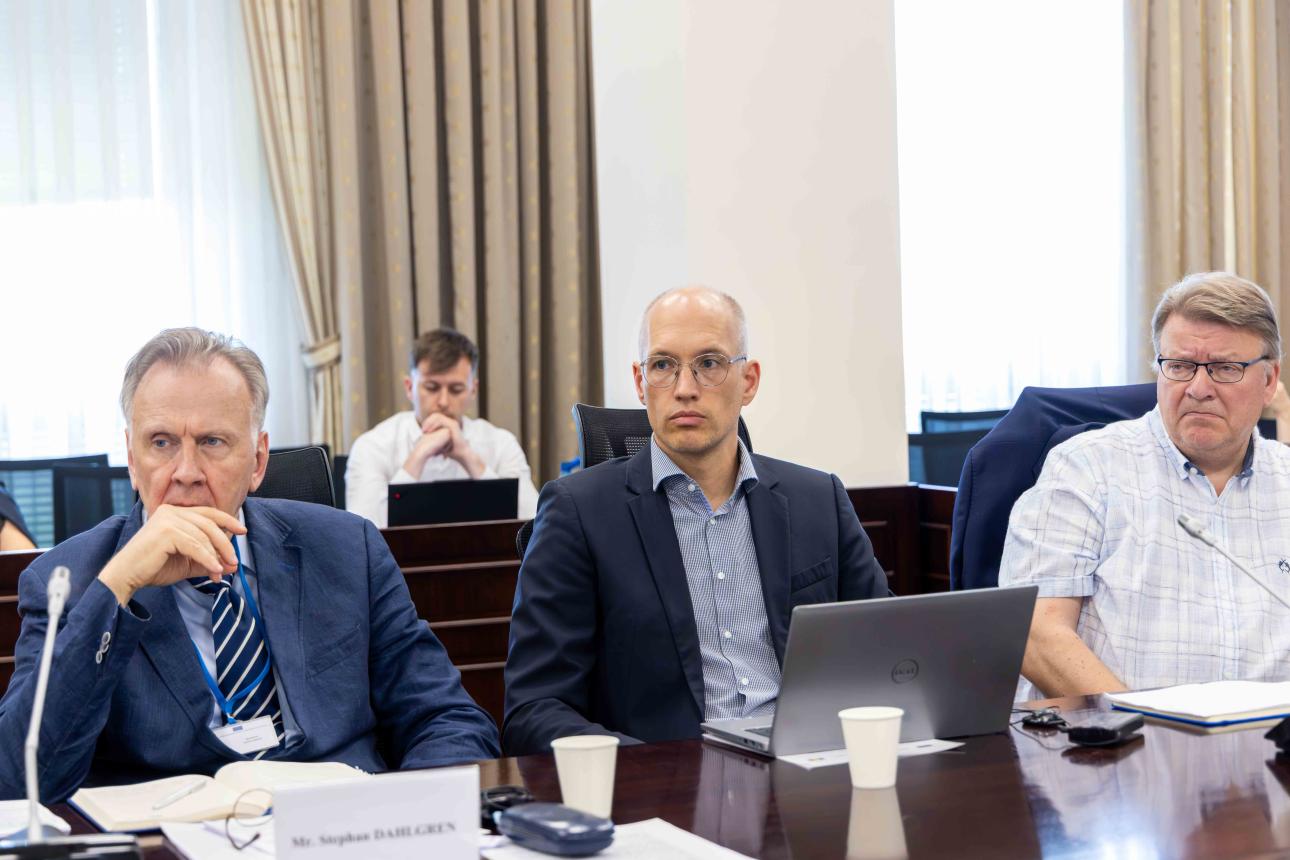
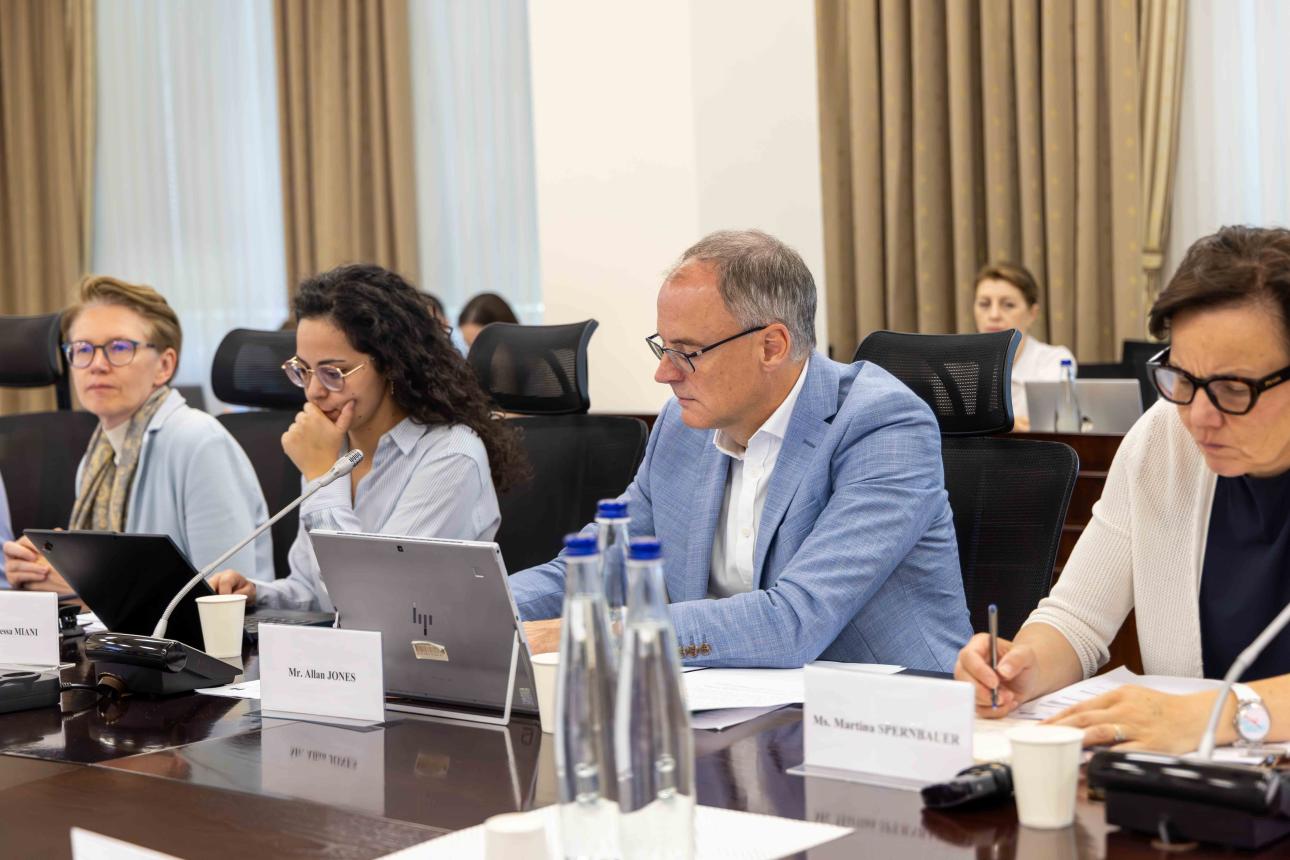
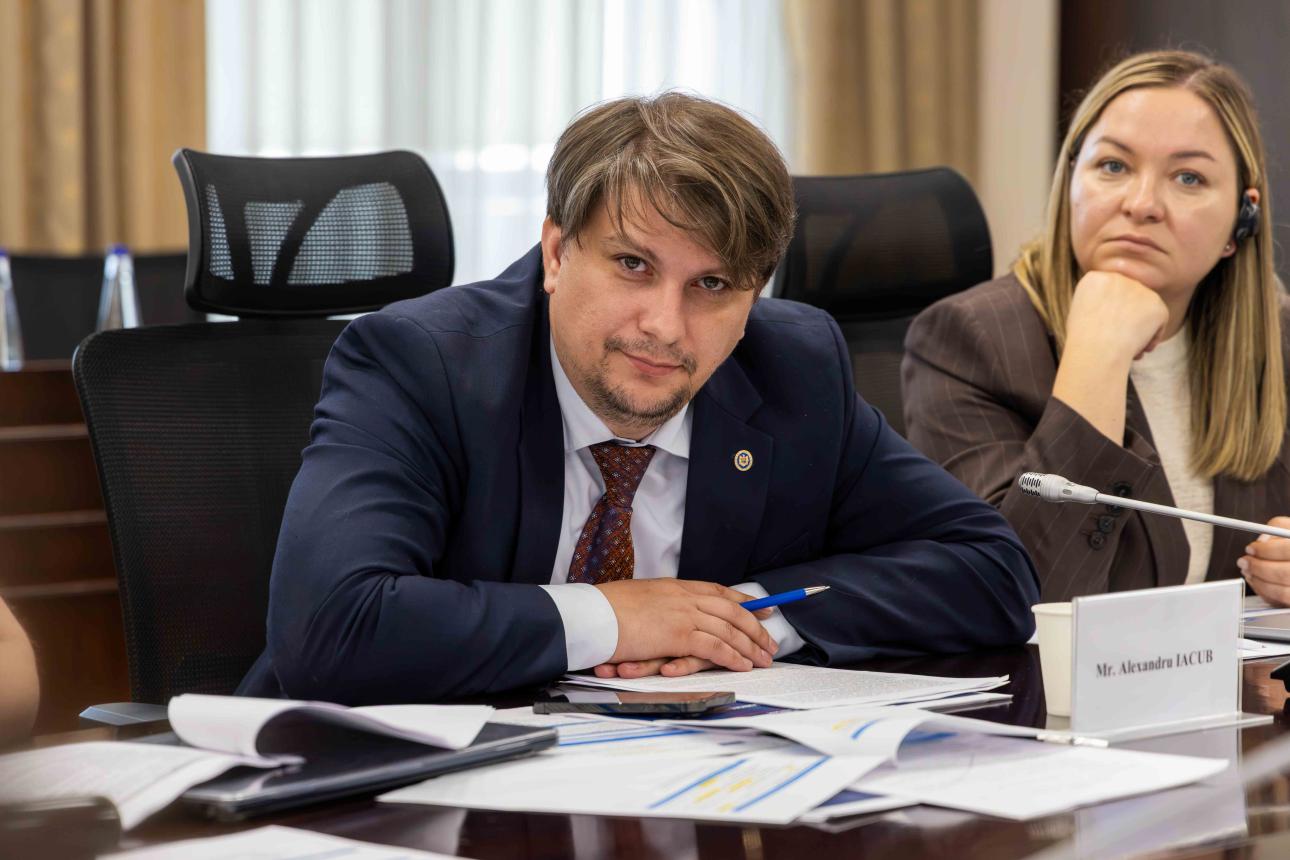
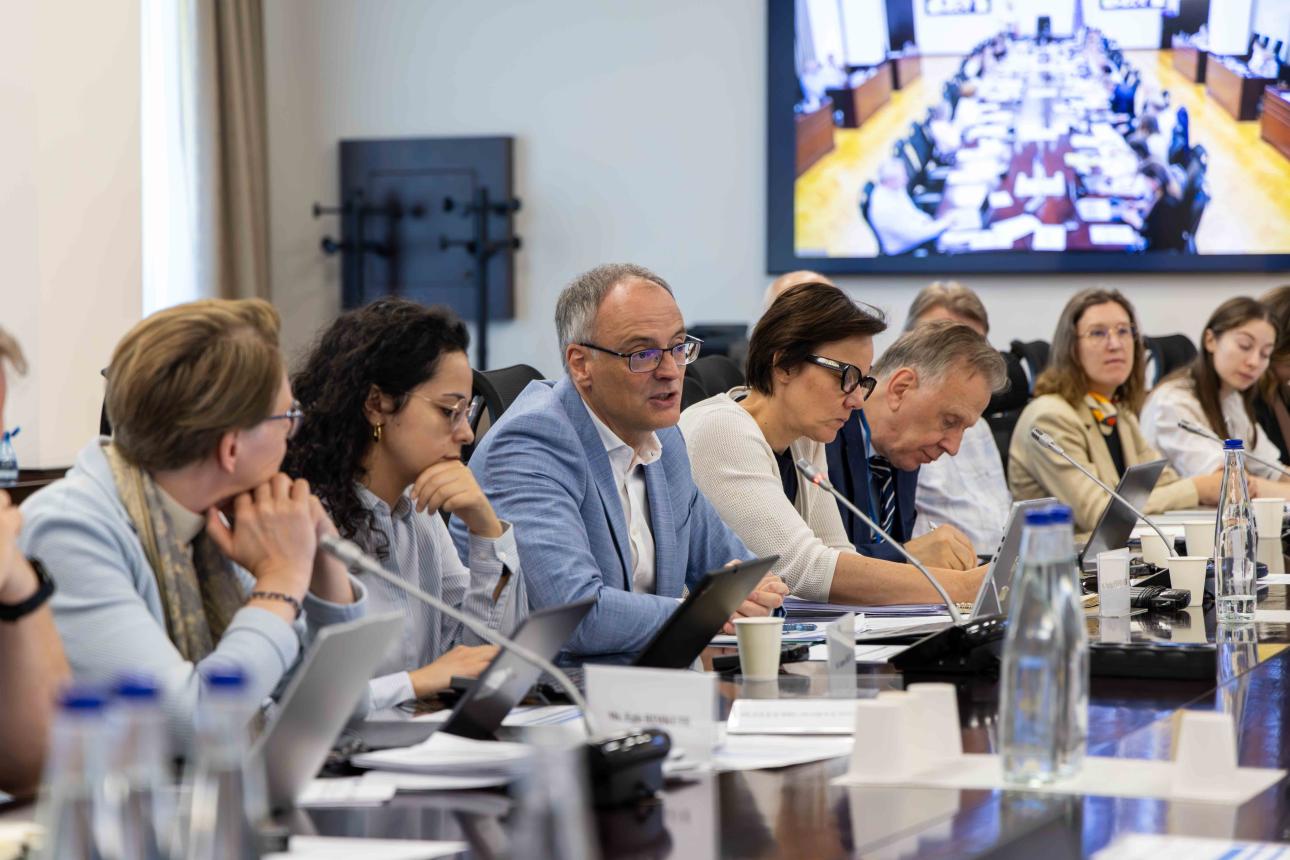
The first meeting of the Moldova – European Union Association Subcommittee on public administration reform took place in Chisinau on June 25, 2026. The Subcommittee serves as a platform for dialogue, monitoring and coordination of reforms in the field of public administration, with the role of assessing progress made, identifying current challenges and agreeing on the next steps needed to strengthen public administration, in the context of Moldova’s European path.

The event brought together representatives of national public institutions, of the European Commission, of the Delegation of the European Union to Moldova, as well as SIGMA experts, and was held with both in-person and online participation of those involved in the reform process.

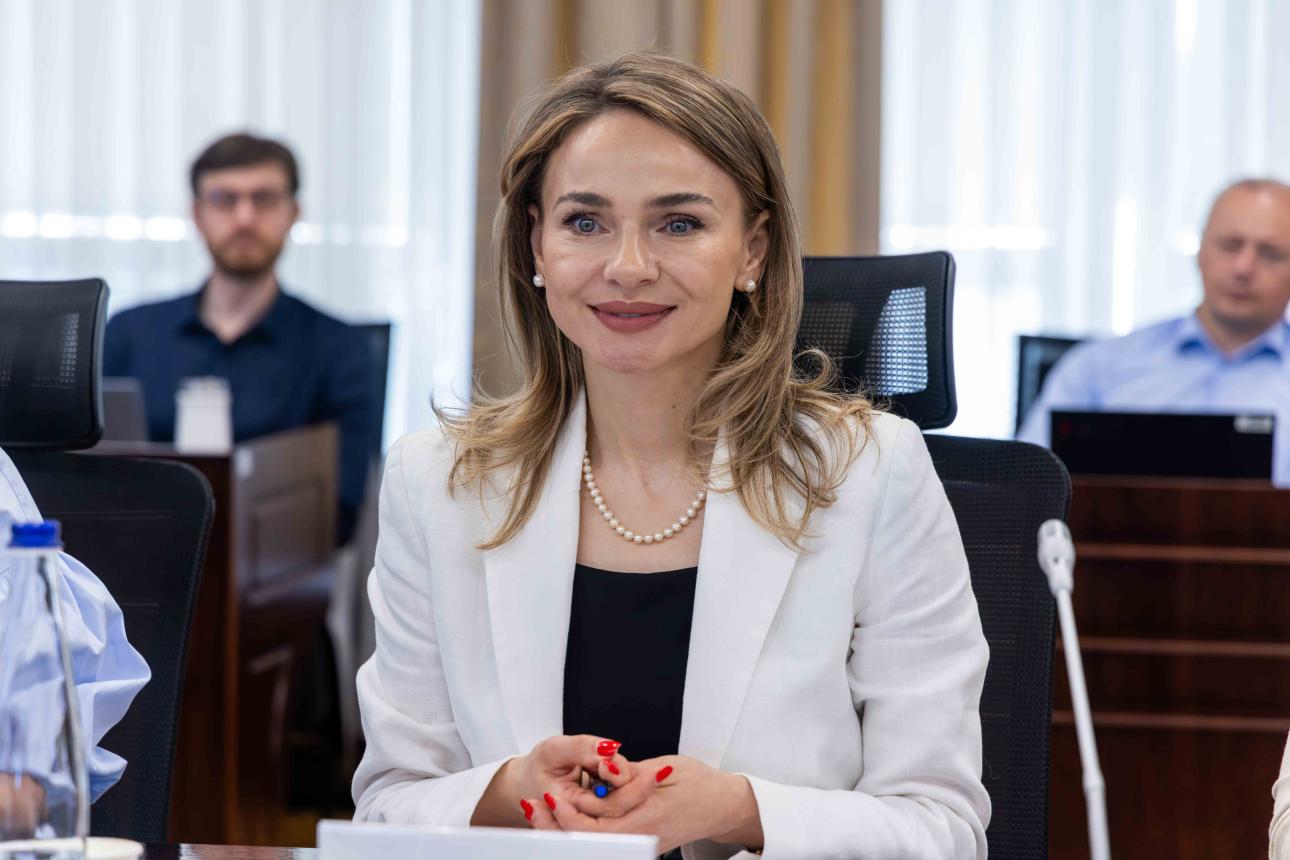
“The public administration reform is essential for good governance, for the effective implementation of the EU acquis and for the state’s ability to provide quality services to citizens. For Moldova, a professional, accountable and efficient administration is the key to transforming accession commitments into concrete results,” said Secretary of State of the Government Rodica Crudu.

For his part, Allan Jones, Head of the Moldova Unit at the European Commission’s ENEST, congratulated Moldova on the recent opening of negotiations on Cluster 1 and highlighted that public administration reform was at the core of the accession process. “The European Commission is ready to continue supporting Moldova, so that the administration has the structures, competences and stability needed to fulfil its European commitments,” noted the representative of the European Commission.

The discussions at the Subcommittee focused on the main components of public administration reform. The participants reviewed the implementation of the 2023–2030 Public Administration Reform Strategy, the process of monitoring the Roadmap for public administration reform and the preparation of the Implementation Programme for the period 2027–2030. The topics addressed also included strengthening administrative capacities, inter-institutional coordination, strategic planning, development of evidence-based public policies, regulatory impact analysis and coordination of the process of transposing the EU acquis.

Another important block on the agenda was dedicated to the civil service and human resources’ management. The discussions covered the legal framework of the civil service, measures to strengthen meritocracy and the professionalization of the public service, pay reform, enhancing the attractiveness of civil service positions, competence development and the operationalization of the information system of human resources’ management.

The participants in the meeting also examined aspects related to the organization and accountability of public administration, including the framework for public institutions, local public administration reform, the quality of public consultations, the use of the e-Democracy platform and the monitoring of the implementation of the Court of Accounts’ recommendations. In the field of public service delivery, the discussions focused on the modernization of services, the development of digital services, interoperability and the strengthening of digital and IT capacities in public administration.

The meeting concluded with the adoption of operational conclusions, which set out the directions for action for the coming period. Among them, there are the publication of the mid-term evaluation report of the Strategy and the adoption of the 2027–2030 Implementation Programme, strengthening merit-based recruitment and the framework of competences for managerial positions in the public service, implementing pay reform, adopting the methodology for evaluating public institutions and the concept for local public administration reform, approving the new law on public participation in the decision-making process, as well as expanding digital services and interoperability.

Moldova reaffirmed its firm commitment to advancing public administration reform, in the context of the process of accession to the European Union, while the European Commission and development partners confirmed their readiness to continue providing support.
 Facebook
 Instagram
 X/Twitter
 Telegram
Moldovan Speaker in talks with Czech counterparts
Head of state says Moldovans have duty to preserve, defend sovereignty, independence, peace of Moldova
Speaker begins official visit to Czech Republic with meetings focused on cooperation and local development
Joint Declaration following the second EU - Republic of Moldova Summit
Moldovan president at EU–Moldova Summit says Moldova doing its part, leadership counts on support of 27 member states
Moldovan president's speech at EU – Moldova Summit
Moldovan PM attends DescOpera Festival
Moldovan parliament speaker to pay official visit to Czech Republic
Moldovan PM has meeting with group of farmers at government
Over 60 million euros for modern schools, energy-efficient hospitals in Moldova with support from European Investment Bank, EU
Deputy PM for reintegration pays tribute to participants in actions to defend independence, territorial integrity of Moldova
State Chancellery representatives took part in meetings of Interreg Europe Programme Committees
Feasibility study for Strășeni–Gutinaș Liberty Line completed
Pre-feasibility study for Straseni–Gutinas Liberty Line power line completed; PM says partnership with United States delivers concrete results for Moldova's energy security
Investment opportunities of Moldova, new cooperation projects on Moldovan deputy PM's agenda during visit to Austria
Moldovan president meets OSCE High Commissioner on National Minorities
Moldovan parliament establishes mechanism for identifying prepaid mobile service users: SIM cards to be able to be activated only based on identity document
First meeting of Moldova – European Union Subcommittee on public administration reform held in Chisinau
Contract for construction of Balti–Suceava electricity line signed in Chisinau; Moldovan energy minister says investment strengthens independence, resilience of country's power system
Moldovan parliament speaker explains salary reform: “Ending disparities between institutions and setting a clear salary hierarchy”
Moldova strengthens energy security: Parliament approves creation of emergency petroleum product stocks
 National Bank of Moldova
Moldovan president meets OSCE High Commissioner on National Minorities
Moldovan PM, top European bank's president hold dialogue on strategic investments, support for Moldova's European path
Moldovan PM has meeting with Estonian counterpart
Moldovan deputy PM for reintegration has meeting with OSCE High Commissioner on National Minorities
Moldovan PM meets Ukrainian counterpart

European Commissioner for Environment expected on first visit to Moldova
PHOTO GALLERY // Blouse that unites generations: Images from celebration of tradition in Ialoveni
Who does Maia Sandu see as President after her?
President: Withdrawal of Russian troops from Transnistria remains priority in dialogue with European partners
Moldovan president says scandal at MoldATSA very serious case, requires inspections at other enterprises too
Moldovan PM, top European bank's president hold dialogue on strategic investments, support for Moldova's European path
Moldovan PM has meeting with Estonian counterpart
Moldovan deputy PM for reintegration has meeting with OSCE High Commissioner on National Minorities
Moldovan PM meets Ukrainian counterpart
Around 120 people with disabilities in residential care to gain access to community-based living in Moldova
Deputy PM for reintegration has meeting with Chargé d’Affaires of United States in Moldova
BTA: Eurovision 2026 Winner Dara Joins Tourism Ministry Campaign to Promote Bulgaria
Salaries of employees from Moldova's social assistance system to be increased; Labour minister: “An important step in recognizing their work”
DOC // Moldovan Energy Ministry publishes memorandum on construction of ~100 MW gas‑fired power plant
Moldovan president meets Board of Directors of European Bank for Reconstruction and Development
Incident in south-east Moldova district during farmers’ protests: MP allegedly deliberately blocks road, hits police officer with tractor
Receive the latest news directly to your email

Receive the latest news directly to your email