
VIDEO // Labour Day 2026 marked by reforms in Moldova: strategies for competitive wages, digital employment services and stronger protection against discrimination
In the context of International Labour Day, public policies in the Republic of Moldova outline a complex picture of the labour market: on the one hand, there is visible progress in employment and wages, while on the other hand structural imbalances persist, including migration and low labour force participation.

Public policies: modernising the labour market

In recent years, the Ministry of Labour and Social Protection has oriented its policies toward increasing employment, social protection and adapting the workforce to the requirements of the modern economy. The main objective for 2026 is the integration of 25,000 people into the labour market, and the results from the first months – over 5,000 new jobs filled – indicate a solid start.

The positive trend is also confirmed by data from 2025, when more than 20,000 people were employed, an increase of about 20% compared to the previous year. These developments suggest a more efficient employment mechanism and a gradual strengthening of the labour market.

Investment and support instruments

A central element of the reforms is the increase in funding. The budget for active labour market measures has reached around 196 million lei, having been increased sixfold. The funds are directed toward subsidies for employers, training and retraining programmes, stimulating labour mobility and other forms of support for professional integration.

These instruments are designed to reduce unemployment, but especially to correct mismatches between available skills and employers’ requirements.

Strategic reforms and digitalisation

The National Employment Programme 2022–2026 sets clear directions: increasing the employment rate, inclusion of vulnerable groups, reducing discrimination and digitalising services. At the same time, the authorities are preparing a new programme for the period 2027–2030, focused on a competitive labour market aligned with European standards.

Through the National Employment Agency, citizens have access to free services such as career counselling, career guidance, job intermediation and training programmes. The digitalisation of these services is a priority and is expected to facilitate fast and efficient access for beneficiaries.

Infrastructure and social inclusion

Current policies include modernising territorial subdivisions, adapting workplaces for people with disabilities and supporting entrepreneurship among the unemployed. In addition, the development of IT systems contributes to a more efficient management of the labour market.

Statistical data: the reality of the labour market

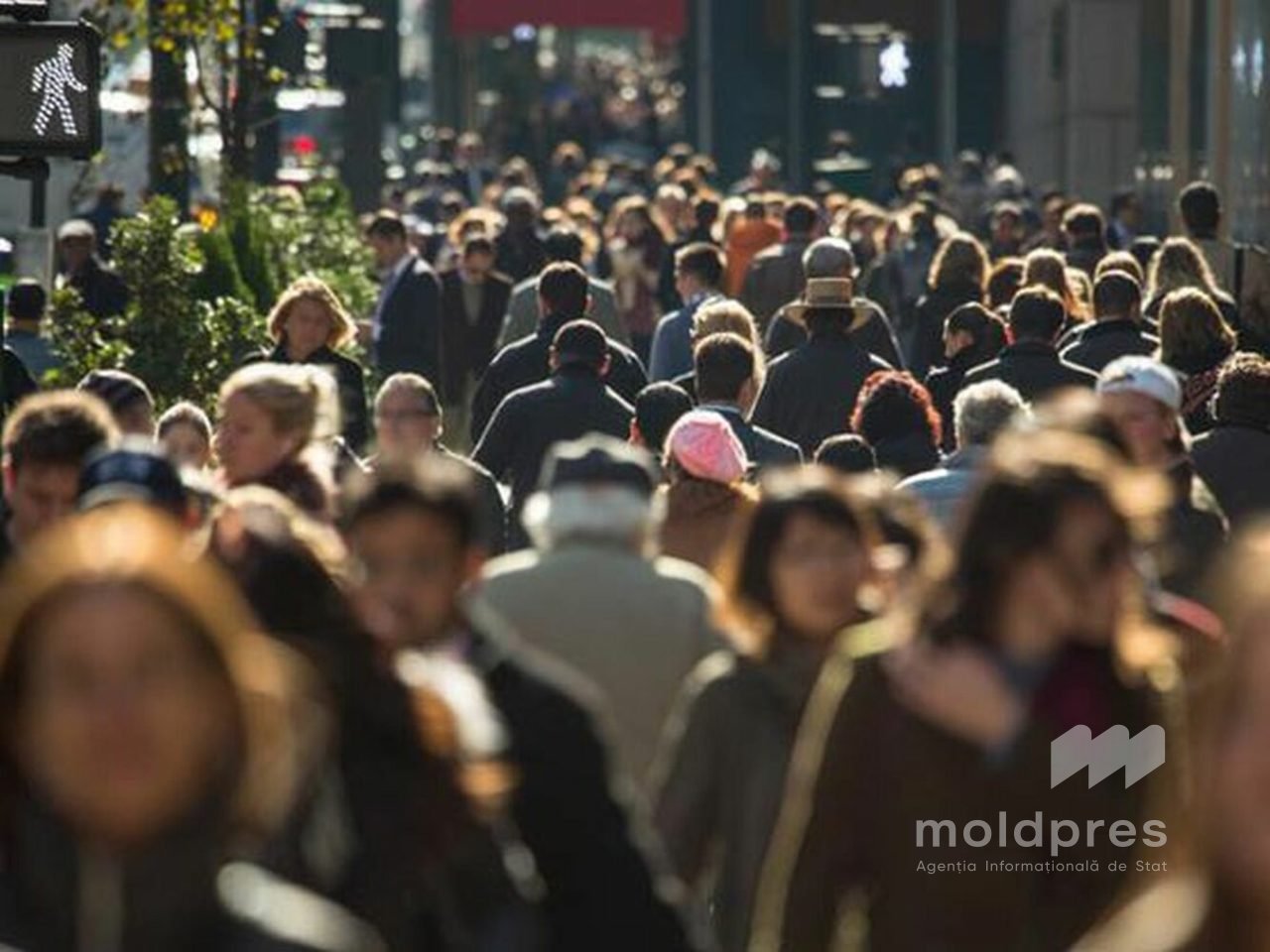
According to the National Bureau of Statistics, in 2025 the employed population was approximately 774,000 people, and the total labour force about 830,900. The employment rate for the population aged 15 and over is between 40% and 43%, which indicates relatively low participation.

The unemployment rate, at around 3.8%, is low in statistical terms, but this indicator is influenced by migration and the large number of economically inactive people. There are also significant differences between categories:

- participation in the labour market is higher in urban than in rural areas;

- men are more economically active than women;

- people with disabilities have a very low employment rate, of about 14.6%.

In addition, recent developments indicate a decline in the labour force and in the number of vacancies, a sign of the market’s sensitivity to economic and demographic changes.

Wages: growth but also disparities

The average gross wage exceeded 15,000 lei in 2025, reaching around 16,355 lei in the fourth quarter, an increase of about 10% compared to the previous year. For 2026, estimates indicate a level of around 17,400 lei.

The established minimum wage is 6,300 lei, representing the state-guaranteed threshold.

However, differences between sectors remain evident:

- the private sector offers, on average, higher wages than the public sector; - fields such as IT, finance or energy are the best paid; - agriculture, hospitality and culture are at the opposite end.

These disparities reflect the structure of the economy and the different skill levels required in various fields.

Structural challenges

Despite progress, the labour market in the Republic of Moldova faces persistent problems:

- labour migration;

- shortage of qualified staff;

- mismatch between labour demand and supply;

- low participation in economic activity.

These aspects limit growth potential and require continuous adjustments of public policies. The data and policies analysed show that Moldova’s labour market is undergoing a transformation process. Increased investment, employment programmes and the digitalisation of services indicate a clear direction toward modernisation.

However, the reality highlighted by statistics confirms that progress is uneven: employment remains relatively low, and social and economic disparities persist.

Thus, International Labour Day becomes not only a symbolic moment, but also a benchmark for assessing the state’s efforts and for defining future priorities: creating sustainable jobs, increasing labour force participation and reducing inequalities.
 Facebook
 Instagram
 X/Twitter
 Telegram
PHOTO GALLERY // Event dedicated to Gagauz language held in Chișinău
Protected areas in Moldova to be managed according to European standards, based on new guide supported by Austria
SIS officers, held captive in Russian Federation, returned to Moldova
PHOTO // Moldovan soldiers from UN mission in Lebanon returned home
Stricter checks at EU borders existing rules enforced more rigorously, Foreign Minister says
VIDEO // Two employees of Moldovan Intelligence and Security Service, held captive in Russia, repatriated with support on behalf of U.S. President
Drone fragments detected on roof of apartment building from Chisinau; General Police Inspectorate says fragments do not contain explosive substances
Patient’s Voice platform launched in Moldova: patients’ feedback becomes official tool in reforming healthcare system
VIDEO // Results of 3rd edition of National Public Childcare Program show investments of about 340 million lei in Moldovan localities
Over 2.7 million Moldovans benefited from visa-free travel to EU and Schengen area
Chișinău and Iași to become European education hubs in 2027
Spring conscription into National Army started: recruits undergo training and will take military oath
Suspicious drone‑like object detected on apartment block in central sector of Moldovan capital
Moldova marks 12 years since abolition of visa regime for travel to EU and Schengen area
Japanese Minister to visit Moldova on 2–3 May
VIDEO // Labour Day 2026 marked by reforms in Moldova: strategies for competitive wages, digital employment services and stronger protection against discrimination
PHOTO // Republic of Moldova celebrates International Workers’ Day, between tradition, social rights and relaxation
SIS Director reveals details on Alexandru Bălan’s espionage activities
EXCLUSIVE // Moldova's People's Artist, composer conductor marks 75th birthday anniversary
Writers from Moldova, Romania call for turning idea of unification into national priority
Integrity assessment at Moldova's Anticorruption Prosecutor’s Office: two prosecutors pass, two fail test
 National Bank of Moldova
Moldovan head of state continues dialogue on children’s safety online in Balti
Paid internships in public service of Moldova: young people invited to apply for edition 6.1 of programme
VIDEO // Prime Minister at National Forum of Labour Market and Social Dialogue
President at swearing-in ceremony of Prosecutor General: You have my full support for genuine rule of law that strictly serves interests of citizens and Republic of Moldova
Head of State signed decree appointing new Prosecutor General of Moldova

Moldovan head of state continues dialogue on children’s safety online in Balti
Moldovan parliament expands foreign relations: friendship groups with United Arab Emirates, Saudi Arabia created
Paid internships in public service of Moldova: young people invited to apply for edition 6.1 of programme
Largest energy storage system of Moldova launched in Radeni; Energy minister says investment promises competitive prices for consumers
Moldovan parliament speaker comments on detection of drones on country’s territory
Moldovan parliament speaker says removing tax, legislative discrepancies between two banks of Dniester River to bring concrete benefits for citizens
VIDEO // Prime Minister at National Forum of Labour Market and Social Dialogue
Japan’s Minister for Internal Affairs to pay visit to Moldova
VIDEO // Speaker welcomes return home of SIS officers and thanks U.S. and European partners for involvement
Parliament tightens rules for operation of zoos
BTA: Honorary Citizen of Taraclia Recalls Role of Traditional Bulgarian Dance on International Dance Day
Diplomat Dumitru Socolan appointed Secretary General of Foreign Ministry
VIDEO // One year passes since launch of Identity Card in Moldova: over 360,000 documents requested
Moldova moved up in press freedom ranking
As of 1 July, new rules to come into force for imports from United States
Unified taxes and excise duties on both banks of Dniester approved by Parliament
Receive the latest news directly to your email

Receive the latest news directly to your email