
Processing of personal data for purpose of combating crime regulated by new law in Moldova
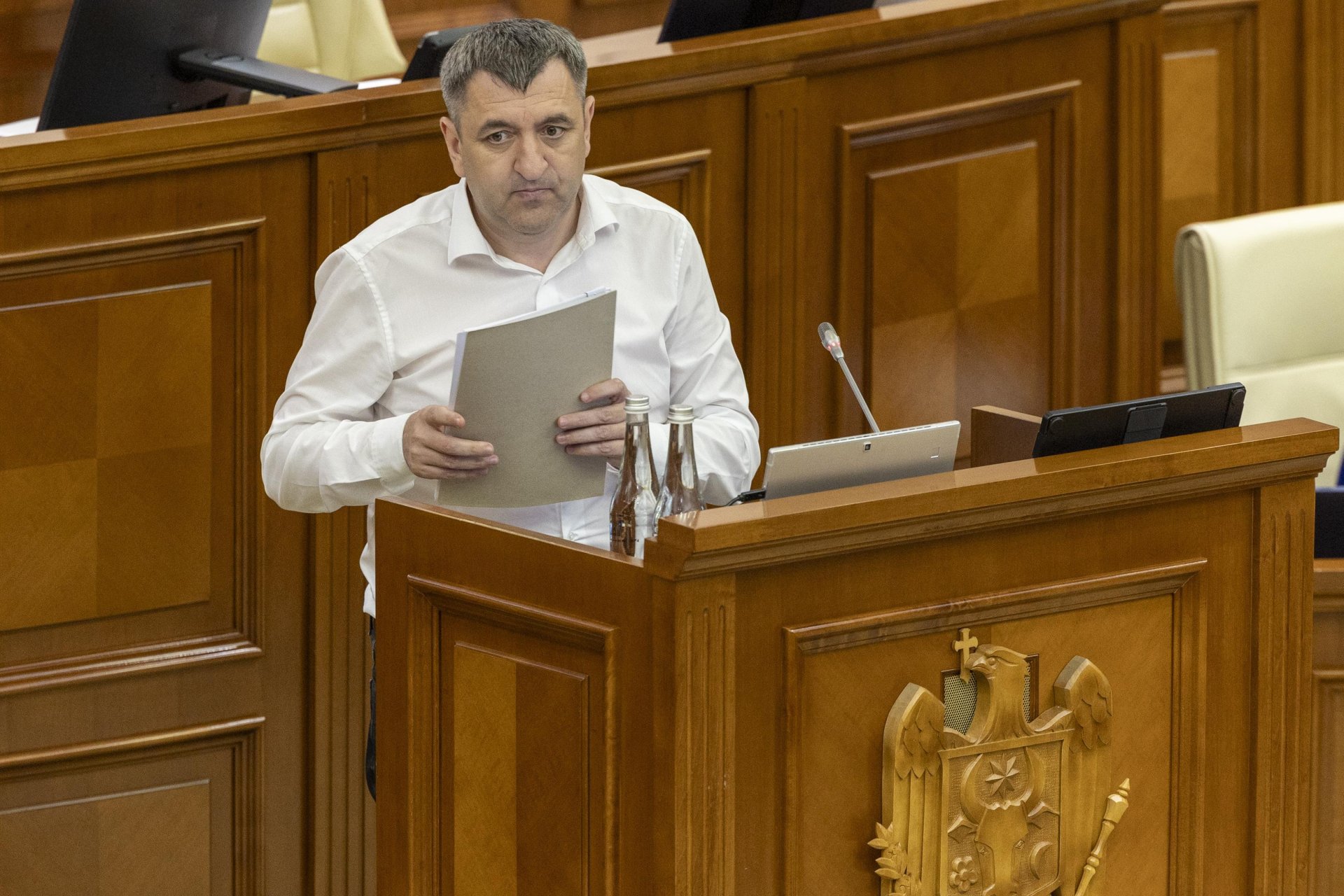
The protection of personal data processed for the purpose of preventing and combating crime will be regulated by a new legal framework, harmonized with European Union’s legislation. The draft law was adopted by the parliament in the second reading.

The draft law, developed by the Justice Ministry, sets out special rules on how competent authorities – criminal investigation bodies, prosecution offices, courts and other empowered institutions – process personal data for the purpose of preventing or combating crime, investigating criminal acts, conducting criminal proceedings or enforcing penalties and security measures.

The document regulates the processing of personal data throughout the entire criminal process: from the registration of a complaint and the conduct of preliminary investigations to the initiation of criminal prosecution, the application of procedural coercive measures, the conduct of special investigative measures, the recovery of criminal assets and other actions undertaken in the context of criminal proceedings.

At the same time, the provisions of the law will also apply to data processed by courts and other competent authorities when exercising judicial control over pre-trial procedures. The draft also regulates certain situations that are not part of a criminal case, but are related to the detection of crimes, such as the receipt and examination by competent authorities of reports submitted by whistleblowers.

The law imposes strict obligations on authorities that process personal data. They will have to implement appropriate technical and organizational measures to ensure data security, keep detailed records of all processing operations, appoint a data protection officer who will supervise compliance with the law internally, and publish on their official website the contact details of the controller that processes personal data.

Citizens will have the right to contact the controller to find out whether or not their data has been processed. If the answer is affirmative, the person will have access both to the respective data and to additional information about how it is used.

The competent authority may refuse the request, if it would obstruct an ongoing investigation. If a citizen considers the refusal to be unfounded, they may contact the National Center for the Protection of Personal Data to verify the lawfulness of the processing, or they may challenge the refusal directly before the administrative court.

Authorities that process personal data, as well as persons empowered by them will be required to cooperate with the National Center for the Protection of Personal Data and provide it, upon request, with records of processing operations, in order to enable the monitoring of compliance with the law. If the Center finds a violation or if the authorities fail to comply with the measures ordered, it may impose fines of up to 2,000,000 lei.

The law will enter into force on August 23, 2026, simultaneously with the Law on the Protection of Personal Data, adopted in July 2024, which regulates the protection of personal data in all other areas, except those covered by this draft.
 Facebook
 Instagram
 X/Twitter
 Telegram
PM has meeting with Ambassador of Ukraine to Moldova
PM meets European Union Ambassador to Moldova
Moldovan PM to pay official visit to Bucharest
PM, Ambassador of Romania discuss Moldovan-Romanian partnership, European path of Moldova
Moldovan PM says government to intervene before problems turn into bigger crises
Moldovan PM, fuel market participants discuss measures to secure domestic market
Moldovan government declares 30-day state of alert in energy, hydrological sectors
Moldovan PM says European integration government’s top priority
Moldovan president chairs meeting of National Commission for European Integration
Moldovan governments financially supports voluntary amalgamation: 81 mayoralties receive first incentive
Additional measures taken to supply diesel on market in Moldova
Moldovan deputy PM for reintegration meets Ambassador of Romania
Moldovan PM has meeting with European Commission’s Director-General for Neighbourhood and Enlargement Negotiations
Moldovan deputy PM, headmasters of 8 Romanian-language education institutions from left bank of Dniester discuss admission, preparations for new academic year
Moldovan parliament concludes spring–summer session; parliament speaker extraordinary meeting to be held on August 24
Processing of personal data for purpose of combating crime regulated by new law in Moldova
Moldova's legislation on supervision of investment firms harmonized with EU rules
Moldovan legislation on administration, use of public roads aligned with EU standards
Strategic energy infrastructure projects to receive priority authorization in Moldova
Defence procurement to have new rules aligned with EU standards in Moldova
Harsher penalties for human traffickers in Moldova: parliament eliminates possibility of suspending sentences in severe cases
 National Bank of Moldova
Moldova's legislation on supervision of investment firms harmonized with EU rules
Moldovan legislation on administration, use of public roads aligned with EU standards
Strategic energy infrastructure projects to receive priority authorization in Moldova
Moldovan PM meets members of Club of Bessarabian Businesspeople in Bucharest
Strengthening of Moldovan-Romanian partnership discussed with leaders of Romania's parliament

Moldova's Electoral Code amended in first reading: new rules for elections in Gagauzia
Moldova's justice aligns with European standards: overview of achievements on path to EU accession
Moldovan PM meets members of Club of Bessarabian Businesspeople in Bucharest
Strengthening of Moldovan-Romanian partnership discussed with leaders of Romania's parliament
Moldovan parliament ratifies, in first reading, Council of Europe Convention on Co-Production of Audiovisual Works in Form of Series
Moldova to receive 350,000-dollar grant for implementing Register of Movable Collateral system
Expert comments on stakes of Moldovan PM's first visit to Bucharest
Moldovan president has farewell meeting with Head of Swiss Cooperation Office in Moldova
Strategic transport infrastructure projects to benefit from faster authorization procedures in Moldova
Benefits for consumers in Moldova: smart meters' data to be read remotely, processed automatically
Persons under criminal investigation to benefit from enhanced procedural safeguards, harmonized with EU standards
Moldovan PM has discussion with Irish counterpart
Moldova’s agricultural sector to benefit from new 150-million-euros financing programme
Former head of Savings Bank of Moldova sentenced to 13 years in prison
ARMENPRESS: Armenia extradites fugitive wanted by Moldova
Moldovan, Irish PMs discuss European path of Moldova
Receive the latest news directly to your email

Receive the latest news directly to your email