
How Chinese managed to develop modern agriculture “from barren rock” in arid region between mountain and desert
At first glance, the equation of survival in the Ningxia Region in northwestern China seems impossible to solve. Squeezed between mountain and desert, this area has historically faced arid, alkaline and sandy soil, described by soil scientists as hostile to traditional crops. Combined with an extreme continental climate, marked by severe droughts and strong winds, the land here would be synonymous with “barren rock.”

Today, however, Ningxia offers one of the most spectacular lessons in resilience and innovation. Defying the laws of nature, the locals have not only conquered the desert, but have also triggered a veritable “green revolution.” By combining bio-agricultural technologies, smart greenhouses and a visionary model that links high-value production with rural tourism, the region has become an important supplier of premium fruits and vegetables, capable of securing two harvests a year and exporting products to the Asian market.

Ningxia – the place where the Chinese learned to farm “in barren rock”

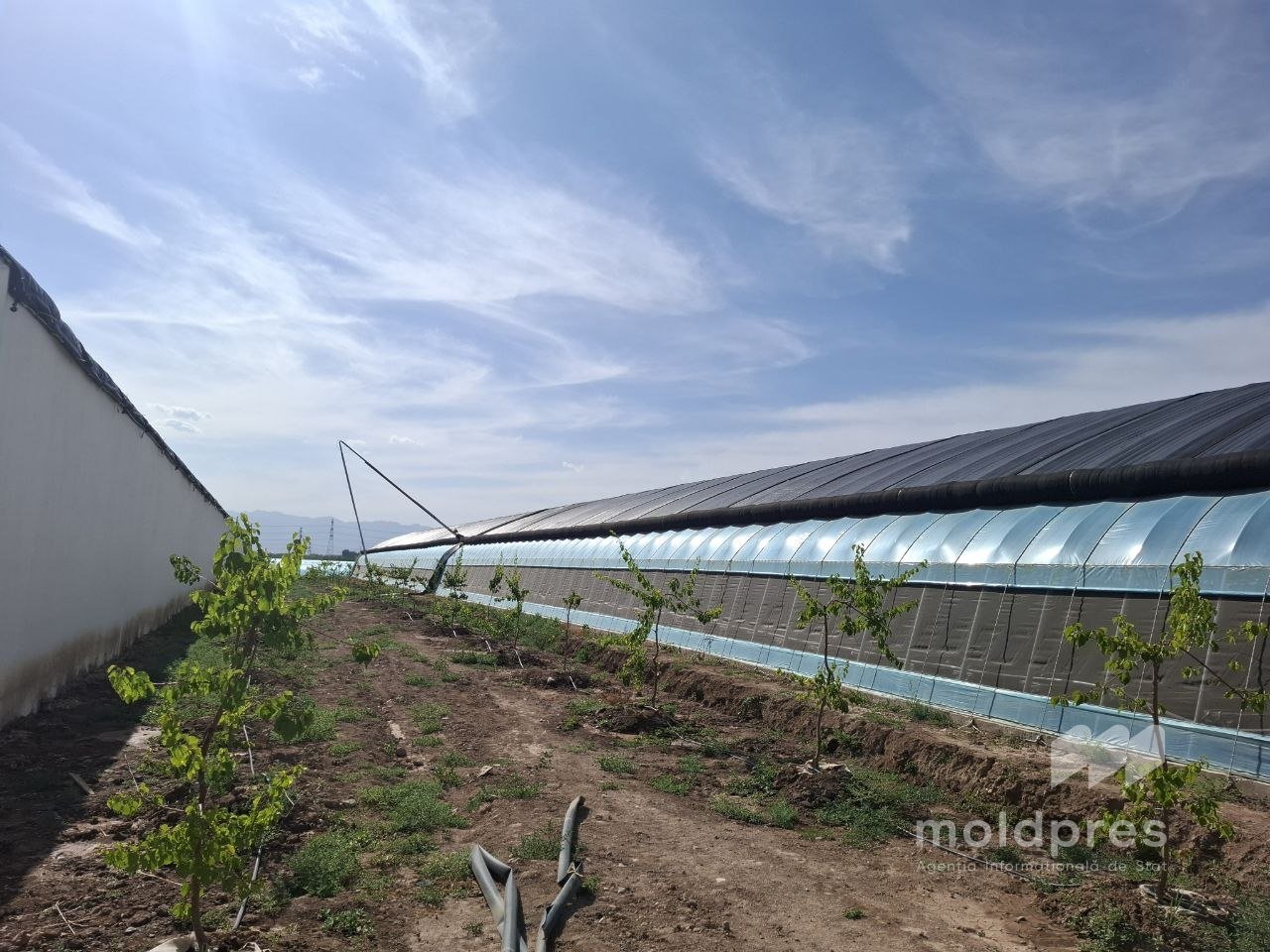
In northwestern China, agriculture appears to be an almost impossible challenge. And yet, right here, in a space that many would consider inhospitable for farming, the Chinese have built a model of rural development that combines technology, ambition and intelligent adaptation to harsh climatic conditions. This is demonstrated by several agricultural and tourist complexes near the city of Yinchuan, the capital of Ningxia, where poor soils and a harsh climate have been transformed into true laboratories of smart agriculture.

Agriculture in extreme conditions

Ningxia is characterized by an arid and semi-arid continental climate. The soils are often rocky or sandy, with low organic matter content, and rainfall is limited. In some areas, traditional agriculture would be almost impossible without modern irrigation and climate control systems.

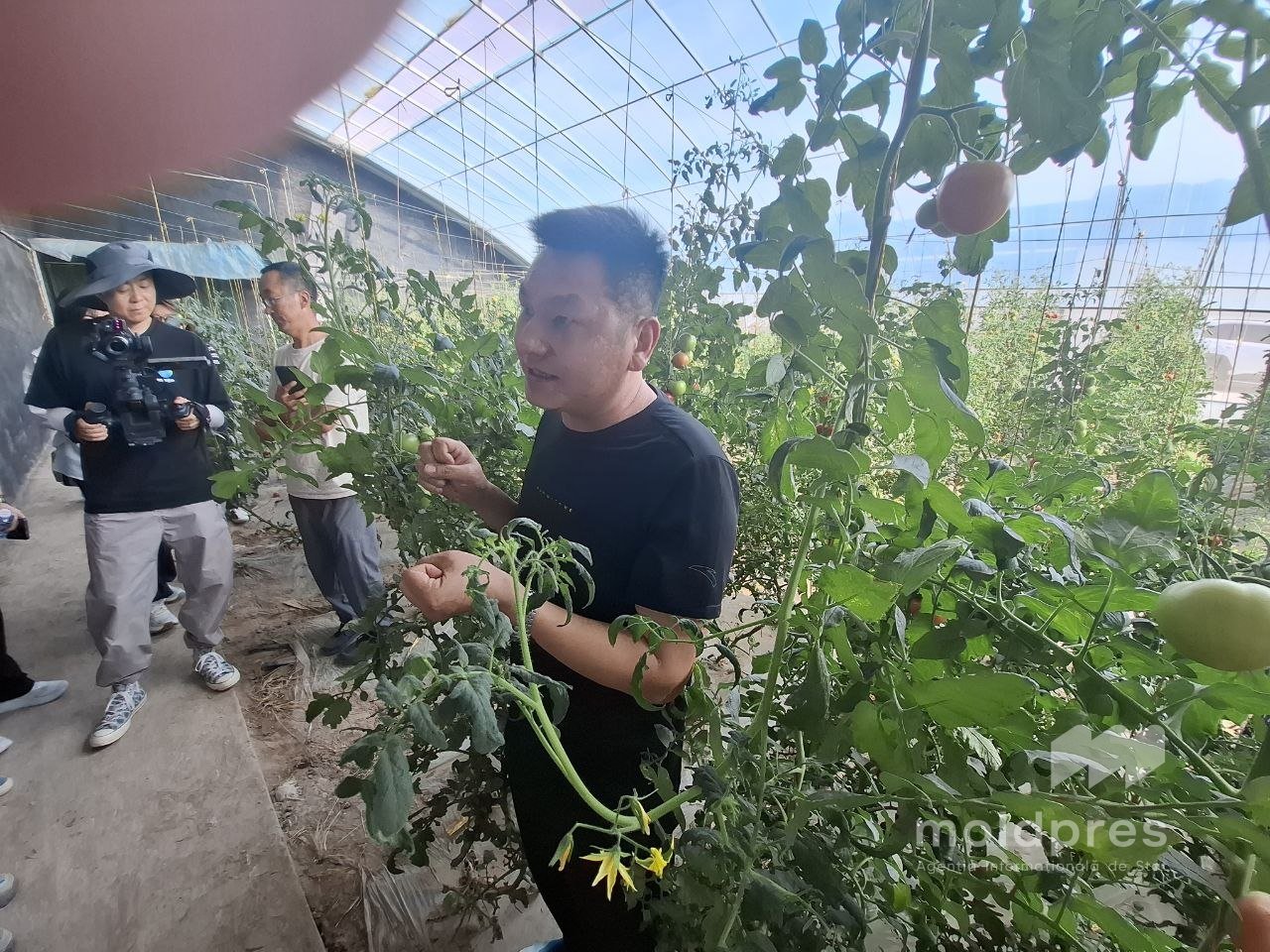
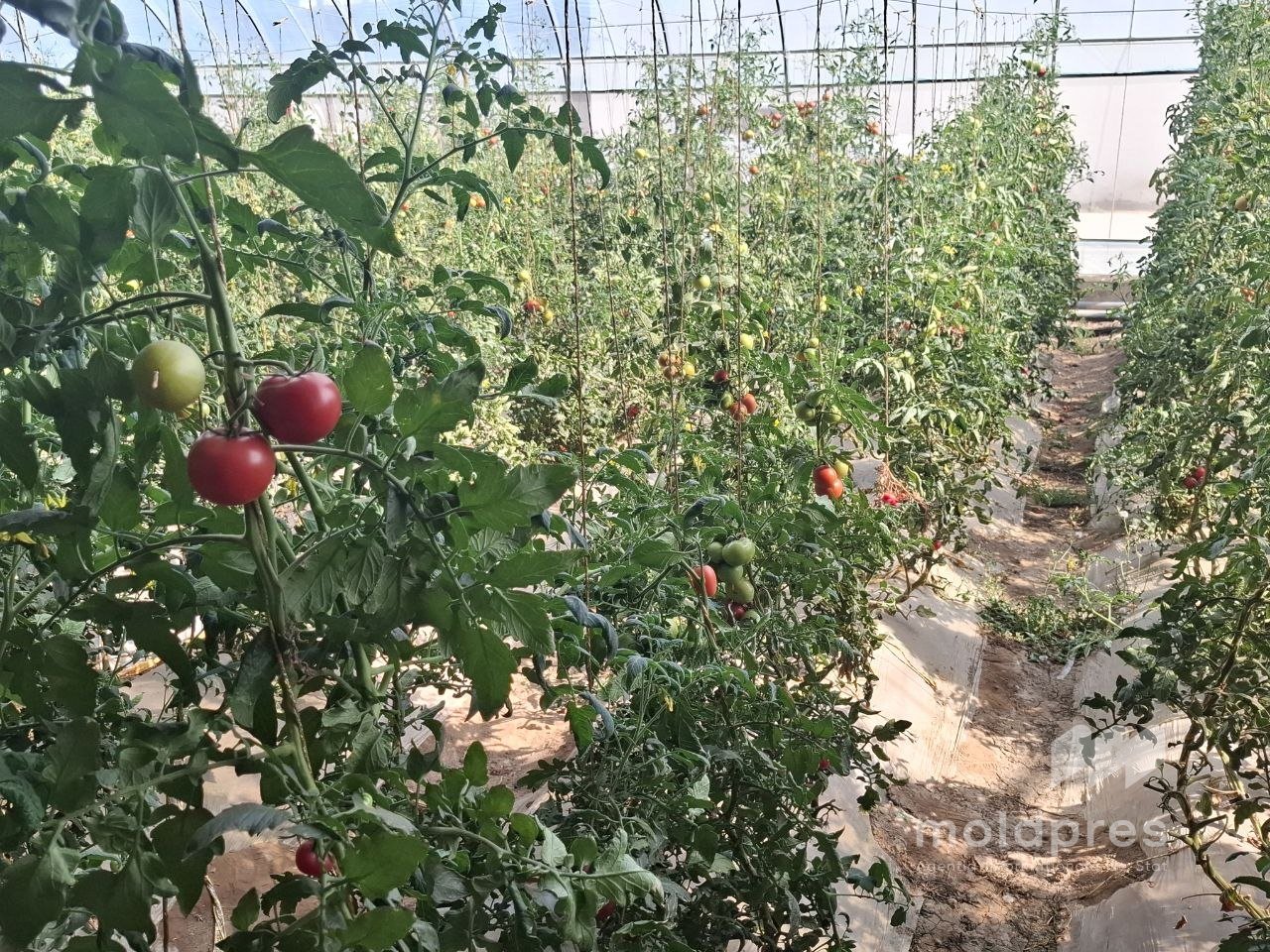
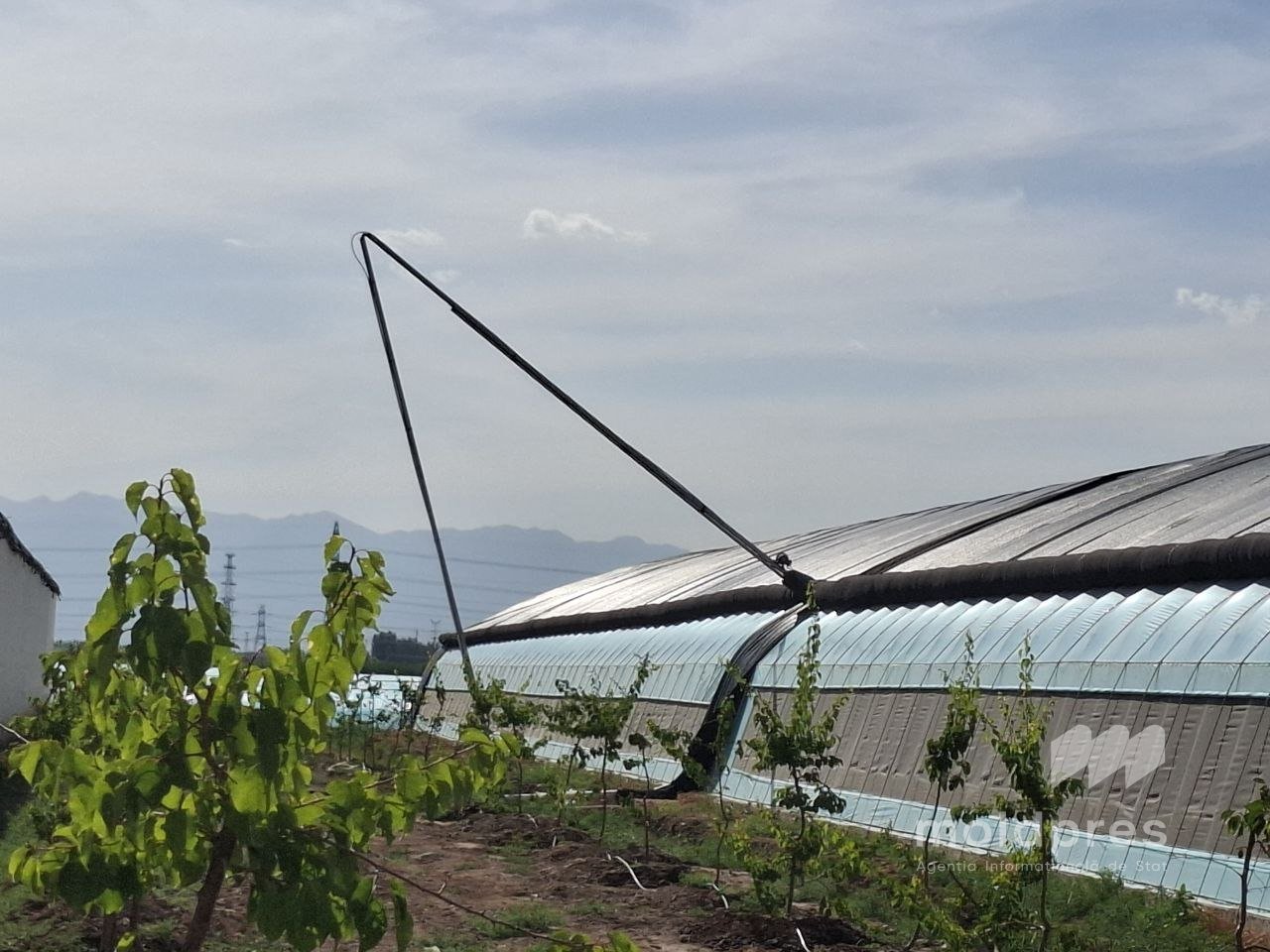
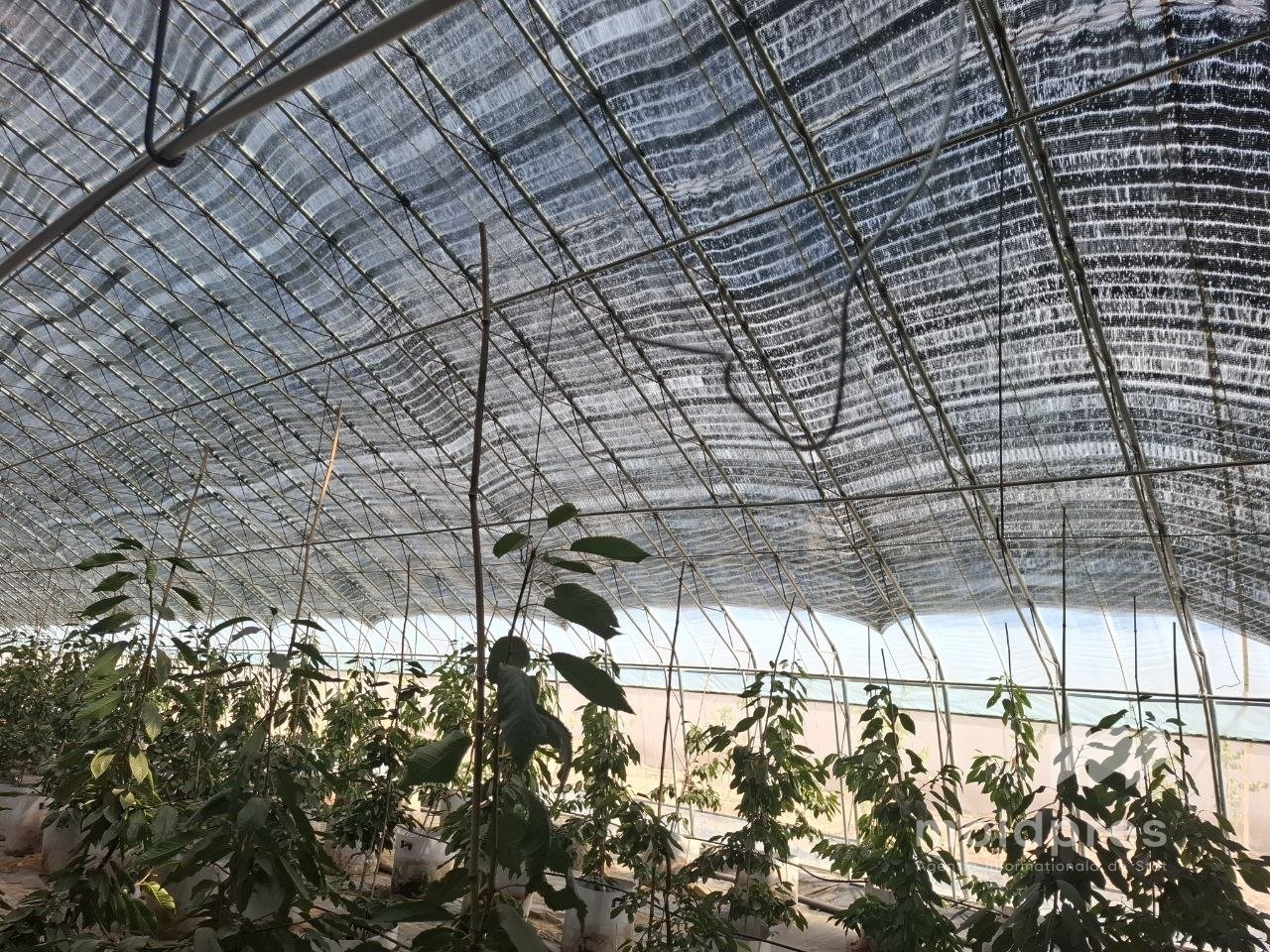
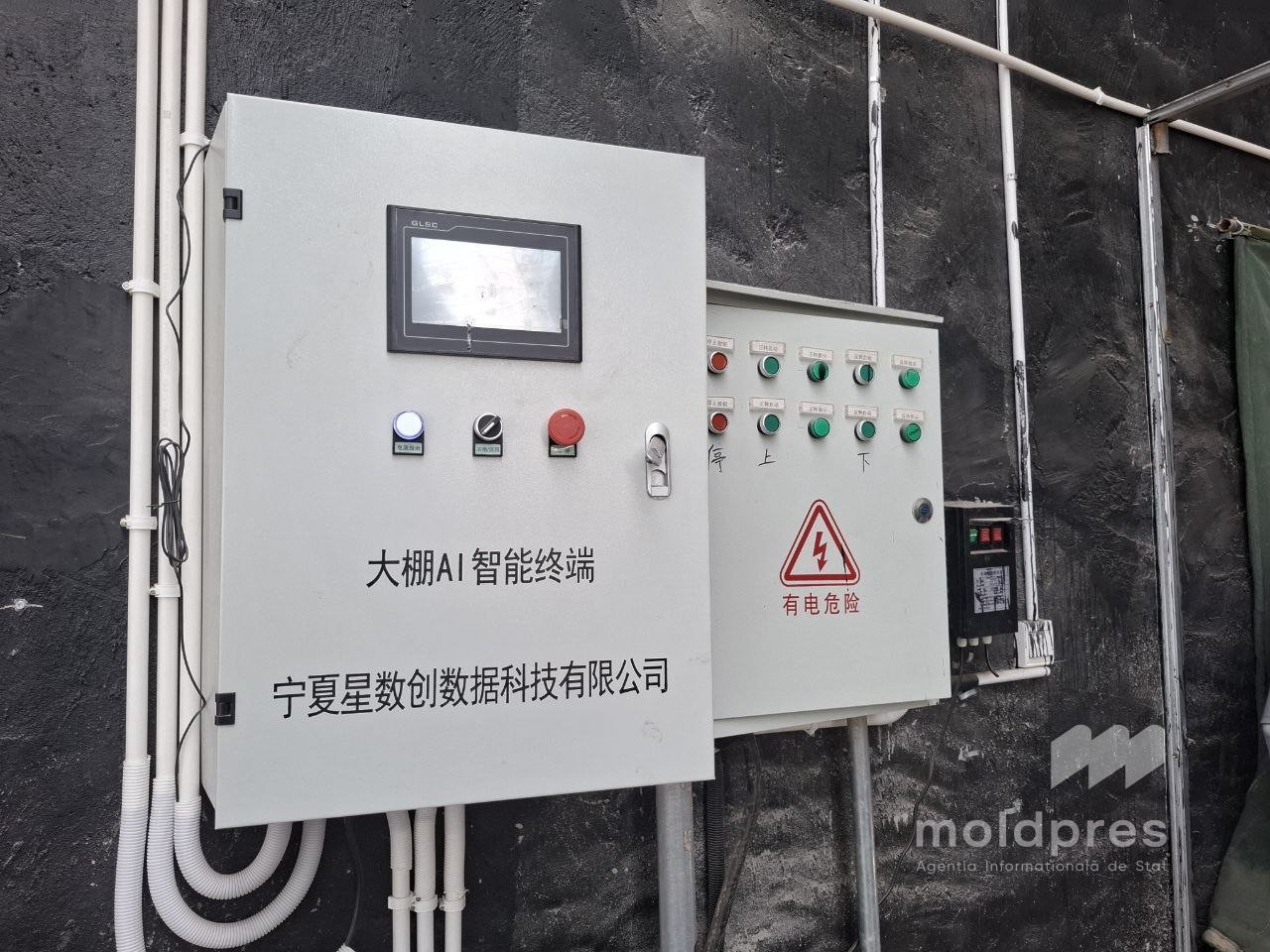
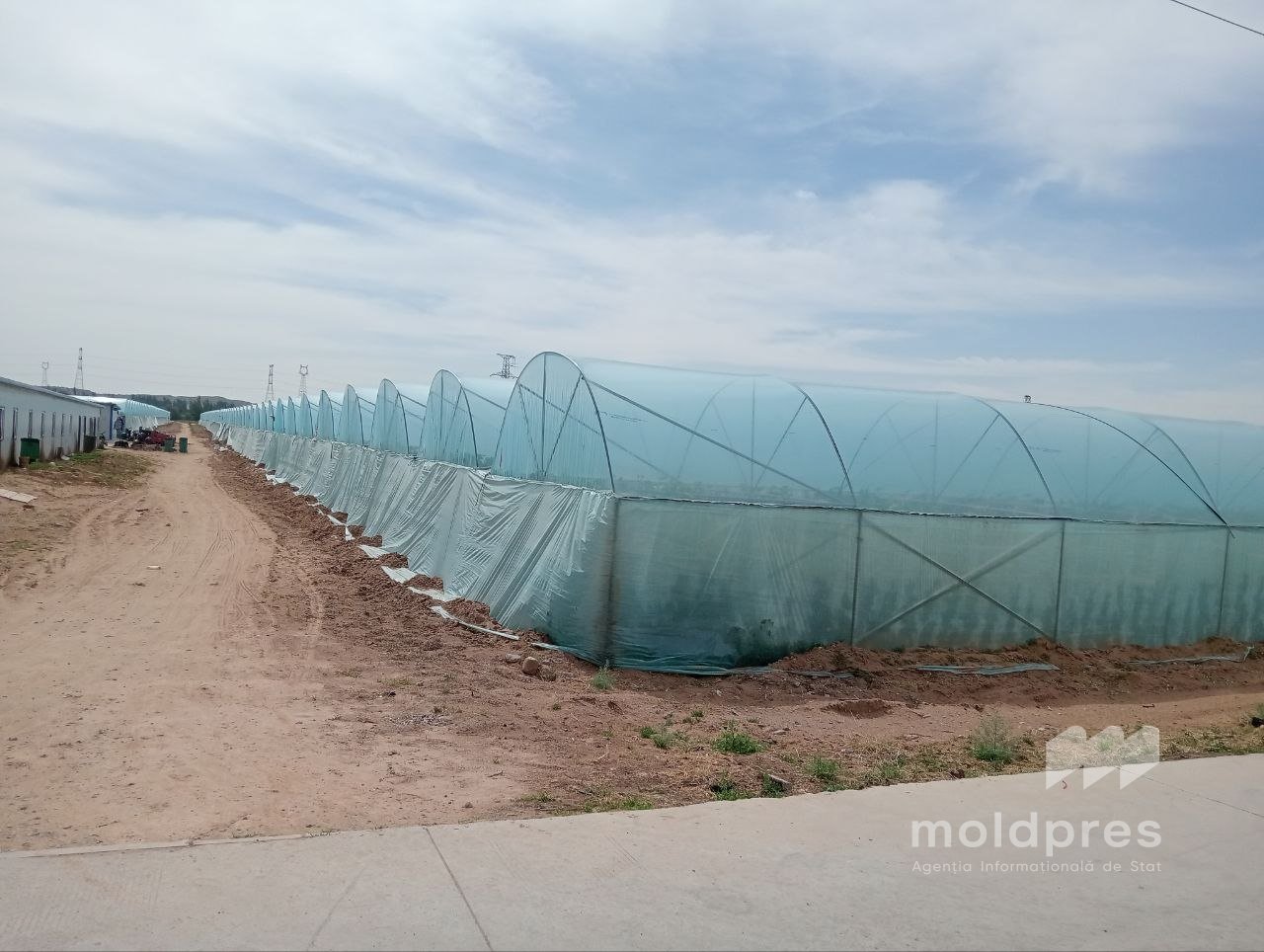
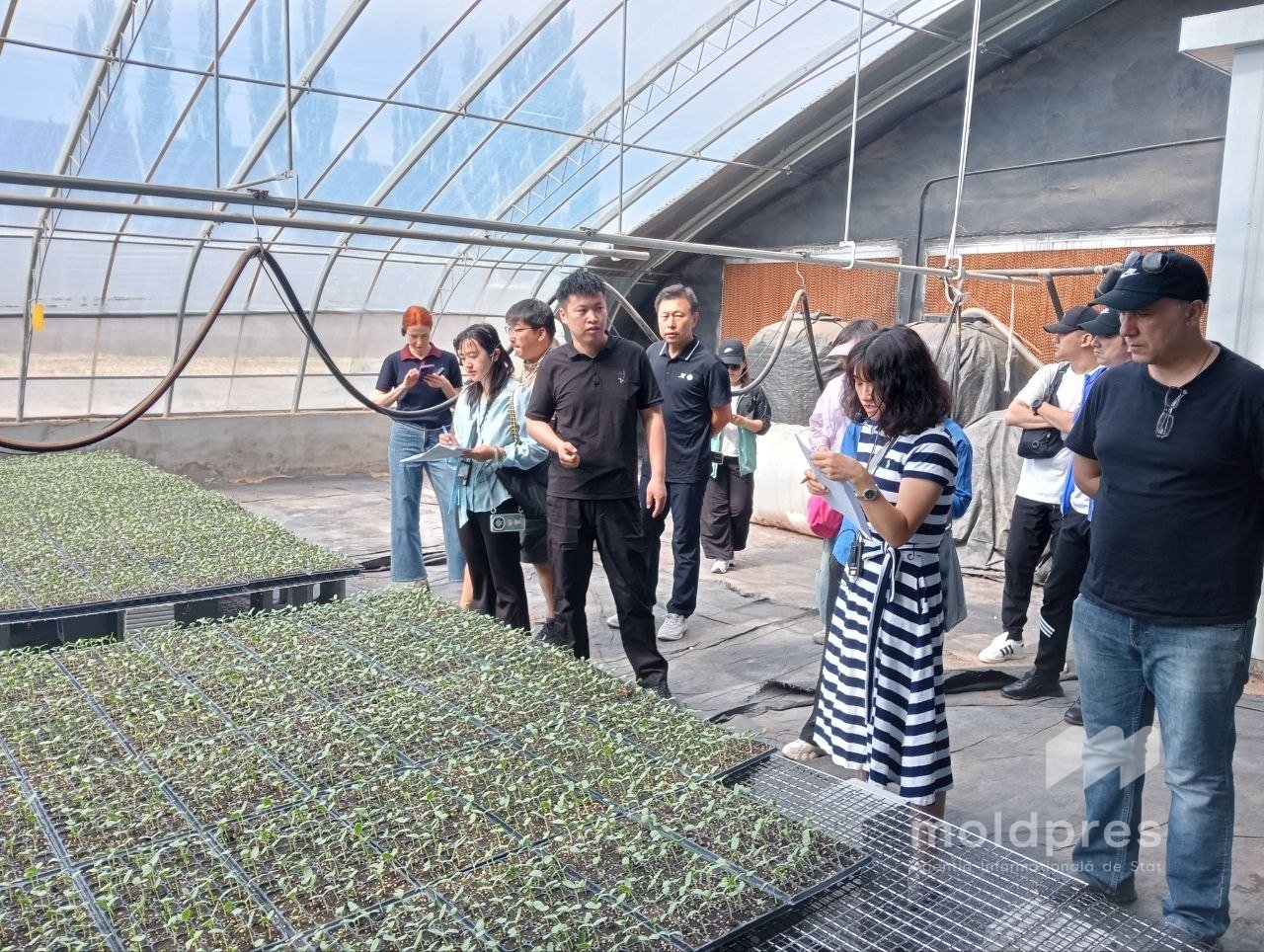
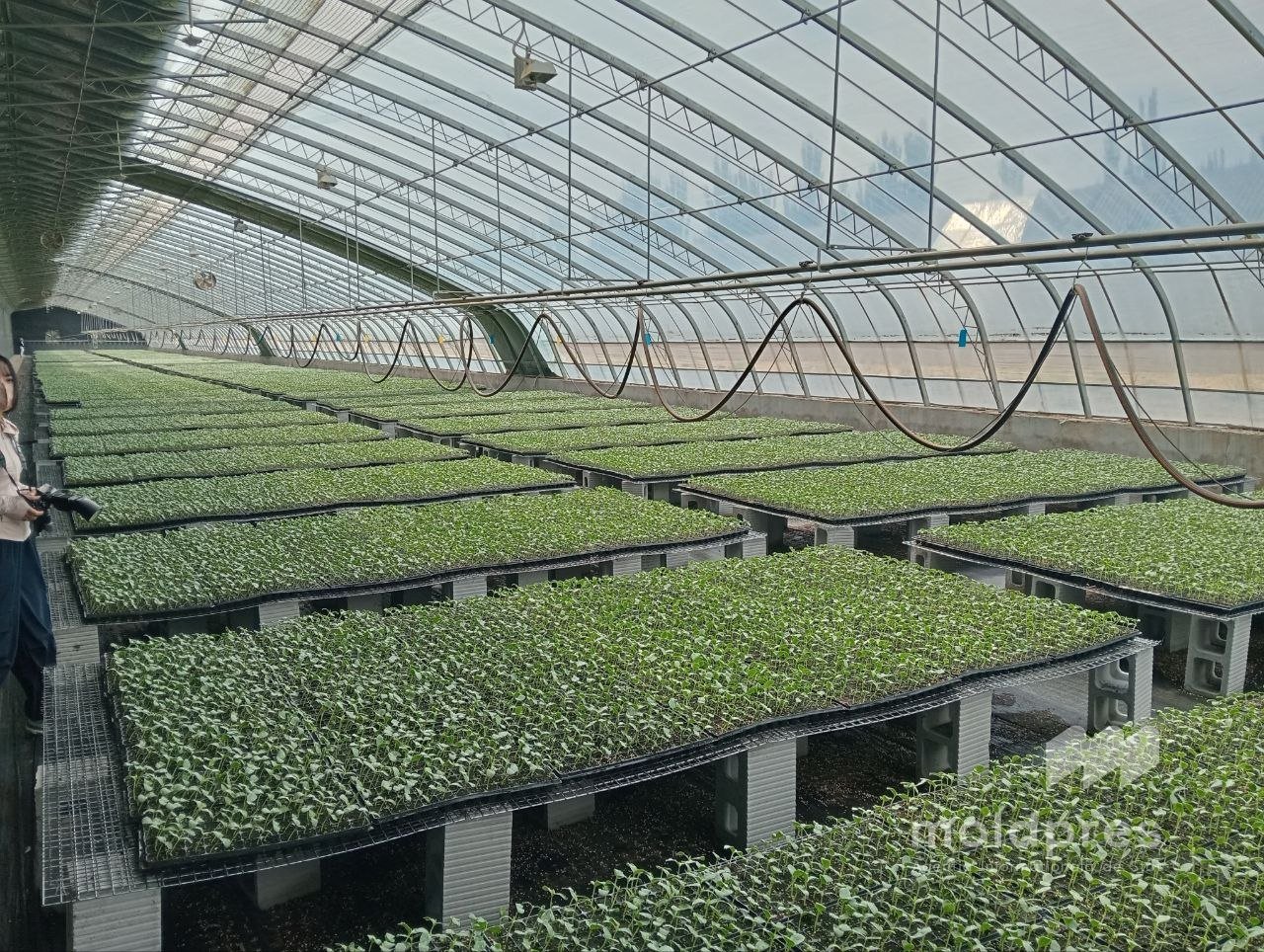
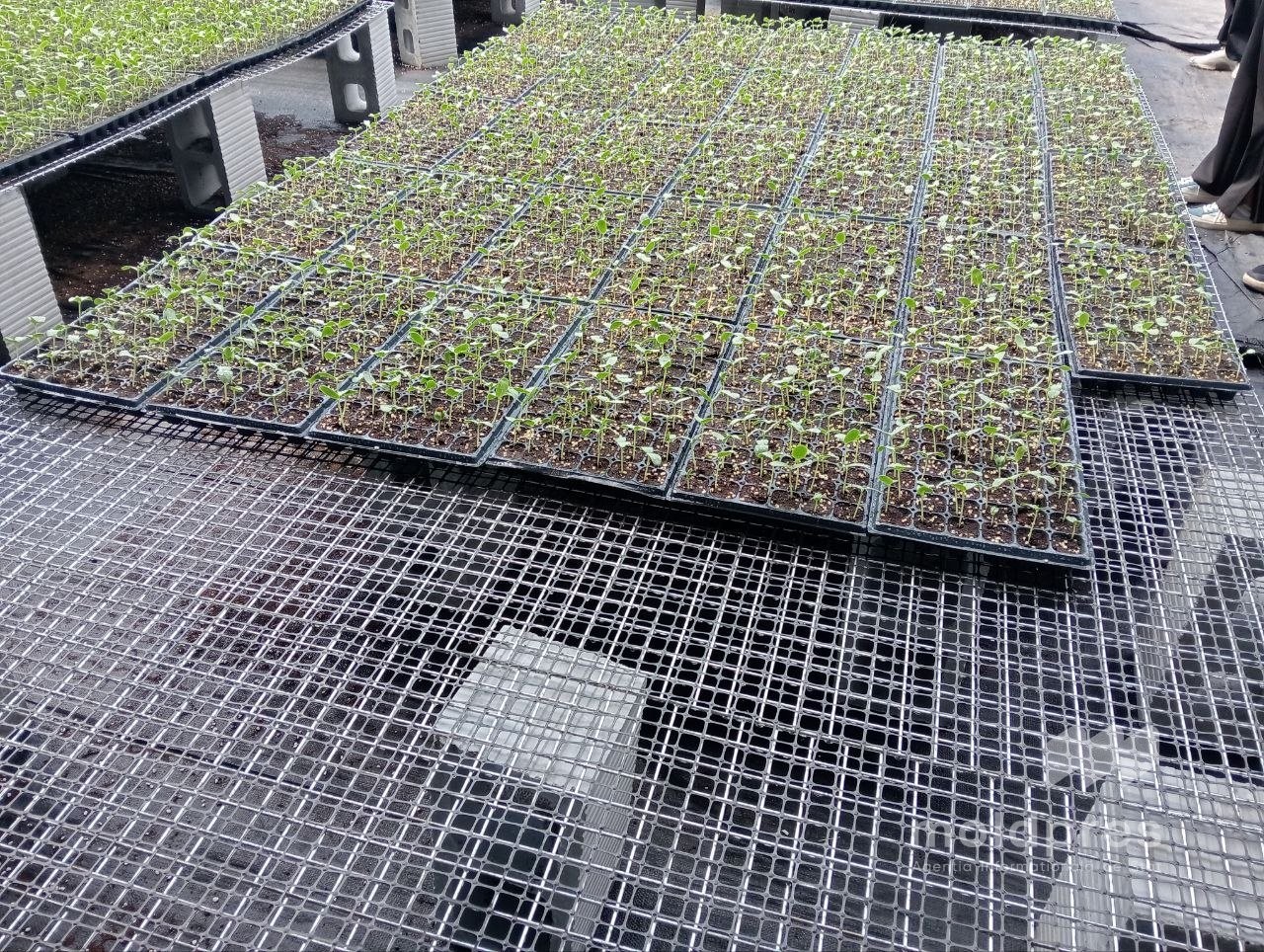
Residents say, however, that it was precisely the shortages that forced them to innovate. Today, in many farms in the region, crops no longer depend exclusively on the whims of nature. Agricultural production has been moved into smart greenhouses, where temperature, humidity, irrigation and nutrients are digitally controlled. Many of these complexes use bio-technologies and economical water-reuse systems, which allow for two harvests per year.

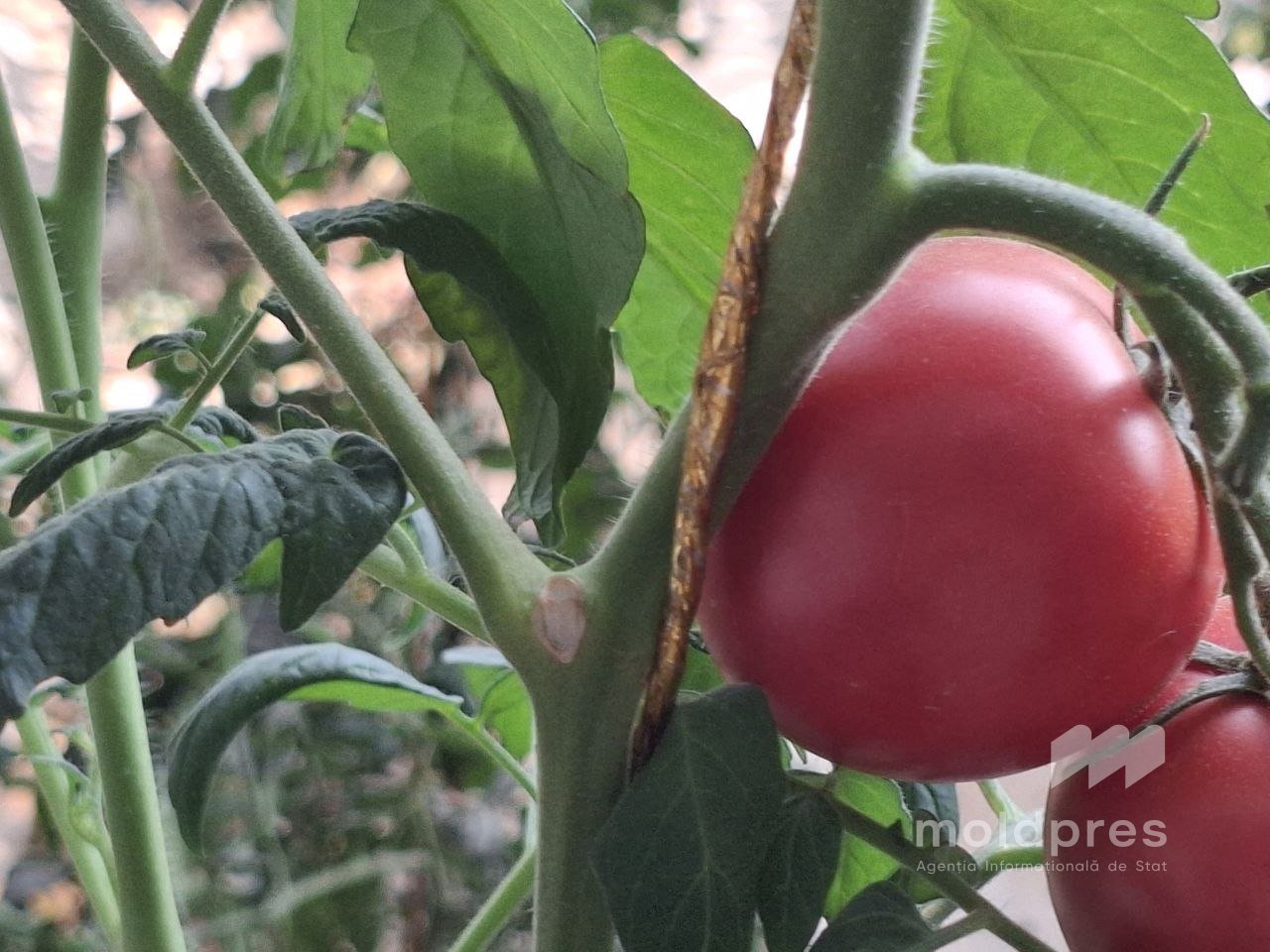
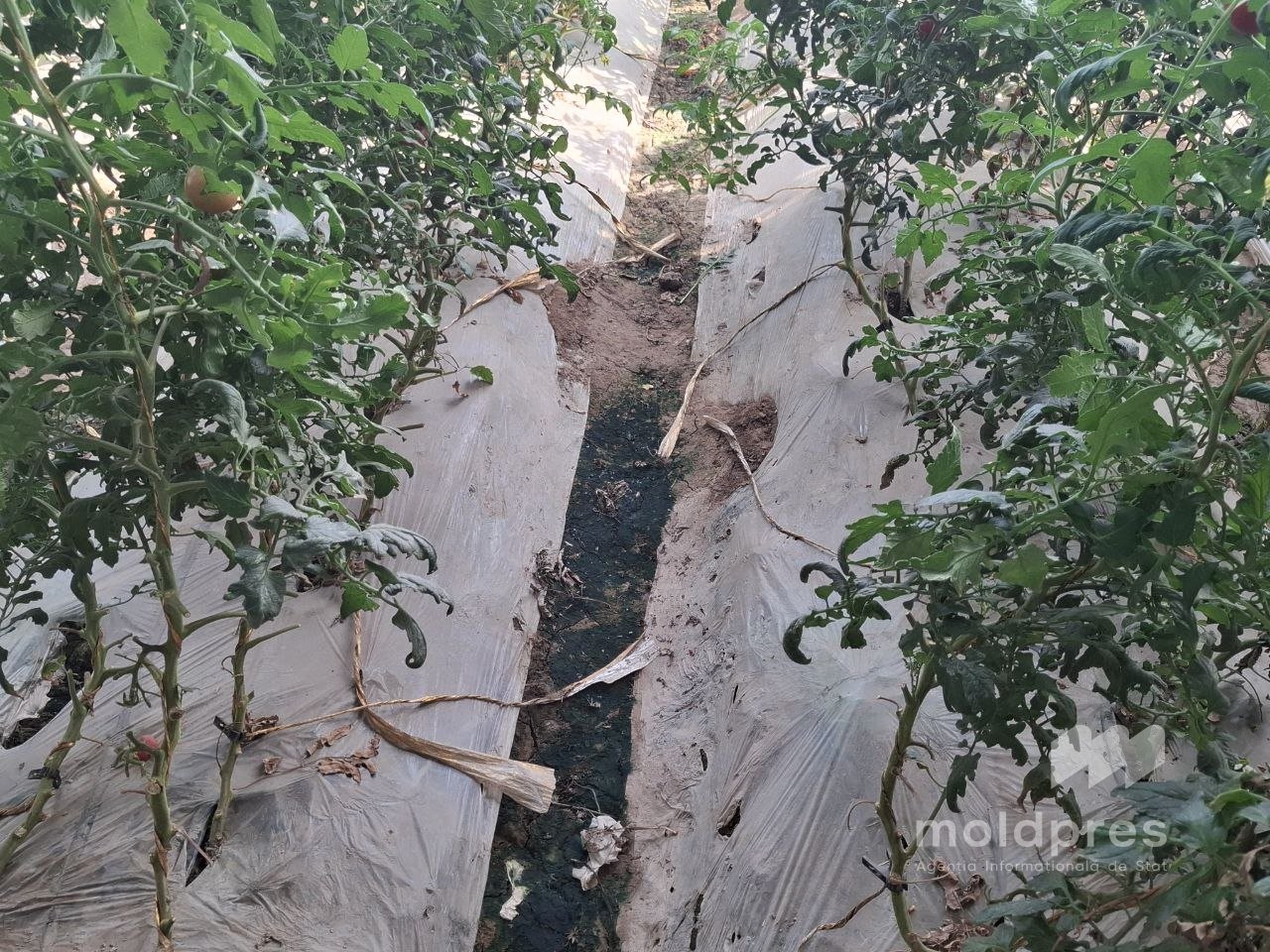
The result is impressive: tomatoes, melons, greens and fruits grown in an area that, until recently, was associated with arid land and poor villages.

Yunfeng village – a showcase of rural transformation

In Fengdeng town, Jinfeng district of Yinchuan, the Yunfeng multifunctional rural complex has become one of the symbols of rural modernization in Ningxia.

The project combines smart agriculture with rural tourism and recreation. Visitors can enter the greenhouses directly, see the technologies used, pick vegetables or fruits with their own hands and buy them on the spot.

In addition to agricultural crops, the complex includes recreational fishing areas, leisure spaces and trails for tourists coming from major Chinese cities in search of “micro-vacations” close to nature. In the greenhouses, plants grow under carefully controlled conditions. Automatic irrigation systems reduce water loss, and digital monitoring allows for rapid intervention when changes in temperature or humidity occur.

A representative of the local agricultural center told MOLDPRES that the project has radically changed the life of the community. “In the past, many young people left for other provinces to work. Today we have jobs here in the village. Modern agriculture and rural tourism have brought stable incomes and changed the appearance of the entire locality,” he said. Local officials say such projects are part of China’s strategy for rural revitalization and narrowing the gap between urban and rural areas.

Runfeng – the village that turned relocation into prosperity

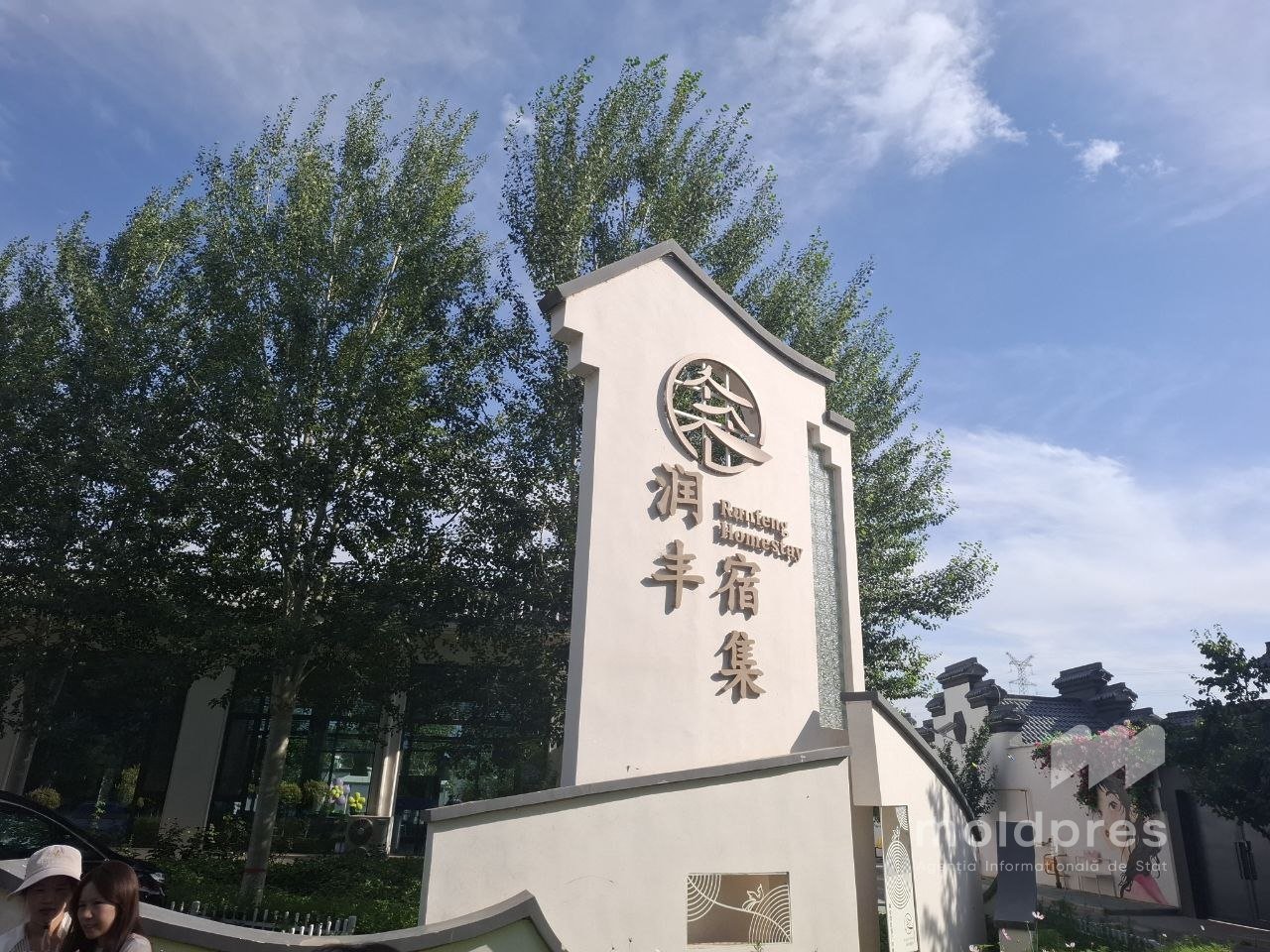
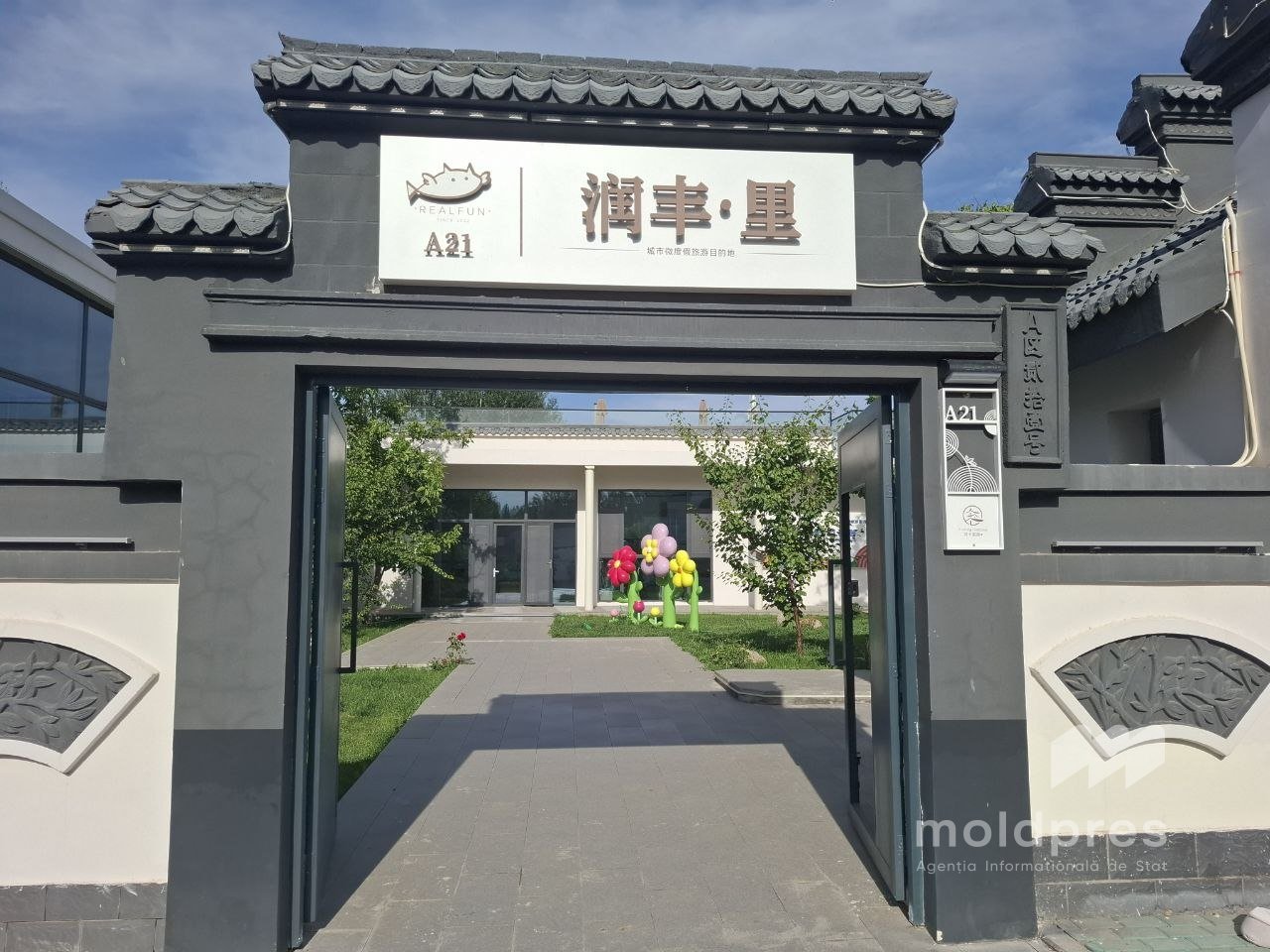
A short distance from Yunfeng lies the village of Runfeng, a project that illustrates another dimension of China’s rural transformation. The village was created as part of population relocation programs from very poor and hard-to-reach regions of Ningxia. Many residents came here in 2017 from arid mountain areas such as Xiji and Guyuan.

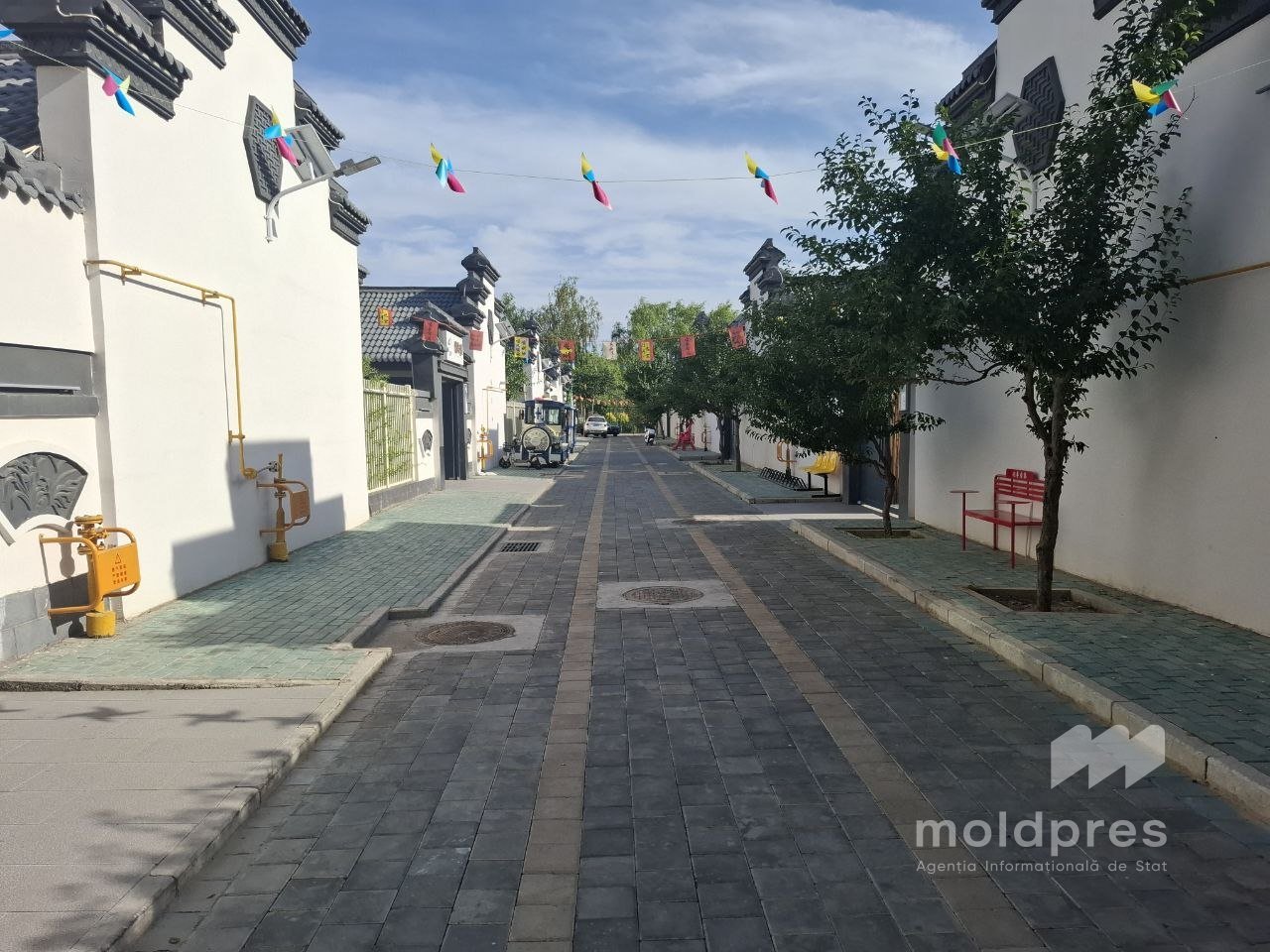
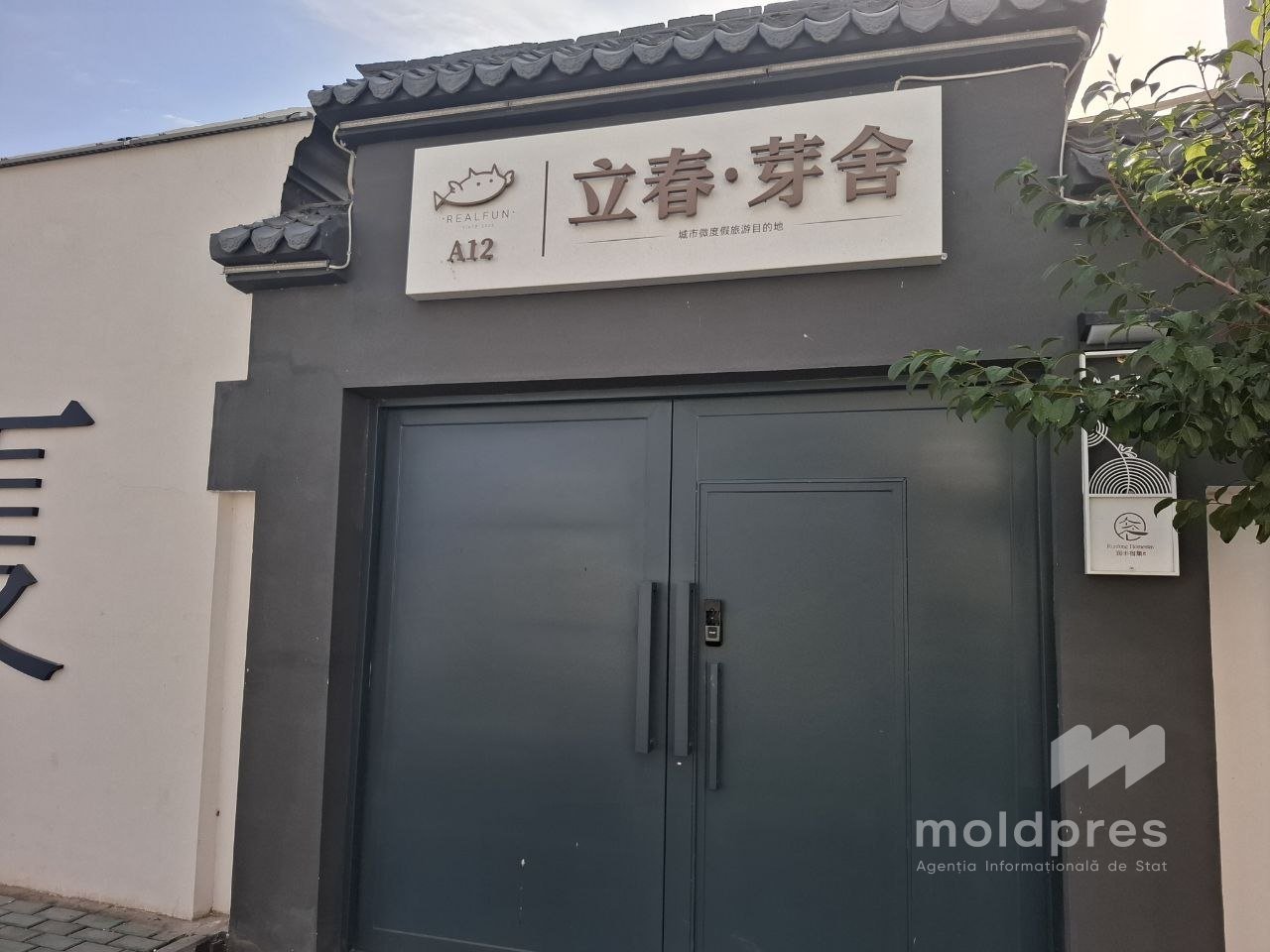
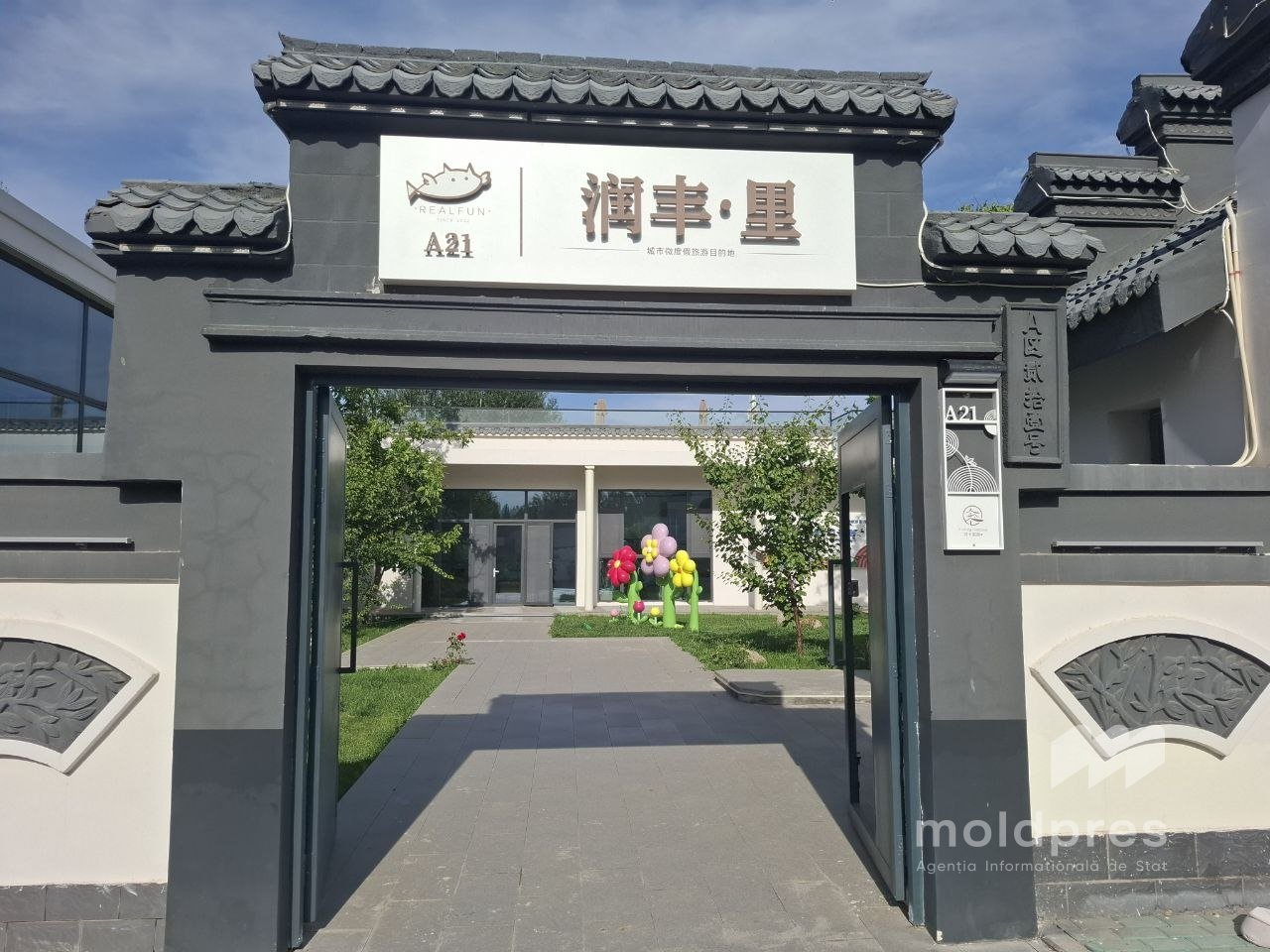
Today, Runfeng no longer resembles the image of a resettlement village. The white houses with gray roofs, inspired by traditional Hui and Anhui architecture, have been transformed into modern guesthouses and “smart homes” for tourists. The entire complex operates under the model of “accommodation + agriculture + cultural experience.”

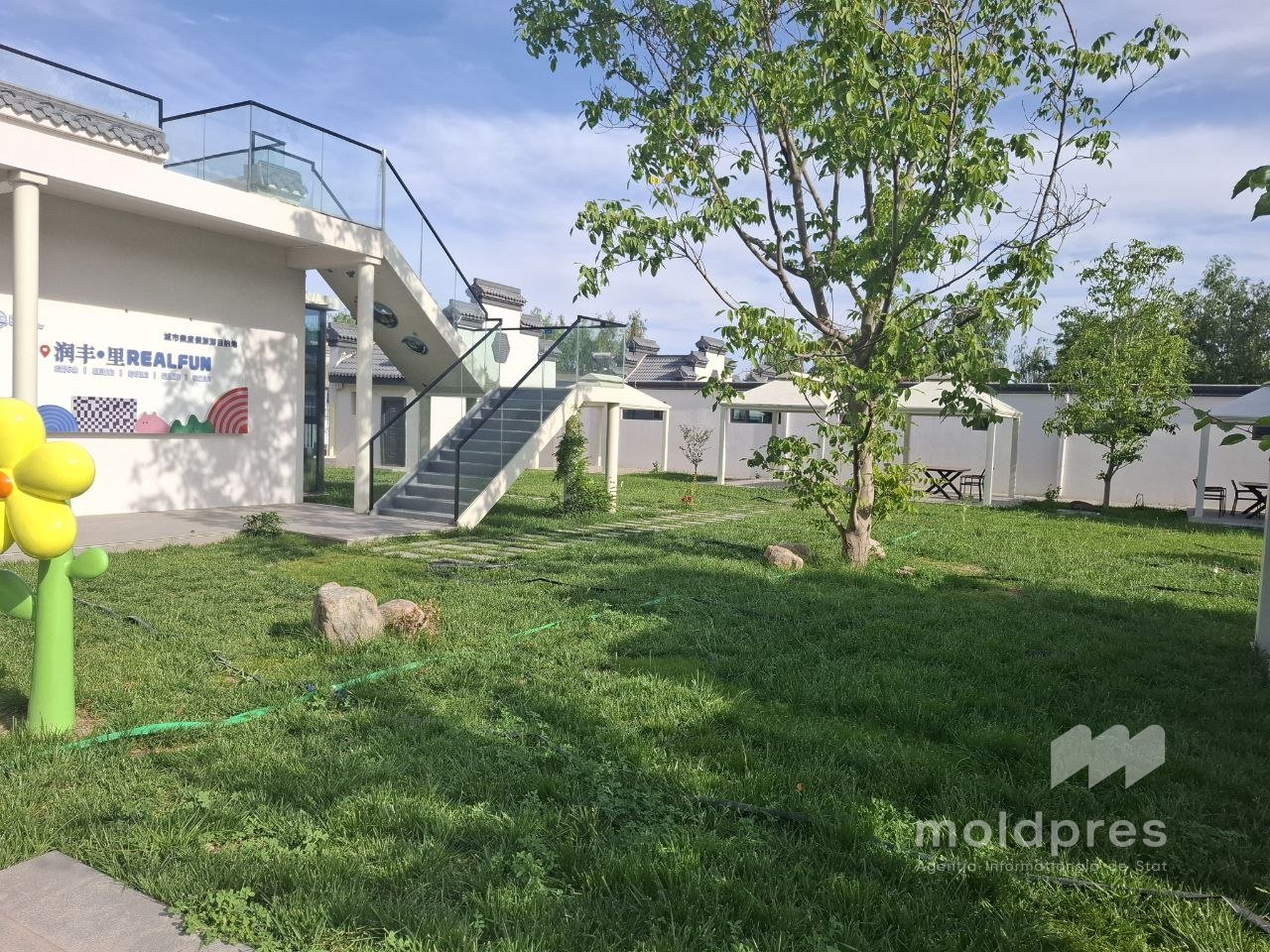
Tourists can stay in themed guesthouses, take part in agricultural activities, buy local products and discover the region’s gastronomy. In addition to demonstration greenhouses and agricultural areas, the complex includes cafés, campsites, family spaces and leisure areas. A local woman relocated from southern Ningxia described to MOLDPRES what her life is like today. “In our old village there was very little water and agriculture depended entirely on the weather. Here we have jobs, a stable salary and good conditions for our children,” said the woman, who now works on maintaining the greenhouses and tourist facilities.

Local authorities say the project has created hundreds of jobs and has given relocated families the opportunity to build a new life.

Melons from the “desert” that reach China’s major cities

Another example of smart agriculture in Ningxia is the modern demonstration base for melon cultivation in Yueyahu township, Xingqing district.

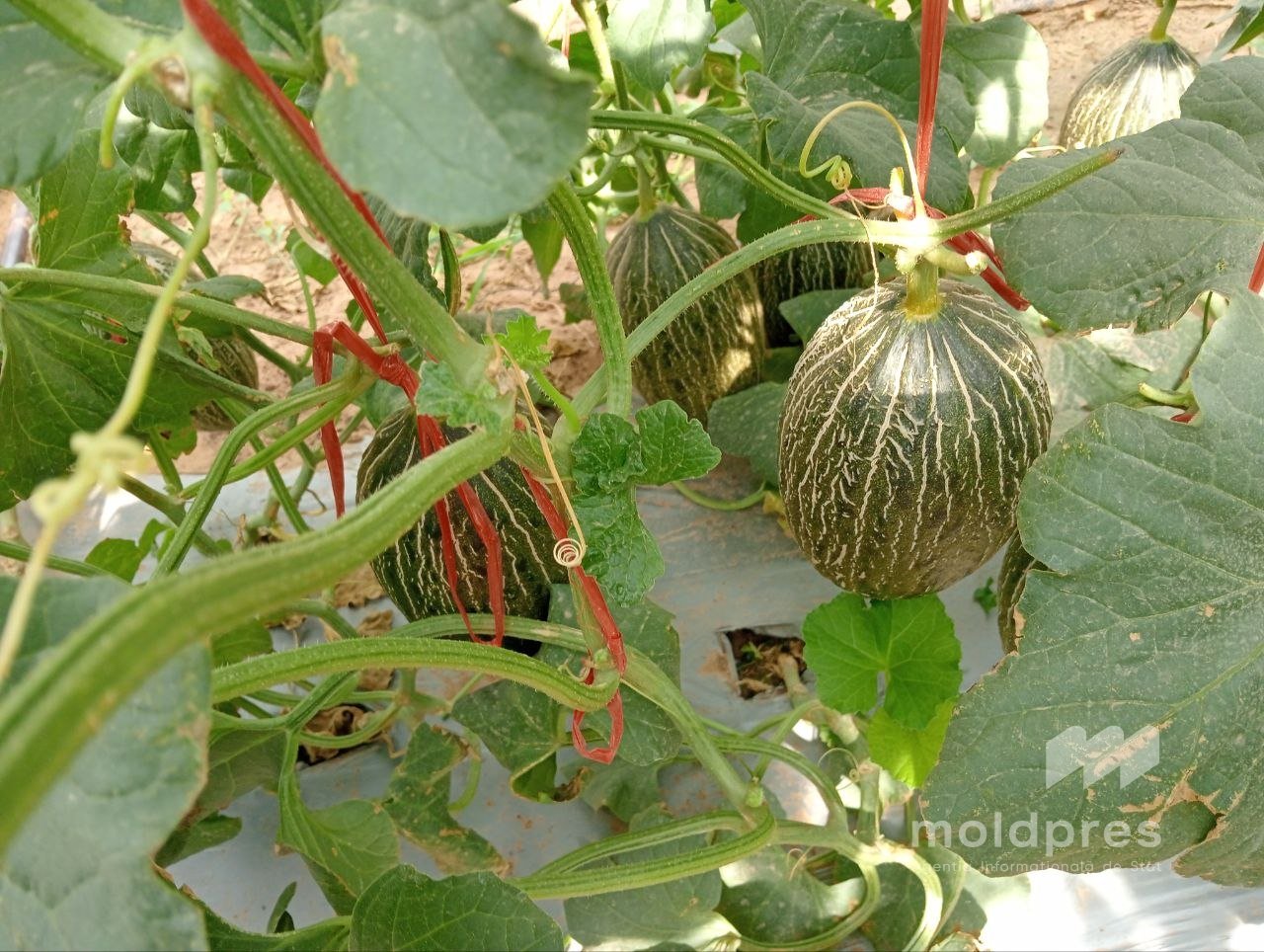
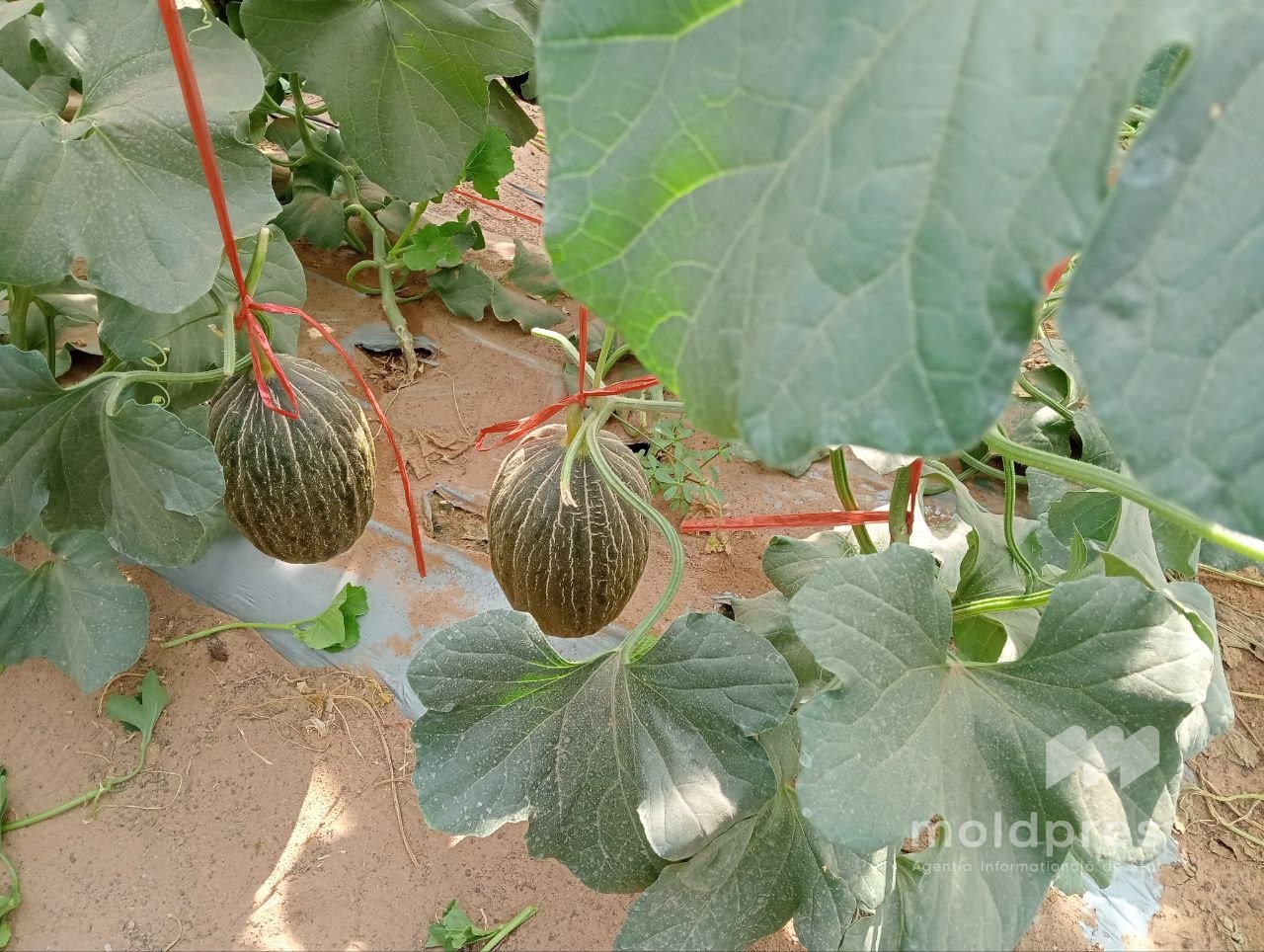
Here, near arid, wind-beaten land, a true high-tech agricultural production center is in operation. Modern greenhouses allow the cultivation of premium melon varieties, and the entire process is digitalized — from seed selection and irrigation to sorting and cold storage. The base produces approximately 23,000 tons of melons annually and delivers goods to some of China’s largest cities. The complex’s manager told MOLDPRES that the success of agriculture in Ningxia is based on technology and research.

“We cannot change the climate or the terrain, but we can use technology to create controlled conditions. In the past, people believed that nothing could be grown here. Today we export to many regions of China, and even to some Asian countries,” he said.

The farm collaborates with universities and agricultural institutes, and local specialists receive continuous training in digital crop management.

Agriculture as a tourist experience

A common element of all the projects visited by MOLDPRES is the integration of agriculture with tourism. In Ningxia, farms are no longer just places of production, but also tourist destinations. Entire families come from Yinchuan and other cities to spend weekends in nature, to see how products are grown, to fish, pick fruits and buy fresh products directly from producers. This combination of agriculture and tourism generates additional income for communities and contributes to the development of villages.

The model is supported by Chinese authorities, who invest in infrastructure, digitalization and rural revitalization.

Yellow River – the source that made Ningxia’s agricultural miracle possible

All these spectacular transformations in Ningxia’s agriculture would have been almost impossible without one of China’s most important natural resources – the Yellow River, Huanghe, respectfully and affectionately called the “Mother River” by locals. For the inhabitants of Ningxia, Huanghe is not just a water source, but the foundation of the region’s entire agricultural and economic development. In an area with low rainfall and semi-arid land, irrigation with Yellow River water has turned dry land into fertile, productive fields. Over the years, Chinese authorities have built a complex system of canals, reservoirs and hydraulic infrastructure that allows for controlled distribution of water to fields, greenhouses and orchards. Thus, in many localities near Yinchuan, modern agriculture operates thanks to a careful balance between technology and the resources provided by Huanghe.

The MOLDPRES reporter observed that near many agricultural complexes there are irrigation canals that cross the fields and supply the smart greenhouses. Water is used rationally through modern drip systems and digital monitoring, which makes it possible to save resources in a region where every drop counts. An agricultural specialist from Jinfeng district told MOLDPRES that without the Yellow River, the development of modern agriculture in Ningxia would not have been possible.

“Huanghe is the life of this region. That is why we call it the ‘Mother River.’ It gives us water for agriculture, for people and for the development of villages. Without this river, many lands would have remained dry and unproductive,” he said.

In local culture, the Yellow River holds a special place. Considered one of the symbols of Chinese civilization, Huanghe is associated with the birth of agriculture and the development of human communities in northern China.

Today, in Ningxia, this historical legacy is intertwined with modern technologies. Water from the “Mother River” is no longer used only through traditional methods, but also through smart management systems that keep crops alive even under difficult climatic conditions. Thus, the agricultural miracle in Ningxia is not just a story about smart greenhouses and digitalization, but also about how people have managed to responsibly harness one of China’s most important natural resources.

Ningxia lesson: ambition can defeat geography

Perhaps the most impressive conclusion after visiting Ningxia is the ability of the Chinese to turn natural limitations into economic opportunities. In a region with difficult soils, an arid climate and limited water resources, agriculture has not only survived, but has become efficient, digitalized and profitable.

Ningxia shows that the agriculture of the future no longer depends exclusively on the natural fertility of the land, but also on technology, management and smart investment. And what once seemed like “barren rock” is now starting to yield crops that reach the tables of consumers throughout China.

For Moldova, this model suggests the potential of smart greenhouses, agritourism and partnerships for adapting to climate change and diversifying production.
 Facebook
 Instagram
 X/Twitter
 Telegram
PHOTO // Energy Minister presents investors with objectives of Energy Strategy 2050: Energy directly influences companies’ competitiveness
MOLDPRES INTERVIEW // Moldexpo Exhibition Centre on threshold of major transformation; director Zinaida Popa: “Business must meet and create connections”
Moldova seeks to attract more freight to TRACECA corridor and proposes facilities for carriers
Energy Minister: Gas prices in Moldova not highest in Europe
Energocom company of Moldova estimates gas price for October at 76.35 euros/MWh
PHOTO GALLERY // Moldova Innovation Fund, officially launched with European Union's support
Revenues of 63.3 billion lei collected in Moldova's national public budget in first half of 2026
Government seeks solutions to increase budget for energy compensation during cold season
VIDEO // Country's energy resource supply amid state of emergency: Energy Minister presents updated information
Fuel prices to fall in Moldova on October 1: drivers to pay less for petrol, diesel
Creation of Office for Implementation of Strategic National Infrastructure Projects approved by Government
Government to seek long-term contracts for gas purchases and prepare higher winter compensation
Moldova strengthens cooperation with Danube states to develop inland waterway transport
Moldovan energy minister, officials from Ireland, Norway, Canada, Lithuania discuss opportunities of cooperation in energy field
United States, Moldova strengthen cooperation on cybersecurity
VIDEO // Deputy PM for reintegration says Moldova's advancement along European integration path to create sustainable, much more attractive framework for country's reintegration
Moldovan foreign affairs minister meets new Ambassador of the Netherlands; EU integration developments on agenda
PM invites European companies to invest in Moldova
 National Bank of Moldova
Moldovan parliament's standing bureau approves agenda for plenary meeting of October 8
Strengthening cooperation, exchange of best practices between parliamentary secretariats of Moldova, Romania in support of country’s EU accession process
Moldovan Presidency publishes register of gifts received in July–September 2026, which remain in institution’s assets or may be repurchased
Parliament speaker, U.S. Ambassador discuss strengthening Moldovan-American partnership
People with severe disabilities since childhood to be able to combine disability and survivor’s pensions

United States, Moldova strengthen cooperation on cybersecurity
VIDEO // Deputy PM for reintegration says Moldova's advancement along European integration path to create sustainable, much more attractive framework for country's reintegration
ARMENPRESS: UN Human Rights Council unanimously adopts Armenia-initiated resolution
Moldovan foreign affairs minister meets new Ambassador of the Netherlands; EU integration developments on agenda
PM invites European companies to invest in Moldova
PHOTO // First national open educational resources platform launched in Moldova
Moldovan health minister says there is no risk of escalation, in connection with suspected case of pneumonic plague in Russia
Republic of Moldova to present negotiating positions for EU accession Clusters 2 and 3
Moldovan companies promote fruit at Fruit Attraction 2026 in Madrid
Environment Minister: Country’s water intake stations must be adapted to new realities
People with severe disabilities since childhood to be able to combine disability and survivor’s pensions
All persons with disabilities since childhood to be eligible to receive disability and survivors’ pensions
Government simplifies procedures for construction of Strășeni–Gutinaș power line
VIDEO // Prime Minister: Brussels wants Moldova to move forward, and reforms linked to Growth Plan designed to bring country closer to EU
Moldova to receive EU accession roadmap by year-end
Deputy Prime Minister for Reintegration discussed priorities of Moldova’s reintegration process with representatives of international partners
Receive the latest news directly to your email

Receive the latest news directly to your email