
BTA: Services Sector Has Been Main Driver of Price Pressures in Bulgaria, NSI Deputy Head Says
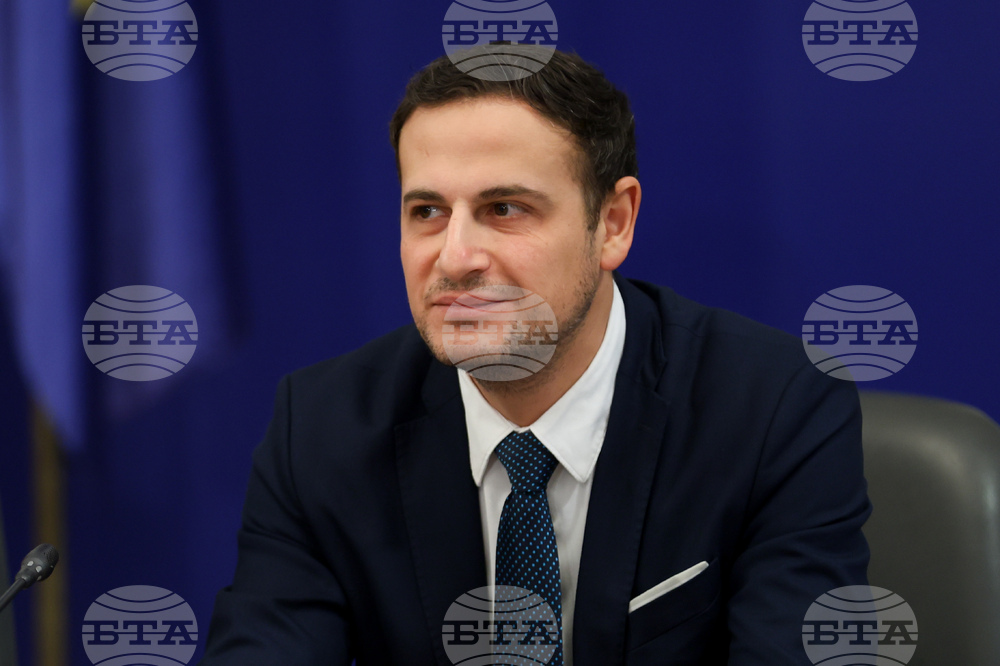
The strongest pressure on prices in Bulgaria over the past two to two-and-a-half years has come from the services sector, Svilen Kolev, deputy head of the National Statistical Institute (NSI), told Nova TV on Sunday. He said prices for hotels, restaurants and accommodation had risen by between 20% and 30% over the past two years. According to Kolev, the reasons include stronger demand, the post-pandemic recovery and changes to VAT rates.

Kolev said that various forecasts suggest there may be conditions for stronger price increases by the end of the year. Among the factors behind this trend, he highlighted higher electricity, hot water and district heating prices; rising fuel costs due to the international situation and the conflict in the Middle East; as well as the planned increase in vignette prices from August 1 and changes to the excise duty schedule for tobacco products.

Hairdressing services, personal care, home and car repairs and maintenance, as well as education and driving courses, have recorded an average annual increase of around 20%, Kolev said. He attributed the trend to higher wage costs, rents and electricity prices.

The NSI deputy head said the transport sector recorded a monthly decline of 3.3% in June due to lower fuel prices. He added, however, that despite this decline, the prices of major fuels remain 15% to 20% higher than during the same period in 2025.

Food prices recorded a slight monthly decline of around 2% to 2.2% in June in the so-called small consumer basket. According to Kolev, the decline was seasonal and was mainly driven by fresh fruit and vegetables – tomatoes, cucumbers and zucchini, which were 25% to 30% cheaper than during the winter months.

The NSI deputy head recalled that monthly deflation of 0.9% was recorded in June, while annual inflation slowed to 5.4%, down from levels close to 7% in the previous month. According to Kolev, the pace of price growth has slowed, but July trends are expected to show that prices will continue to rise, albeit at a slower rate.

Kolev said that average wages increased by nearly 13% year-on-year in the first quarter of 2026, adding that this was more than enough to offset the accumulated inflation over the past three years, which was also around 13%. The NSI deputy head said the discrepancy between statistical data and people's perception of prices is due to the fact that the prices of certain goods change on a monthly basis, while incomes tend to rise more slowly.
 Facebook
 Instagram
 X/Twitter
 Telegram
ARMENPRESS: EU ministers discuss strengthening Armenia’s resilience and economic diversification
BTA: LIK Issue on Christo and Jeanne-Claude Goes on Show in Paris
ARMENPRESS: EU ministers discuss support for Armenia at Foreign Affairs Council-format meeting
BTA: Bulgarian Armed Forces Hold Exercises to Enhance Interoperability
ARMENPRESS: Armenia to send humanitarian aid to Lebanon via Türkiye
BTA: New Marble Statue Fragments Discovered at Ancient Heraclea Sintica
ARMENPRESS: IRI observers: Armenia’s June 7 elections conducted calmly and fairly
BTA: Nikola Tsolov Takes Victory in F2 Feature Race in Monaco
ARMENPRESS // EU pledges continued support for Armenia amid Russian pressure
MOLDPRES REPORT // Technology that can change energy of future: how China tries to revolutionize solar market, what opportunities arise for Moldova
BTA // Ishtar: Music Is Like Perfume, It Is about Feeling
ARMENPRESS: EU to provide additional support to Armenia amid Russian import restrictions
Armenian exports meet EU standards, economy minister says amid Russian trade ban and diversification push
ARMENPRESS: Next-generation AI factory opens in Armenia
Moldovan government announces measures to reduce diesel deficit: stocks to be replenished with 12,000 tons of fuel
Chinese company Yutong explores investment opportunities in Moldova
New development projects in Moldova with Turkey’s support; negotiation of cooperation protocol approved
Two strategic routes of Moldova to be rehabilitated with support of top European bank
USA to implement new visa restriction policy: authorities ban entry of individuals involved in cybercrime, online scams, sextortion
MOLDATSA state enterprise of Moldova has new interim administrator
General Police Inspectorate of Moldova records new phone fraud cases; losses exceed one million lei
 National Bank of Moldova
Additional measures taken to supply diesel on market in Moldova
Moldovan deputy PM for reintegration meets Ambassador of Romania
Moldovan PM has meeting with European Commission’s Director-General for Neighbourhood and Enlargement Negotiations
Moldovan deputy PM, headmasters of 8 Romanian-language education institutions from left bank of Dniester discuss admission, preparations for new academic year
Over 2,400 economic agents from Transnistrian region registered with Moldova's Public Services Agency

Chisinau Airport sets up temporary pre-boarding area, to ease passenger traffic
VIDEO // Slobozia Mare bypass road reopened to traffic; Moldovan parliament speaker describes event as European investment due to benefit carriers, citizens
VIDEO // Moldovan firefighters extinguish new forest fire nearby Thessaloniki
Attention, travelers! Increased traffic at Sculeni customs post on exit from Moldova
VIDEO // University admissions start in Moldova; education minister announces higher scholarships, better conditions for students
BTA: Services Sector Has Been Main Driver of Price Pressures in Bulgaria, NSI Deputy Head Says
VIDEO // Moldovan PM holds daily talks with business representatives
Exhibition, Roger Ballen. Shadows of the Mind, inaugurated at National Art Museum of Moldova
Moldovan president condemns violations of Romanian airspace by Russian drones
MOLDOVA IS ME // Far from home – close to Moldova. Snejana Teclia invites Diaspora to discover country through art, stories
BTA: "Bear With Me" to Have World Premiere at 32nd Sarajevo Film Festival in August
New opportunities for tourism cooperation between Moldova and China
Persons concerned in abusive legal actions to benefit from enhanced protection in Moldova
VIDEO // Local public administration reform advances In Moldova; government's secretary general says another 165 mayoralties adopt final decisions on voluntary amalgamation
Persons harmed in criminal or contravention proceedings to be able to request compensation from state for damages caused in Moldova
Criminal liability to be able to be transferred after reorganization of legal entities in Moldova
Receive the latest news directly to your email

Receive the latest news directly to your email