
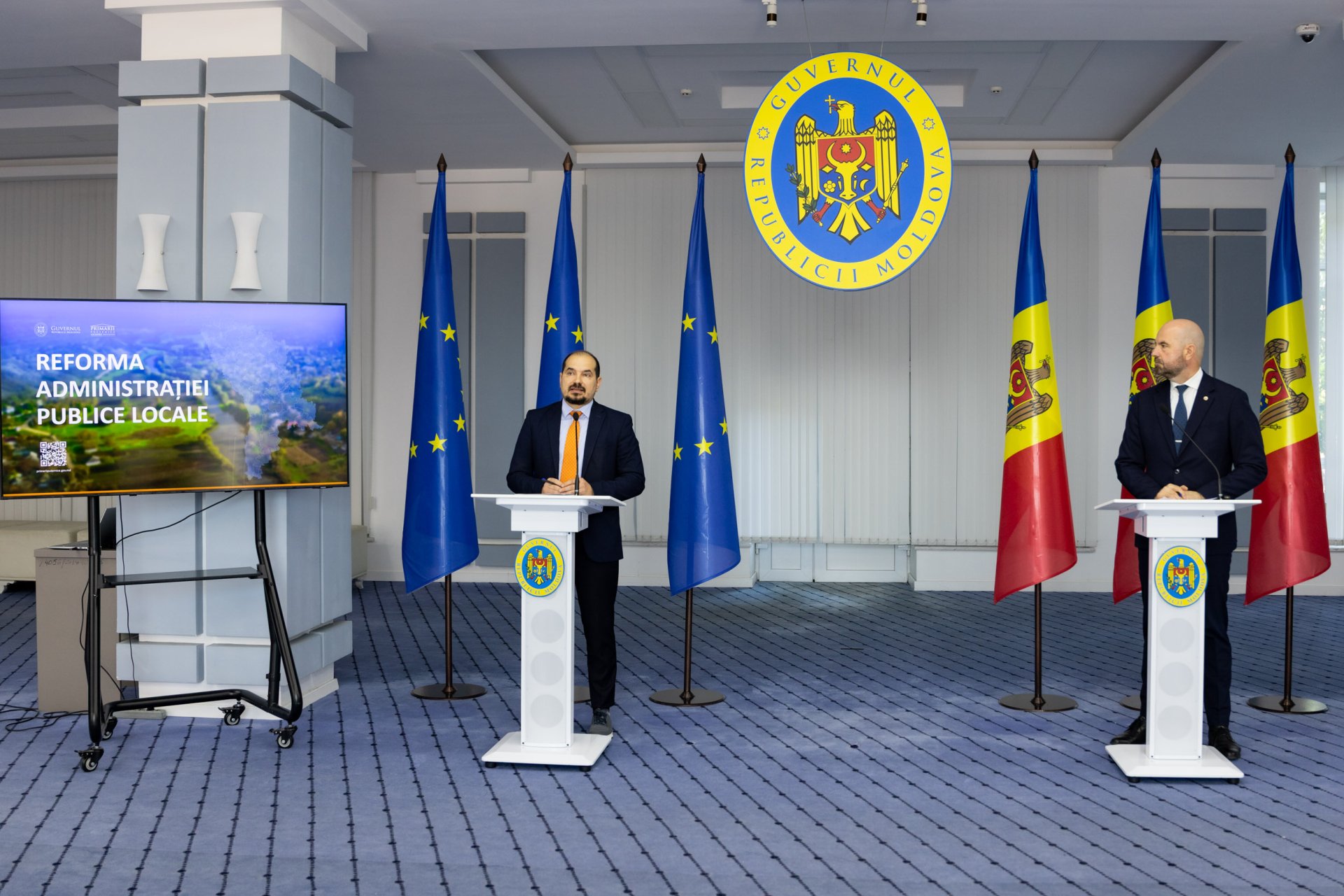
Government to provide 6.5 billion lei to amalgamated localities
The Government is making available to town halls that complete the voluntary amalgamation process an incentive package totaling 6.5 billion lei. Local authorities are encouraged to prepare well‑grounded projects in advance so that financing for infrastructure development can begin in 2027.

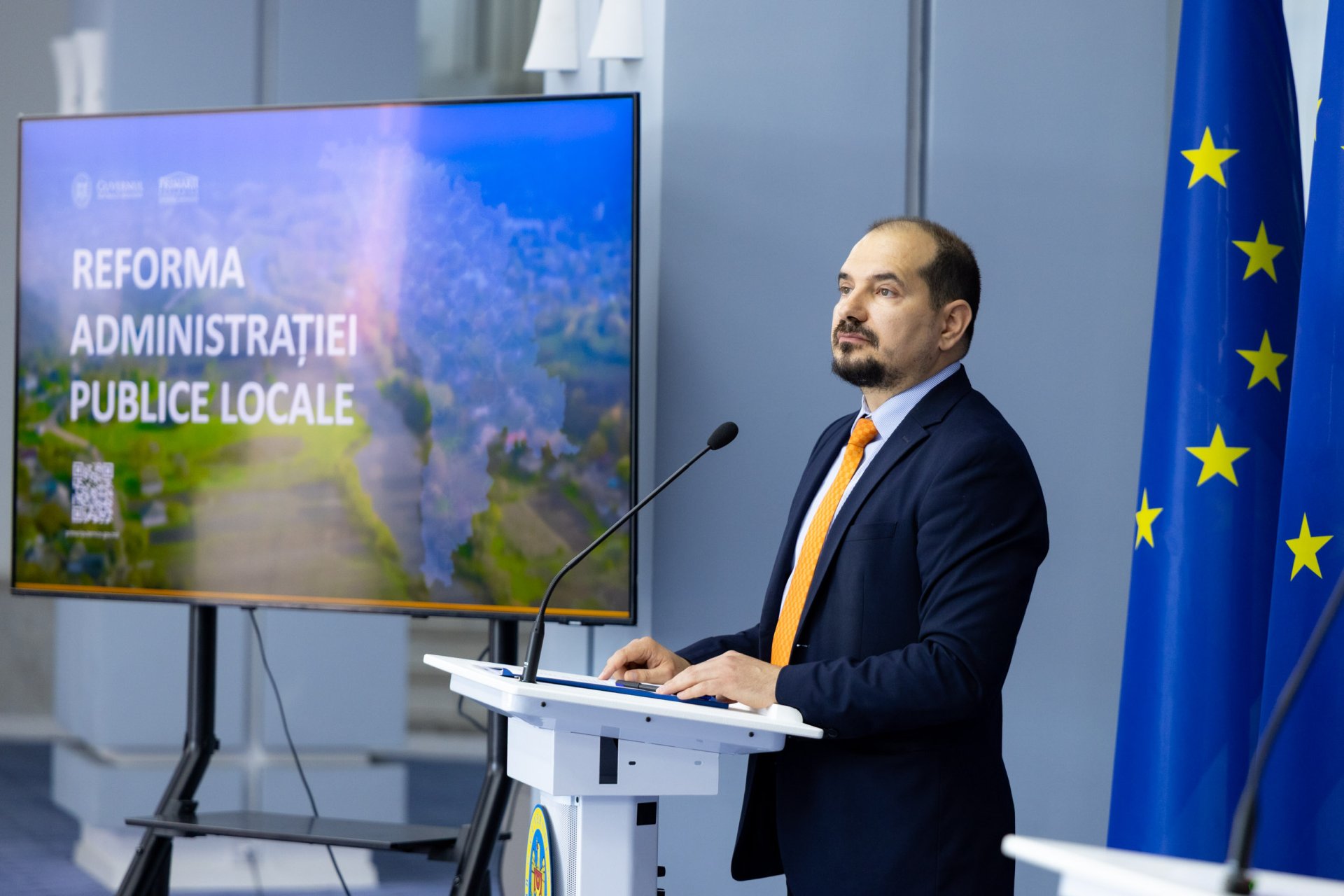
At a press conference, Secretary General of the Government Alexei Buzu said that the local public administration reform aims to create stronger town halls, capable of solving community problems and providing better services to citizens: “The money is available. Now it is important for town halls to complete the amalgamation process and prepare clear, mature and useful projects for people. Investments must go where they solve real problems and create better living conditions.”

Town halls that voluntarily merge their administrations can benefit from three types of incentives. The first is a preparation incentive, ranging from 400,000 to 1 million lei, intended for feasibility studies, technical projects, consultancy and the creation of Unified Service Delivery Centers. So far, 104 town halls have requested this support, and 83 have already received it.

The second is a development incentive, worth 3,000 lei for each inhabitant of the new administrative‑territorial unit. It will be available starting in 2027 and may be used exclusively by town halls that have completed voluntary amalgamation. For example, the group of localities in Rîșcani could receive about 72.7 million lei, the group in Strășeni about 68.7 million lei, and the one in Fălești about 64.9 million lei.

The third incentive consists of annual transfers ranging from 500,000 to 2 million lei, granted in the period 2028–2030 for institutional development and strengthening the administrative capacity of the new town halls. The estimated budget for this measure is approximately 1 billion lei.

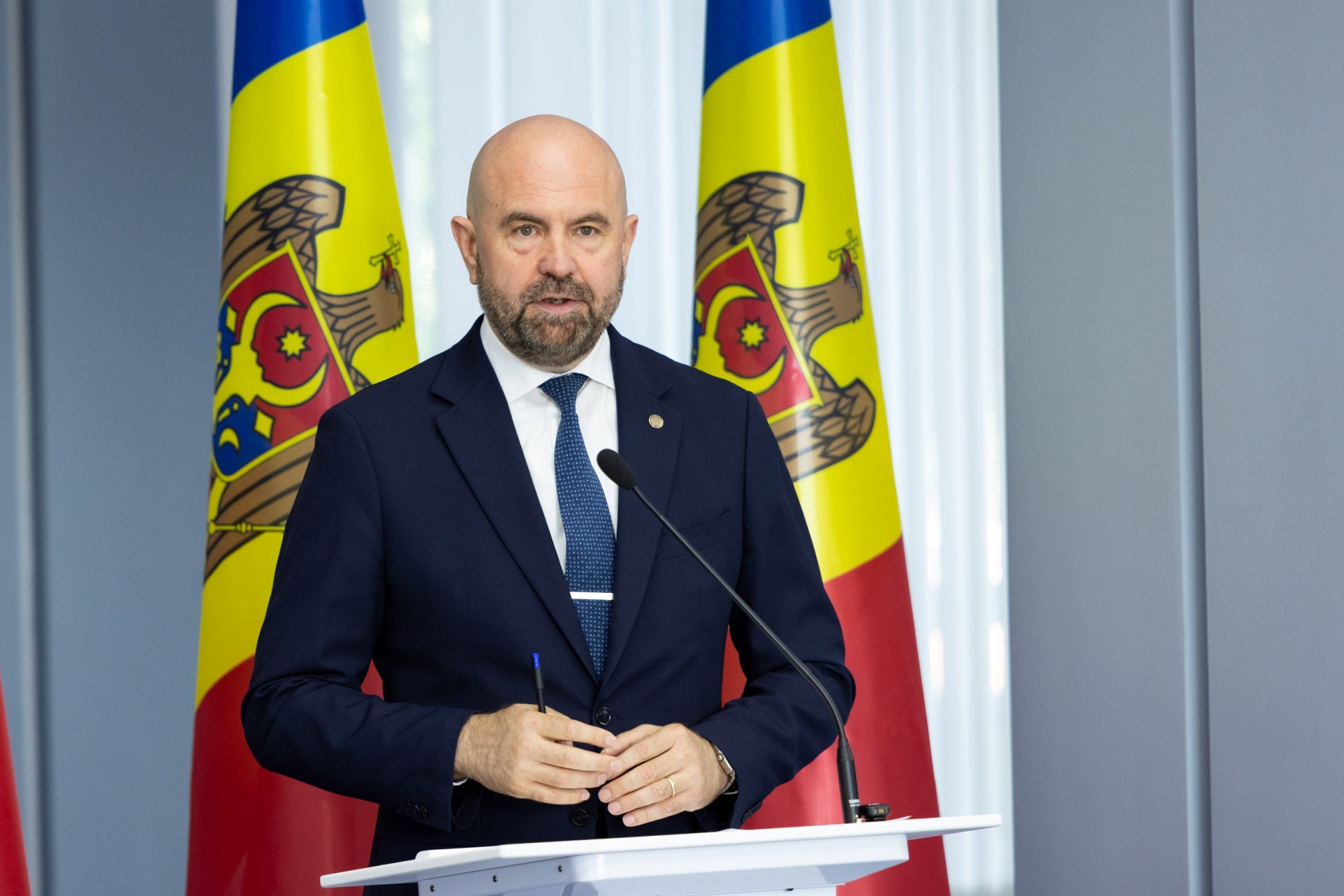
Minister of Infrastructure and Regional Development Vladimir Bolea stressed that the year 2026 must be used to prepare projects that will be able to receive funding starting from 2027. Projects will be selected based on their degree of preparation, number of beneficiaries, impact and the town hall’s capacity to maintain the investment in the long term.

Priority will be given to the following projects: water and sewage systems, roads and bridges, public lighting, energy efficiency of buildings, modernization of education, health, culture and social assistance institutions, sanitation services and the development of public spaces.

“We are moving from the administrative decision to the investment that changes the life of the community. Amalgamation must be measured by the number of problems solved: by roads that connect localities, services that reach more citizens and investments that work in the long term. We will not finance isolated projects, chosen just because they look good on paper. We will focus on their value for the community,” said Bolea.

Town halls with sufficient experience and qualified staff will be able to implement projects directly, based on contracts concluded with the Ministry of Infrastructure and Regional Development (MIDR). Those that do not have specialized teams will benefit from the support of Regional Development Agencies for procurement, supervision of works and execution of payments.

Next week, the Ministry of Infrastructure and Regional Development will organize consultations with the mayors of localities that have gone through the amalgamation process. The discussions will focus on projects already prepared, community priorities and possible bottlenecks in implementation.
 Facebook
 Instagram
 X/Twitter
 Telegram
Moldovan PM has discussion with Irish counterpart
Moldovan president to host Bavarian Minister-President
Moldovan PM, after meeting with Romanian counterpart, says leadership willing to turn closeness between two countries into more investments, opportunities for people
Moldovan deputy PM for reintegration conveys messages of appreciation to people on behalf of Moldova in charge of maintaining peace, rule of law in Security Zone
Moldovan PM has meeting with Romania's President
Moldovan PM meets members of Moldova IT Park Council
Moldovan PM has meeting with ambassadors accredited to Moldova
Around 130 million euros to be invested in modernizing irrigation infrastructure of Moldova
Independence that Unites Us: Moldovan government approves schedule of events dedicated to 35the anniversary of Independence
New rules for authorizing strategic transport infrastructure projects in Moldova
More investment opportunities, agriculture's modernization through Moldova's Orchard II project
New measures taken in Moldova for energy renovation of residential apartment buildings
State to cover half of expenses of companies training students through dual education in Moldova
Medicine stocks of Moldova to be monitored daily at national level
Prime Minister about visit of Afghan delegation: Moldova does not recognize Taliban government. Approving this visit was an error of assessment and institutional coordination
Ana Revenco resigns as head of Center for Strategic Communication and Countering Disinformation
City halls that chose voluntary amalgamation will receive over 6.5 billion lei
Water and sewerage prices increase in Chișinău
 National Bank of Moldova
Moldovan president meets Latvia’s Foreign Affairs Minister
Moldovan president awards Order of Honour to Ambassador of the Netherlands, at end of mandate
Moldovan PM has talks with Latvia’s Foreign Affairs Minister
Moldovan PM meets members of Moldova IT Park Council
Moldova's National Crisis Management Commission approves new measures to ensure energy security, protect water resources

Moldovan foreign affairs minister visits Kyiv Pechersk Lavra, condemns Russia’s attacks on Ukraine’s cultural heritage
Mayoralties with fewer than 3,000 inhabitants to undergo normative amalgamation; Moldovan parliament speaker says reform must be completed in next autumn
Moldovan foreign affairs minister has meeting with Ukrainian counterpart
VIDEO // Moldovan foreign affairs minister, president of Ukraine discuss managing hydrological situation in Dniester River basin, joint projects in infrastructure, energy
VIDEO // Moldovan foreign affairs minister says Moldova made its choice, joined Ukraine
Moldovan president meets Latvia’s Foreign Affairs Minister
Moldovan president awards Order of Honour to Ambassador of the Netherlands, at end of mandate
PHOTO GALLERY // Diaspora Days: stories, books, art that preserve connection with Moldova
Moldovan PM has talks with Latvia’s Foreign Affairs Minister
PHOTO // Customs, border authorities of Moldova, Romania establish new measures to ease traffic at the Leuseni–Albita crossing point
Moldovan PM meets members of Moldova IT Park Council
Moldova's National Crisis Management Commission approves new measures to ensure energy security, protect water resources
Moldovan parliament speaker says leadership's ambition to have better report of European Commission in 2026
ARMENPRESS: Army Games bring together Armenia’s security structures for fourth consecutive year
VIDEO // Over 85 per cent of mayoralties initiate voluntary amalgamation; Moldovan president welcomes local authorities’ courageous decisions: “You put people’s interests first”
Diaspora Days open with book launches, painting exhibition: art, culture bring Moldovans home together
Receive the latest news directly to your email

Receive the latest news directly to your email