
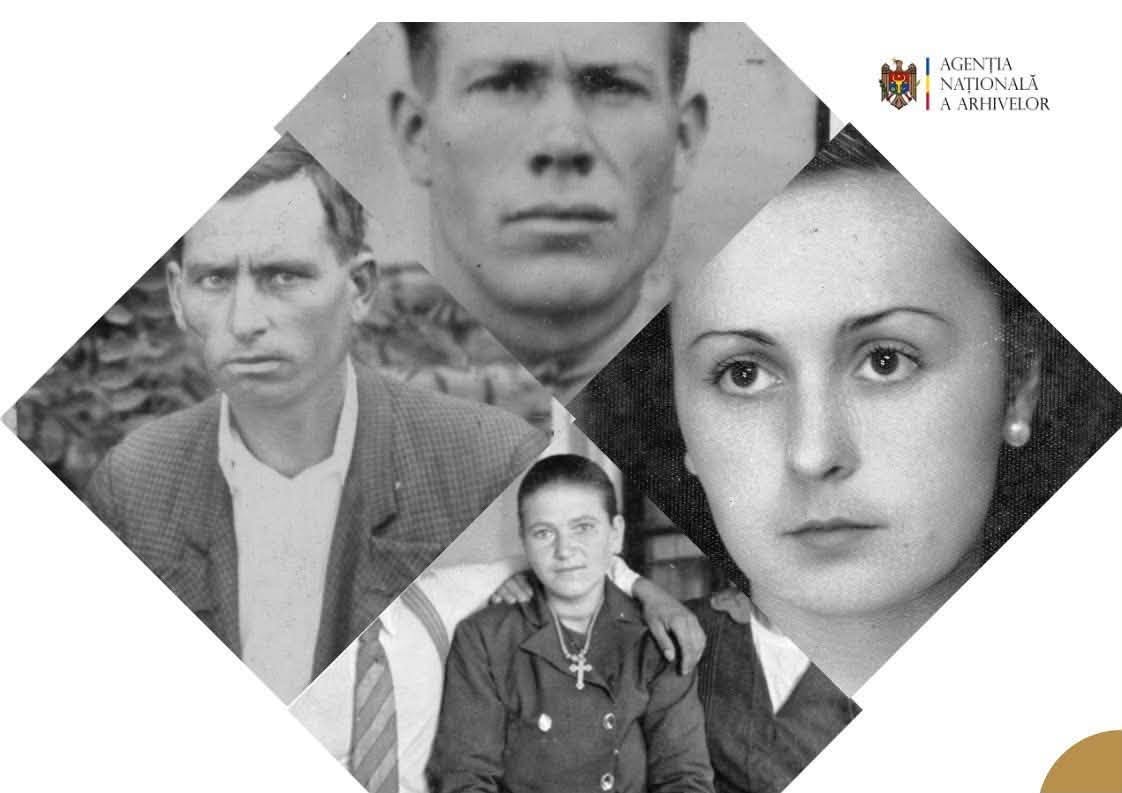
ARCHIVE Chronicle // Story of more than 1,000 Bessarabians saved from exile
The National Archives Agency, in the context of commemorating the victims of Stalinist deportations, has presented to the public photographs and archival documents that shed light on a lesser-known aspect of the tragedy of June 1941: the story of those who managed to avoid deportation.

According to archival documents, the mass deportation operation carried out during the night of June 12–13, 1941, initially targeted a larger number of people than those who were ultimately forcibly displaced. As many as 18,530 people were deported from the Moldovan Soviet Republic and 1,183 individuals managed to escape the fate that awaited them.

Data presented by the National Archives Agency show that three people hid from the Soviet authorities, 133 were not arrested for health reasons, 318 changed their residence on the eve of the operation, and 829 were removed from the lists after the accusations brought against them were deemed insufficiently supported by evidence.

The institution recalls that the June 1941 deportations were part of a broad repressive operation organized by the Soviet authorities in the territories occupied as a result of the Ribbentrop–Molotov Pact. The operation took place just a few days before the outbreak of the German–Soviet war and targeted persons considered “anti-Soviet elements.”

According to Soviet documents, more than 32,000 people from Bessarabia, Northern Bukovina and the Herța region were to be deported or arrested. Heads of households were sent to GULAG camps, while their family members were to be deported to so-called “special settlements” in the remote regions of the Soviet Union.

According to historians, the deportations of June 12–13, 1941 represent one of the most dramatic chapters in the history of Bessarabia, with thousands of families being separated and condemned to years of suffering in Siberia and Kazakhstan.
 Facebook
 Instagram
 X/Twitter
 Telegram
Around 180 families affected by floods in recent weeks received humanitarian aid
CIS Agreement on Interstate Humanitarian Fund denounced
DOC // Citizens of the Republic of Moldova working in Slovakia to be eligible for pensions
Modern equipment for pupils from central Moldova settlement, through project supported by World Bank
Moldovan PM conveys message to border police on 34th anniversary of institution's foundation
MOLDOVA IS ME // From Denmark, through China, back home; story of Moldovan woman who opened in Chisinau first restaurant with Japanese Omakase concept
Moldova withdraws from cultural agreement signed within Commonwealth of Independent States
USMF "Nicolae Testemițanu" to hold oath-taking ceremony for doctors and pharmacists
VIDEO // Civil Society Gala held in Chișinău
First European Forum of Environmental Human Rights Defenders held in Strasbourg; Moldova’s experience presented by EcoContact
Over 250 rescuers from Europe to take part in MD–EU MODEX 2026 exercise organized in Moldova
VIDEO // Over 5 million lei seized following searches in fraud file in Moldova; five people detained
Sergiu Caraman remains head of Superior Council of Magistracy
VIDEO // Alexei Buzu: Government allocates 145 million lei for development of amalgamated localities in Călărași
Electricity prices not increasing in Moldova; National Energy Regulatory Agency makes clarifications
Moldova gets right to export Hatching eggs to Ukraine
New details about accident in Hungary: Moldova's Foreign Affairs Ministry says Moldovan, Romanian passports found at the scene
ARCHIVE Chronicle // Story of more than 1,000 Bessarabians saved from exile
MOLDOVA IS ME // Story of Moldovan woman who survived deportation
President on 85 years after first wave of Stalinist deportations: Commemorating deportations is about memory of past and the democratic future we are building together
First in Moldova's energy sector: Moldelectrica enterprise activates balancing services provided by photovoltaic plants equipped with storage systems
 National Bank of Moldova
My Village – Our Town Hall: Over 790 city halls involved in voluntary amalgamation process
President on 85 years after first wave of Stalinist deportations: Commemorating deportations is about memory of past and the democratic future we are building together
Construction works at Vulcanesti Electrical Substation completed – substation ready for energization
DAR 1+3 Programme: 33 localities of Moldova to receive funding for development, infrastructure projects
Moldova's fiscal policy for 2027 – submitted for public consultation: simpler, more competitive, easier-to-administer tax system

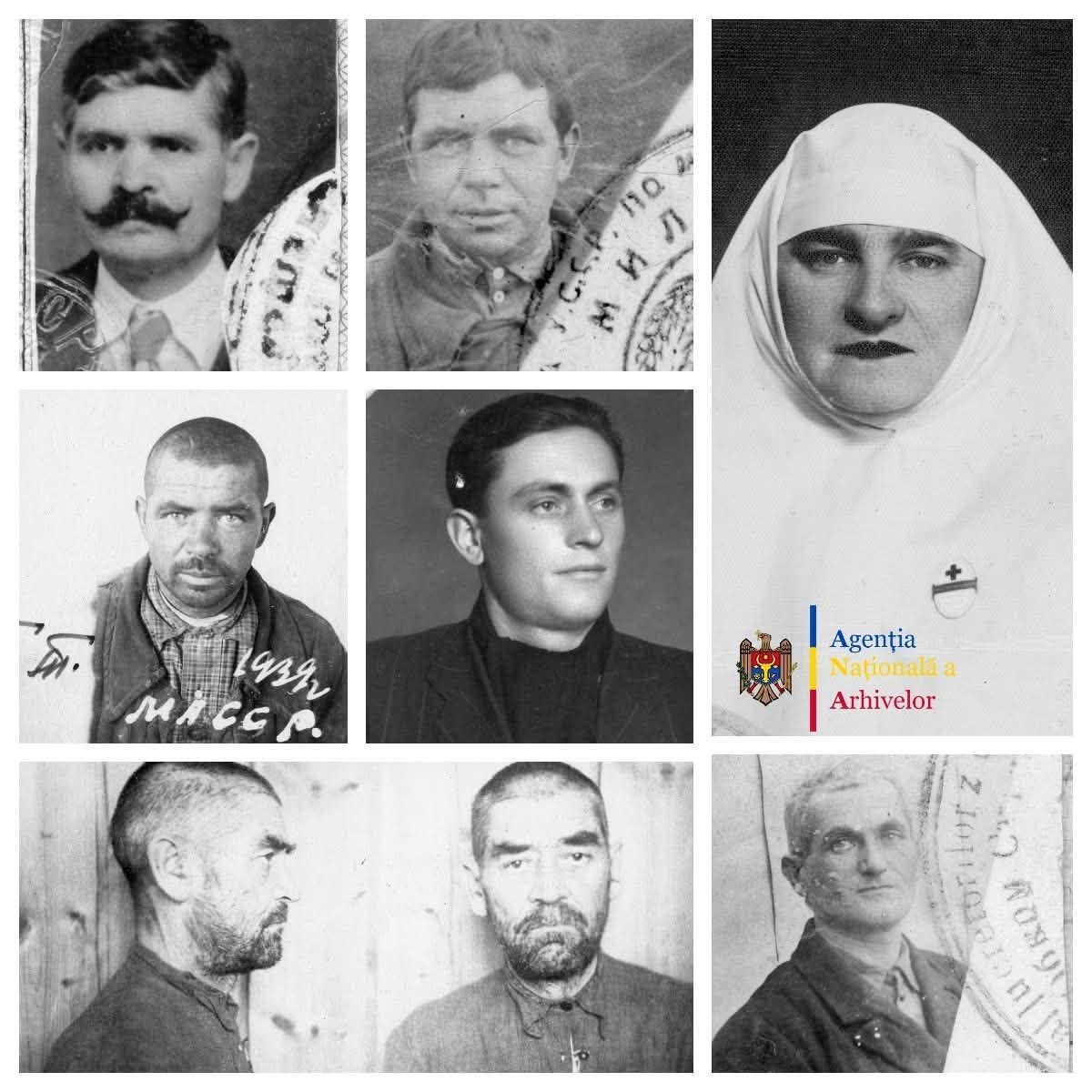
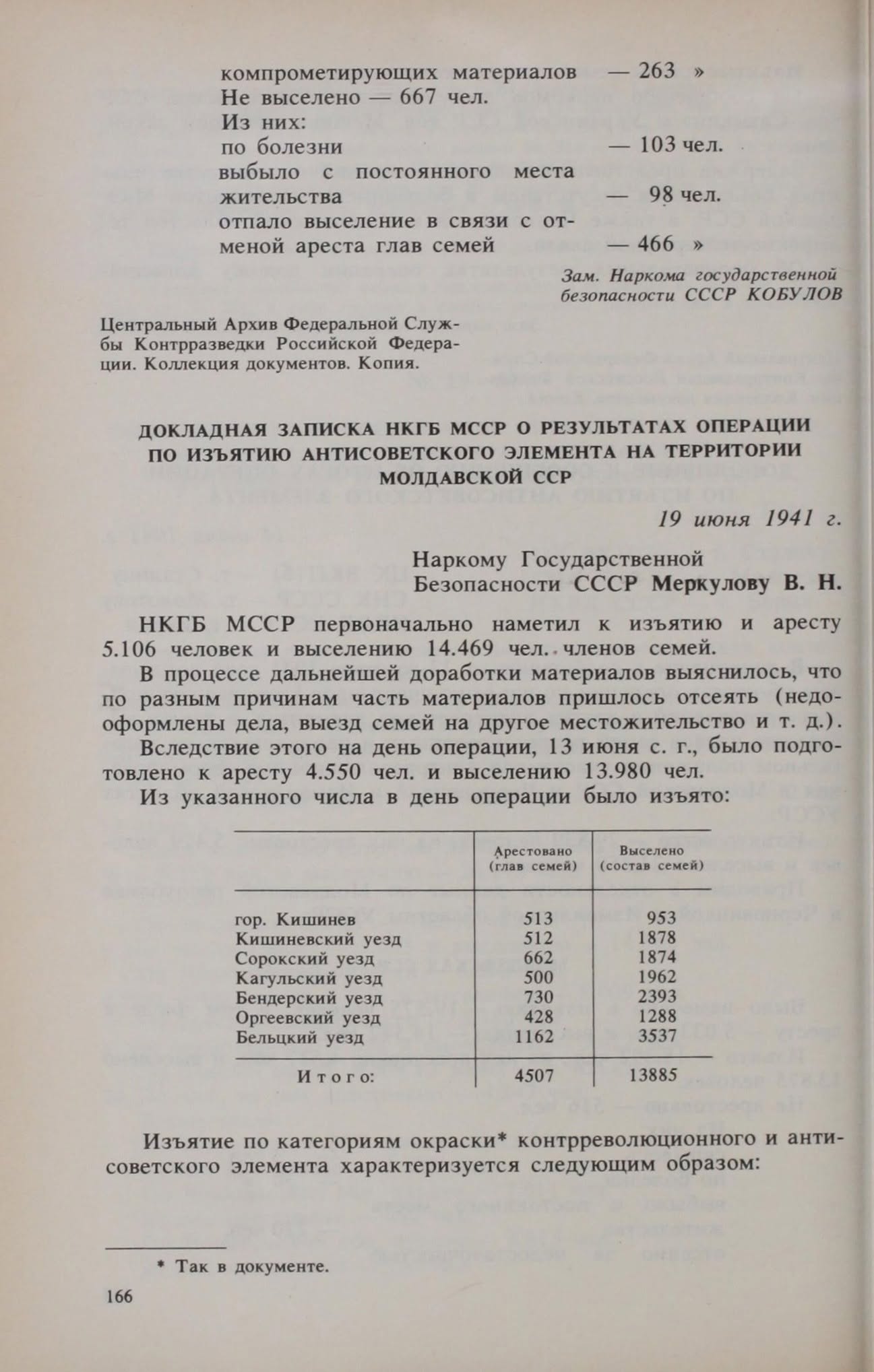
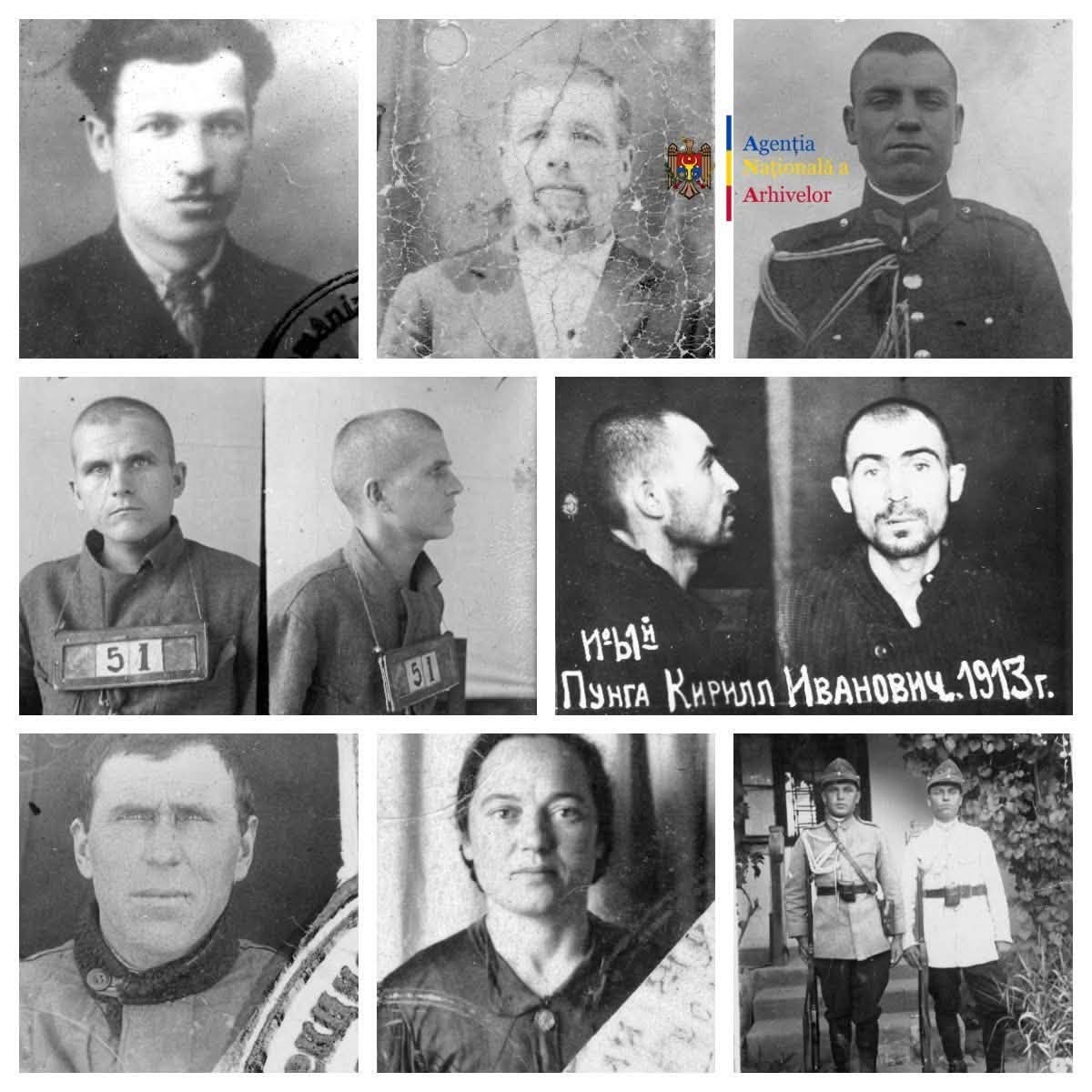
PHOTO GALLERY // Documents and testimonies about deportations and famine presented at exhibition “State Terror in Soviet Moldova: Scale, Victims and Perpetrators
Prime Minister: Memory of deported obliges us to build society in which such tragedies never again possible
Exhibition “State Terror in Soviet Moldova: Scale, Victims and Perpetrators” inaugurated in Great National Assembly Square
Head of State’s message on 85 years since deportations
Investment opportunities and economic reforms presented at Moldova – Benelux Forum
DOC // Official public competition opened for position of TRM director general
Ambassador of Moldova to China: Cooperation with Guangdong Province can open new economic and investment opportunities
Victims of Stalinist deportations commemorated in Chișinău
Moldova becomes member of WorldSkills Europe: European vocational training standards, experience exchange
About 790 mayoralties involved in voluntary amalgamation process in Moldova
Heavy showers forecast all over Moldova; National Crisis Management Center orders measures to prevent flooding
ARMENPRESS: Armenia to send humanitarian aid to Lebanon via Türkiye
Moldova to have additional tools to combat cybercrime
Moldovan PM says government advocates for strong economy
Construction works at Vulcanesti Electrical Substation completed – substation ready for energization
Moldova, Bulgaria to hold economic forum for new partnerships, investments in next autumn
Receive the latest news directly to your email

Receive the latest news directly to your email