
MOLDOVA IS ME // Story of Moldovan woman who survived deportation
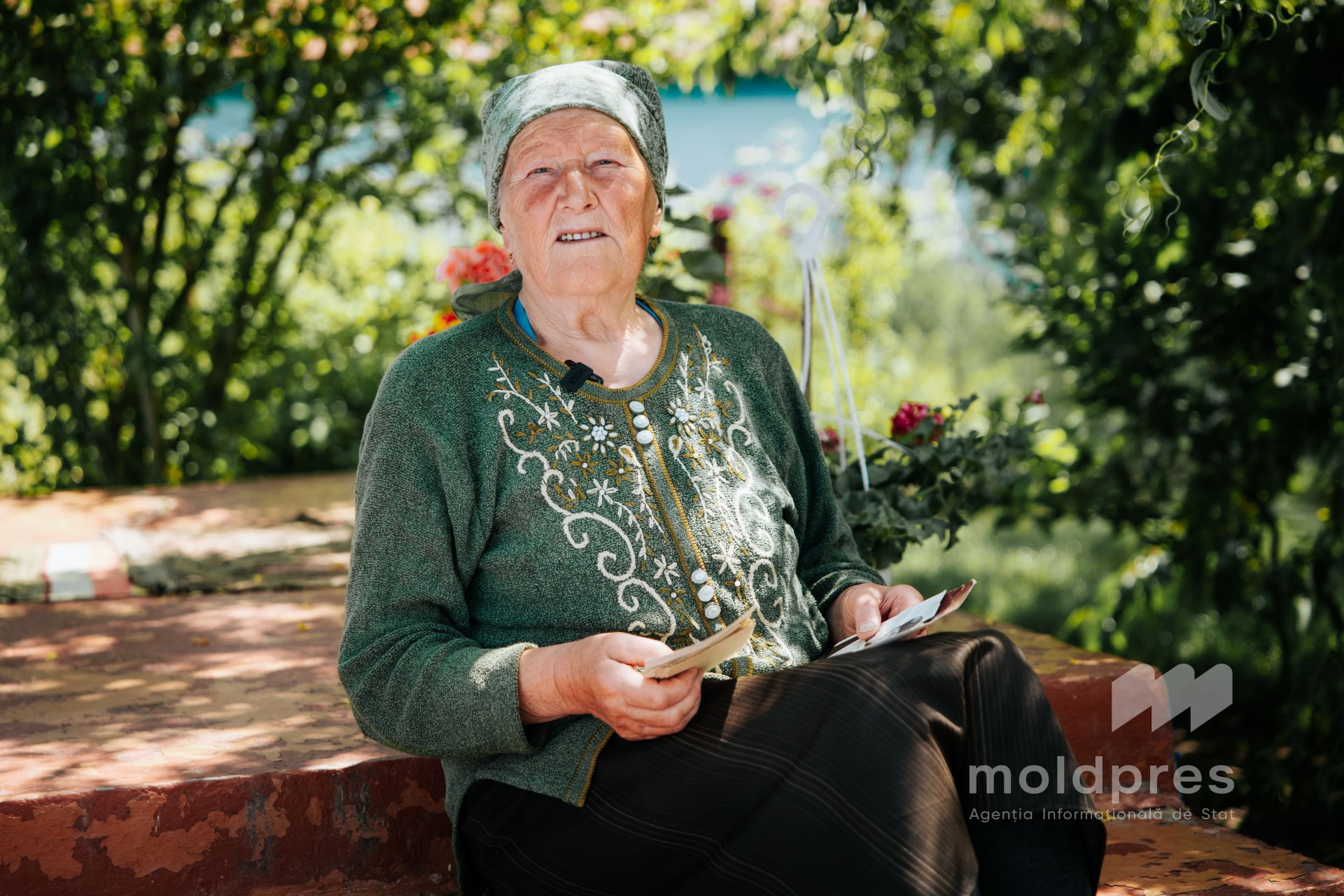
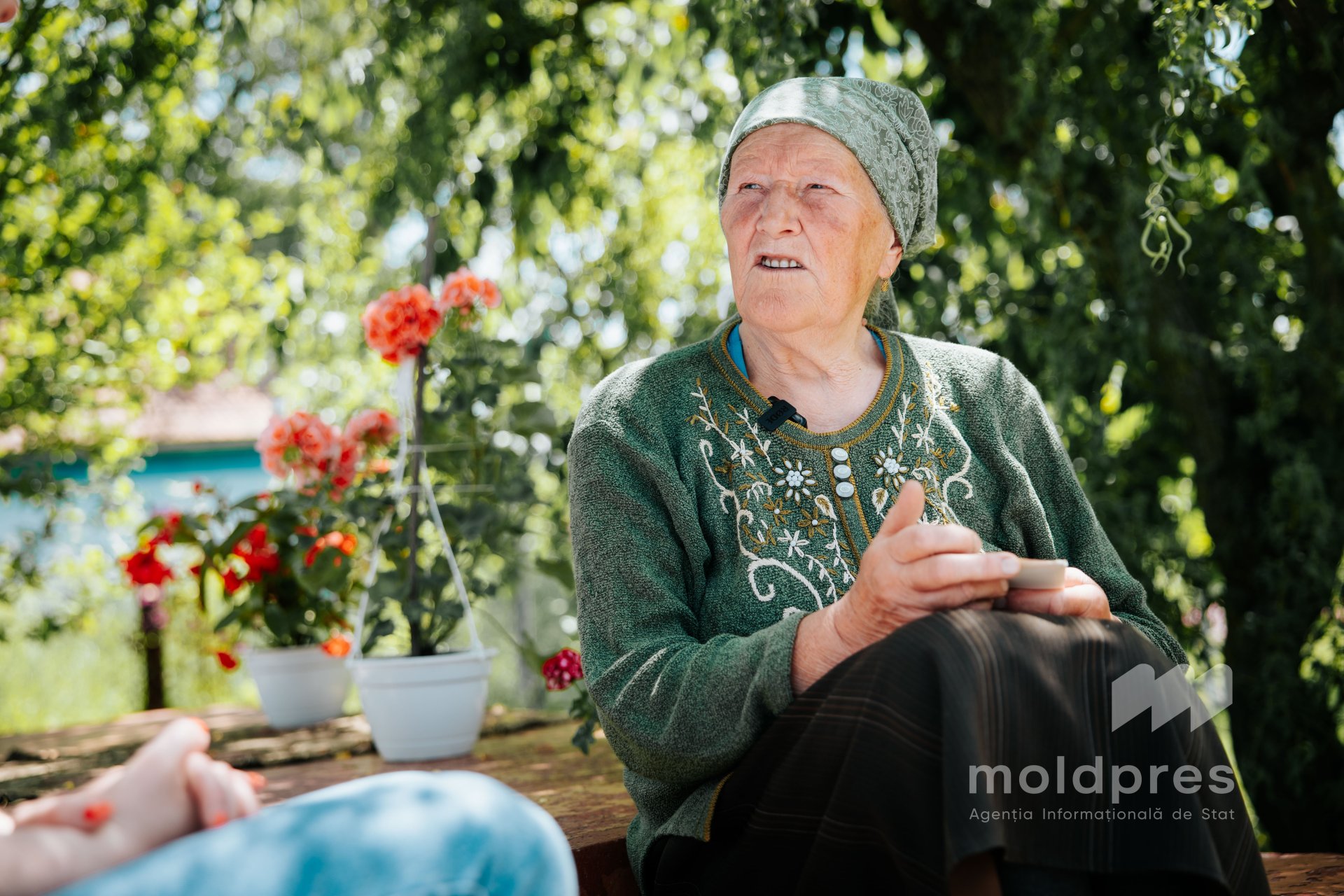
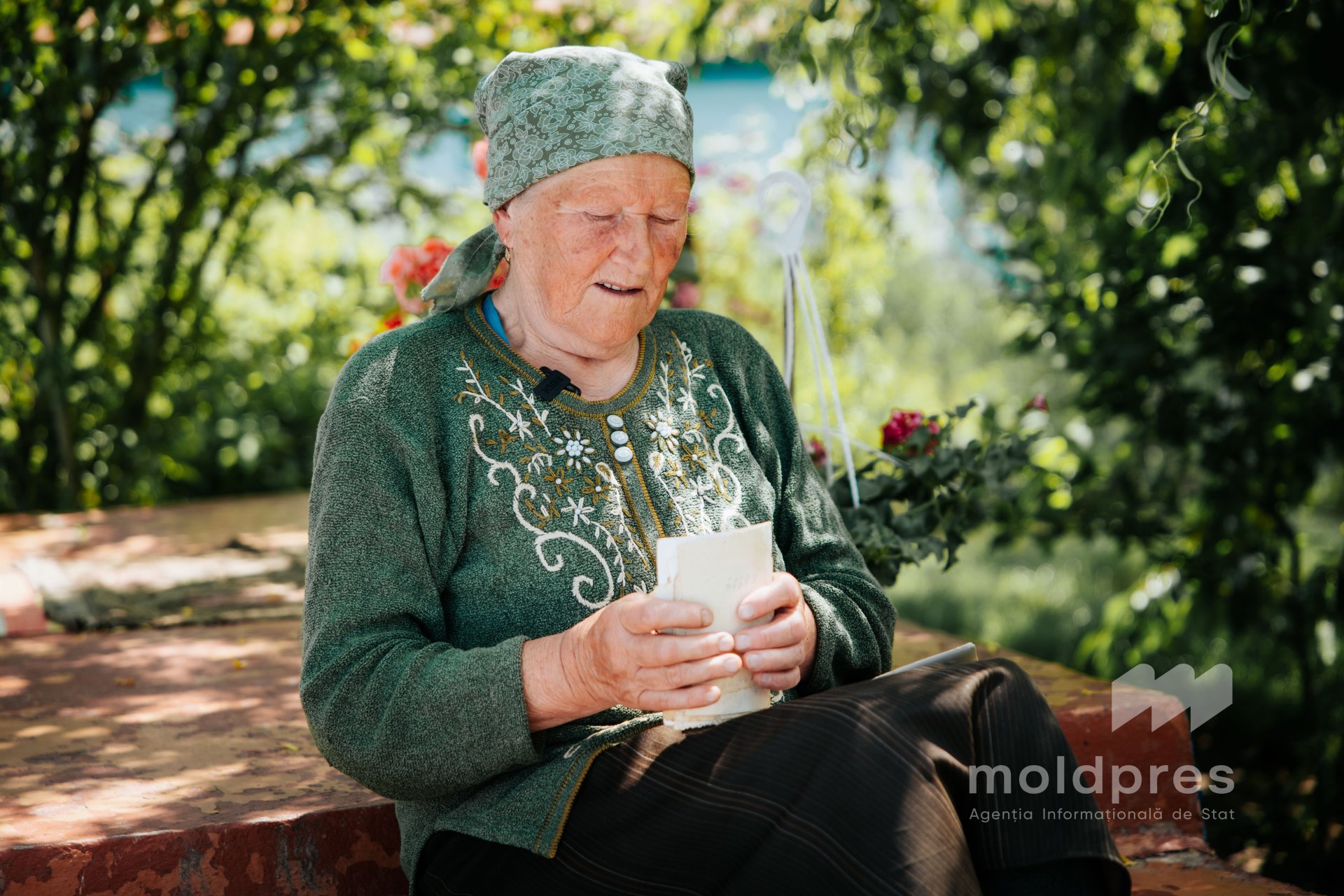
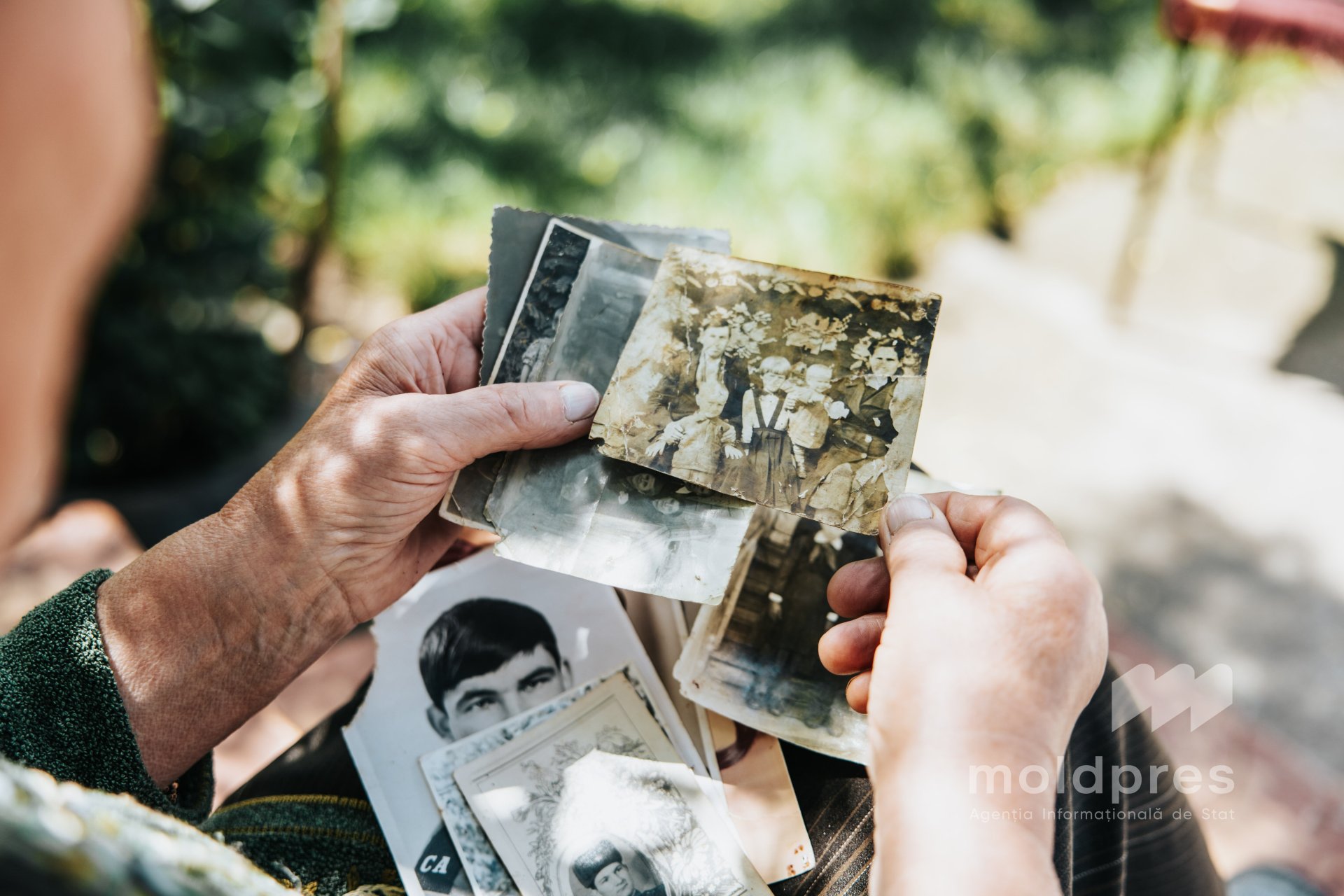
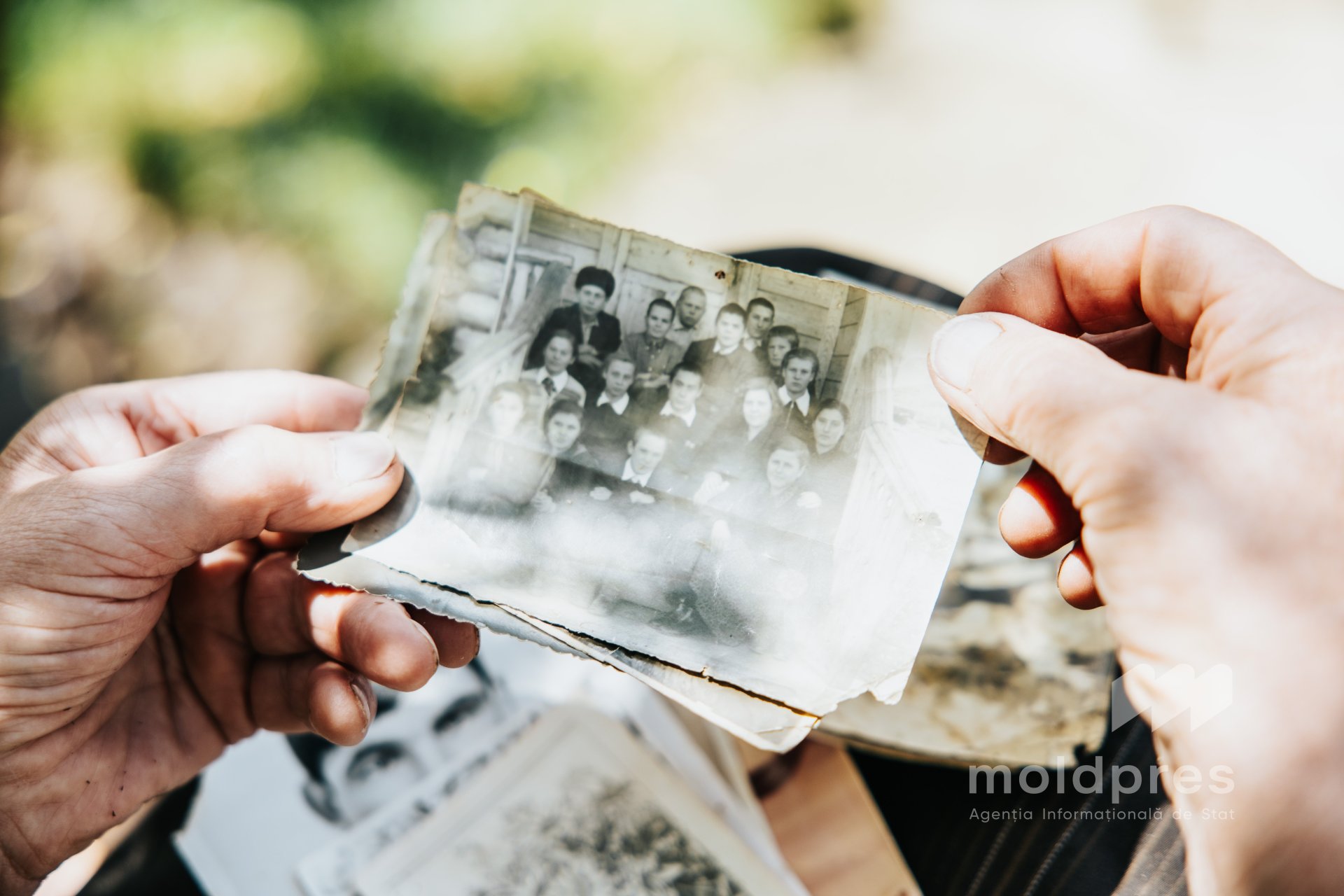
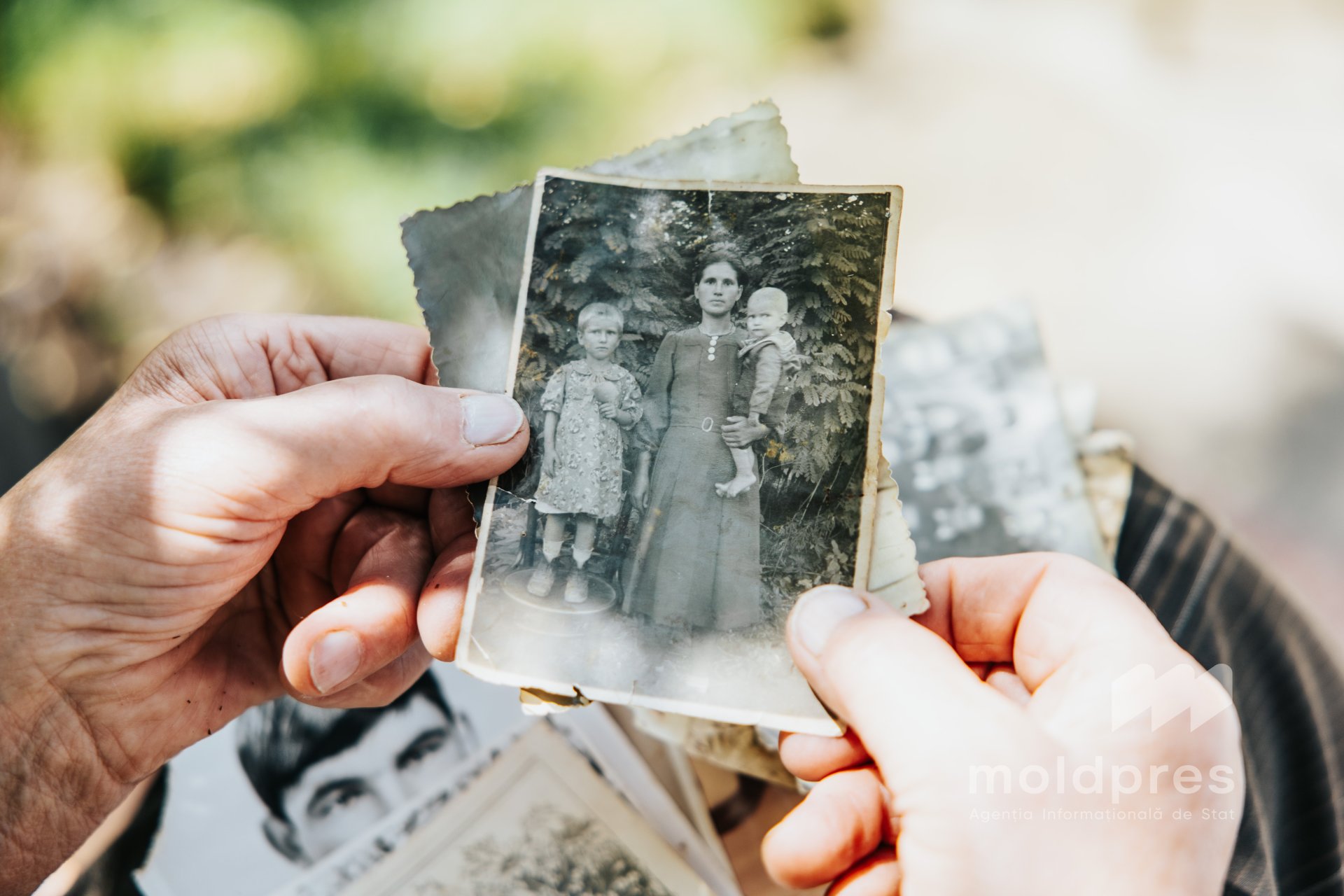
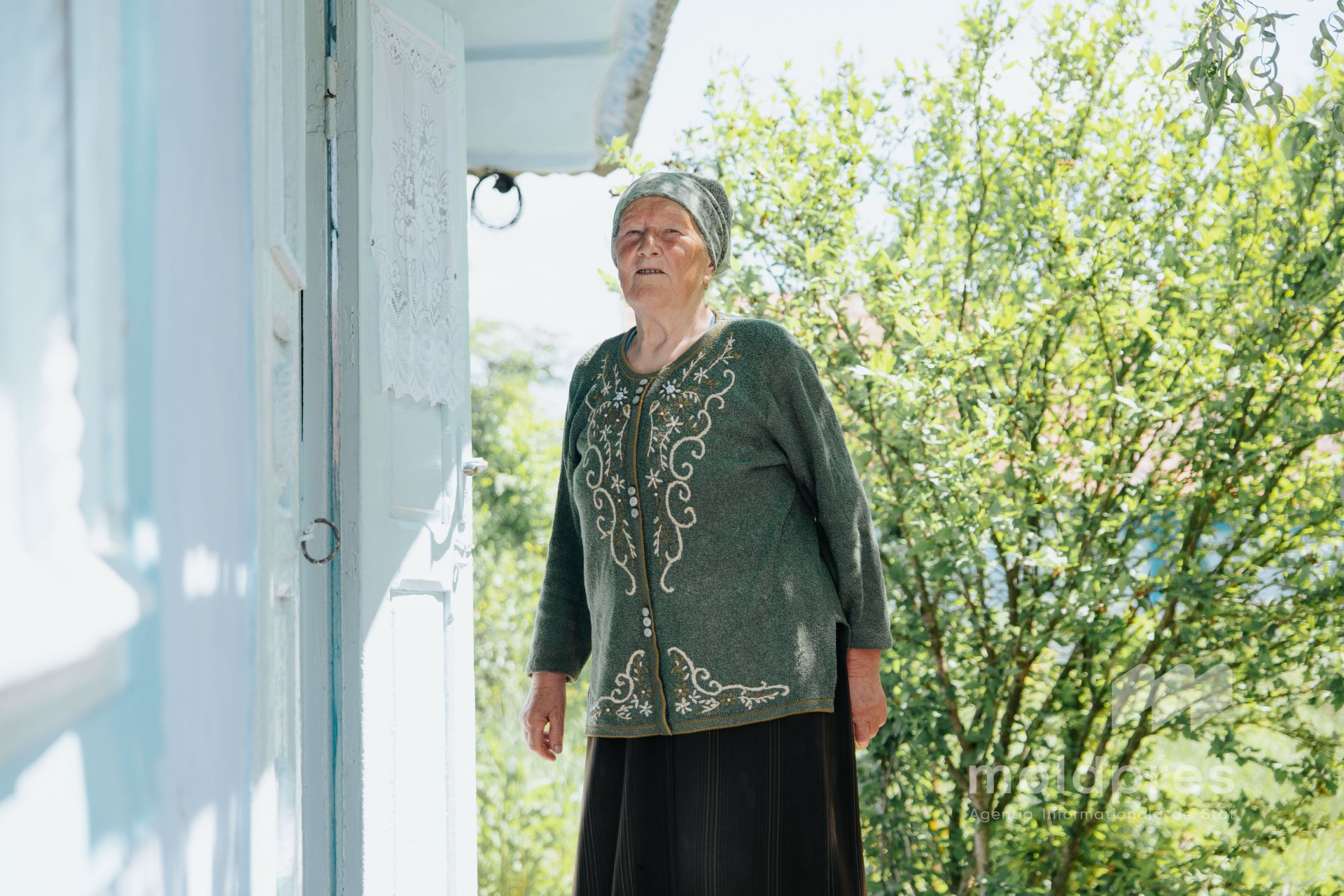
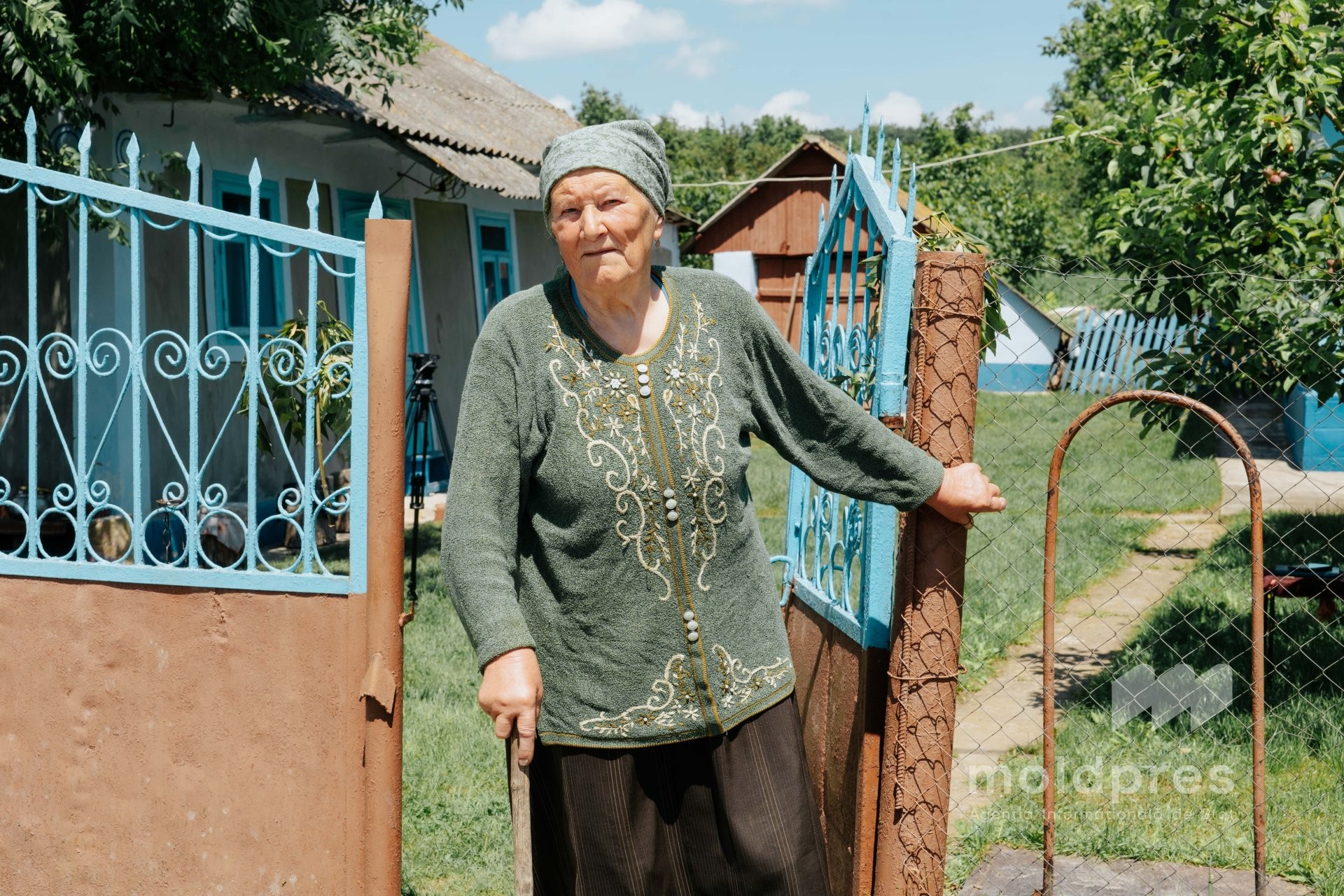
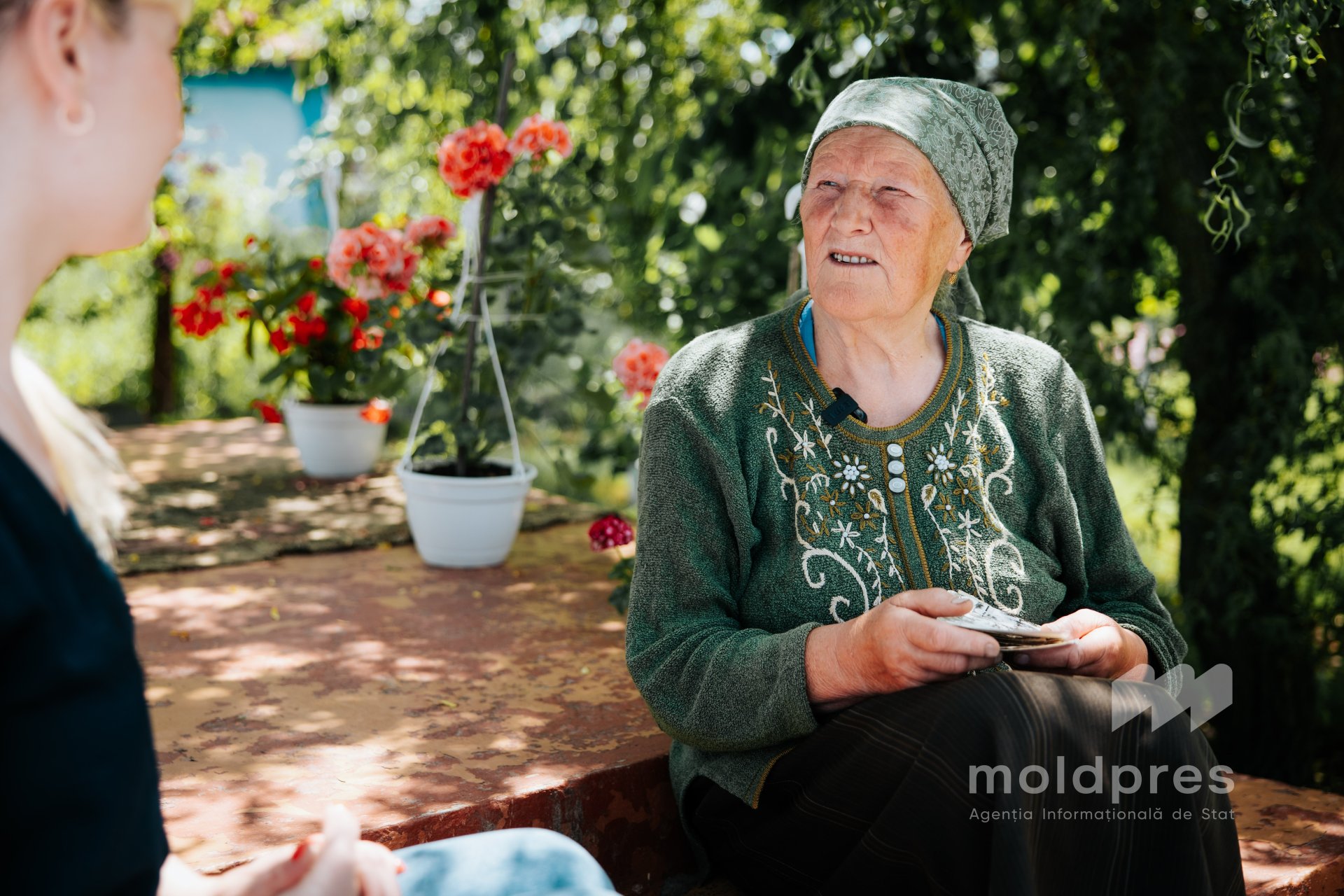
Tecla Cemirtan from the village of Cobilea, northern Soldanesti district, at 84 years of age, carries in her soul the memories of a childhood marked by deportation. She was deported at the age of seven together with her large family, being the eldest of ten children. Life placed on her shoulders responsibilities that few children could have borne. She helped her brothers and sisters grow up, supported them in important moments of their lives – when they returned from the army, at their weddings, when they founded their own families. But as the years passed, she now accompanies on their final journey the siblings with whom she shared suffering, hope, and the longing for home. Her story is about memory, family, dignity and the strength to move forward.

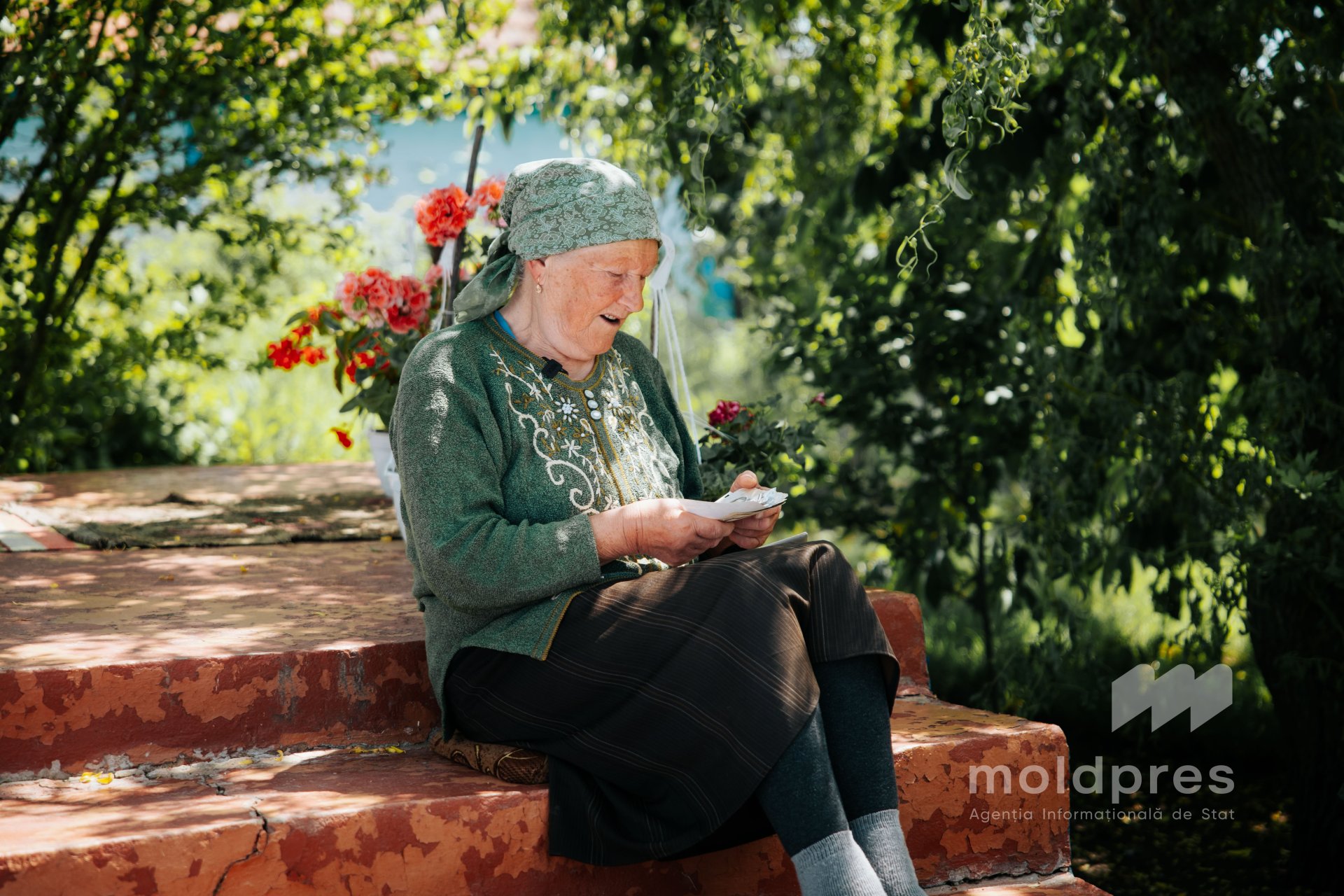
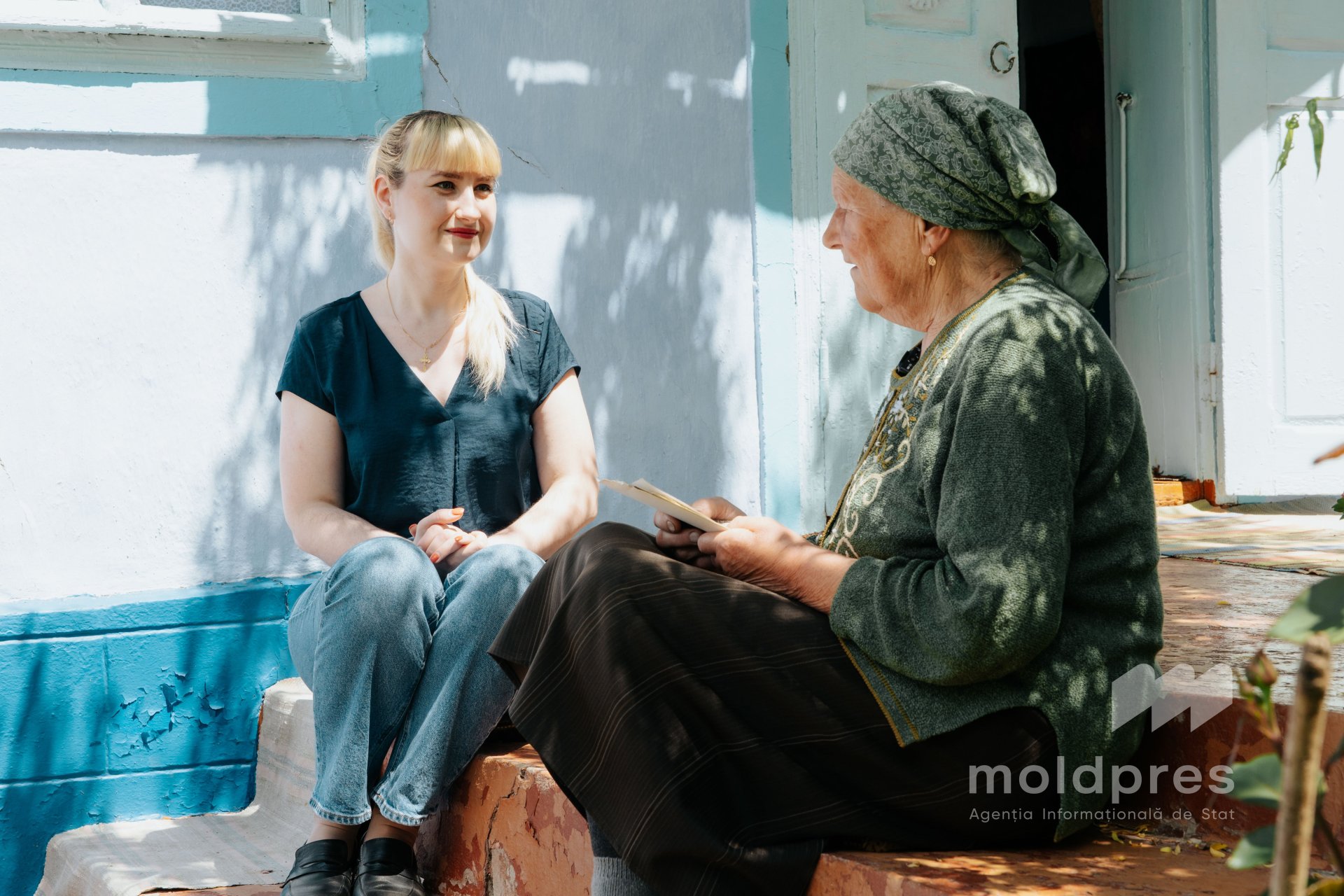
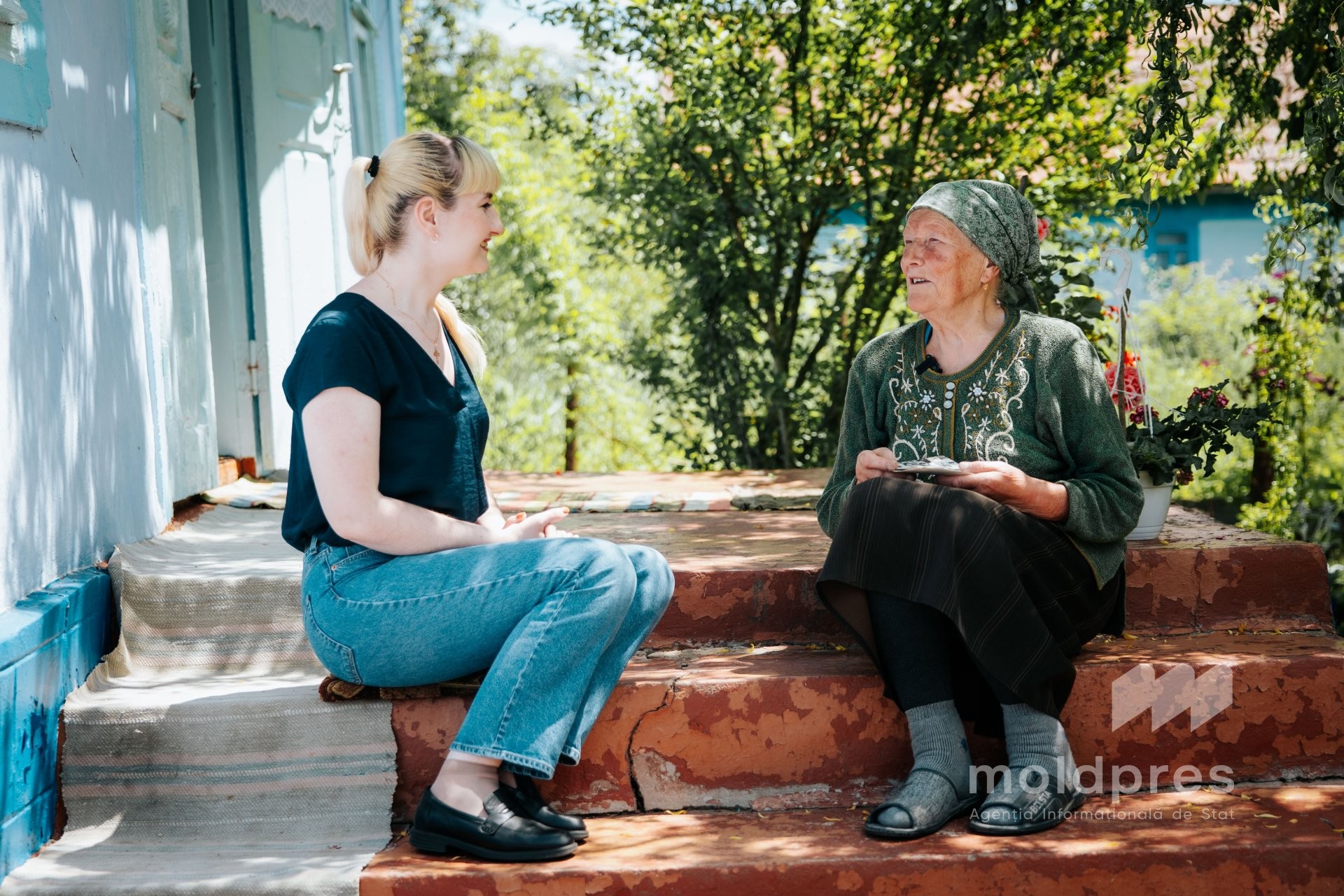
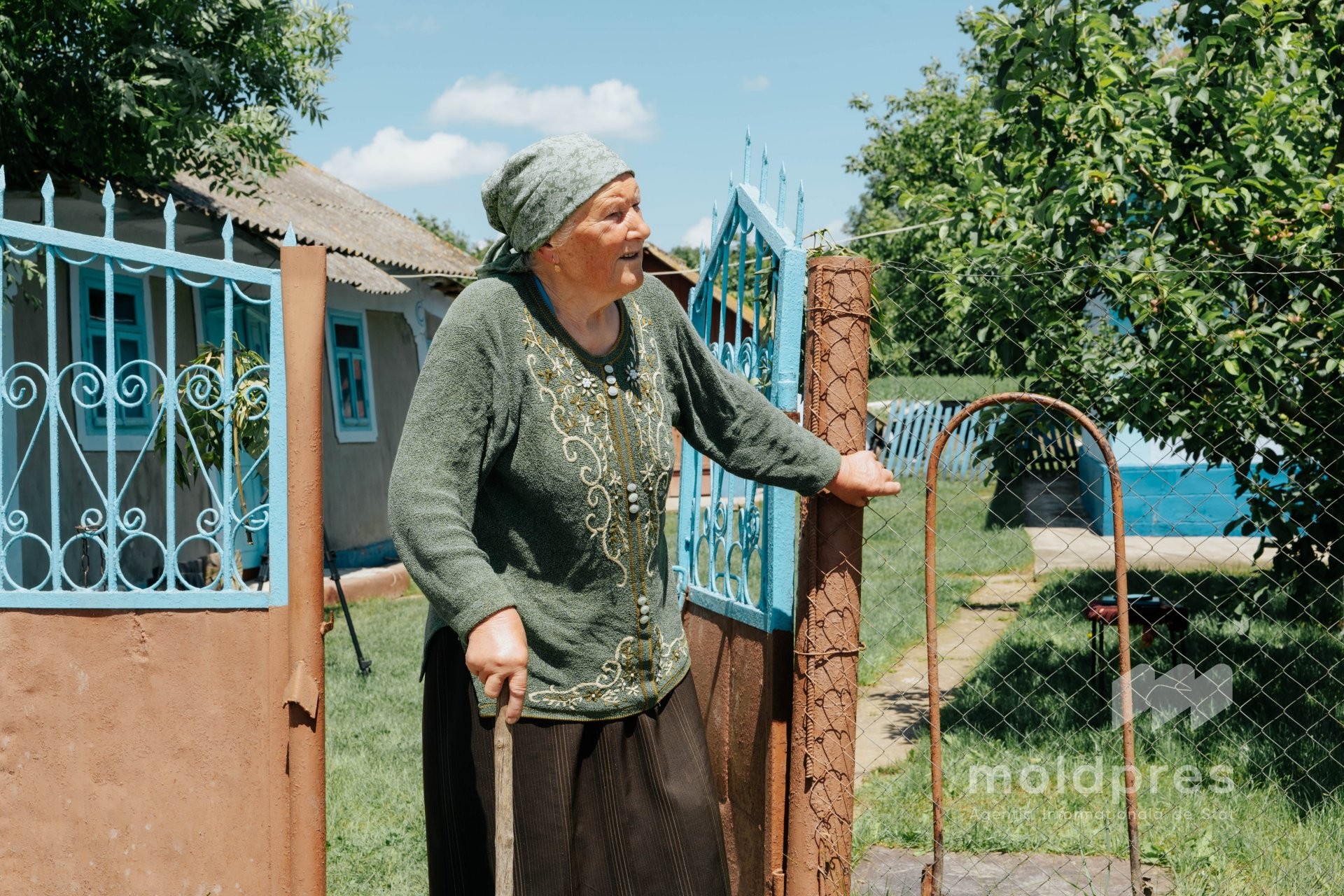
We found Tecla Cemirtan on the porch of her house, looking toward the road that passes in front of her yard. In her eyes, almost a century of history has gathered, and in her soul – a whole life of trials – marked by famine, deportation, cold, poverty and tears.

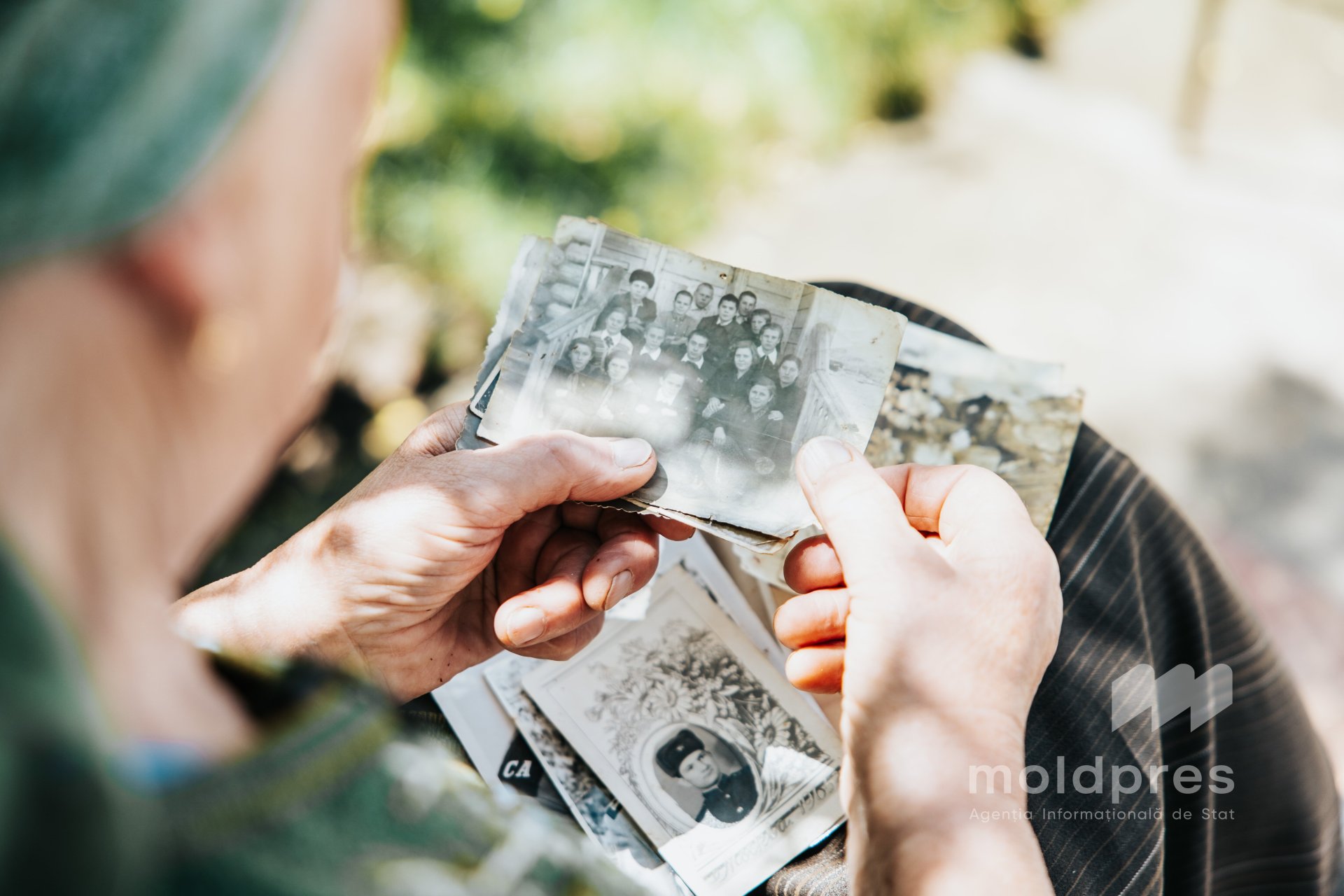
These days she rarely speaks about her pain. But when she begins to tell her story, each memory seems to be lived again. Until the age of seven, Tecla Cemirtan had a nice childhood, a close-knit family, on a large homestead with land worked through hard labor, parents and grandparents respected in the village.

“Until the deportation, I had a very nice childhood. Our parents took care of us, people visited each other, they talked and helped one another. In our house, food was never missing; through hard work we had everything, we lacked nothing, and daily life was supported by faith in God. We were happy without knowing the hardships that awaited us,” the woman recalls.

The night that tore a childhood apart

Everything changed abruptly. It was after midnight when the trucks entered the village. Soldiers began knocking on doors and dragging people out of their homes.

“It was cherry season. I hid behind a shed. I was a child and I got scared. Grandma was milking the cow. I still remember how she gave me a mug of warm milk. A soldier grabbed me and took me straight into the truck. After that we left,” the woman said.

The family did not know where they were going or why they were leaving, or whether they would ever return home. Dozens of families were crammed into the rail cars. Some had been taken straight from the dinner table, others even from their own wedding. Tecla Cemirtan still remembers a groom who was seized and taken away in his wedding suit. Afterwards, they traveled by train for two weeks toward the unknown.

“In the rail car there was nothing. No straw, no beds. There was a bucket of water and a hook. There was no food. But you didn’t feel hungry; you didn’t feel hunger from so much pain. I remember that my father’s brother sent us some cherries hidden in a hat,” she says.

Life in exile

After a long journey, the family reached the Kurgan region of Siberia. Another struggle began there – the struggle for survival. The house where they were lodged was almost destroyed, and a soldier lived with them, keeping them under surveillance.

The woman’s father worked cutting wood, her mother making bricks. The children grew up among forests and desolate places.

“We had to survive. In two weeks, we learned to speak Russian. At first, we knew only a few words, but out of necessity we learned them all. Father worked in the forest, and we went with him. There, from a young age, I learned to chop wood. The first year was the hardest; there was famine. We stood in line from the evening for a few slices of bread,” recalls Tecla Cemirtan.

But of all the memories, one has remained in her heart – the first Easter spent in deportation.

“An old woman found an egg and dyed it red. I don’t know with what. That egg passed from hand to hand through the whole village. That’s how we knew it was Easter. No one had anything, but people wanted to feel that it was a holiday,” the woman says, overwhelmed by emotion.

The parents’ tears

In deportation, the children learned to read pain in their parents’ silence. The mother cried almost every day. The father hid his tears, but the children saw them.

“Rare was the day when one of them did not cry. We didn’t dare ask. We saw that they were suffering, but we were too small to fully understand,” she adds.

No one explained to them why they had been deported or told them when they would return. The only thing that kept them alive was hope.

“Mother always told us that one day we would return home. We lived with that thought. If we hadn’t had that hope, I think it would have been much harder. Later, we moved to live in another locality. We began to write letters to Grandma; she sent us dried plums. Mother told us that where we were born there were many tasty fruits,” notes Tecla Cemirtan.

Returning home

After years of exile, the family received permission to return. The road home was long and difficult. Deep snow, trains, waiting. The moment when they saw their native land again was special and unforgettable.

“When the village came into view, my brother said to me: ‘Tecla, see? This is Moldova!’ For him, Cobilea was the whole of Moldova. I never forgot those words,” the woman remembers.

At home, however, the house they had left behind was not waiting for them. Their dwelling was damaged and used by the kolkhoz to store grain. They had nowhere to live. Relatives took them in, one after another, and the family started from scratch again.

As the eldest daughter, Tecla became the support of the entire family. She walked kilometers to get bread, stood in long queues, worked the fields, sold produce in markets, raised her younger siblings and later her own children. After many efforts, the family managed to get their house back.

When she married, she started from the beginning once more, in a life full of the hardships of those times.

“When I gave birth to my first child, we had almost nothing. With the money from the wedding, we bought a sack of flour, so that we would have something to raise the child with. I went to work and came back through the forest to nurse him. That’s how those times were,” the woman emphasizes.

Together with her husband, Tecla Cemirtan built the house in which she still lives today.

“We worked enormously hard for this house. Only God knows how difficult it was. When I moved in here, it rained through the roof. But I brought the icon, the dowry chest and the children. I have lived here, and from here I’m not going anywhere,” she says.

The lesson of a generation

After eight decades of life and all the hardships she has gone through, Tecla Cemirtan speaks about people, about respect and about peace.

“Only faith in God helped me move forward. Young people must know how hard it was for us. Sometimes, we do not value what we have. Freedom and peace are not things that come by themselves. They must be preserved and defended. I always tell my children and grandchildren to respect and help each other. A person must remain human,” she says.

Today, when she sees images of the war in Ukraine, her eyes fill with tears again.

When I see what is happening, I cry. May God spare everyone from war. I know what it means to be torn from your home and not know if you will ever return there,” says Tecla Cemirtan.

After hard and tumultuous years, the greatest wish of the woman who survived deportation is for there to be peace.

“Peace is the most important thing in the world. If there is peace, a person can live, can work and can raise children. Without peace, nothing else matters,” the woman notes.

The story of Tecla Cemirtan is not just the history of one woman. It is the history of a generation that was torn from home, yet did not lose its faith, dignity and strength to move forward.

Today marks 85 years since the first wave of Stalinist deportations, which took place on the night of 12 to 13 June 1941, a tragedy of huge proportions for the population of Bessarabia and Northern Bukovina. The operation was organized by the Soviet authorities in the context of the policy of purging “anti-Soviet elements” and led to the forced deportation of more than 30,000 people, including 5,000 children, to Siberia and Kazakhstan.

On 6 July 1949 the second and largest wave of Stalinist deportations from Moldova took place, when more than 35,000 people, mostly women and children, were sent to the most remote regions of the former Soviet Union.

The last mass deportation of the Bessarabian population took place on the night of 31 March to 1 April 1951 and targeted members of religious organizations considered a potential threat to the regime. At that time, more than 720 families, approximately 2,600 people, were deported.
 Facebook
 Instagram
 X/Twitter
 Telegram
Around 180 families affected by floods in recent weeks received humanitarian aid
CIS Agreement on Interstate Humanitarian Fund denounced
DOC // Citizens of the Republic of Moldova working in Slovakia to be eligible for pensions
Modern equipment for pupils from central Moldova settlement, through project supported by World Bank
Moldovan PM conveys message to border police on 34th anniversary of institution's foundation
MOLDOVA IS ME // From Denmark, through China, back home; story of Moldovan woman who opened in Chisinau first restaurant with Japanese Omakase concept
Moldova withdraws from cultural agreement signed within Commonwealth of Independent States
USMF "Nicolae Testemițanu" to hold oath-taking ceremony for doctors and pharmacists
VIDEO // Civil Society Gala held in Chișinău
First European Forum of Environmental Human Rights Defenders held in Strasbourg; Moldova’s experience presented by EcoContact
Over 250 rescuers from Europe to take part in MD–EU MODEX 2026 exercise organized in Moldova
VIDEO // Over 5 million lei seized following searches in fraud file in Moldova; five people detained
Sergiu Caraman remains head of Superior Council of Magistracy
VIDEO // Alexei Buzu: Government allocates 145 million lei for development of amalgamated localities in Călărași
Electricity prices not increasing in Moldova; National Energy Regulatory Agency makes clarifications
Moldova gets right to export Hatching eggs to Ukraine
New details about accident in Hungary: Moldova's Foreign Affairs Ministry says Moldovan, Romanian passports found at the scene
ARCHIVE Chronicle // Story of more than 1,000 Bessarabians saved from exile
MOLDOVA IS ME // Story of Moldovan woman who survived deportation
President on 85 years after first wave of Stalinist deportations: Commemorating deportations is about memory of past and the democratic future we are building together
Prime Minister: Memory of deported obliges us to build society in which such tragedies never again possible
 National Bank of Moldova
My Village – Our Town Hall: Over 790 city halls involved in voluntary amalgamation process
President on 85 years after first wave of Stalinist deportations: Commemorating deportations is about memory of past and the democratic future we are building together
Construction works at Vulcanesti Electrical Substation completed – substation ready for energization
DAR 1+3 Programme: 33 localities of Moldova to receive funding for development, infrastructure projects
Moldova's fiscal policy for 2027 – submitted for public consultation: simpler, more competitive, easier-to-administer tax system

Prime Minister: Memory of deported obliges us to build society in which such tragedies never again possible
Exhibition “State Terror in Soviet Moldova: Scale, Victims and Perpetrators” inaugurated in Great National Assembly Square
Head of State’s message on 85 years since deportations
Investment opportunities and economic reforms presented at Moldova – Benelux Forum
DOC // Official public competition opened for position of TRM director general
Ambassador of Moldova to China: Cooperation with Guangdong Province can open new economic and investment opportunities
Victims of Stalinist deportations commemorated in Chișinău
Moldova becomes member of WorldSkills Europe: European vocational training standards, experience exchange
About 790 mayoralties involved in voluntary amalgamation process in Moldova
Heavy showers forecast all over Moldova; National Crisis Management Center orders measures to prevent flooding
ARMENPRESS: Armenia to send humanitarian aid to Lebanon via Türkiye
Moldova to have additional tools to combat cybercrime
Moldovan PM says government advocates for strong economy
Construction works at Vulcanesti Electrical Substation completed – substation ready for energization
Moldova, Bulgaria to hold economic forum for new partnerships, investments in next autumn
DAR 1+3 Programme: 33 localities of Moldova to receive funding for development, infrastructure projects
Receive the latest news directly to your email

Receive the latest news directly to your email