
MOLDPRES REPORT // Solar energy, batteries and electric transport: green technologies developed in China that could be of interest to Moldova
In eastern China, in the provinces of Jiangsu and Zhejiang, the energy transition is no longer just a concept discussed in government strategies or development plans. It can be seen directly in factories, industrial parks and research centers where electric vehicles, energy storage systems and state-of-the-art photovoltaic technologies are produced.

As part of a documentation program for the international press, the special MOLDPRES envoy visited several Chinese companies active in sectors considered essential for the green economy: production of urban electric transport, development of smart charging and energy storage infrastructure, as well as new photovoltaic technologies.

The visits offered an overview of how China is trying to respond simultaneously to energy challenges, emission reduction targets and the rapid growth in electricity demand.

Cities of the future and electric mobility

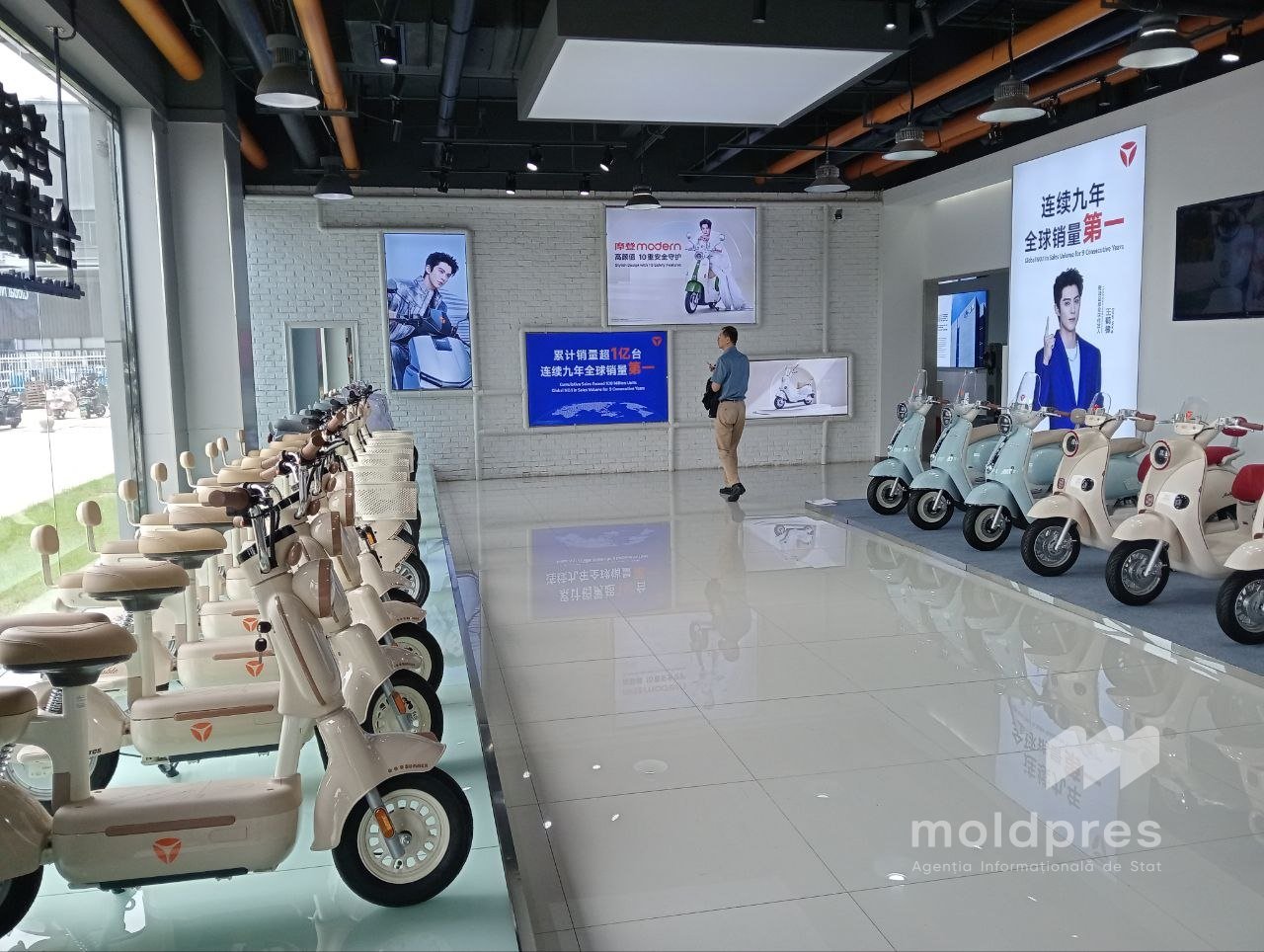
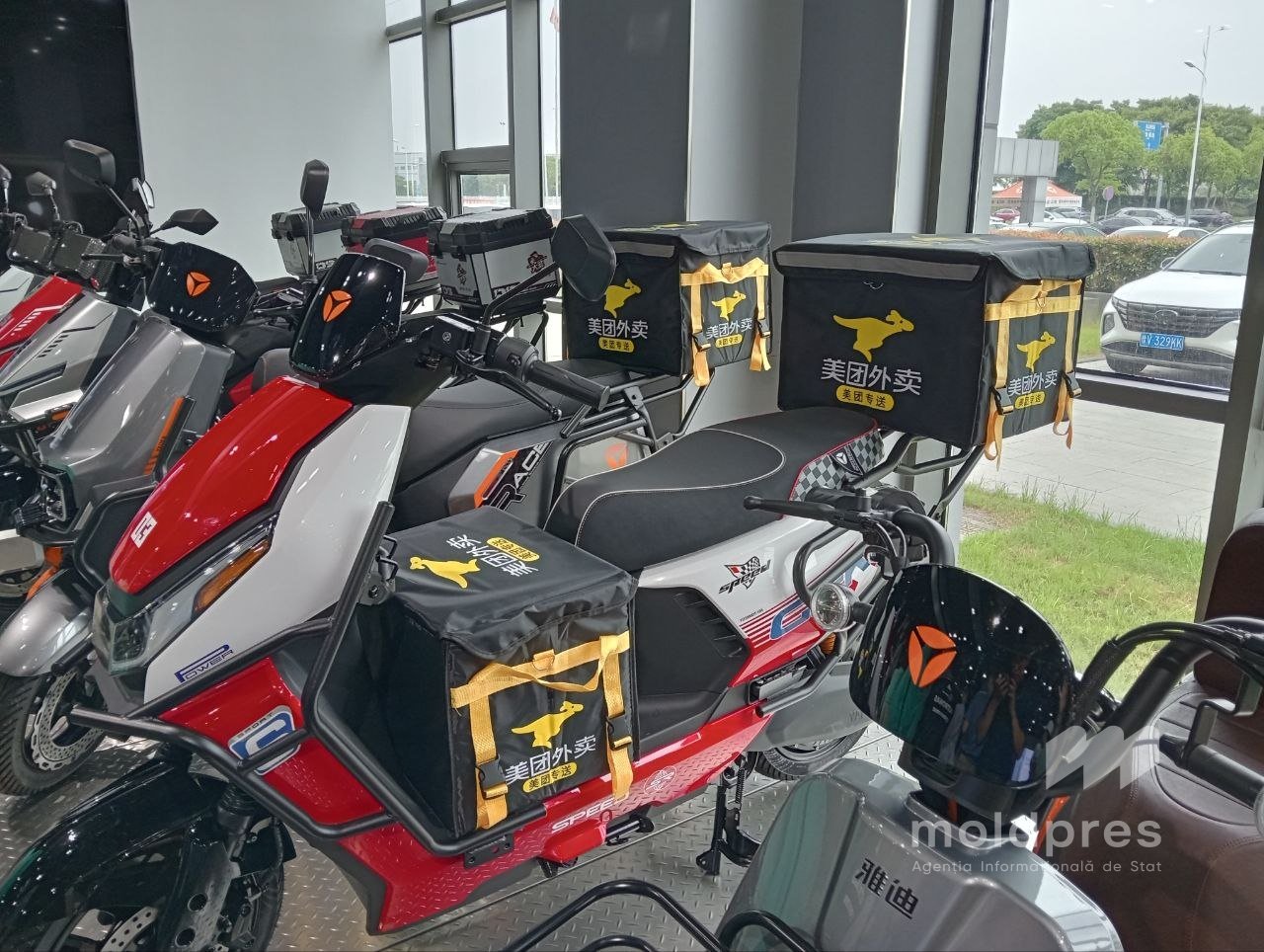
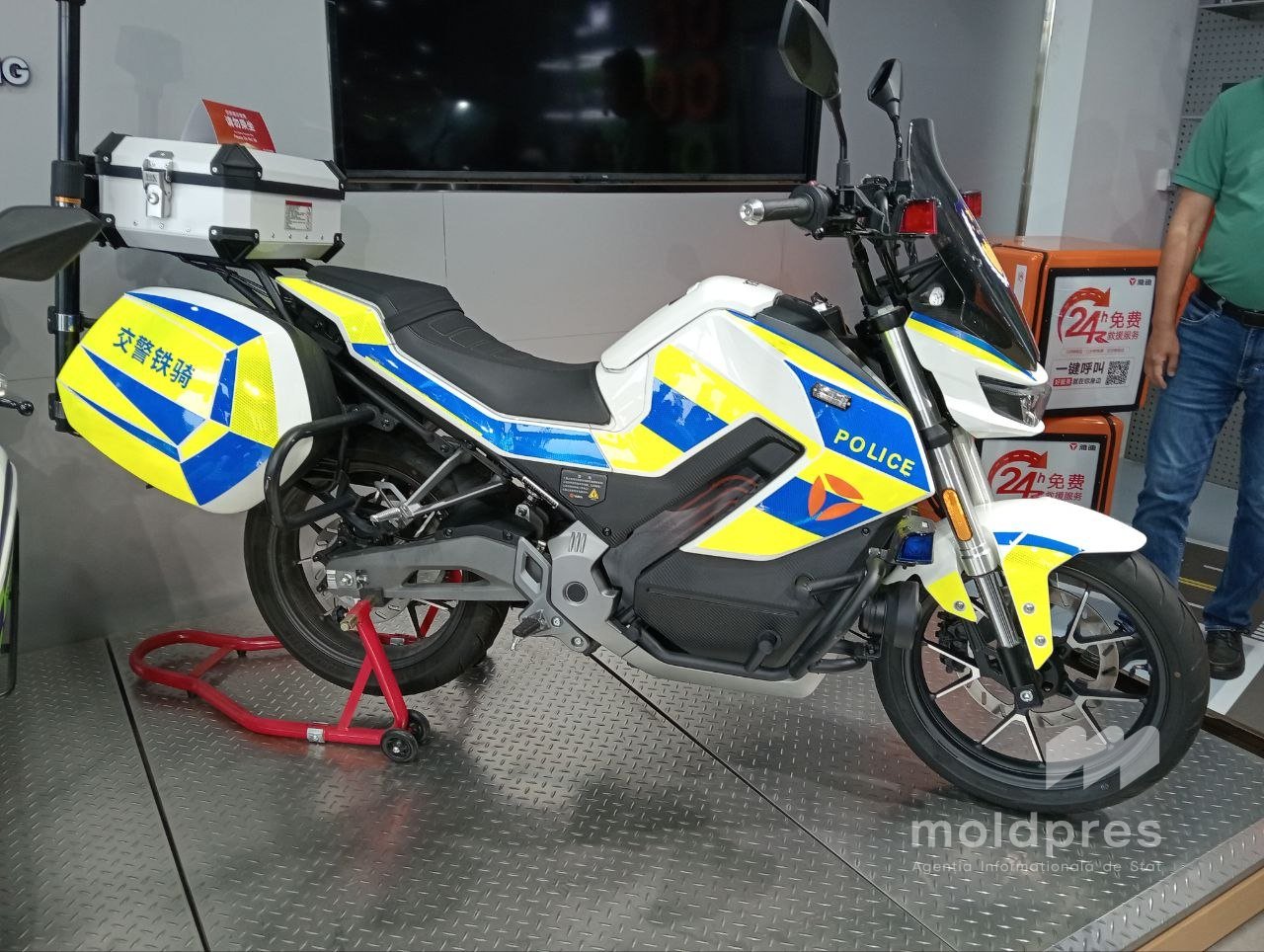
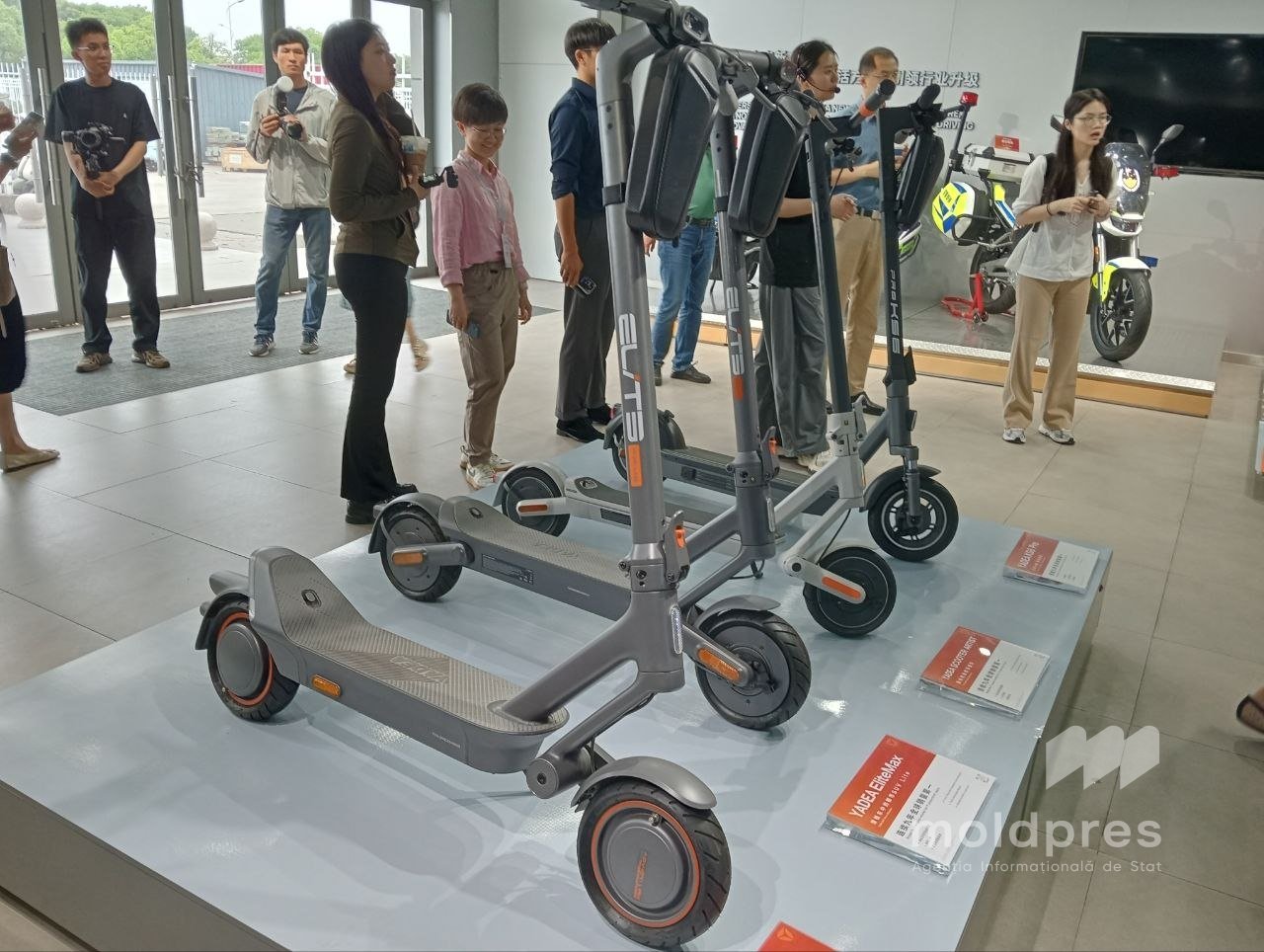
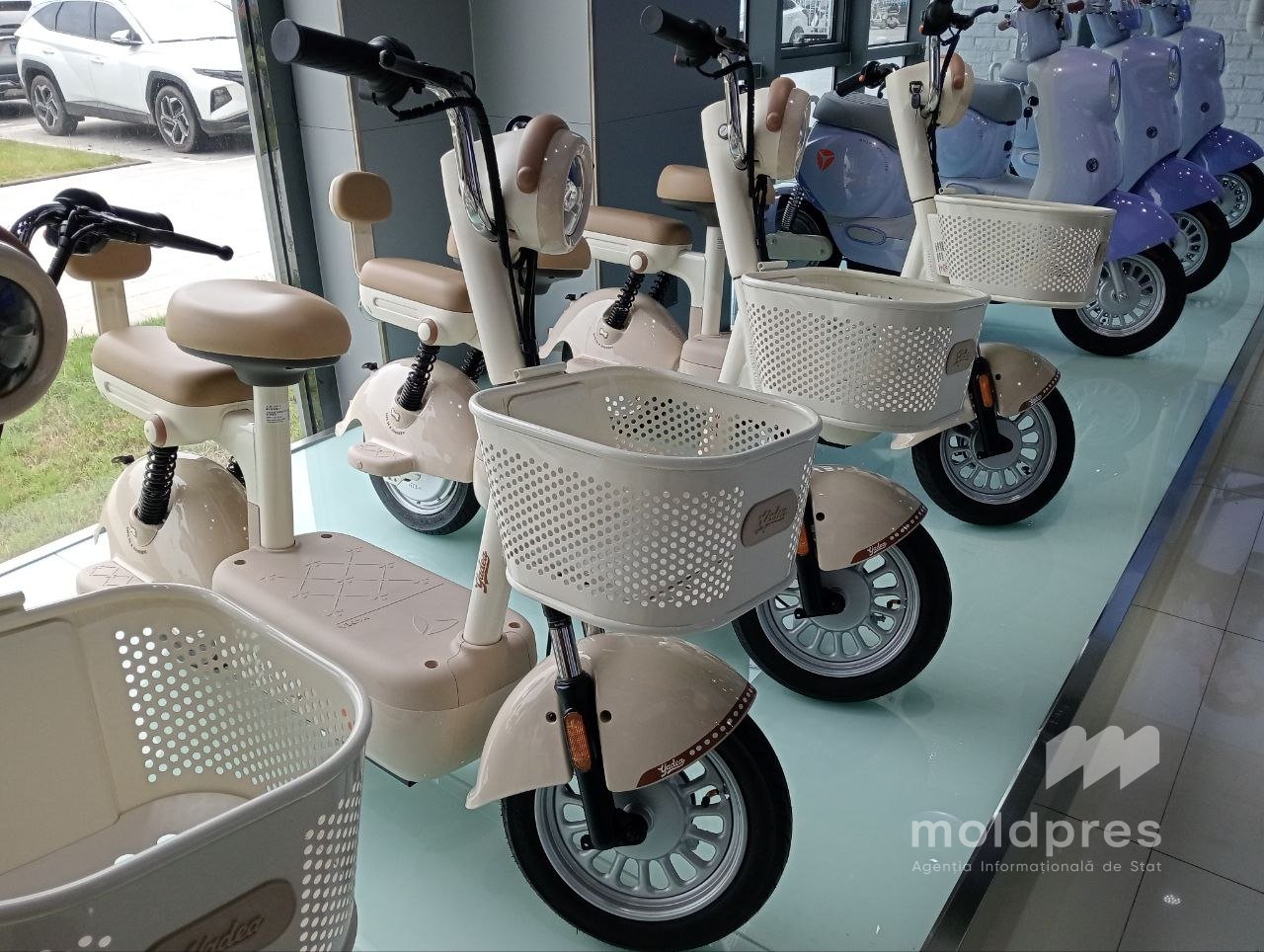
The first stop was at the headquarters and industrial base of Yadea Technology Group Co., Ltd., located in the city of Wuxi, one of the most important industrial centers in Jiangsu Province.

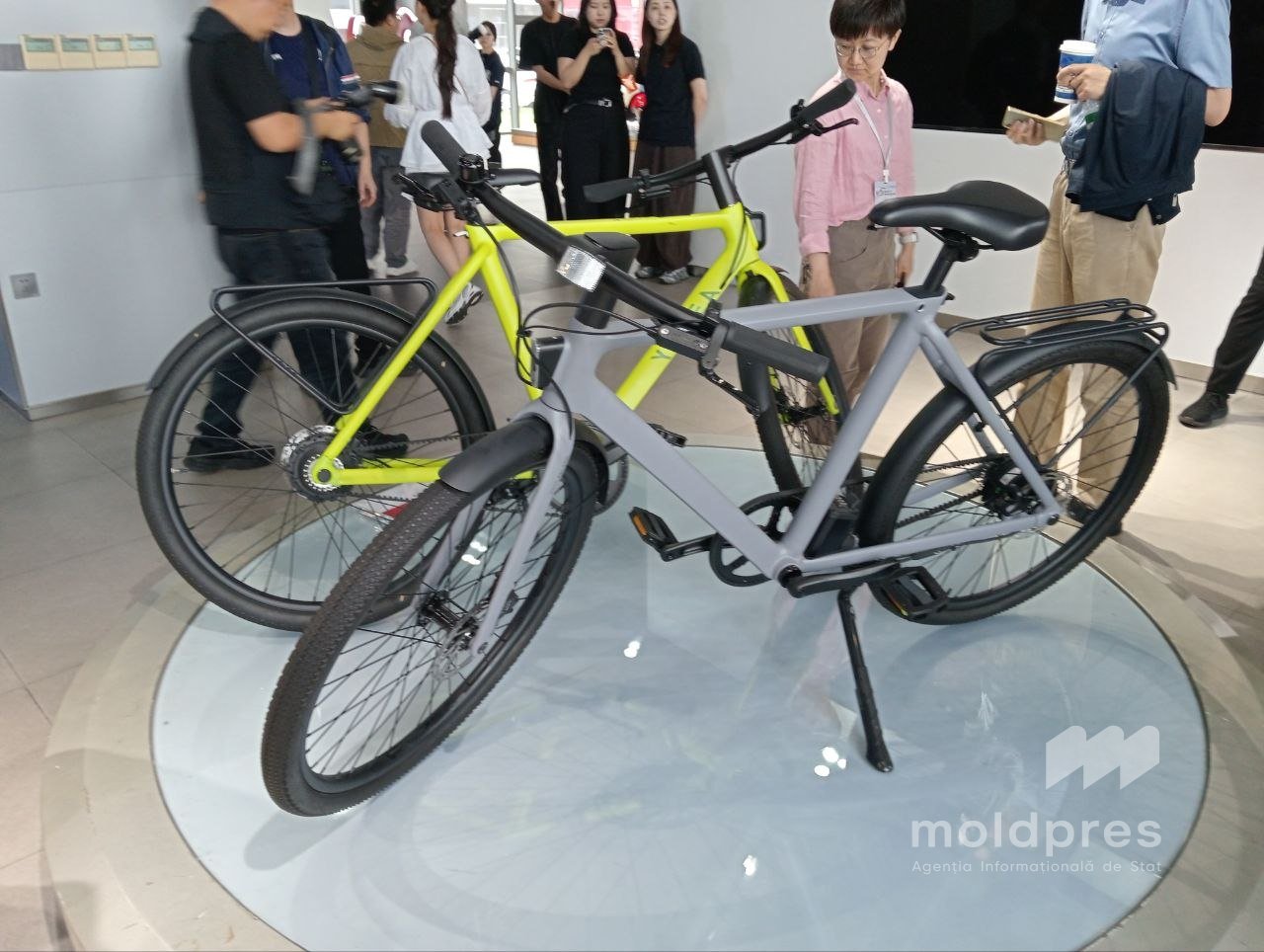
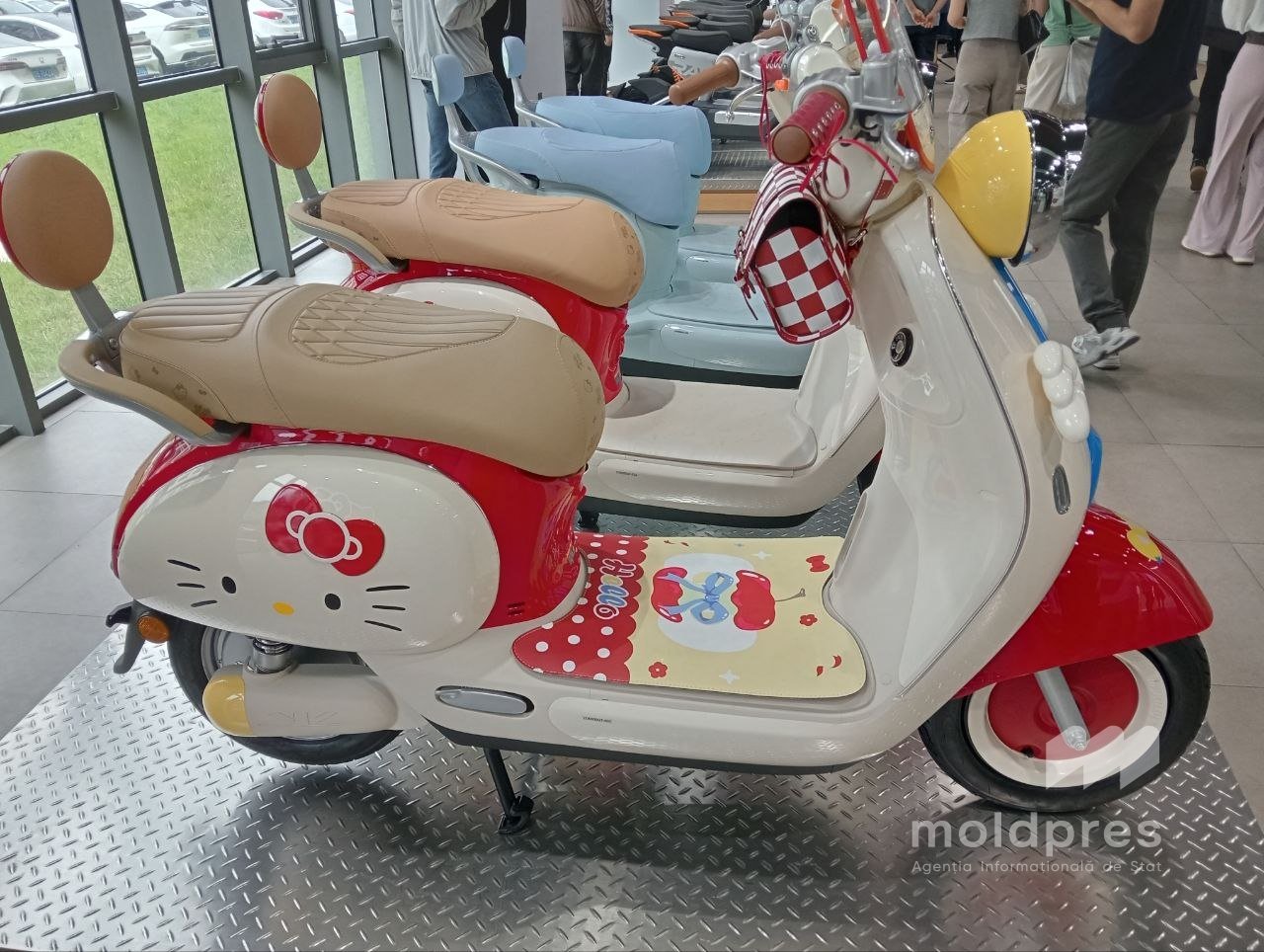
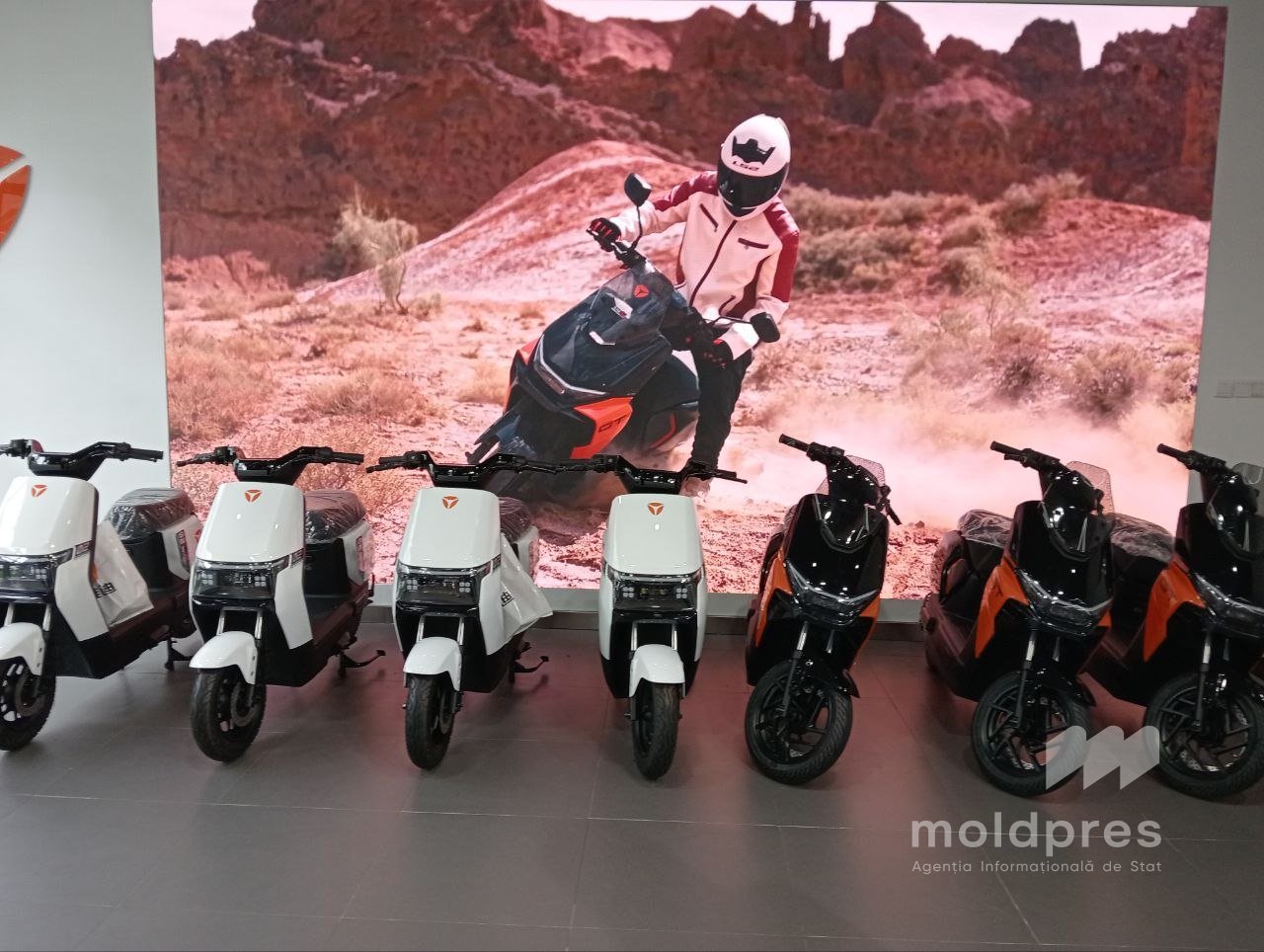
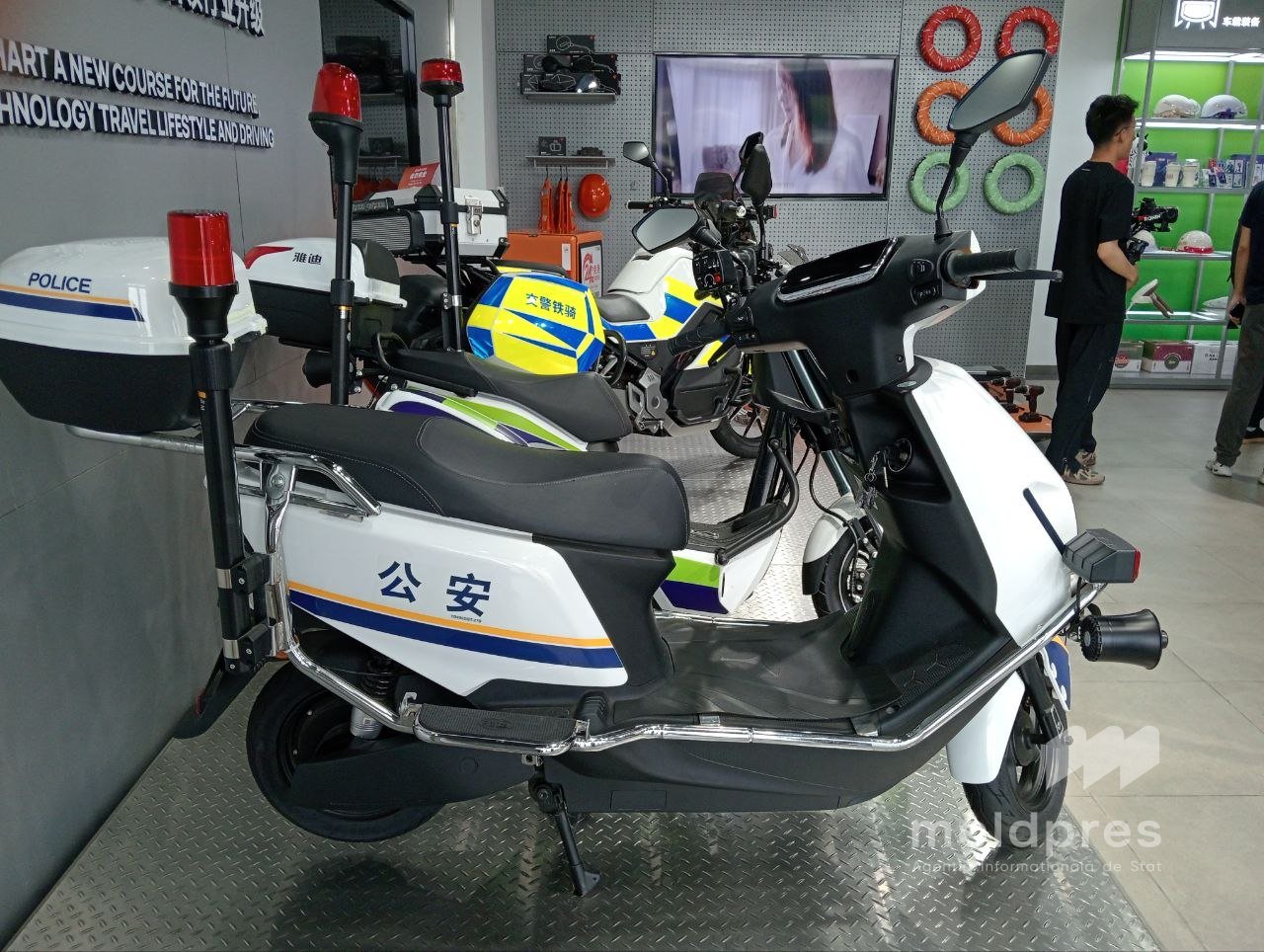
The company is considered one of the world’s largest manufacturers of two- and three-wheeled electric vehicles, including scooters, motorcycles, bicycles and electric scooters.

In the production halls, the process is largely automated. Industrial robots perform welding, assembly and technical inspection operations, while IT systems monitor energy consumption and production flows.

According to company representatives, Yadea currently operates ten industrial bases and research centers, and its products are sold in more than 100 countries and regions.

“Urban electric mobility is no longer an option reserved for certain markets. It is becoming a necessity for cities that want to reduce pollution and transport costs,” company representatives told journalists.

They argue that one of the main advantages of electric vehicles is their low operating cost.

“Maintenance costs are significantly lower compared to vehicles with internal combustion engines. In many countries, users choose electric vehicles not only for environmental reasons, but also for economic ones,” the company’s managers explained.

Yadea representatives say that the development of charging infrastructure helps accelerate the transition to electric transport.

“The cities of the future will use less fossil fuel and more electric transport. We are seeing a constant expansion of charging infrastructure and increasing interest from local administrations in micro-mobility solutions,” they noted.

Solutions for people with disabilities

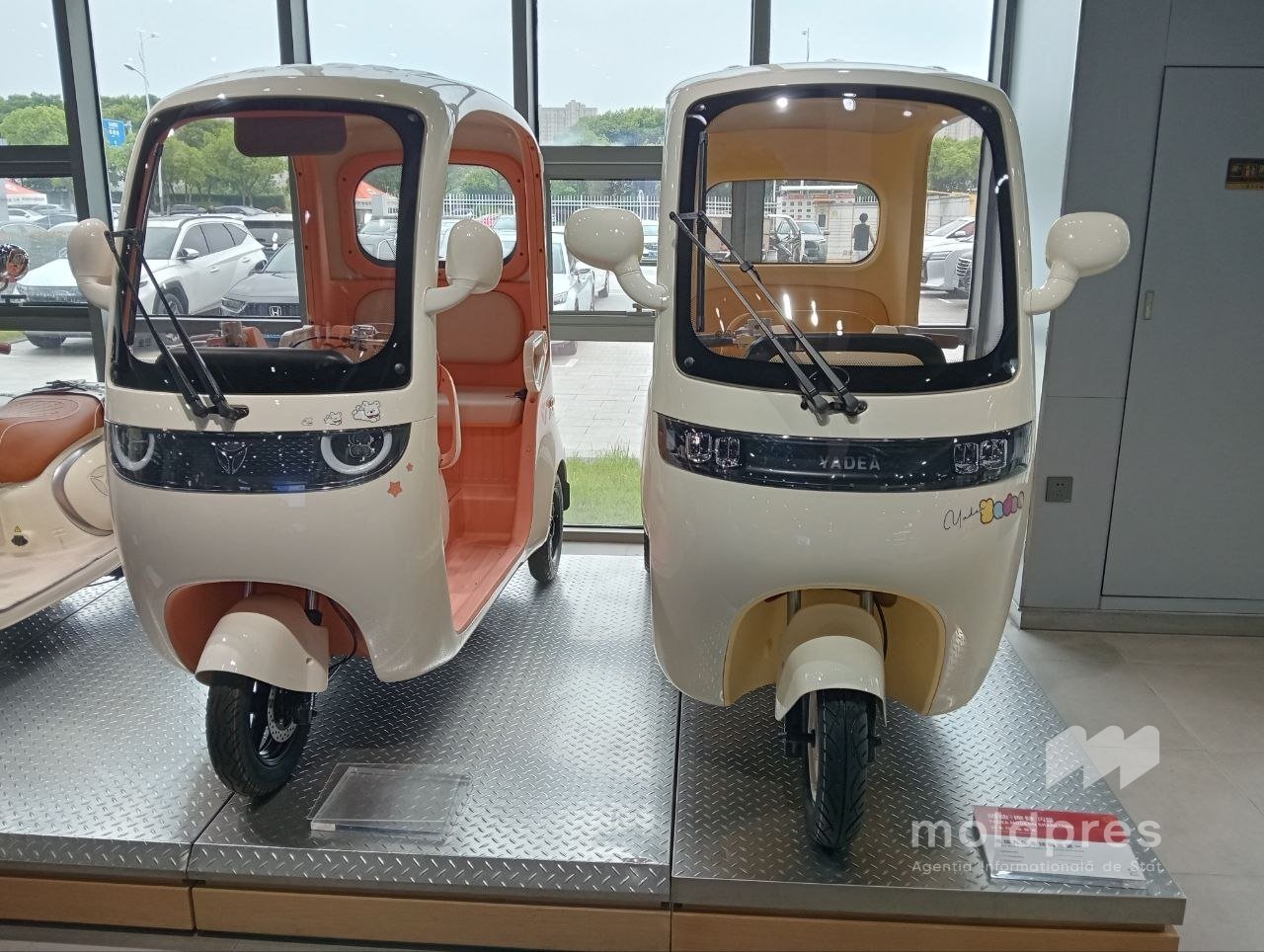
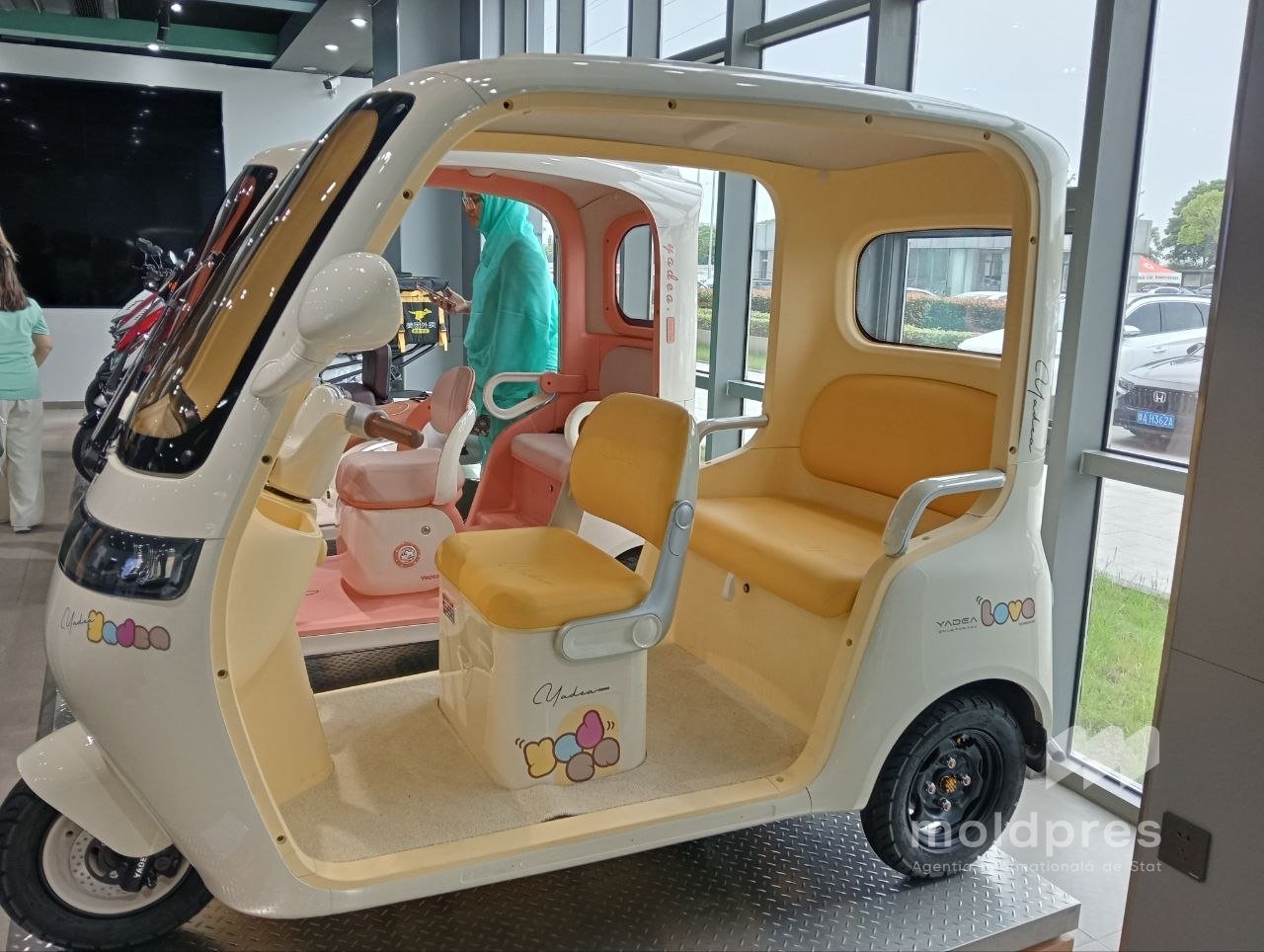
A lesser-known component of the company’s activity is the production of models adapted for people with locomotor disabilities.

Company officials presented journalists with several types of electric vehicles designed specifically for users with reduced mobility.

According to them, in certain regions of China such vehicles benefit from support and compensation programs from local authorities.

“For many people, access to such a means of transport means access to the labor market. There are users who carry out economic activities or provide services in their communities using these vehicles,” company representatives explained.

During the presentation it was also mentioned that such solutions are used even in rural areas, where public transport is limited.

What electric mobility could mean for the Republic of Moldova

At MOLDPRES’s request, Chinese specialists assessed that countries with relatively small size, such as the Republic of Moldova can adopt electric mobility systems faster than states with very extensive urban infrastructures.

“The advantage of smaller countries is that the necessary infrastructure can be developed over a shorter period and with lower investments. Urban networks for bicycles and electric scooters can become a complementary solution to public transport,” Yadea representatives said.

They believe that larger cities in Moldova could develop urban mobility systems based on light electric vehicles with relatively low operating costs.

Solar energy and electricity storage in a single system

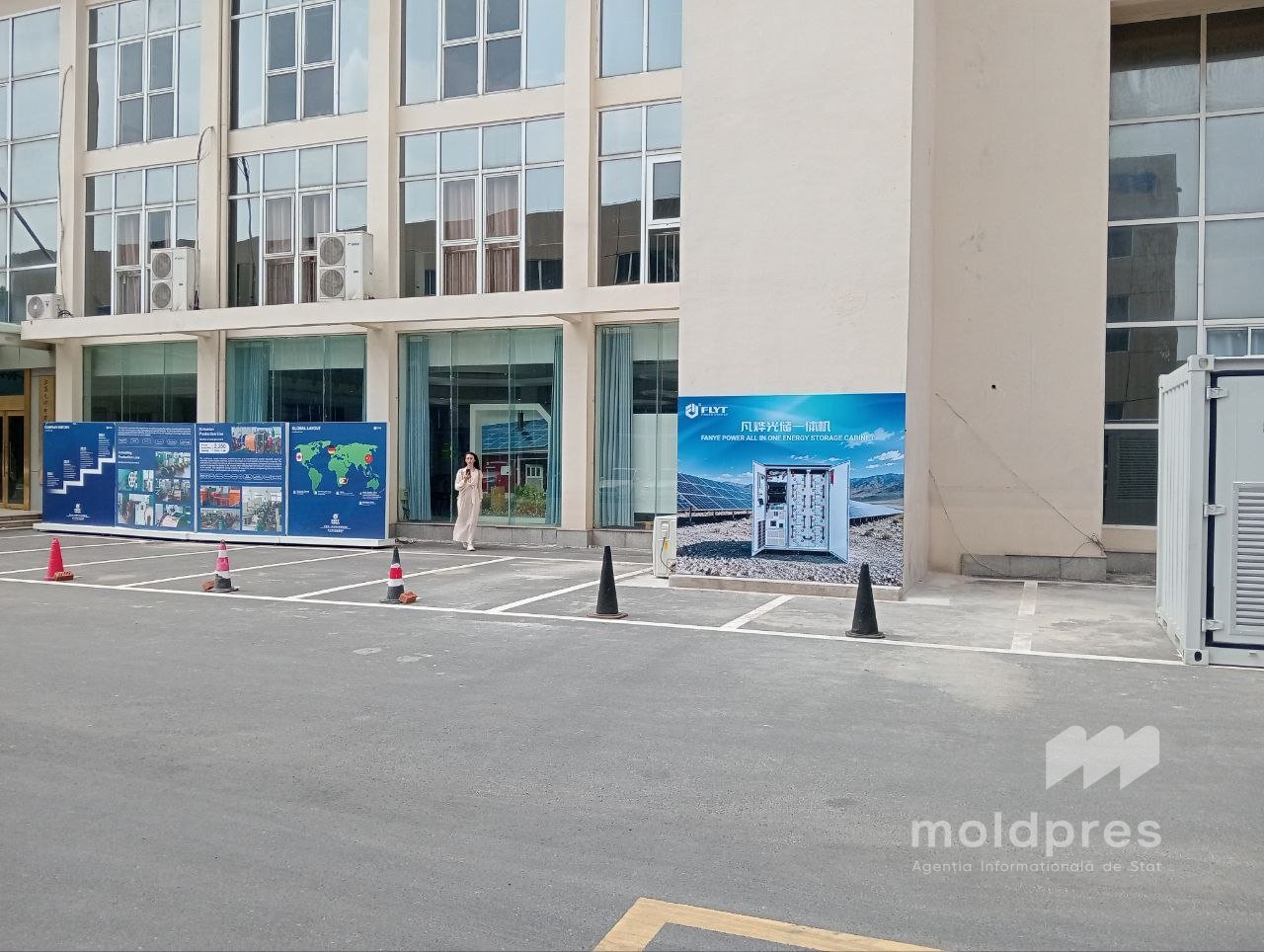
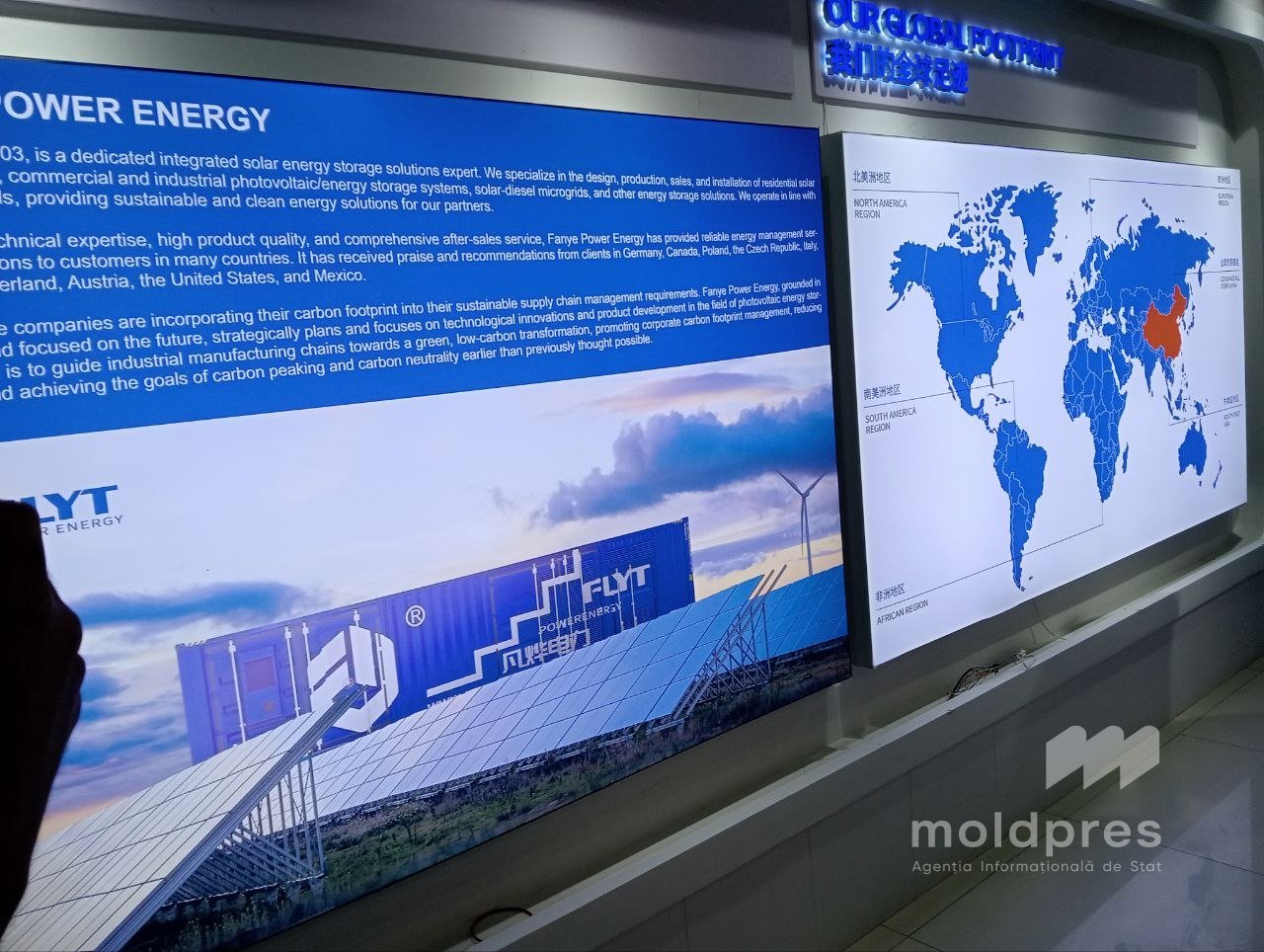
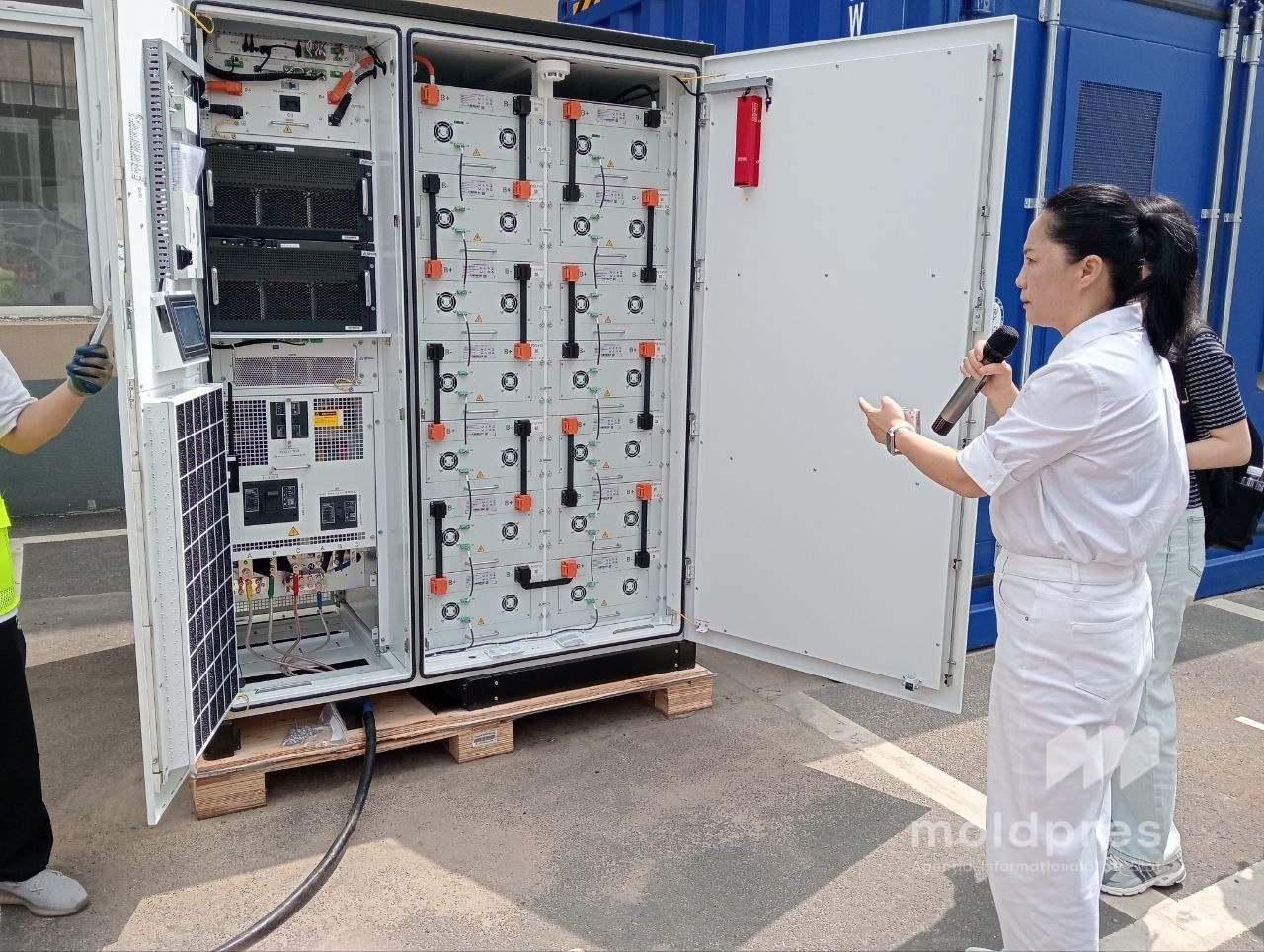
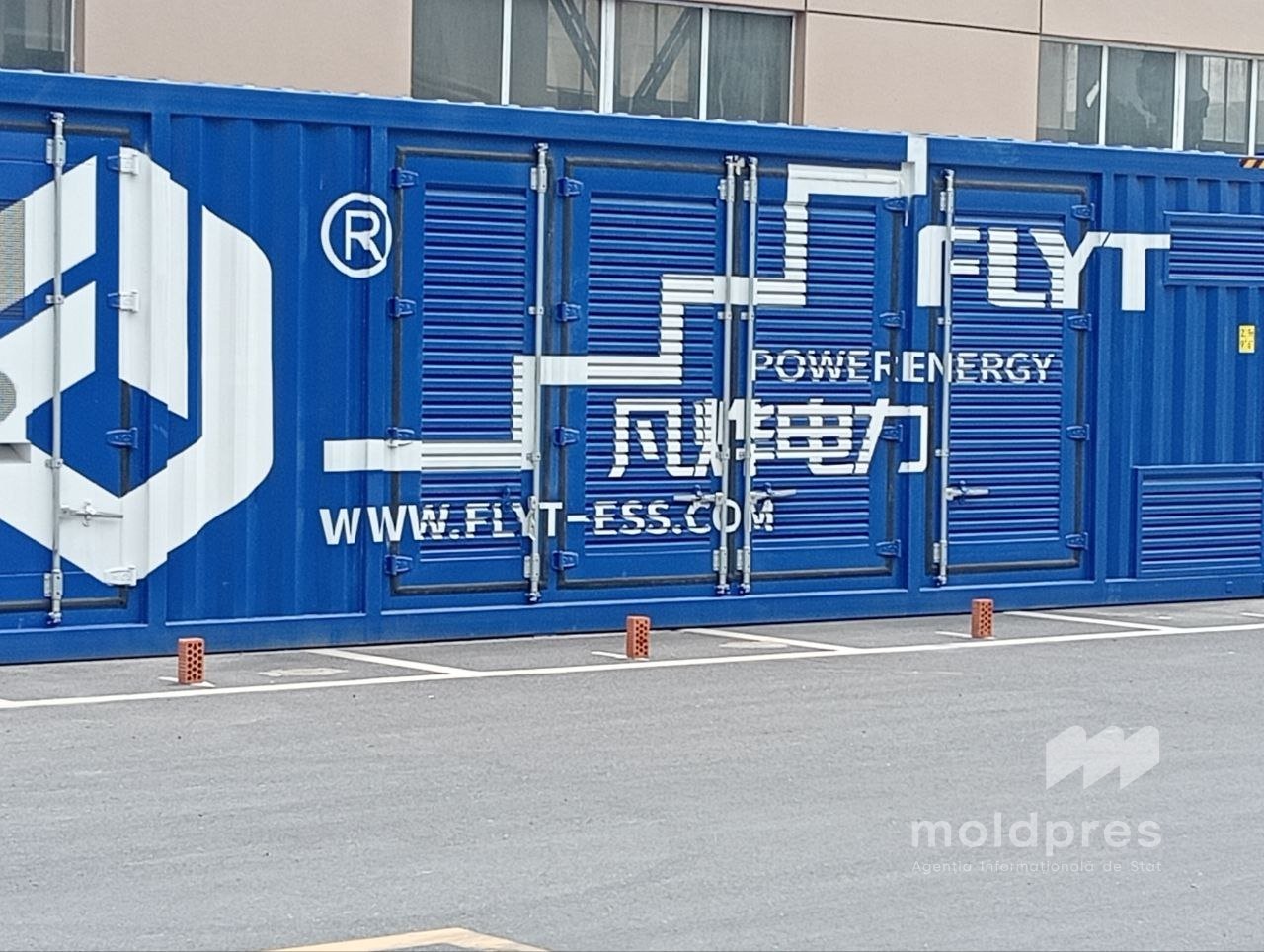
Another company visited was Jiangsu Fanye Power Energy Equipment Co., Ltd., specialized in developing integrated solutions that combine photovoltaic energy, electricity storage and charging of electric vehicles.

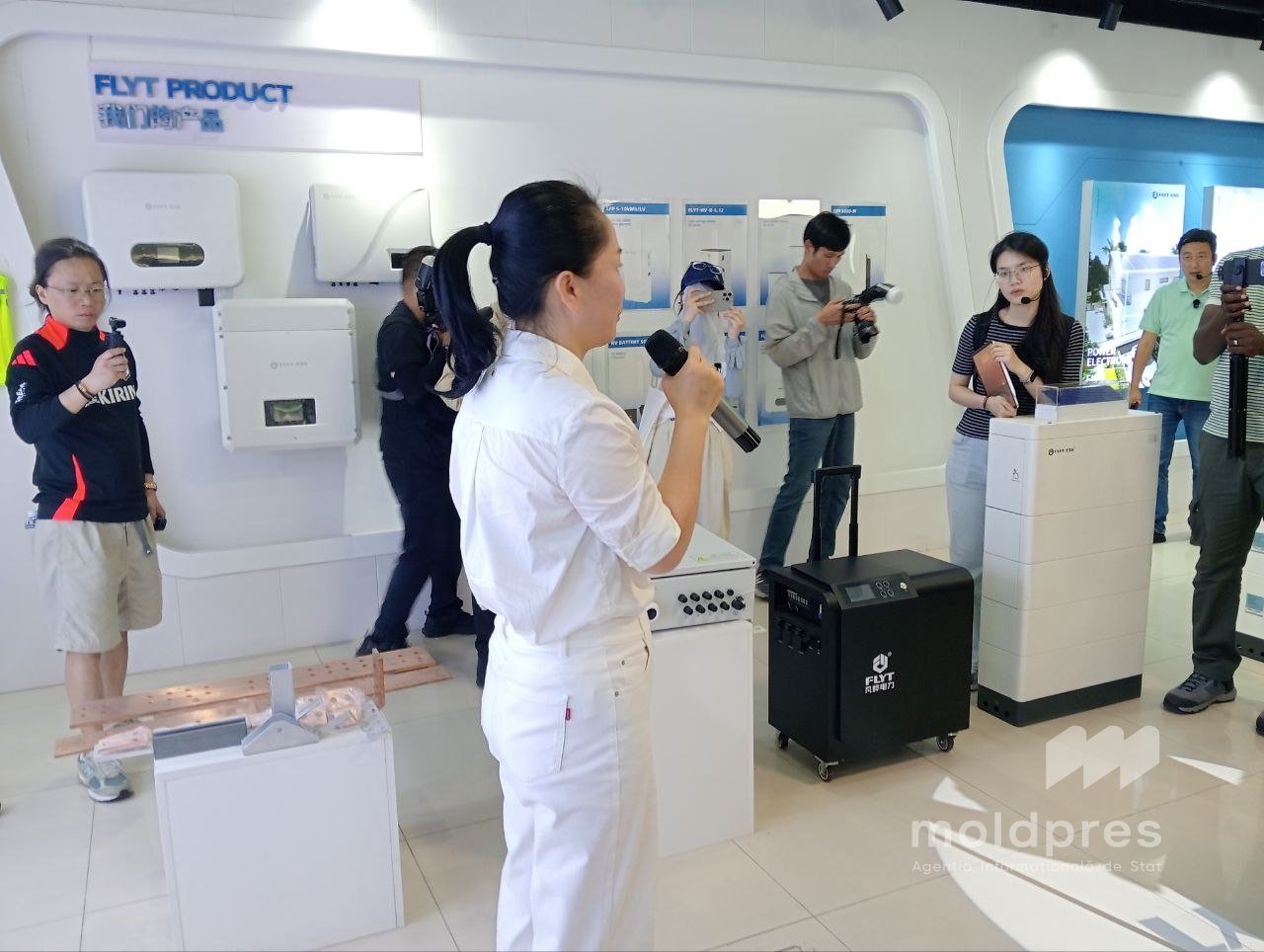
In the company’s presentation center, engineers explained how the concept known as Solar – Storage – Charging works.

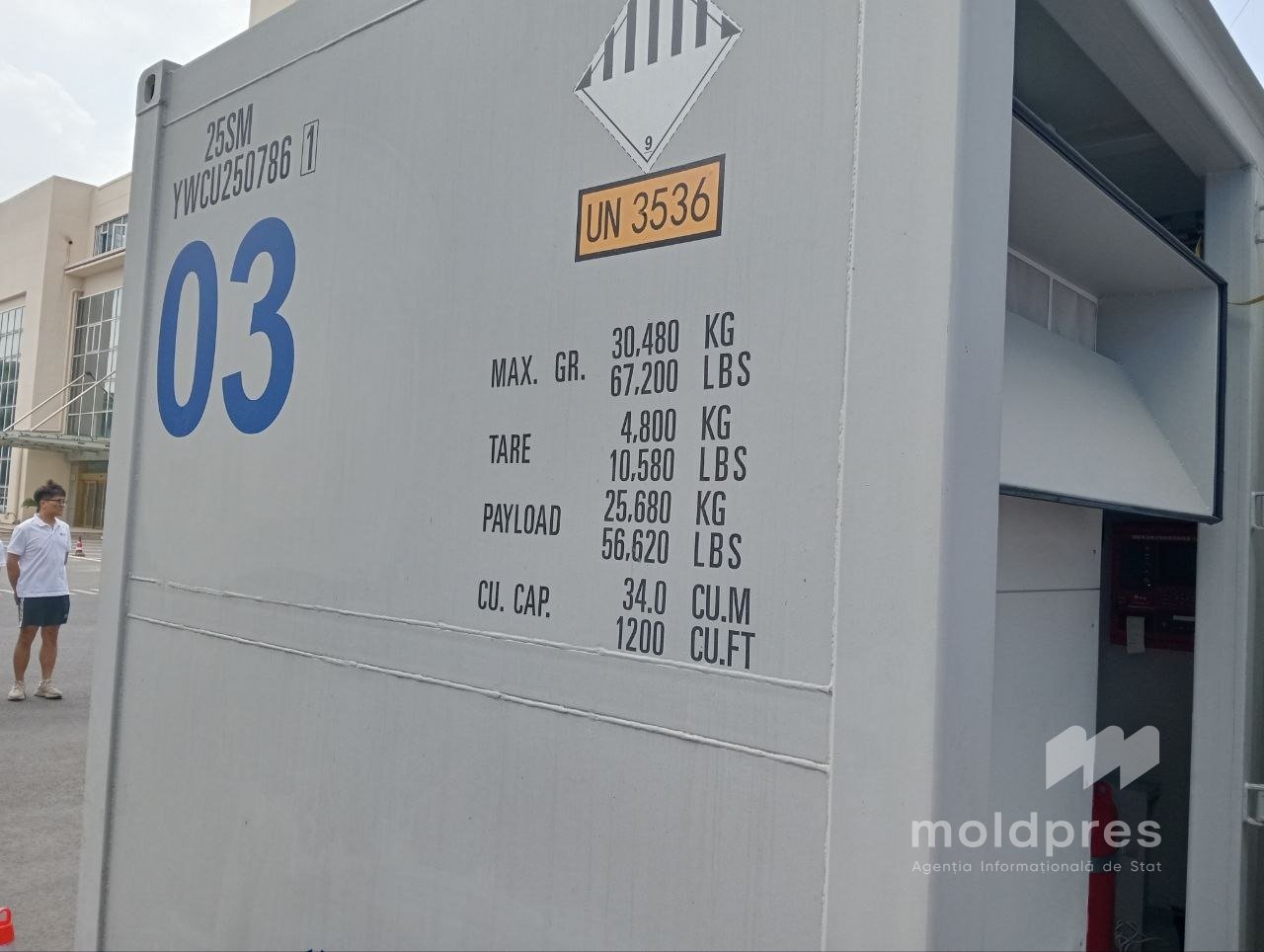
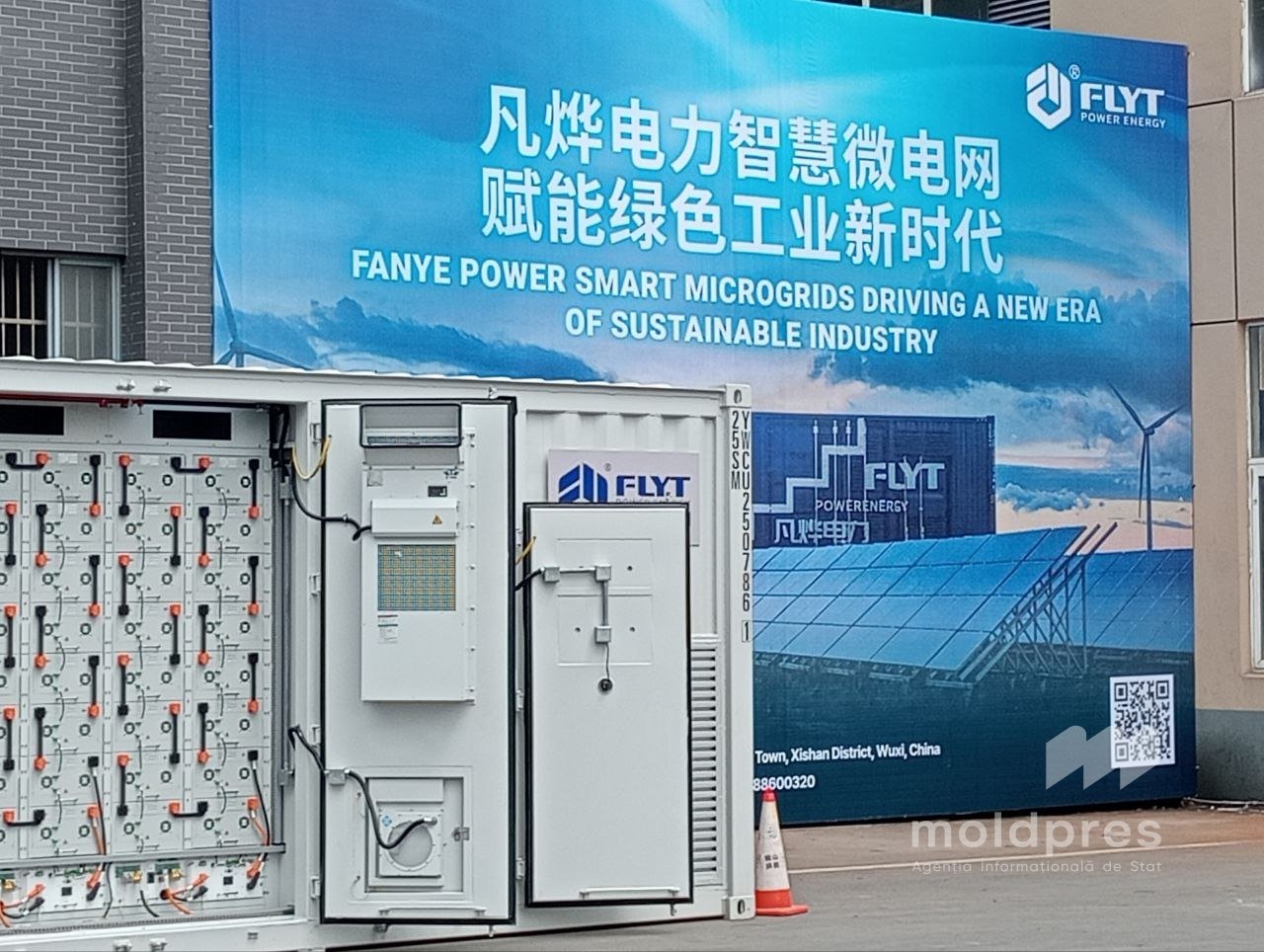
The system involves generating energy through photovoltaic panels, storing the surplus in industrial batteries and later using this energy to power charging stations.

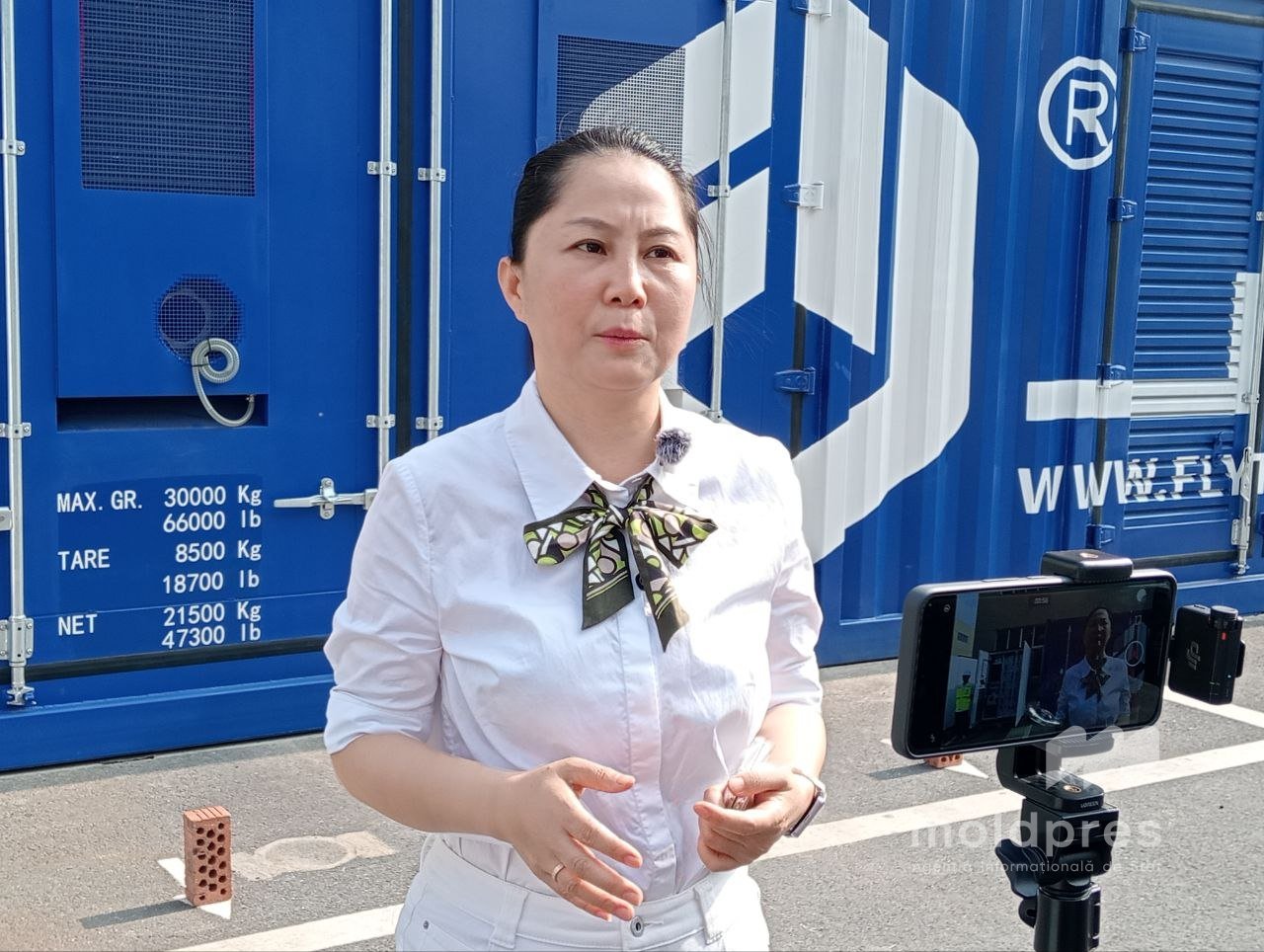
“The main challenge of renewable energy is intermittency. The sun does not produce energy continuously, and consumption does not always coincide with production. That is why storage becomes an essential element of the energy system,” one of the company’s specialists told MOLDPRES.

According to him, the systems developed by Fanye make it possible to reduce pressure on local power grids.

“Smart stations use the energy accumulated in batteries and can provide high charging power even in areas where the energy infrastructure is limited,” the expert explained.

The company’s engineers say these systems are already used in numerous European and Asian countries.

“The future belongs to integrated and energy-autonomous systems. Smart stations can simultaneously charge multiple vehicles and can use the energy accumulated during the day for consumption during peak hours,” company representatives estimated.

Possible applications for the Republic of Moldova

In discussions with the MOLDPRES reporter, Fanye specialists presented several scenarios that could also be applied in the Republic of Moldova. One of them involves developing public charging stations powered partially or entirely by solar energy.

“Such solutions can be installed without major investments in expanding existing power grids. Local batteries take on part of the load and reduce the need for costly infrastructure upgrades,” a company representative noted.

According to him, pilot projects could be implemented in the municipality of Chișinău and regional centers.

“Cooperation can include not only the delivery of equipment, but also the transfer of know-how, training of specialists and development of demonstrative projects,” the expert said.

Company representatives also mentioned the possibility of partnerships for assembling certain components or equipment in the Republic of Moldova, depending on the evolution of the local market.

Energy costs and energy security

A topic frequently discussed during the visits was energy efficiency and cost reduction.

Managers and engineers from the companies stressed that investments in energy storage are becoming increasingly important as the share of renewable sources grows.

“It is not enough to produce green energy. You must be able to use the energy when you need it. That is why storage technologies are one of the most important development directions in the coming years,” one of the specialists said.

In discussions with the international press, representatives of Chinese companies highlighted that many states are investing simultaneously in renewable energy production, industrial batteries and infrastructure for electric transport.

For the Republic of Moldova, which is in the process of diversifying its energy sources and reducing dependence on imports, such technologies represent one of the areas where there may be opportunities for economic cooperation and technology transfer.

“Effective cooperation with the Republic of Moldova should not be limited to the simple import of equipment, especially given the distance between the states. The configuration of the grids in Moldovan districts is very well suited for installing autonomous solar-powered public stations along main routes and in regional hubs. We are open to implementing pilot projects in Chișinău, carrying out a full technological know-how transfer for training Moldovan engineers and exploring partnerships for local assembly of mechanical components or station casings in Moldova’s free economic zones,” the Chinese producers said.

In Jiangsu and Zhejiang provinces, these solutions already operate on an industrial scale, being integrated into production, transport and energy consumption networks that continue to expand from year to year.
 Facebook
 Instagram
 X/Twitter
 Telegram
Prime Minister after drone explosion in Crocmaz: Fact that we are outside war zone does not protect us
UPDATE // Traffic eased at Otaci border customs post
Air alert in Ukraine: Traffic on Maiaki–Udobnoe bridge suspended
VIDEO // Călărași forms largest voluntary amalgamation cluster in Moldova
Moldova is me // Tamara Șchiopu - entrepreneur building bridges between United Kingdom and Moldova
Diaspora children to benefit from new measures to support integration into education system of Moldova
PHOTO GALLERY // Diaspora at home: Images from largest gathering of Moldovans from abroad
DOC // Strengthening security and cooperation with EU
PHOTO // President met with DOR camp participants
DOC // Capital residents to pay more for water and sewerage services as of today
Government steps up measures to prevent water crisis in Chișinău
PHOTO // Republic of Moldova hosts 25th edition of EPSA Summer University for first time
Prime Minister announces new package of measures on high salaries in public sector
PHOTO // Over 200 local public authority representatives trained within Local Environmental Platforms on application of two sector regulations
Restart in Education: MEC proposes reform to take effect in Chișinău, Bălți and Gagauzia starting in 2028
Parallel financial investigations to be conducted under common national mechanism
Ministry of Infrastructure provides clarification on transit of Ukrainian goods
Energocom fully purchased gas needed for upcoming cold season
 National Bank of Moldova
Prime Minister discussed with Czech counterpart
Over 23,000 residents from Transnistrian region officially employed on right bank of Dniester River
More investment in national economy: Government encourages investors through clearer rules and incentives for strategic projects
Moldovan government approves five‑year national development program
Measures to reduce risks caused by natural disasters approved by Government

MPs proposed 188 amendments and delivered 288 speeches in first 2026 session
Local Product exhibition to open on 28 August at Moldexpo: two national records and over 300 participating companies
Moldova offers Ukraine 50% railway transit discount to attract millions of euros to CFM
Prime Minister discussed with Czech counterpart
Additional 6 million lei to be provided to fund shelters for Ukrainian refugees
Ceiling for foreign exchange operations without NBM authorization to be increased to 100,000 euros
Defense Minister: Aircraft that caused explosion in Crocmaz is Russian propulsion drone
Over 23,000 residents from Transnistrian region officially employed on right bank of Dniester River
VIDEO // Moldova ready to facilitate transit of Ukrainian grain
Deputy Prime Minister about recalling Moldova’s ambassador to Moscow for consultations: It is diplomatic response, used when state’s interests affected
More investment in national economy: Government encourages investors through clearer rules and incentives for strategic projects
Approved by Government. Moldova to step up exchange of police data with European states
Key objectives in European integration process set by end of August
Prime Minister orders changes to tax procedures after entrepreneur misses tax relief due to late filing
Moldovan government approves five‑year national development program
Commission to nominate 2026 national award laureates approved
Receive the latest news directly to your email

Receive the latest news directly to your email