
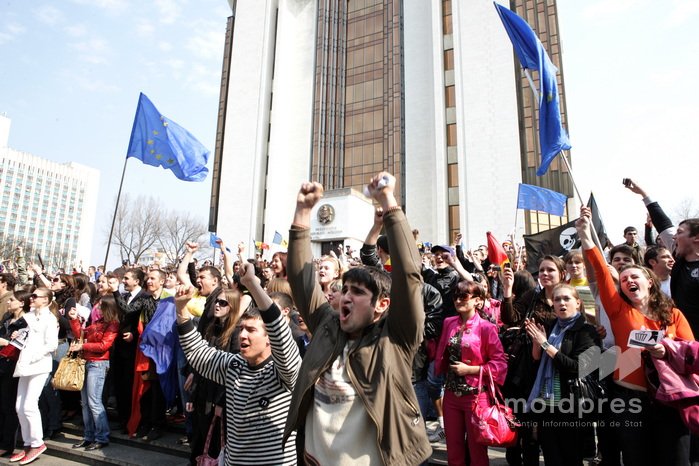
PHOTO // 17 years since 7 April 2009: Protests that changed country’s development path, still shrouded in uncertainty
A banner reading “What happened on 7 April 2009?” was displayed on Tuesday in the Great National Assembly Square by Amnesty International Moldova, as part of an action meant to bring the violent events of 17 years ago back into the public eye and to encourage discussions about truth and justice.

Thus, throughout the day, between 07:00 and 19:00, passersby are invited to write thoughts, memories, and opinions about the 7 April 2009 protests, one of the most controversial pages in the recent history of the Republic of Moldova.

Representatives of the organization emphasize that the initiative aims to preserve collective memory and to demand justice for the victims of the abuses committed during that period.

“Through this action we want to create space for public discussions about memory, truth and justice,” they said.

The 7 April riots erupted after the Central Electoral Commission announced the victory of the Communist Party in the parliamentary elections. Young people, mobilized on social networks, took to the streets, accusing electoral fraud and demanding a new vote. On April 7, more than 8,000 protesters gathered in the center of Chișinău. Initially peaceful, the protest quickly escalated into violence. The buildings of the Presidency and Parliament were vandalized, looted, and set on fire.

The circumstances of the escalation of violence remain unclear. Well-organized groups were observed among the protesters, acting with suspicious discipline. State buildings were defended by young students from the Police Academy, completely unprepared for the scale of the events. Moreover, the hoisting of the Romanian flag on the Presidency building fueled suspicions of a possible provocation.

In the evening, after the protesters withdrew, the police launched a large-scale operation, detaining around 200 people, many of whom were subjected to violence and torture. Valeriu Boboc, a young demonstrator, died as a result of the blows he received. Dozens of protesters were summarily tried in police stations, without legal procedures and without the right to a defense.

Then-president Vladimir Voronin, accused Romania and the EU of involvement, expelled the Romanian ambassador, and imposed visas on Romanian citizens. Russian blogger Eduard Baghirov was detained, accused of having orchestrated the events, but was later released and left the country without consequences.

Although a parliamentary commission documented the abuses, no one from the former leadership was held accountable. The only people convicted for the violence of that day were then Minister of Internal Affairs Gheorghe Papuc, the former general commissioner of Chișinău municipality, Vladimir Botnari, and the police officer who killed Valeriu Boboc.

Seventeen years after those events, the citizens of the Republic of Moldova still have questions about what happened that day, about the investigation of the causes that led to the escalation of the demonstrations, and above all, about punishing those responsible for the deaths of the four young people and the injuries of several dozen others.
 Facebook
 Instagram
 X/Twitter
 Telegram
New rules for foreigners in Moldova: Law published in Official Journal
Prosecutors' vetting continues in Moldova: 70 files completed, 42 prosecutors pass evaluation
Moldova, Turkey seek to expand joint projects in culture, tourism
PHOTO, VIDEO // Women from rural communities, protected areas take part in an exchange visit to Comana Natural Park of Romania
Alignment with EU labour standards: cross-border workers to be eligible for unemployment benefits
CNMC director after Tuesday’s heavy rains: There are no major risks
Old-Calendar Orthodox Christians celebrate Saints Constantine and Helen
Moldova to establish National Erasmus+ Agency; EU provides 5 million euros in support for candidate countries
Attention for transport operators and travelers: traffic on Giurgiu–Ruse Friendship Bridge to be temporarily restricted on 4–5 June
Happy National Day, Italy! Italian Flag projected on National Museum of History
Travel alert for Japan due to approaching tropical storm Typhoon No. 6
Yellow Code for heavy rain, thunderstorms in Moldova on June 2
VIDEO // Moldovan parliament speaker conveys message for Children's Day
Moldovan PM says children represent most important future of Moldova
PHOTO // European Commissioner for Enlargement visits household in central Moldova district: cherry exports to EU open new opportunities for Moldovan farmers
VIDEO // Car swept away by floodwaters, four people evacuated in central Moldova districts; authorities intervene in more localities
PHOTO // European Commissioner for Enlargement, Moldovan environment minister participate in visit on Dniester bank
Homes flooded, roads blocked after heavy rainfall in Moldova; authorities urge caution
UN Food and Agriculture Organization launches farmer field schools in central Moldova district: climate-resilient vegetables, market access
PHOTO // European Commissioner for Enlargement returns to Marta and Maria Monastery of Moldova
Energy invoices to be digitalized in Moldova in next five years: real-time access to data on consumption, energy costs
 National Bank of Moldova
Moldovan president attends ceremony on 24th anniversary of foundation of National Anticorruption Centre
Prime Minister at Moldova Digital Summit 2026: Our ambition is not only to join EU, but to help build Europe’s digital future
Over 1 billion euros in new investment partnerships, financing announced for Moldova
Topical issues addressed at meeting of Joint Control Commission
Moldovan president, European Commissioner for Enlargement discuss reforms, next steps in accession process

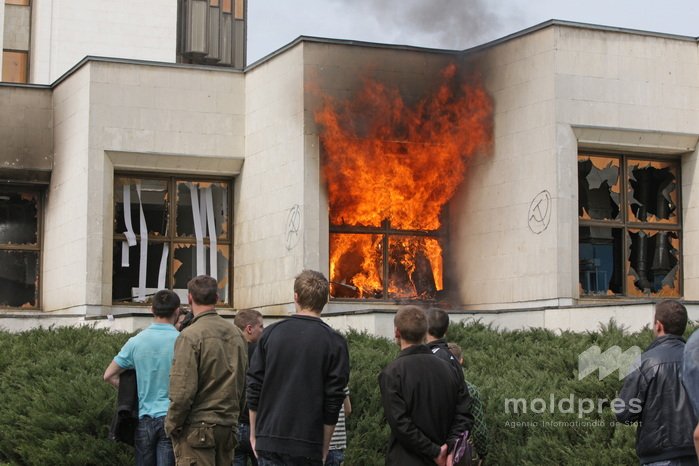
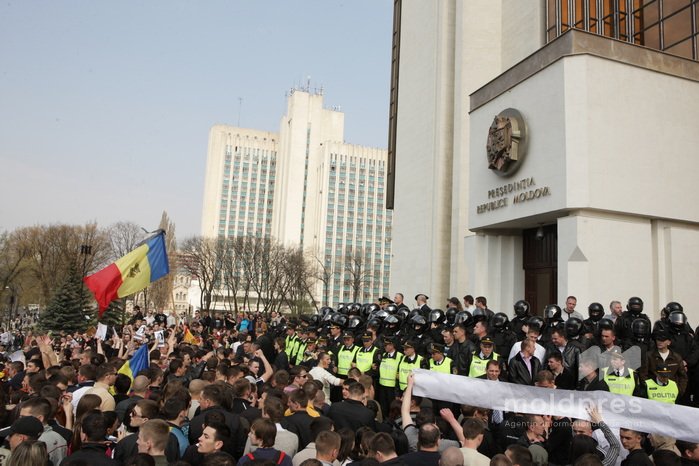
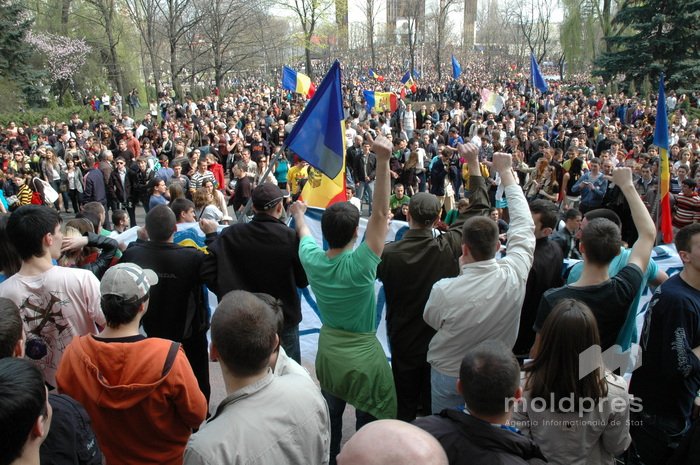
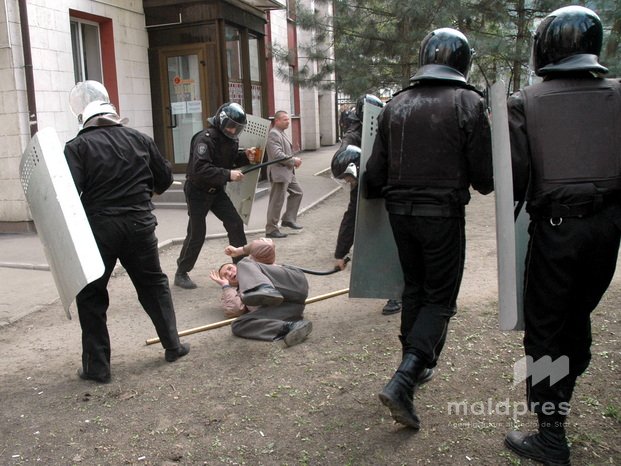
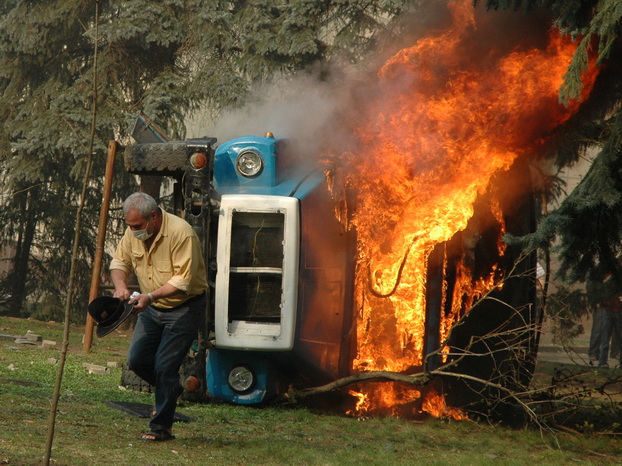
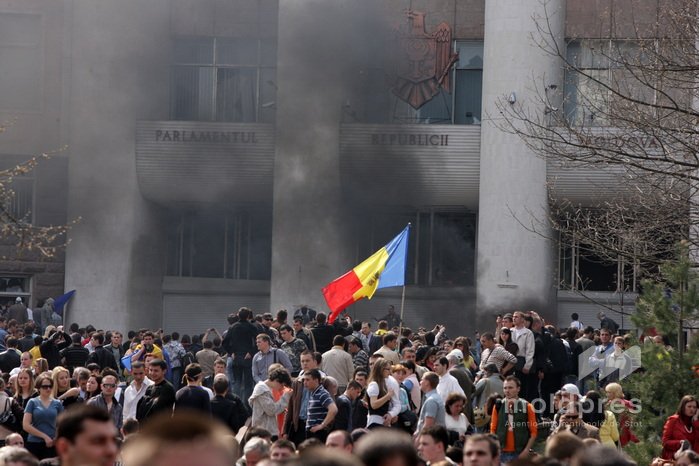
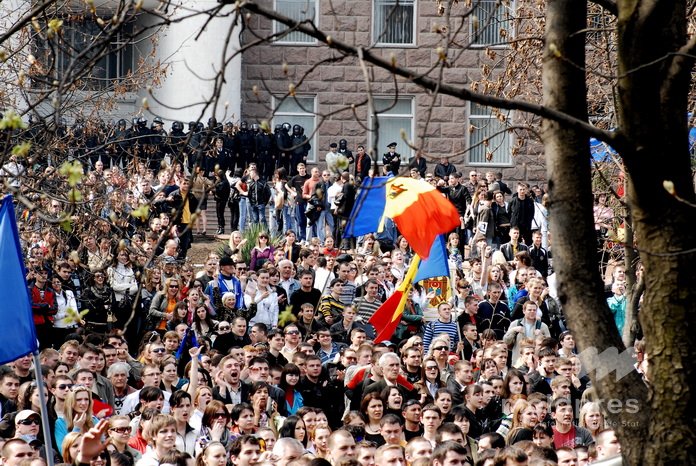
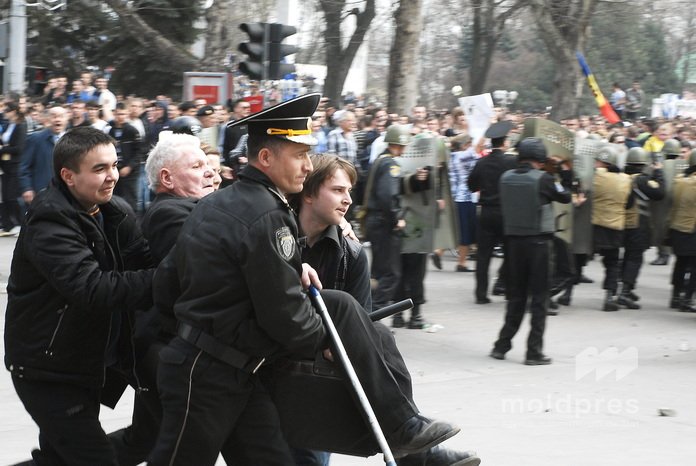
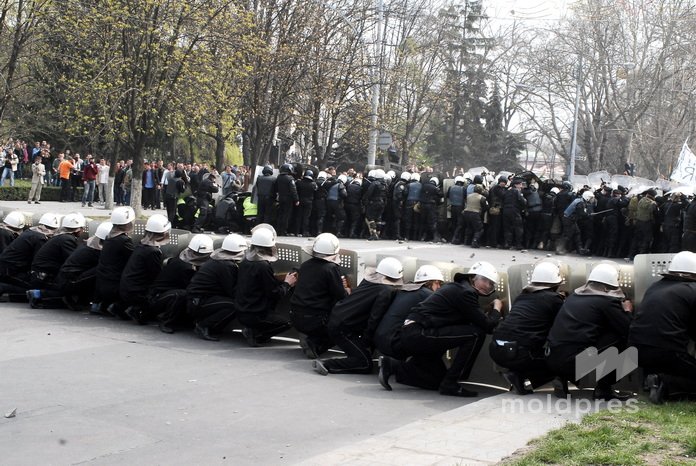
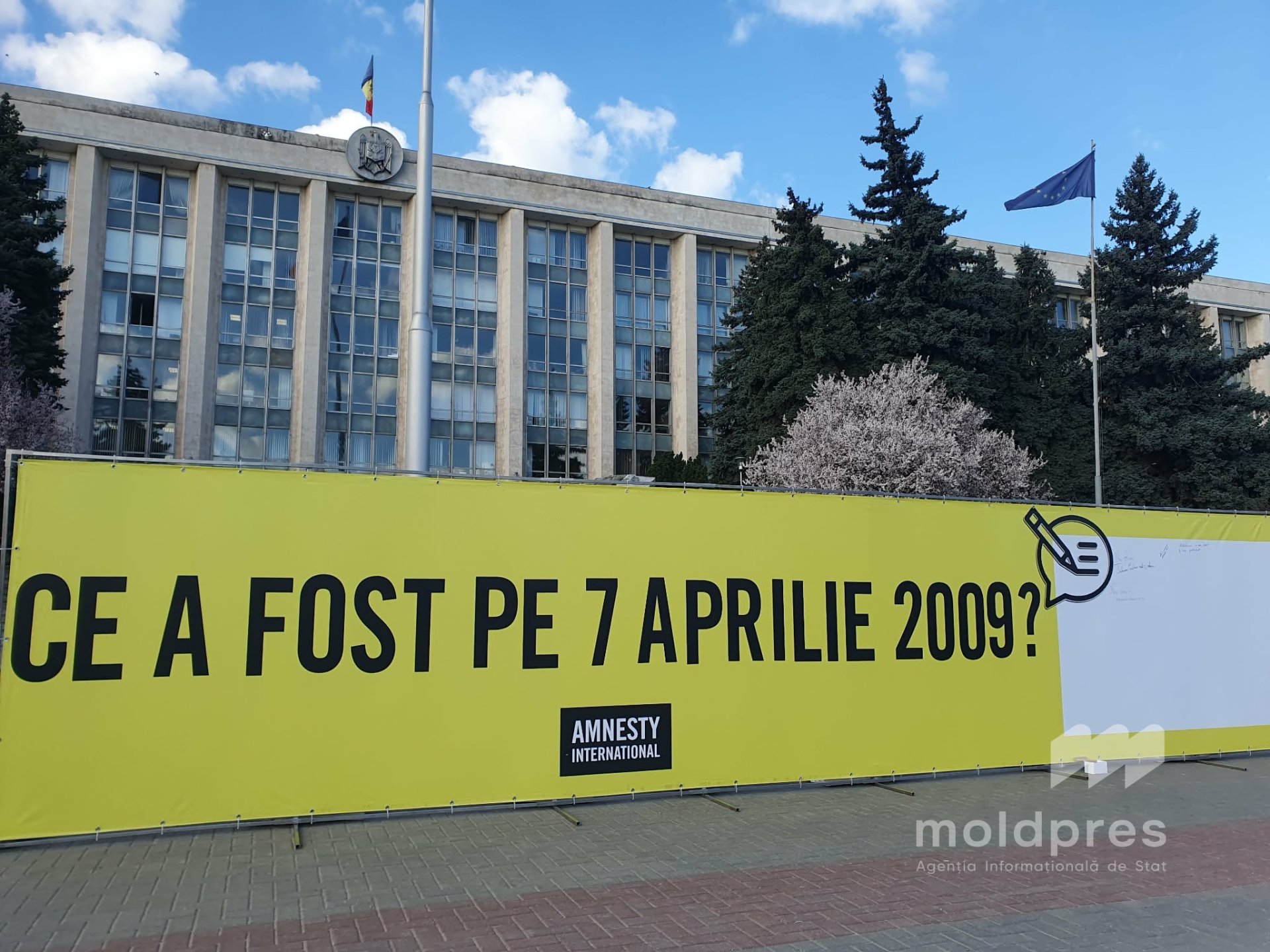
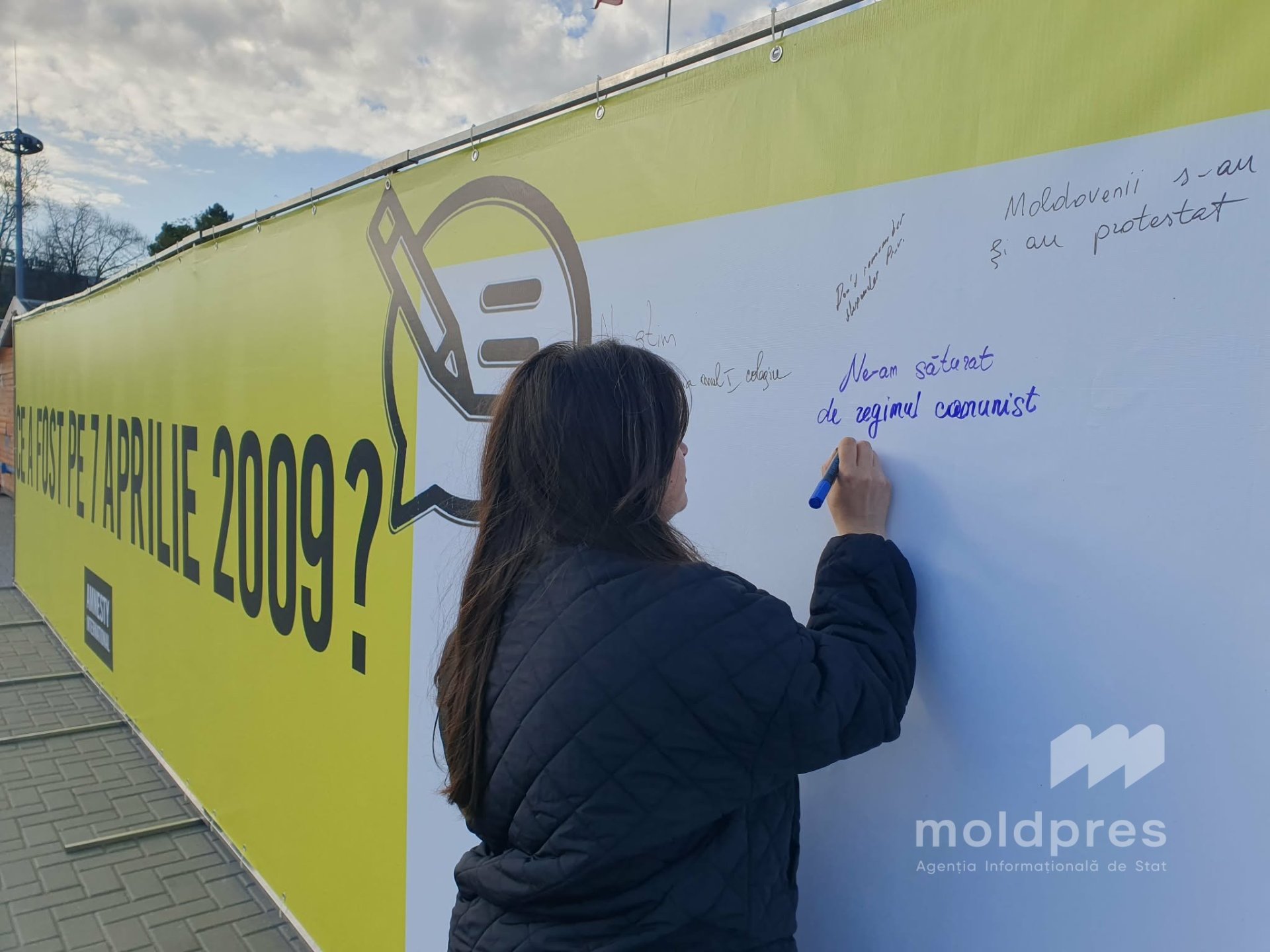
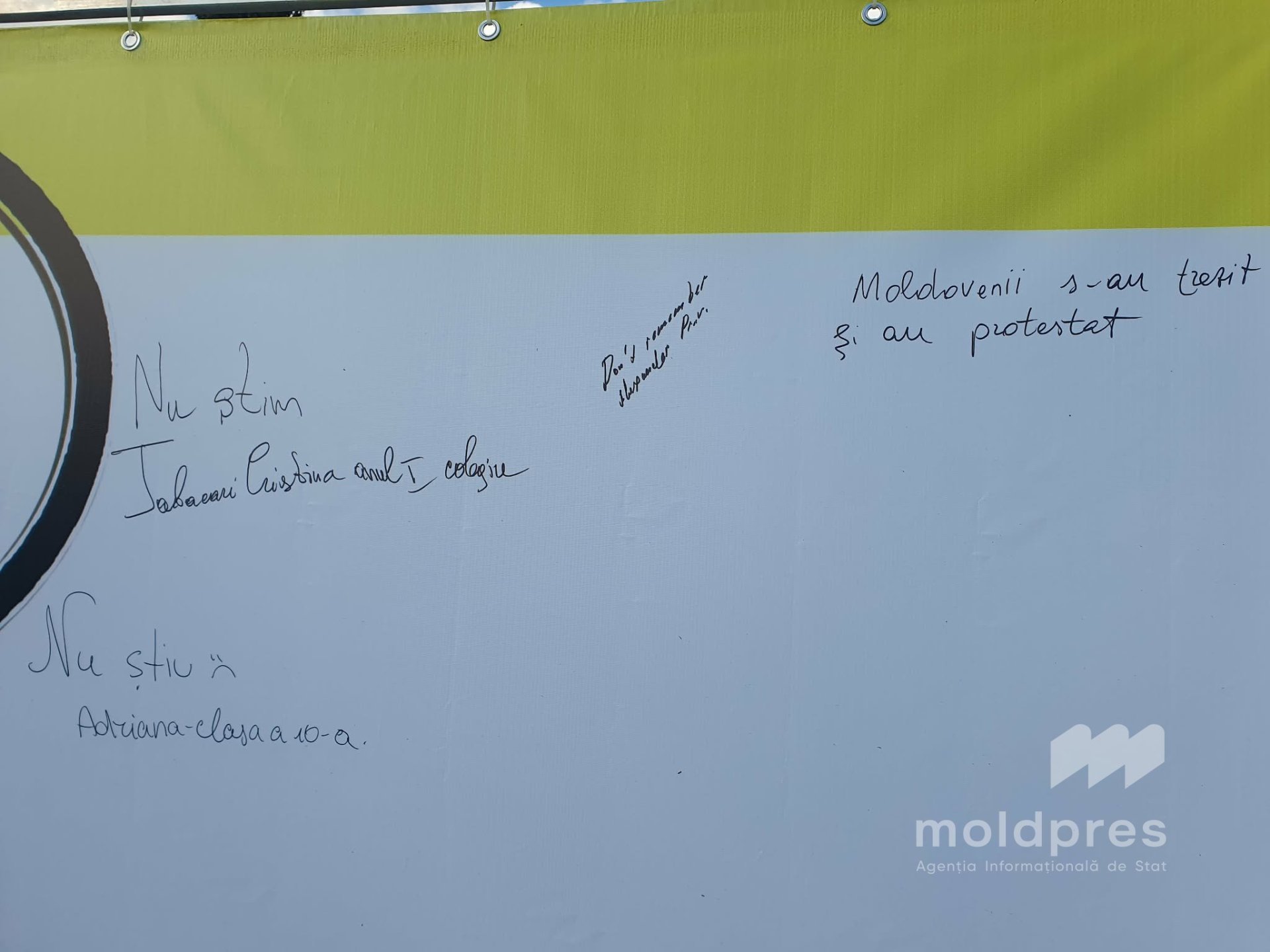
PHOTO // European Commissioner for Enlargement meets mayors of Moldova: EU to help modernize another 20 schools
Over 1,000 Diaspora Moldovans register for Online Career Fair
PHOTO // European Commissioner for Enlargement urges young people to defend democracy, combat disinformation
BTA // Ishtar: Music Is Like Perfume, It Is about Feeling
Moldova Presents exhibition inaugurated in Vaslui: Moldovan products promoted in Romania by 60 local companies
Moldovan president conveys message on World Environment Day
Moldovan president attends ceremony on 24th anniversary of foundation of National Anticorruption Centre
Environment Minister announces when fish safety to be checked
Moldova prepares new edition of Red Book
Prime Minister at Moldova Digital Summit 2026: Our ambition is not only to join EU, but to help build Europe’s digital future
PHOTO GALLERY // Chișinău hosts Moldova Digital Summit 2026: two days dedicated to innovation and digital transformation
Republic of Moldova to receive 250 million dollars from World Bank to advance reforms
Moldova Digital Summit 2026 starts in Chișinău
Moldova prepares case against Russia over Dniester pollution
Chișinău and Bratislava discuss next steps in EU accession negotiations
International post-disaster needs assessment mechanism launched in Chișinău following Dniester river pollution crisis
Receive the latest news directly to your email

Receive the latest news directly to your email