
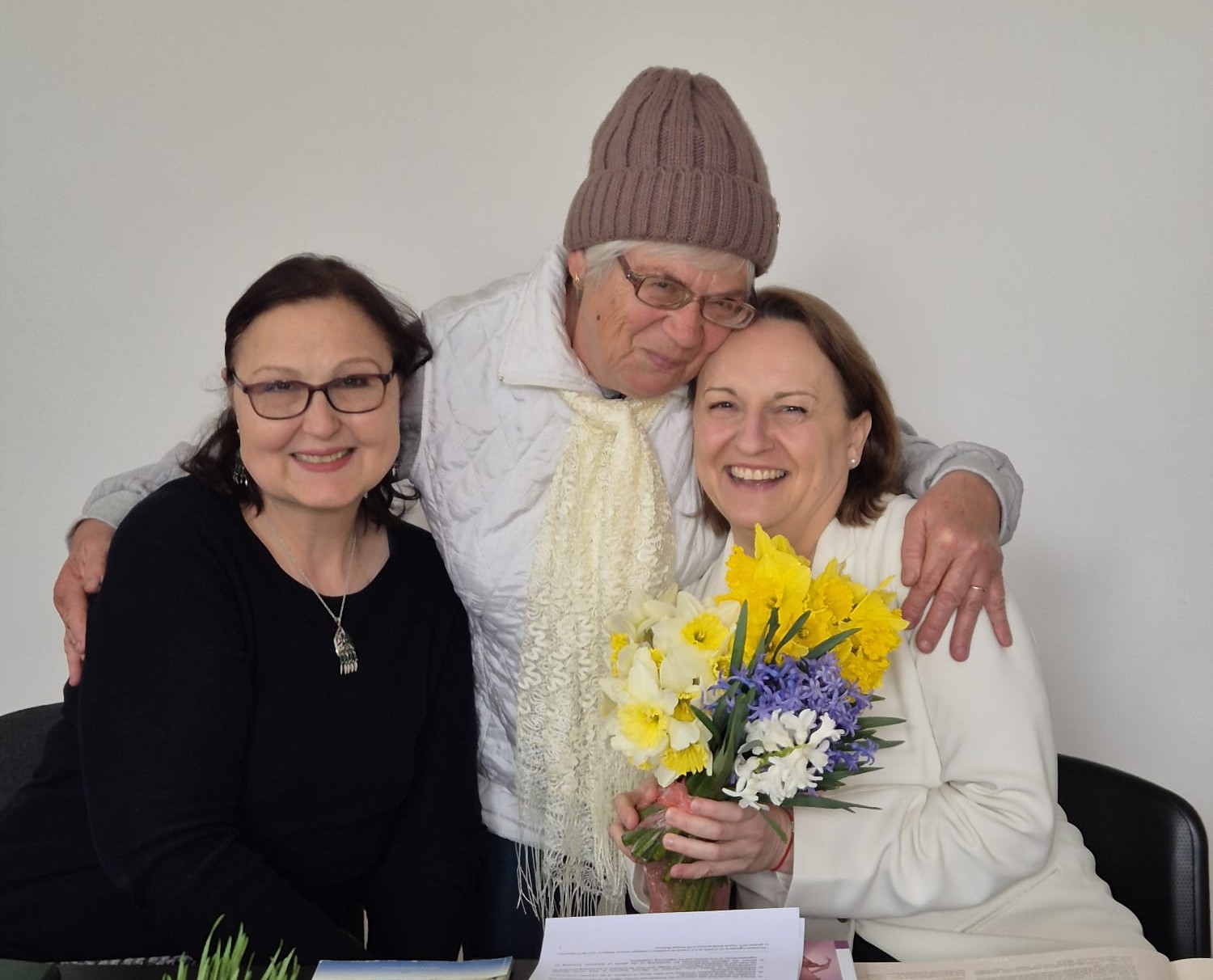
VIDEO // EU Ambassador to Moldova met with survivors of repressive regimes at Memoria Center
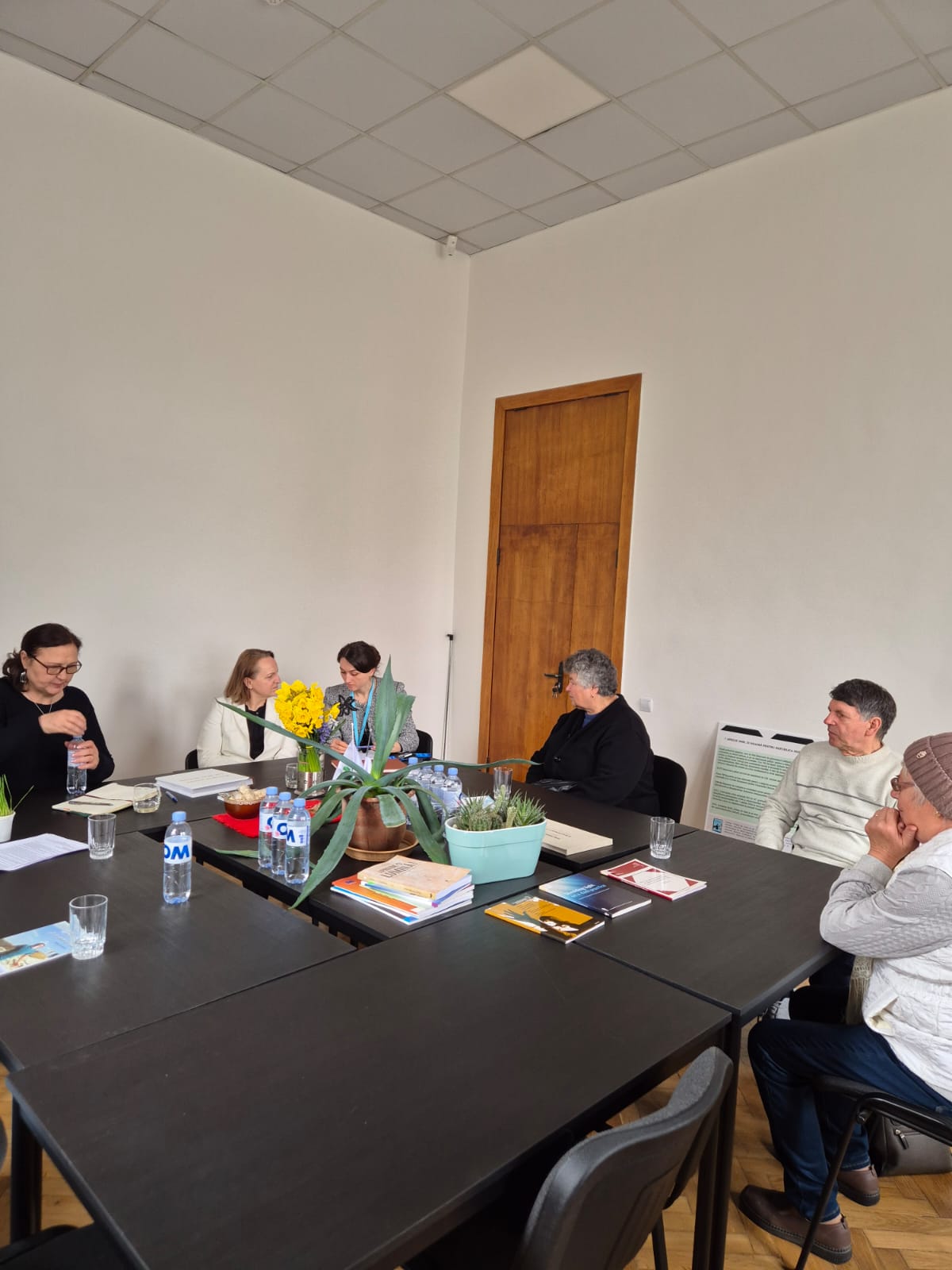
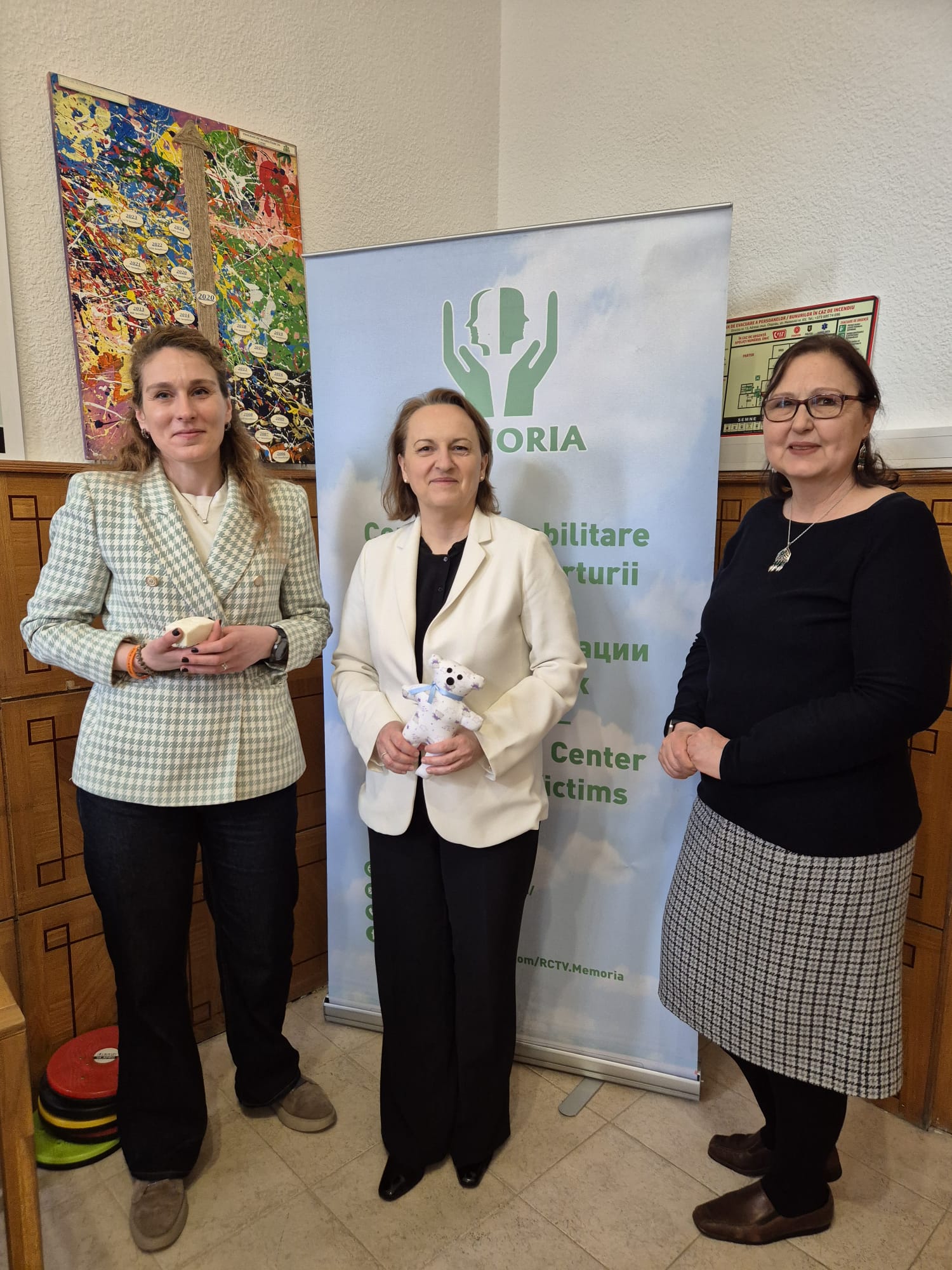
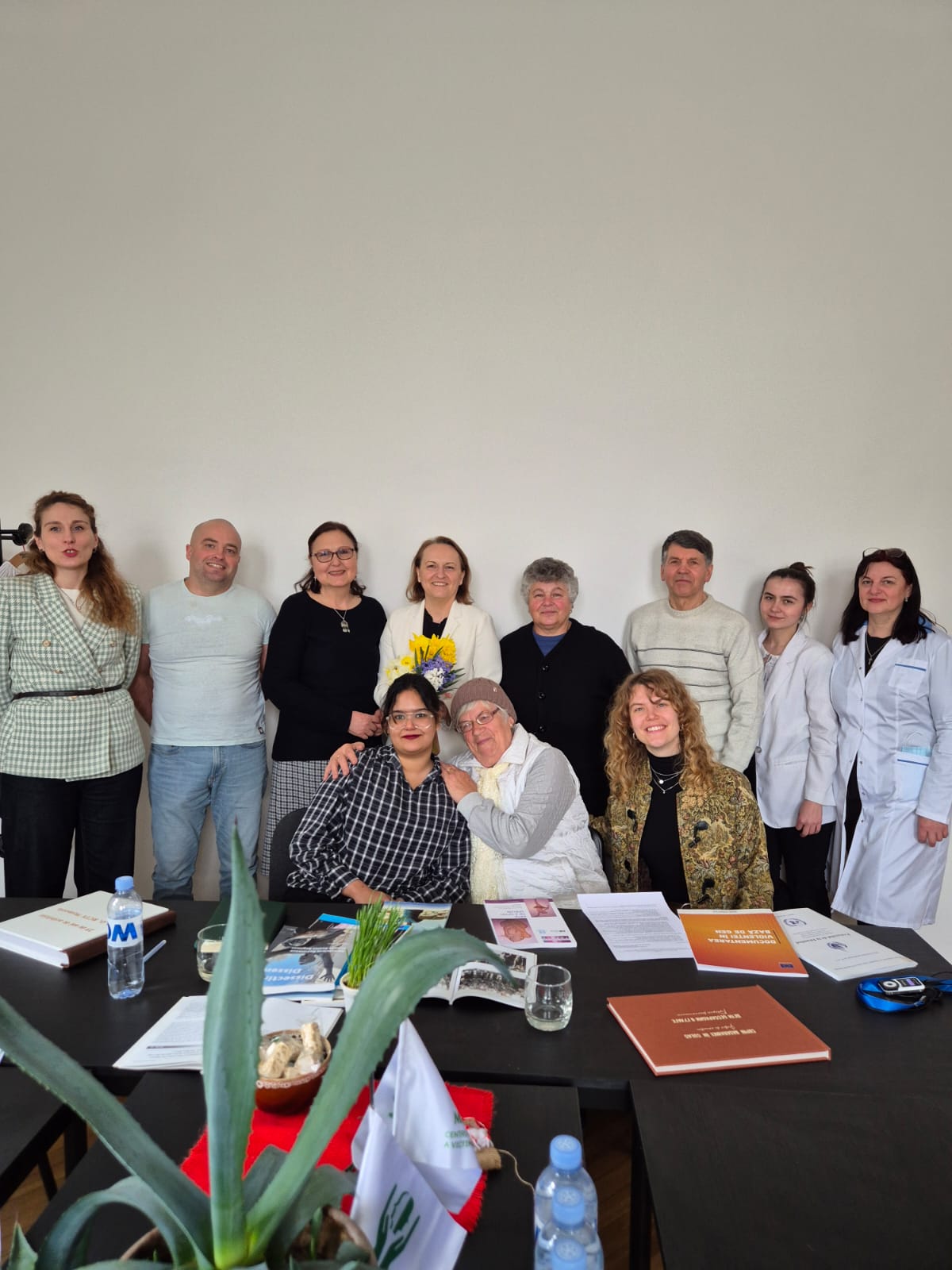
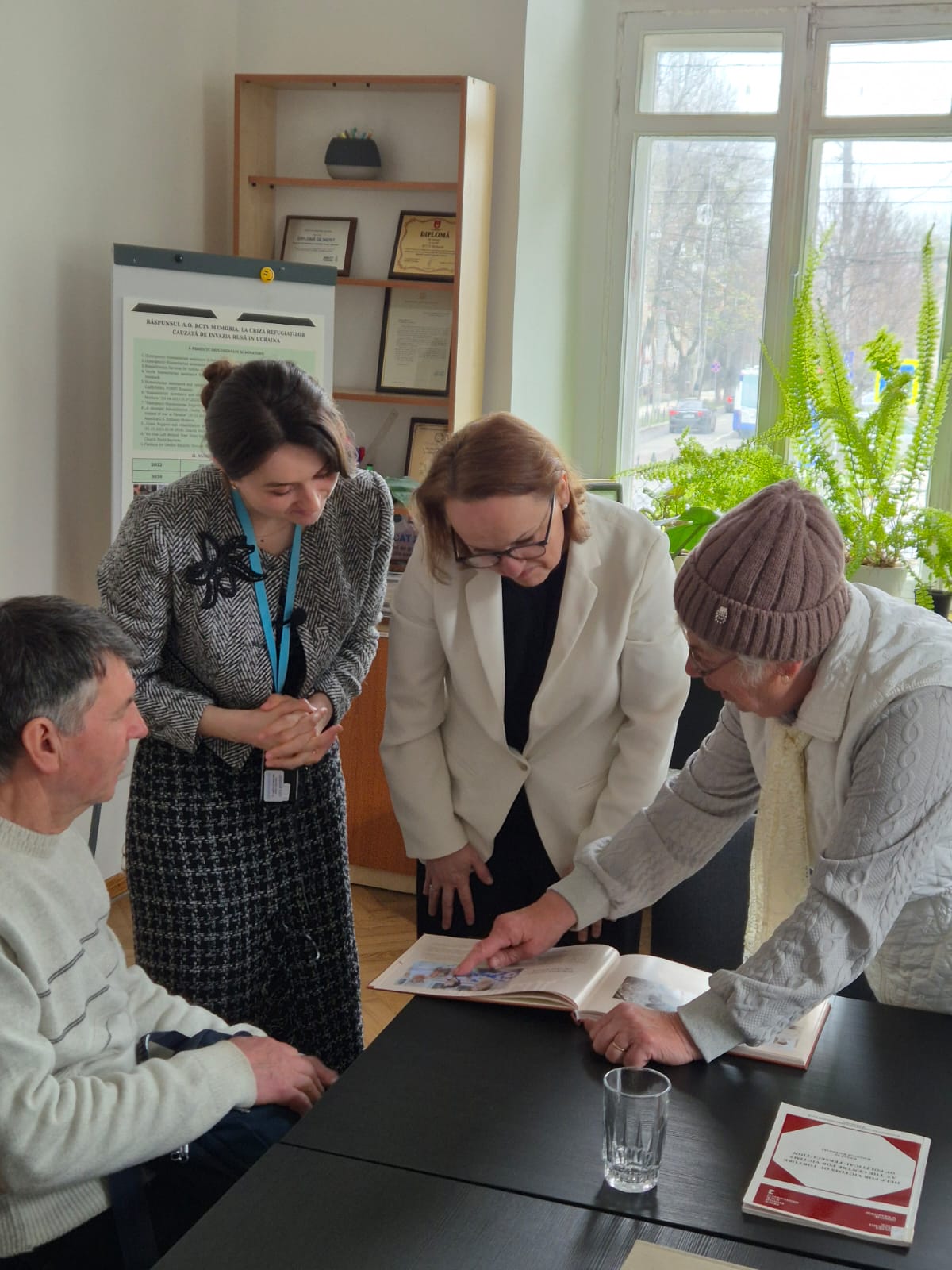
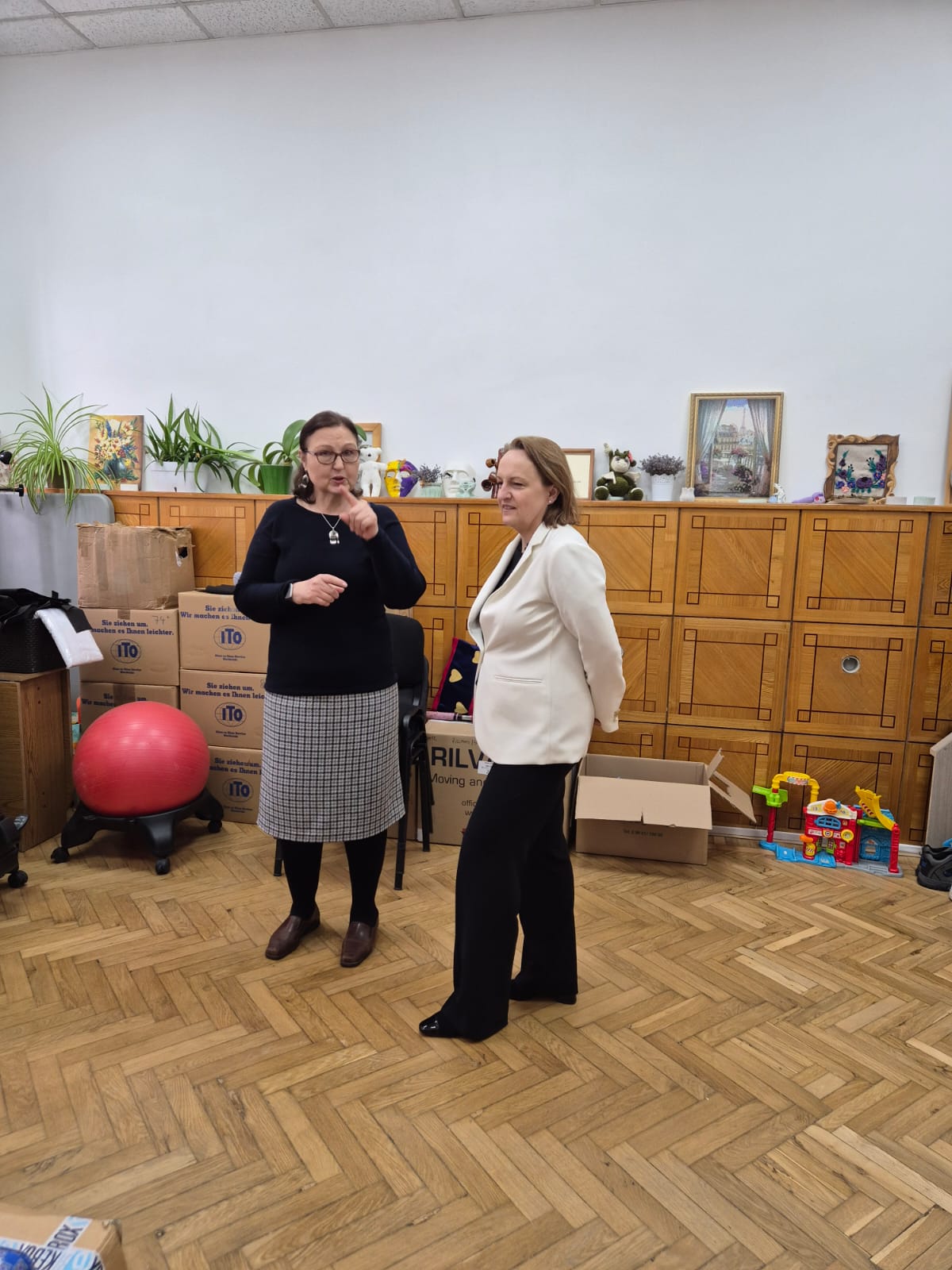
Ambassador of the European Union to the Republic of Moldova Iwona Piórko paid a visit to Memoria Rehabilitation Center for Torture Victims, where she met with the institution’s beneficiaries. The meeting was marked by first-hand testimonies from people whose lives have been affected by repressive regimes, abuses, and systematic injustices.

The visit offered an opportunity for an in-depth dialogue on the impact of historical and recent traumas on Moldovan society, highlighting the crucial role of specialized assistance centers in the process of victims’ recovery.

Destinies Marked by Repression

The discussions held by the EU Ambassador brought together survivors from various periods and crisis contexts. Among the participants were people who suffered as a result of Soviet deportations to Siberia, victims of the violence of April 7, 2009, as well as families of political detainees from the Transnistrian region.

Also present at the meeting were refugees who fled ongoing conflicts, each story serving as a painful reminder of the need to protect human freedom and dignity. The European official listened to accounts of the suffering endured, reiterating that respect for human rights is the foundation on which the European Union is built.

European Support for Fundamental Rights

Iwona Piórko reaffirmed the European Union’s firm commitment to remain a strategic partner for the Republic of Moldova in the field of protecting fundamental rights. European support is not limited to financial assistance, but also aims to strengthen justice mechanisms and the protection of those who have the courage to stand up for democratic values.

"The European Union remains a strong partner in protecting fundamental rights and in supporting those who have had the courage to speak out," Piórko emphasized.

The Role of Memoria Center in Social Rehabilitation

Memoria Center continues to be an essential pillar for people who have gone through traumatic experiences of torture or inhuman treatment. By providing medical, psychological, and legal services, the institution contributes to the social reintegration of victims and to preserving the collective memory of past abuses.

The European official’s visit underlines the importance of cooperation between international structures and local non-governmental organizations to ensure an environment in which human rights are respected and victims of injustice receive the recognition and assistance they need.
 Facebook
 Instagram
 X/Twitter
 Telegram
Moldovan president conveys message on World Autism Awareness Day
Model Romanian language classrooms to be opened in educational institutions from Gagauz autonomy
New rules for master’s programmes in Moldova: students expelled for serious misconduct to no longer be able to be reinstated
Administrative reform continues in Moldova: new rules for settlements' amalgamation
Authorities of Moldova lift state of alert on Dniester River, continue cleaning polluted riverbanks
Child support payments made mandatory in Moldova: harsher sanctions for defaulting parents
Student scholarships to be increased as of 1 September
Competitions for hospital leadership: Ministry of Health seeks managers for 20 institutions
Over 51,000 medical leave certificates issued digitally in first month after portal’s launch
As of 1 April drivers may drive without using low beam headlights during day
Higher pensions and social benefits: 6.84 percent indexation applied as of today
Over 1,800 hectares of forest to be planted in 15 districts along Dniester River, under World Bank–supported programme
Over 900,000 unique beneficiaries, representing 38% of population received reimbursed medicines through ePrescription system
Ben Gurion Airport in Tel Aviv remains closed until 16 April
VIDEO // EU Ambassador to Moldova met with survivors of repressive regimes at Memoria Center
VIDEO // Over 100 localities in Moldova benefited from modernized street lighting with EU support
President conveys congratulatory message to believers celebrating Resurrection of Lord today
Operations at Eugen Doga International Airport resumed following false security alert
VIDEO // Environment Minister announces decrease of pollutant on Dniester, upstream from dams installed in Dondușeni district
Chisinau Airport operations temporarily suspended following security alert
PHOTO // Moldova expands presence in China through future local administration cooperation agreements
 National Bank of Moldova
Moldovan authorities step up prevention, response measures on Dniester, amid anticipated new pollution wave
Moldovan PM participates in awards ceremony recognizing rescuers' achievements
Environmental protection experts from two banks of Dniester hold new working meeting
Moldovan deputy PM has meeting with Ambassador of Germany
President met with U.S. Senator

Moldovan authorities step up prevention, response measures on Dniester, amid anticipated new pollution wave
New wave of oil products' slicks detected on Dniester River; authorities convene for emergency meeting
Deputy head of Moldova's Anticorruption Prosecutor’s Office, anticorruption prosecutor heard by Evaluation Commission
Moldovan PM participates in awards ceremony recognizing rescuers' achievements
Large wind farms with energy storage systems to be built in Moldova: 16 bids submitted in tender
Environmental protection experts from two banks of Dniester hold new working meeting
Moldovan Central Electoral Commission accredits 14 national observers to monitor new local elections, local referendums
Moldovan deputy PM has meeting with Ambassador of Germany
New milestone for green energy: Moldova surpassed 1 Gigawatt of installed renewable energy capacity
President met with U.S. Senator
PAS faction to have new MP
VIDEO // Single institution to manage Moldova’s forests
CNMC: Eenergy sector remains fragile, ending state of emergency requires caution
Foreign Ministry: We condemn violation of airspace. Such actions endanger citizens’ security
Support for export promotion: 16 business associations to receive 14.6 million lei through Bridge Export Program
Over 20 media projects to get funding from media subsidy fund
Receive the latest news directly to your email

Receive the latest news directly to your email