
Authorities of Moldova lift state of alert on Dniester River, continue cleaning polluted riverbanks
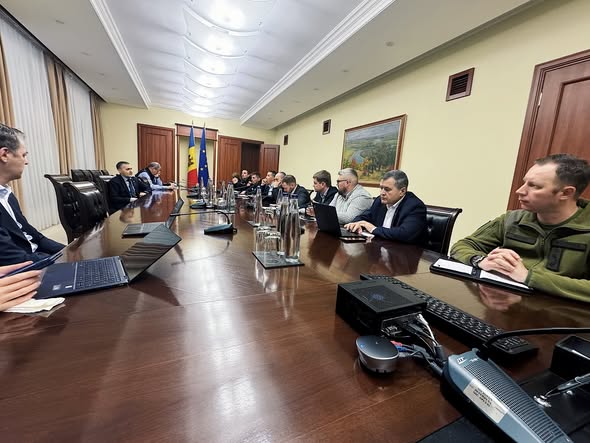
The Environment Ministry announces the stabilization of the situation on the Dniester River, following the pollution incident that occurred at the beginning of March, this year, with the authorities deciding not to extend the previously imposed state of alert. Environment Minister Gheorghe Hajder has made statements to this effect, after an evaluation meeting held on the platform of the National Crisis Management Center.

According to data collected through direct field monitoring and subsequent laboratory analyses, water quality indicators have remained within permitted limits. Although the imminent danger has passed, intervention teams will stay mobilized, in order to ensure the complete removal of any residues and to prevent secondary risks.

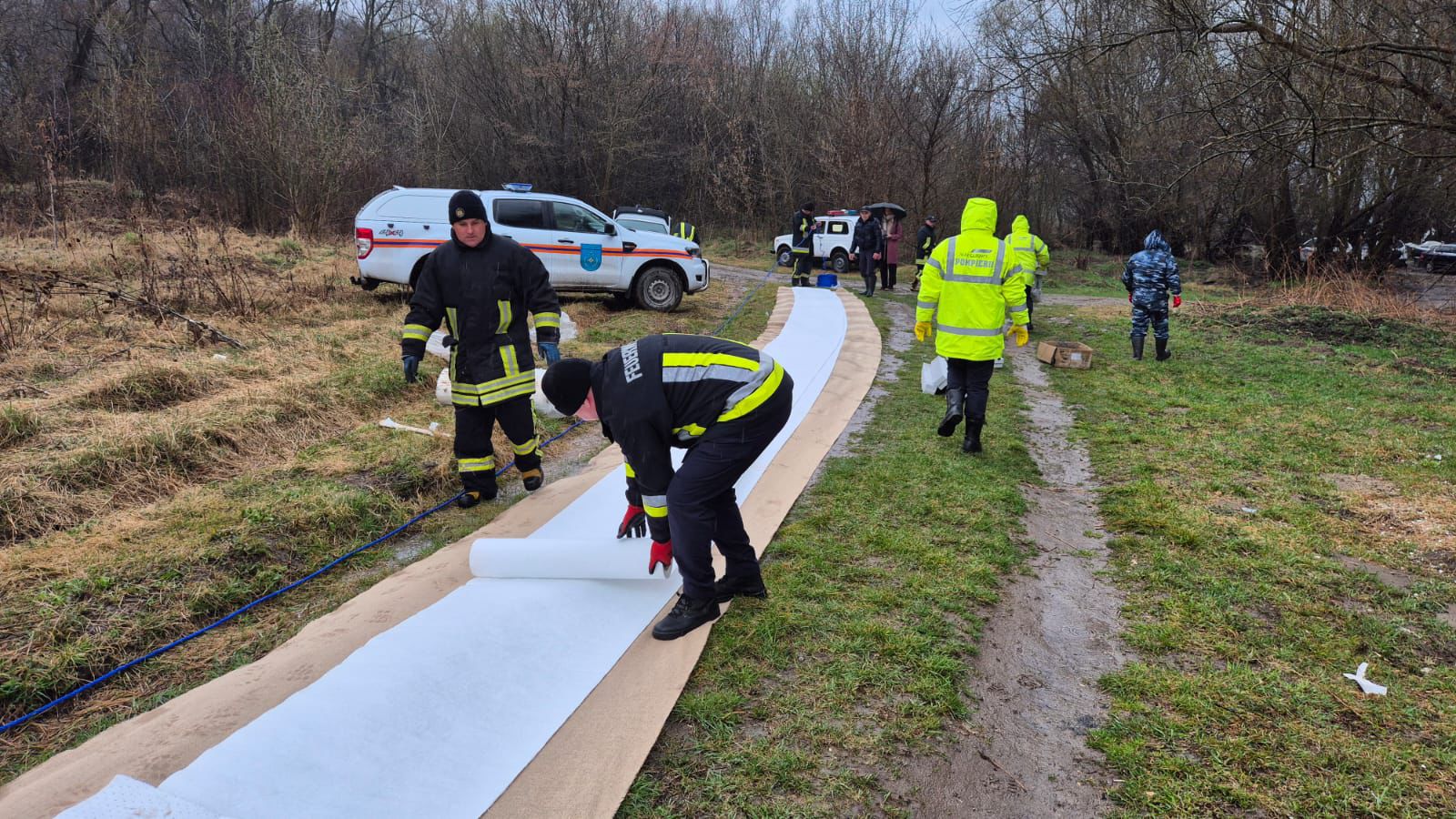
Minister Gheorghe Hajder emphasized that, following the lifting of the alert state, cleaning and surveillance actions would actively continue in the coming weeks. The decision is motivated by the fact that the Dniester is a dynamic ecosystem with fluctuating water levels, which has led to the deposition of polluting substances on the riverbanks and in riparian vegetation.

The action plan for the immediate period ahead includes: daily monitoring of the affected sector, in order to identify any new pollution patches; maintaining and replacing the 22 dams installed to limit the spread of pollutants; using absorbent materials to capture remaining residues in the water; strict monitoring of water intake stations, in order to guarantee consumers’ safety and collecting water samples twice a week for detailed laboratory analyses.

“Interventions will continue until the complete removal of any visible traces of pollution. Since the water level fluctuates, substances deposited on the banks may later return to the river, which is why monitoring remains a priority,” said the environment minister.

In parallel with decontamination efforts, the Environment Ministry reminds the population that, as of today, April 1, the fishing ban period has come into force. The restriction, which will last until June 15, is essential to allow fish stocks to recover and to protect biodiversity during the breeding period, especially in the context of the recent ecological stress suffered by the Dniester ecosystem.

Environmental authorities call for responsible behavior on behalf of citizens and assure that all subordinate institutions will remain on high alert until the Dniester River is declared completely clean and safe.

The alert state on the Dniester was established on March 16, 2026, after the river had been affected by contamination with a petroleum substance following an attack on a hydropower plant in Ukraine by Russian forces on March 7. The pollutant was discharged into the watercourse and started moving towards the territory of Moldova, endangering aquatic ecosystems and water sources for riparian communities.
 Facebook
 Instagram
 X/Twitter
 Telegram
Two prosecutors pass evaluation in Moldova
Moldovan Technical University launches Innovation Center for Viticulture and Winemaking for connecting research with wine industry
DOC // Moldovan president revokes citizenship of five officers from so-called state security ministry of Transnistrian region
Ombudsman of Moldova launches new edition of Human Rights Caravan
Moldova's General Police Inspectorate warns about new fraud schemes: scammers send fake SMS messages about alleged fines for traffic infringements
Moldovan authorities, environmental experts strengthen skills in assessing biodiversity
Education Week culminates with national university fair: Moldovan PM says lyceum graduates should be proud of country
Increased traffic at border in Moldova: authorities take measures to streamline traffic, come up with recommendations for travelers
PHOTO // Moldovan PM visits areas hit by torrential rains
VIDEO // Moldovan authorities step up operations amid torrential rains: over three thousand emergencies registered by 112 Service
Moldovan president calls for continuous efforts to address aftermath of heavy rains: authorities to assess damage, provide support where needed
Superior Council of Prosecutors comments on procedure of external evaluation of Moldova's Prosecutor General: decision adopted based on verified materials
Rail traffic resumes after torrential rains in Moldova; trains continue moving to Chisinau
Three prosecutors fail external evaluation in Moldova; reports sent to Superior Council of Prosecutors
Moldovan government endorses draft of new media law; Culture minister describes step as necessary for modernizing legal framework in sector
Moldovan energy minister calls for compliance with deadlines for completing works needed to start energizing Vulcanesti–Chisinau power line
Foreign affairs minister says Moldovan citizens on both banks of Dniester understand very well international circumstances country is in, risks of Russian citizenship
Moldovan head of state meets former president of Georgia, awards her Order of the Republic
VIDEO // BTA: “Bangaranga”, winning Eurovision song performed by DARA, dominates Europe’s music charts
Moldova to receive 150 million euros to modernize strategic roads
Moldova aims to become regional hub for medical tourism; authorities preparing strategy
 National Bank of Moldova
Moldovan deputy PM for reintegration meets with chair of Estonian parliament's national defence committee
Moldovan head of state meets former president of Georgia, awards her Order of the Republic
Government simplifies recognition of study documents and qualifications obtained abroad
President discussed Moldova’s European path and expansion of bilateral cooperation with Austrian parliamentarians
2025 Budget implementation: Government invests in better public services – indexed pensions, expanded social support and access to more medical services

Moldovan energy minister says every leu invested in energy efficiency generates significant economic impact
Around 70 households affected by floods caused by heavy rains in Moldova; damages to be assessed
Moldovan Central Electoral Commission imposes sanctions on officials from electoral bureaus set up for May 17 new local elections
Moldova expands diplomatic presence in United Kingdom: first Honorary Consulate opened in Manchester
Yellow Code for atmospheric instability in Moldova: showers with thunderstorms, hail expected
VIDEO // Levski Trakia football team receives financial support from ARBOM, plans for modernized stadium
Moldovan culture minister: “We are not banning artists, but we do not recommend concerts by those who support the war”
Energy compensations to be maintained in next cold season
Agriculture Minister after farmers’ protest: I will continue to focus on dialogue to identify solutions to all demands
Government simplifies recognition of study documents and qualifications obtained abroad
Moldovans working in Slovakia to receive pensions
President discussed Moldova’s European path and expansion of bilateral cooperation with Austrian parliamentarians
Defense Minister denounces smear campaign
Fuel prices drop: diesel falls below 29 lei
2025 Budget implementation: Government invests in better public services – indexed pensions, expanded social support and access to more medical services
10 hospitals in Chișinău and Bălți to be renovated with EU support
Receive the latest news directly to your email

Receive the latest news directly to your email