
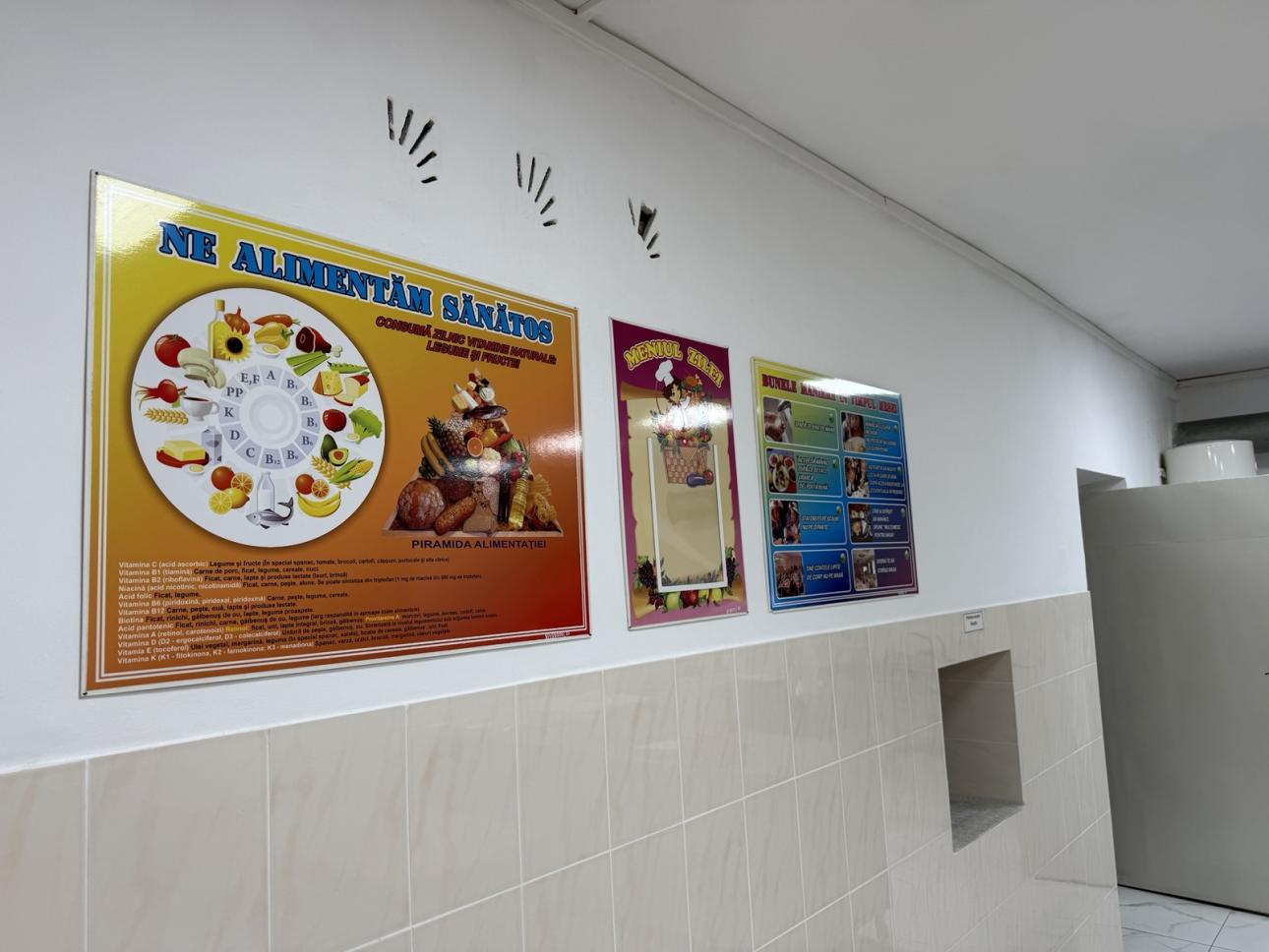
Lack of own premises remains main obstacle to development of Romanian-language educational institutions in Transnistrian region
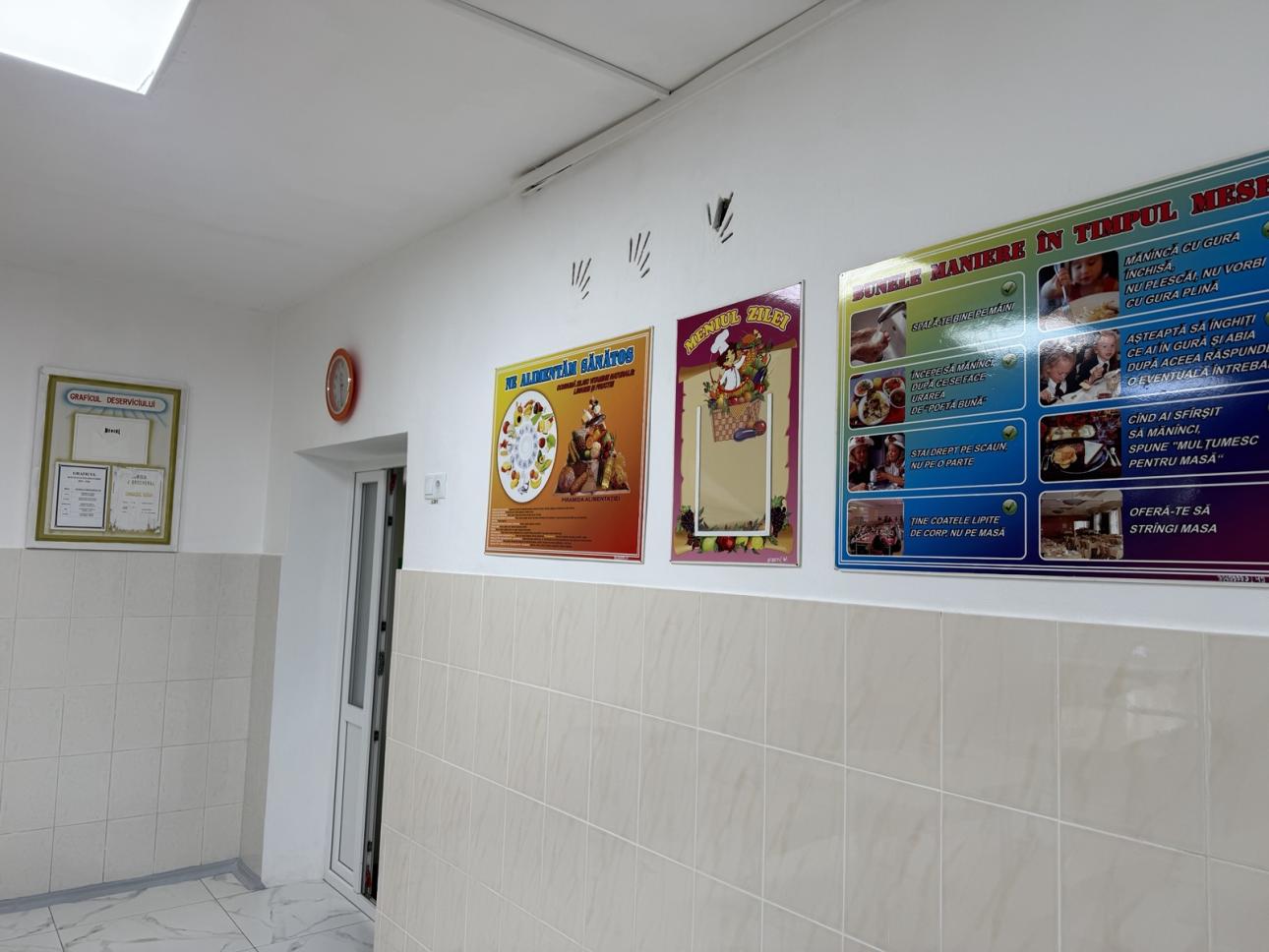
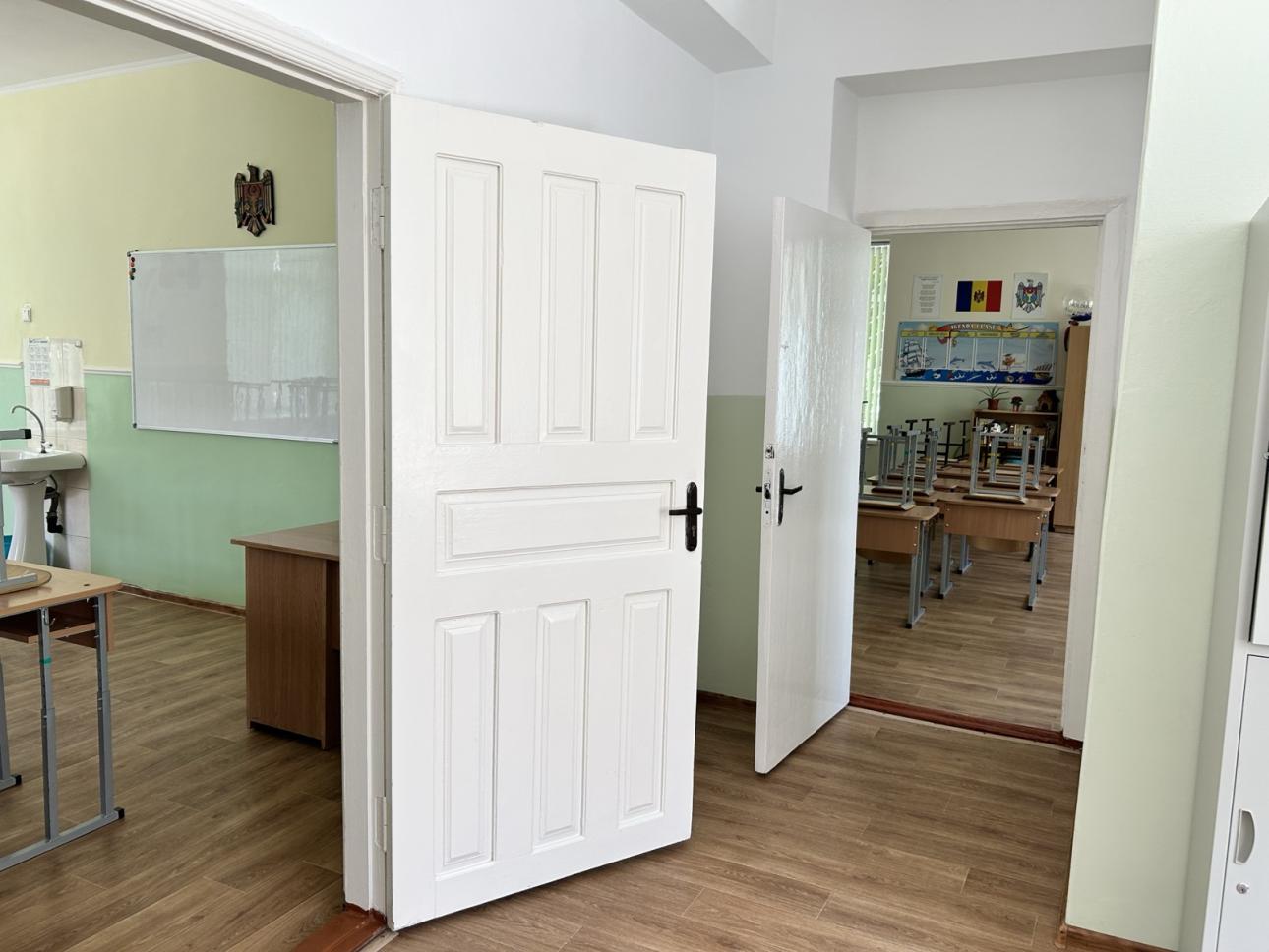
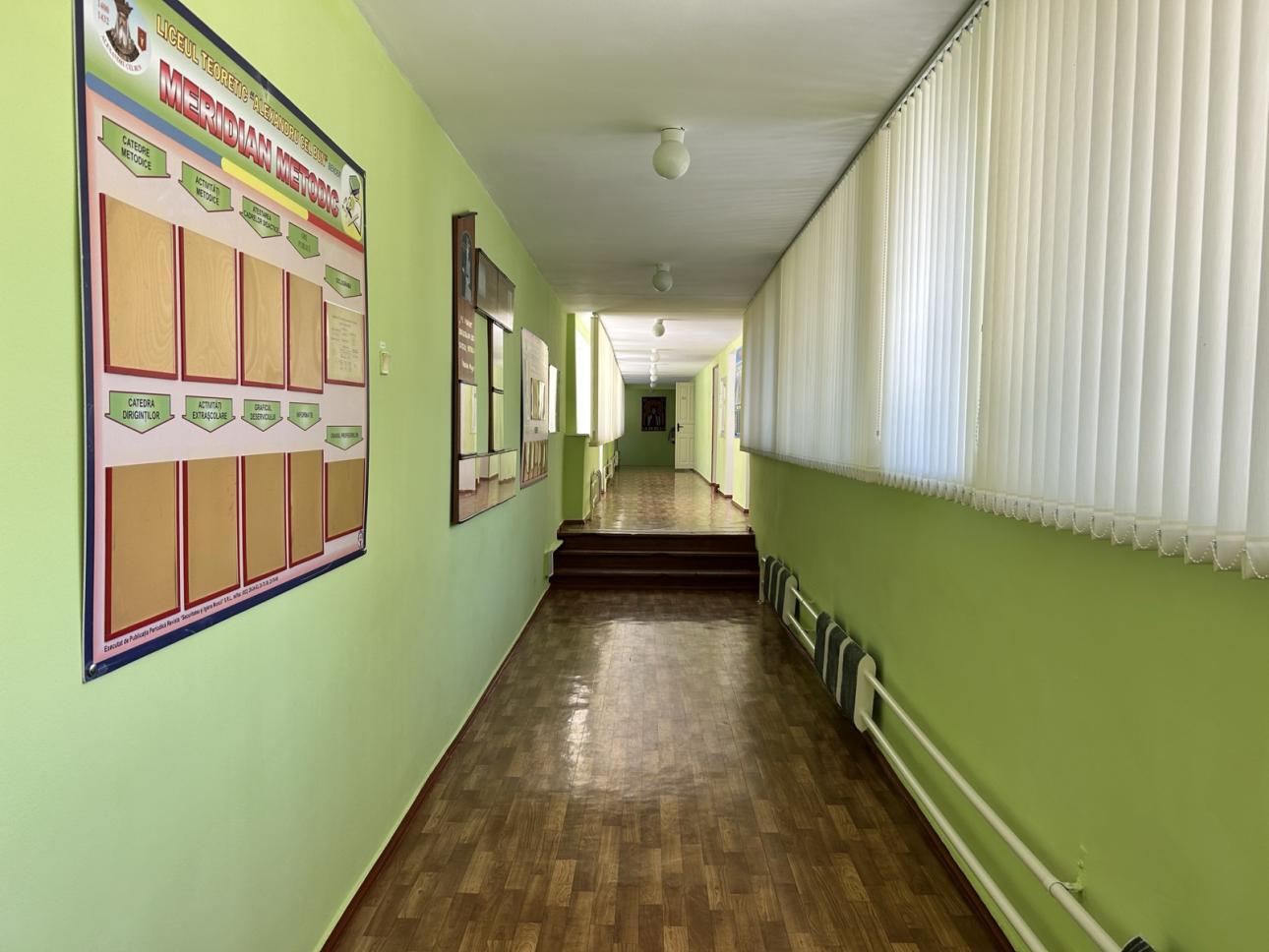
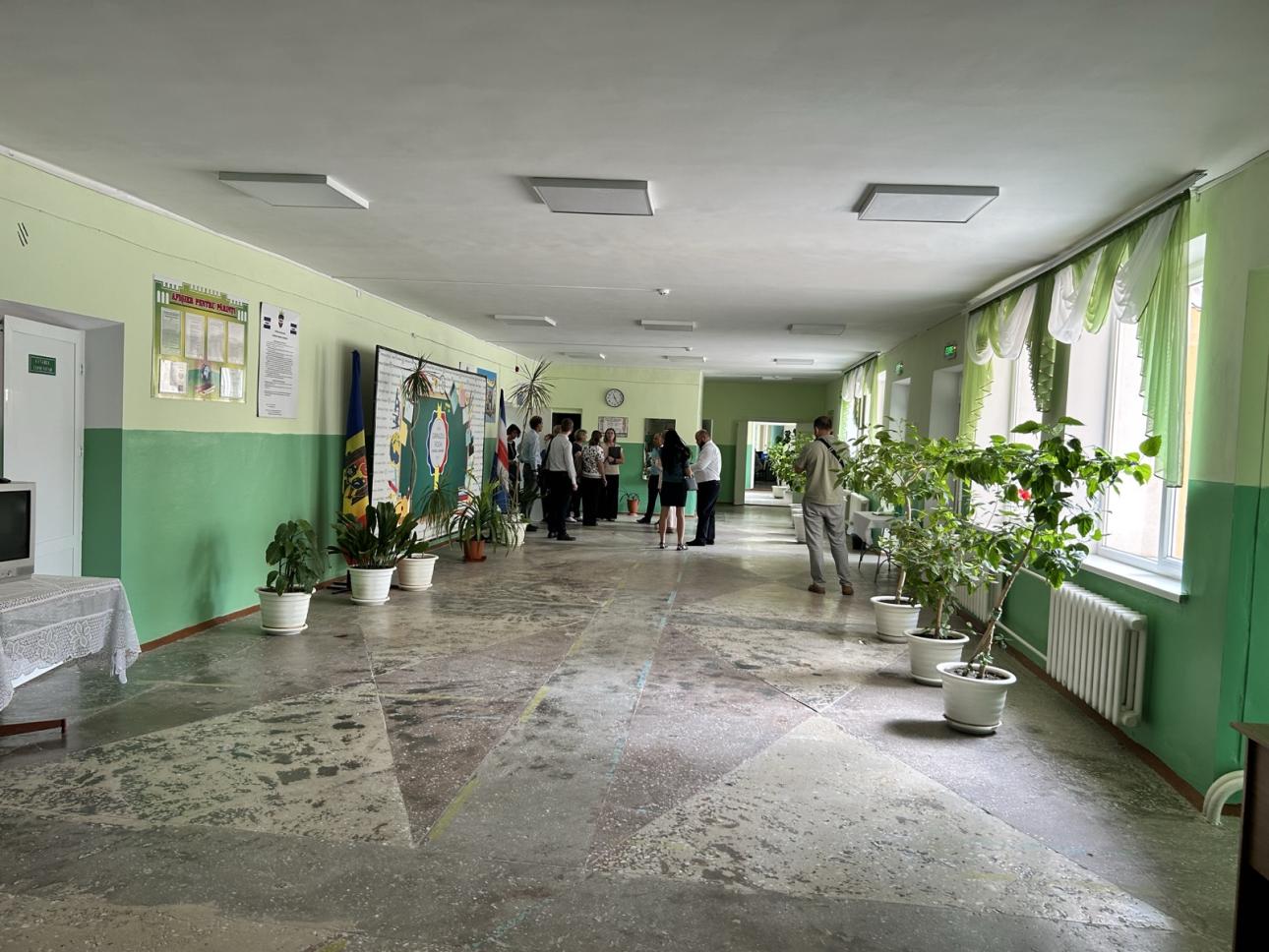
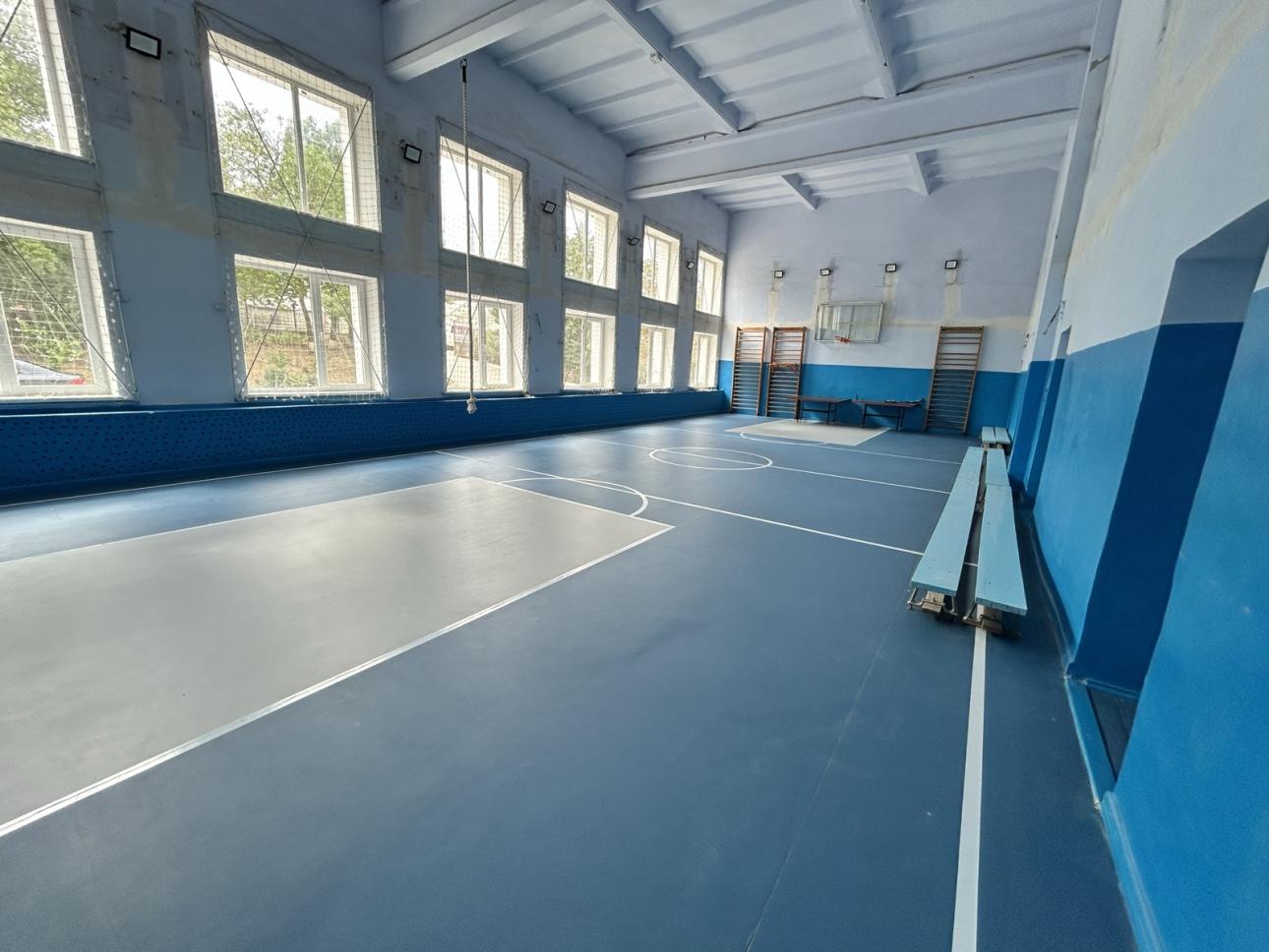
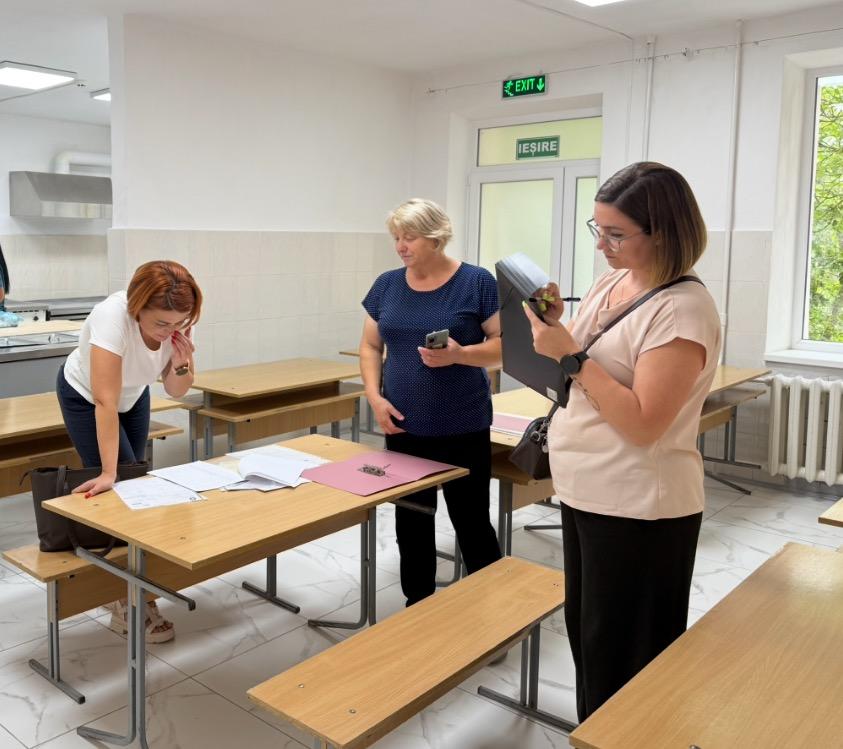
On 24–25 August 2026, representatives of the Ministry of Education and Research, the National Agency for Public Health, the National Agency for Food Safety, and the National Inspectorate for Technical Supervision carried out inspections in Romanian-language educational institutions in the Transnistrian region of the Republic of Moldova. The actions aimed to assess the level of preparedness of the institutions for the 2026–2027 academic year, including from educational, sanitary, food safety, and technical perspectives.

During the visits, it was found that the school administrations and teaching staff are making sustained efforts to ensure appropriate and safe learning conditions. However, the main obstacle to the proper organization of the educational process remains the lack of their own premises. The institutions are forced to operate in rented and adapted spaces that do not fully meet the specific requirements of an educational institution.

Operating in unsuitable or insufficiently adapted spaces limits the possibilities for arranging classrooms, food service areas and sports grounds, creating additional difficulties in meeting all relevant requirements.

Ensuring that the institutions have their own, adequate, and safe premises remains a priority, as it represents an essential condition for the stable and high-quality conduct of the educational process.

The Moldovan authorities reaffirm their commitment to supporting the operation of the eight Romanian-language educational institutions and, more broadly, the modernization of the educational system in the Transnistrian region. Its development must take place in accordance with the provisions of the Education Code of the Republic of Moldova, national quality standards and principles of the European Education Area, including, where applicable, the standards of the Bologna Process, so that all children and young people in the region can benefit from quality, safe and recognized studies.
 Facebook
 Instagram
 X/Twitter
 Telegram
President received bipartisan delegation of U.S. House Appropriations Committee
President meets with Turkish MP, Vice President of ruling AK Party
Government approves Implementation Program for Education 2030 Development Strategy
Moldovan driving licences to be recognized in Latvia
Famine caused by Soviet totalitarian regime in 1946–1947 is to be officially recognized as crime against humanity
Clearer rules for storing petroleum products intended for emergency situations
Government increases budget for supporting investments in manufacturing industry to 4 billion lei
Over 400 mayors attend consultations on investments for amalgamated localities
Moldovan cities benefit from European cooperation and funding through URBACT IV Programme
Government State Secretary for Reintegration meets Ambassador of Czech Republic to Moldova
Moldova and UN to continue cooperation for sustainable development and support of reforms
Mayors from Central Region of country participated in consultations on investments for amalgamated localities
Moldovan Prime Minister and Luxembourg counterpart discussed European path of country, expansion of bilateral cooperation
Information session for businesses on both banks of Dniester on application of VAT and excise duties to goods imported into Moldova
Currency liberalization: 250,000-euros ceiling without authorization of National Bank of Moldova, foreign currency payments in certain commercial units
Romanian-language TV programmes, domestic content to have a greater share in audiovisual space of Moldova; legislative initiative supported by parliament
Eugeniu Osmochescu accepts position of Minister of Agriculture and Food Industry
Deputy Prime Minister for Reintegration and Ambassador of Ukraine to Moldova approach current issues on Transnistrian case
Former Romanian Economy Minister joins Chişinău Government
VIDEO // President invites citizens to events dedicated to Independence Day
Changes in Moldovan Government: Eugeniu Osmochescu proposed for Agriculture and Claudiu Năsui for Economy
 National Bank of Moldova
Deputy Prime Minister for Reintegration and Ambassador of Ukraine to Moldova approach current issues on Transnistrian case
Presidents of Romania and Ukraine invited to celebrate 35 years of Moldova’s independence
Moldovan president advocates in Kyiv for strengthening Ukraine’s air defense
Moldovan PM conveys message to Ukrainian people at opening of exhibition dedicated to Ukraine’s sacred heritage
Moldovan president awarded Princess Olga Order by Ukraine's head of state

European gas prices remain high as TTF benchmark reaches 68.19 EUR/MWh
PHOTO // Over 20 medals for Moldova at U-15 and U-17 European Weightlifting Championships in Pristina
UPDATE // Mirnoe-Tabachi border customs post resumes operations
Presidents of Romania and Ukraine invited to celebrate 35 years of Moldova’s independence
Moldovan president advocates in Kyiv for strengthening Ukraine’s air defense
PHOTO GALLERY // Fourth edition of National Teachers' Forum organized in Chisinau
Candidates for position of judge or prosecutor to be allowed to retake exam in Moldova
Moldovan president in Kyiv says more air defense for Ukraine means safer sky for Moldova as well
Moldova to have new law on mass media's activity, aligned with European standards
Moldovan parliament speaker says ammunition at Cobasna used by Russia as argument to maintain troops in Transnistrian region
Chisinau – Cainari railway section of Moldova to be rehabilitated with support of top European bank
Voted by Moldova's parliament: Electoral Code supplemented with provisions on postal voting, organization of elections in Gagauz autonomy
Moldovan parliament changes rules of work: new provisions for MPs, parliamentary factions
Inga Ionesii assumes office of Moldova's Ambassador to India
Moldova denounces another agreement signed within Commonwealth of Independent States: parliament votes withdrawal from treaty on books and printing
Harvest of grapes for wine might increase by up to 15 per cent in Moldova in 2026; reference price between 6.8 and 8.2 lei per kilogram
Receive the latest news directly to your email

Receive the latest news directly to your email