
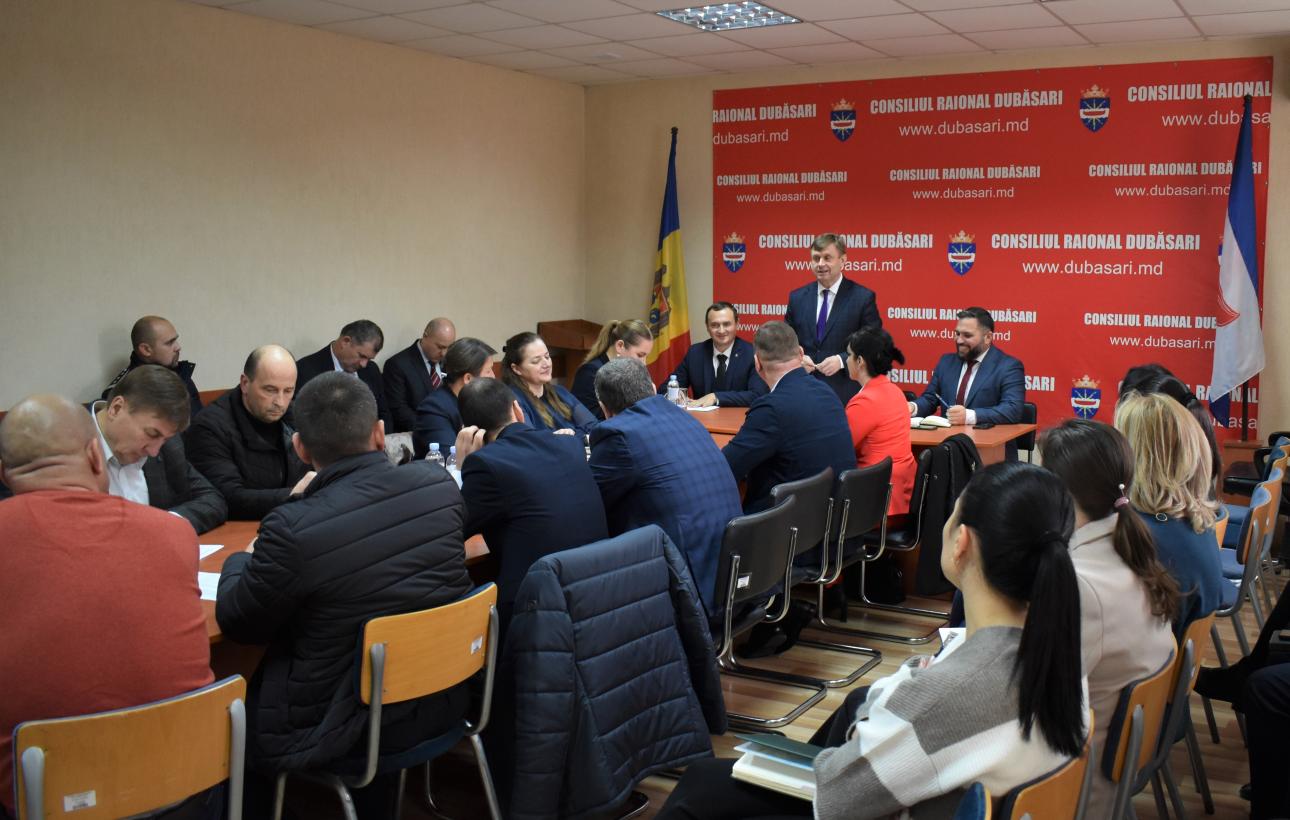
Deputy Prime Minister for Reintegration on working visit to Dubăsari district
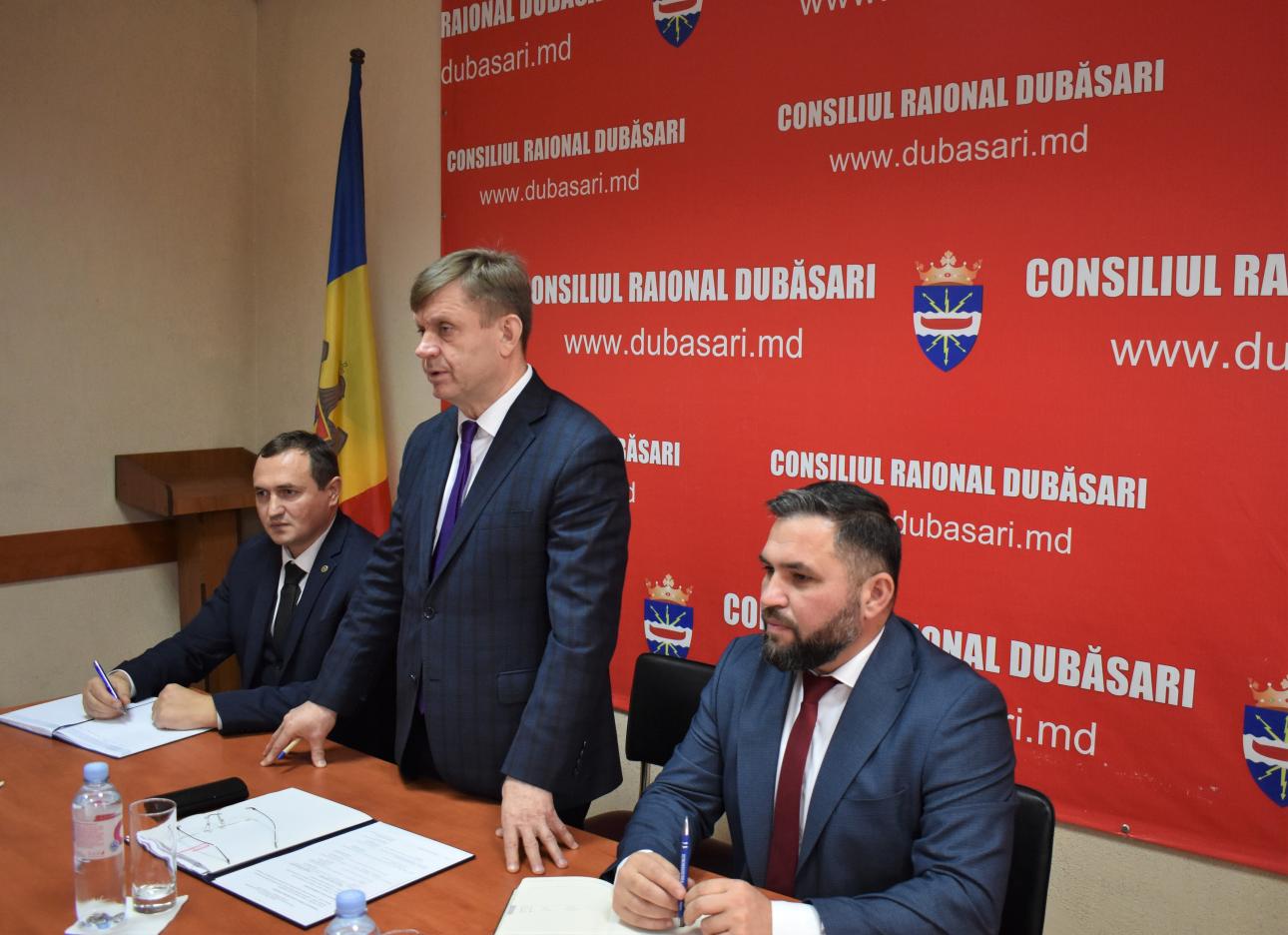
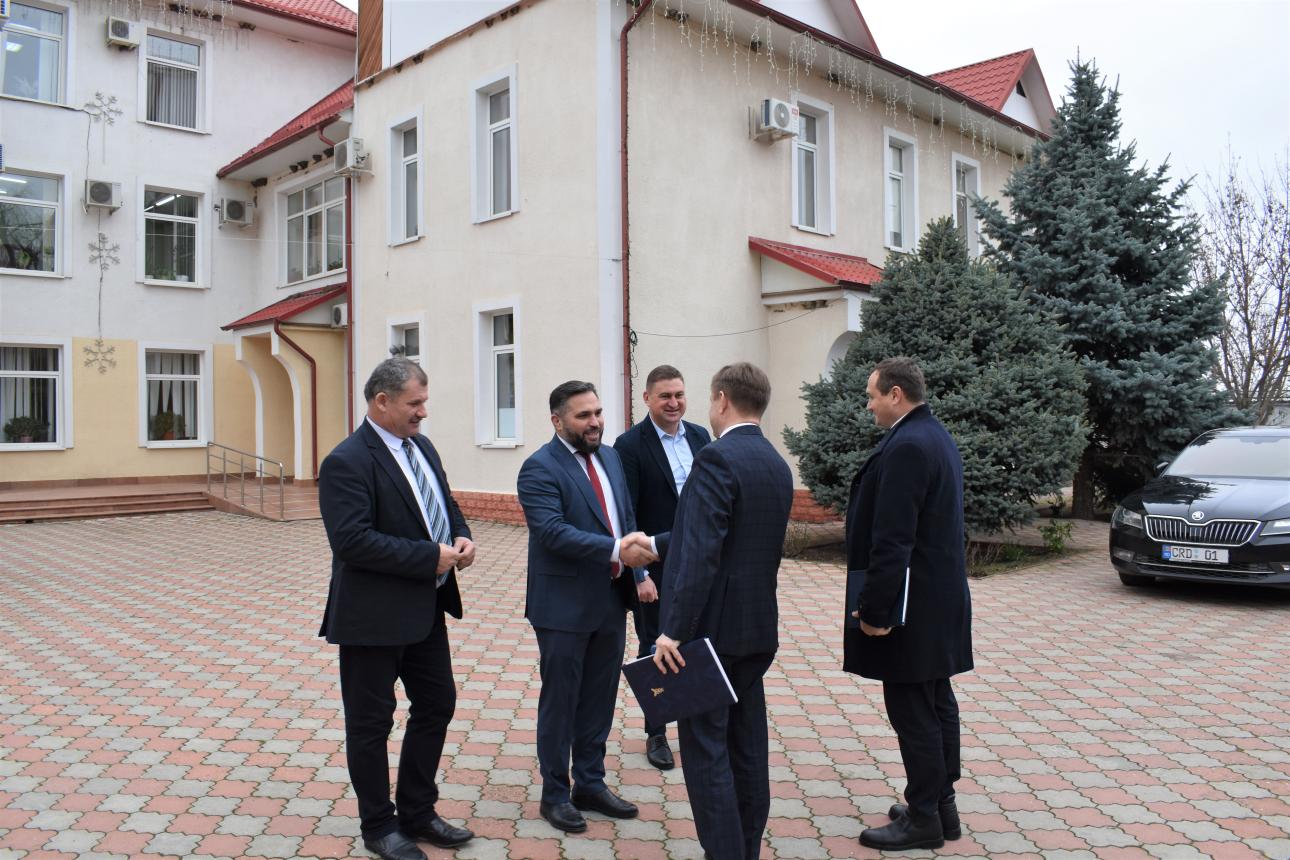
Deputy Prime Minister for Reintegration Valeriu Chiveri conducted a working visit to Dubăsari district, and met with district leadership and local mayors. During the discussions, the current situation in the region was assessed, and challenges faced by local public administrations were addressed.

“Direct dialogue with local public administrations is essential to understand the realities on the ground and to formulate policies that cater to people's needs. We will continue to work together to strengthen cohesion and promote the interests of the citizens in the Security Zone,” the Deputy Prime Minister mentioned.

The mayors presented the current difficulties their communities are facing, such as access to agricultural land, movement restrictions, the need for public infrastructure interventions, and other aspects affecting residents' daily lives. They also expressed gratitude to the Bureau for Reintegration Policies for the support and assistance provided, including in realizing and implementing projects within the country's Reintegration Activities Program. It is noteworthy that over 600 projects, totaling more than 225 million lei, have been implemented during the program.

Valeriu Chiveri reiterated the Government's commitment to protecting citizens' interests and doing everything necessary to ensure the normal functioning of localities within the Security Zone. He also mentioned that responsible institutions will continue to monitor the situation in the area and intervene promptly when required.

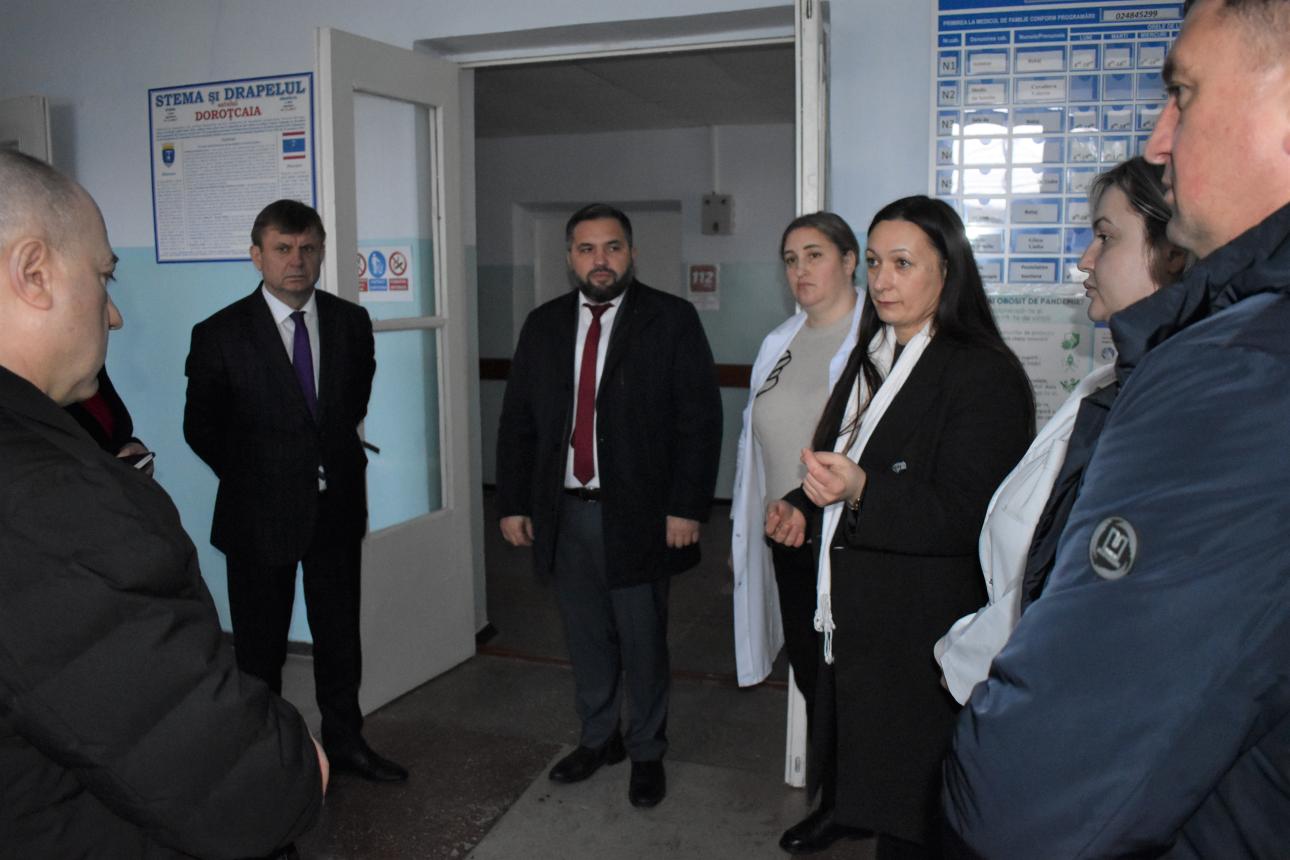
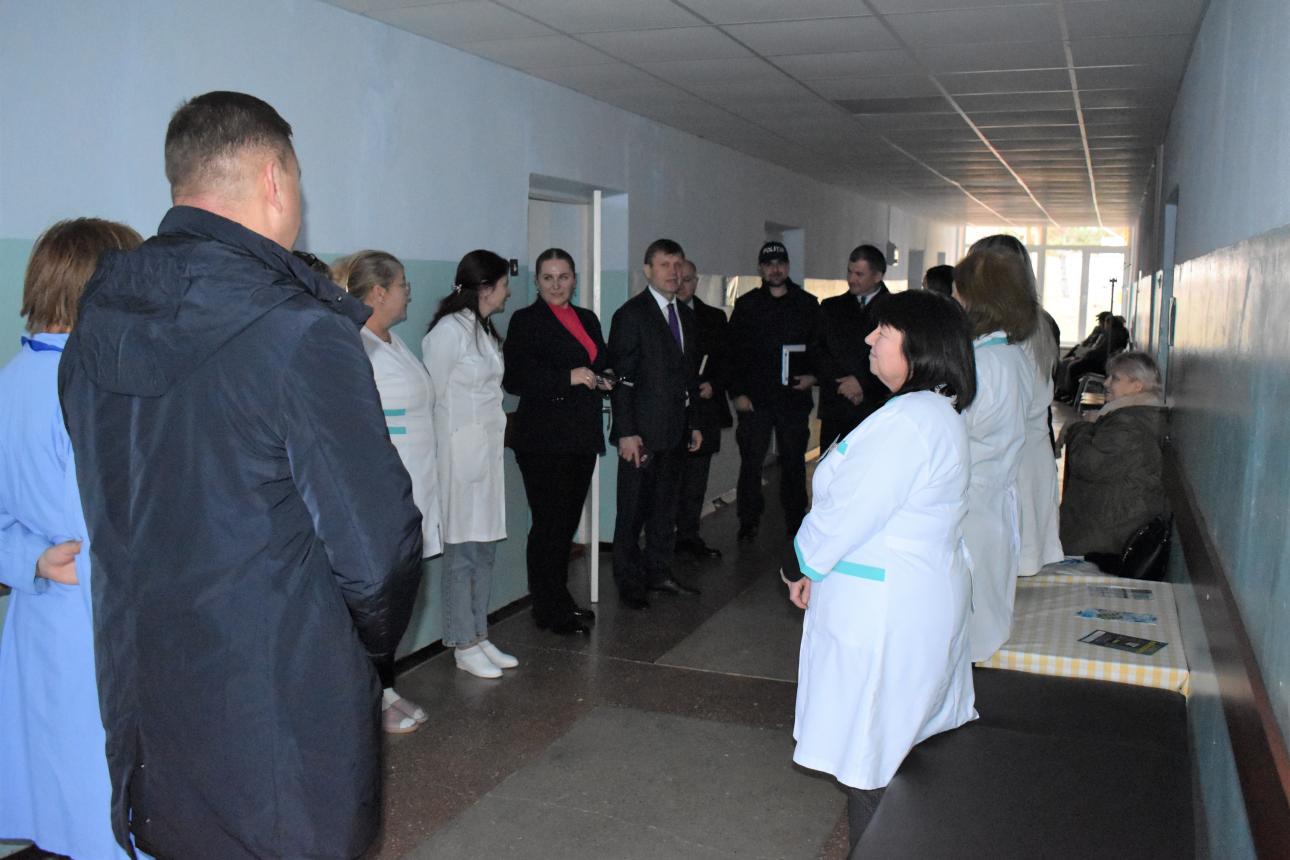
During the continuation of the visit, the Deputy Prime Minister traveled to Doroțcaia, where he exchanged views with staff at the Family Doctors' Office. Discussions focused on the working conditions of medical personnel, the institution's needs, and access to services for locals.

“It is important to provide all the support needed to medical and sanitary institutions in localities located within the Security Zone, as they represent the first point of access to essential services for citizens. Strengthening the capacity of these institutions, improving working conditions for medical staff, and ensuring uninterrupted access to equipment and resources are priorities that directly contribute to the well-being of local communities,” Valeriu Chiveri emphasized.
 Facebook
 Instagram
 X/Twitter
 Telegram
Working meeting of political representatives in negotiation process for Transnistrian settlement to take place in Tiraspol on February 26
Road Fund 2026: In addition to road maintenance and repair, funds earmarked for equipping quality control laboratory
Faster emergency response: New equipment rules for Internal Affairs structures
Moldovans working in Quebec to be eligible for pensions, social benefits
Deputy Prime Minister for Reintegration, Ambassador of State of Qatar to Moldova approach current situation
Moldovan government, civil society cooperate for implementation of reforms, development projects
Moldovan president meets delegation of Lithuanian parliament
President: We will always be grateful to Ukrainians for defending our peace and freedom and that of all Europe
Moldovan president has meeting with delegation of Denmark's parliament
Moldovan deputy PM for reintegration has meeting with special envoy of Ukraine's Foreign Affairs Ministry
Moldovan deputy PM for reintegration meets members of Danish parliament's foreign policy committee
Prime Minister at FIRST Tech Challenge Moldova: Young people who choose to create, experiment and work for their ideas - strongest investment in future of Moldova
Consultations on local public administration reform: reform vision discussed in another nine districts of Moldova
Moldovan PM says Constitutional Court stays pillar of democratic balance, of European path of Moldova
Moldovan president participates in national scientific conference on culture of memory
VIDEO // Discover Moldova with #MOLDPRES: cultural tourism, art of eggs' decorating in authentic experience at Aievea – handicraft house in Ciniseuti
Moldovan-Romanian bilateral cooperation strengthened through new diplomatic mandate: Ambassador of Moldova presented copies of accreditation letters in Bucharest
PM meets Head of Norwegian Embassy's Office in Chisinau
Moldova’s agricultural sector grows: total output up by almost 14 per cent in 2025
Road, railway, logistics projects discussed with delegation of Greece in Chisinau
IMF confirms reliability of National Bank of Moldova, effectiveness of its monetary policies
 National Bank of Moldova
Moldovan president participates in national scientific conference on culture of memory
PM meets Head of Norwegian Embassy's Office in Chisinau
Moldovan deputy PM for reintegration participates in events of commemoration for heroes dead at Transnistria War
Moldovan PM says peace fragile, all share responsibility to protect it
President - 34 years after war on Dniester: In the name of those who fell and fought, we commit to keeping the flame of freedom alive. Every day

Moldovan PM says peace fragile, all share responsibility to protect it
Parliament speaker says, after 34 years, Moldovans have duty to build bridges, where there were walls
PHOTO // Decade of Memory and Gratitude launched in Chisinau; Moldovan president says state without memory vulnerable state
EU Entry/Exit System extended to more border crossing points of Moldova as of March 2
Moldovan PM conveys message on 34 years since outbreak of Transnistria War
Perspectives concerning Moldova's territorial reintegration; expert says reunification can happen through society’s collective refusal to play Russia’s game
Moldovan foreign affairs minister to pay official visits to Germany, Azerbaijan
Chisinau International Airport launches strategic digitalization project: integrated online platform directly connected to operational systems
Moldovan Energy Regulatory Agency says events in Persian Gulf region influence international oil prices
Moldova marks 34th anniversary of joining United Nations
President - 34 years after war on Dniester: In the name of those who fell and fought, we commit to keeping the flame of freedom alive. Every day
President’s message at event on Remembrance and Gratitude Day
15 citizens of the Republic of Moldova in Middle East requested consular assistance from diplomatic missions
President: Aggression against our country has not disappeared even today – only methods have changed. We are living through genuine cognitive war that targets our memory and identity and seeks to confuse victim with aggressor
PHOTO GALLERY // War on Dniester through lens of MOLDPRES: documentary photographs from front line
Foreign Ministry: No Moldovan citizens among victims in Middle East conflict zones
Receive the latest news directly to your email

Receive the latest news directly to your email