
Parliament speaker says, after 34 years, Moldovans have duty to build bridges, where there were walls
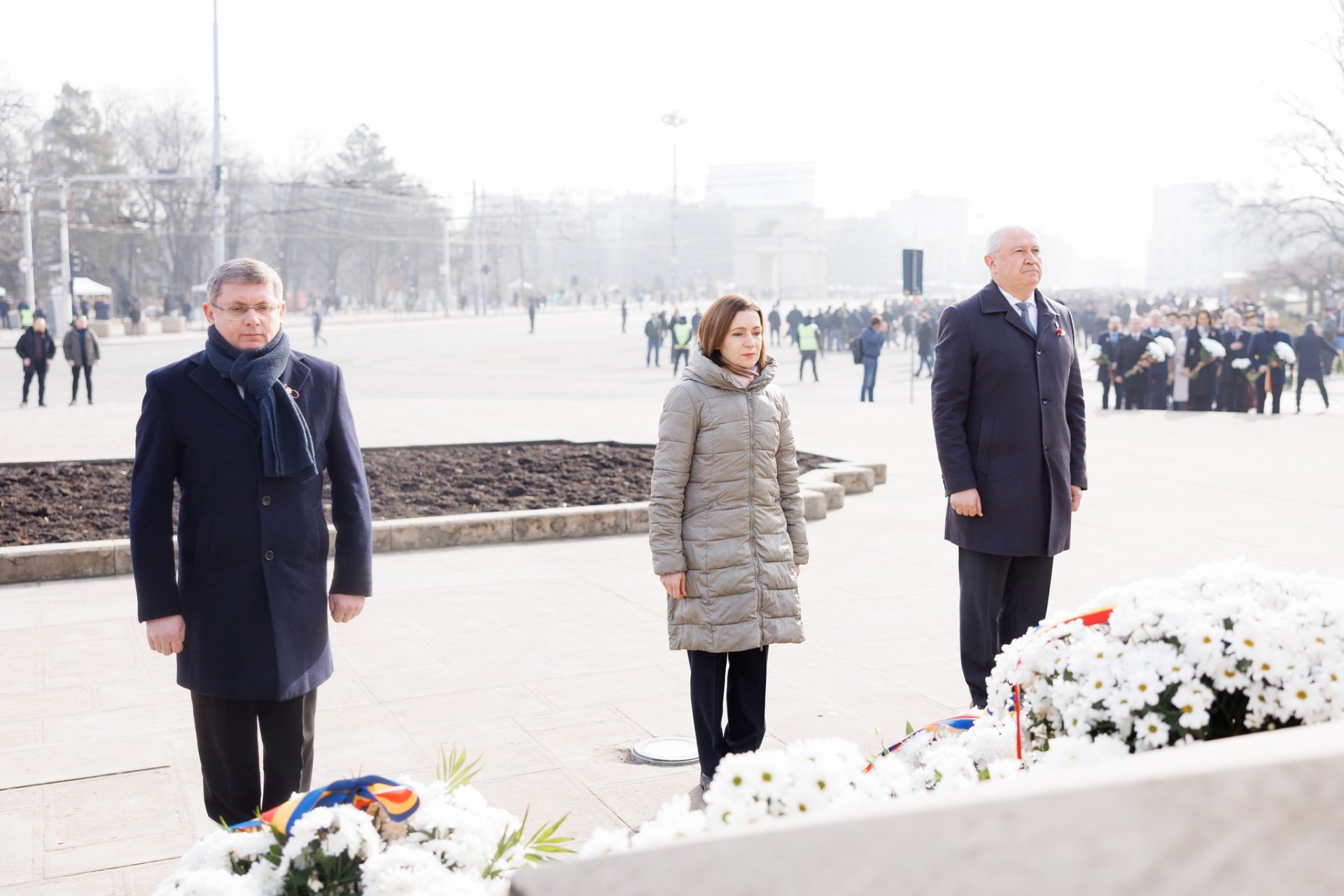
More than three decades after the Transnistria War, Moldova must defend its historical memory and remain united in the face of challenges generated by the aggression of the Russian Federation. Parliament Speaker Igor Grosu today made statements to this effect, in the context of the Day of Remembrance and Gratitude.

Thirty-four years after the outbreak of the armed conflict on the Dniester, the speaker said that March 2, 1992 remained a painful day in the history of Moldova, marked by the beginning of the war of aggression launched by the Russian Federation.

“More than three decades have passed, but the wounds of that war remain open in the hearts of many families,” the official stressed.

According to Grosu, over the years, the Russian Federation has continued to divide the Moldovan society, but people on both banks of the Dniester have shown that they want the same things – peace, security and a stable future.

The speaker called for unity and reconciliation, emphasizing the need to “build bridges where walls were raised,” as well as the importance of preserving the memory of those who had defended the country’s independence.

Igor Grosu recalled the courage of the veterans who fought in the conflict, also evoking their message:

“We did not want war, we wanted peace. We wanted to be free.”

In conclusion, the official urged a dignified defense of history and the honoring of the heroes’ memory, stressing that Moldova must remain united and proud of its path.

“Let us continue to defend, with dignity, our history and our country, to honor the memory of our heroes, to speak about the courage of the veterans, and to be proud of Moldova,” the parliament speaker concluded.

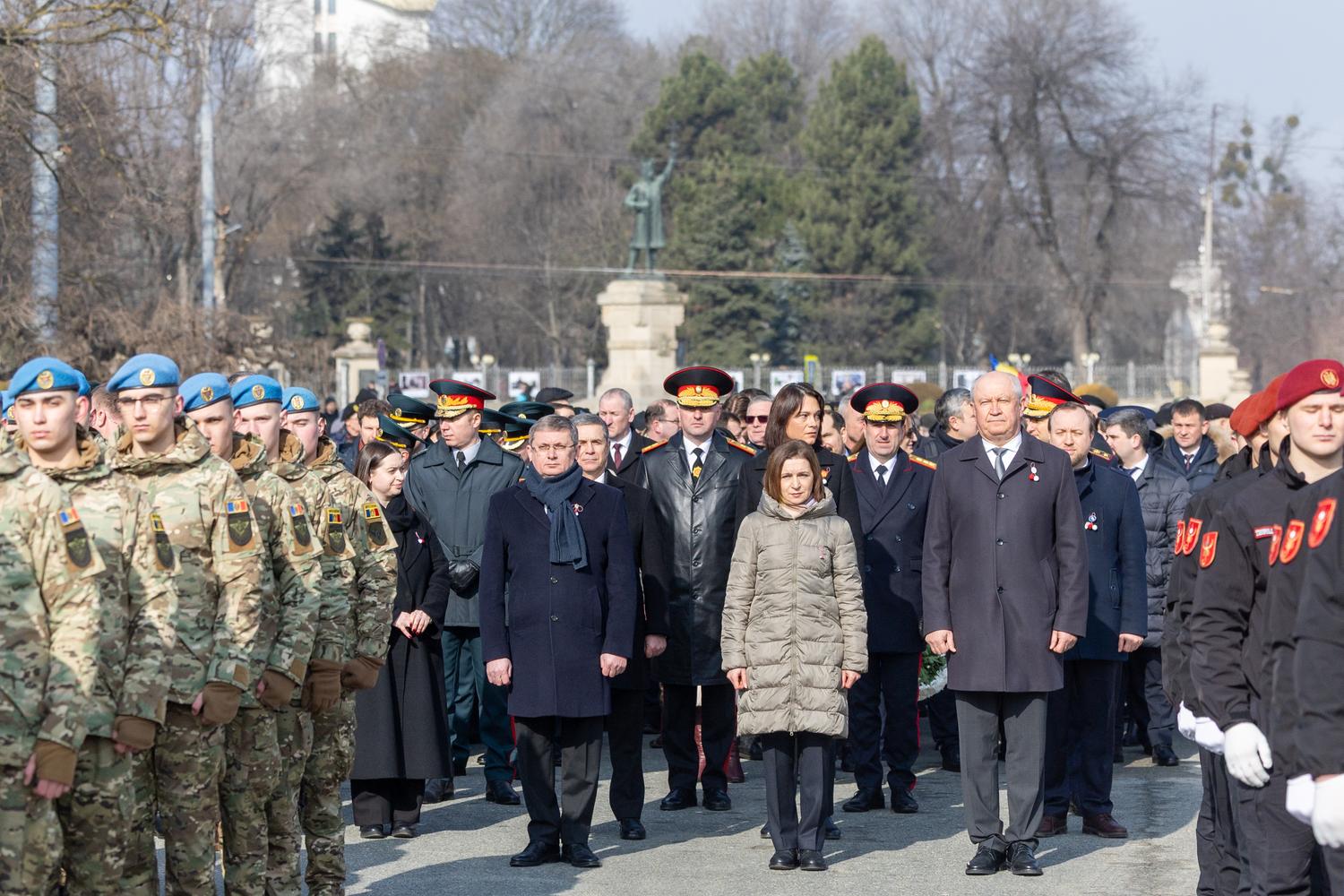
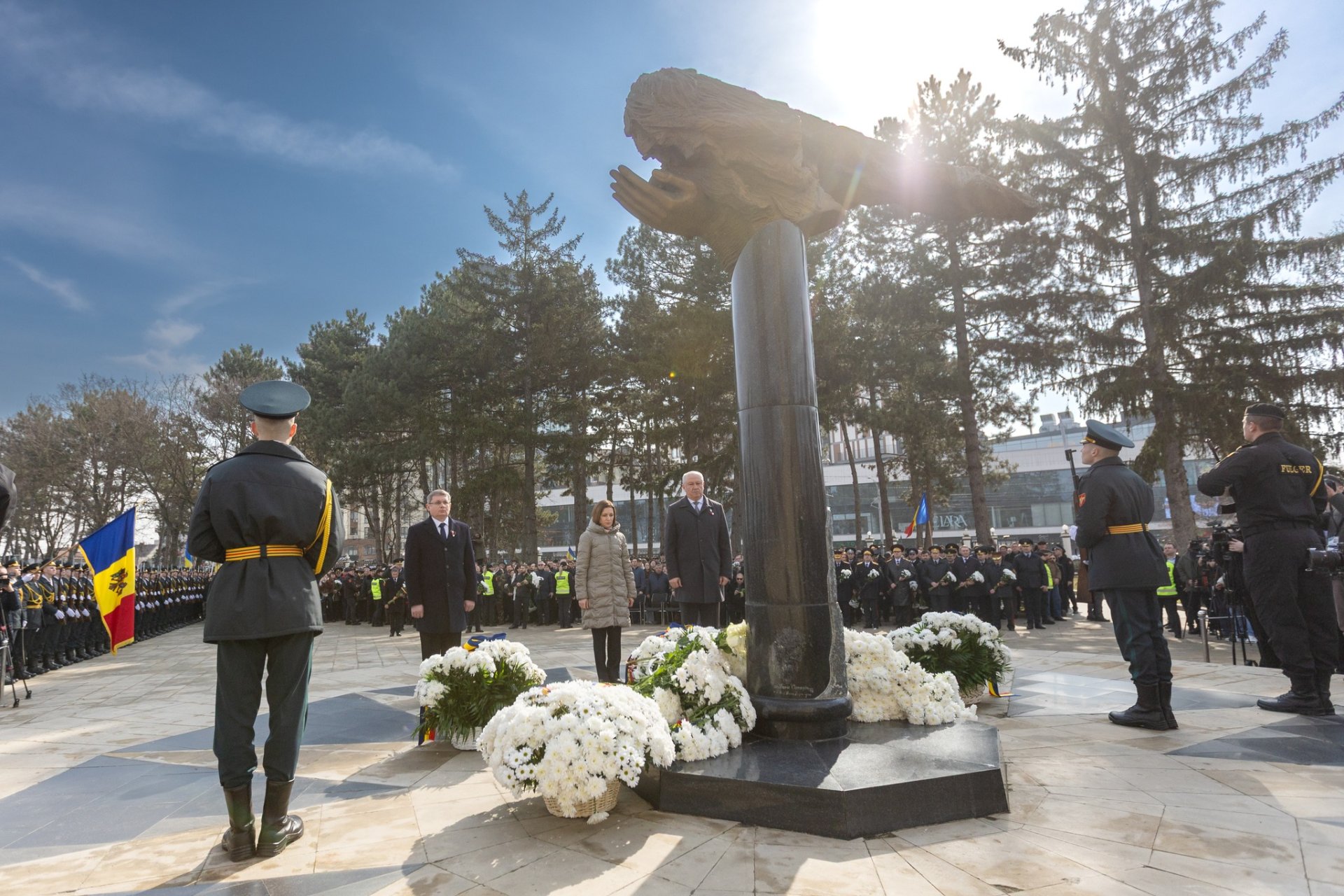
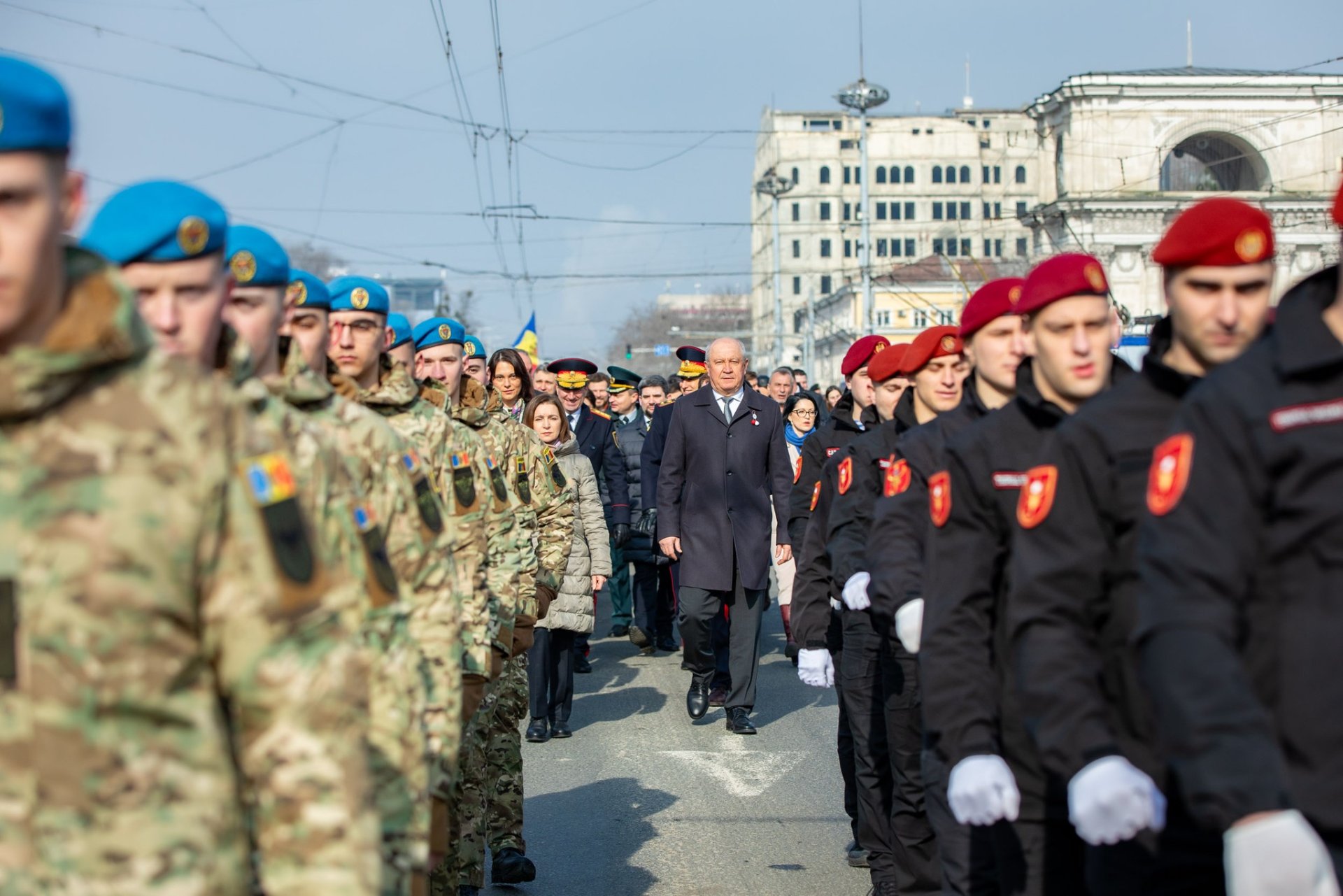
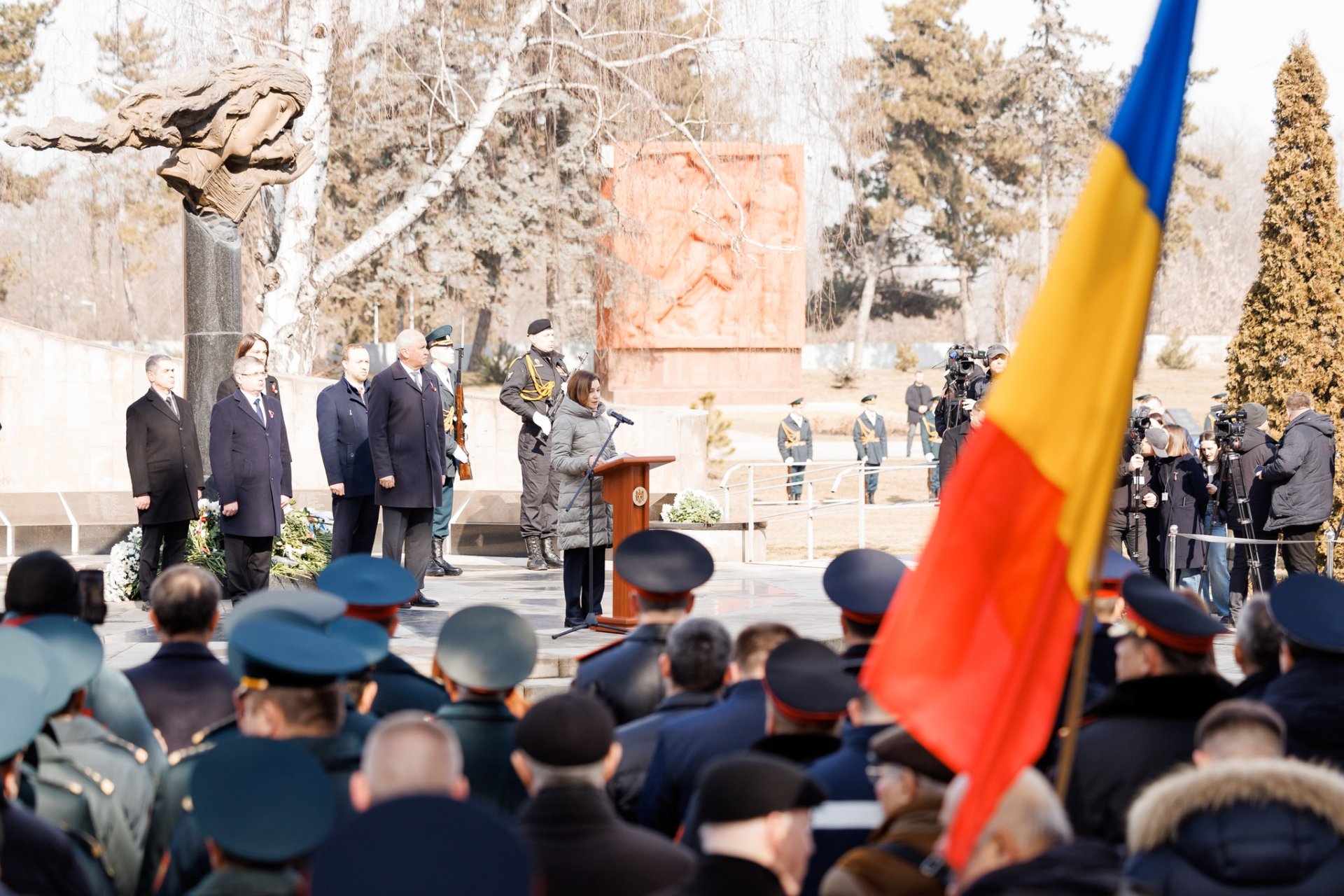
The statements were made by the official during the commemoration rally for the heroes fallen in the War for the Independence of Moldova, attended also by President Maia Sandu and Prime Minister Alexandru Munteanu.

The commemoration rally was opened by the head of state, who highlighted the heroism of the participants in Transnistria War.

“Today we bow, with respect and gratitude, before those who, in 1992, defended the sovereignty and independence of Moldova. It is a day of pain, but also of dignity. It is the day on which we remember not only the deeds of the heroes, but especially their sacrifice – because freedom has had a heavy price. Moldova has not coveted foreign territories and has not started wars. It has only defended its ancestral land and the aggression against our country has not disappeared even today – only the methods have changed. While in 1992, the aggression came with tanks, today it comes through propaganda, manipulation and disinformation. We are living through a genuine cognitive war, which targets our memory and identity and tries to confuse the victim with the aggressor. Ladies and gentlemen, Moldova does not want war, but peace. True peace cannot be built on lies and cannot be imposed with foreign troops on our territory. We firmly demand the withdrawal of Russian troops from the territory of Moldova,” the head of state declared.

Prime Minister Alexandru Munteanu also reaffirmed the commitment to peace and the right to freely decide our own destiny.

“More than three decades have passed since the Transnistria War, but its lessons remain relevant: peace is fragile and we all share the responsibility to protect it. Peace unites us, just as we are united by the effort to leave our children a free, independent and prosperous Moldova,” the prime minister specified.

The conflict on Dniester officially started on March 2, 1992, but the first tensions had already appeared in 1990. Over two years, the situation in the region gradually degenerated. The first victims were recorded in November 1990, on the bridge at Dubasari, where violent clashes took place between law enforcers and supporters of the separatists. In 1991, other armed incidents led to the death of more police officers.

After getting UN membership on March 2, 1992, the Moldovan authorities authorized military intervention to restore constitutional order. The armed conflict lasted for about four months, with the most intense fighting taking place at Cocieri, Cosnita and Tighina.

On 21 July 1992, Moldova and Russia signed the Convention on the Principles for the Peaceful Settlement of the Conflict, putting an end to the military hostilities.

More than 30,000 citizens took part in the Transnistria War, including soldiers, police officers, volunteers and civilians. Approximately 400 people lost their lives, and around 1,200 were wounded. The conflict also left behind missing persons, including from among the civilian population.
 Facebook
 Instagram
 X/Twitter
 Telegram
VIDEO // Moldovan parliament speaker comments on opposition's criticism of new Parliament Code
Alina Cebotariov takes over leadership of Competition Council
MPs held moment of silence in memory of victims of 7 April 2009
Deputy Prime Minister: Moldova preparing case file through which it will request compensation from Russian Federation for damage to energy infrastructure and pollution of Dniester River
DOC // Moldova completely withdraws from Commonwealth of Independent States: denunciation decrees promulgated, published in Official Journal
Moldovan MPs to convene at plenary meeting on April 9; agenda includes amendments to tax, environmental, security legislation
PHOTO, VIDEO // Moldovan president welcomed by Irish counterpart in Dublin
Environment Minister about mandate priorities and response to mayor: Chișinău residents need solutions, not political circus
Ministry of Justice without state secretary
Prime Minister: Risks still high. Repealing state of emergency would be irresponsible decision
PHOTO // Ambassador of the Republic of Moldova to Ukraine presented letters of credence to President Volodymyr Zelenskyy
VIDEO // Strong Town Halls Reform in Moldova: minimum threshold of 3,000 inhabitants per town hall and decrease in districts from 32 to 10
Moldova to have three new ambassadors
President pays official visit to Ireland
PHOTO // Taraclia-based Museum of History and Culture renovated through European Village programme with investments of over 7 million lei
Governor of National Bank of Moldova attends constituency meeting of IMF, World Bank: inflationary pressures, financial stability on agenda
New hearings in prosecutors' evaluation process in Moldova: four sessions scheduled for late April
Moldova's General Police Inspectorate launched internal investigation into police officer who drew up report in name of deceased person
Dialogue between Moldova's central and local authorities in Comrat
Number of fraud attempts rising in Moldova: over 500 attempts reported to 112 in just one week
New local elections: 40 polling stations to be open in 12 localities of Moldova
 National Bank of Moldova
Political representatives in process of negotiations for Transnistrian settlement convene at second working meeting of 2026
Dialogue between Moldova's central and local authorities in Comrat
Head of State at commemoration of victims of 1946–1947 famine: When truth is told, even after decades, it brings justice
President’s message at commemoration event for victims of 1946–1947 famine
Moldovan PM pays tribute to maestro Gheorghe Urschi

Head of State at commemoration of victims of 1946–1947 famine: When truth is told, even after decades, it brings justice
President’s message at commemoration event for victims of 1946–1947 famine
President condemns Russian attacks and calls for additional sanctions against Russia: War will stop only when Russia stops
PHOTO // Dniester River under constant monitoring thanks to European states that provided Ministry of Environment with intervention equipment
PHOTO // Victims of 1946–1947 famine commemorated in Mingir
General Prosecutor’s Office announces legislative initiatives to strengthen preventing and combating domestic violence, developed following analysis of recent cases, including that of Ludmila Vartic
PHOTO // Moldova could become strategic hub for U.S. business
New local elections: CEC announces number of candidates and referendum participants
CSP gives green light: Acting Prosecutor General passes external evaluation
Silver and bronze medals for Moldova at World Sambo Cup
ARMENPRESS: Armenia to restrict drone, private flights during EU summit
Romanian Embassy in Moldova says creation of Relations with Romania Service strengthens bilateral cooperation
Improved access for people with disabilities in Moldova: 30 ramps to be installed in public institutions hosting polling stations
VIDEO // Moldovan government transfers land needed to continue work on bridge across Prut river at Ungheni, connecting Moldova and Romania
Ana Racu elected vice-chair of UN Committee Against Torture
Victims of the organized famine from 1946–1947 to be commemorated in central Moldova settlement
Receive the latest news directly to your email

Receive the latest news directly to your email