
Mental health services in Moldova transformed by MENSANA project: Results of 12 years of reform
The Moldovan–Swiss project MENSANA – Support for the reform of mental health services in Moldova – has concluded its activities after 12 years of implementation, a period during which it contributed to the modernization and expansion of community-based mental health services in the Republic of Moldova.

The results of the reform were presented at the conference “12 Years of Reform and Development of Mental Health Services in Moldova”, held in Chisinau, which brought together representatives of public authorities, international partners, specialists from the health, education and social protection sectors, as well as service beneficiaries.

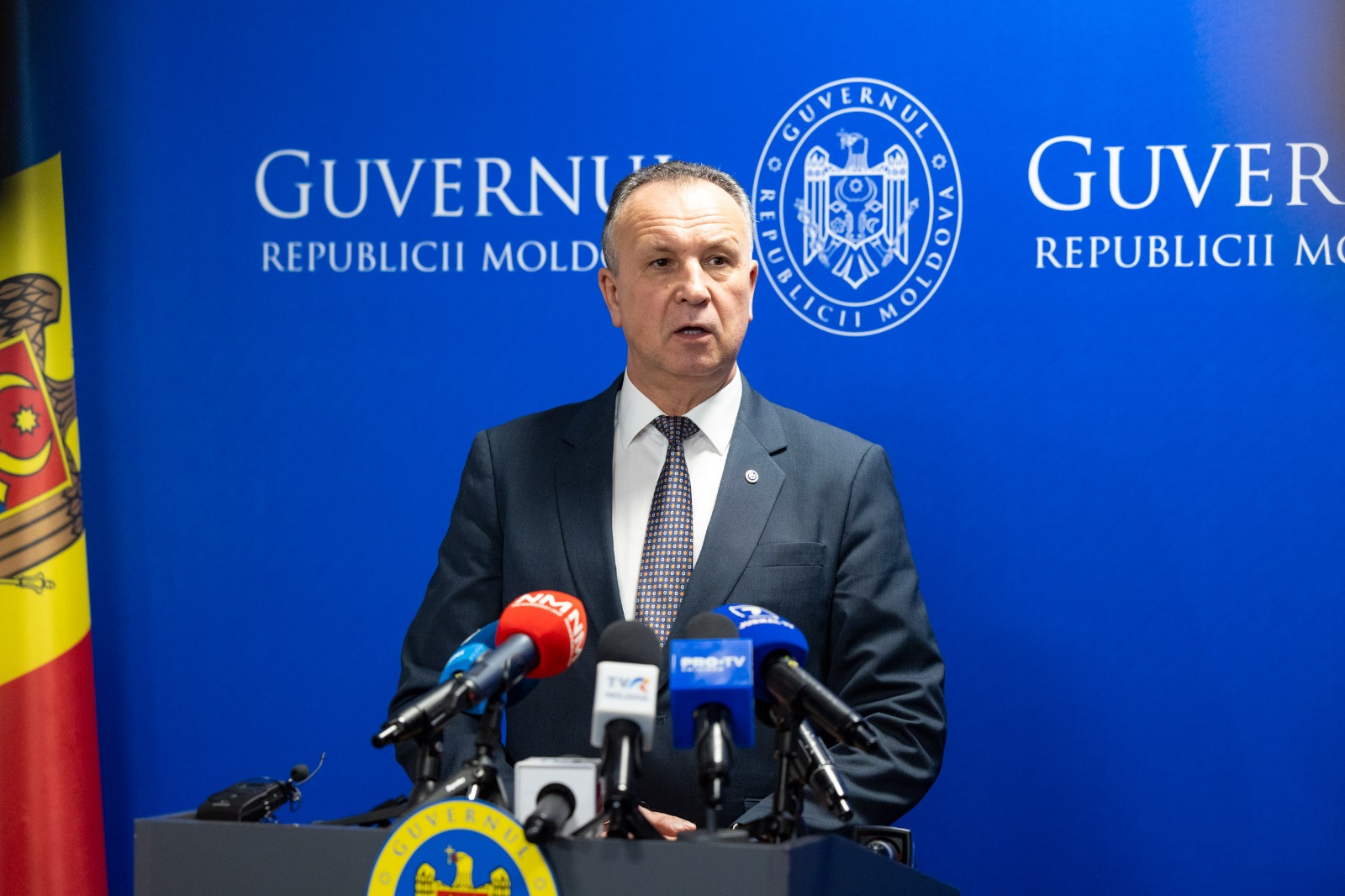
Minister of Health Emil Ceban emphasized that the project had a major impact on the way the mental health system in the Republic of Moldova is organized and perceived.

“This day is very important for all of us, including those who contributed to this project, those who led it and all who participated in its different stages of implementation. I myself took part in various stages of this project, in different capacities, and today I represent it as minister. It is a very important project, and what we are discussing today and what has been achieved is of great value for the health system of the Republic of Moldova and, first and foremost, for patients. This project has fundamentally changed the concept and vision of mental health in the Republic of Moldova, transforming a predominantly hospital-based system, inherited from the Soviet period, into a system oriented toward community services and patient-centered care. Most importantly, the approach to the patient has changed. If previously the patient was only a passive beneficiary of services, today they become part of the decision-making process, and together with the medical team decisions are made regarding treatment and the necessary support. This project has given us the opportunity to look differently at people and their needs. We have managed to develop a better organized structure in which each district center has functional mental health services. In recent years, we have seen directly in the field how these centers operate and how the reform has changed the quality of medical services. It is a system that has been strengthened both technically and legislatively, being integrated into primary health care. In the future, it is essential to further develop the interdisciplinary character of these services, by involving psychologists, social workers and other specialists, as well as by placing emphasis on the mental health of children and adolescents. We are also working on integrating mental health and addiction services into family medicine so that patients can receive care as close to the community as possible. Family doctors are the first to come into contact with the patient and have an essential role in identifying and directing cases to specialized services,” the minister noted.

The representative of the World Health Organization (WHO), Miljana Grbić, stressed that Moldova has made significant progress, but that the next stage must focus on the sustainability and strengthening of services.

“The World Health Organization has consistently supported the development of community-based mental health services in the Republic of Moldova, and what we see today is the result of a joint effort by the authorities and international partners. The Republic of Moldova has taken an important step by transitioning from a hospital-based model to services close to the community, which is fully in line with WHO recommendations on respecting dignity, promoting recovery and protecting human rights. The next essential step is to ensure the sustainability of these services. It is important to have stable funding integrated into the national health system, so that mental health services do not depend exclusively on projects, but become a structural part of the system. In addition, strengthening primary health care is crucial, as it represents the first point of contact for most people. Family doctors need to be supported through continuous training so that they can identify and manage cases of depression, anxiety, substance use or other associated disorders. Finally, we must ensure that the entire system is built on respect for human rights, on service quality and on reducing stigma.”

During its implementation, the project supported the development of the regulatory framework for community mental health services, contributed to piloting the reform in several districts, and to the expansion of the national network of community mental health centers, which now comprises approximately 40 units nationwide.

MENSANA also supported the professional training of specialists in the field – psychiatrists, family doctors, psychologists, social workers and medical staff – and promoted the integration of World Health Organization standards and human rights principles into the mental health system of the Republic of Moldova. Another important outcome of the project is the introduction of peer support services, as well as the development of social and professional inclusion programs for people with mental health problems.

According to the National Agency for Public Health, at the end of 2024 there were around 80,000 people with mental health problems registered in the Republic of Moldova. At the same time, community centers recorded over 200,000 visits, more than half of which came from rural areas. During the event, mental health reform ambassadors were awarded in recognition of their contribution to promoting change and strengthening community services.

MENSANA project was supported by the Government of Switzerland and implemented between 2014 and 2026 by the private institution “Trimbos Moldova”, in partnership with international organizations from the Netherlands, Switzerland and Romania, playing an essential role in the transition from an institutionalized model to modern community services focused on recovery and social inclusion.
 Facebook
 Instagram
 X/Twitter
 Telegram
DOC // President revokes citizenship of former SIS deputy head
Primary healthcare reform: Ministry of Health assures that no medical center will be closed and access to services remains free of charge
Russian Federal Security Service officer detained in Moldova for unauthorized collection of information targeting region on left bank of Dniester
Moldovan government's spokeswoman refers to changes concerning military's pensions
Sovereignty Day: 36 years since act that opened Moldova’s path to independence
Customs Service, Border Police of Moldova strengthen cooperation through a new collaboration agreement
New candidate for Disciplinary College of Moldova's Superior Council of Magistracy to undergo external evaluation
Experts, Moldovan authorities' representatives study European models of participatory management of protected areas during visit to Danube Delta
Former SIS director’s case sent back to prosecutor for resumption of criminal investigation
Over 11,000 people found jobs through ANOFM
President of Taraclia district, head of construction commission and public procurement specialist targeted in case of bid rigging and abuse of office
Moldovan labour minister explains new leave rules to teachers
Moldovan labour minister explains changes concerning leaves
Moldovan president congratulates medical employees, pharmacists on professional holiday
Moldovan parliament speaker comments on draft concerning Moldova's union with Romania, tacitly adopted in Bucharest
Moldovan parliament adopts reform of Service for Prevention and Combatting of Money Laundering in first reading
Moldova's Energy Ministry: over 60 per cent of actions assumed for integration into European energy market already implemented
Investment opportunities of Moldova, new cooperation projects on Moldovan deputy PM's agenda during visit to Austria
Moldovan president meets OSCE High Commissioner on National Minorities
Moldovan parliament establishes mechanism for identifying prepaid mobile service users: SIM cards to be able to be activated only based on identity document
First meeting of Moldova – European Union Subcommittee on public administration reform held in Chisinau
 National Bank of Moldova
URBACT Programme: new support opportunities for cities, municipalities of Moldova
Moldovan president meets OSCE High Commissioner on National Minorities
First meeting of Moldova – European Union Subcommittee on public administration reform held in Chisinau
Moldovan PM, top European bank's president hold dialogue on strategic investments, support for Moldova's European path
Moldovan PM has meeting with Estonian counterpart


Moldova strengthens energy security: Parliament approves creation of emergency petroleum product stocks
President: Government should not rush with tax reform. Draft must be revised before approval
Moldova hosts second stage of Rugby Europe Sevens Championship
Gold and bronze medals for Moldova at European Canoe Marathon Championships: Daniela Cociu becomes European champion
European Commissioner for Environment expected on first visit to Moldova
PHOTO GALLERY // Blouse that unites generations: Images from celebration of tradition in Ialoveni
Who does Maia Sandu see as President after her?
President: Withdrawal of Russian troops from Transnistria remains priority in dialogue with European partners
Moldovan president says scandal at MoldATSA very serious case, requires inspections at other enterprises too
Moldovan PM, top European bank's president hold dialogue on strategic investments, support for Moldova's European path
Moldovan PM has meeting with Estonian counterpart
Moldovan deputy PM for reintegration has meeting with OSCE High Commissioner on National Minorities
Moldovan PM meets Ukrainian counterpart
Around 120 people with disabilities in residential care to gain access to community-based living in Moldova
Deputy PM for reintegration has meeting with Chargé d’Affaires of United States in Moldova
BTA: Eurovision 2026 Winner Dara Joins Tourism Ministry Campaign to Promote Bulgaria
Receive the latest news directly to your email

Receive the latest news directly to your email