
Green China of Tibetan Plateau: Aba region as modern model of coexistence between people, tradition, nature
At over 3,000 meters above sea level, where the air is thin and the mountains seem to touch the sky, the Aba region in Sichuan Province offers a rare glimpse into the relationship between humans and nature. Here, on the eastern edge of the Tibet–Qinghai Plateau, ecosystem protection is not only a state policy, but a condition for survival and development.

Aba – the Tibetan and Qiang Autonomous Prefecture – is one of China’s most important ecological areas. Covering 84.2 thousand square kilometers, the region serves as a true “green shield” for the upper reaches of the Yangtze and Yellow Rivers. It is home to one of the largest high-altitude wetlands in the world – the Zoige (Ruoergai) marshes, fragile ecosystems that play an essential role in water regulation, biodiversity conservation and combating climate change.

Wetlands reborn after human intervention

In the past, the ecosystems of Ruoergai were affected by land drainage, overgrazing, and climate change. Falling water levels endangered the natural functions of the wetlands.

Today, the landscape is one of regeneration.

In the Jigangqiao wetland, local authorities have invested 49.8 million yuan in an ecological restoration project. A small ecological dam and 100 micro-dams were built, measures that raised the groundwater level by more than 20 centimeters in the restored areas.

The result: approximately 150 hectares of wetlands have been restored, and the number of waterbird species and other animals has increased by 20.

Along the boardwalks laid out through the marshes, visitors can now notice an ecosystem brought back to life – alpine plants, migratory birds and rare species that have once again found suitable habitat.

“Nature must not only be protected, but also helped to recover” seems to be the philosophy behind these projects.

Tourism that respects nature: from pastures to ecological experiences

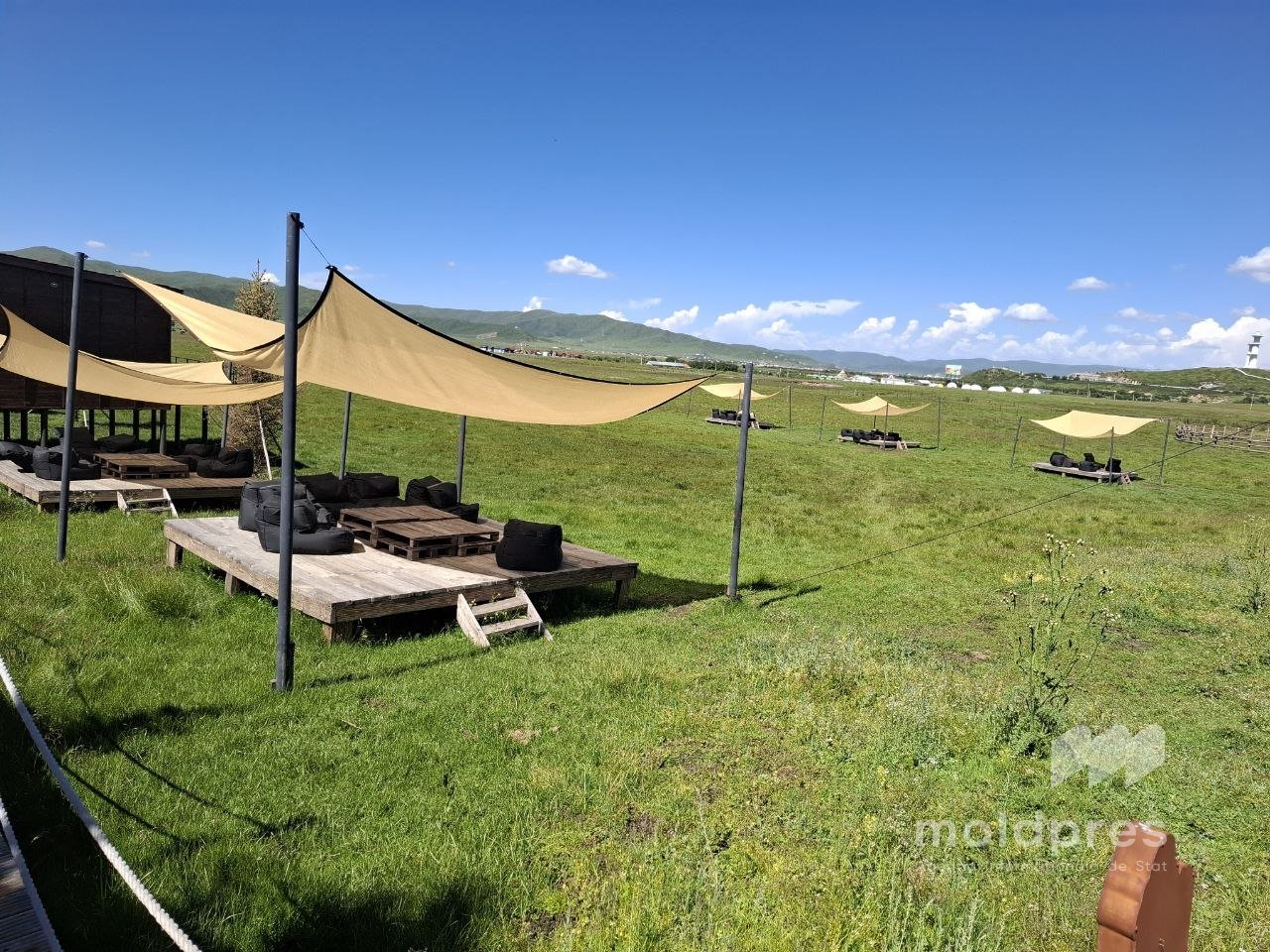
In Xiahalama village in Hongyuan County, rural development has taken a new direction: ecological pastoral tourism.

Locals have not given up their tradition of animal husbandry, but they have added new economic activities: RV camping sites, guesthouses in the middle of nature, nomadic lifestyle experiences, horseback riding and cultural tours.

The model is an interesting one: the village’s collective assets are involved in the business and the revenues are distributed within the community.

In 2025, the village’s collective economy generated 1.15 million yuan in income, and dividends for residents reached 686.2 thousand yuan. At the same time, 23 people found jobs without having to leave the community.

It is an example of how nature protection can become a source of prosperity for people.

The Tibetan yak – between tradition, green economy, and technology

Another example of the smart use of local resources is the yak milk industry.

In Hongyuan, a factory founded back in 1956 has been transformed into a modern group that combines research, production and promotion of food products made from yak milk.

The company promotes a “zero additives” principle in the production process and has created a modern milk collection system, with mobile collection points and specialized routes over a radius of about 300 kilometers.

The yak milk powder produced here is the first Chinese dairy product to receive geographical indication protection and organic certifications in China, the European Union and the United States.

It is a demonstration that the pastoral tradition can be integrated into a modern and sustainable economic model.

When technology flies above nature without disturbing it

In Ruoergai County, even technological development is adapted to the environment.

The region’s low-altitude aviation center is a new project that combines tourism, ecological monitoring and emergency services.

Modern helicopters are used for sightseeing flights, but routes are planned to avoid areas important for migratory birds. Low-noise aircraft are used to reduce the impact on the environment.

Thus, aviation becomes not only a means of leisure, but also a tool for ecosystem monitoring and rapid intervention in emergencies.

Huahu – the Flower Lake that protects the black-necked crane

One of the region’s most spectacular destinations is the Huahu Ecotourism Area – the “Flower Lake.”

Located in the heart of the Ruoergai marshes, this area is an important breeding ground for the black-necked crane, a rare protected species.

In the past, grazing and declining water levels affected the ecosystem. Today, the authorities apply a complex protection system: restoring water levels, limiting grazing, planting native species, controlling pests and carrying out constant patrols.

The result is visible: original vegetation has recovered, and over 100 species of wild animals live again in this area.

Tourism is allowed, but strictly controlled. Visitors travel along specially designed ecological routes, so that nature remains the priority.

Natural heritage goes hand in hand with cultural heritage

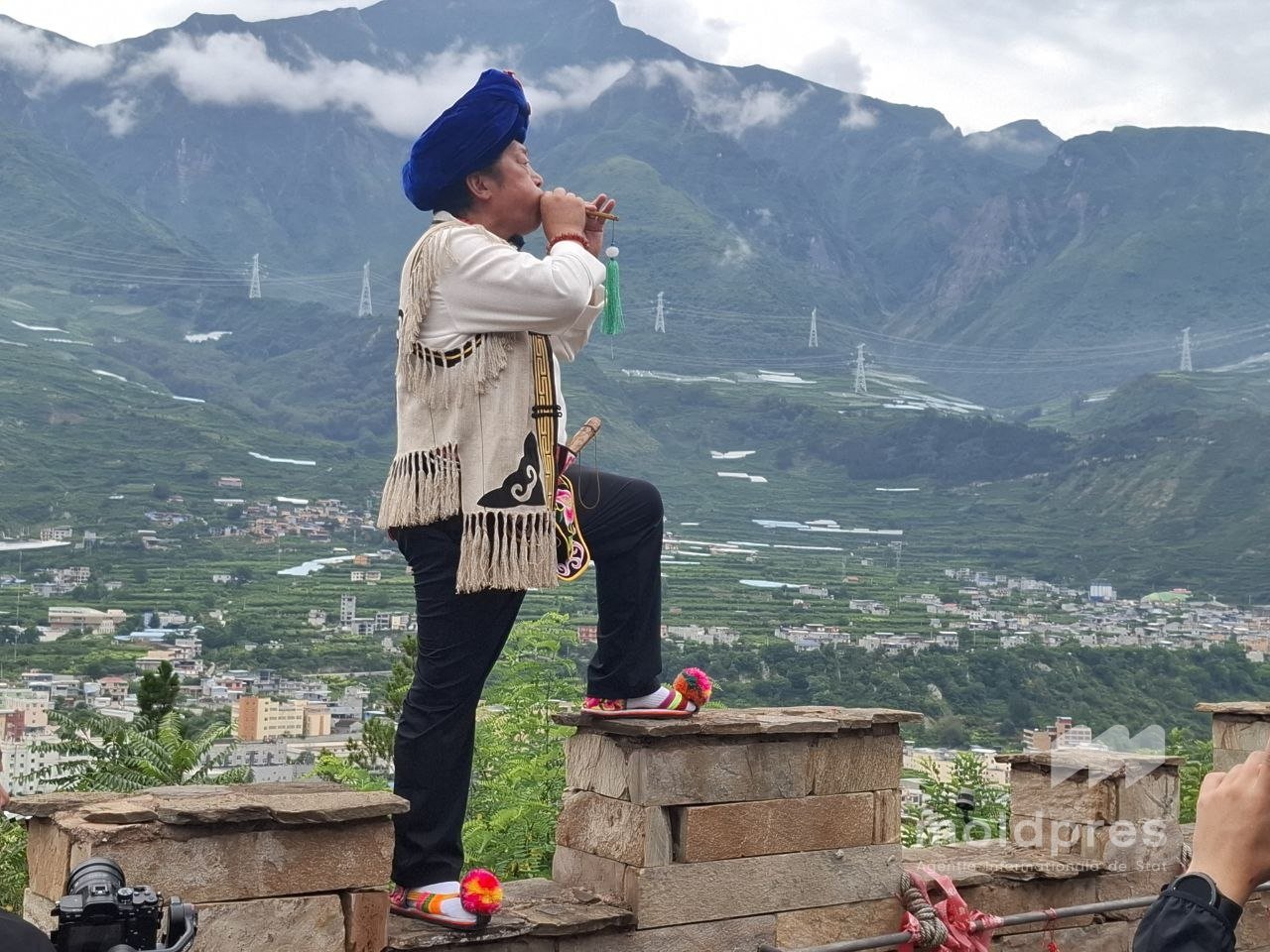
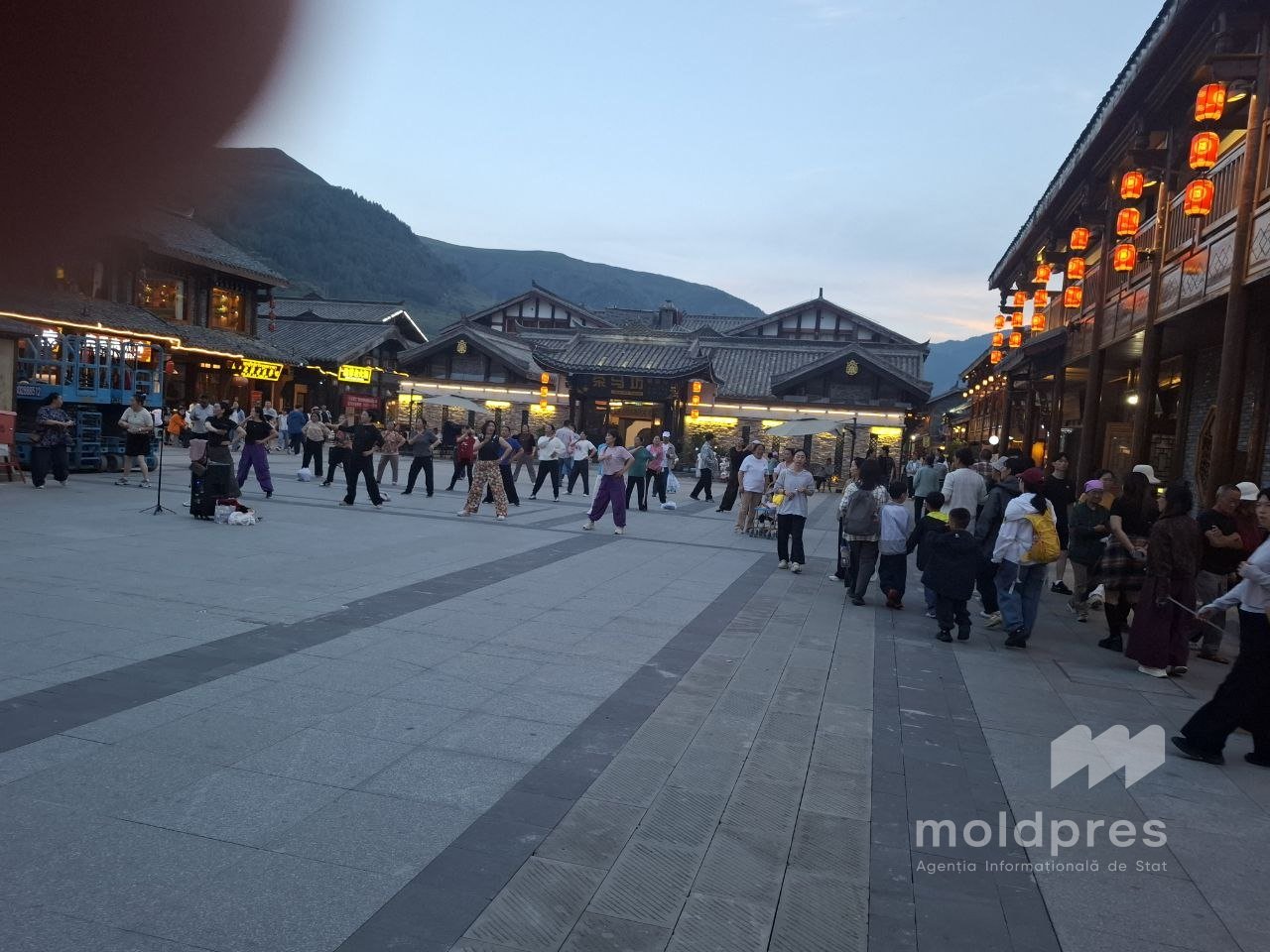
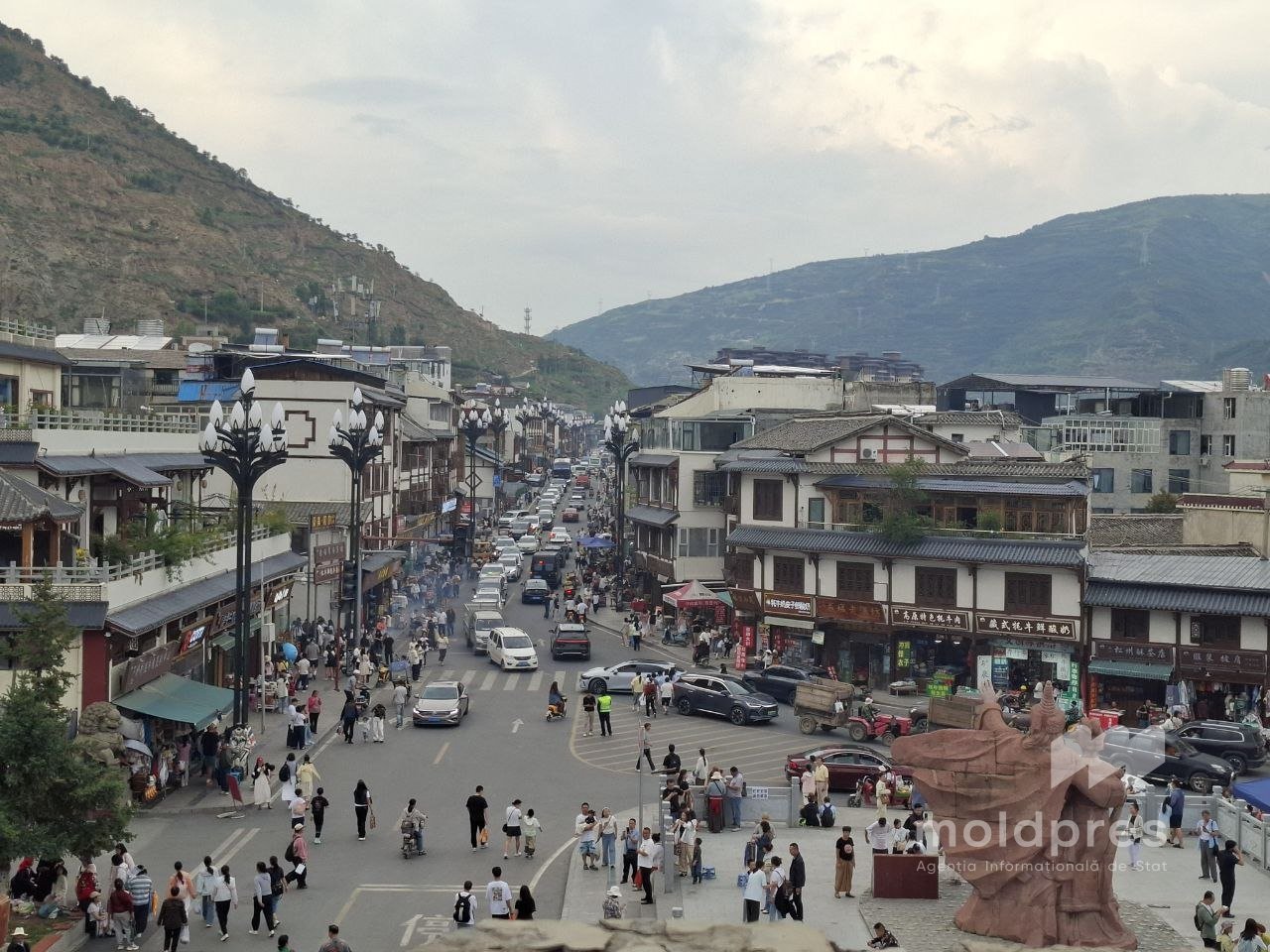
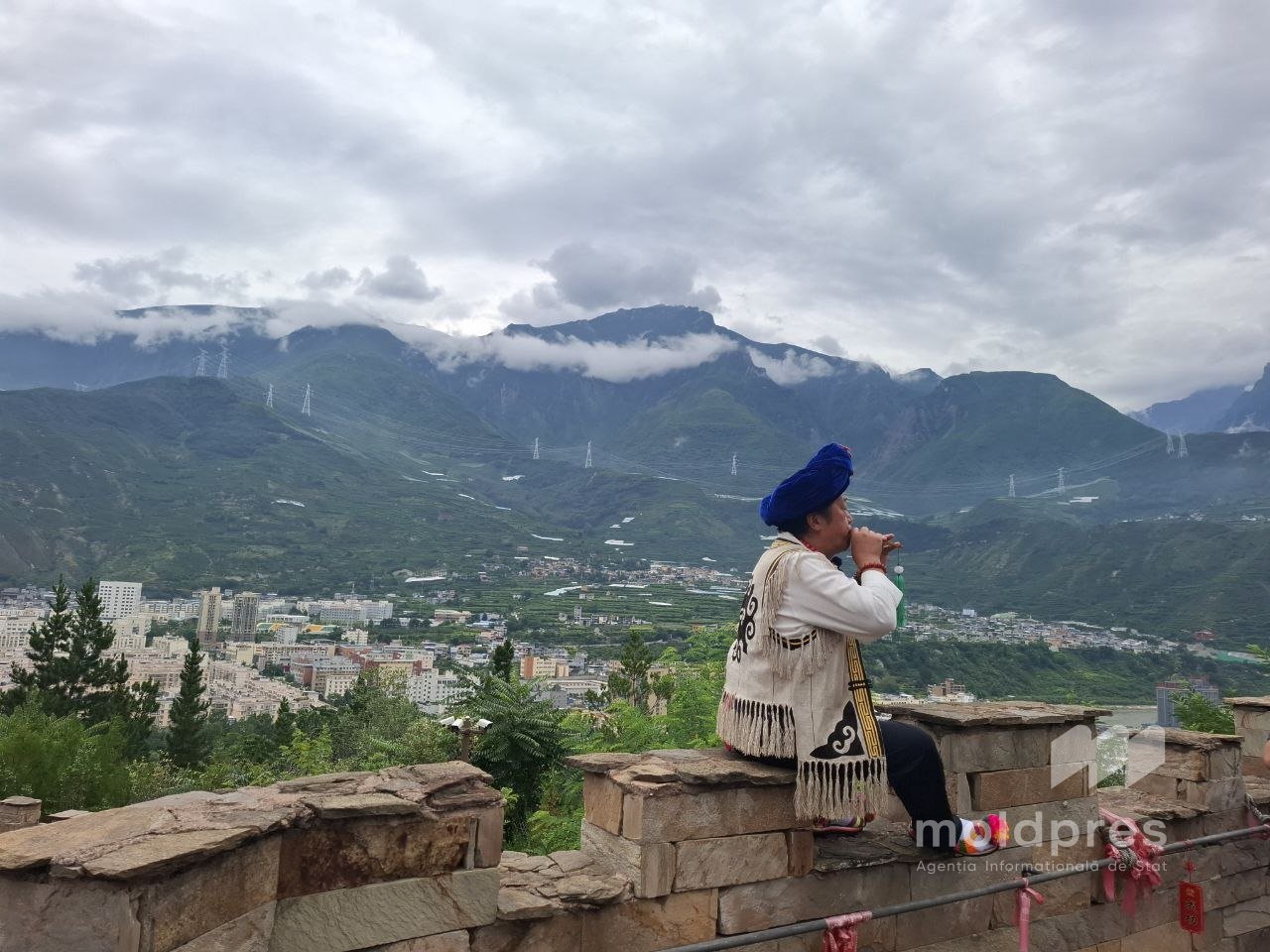
Aba is not just about mountains, lakes, and forests. It is also a space of Tibetan and Qiang cultures, where ancient traditions are preserved and turned into resources for future generations.

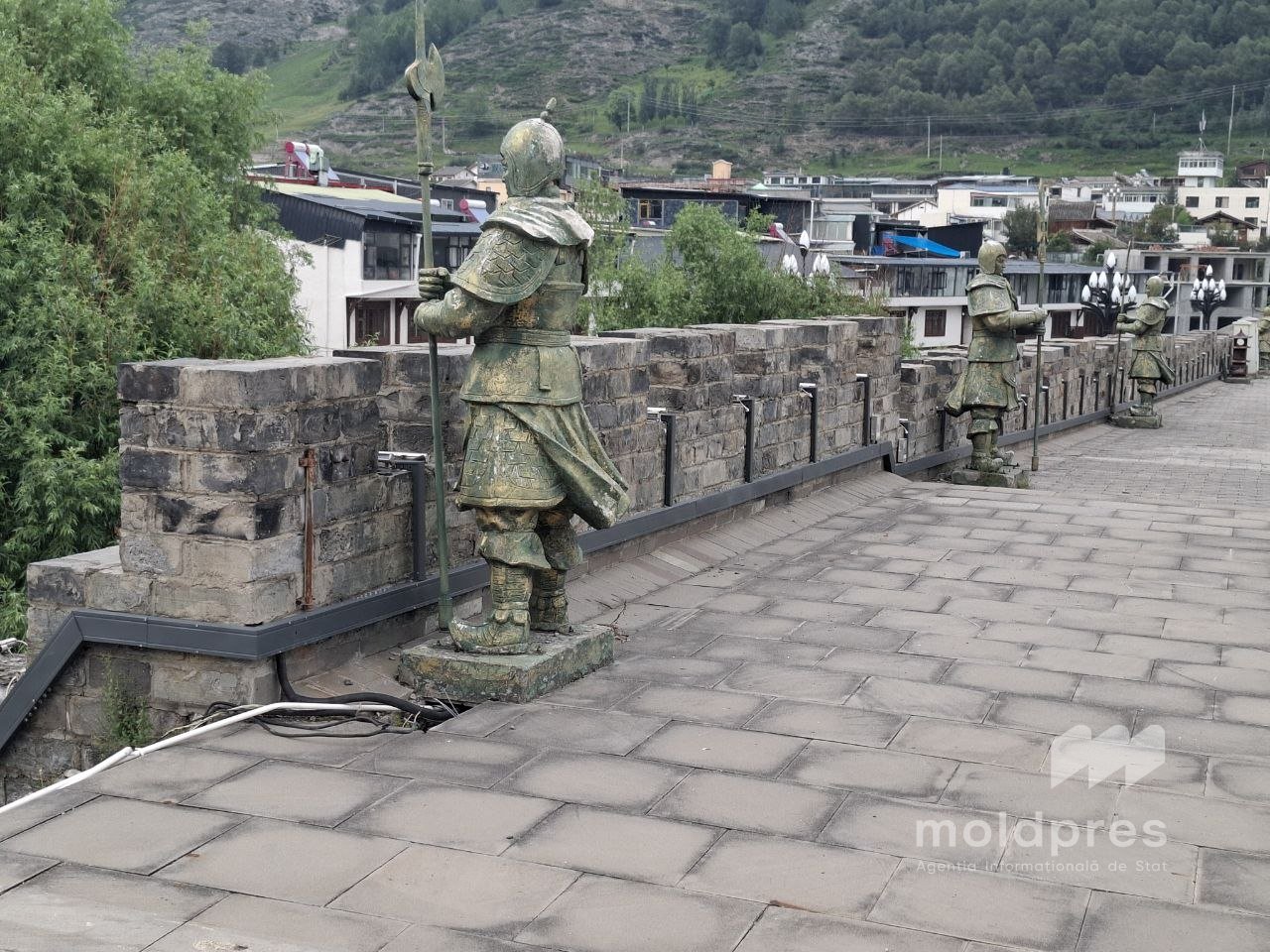
The “Guozhuang” dance, included in the national intangible cultural heritage, brings communities together around shared values. Traditional crafts, such as the leatherwork of the Wang family in the old town of Songpan, continue to exist thanks to their transmission between generations.

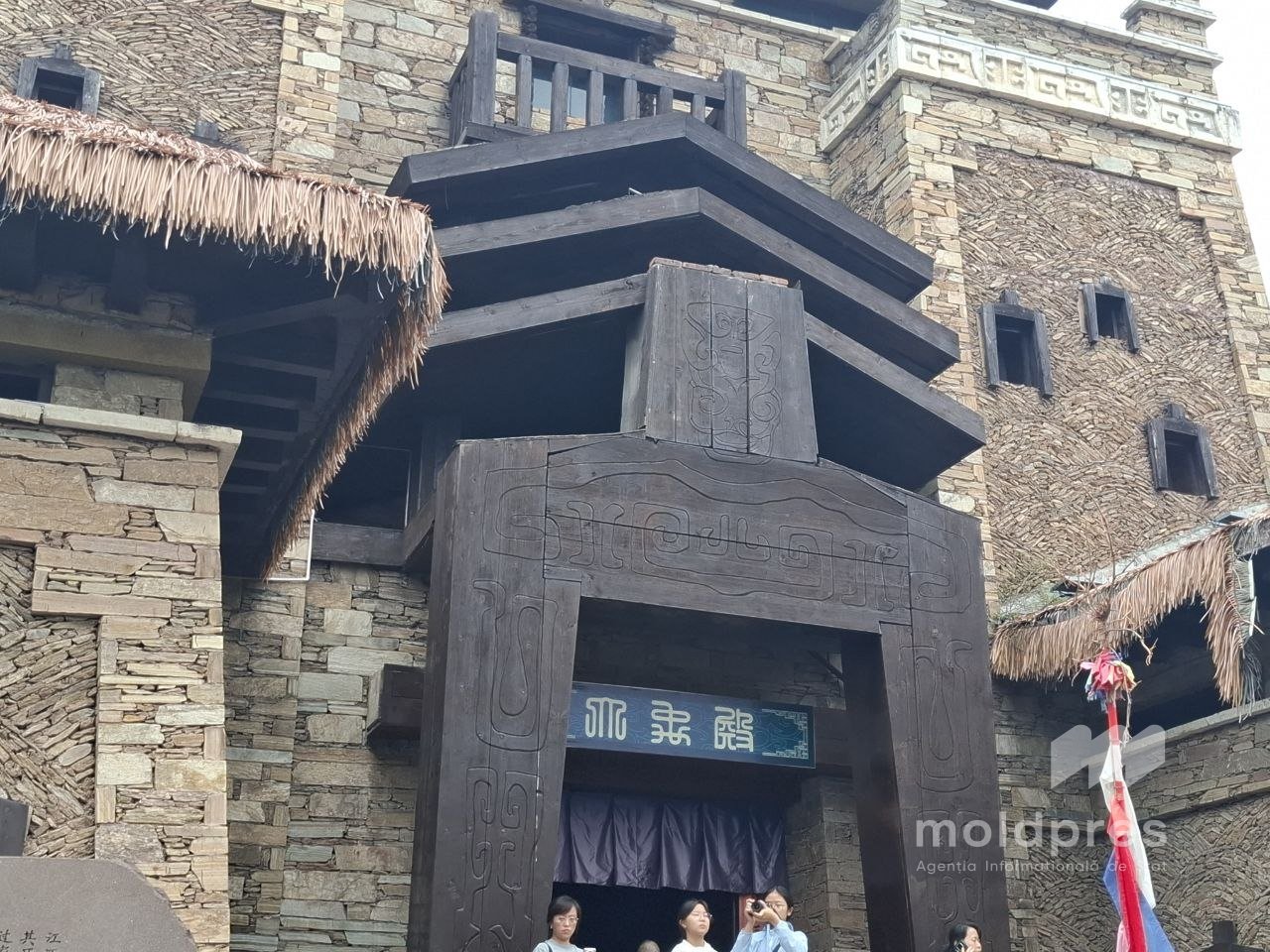
At the same time, such attractions as the ancient Qiang city prove how culture can become a bridge between past and future.

Huanglong – a lesson in protecting a world heritage site

A symbol of this philosophy is the Huanglong area, included in 1992 on the UNESCO World Heritage List and in 2025 on the Green List of the International Union for Conservation of Nature.

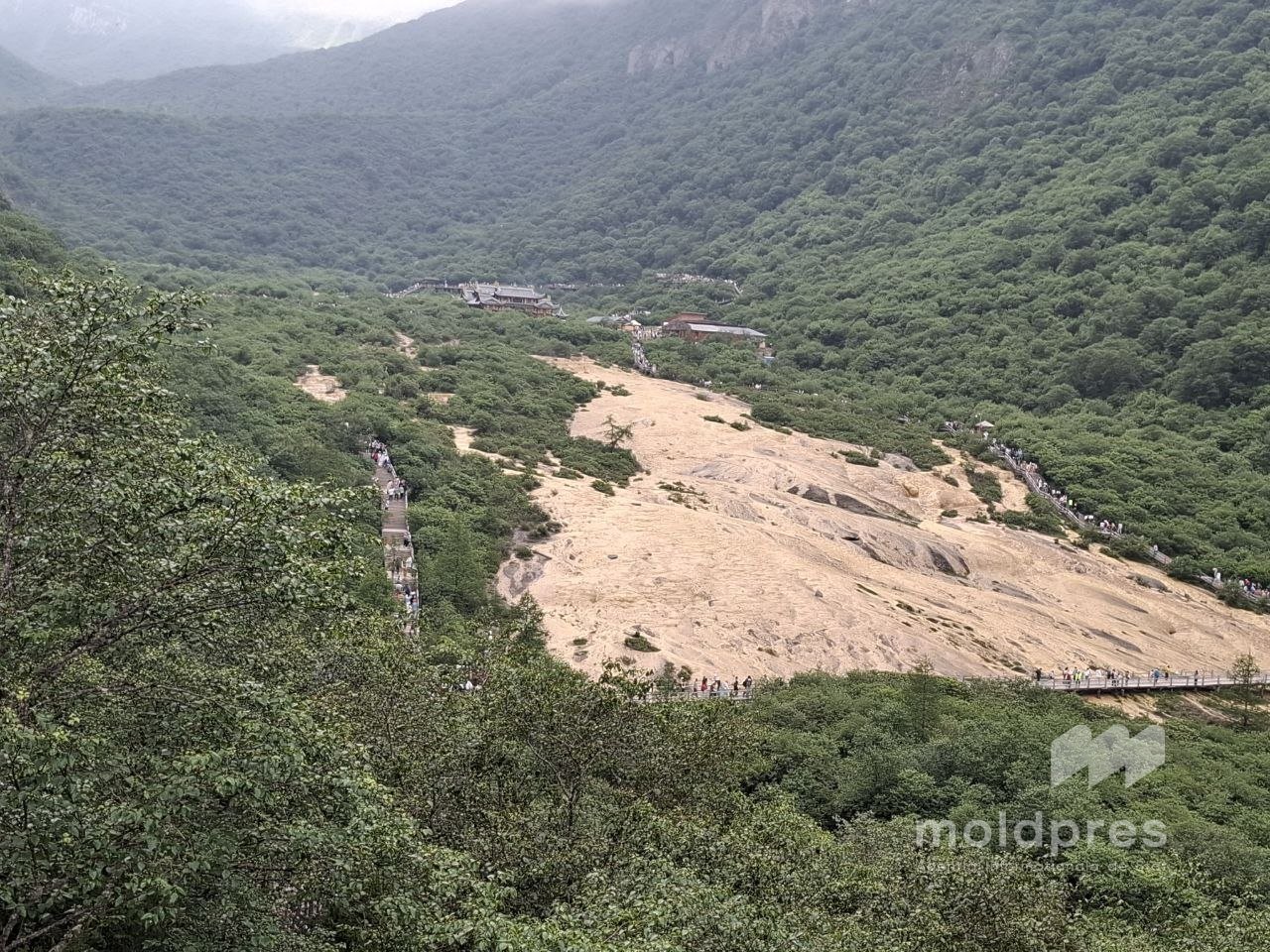
Its famous multicolored lakes, travertine terraces, forests, and snow-capped mountains form a unique landscape.

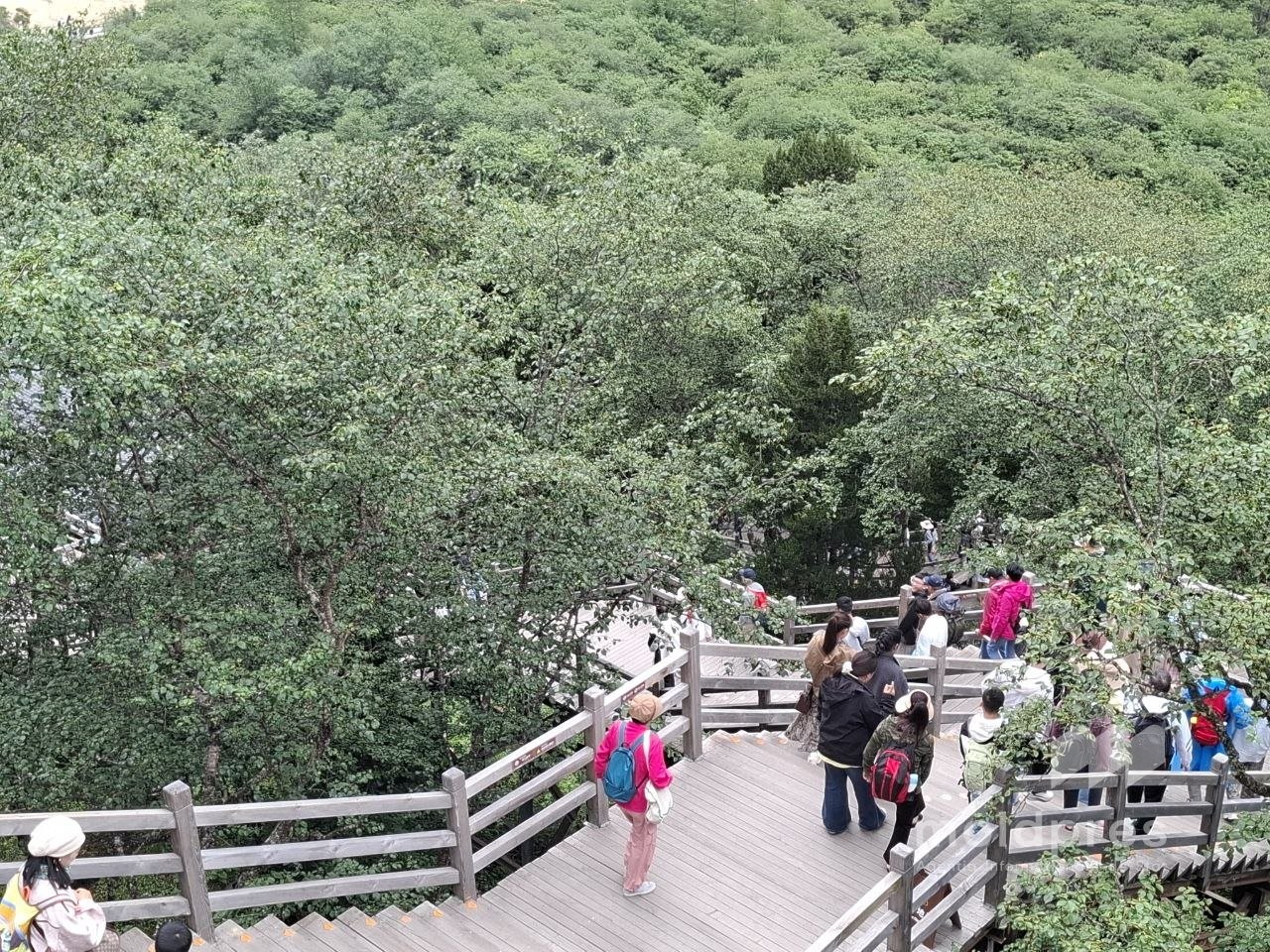
Here, protection does not mean isolating nature from people, but finding a form of coexistence. Tourist routes are limited, infrastructure is adapted and visitors are encouraged to discover the beauty without disturbing the ecological balance.

Aba – a lesson for the whole world

The experience of the Aba region shows that environmental protection should not be seen as an obstacle to development. On the contrary, a conserved nature can become the foundation of a sustainable economy, responsible tourism and a better life for communities.

On the Tibetan Plateau, where people have lived for centuries in harmony with mountains and pastures, China is now trying to combine tradition with technology, conservation with development.

And the message that emerges from this region is simple: when nature is protected, it becomes humanity’s most valuable partner.

 Facebook
 Instagram
 X/Twitter
 Telegram
Palanca border crossing point temporarily suspended due to communication network failure
Unidentified drone briefly crossed airspace of Moldova
Moldova prepares to implement European Child Guarantee
Moldovan justice minister says justice reform enters new stage in context of EU accession process
Environment minister says Moldova to reduce Dniester’s flow, to conserve water reserves
Moldova's National Anticorruption Center, Italy’s Financial Guard to exchange information to combat economic, financial crime
Moldova to launch e-Consulate system, to modernize delivery of consular services for Diaspora citizens
Special access measures at Chișinău Airport remain in effect by 17 September
VIDEO // Justice reform and fight against corruption - focus of discussions at international forum in Chișinău
Government appoints new directors at SFS, CNAM, APP, AIPA
PHOTO GALLERY // Meeting of Joint Consultative Committee between European Committee of the Regions and Moldova
Moldova, Ukraine continue negotiations on water discharge from Novodnistrovsk reservoir
PHOTO GALLERY // Chisinau hosts annual meeting of Conference of Regional and Local Authorities for Eastern Partnership
Interferon medication, unavailable at Oncology Institute from Chisinau, to be available as of September 15, Health Ministry says
VIDEO // Moldovan parliament to convene at extraordinary meeting to declare state of emergency in energy, hydrological sectors
Moldovan government to ask parliament to declare state of emergency in energy, hydrological sectors; PM: “We cannot afford to wait for a crisis to emerge”
Moldova's National Security Council orders measures to protect energy infrastructure from drones, cyberattacks
Moldovan PM meets with Irish Ambassador
VIDEO // Moldova's National Security Council: authorities to consider declaring state of emergency in energy, hydrological sectors
Natural gas price in European exchanges stays high, amid regional situation
Moldovan Education Ministry launches Young Researcher contest meant ethnic minorities' pupils
 National Bank of Moldova
Moldovan president's message following meeting of National Security Council
Moldovan PM meets with Irish Ambassador
Deputy PM for reintegration has meeting with new Ambassador of Austria to Moldova
Europe at Your Home – dialogue on European path continues in Ungheni city of Moldova
Moldovan deputy PM for reintegration has meeting with members of Foreign Affairs, Defence and Security Committee of Czech Republic's Senate

Europe at Your Home – dialogue on European path continues in Ungheni city of Moldova
Moldovan deputy PM for reintegration has meeting with members of Foreign Affairs, Defence and Security Committee of Czech Republic's Senate
Moldovan parliament speaker says leadership seeks closest possible cooperation with Lithuania during its presidency of Council of EU
Documentary play to be presented on Moldovan parliament's square
Investing in government securities: Ministry of Finance launches new subscription round
VIDEO // Caligula, Ivan Franko Theatre’s production from Kyiv presented in Chișinău
Foreign Ministry condemns Russia’s organization of State Duma elections in Transnistrian region without consent of Chișinău’s constitutional authorities
Aircraft object illegally entered airspace of Moldova near Palanca
Three athletes from Moldova become beach wrestling world champions
PHOTO // Judges and prosecutors from Moldova trained on integrated environmental permits and liability for damage
Centre for Strategic Communication warns of propaganda following drone incidents
Parliament hosts visit by delegation of Senate of Czech Republic
Territorial Education Agencies to take over responsibilities of education directorates
National Security Council to convene on 21 September
Deputy Prime Minister to attend 81st session of UN General Assembly in New York
Old-Style Orthodox Christians celebrate Nativity of Mother of God
Receive the latest news directly to your email

Receive the latest news directly to your email