
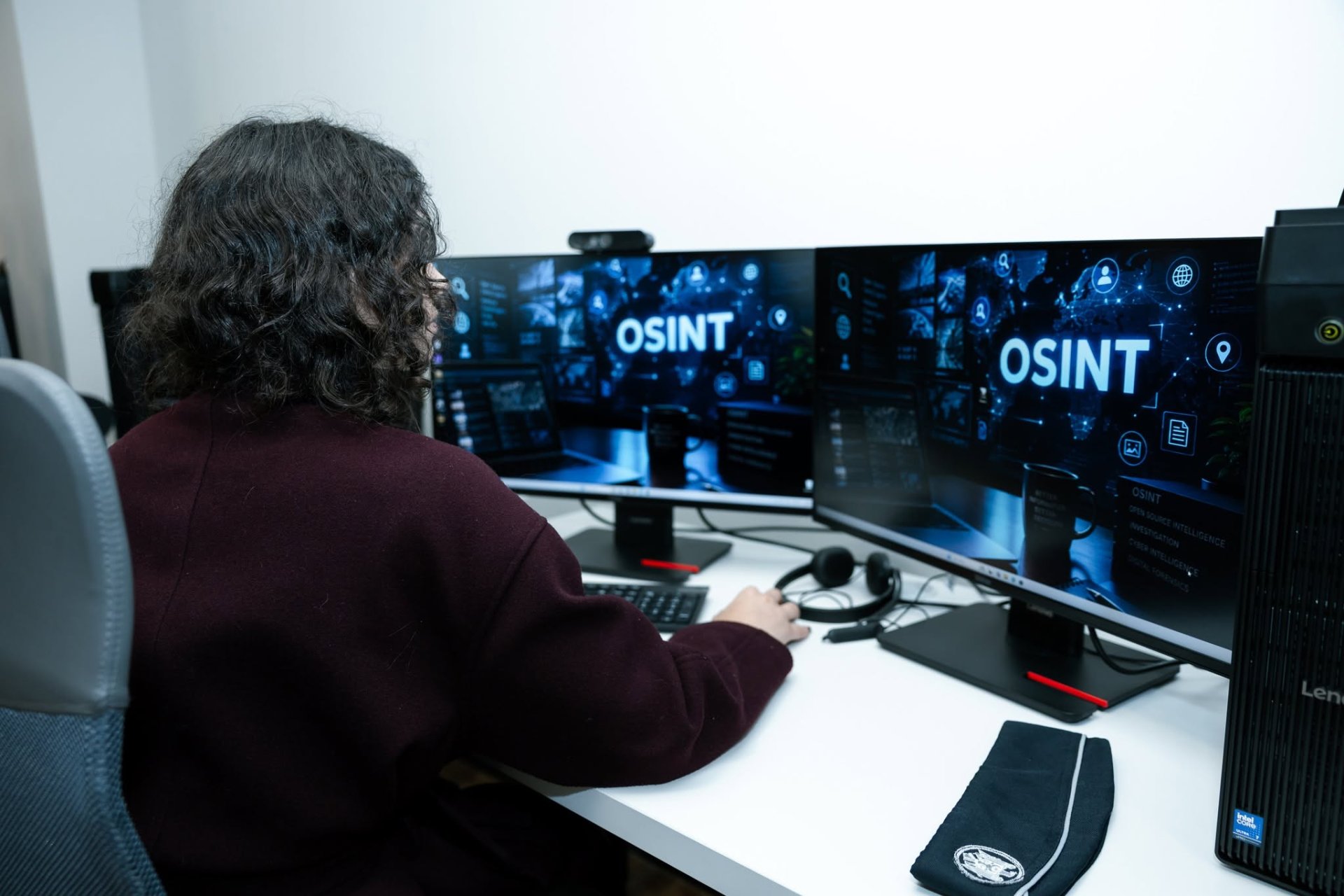
PHOTO // OSINT digital analysis, investigation laboratory inaugurated at Stefan cel Mare Academy; Moldovan Interior Ministry's employees to receive practical training in digital crimes' investigation
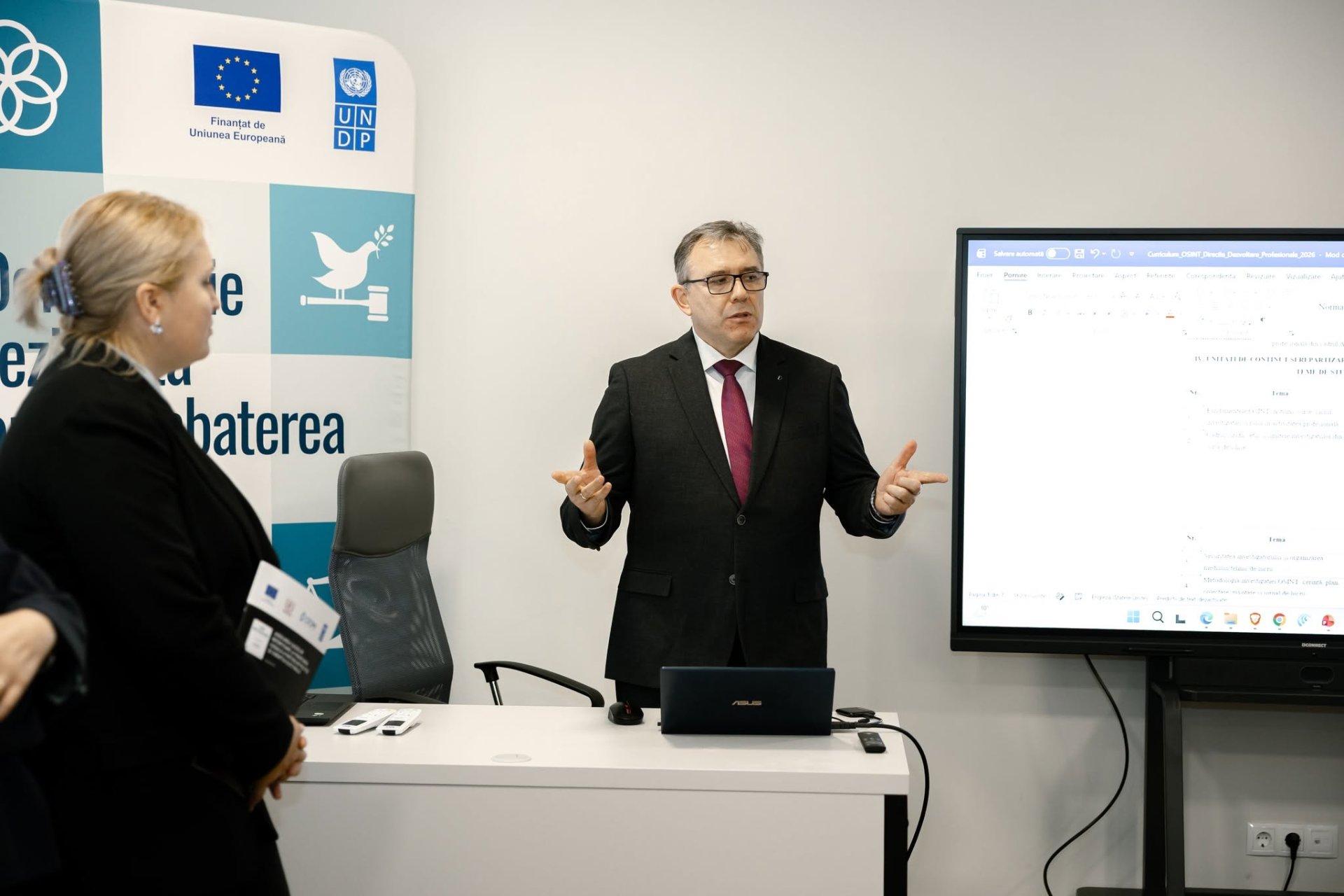
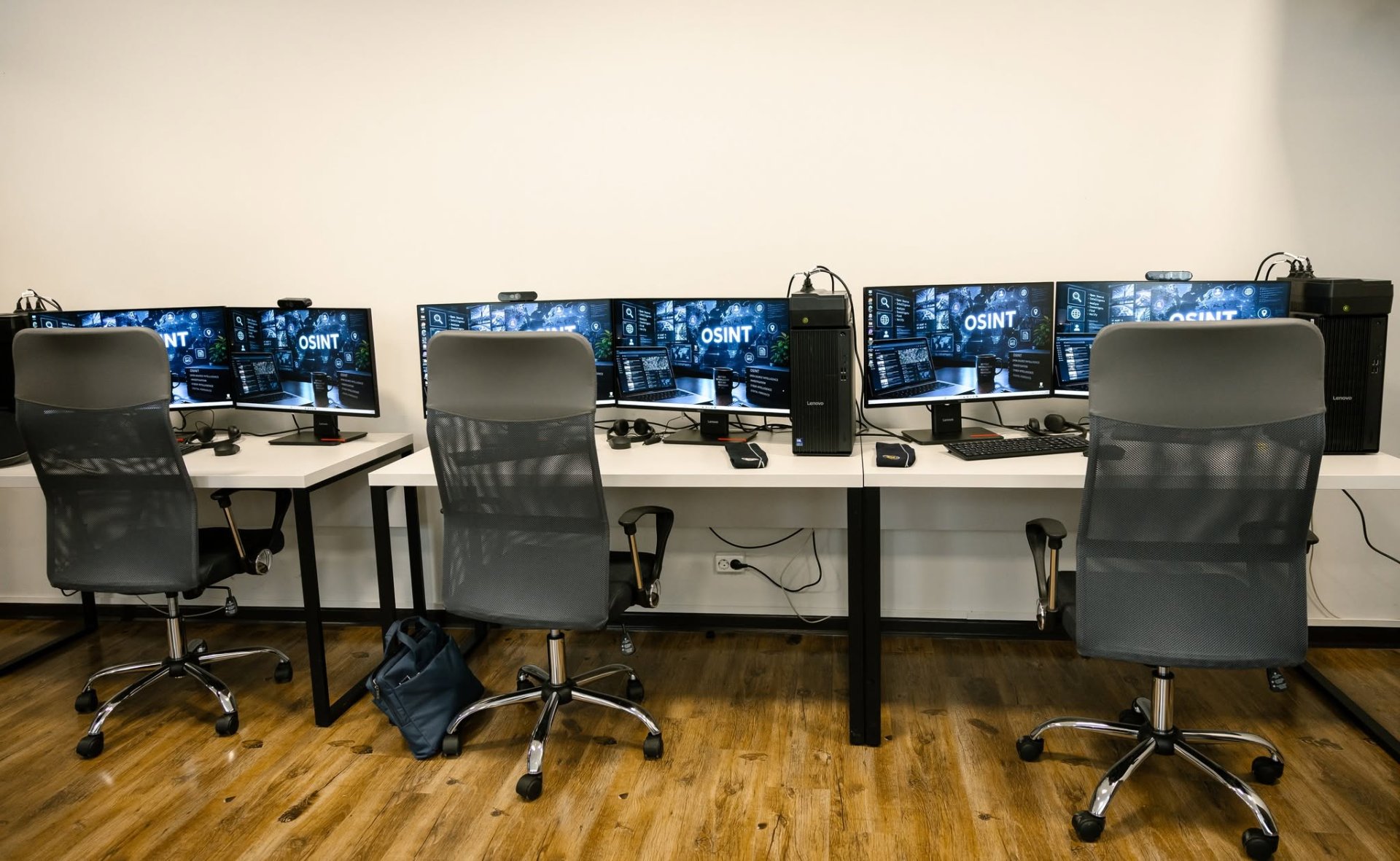
An OSINT digital analysis and open-source intelligence investigation laboratory has been inaugurated at the Stefan cel Mare Academy of the Interior Ministry (MAI). It was procured with the support of the European Union and the United Nations Development Programme (UNDP), as part of the Resilient Democracy through Fighting Corruption (REDACT) project.

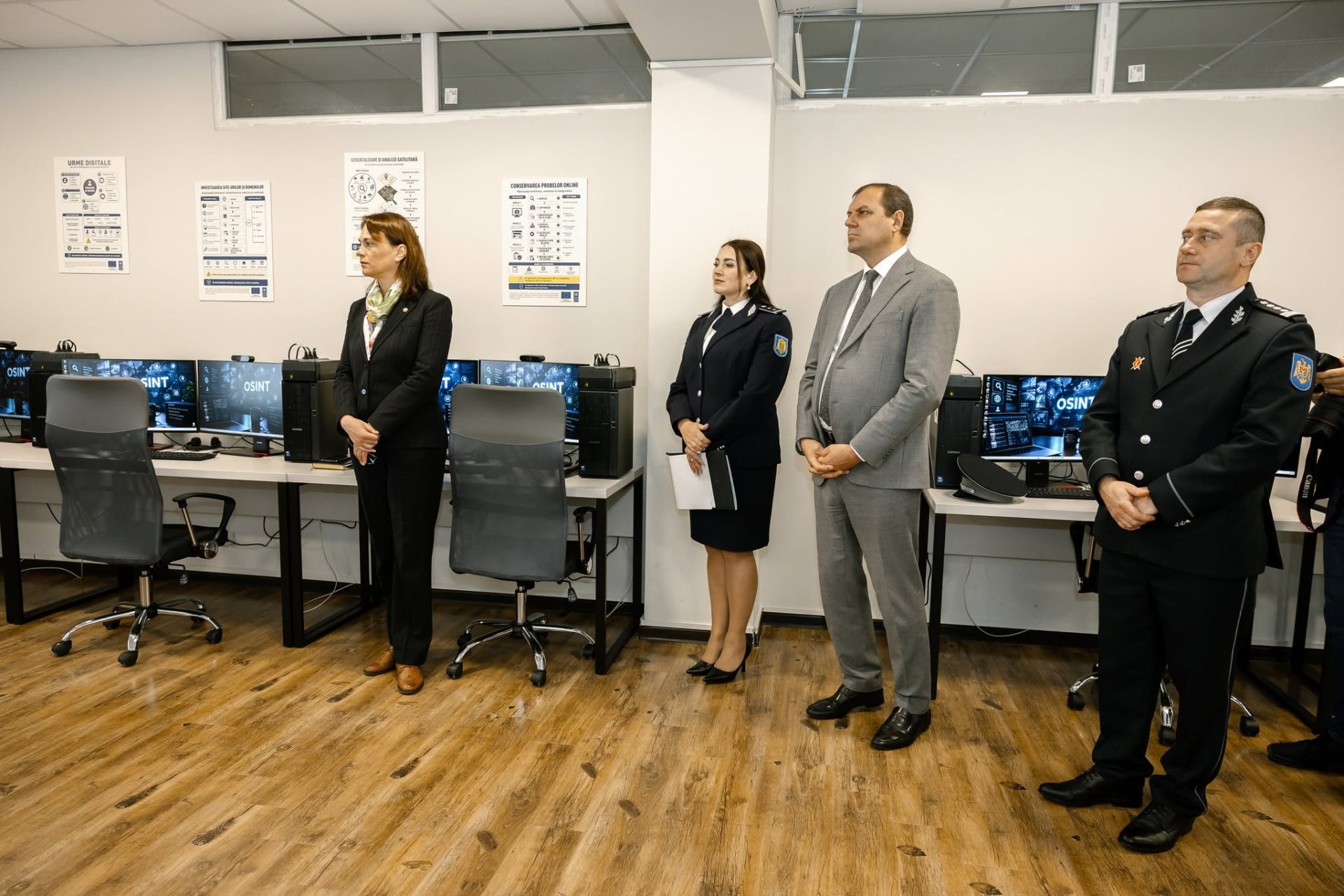
The new laboratory features modern infrastructure meant to develop skills in identifying, collecting, verifying and analyzing information available in the digital environment. It will serve both the initial training of future police officers and the ongoing professional training of MAI employees and staff of other law enforcement institutions.

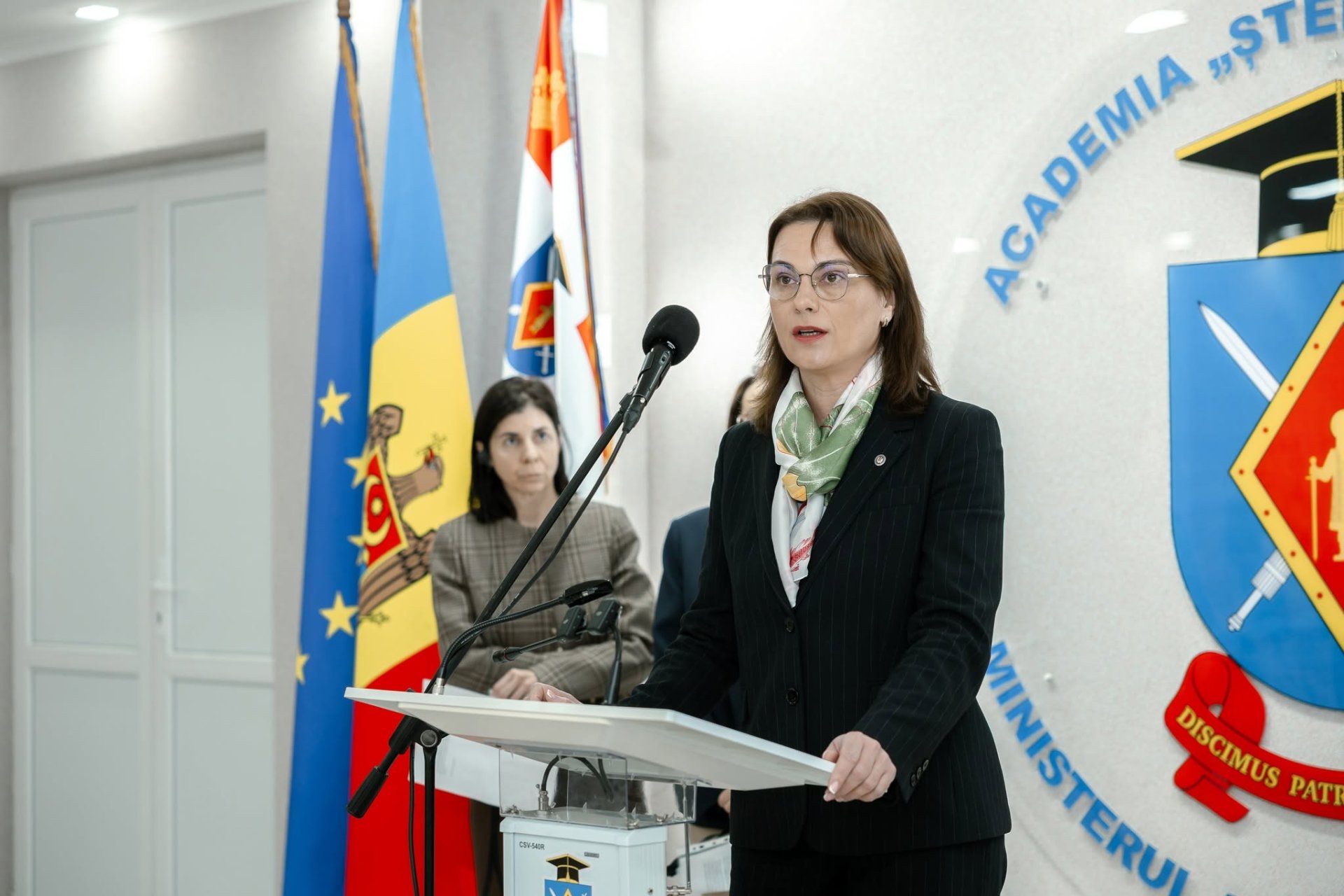
The inauguration ceremony was attended by Interior Minister Daniella Misail-Nichitin, the leadership of the Stefan cel Mare Academy, representatives of the Delegation of the European Union to Moldova and UNDP Moldova, as well as members of the REDACT project team.

“Today, fraud, drug trafficking, the recruitment of victims of human trafficking and many other illegal activities leave digital traces. That is why, it is extremely important for MAI personnel to be prepared to discover these traces, verify information and transform data into useful evidence for preventing and investigating crimes. I want this laboratory to be the place where future police officers and employees of the internal affairs system learn in practice how to identify relevant sources, verify the authenticity of images and video materials, analyze public data and properly document their findings, while respecting the law and fundamental rights. For me, investing in people and their training means more than technology. It means well-prepared institutions capable of protecting citizens, quickly identifying crimes and responding to new risks in the digital world,” said Daniella Misail-Nichitin.

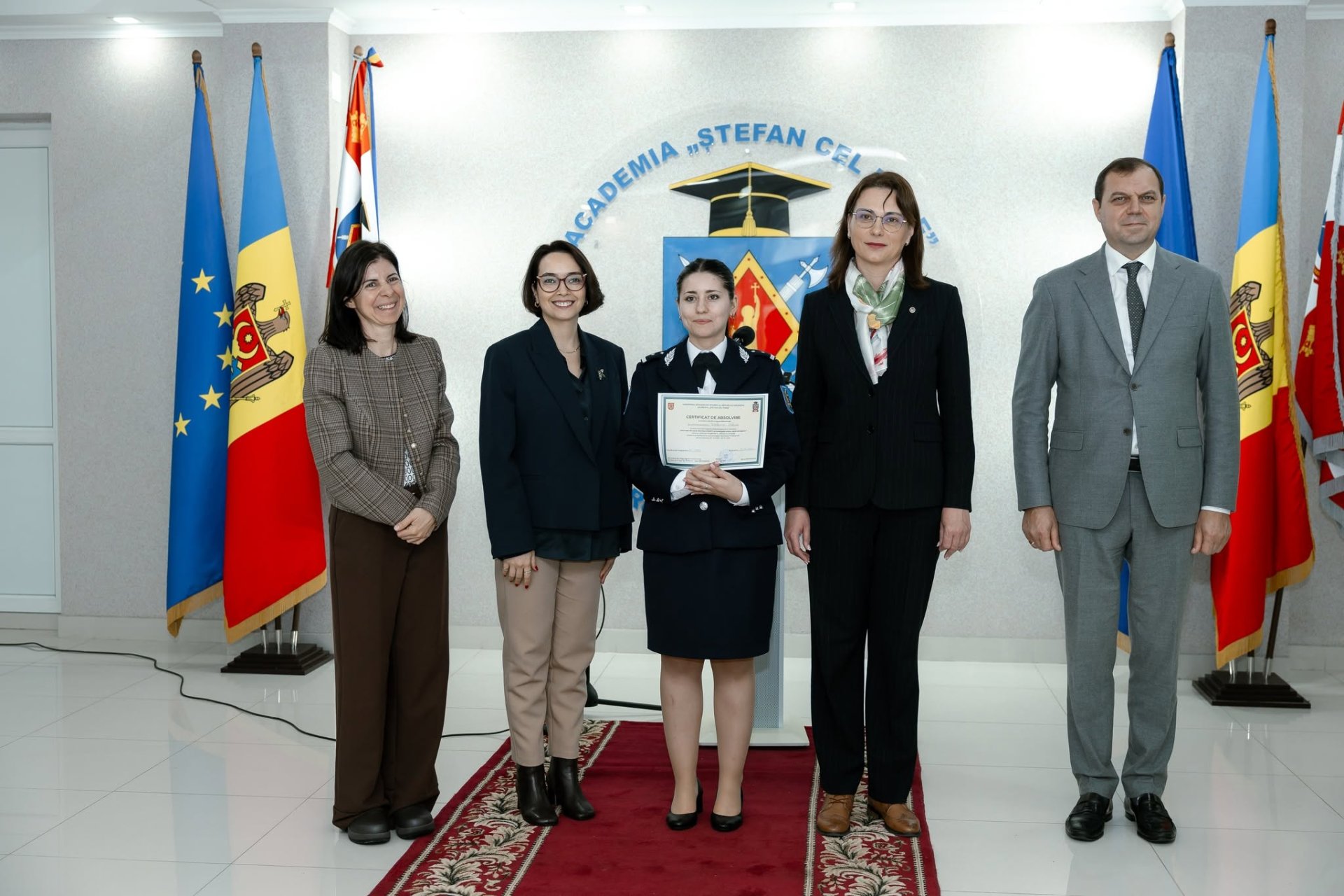
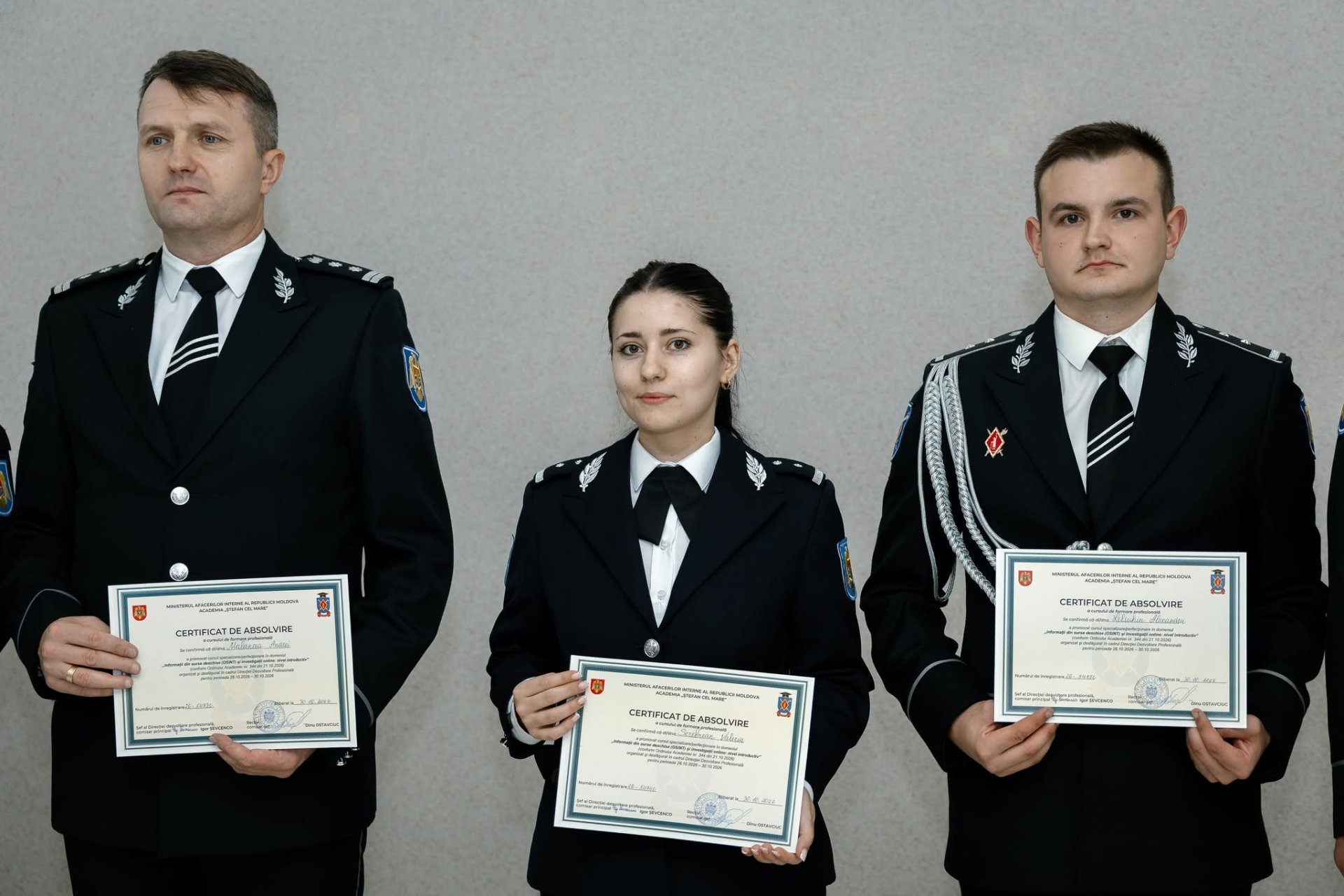
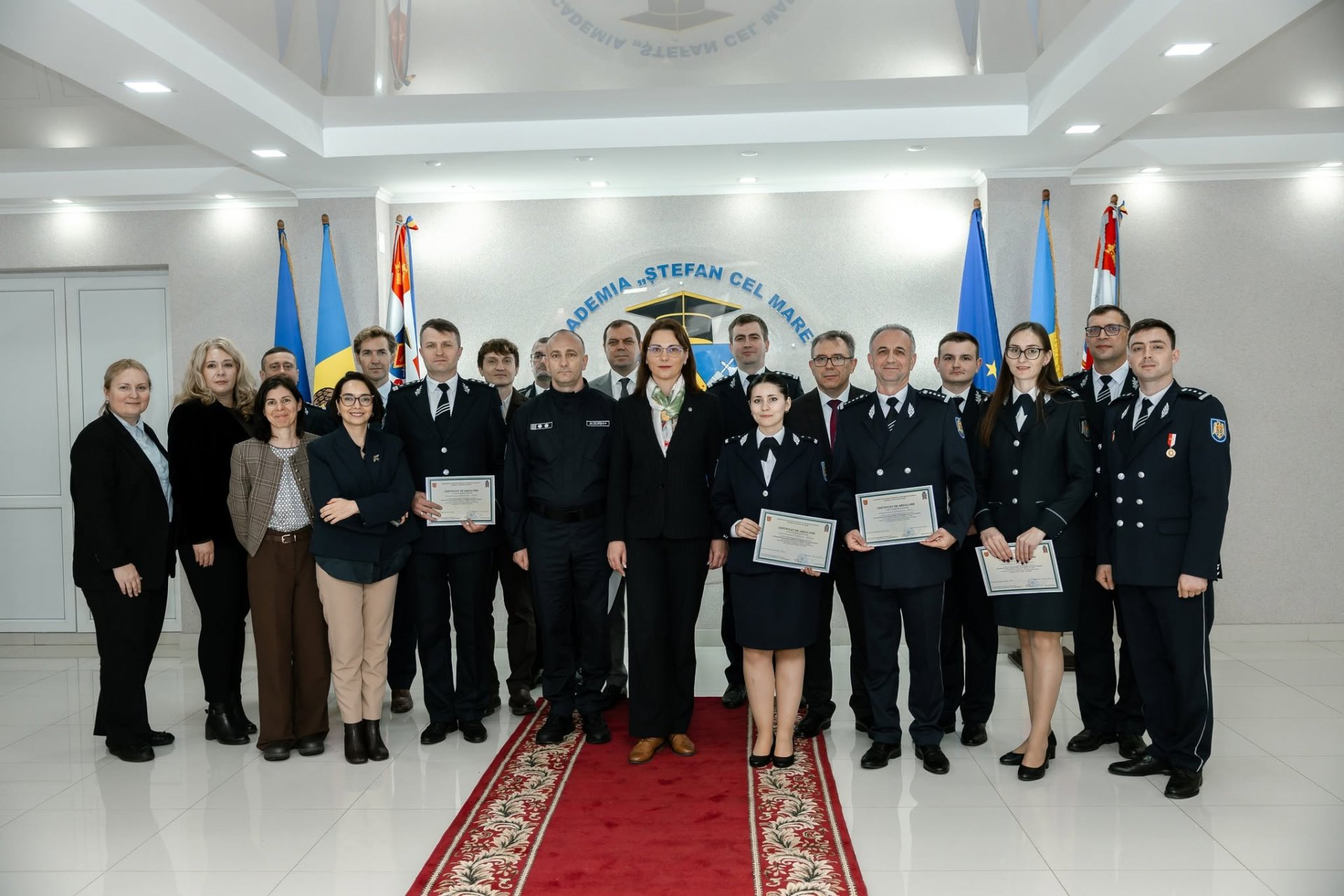
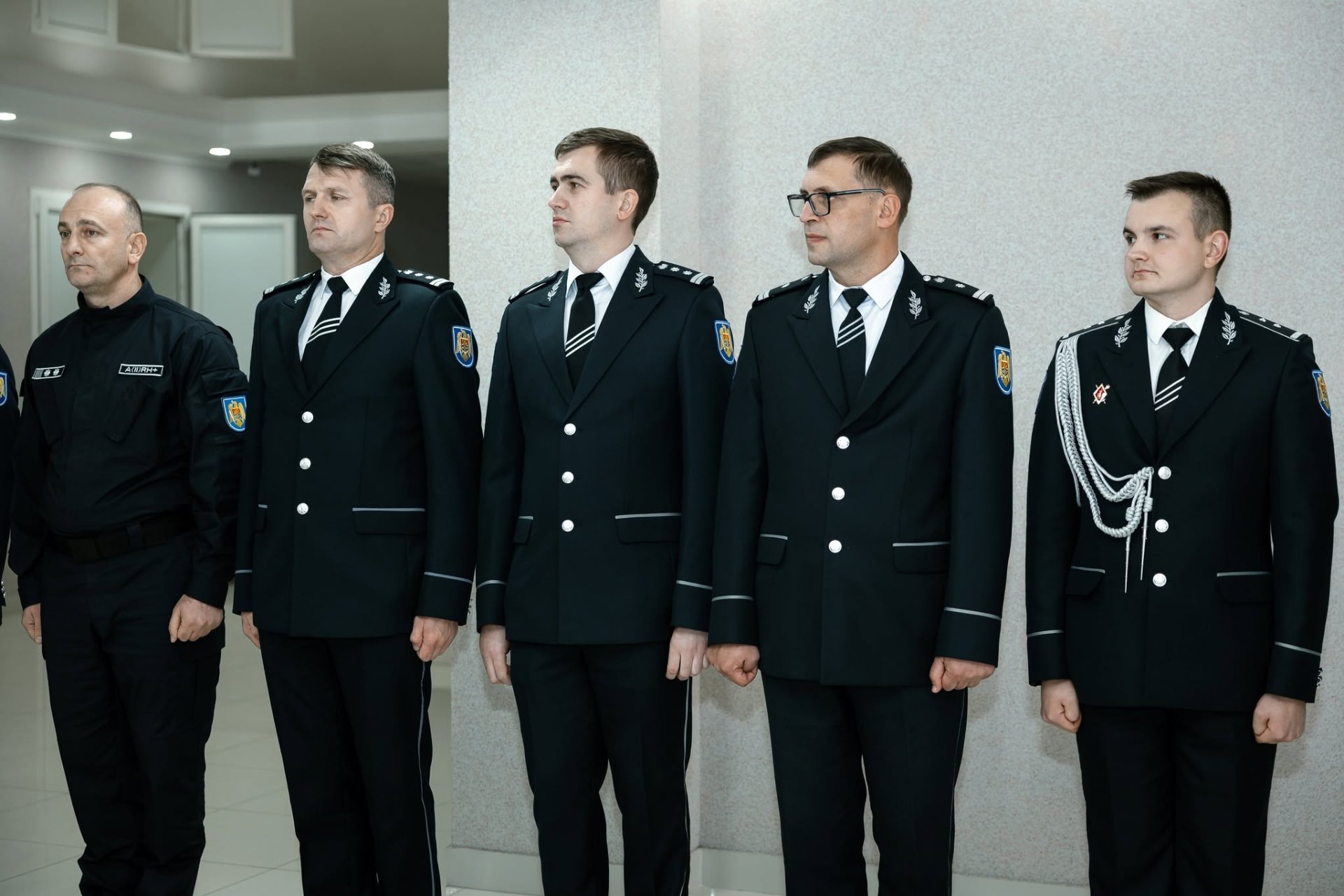
An important moment was the awarding of diplomas to the first ten graduates of the OSINT training course, who acquired the skills necessary to conduct open-source investigations. The guests also had the opportunity to learn about the laboratory’s infrastructure, technical equipment and possibilities for using it in training activities.

The creation of the laboratory addresses the need to strengthen the capacities of law enforcement institutions in the field of digital investigations, providing a permanent framework for training specialists and applying acquired knowledge in practice. By bringing together an approved training curriculum, qualified trainers and dedicated infrastructure, the academy will be able to regularly organize training programmes adapted to developments in the digital environment.

As part of the REDACT project, the space meant for the laboratory was renovated and equipped with furniture, an air-conditioning system and high-performance IT equipment. The infrastructure includes 15 workstations for participants and one for the instructor, 30 monitors, network and electrical protection equipment, an interactive screen and technical means for conducting videoconferences. The configuration allows practical exercises to be organized, multiple information sources to be analyzed simultaneously and interactive training activities to be conducted.

The Stefan cel Mare Academy contributed to the project, by identifying the space meant for the laboratory and allocating the institutional resources required for its preparation and refurbishment. The institution has also undertaken responsibility for managing, maintaining and making use of the infrastructure, ensuring the conditions for its long-term operation.

The inauguration of the laboratory marks an important step in modernizing professional training and developing capacities for investigating information from open sources. At the same time, it creates new opportunities for training future generations of police officers and continuously improving the skills of specialists of the internal affairs system.
 Facebook
 Instagram
 X/Twitter
 Telegram
Moldovan Foreign Affairs Ministry extends condolences to families of victims of railway accident in Spain
Train accident in Spain; Moldova's Foreign Affairs Ministry checks whether Moldovan citizens are among victims
Moldovan students can get scholarships for high school studies in USA and UK
EcoContact presents Moldova’s experience in biodiversity conservation at regional event in Armenia
Prime Minister on cyberattack targeting public digital services: Authorities investigating possible involvement of foreign actors
Moldova, Romania examine joint programmes for counter-drone defense
Moldovan PM says cybersecurity to stay priority for Moldova
STISC: Personal data of around 750,000 people may have been extracted following cyberattack on digital public services in Moldova
National Army receives logistical equipment from United Kingdom
Old-Calendar Orthodox Christians celebrate Saint Venerable Paraskeva, patron saint of Moldova
Anti-Corruption Prosecutor Vadim Prisacari fails external evaluation
VIDEO // Ukrainian citizen illegally crossed border into Moldova by motorized paraglider and requested asylum
Powered paraglider illegally entered airspace of the Republic of Moldova
Republic of Moldova to promote tourism offering at WTM London 2026
VIDEO // State institutions to accelerate measures to strengthen cybersecurity; Moldovan PM says main goal to rebuild citizens’ trust in digital state
VIDEO // Tax deductions of up to 20,000 lei for children’s education, professional training; Moldovan finance minister explains how people can benefit
Enhanced border security measures; Moldovan, Ukrainian authorities hold technical talks on implementing joint control on territory of Moldova
More than 60 digital public services restored, available on EVO portal in Moldova; 21 remain temporarily unavailable
New regional hospitals for 930,000 residents: authorities announce completion deadlines for Bălți and Cahul
Moldova ranks second in regional ranking of investment promotion agencies
Environment Ministry announces increase in releases from Dubăsari reservoir to 85 cubic meters per second
 National Bank of Moldova

New edition of LAW for YOU(th): More than 60 high school students simulated drafting and adopting laws
PM, industry representatives discuss development of medical tourism in Moldova
Summary of Moldovan parliament's plenary meeting of October 29, 2026
Moldovan president revokes Moldova's citizenship from three individuals
Moldovan parliament approves, in first reading, denunciation of two agreements with Commonwealth of Independent States that were not implemented

Environment Ministry announces increase in releases from Dubăsari reservoir to 85 cubic meters per second
Speaker pays tribute to artists Ion and Doina Aldea-Teodorovici
Prosecutor’s Office initiates criminal case after cyberattack allegedly compromised personal data of 750,000 Moldovans
VIDEO // Customs Service recommends that carriers use alternative routes and digital solutions to avoid congestion at border
More than 18,000 ballots to be printed for Sunday’s elections
Prime Minister proposes declaring 2027 Year of Ion and Doina Aldea-Teodorovici
Moldova discusses new energy cooperation projects with Romania, Bulgaria and Sweden
New edition of LAW for YOU(th): More than 60 high school students simulated drafting and adopting laws
Moldovan finance minister provides details on new salary law: which employees to benefit from largest pay increases
Moldovan defense minister goes to Bucharest: meeting with Romanian counterpart, signing of military cooperation agreement
Moldovan finance minister says cold-season compensation might be covered by savings from public spending's optimization
Technical-Military agreement with Ukraine: Moldovan defense minister debunks false claims, explains under what conditions document to be published
Moldovan Central Electoral Commission cancels registration of candidate for mayor of Chirsova village, Gagauzia autonomy
Moldovan Ambassador to Austria, at Forum for Security Cooperation, says Moldova condemns Russia’s attacks on Ukraine, warns of risks to regional security
PM, industry representatives discuss development of medical tourism in Moldova
Moldovan foreign affairs minister has meeting with members of Dutch House of Representatives
Receive the latest news directly to your email

Receive the latest news directly to your email