
No mobile phones during classes: Moldovan education conducts study to analyze implementation of new rule in schools
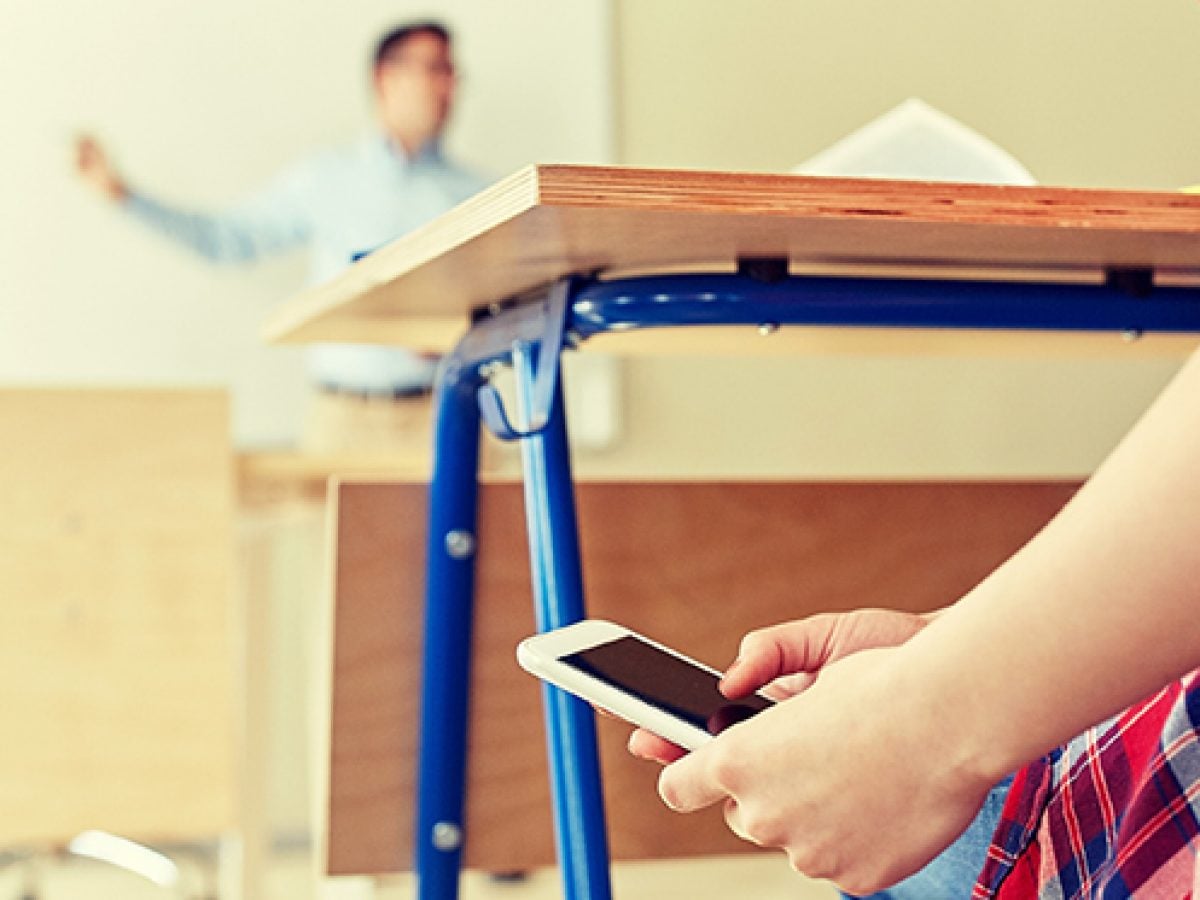
Most schools of Moldova have approved internal regulations on the use of mobile phones, explicitly noting the prohibition of gadgets during classes. Also, their use is allowed only for educational purposes, in a controlled and planned way: for projects, interactive applications or research.

The figures were presented after the Ministry of Education and Research (MEC) had conducted a survey, in which 1,146 primary schools, gymnasiums and lyceums  from all districts, municipalities and the Autonomous Territorial Unit of UTA Gagauzia (UTA Gagauzia) participated.

The survey’s data also shows that 83 per cent of schools report full compliance with the ban by students. According to MEC, infringements are isolated and measures ranging from verbal warnings to dialogues with families have been preventive and educational in nature.

"For the first time in Moldova, MEC conducted a national study analyzing how educational institutions apply the regulation on mobile phone use during classes. The results are encouraging: 94 per cent of educational institutions already have their own regulations regarding phone use. In 83 per cent of schools, students fully adhere to these rules. Almost all schools use phones on educational purposes in projects, presentations, interactive applications under teachers’ supervision," said Minister of Education and Research Dan Perciun.

In 99 per cent of schools, phones are also used on educational purposes, in a controlled and planned way: for projects, interactive applications, or research.

"These figures show a real transformation. It was not about a total ban on technology, but about restoring attention, calm and face-to-face interaction in the classroom. Teachers teach with more dedication, students are more engaged with their surroundings and the school climate becomes more conducive to learning. We know there are still steps to be taken; some institutions still need support to set up storage spaces for phones or to ensure uniform enforcement of the rules. We will support these efforts through trainings for teachers, investments in infrastructure, and information campaigns for parents," added Dan Perciun.

A challenge reported by more institutions is the lack of storage spaces. About 20 per cent of schools have not yet identified suitable solutions for safely collecting and storing phones during classes.

"The general perception of schools is positive: almost 90 per cent consider that the regulation has led to a more orderly and less tense climate in classrooms. Students are more attentive, teachers can teach without interruptions and the relationship with parents has been clarified due to a common set of rules," State Secretary at MEC Valentina Olaru said.

In mid-December 2024, lawmakers approved a string of amendments to the Education Code, which provide for the prohibition of mobile phones’ use during classes. Exceptions are cases when students need phones on educational purposes, in emergencies, such as health problems and for monitoring the health of students with disabilities.
 Facebook
 Instagram
 X/Twitter
 Telegram
New measures for child-friendly justice
Romania’s Ambassador visits Giurgiulesti International Free Port: Important component of Moldova’s European integration
U.S. Embassy in Chișinău commemorates 11 September 2001 terrorist attacks' victims
Government Secretary-General provides details on second stage of administrative reform
Gender equality and women’s rights discussed at Ministry of Foreign Affairs with UN Women Representative
Moldovan troops participate in Strong Griffin 2026 exercise in Lithuania
Warning for Moldovans seeking work in Greece: some offers may conceal illegal activities
Moldova to extradite person to India for first time; man accused of murder and drug trafficking
DOC // Law on Road Safety Assessment published in Official Journal
Authorities issue clarifications following Norwegian prime minister's statement about Ukrainian President's plane
Deputy parliament speaker says women of Moldova earn, on average, 2,615 lei less than men
Local authorities from 11 districts of Moldova learn to manage sanitation services, beekeeping activities more effectively in EcoContact programme
New ARBOM project in Taraclia: modern, safe playground for children of “Plămîce” Center
Cross-border partnership for children: 177 specialists of Moldova, Romania join professional network
Moldovan PM has meeting with representatives of National Employers’ Confederation, business associations
Moldovan Prime Minister holds talks with farmers to simplify activities in sector
Joint Consultative Committee Meeting // Government Secretary-General: Government preparing stronger city halls to access European funds
Joint Consultative Committee Meeting // Deputy Prime Minister: Closer we get to EU, more urgent it is to achieve good results at local level
VIDEO // Consumers to be able to compare natural gas and electricity suppliers’ offers in one place
President at Joint Consultative Committee Meeting: Every locality should be able to contribute to European Moldova we are building together
LIVE // Communities as active part of European integration process
 National Bank of Moldova
Moldovan parliament speaker meets Slovenian president, other high-ranking officials in Ljubljana
Moldovan deputy PM for reintegration pays working visit to Stefan Voda district
Moldova's development priorities, United Nations' support discussed at Government–UN Joint Coordination Committee's meeting
Moldovan PM has phone conversation with Greek counterpart
Moldovan PM has meeting with representatives of National Employers’ Confederation, business associations

Republic of Moldova and European Committee of Regions strengthen cooperation for stronger communities prepared for EU accession
Joint Consultative Committee Meeting // Government Secretary-General: Government preparing stronger city halls to access European funds
Joint Consultative Committee Meeting // Deputy Prime Minister: Closer we get to EU, more urgent it is to achieve good results at local level
VIDEO // Consumers to be able to compare natural gas and electricity suppliers’ offers in one place
President at Joint Consultative Committee Meeting: Every locality should be able to contribute to European Moldova we are building together
LIVE // Communities as active part of European integration process
PHOTO // Exhibition dedicated to Michael Davitt and discussion about Dracula, cultural projects discussed at National Library with Ireland’s Ambassador
ARMENPRESS: Armenia’s EU membership is “absolutely” possible, Polish official says
Moldova, Ukraine continue negotiations on water discharge from Novodnistrovsk reservoir
PHOTO // Moldovan parliament speaker in Ljubljana says Slovenia’s experience on road to EU valuable lesson for Moldova
Moldovan parliament speaker has meeting with Slovenian counterpart
PHOTO GALLERY // Chisinau hosts annual meeting of Conference of Regional and Local Authorities for Eastern Partnership
Interferon medication, unavailable at Oncology Institute from Chisinau, to be available as of September 15, Health Ministry says
Implementation of Growth Plan advances; Moldovan government prepares new package of projects to attract investments worth 2 billion euros
Prosecutors seek six-year prison sentence for former PM in Chisinau airport's concession case
Grants worth over one million euros to develop Moldova’s innovation ecosystem with EU support
Receive the latest news directly to your email

Receive the latest news directly to your email