
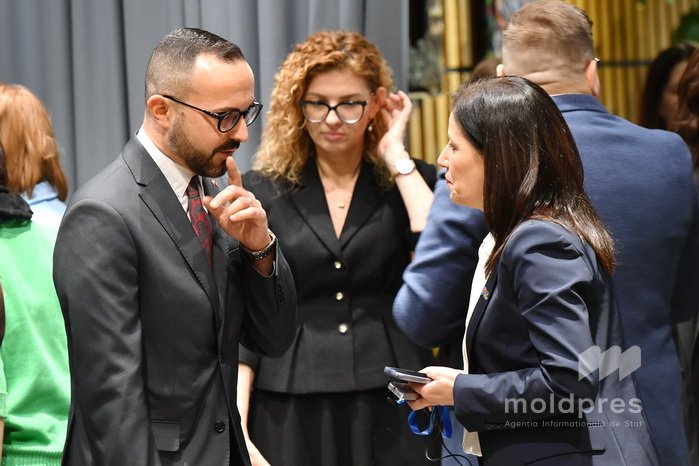
Women of Moldova earn by 16.6 per cent less than men: two extra months of work for the same income
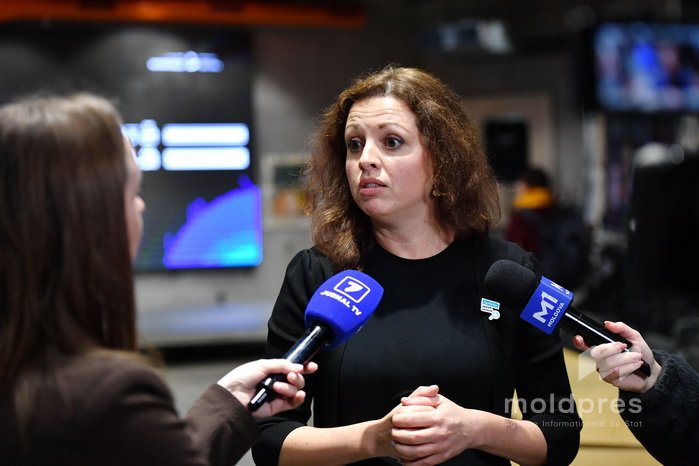
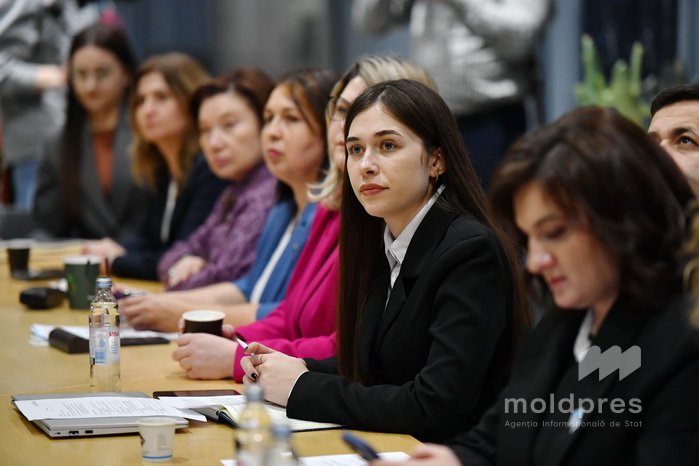
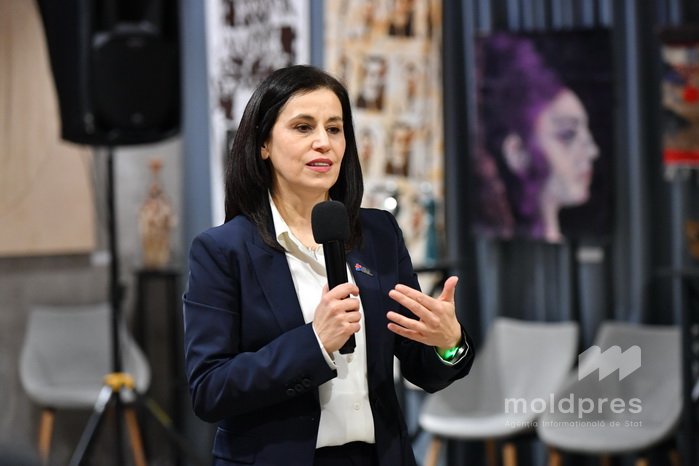
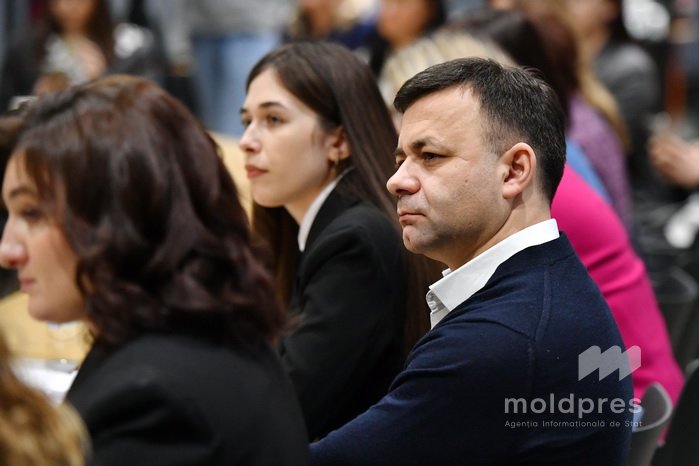
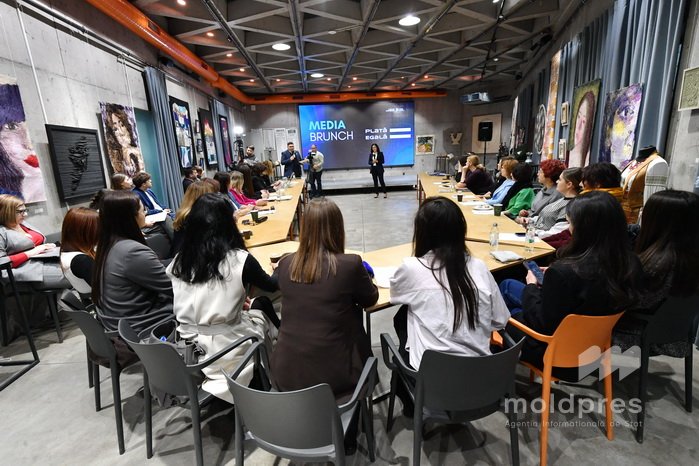
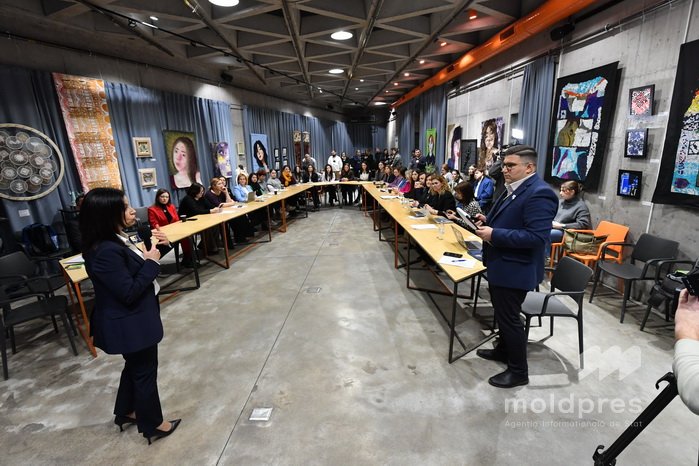
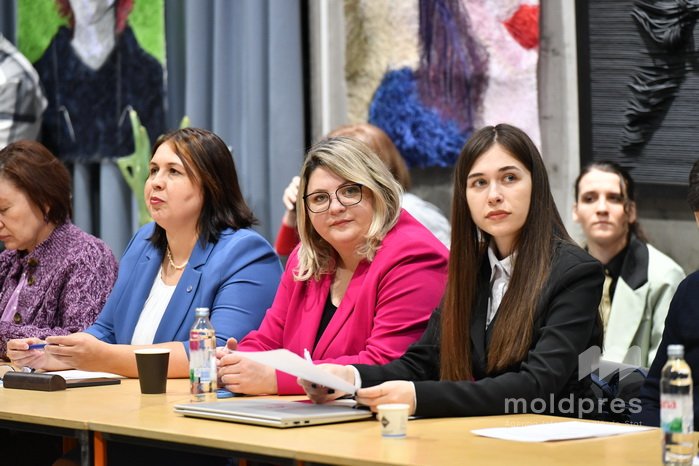
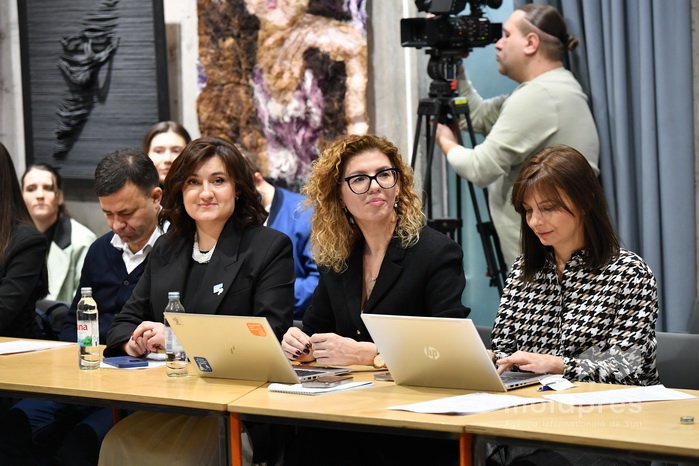
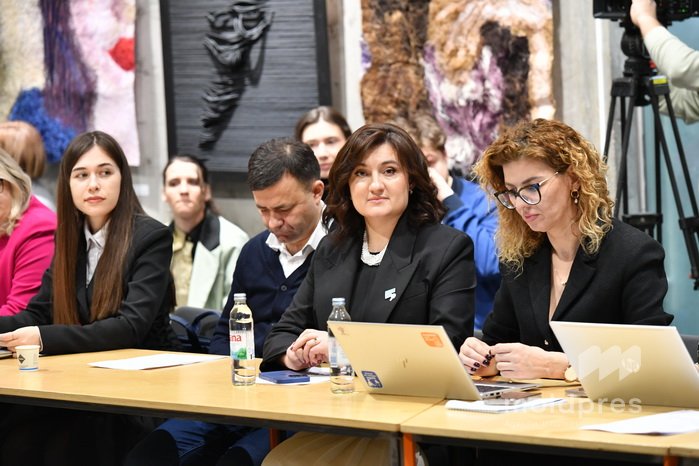
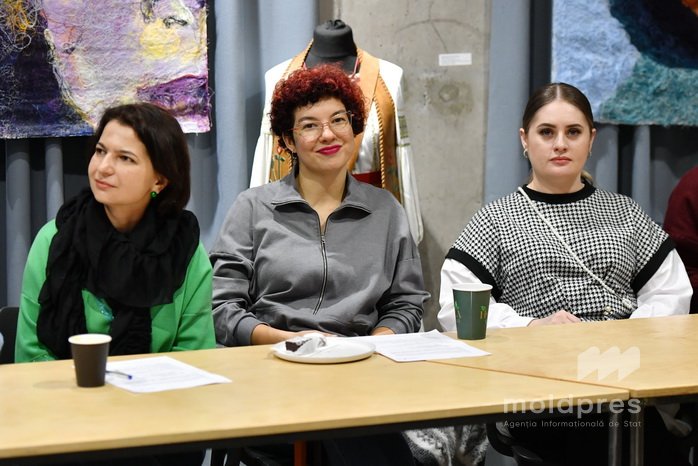
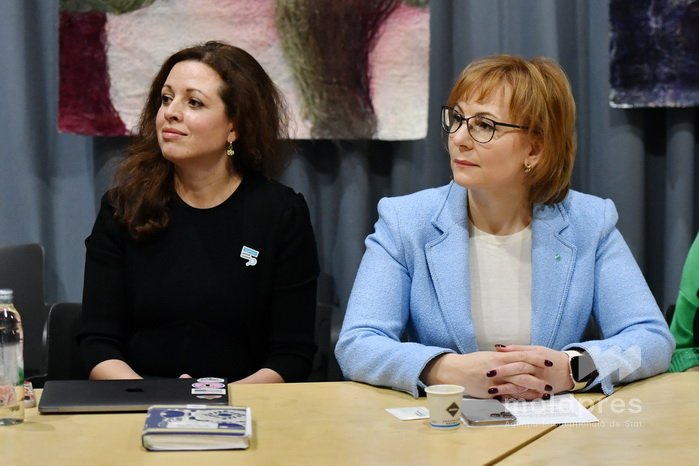
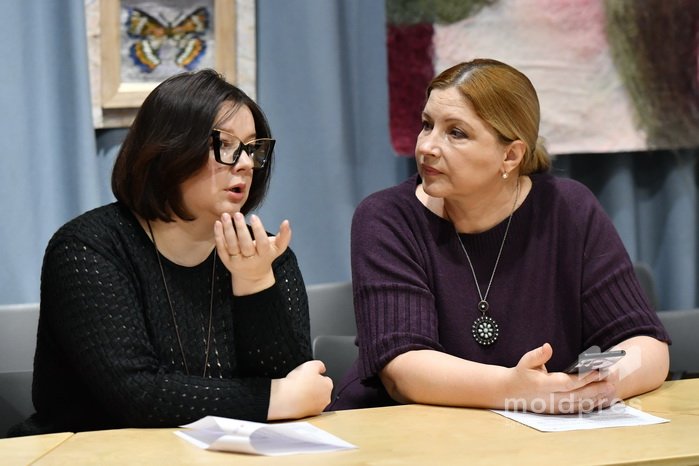
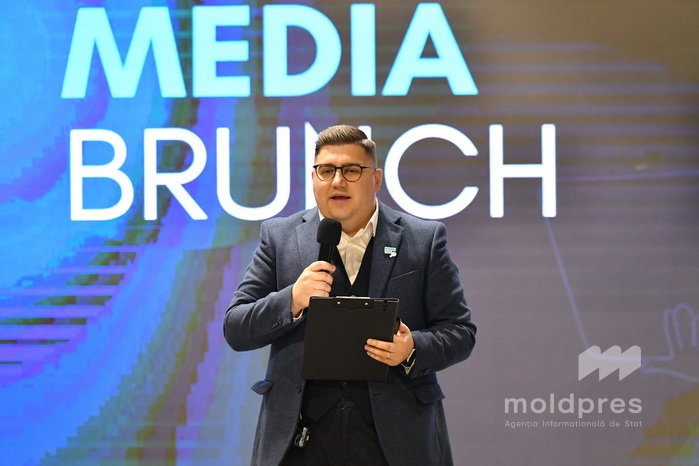
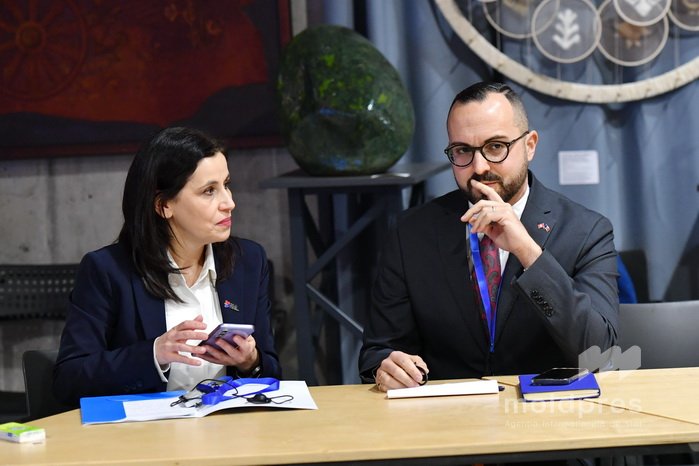
Women’s average gross monthly salary was by 16.6 per cent lower than the one of men in Moldova in 2024, according to data presented by UN Women Moldova at the event titled, Media Brunch: Equal Pay. National and international experts, representatives of trade unions and media institutions gathered at the event, in order to discuss why women earn less than men. The action was moderated by Daniel Voda, expert of the Institute for European Policies and Reforms (IPRE).

The data shows that, in 2024, women earned on average 12,787.8 lei, while men had an average gross salary of 15,335.8 lei. The difference is 2,548 lei per month.

In practical terms, women received approximately 83.4 per cent of the average income of men, which means they would need almost two additional months of work per year to reach the same level of income.

Pay gaps are more pronounced in certain sectors:

Information and communications – men earn by 39.2% more;

Finance and insurance – the gap is 34 per cent in favor of men;

Health and social assistance – a 25.5-per cent gap.

The economic impact of these discrepancies is significant. According to estimates, reducing the pay gap by one percentage point could increase the gross Domestic Product (GDP) by 0.1 per cent, turning the situation into an economic problem too.

Dominika Stojanoska, UN Women Moldova Representative, stressed that the gender pay gap had persisted for decades and was not an accidental phenomenon.

“We have international conventions on equal pay for work of equal value and recently adopted European directives. The gender pay gap is not a random phenomenon—it is systemic. We have global, regional and national data that clearly prove the existence of this problem,” Stojanoska said.

She noted that, in the context of the EU accession process, Moldova had an additional responsibility to align its legislation and practices with European standards. The parliament has already enacted legislation on pay transparency and strengthened the legal framework, but the process remains complex and requires clear criteria and phased measures, developed also in cooperation with the International Labour Organization.

Lilia Frant, Vice President of the National Trade Union Confederation of Moldova, drew attention to the lack of clear mechanisms to correct differences in salaries.

“Inequality begins at the very moment of employment, when there is no pay transparency. Many women do not know what pay level they can claim for a certain position. Do we or do we not have real transparency? Do we know exactly what salary a woman receives and what salary a male colleague in the same position receives?” Frant said.

She stressed that, in the absence of clear procedures, women who discover a pay gap do not know whom to turn to and what tools they have at their disposal. At present, trade unions can intervene through additional negotiations, but the lack of gender-disaggregated data makes objective analysis more difficult.

“A clear mechanism is needed, with well-defined criteria for setting wages, so that women are prepared not only professionally, but also for negotiating a fair salary,” the CNSM vice president underlined.

On behalf of the private sector, Ludmila Andronic, Corporate Affairs Director at Efes Moldova, said that internal policies ensured equal pay for equal work at the company she represents.

“Women and men have the same rights to social packages and the same pay entitlements. For equal work, the same length of service and the same position, the salary must be equal. We have an internal audit showing that we are above 95 per cent pay equality,” Andronic said.

She noted that women were encouraged to take on positions traditionally considered “male,” and at top management level two of the director offices are held by women. At the same time, both women and men can benefit from maternity or childcare leave, with their return to the job being guaranteed.

The event’s moderator, associate expert at IPRE Daniel Voda said that the statistics data prompted him to explore the topic more deeply.

“The fact that a woman has to work almost two extra months to reach the same income is a reality that makes you think. The responsibility to reduce these gaps lies with all of us—authorities, civil society and the business community,” Voda said.

Cezara Nanu, Commissioner for Research and Strategy in Gender Equality, recognized for her work in combating global workplace inequalities in the United Kingdom and included in the Queen’s Jubilee Honours List in 2022, delivered an extensive intervention on the systemic challenges underlying the pay gap between women and men.

“The World Economic Forum estimates that, at the current pace, it could take around 216 years to eliminate the global pay gap. We are not talking about a problem that can be solved in a few years,” Nanu stressed.

She compared this reality with the accelerated pace of technological progress: “By 2030, we are told we will have autonomous cars and send people to Mars. While technology advances spectacularly, gender equality remains more than two centuries away.”

The expert called for a deeper analysis of how the modern economy is defined. Referring to the theories of Adam Smith, considered the father of modern economics, Nanu highlighted the fact that unpaid household work—carried out predominantly by women—had historically not been included in definitions of economic growth.

“To this day, when we discuss GDP, unpaid work in the household or caring for children and elderly persons is not counted as an economic contribution,” she explained. “The way we evaluate work in the home also influences how we evaluate women’s work in the economy.”

This perspective, Nanu says, contributes to the undervaluation of essential professions, such as those in education, health or social and legal assistance—fields in which women are the majority and where pay levels are often lower.

According to studies analyzed at Harvard, women’s advancement into leadership positions is closely linked to the fair sharing of domestic responsibilities.

“If household work is not shared 50-50, we will not have a 50-50 distribution in leadership positions either,” Nanu pointed out.

She also referenced a recent London School of Economics study on the rising popularity of the “tradwives” (traditional wives) concept among young women in the US and the UK. The research shows that this trend is driven by the exhaustion felt by women who try to manage professional and domestic responsibilities at the same time.

“You cannot sustain 200%—100% at work and 100% at home. Burnout becomes inevitable,” the expert explained.

Participants concluded that reducing the gender pay gap was not only a matter of social fairness, but also an economic opportunity. Beyond respecting women’s rights, narrowing the gap would contribute to increased productivity, higher household incomes and overall better economic performance for Moldova.
 Facebook
 Instagram
 X/Twitter
 Telegram
DOC // Particip.gov.md platform to be modernized to ensure easier access to information on draft decisions proposed by authorities
Adopted in final reading: From 1 June, day laborers to be registered electronically
VIDEO // CSP approved three interim appointments to leadership positions within Prosecutor’s Office
Prime Minister on World Day for Cultural Diversity: Only through unity, dialogue and mutual understanding can we build European, modern and united Moldova
DOC // Condominiums to face new administration and voting rules
Orthodox Christians celebrate Ascension of the Lord
Two bomb alerts in single night at Chișinău Airport
Tourism integrated into state’s economic policies in Moldova; sector moves to Economic Development and Digitalization Ministry
Yellow Code for atmospheric instability: rain, thunderstorms, hail, strong winds forecast nationwide in Moldova
Education week launched in Moldova; Parliament speaker says Moldova’s future depends on quality education
Nicolae Testemitanu State University of Medicine and Pharmacy of Moldova to host international endourology conference
CNA and Anticorruption Prosecutor’s Office to have new powers
Children with disabilities to receive annual support of 3,000 Lei
Moldovan citizens who worked in Slovakia to be eligible for social benefits
Education Week culminates with national university fair: Moldovan PM says lyceum graduates should be proud of country
Moldovan president conveys congratulatory message to renowned Romanian filmmaker
Moldova showcases investment advantages in Shanghai: 30 major Chinese companies interested in country’s market
Moldovan parliament speaker says Ukraine presently needs strong international solidarity
Wine of Moldova conquers Chinese market: network of 400 stores, skyscraper promotion campaigns in Shanghai, Shenzhen
Moldovan president says massive attack on Kyiv of May 23-24 night war crime
Moldovan PM condemns Russian attacks on Ukraine
 National Bank of Moldova
PM attends Study in Moldova event
Moldovan PM attends inauguration of National Tennis Center
Moldovan PM visits settlements hit by heavy rains, flash floods from central district
Moldovan president has phone conversations with European leaders, to advance EU accession negotiations
Voluntary amalgamation of mayoralties in Moldova: 608 decisions approved by local councils

Moldovan PM visits settlements hit by heavy rains, flash floods from central district
Increased traffic at border in Moldova: authorities take measures to streamline traffic, come up with recommendations for travelers
PHOTO // Moldovan PM visits areas hit by torrential rains
VIDEO // Moldovan authorities step up operations amid torrential rains: over three thousand emergencies registered by 112 Service
Moldovan president calls for continuous efforts to address aftermath of heavy rains: authorities to assess damage, provide support where needed
European Night of Museums marked in Moldova: all museum institutions open doors with free entrance
Superior Council of Prosecutors comments on procedure of external evaluation of Moldova's Prosecutor General: decision adopted based on verified materials
PHOTO GALLERY // Reception dedicated to Azerbaijan’s Independence Day, captured by MOLDPRES
Azerbaijan, Moldova deepen partnership: messages of cooperation, mutual trust conveyed at reception in Chisinau
Rail traffic resumes after torrential rains in Moldova; trains continue moving to Chisinau
Energy Ministry announces emergency disconnections of 400 kV power lines; consumers stay supplied with electricity in Moldova
PHOTO // New opportunities for agricultural cooperation in Italy; Moldovan agriculture minister visits Agri-Food Center in Rome, company in region
Ambassador of Moldova to Norway presents letters of credence to His Majesty King Harald V
Three prosecutors fail external evaluation in Moldova; reports sent to Superior Council of Prosecutors
PHOTO // Moldovan energy minister participates in Istanbul Natural Resources Summit
PHOTO // Moldovan foreign affairs minister meets group of Chinese students learning Romanian
Receive the latest news directly to your email

Receive the latest news directly to your email