
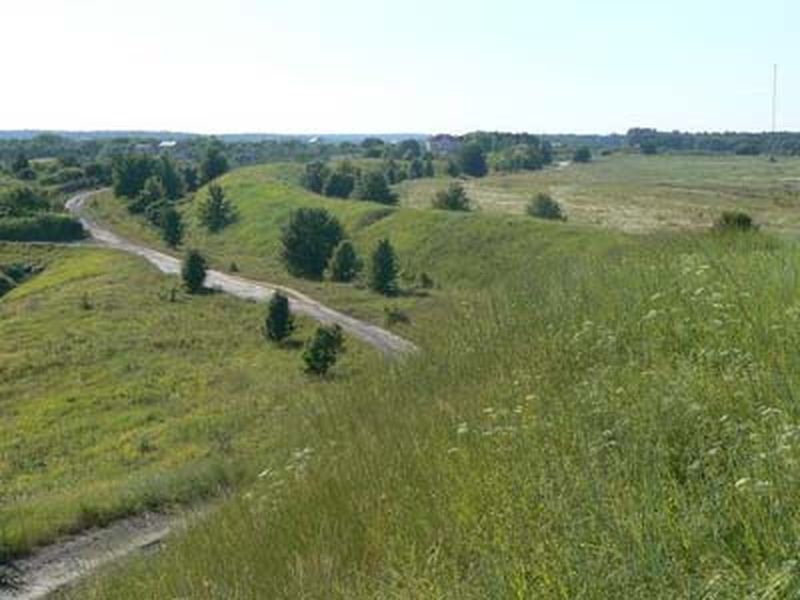
Discover Moldova with #MOLDPRES: Trajan's Wall, archaeological monument of international importance in southern region
Research at Trajan's Upper Wall

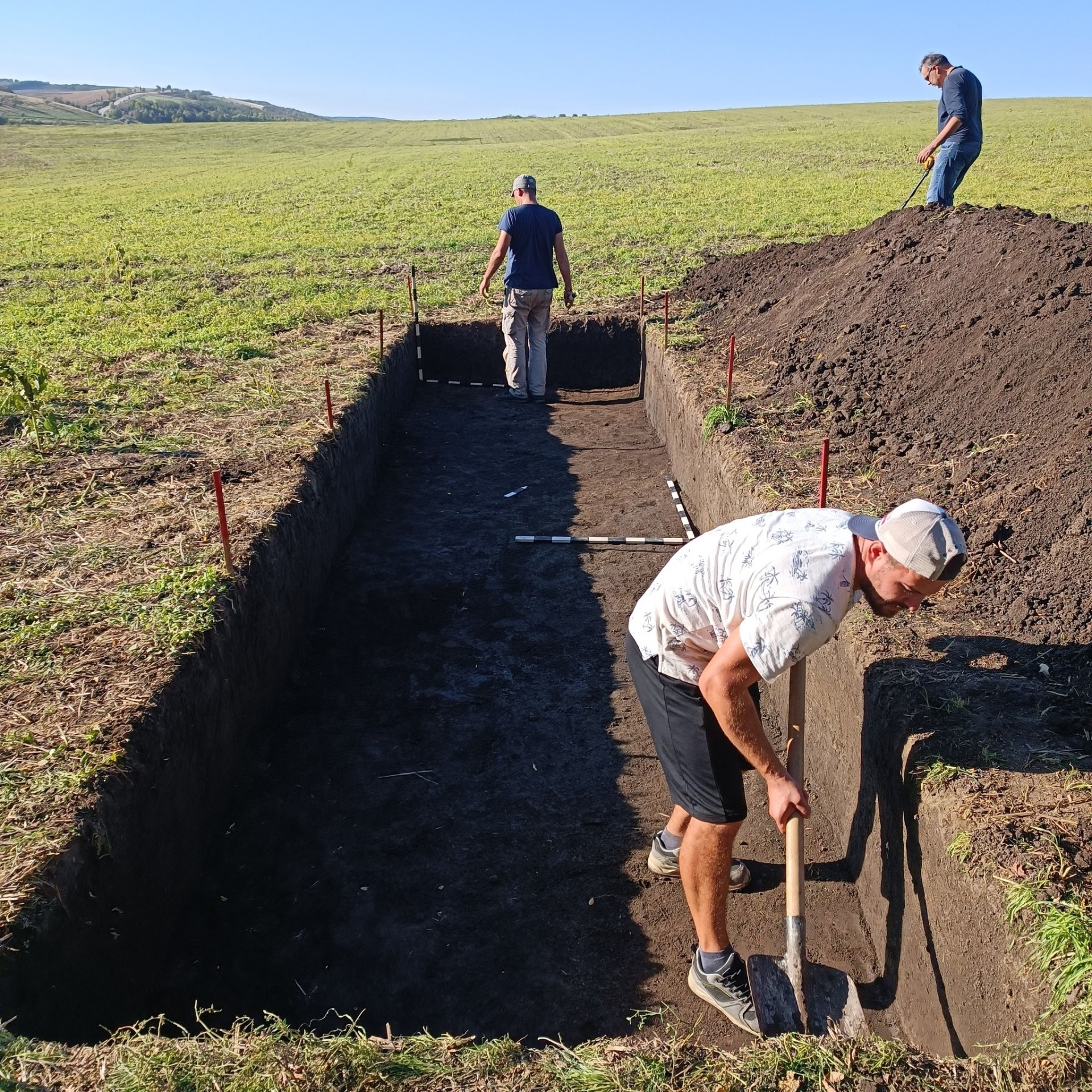
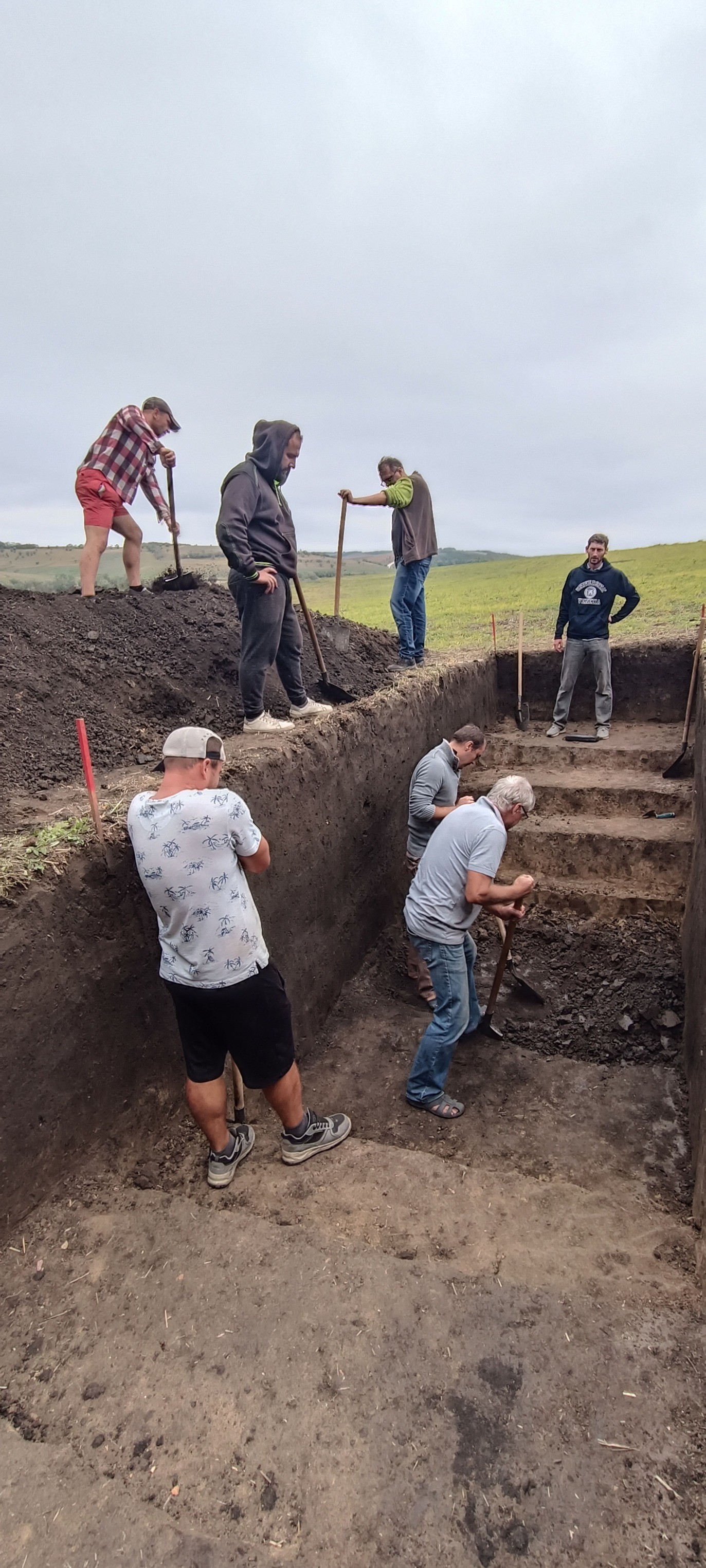
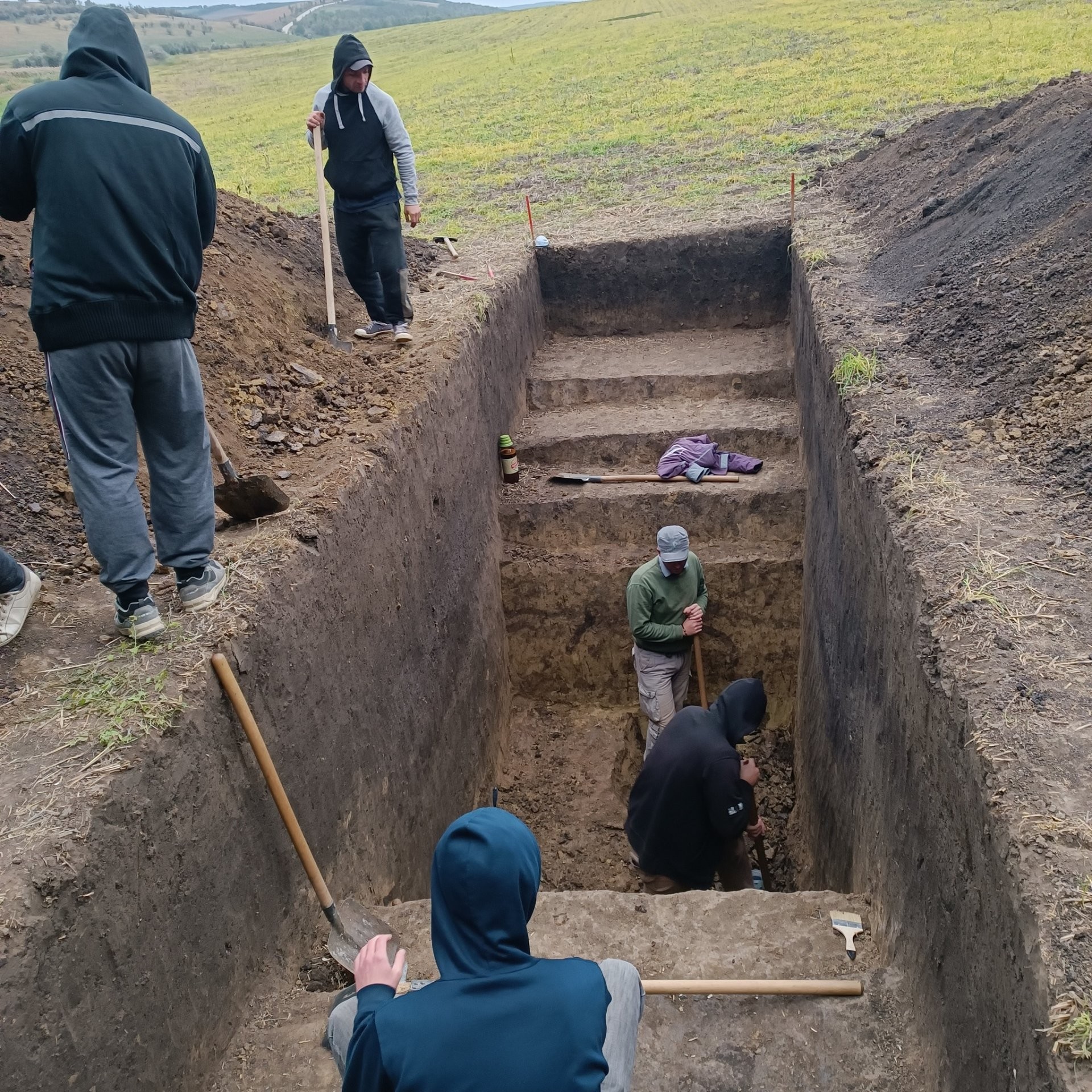
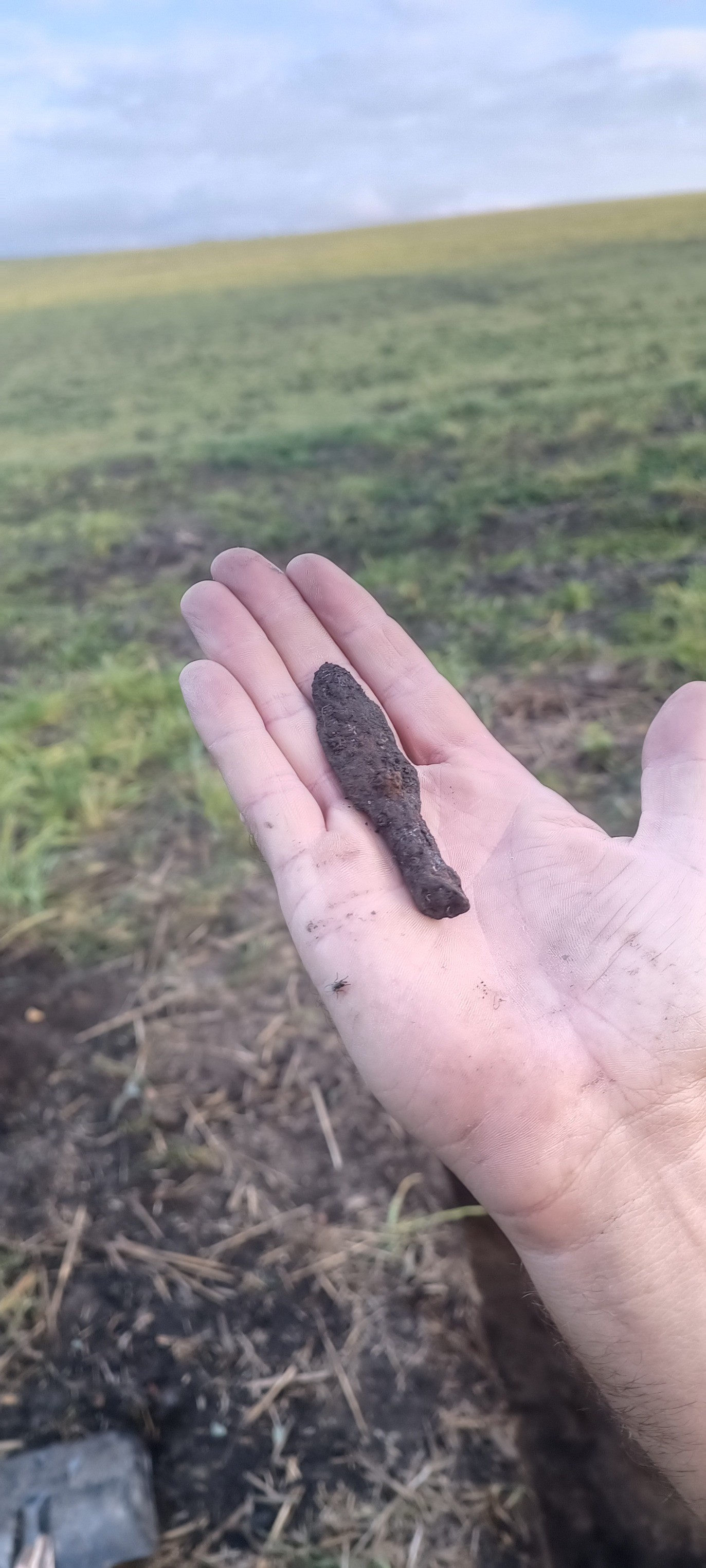
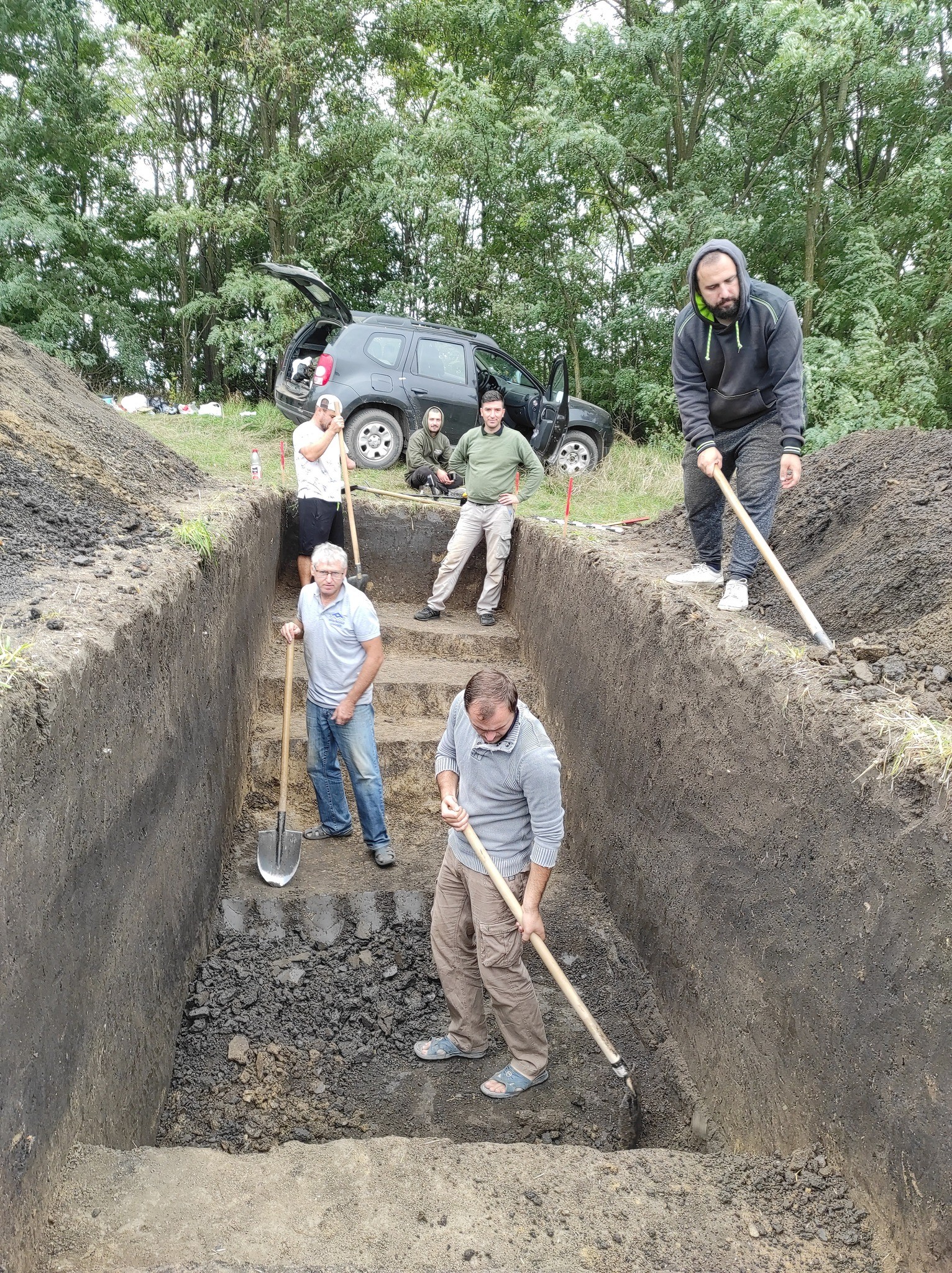
In the autumn of 2024, fieldwork was conducted at the archaeological site Ecaterinovca–Ialpugeni–Valea Jeparului. The site was discovered in 2016 and represents a settlement with traces of habitation dating from the Gothic migration period (4th century AD) and the late Middle Ages (18th century).

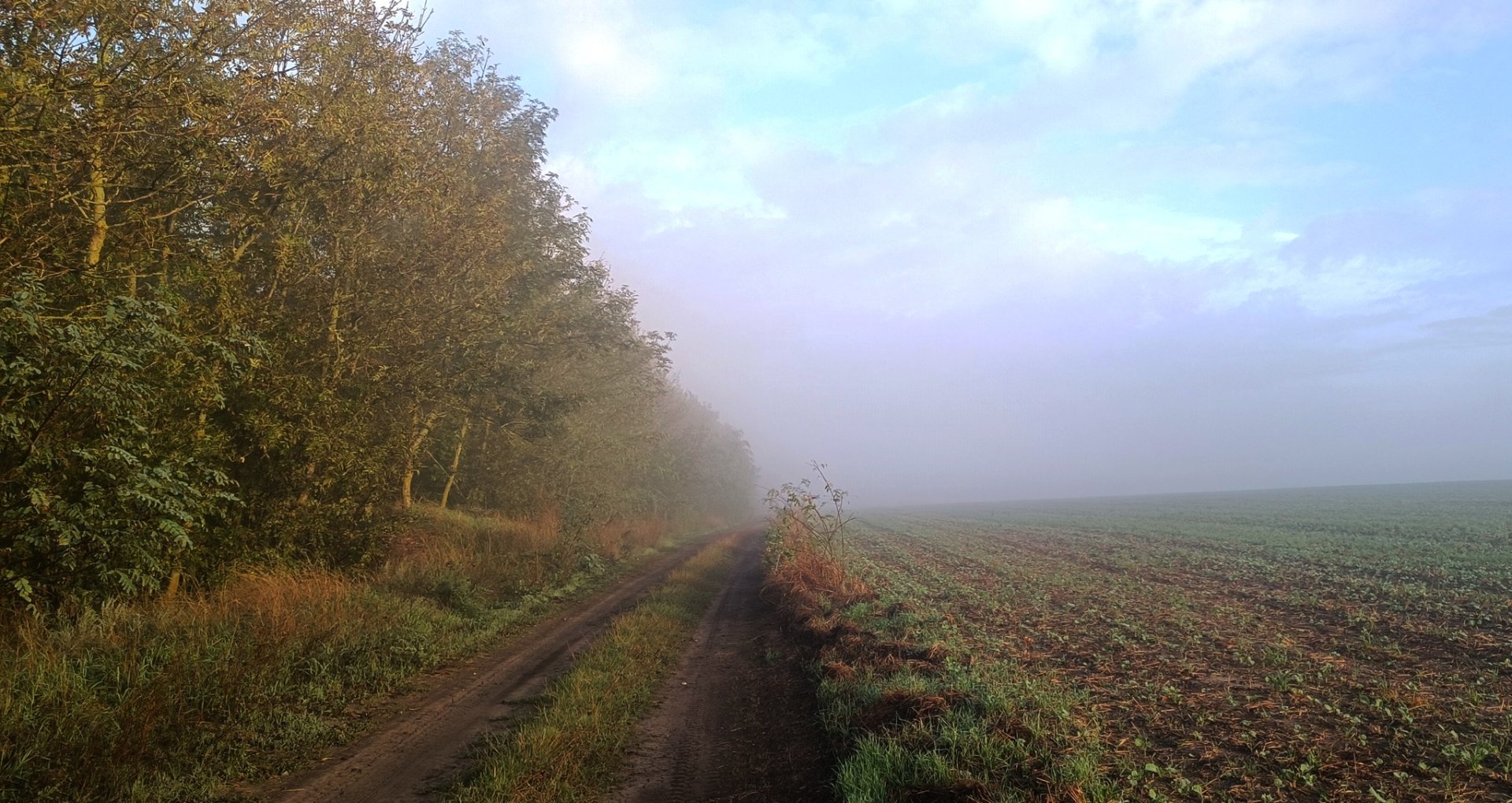
It is situated in Valea Jeparului, also known as Valea Ecaterinovca, on the border of the estates of the villages Ecaterinovca and Ialpugeni.

The unique aspect of the settlement is its extension both north and south of Trajan's Upper Wall, being, so far, the only known site that overlaps this linear fortification.

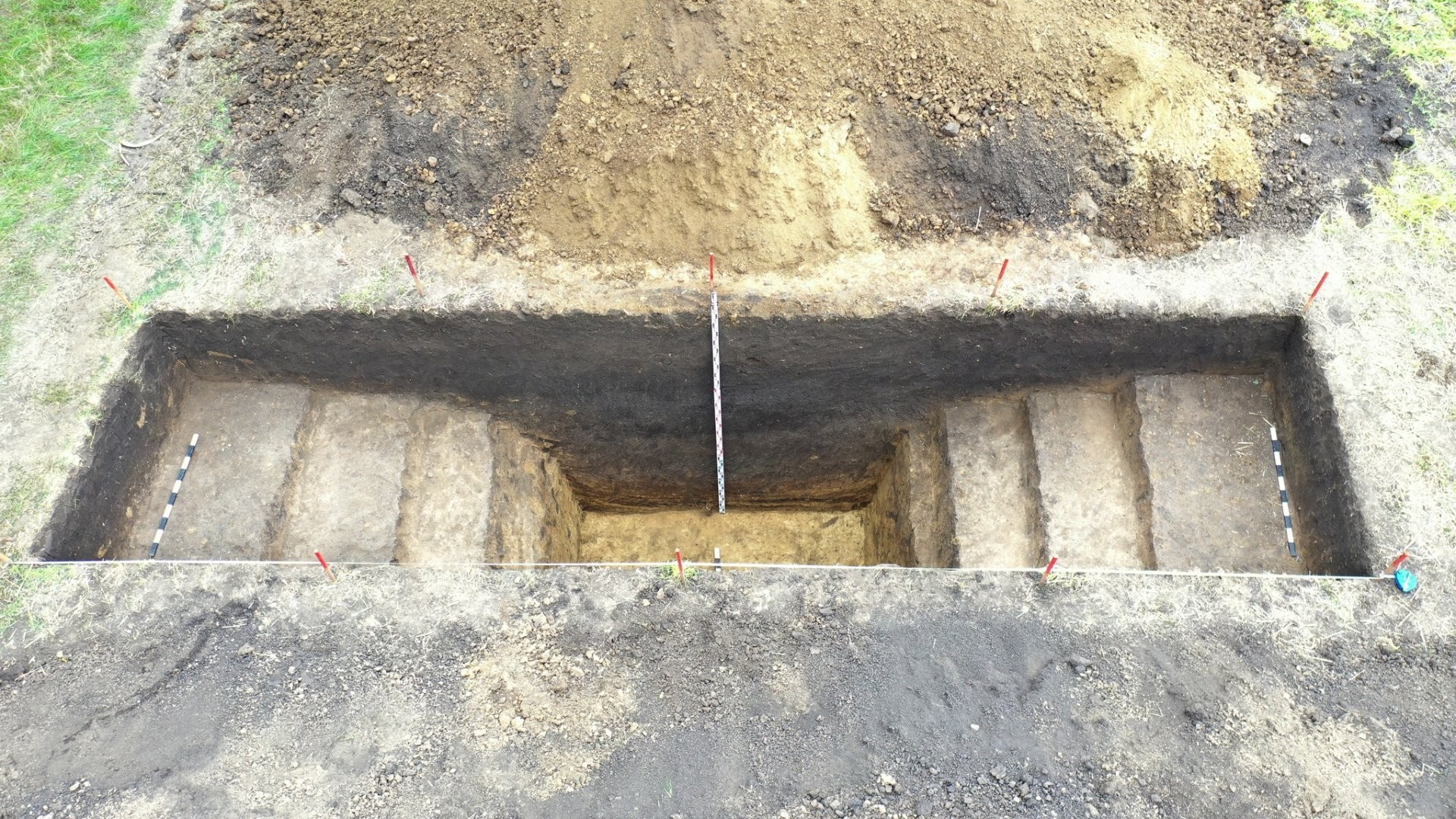
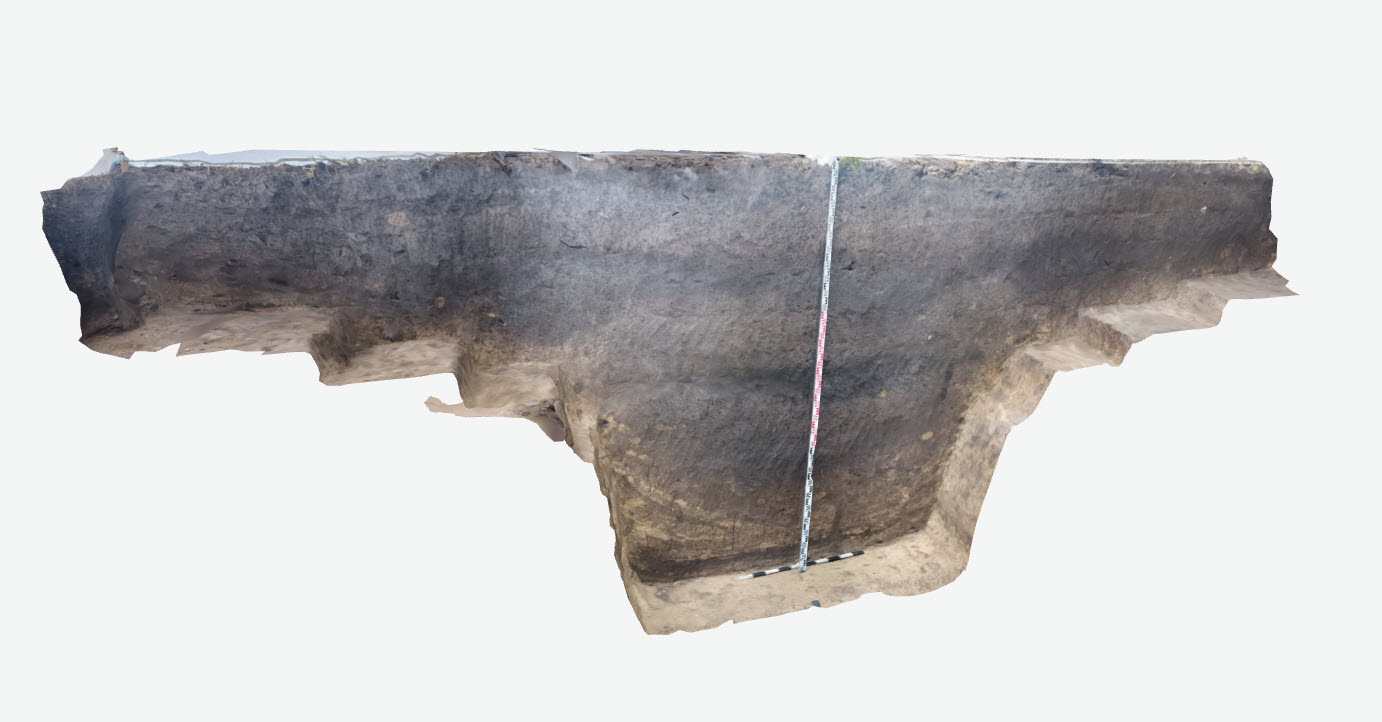
During the archaeological survey, at a depth of 0.7 m from the present surface of the soil, the mouth of the VTS trench was identified, with a width of 6.1 m. The bottom of the trench was recorded at about 2.85 m below the current walking level, and its width at the base is 2.4 m. The profile of the linear fortification trench is approximately trapezoidal, according to the National Archaeological Agency.

National Archaeological Agency: Particularly valuable for dating the complex are the ceramic shards discovered in the lower part of the trench, belonging to both locally produced and imported ceramics, attributed to the Sântana de Mureș–Cerneahov culture.

Based on these stratigraphic information and archaeological materials, it is estimated that the embankment and trench of the linear fortification were arranged no later than the period of the Gothic migrations in the northern Danube regions (second half of the 3rd century – 4th century AD).

Archaeological data regarding these investigations has been recently presented at the national session of archaeological reports, Campaign 2024.

Historical Monument Trajan's Wall

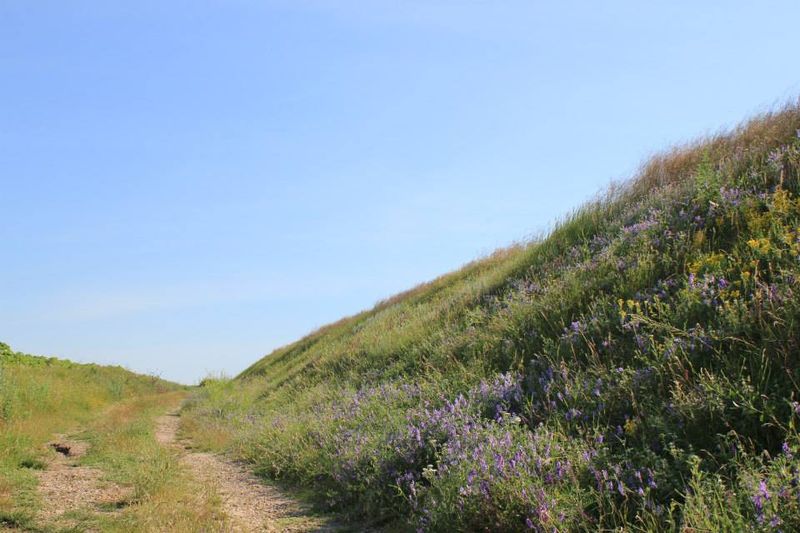
Trajan's Wall is an archaeological monument (2nd century AD) of international importance, located at the exit of the village of Vadul lui Isac. It is 126 km long and stretches from the village of Vadul lui Isac to the city of Tatarbunar, on Ukrainian territory. The height of the wall does not exceed 1.5-3 m.

The historical monument Trajan's Wall is a fortification from the late ancient period, first documented on March 13, 1489. The walls are located in the southern part of Moldova and consist of two main branches: “lower” and “upper.”

The “lower” one is 126 km long and extends from the village of Vadul lui Isac to the city of Tatarbunar, on Ukrainian territory. The “upper” one is 138 km long, with its boundary between the town of Leova to the west and the village of Copanca near Chitcani to the east, and in Cimislia district near the villages of Pervomaisc, Gradiste, Costangalia, and Satul Nou.

Along Trajan's Lower Wall, scholars identify three sections. The first is 34 km, from the village of Vadul-lui-Isac to the village of Tabacu near Lake Ialpug. This section is characterized by the existence of a berm (a flat surface between the wall and the ditch). That section was carefully arranged and is best preserved.

The second section of the wall is found between Lakes Ialpug and Catlabuga. It differs from the first section only by the absence of the berm. Finally, the third section, between Lakes Catlabuga and Sasâc, was raised relatively carelessly.

The care with which the first section (the one starting at Vadul-lui-Isac) was raised is explainable because the concerned region was the most dangerous of the three, being an important strategic area near the Danube crossing. At the same time, it is assumed that the section starting at Vadul-lui-Isac was the first of the three to be raised.

Unfortunately, the passage of time has taken its toll on Trajan's Lower Wall. Even worse is that people have significantly contributed to the current state of this relic. Thus, a car road runs along the field parallel to the wall, affecting it.

Hoping that Trajan's Lower Wall will gain the tourist importance it deserves, we encourage you to visit it at the village of Vadul-lui-Isac in the Lower Prut Meadow.

Correspondent: Lilia Grubii
 Facebook
 Instagram
 X/Twitter
 Telegram
Discover Moldova with #MOLDPRES: Men’s caroling groups, tradition, spirituality at Palanca, Calarasi district
Discover Moldova with #MOLDPRES: Old Style Christmas, between traditions, customs and meanings
Discover Moldova with #MOLDPRES: Take Home from Moldova – authentic presents, memories from Moldova
VIDEO // Roman, early medieval archaeological artifacts to be exhibited at museum in southern Moldova
PHOTO // Tourist destinations from northern Moldova highlighted through Heart of Moldova tour
PHOTO, VIDEO // Discover Moldova with #MOLDPRES: Wine Vernissage 2025 - where tradition, excellence, tourism meet under sign of Moldovan wine
Moldova promoted in Vogue Polska: spectacular appearance putting country on map of inspiring destinations
PHOTO, VIDEO // Discover Moldova with #MOLDPRES: 'Wheel of Time' – a cultural and tasty journey, part of cross-border gastronomic route
PHOTO, VIDEO // Discover Moldova with #MOLDPRES: Gate of the Nation, where traditions come to life
PHOTO, VIDEO // Discover Moldova with #MOLDPRES: Mircești winery – 'Little Tuscany' of Ungheni, bridge between tradition, wine, tourism like in Europe
Discover Moldova with #MOLDPRES: Casa din Luncă - a haven of peace and tradition in heart of Old Orhei
Discover Moldova with #MOLDPRES: “At Tanti Masha's”: tradition, family recipes, tourist experiences and community on Romania-Moldova Gastronomic Route
PHOTO // Moldovan Wines conquer Switzerland at EXPOVINA 2025 in Zürich
Discover Moldova with #MOLDPRES: from vineyards to hospitality. how authentic wine, tourism experiences were promoted at World Wine Tourism Day 2025
Search for missing nine-year-old child continues in Ungheni district of Moldova; authorities activate crisis cell
Moldovan MPs to convene at plenary meeting on July 23; drafts on energy, justice, school infrastructure on agenda
Minimum wage to be gradually increased to 10,000 lei; Moldova's labour minister says government to initiate discussions with trade unions, employers
PHOTO GALLERY // First meeting of Moldova's Tofan government in pictures: priorities, decisions, atmosphere at start of new cabinet
VIDEO // Moldova's industry accelerates: 7.2 percent growth in first five months of 2026
New Moldovan government members of introduced to ministries' teams
Large infrastructure projects, capital investments to be accelerated in Moldova
 National Bank of Moldova
New Moldovan government members of introduced to ministries' teams
Moldova to have legal framework for crypto-assets' market
Greater fairness in social protection system of Moldova: maternity allowance to no longer depend on parents’ marital status
New measures for digitalization of justice in Moldova: more procedures to be carried out electronically
Citizens to play more active role in decision-making: Moldovan government approves new rules for consultation, civic initiative



VIDEO // Moldovan PM requests development of package of measures to reduce excessive inspections of entrepreneurs
Moldova's ministries to present proposals for optimizations in public sector
Greater fairness in social protection system of Moldova: maternity allowance to no longer depend on parents’ marital status
New measures for digitalization of justice in Moldova: more procedures to be carried out electronically
Citizens to play more active role in decision-making: Moldovan government approves new rules for consultation, civic initiative
Concept of new fiscal policy to be presented in Moldova by August 6
Clearer rules for providing state aid to enterprises of Moldova
Moldovan PM announces stricter rules for officials’ foreign trips
Moldova's schools to be transferred under subordination of Education Ministry; government approves Restart in Education reform
Moldovan PM calls for measures against “shameless salaries”: government to propose caps, elimination of certain bonuses
VIDEO // Official documents issued in Moldova, Germany to be recognized more easily
Chance Party of Moldova to be dissolved, activity of other tree parties to be restricted
Moldovan government approves dismissal of two state secretaries from agriculture, health ministries
Alexandru Manciu to serve as acting director of Moldova's National Food Safety Agency
Moldovan PM, at his first cabinet meeting, says challenges great, work must be carried out with integrity, courage
Prime ministers of Romania, Ukraine send congratulations after swearing-in of new Moldova's government
Receive the latest news directly to your email

Receive the latest news directly to your email