
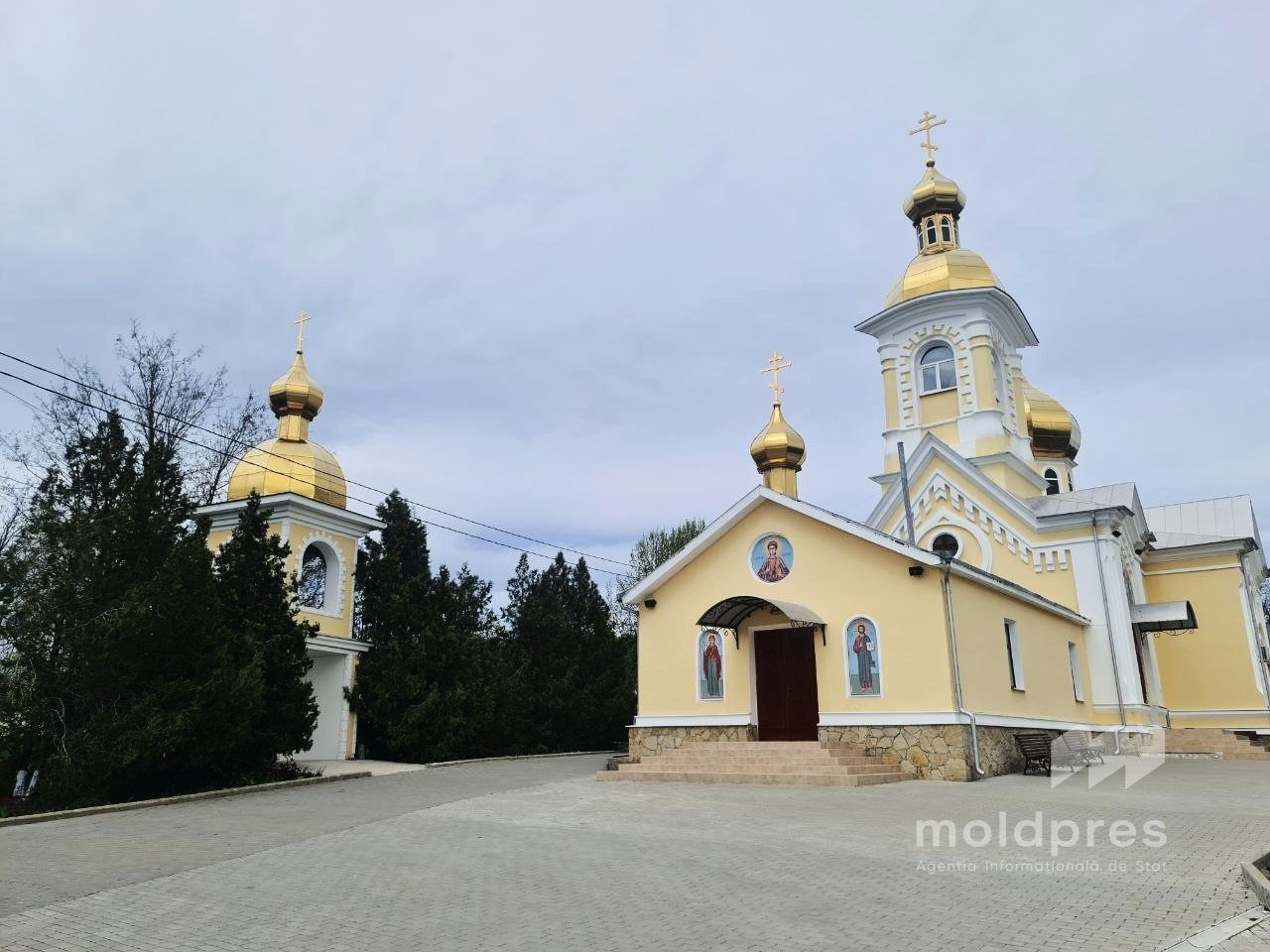
Discover Moldova with #MOLDPRES // Turbulent history of Pripiceni-Curchi Monastery: more than two-century-old icon, one of its most precious treasures
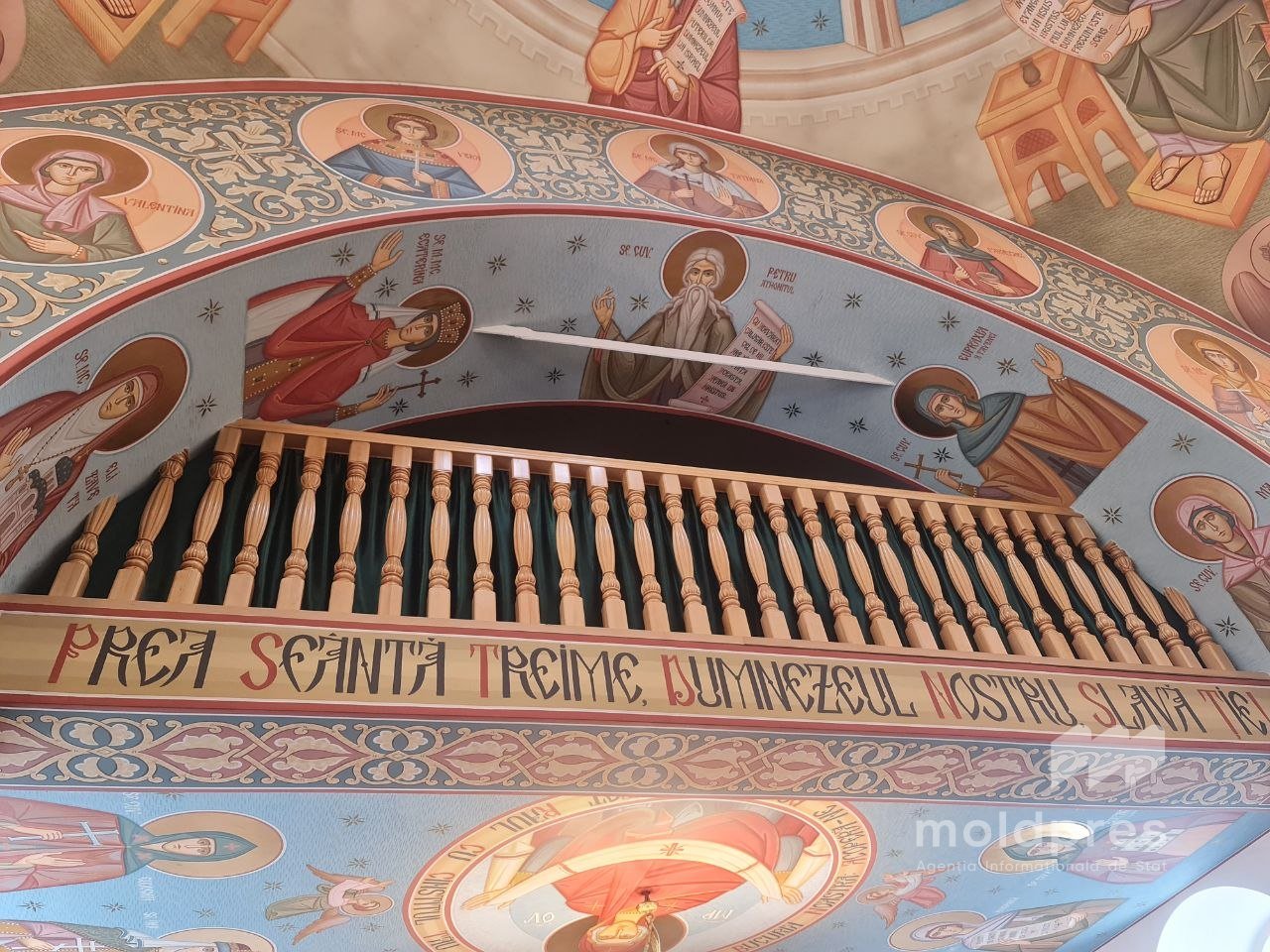
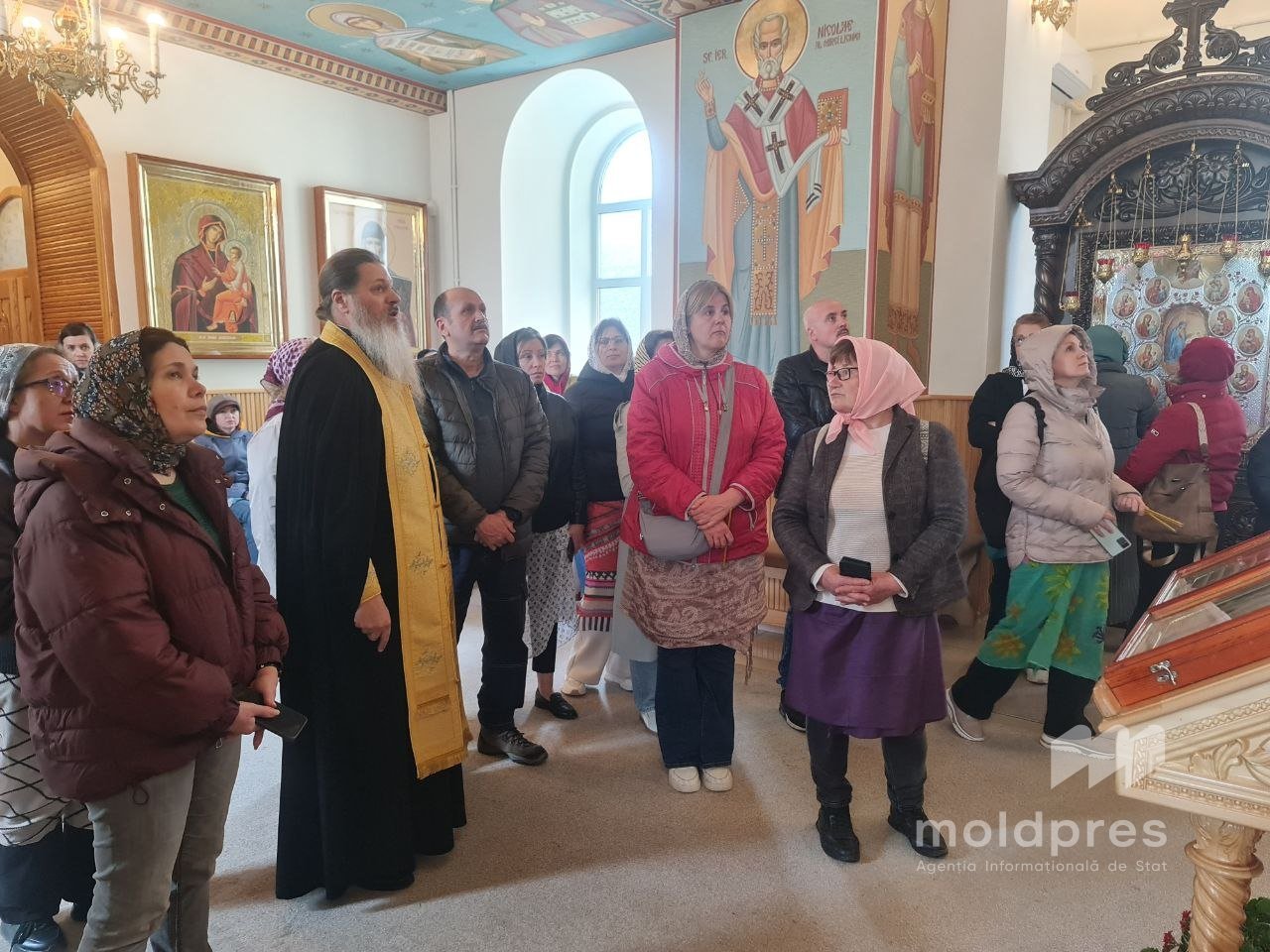
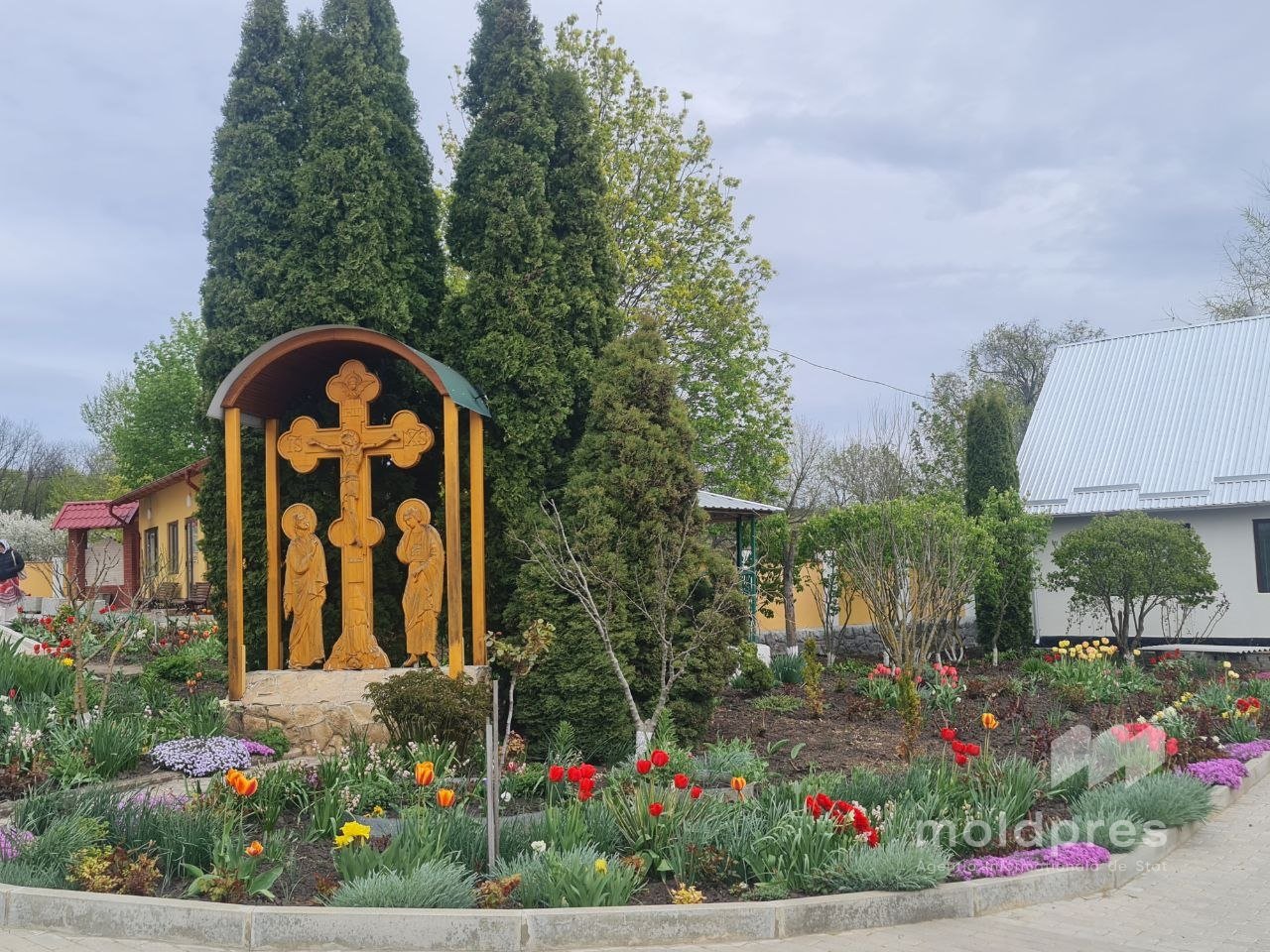
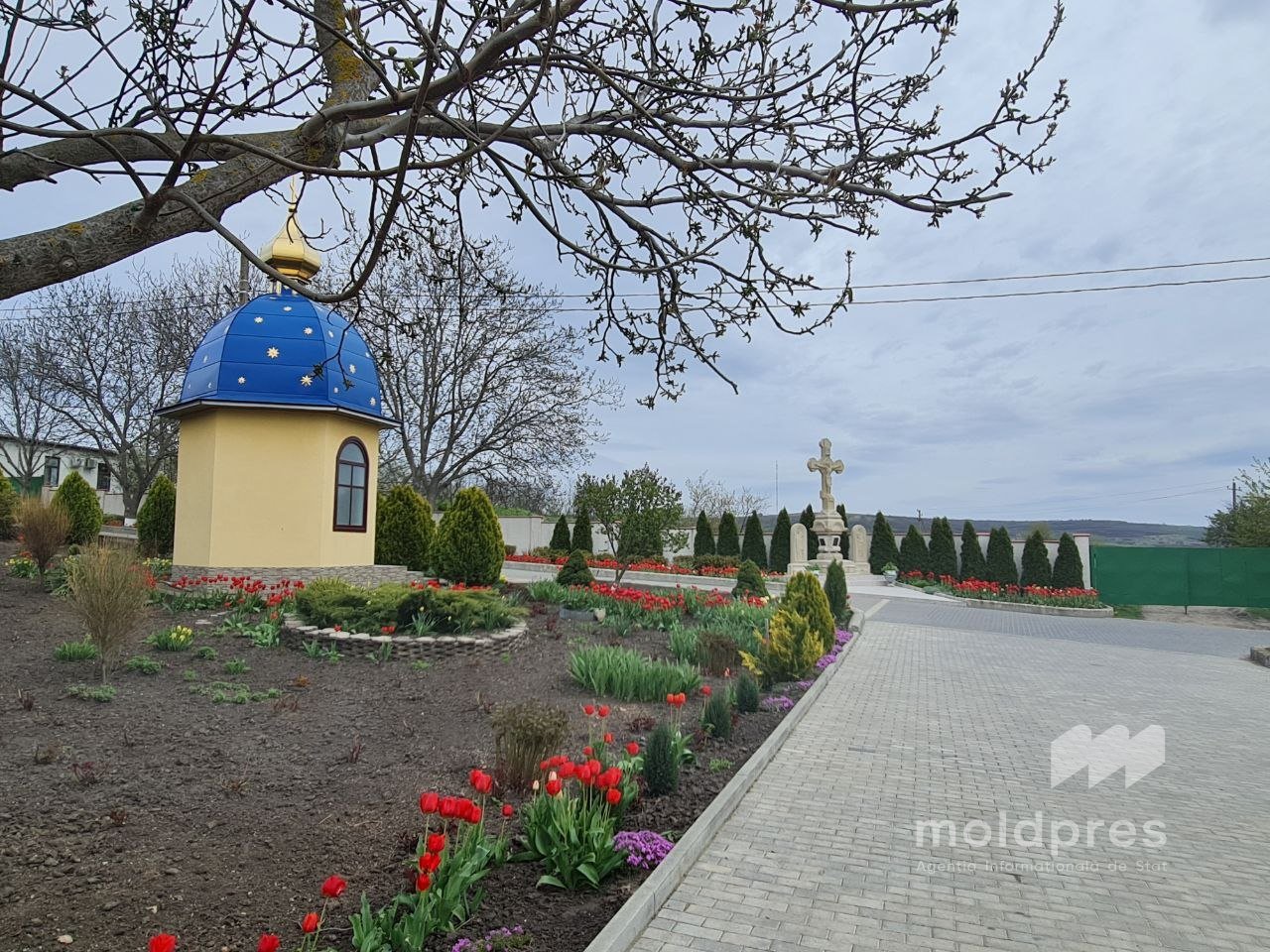
Hidden among the hills of Orhei and close to the calm waters of the Dniester, near Rezina, the Pripiceni-Curchi Monastery remains one of the spiritual centers where history and faith intertwine in a unique way. Connected to the tradition of the Curchi Monastery, this monastic settlement completes today the unique landscape of the area, bearing in its walls the traces of a tumultuous history.
The name of the monastery comes from the village of Pripiceni and from Curchi Monastery, and its beginnings are closely linked to the figure of an officer named Teodor Sabău. In 1780, he bought part of the estate of boyar Dumitrache Clemente, which he donated to Curchi Monastery, one of the wealthiest monasteries of that time.
“After retiring from military service, Sabău settled in Chisinau, but, having no heirs, he chose the monastic path. Under the influence of Abbot Chiril, he and his wife decided to take monastic vows: Teodor became Filaret at Curchi, and his wife, Magnisia, - at Tabăra Monastery. The two continued to donate large tracts of land from the Pripiceni estate, decisively contributing to the creation of the monastic domain, which reached about 800 desetins of land. Part of these lands was afforested, the area being known to this day as the ‘Monks’ Forest’, Ludmila Iftodi, guide at the National Museum of Ethnography and Natural History, told MOLDPRES.”
In 1817, in the southern part of the estate, cells and a wooden skete were built, where the monks settled permanently. Development continued in the second half of the 19th century, and in 1903 the foundation of the stone church dedicated to ‘Saint Demetrius the Great Martyr’ was laid, built with funds from Curchi Monastery. Discontent regarding the management of income culminated in 1918, when the inhabitants of the skete opposed the transfer of goods to Curchi, and in 1920 the settlement officially became independent, being headed by Hieromonk Petru Sacinschi.
Years of flourishing followed, but also dramatic periods. As of 1939, the skete was headed by Protosingel Efrosente (Trofim), and in 1959 the Soviet authorities decided to close the monastery.“The Pripiceni-Curchi Monastery is a place where history has recorded both fulfillments and suffering. The Soviet authorities locked the gates of the monastery on October 27, 1959, the day on which, according to the Old Style calendar, Saint Paraskeva is celebrated. Later, the property was taken over by the local kolkhoz (collective farm) and the church was turned into a grain warehouse. Two years later, a hospital for tuberculosis patients was opened on the territory of the monastery. The summer church became a canteen; the altar was turned into a kitchen, and medical offices were set up in the winter church. Later, the summer church was devastated and above the entrance a large five-pointed star was painted. As late as in 1994, did the Pripiceni-Curchi nunnery resume its activity,” noted Ludmila Iftodi.
The monastery’s property – dozens of hectares of arable land and forest, as well as a mill and an oil press – was confiscated. In a short time, the church was turned into a grain warehouse and later the entire complex became a hospital for tuberculosis patients, under the management of the Health Ministry till 1993. The altar was turned into a kitchen, and the sacred spaces were adapted for medical needs, during a period that left deep marks on the heritage.
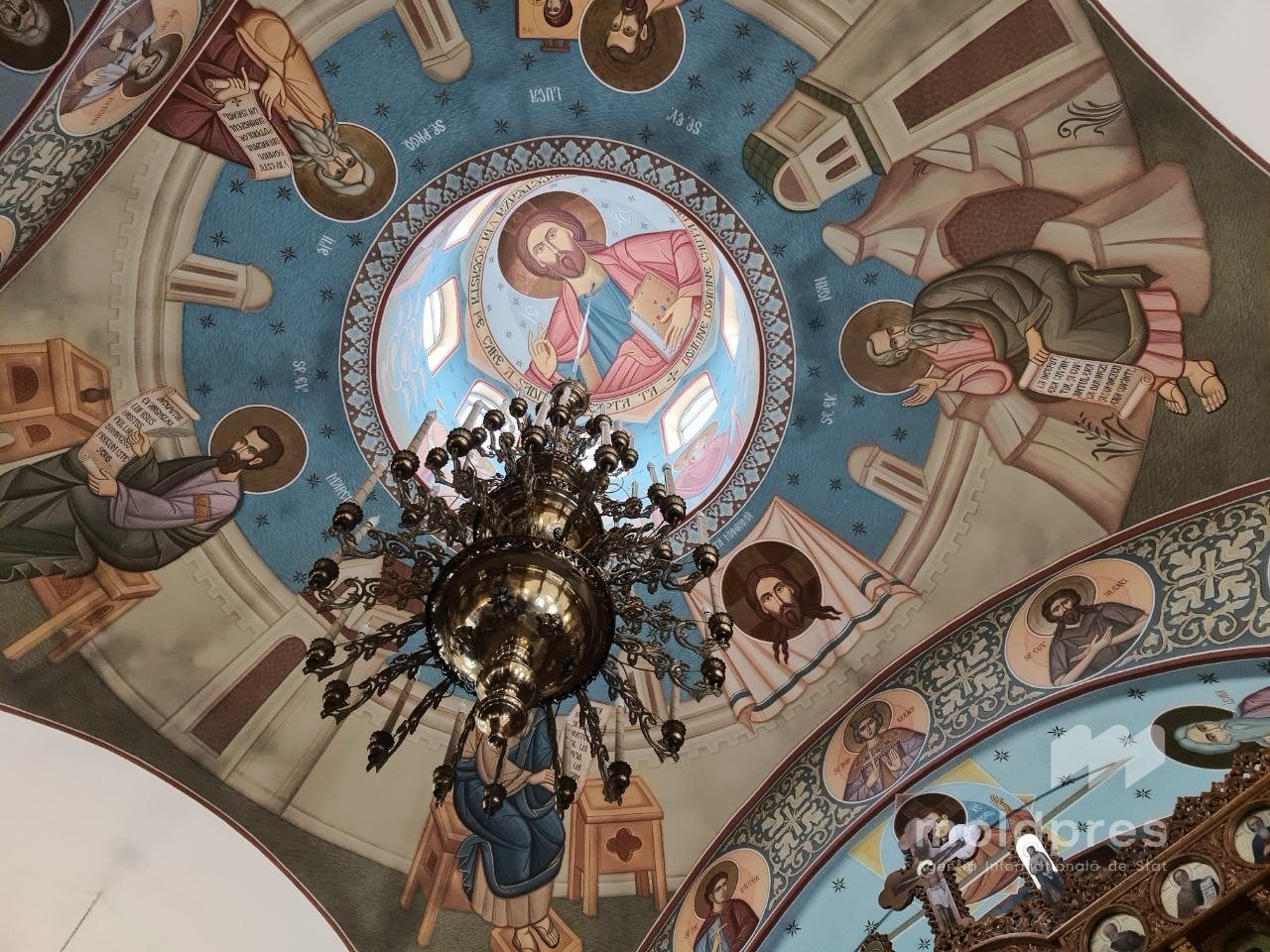
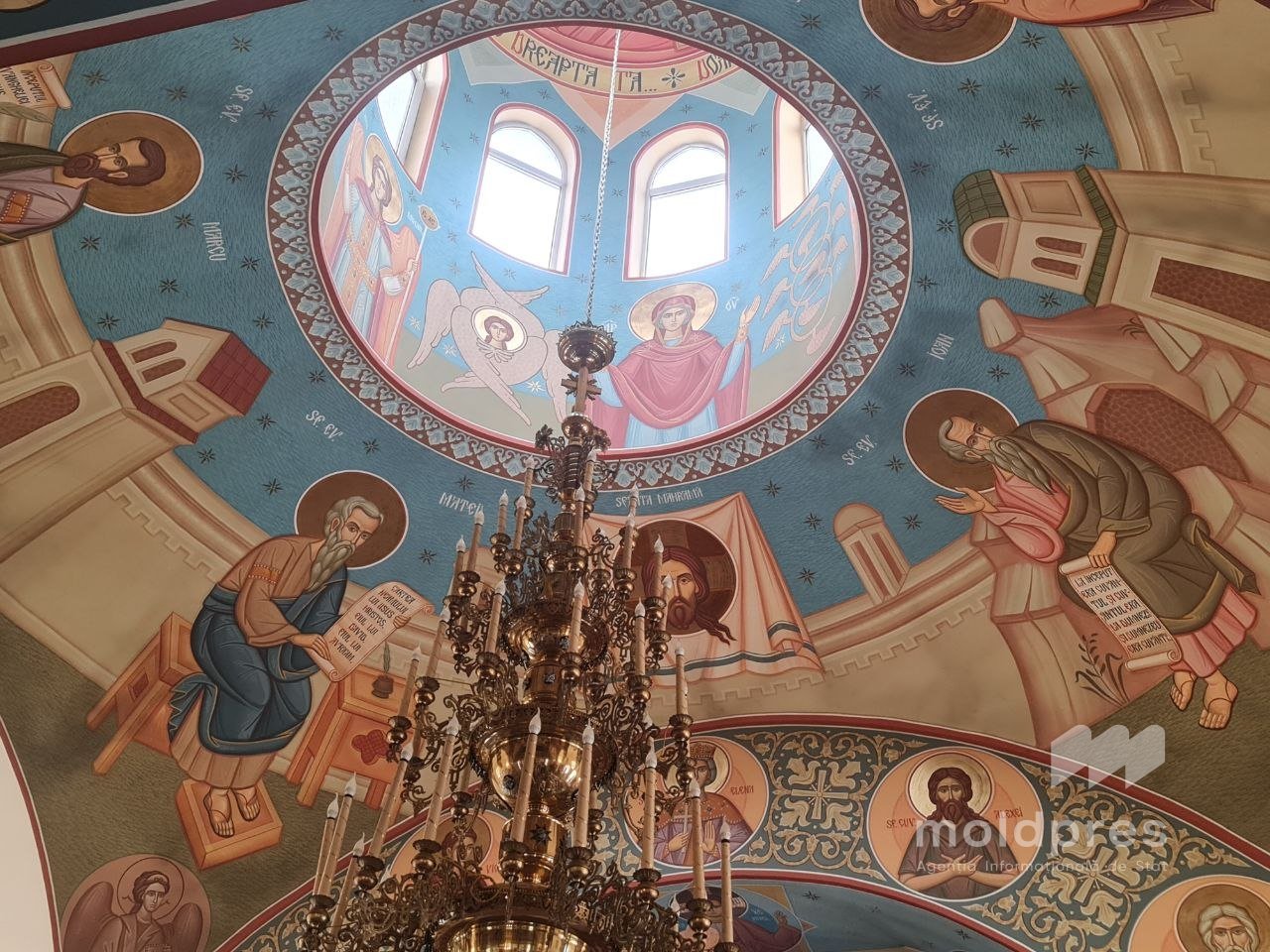
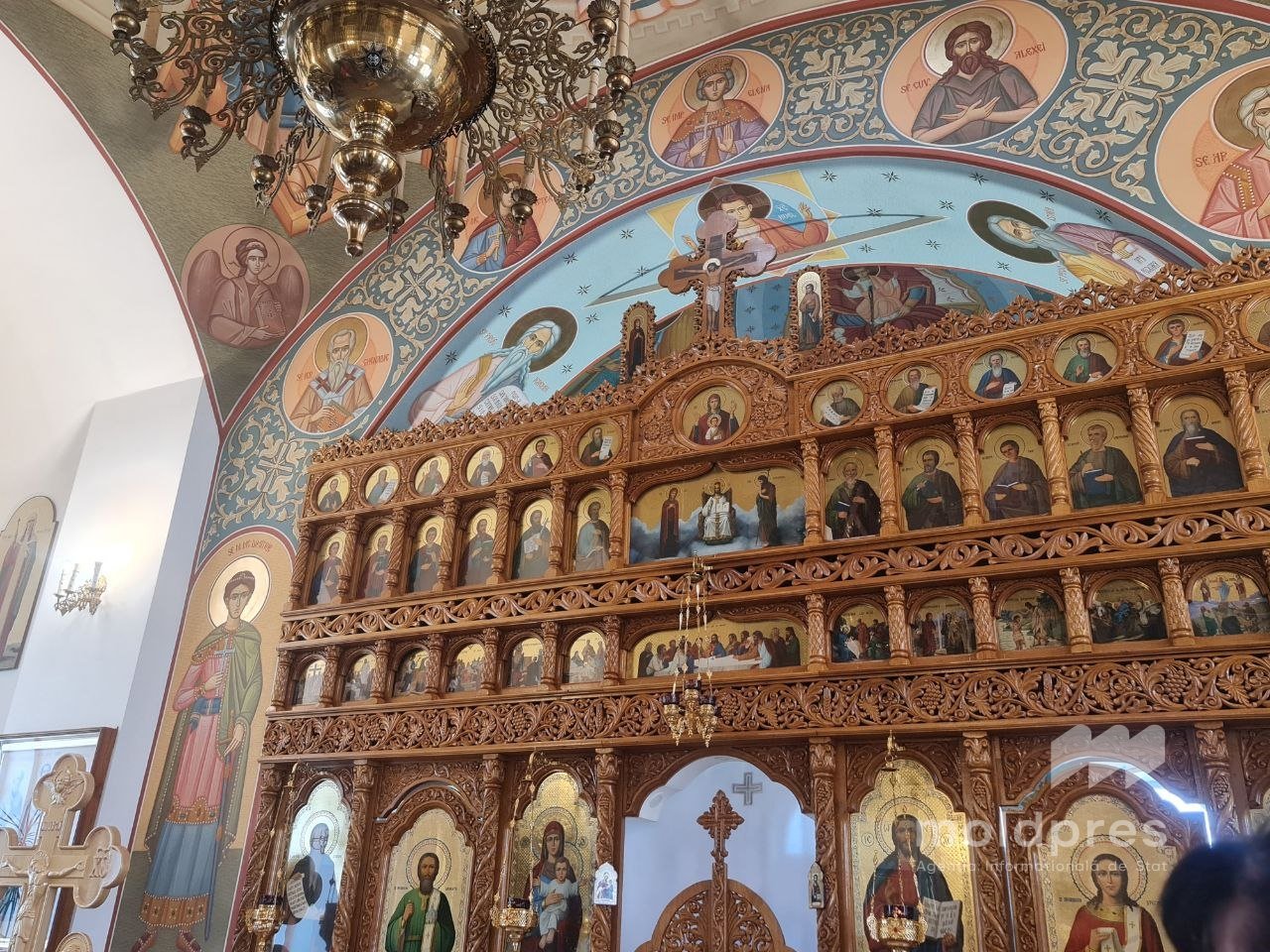
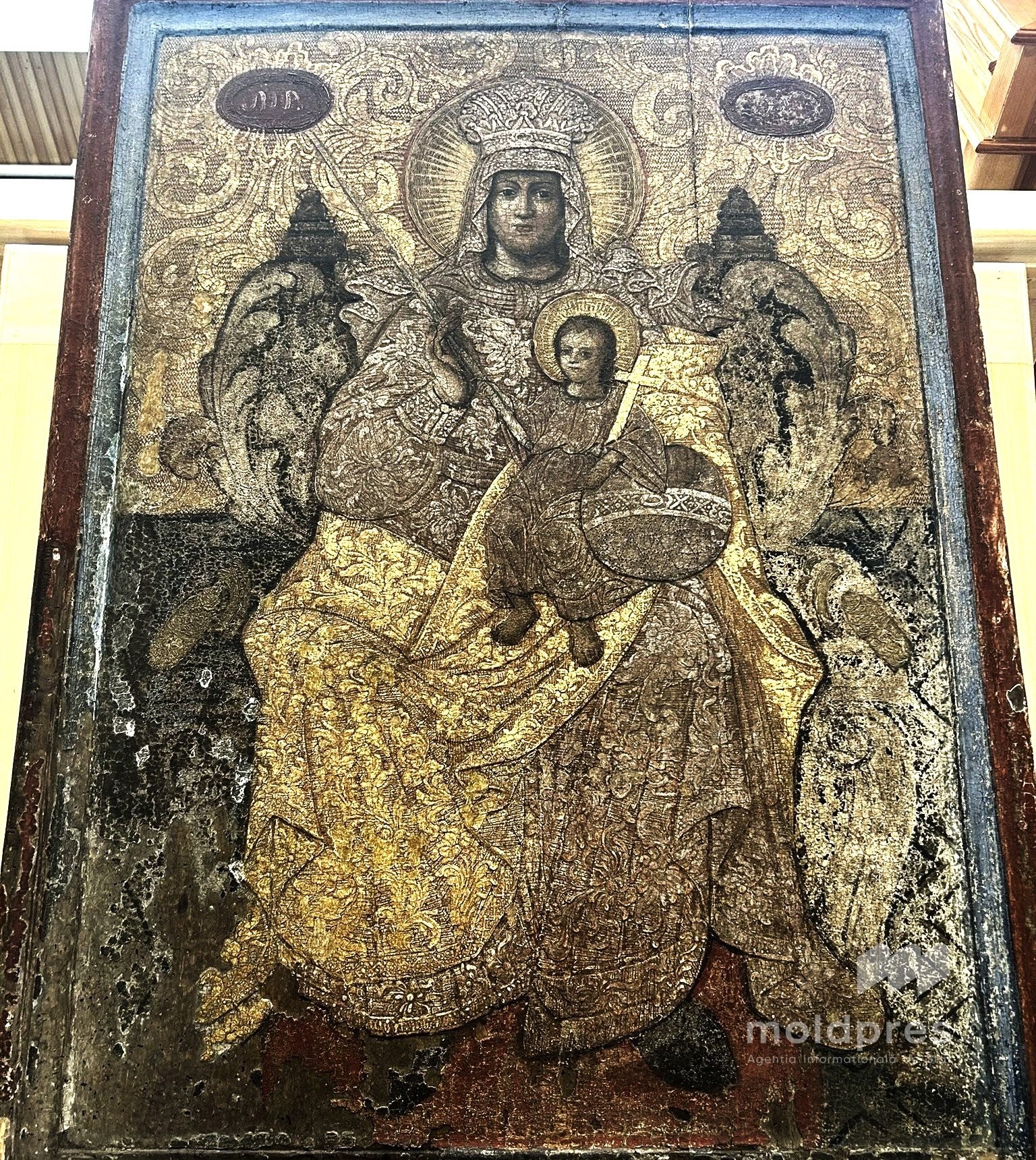
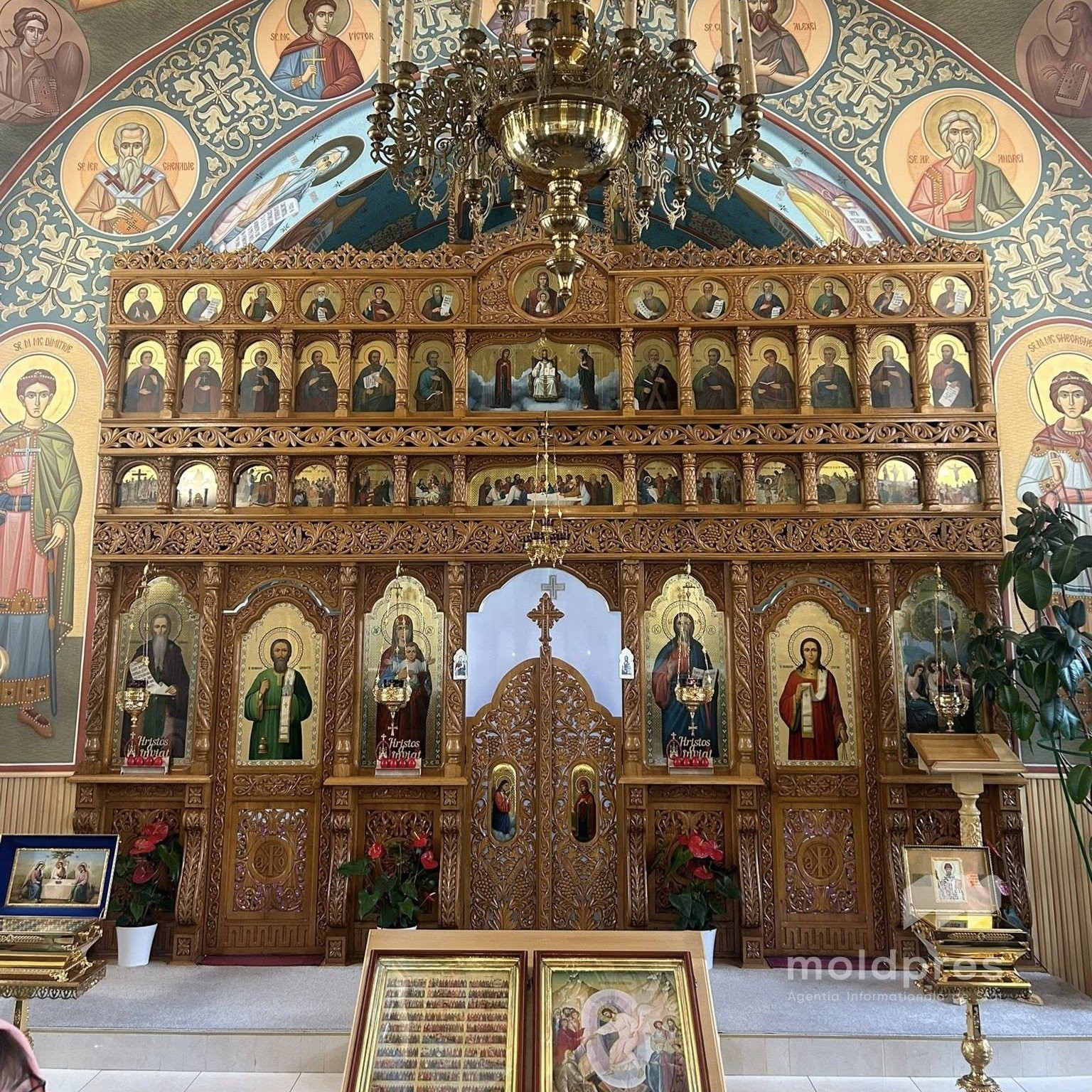
The buildings were returned in 1993, and the skete was later reopened. The tolling of the bells once again echoes over the surroundings, restoring the peace and spirit of the place. Among the most valuable treasures, there are an icon of the Mother of God ‘Joy of All Who Sorrow’, over two centuries old, as well as another large icon painted on four wooden boards, dated January 20, 1775, accompanied by the hymn ‘Champion Leader’ (Apărătoare Doamnă).


 Facebook
 Instagram
 X/Twitter
 Telegram
Discover Moldova with #MOLDPRES: Men’s caroling groups, tradition, spirituality at Palanca, Calarasi district
Discover Moldova with #MOLDPRES: Old Style Christmas, between traditions, customs and meanings
Discover Moldova with #MOLDPRES: Take Home from Moldova – authentic presents, memories from Moldova
VIDEO // Roman, early medieval archaeological artifacts to be exhibited at museum in southern Moldova
PHOTO // Tourist destinations from northern Moldova highlighted through Heart of Moldova tour
PHOTO, VIDEO // Discover Moldova with #MOLDPRES: Wine Vernissage 2025 - where tradition, excellence, tourism meet under sign of Moldovan wine
Moldova promoted in Vogue Polska: spectacular appearance putting country on map of inspiring destinations
PHOTO, VIDEO // Discover Moldova with #MOLDPRES: 'Wheel of Time' – a cultural and tasty journey, part of cross-border gastronomic route
PHOTO, VIDEO // Discover Moldova with #MOLDPRES: Gate of the Nation, where traditions come to life
PHOTO, VIDEO // Discover Moldova with #MOLDPRES: Mircești winery – 'Little Tuscany' of Ungheni, bridge between tradition, wine, tourism like in Europe
Discover Moldova with #MOLDPRES: Casa din Luncă - a haven of peace and tradition in heart of Old Orhei
Discover Moldova with #MOLDPRES: “At Tanti Masha's”: tradition, family recipes, tourist experiences and community on Romania-Moldova Gastronomic Route
PHOTO // Moldovan Wines conquer Switzerland at EXPOVINA 2025 in Zürich
Discover Moldova with #MOLDPRES: from vineyards to hospitality. how authentic wine, tourism experiences were promoted at World Wine Tourism Day 2025
Judicial reform, rule of law in focus of discussions between Moldovan president, new Head of Council of Europe Office
Moldovan parliament's standing bureau approves agenda for September 24 plenary meeting
Energocom company of Moldova requests gas prices' adjustment after 42-per cent rise in European quotations
Moldova, Mongolia abolish visa requirements for holders of diplomatic, service passports
Vulcănești–Chișinău Power Line: defective equipment at Chișinău substation repaired
DOC // Moldova has new media law
DOC // Decision on declaring state of emergency in energy and hydrological sectors published in Official Journal
 National Bank of Moldova
Judicial reform, rule of law in focus of discussions between Moldovan president, new Head of Council of Europe Office
Moldovan parliament's standing bureau approves agenda for September 24 plenary meeting
Topics considered at meetings of Moldovan parliament's standing commissions on September 23, 2026
New opportunities for professional development, salary supplements for employees in Moldova's social assistance system
Parliament to ratify new agreement between Moldova and Romania on strategic transport infrastructure

Civil protection and fire protection to be regulated by rules aligned with European standards
Clearer, more visible health warnings on tobacco products' packaging in Moldova
Vulcănești–Chișinău Power Line: defective equipment at Chișinău substation repaired
DOC // Moldova has new media law
DOC // Decision on declaring state of emergency in energy and hydrological sectors published in Official Journal
Legal framework for integration of foreigners in Moldova to be strengthened
National legislation on electronic evidence to be aligned with international standards
Energy communities: clearer rules for establishment and registration
VIDEO // Officials and international experts present opportunities for Moldova’s organic agriculture in Chisinau at Southeast European Conference
Modernization works for district heating systems in Chișinău and Bălți to be declared matter of national public utility
Obtaining permits and approvals for renewable energy production to be simplified
StratCom analyzes main vulnerabilities of regional information environment ahead of elections in Gagauzia
Parliament to examine legislative measures to strengthen NBM independence in line with European standards
PHOTO GALLERY // Journey through Northern Moldova through MOLDPRES lens
Prime Minister visits New York: bilateral meetings and address to plenary of UN General Assembly
Moldova and Kazakhstan strengthen cooperation
Receive the latest news directly to your email

Receive the latest news directly to your email