
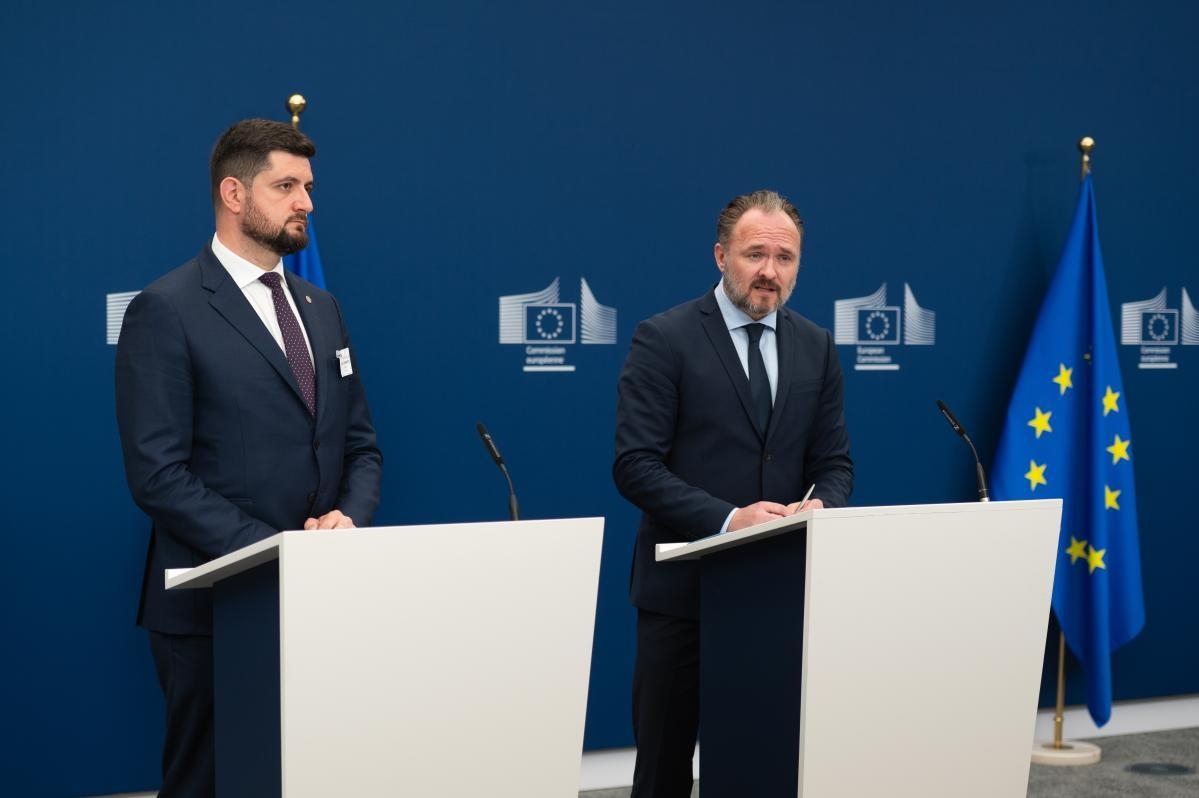
Moldovan energy minister in Brussels says energy security no longer political promise, but system under construction
Energy security is no longer a political promise, but a system under construction. We have replaced dependence with diversification, uncertainty with market rules, and isolation with European integration. We have shown that European solidarity works not only in statements, but also in times of crisis. Energy Minister Dorin Junghietu has made statements to this effect, who took part in the seventh edition of the High-Level Energy Dialogue EU–Moldova, held in Brussels.

The meeting was co-chaired by European Commissioner for Energy and Housing Dan Jørgensen and Minister Dorin Junghietu, with the participation of the Energy Community Secretariat. In his opening address, the energy minister highlighted the profound transformation underway in the energy sector of Moldova, as well as the crucial role of the partnership with the European Union. The official emphasized that the energy resilience of Moldova was no longer just an objective, but a concrete process currently in full development.

The discussions focused on key energy priorities in the current geopolitical context, including security of supply, preparation for the warm and cold seasons, reforms of the electricity and gas markets, development of strategic infrastructure and the acceleration of the transition to renewable energy and energy efficiency.

During the meeting, the minister presented the measures adopted to strengthen energy resilience, including the completion of the Summer Contingency Plan, developed together with European partners. He drew attention to the specific challenges of the summer period, when energy demand is high while the capacity of combined heat and power plants is reduced, while at the same time underlining the level of preparedness of the authorities.

“We are as prepared as possible in the current context, but we remain vigilant in the face of risks, including those generated by regional developments and possible attacks on energy infrastructure,” the minister stressed.

The official referred to development of energy storage capacities, highlighting the inauguration of the first large-scale battery installation and the acceleration of projects in this field. As for the electricity sector, he pointed to the launch of organized wholesale markets and the balancing market, as well as the fact that installed capacity from renewable sources has exceeded the 1 GW threshold.

In the natural gas sector, Moldova has strengthened its supply model by integrating into European markets, diversifying routes and building up commercial and security stocks. In parallel, structural reforms have advanced significantly, including the unbundling of transmission, supply and distribution activities, the liberalization of the gas market and the designation of Energocom as public service supplier.

The minister also highlighted the lessons learned from recent crises in the energy system, including major power outages and attacks on regional infrastructure.

“We have shown that European solidarity works not only in statements, but also in times of crisis. In just a few hours, we managed to restore the energy supply through coordination with Romania and Ukraine,” Junghietu said. He emphasized that interconnection and regional cooperation were essential for the energy security of the entire region.

According to the Energy Ministry, the European Union welcomed the progress made by Moldova in strengthening security and aligning with European standards, reiterating its political, technical and financial support for continuing reforms and developing a modern energy system.

“Energy is not just kilowatts and cubic meters. It means trust, stability and the European future of our citizens. Moldova is ready to build this future together with the European Union,” Dorin Junghietu concluded.

The High-Level Energy Dialogue EU–Moldova, launched in 2021, is an essential platform for coordinating cooperation in the energy field and for advancing the country’s integration into the European energy market.
 Facebook
 Instagram
 X/Twitter
 Telegram
Over 6,600 tons of fuel imported into Moldova in recent days
Chisinau residents urged to buy local products: fairs held in all districts of Moldovan capital
DOC // State of emergency in energy sector ends in Moldova
Retailers of Moldova to be required to display country of origin for food products
Voted by Parliament: state of emergency in energy sector to end on 25 April
All bachelor’s, master’s theses to be checked with anti‑plagiarism software in Moldova, after revelations about sale of academic papers
LUKOIL fuel stations in Moldova may continue operating until autumn
VIDEO // Termoelectrica head: Old equipment will be replaced through strategic projects financed by World Bank and EBRD
VIDEO // €24 million German investment brings safe drinking water to 800,000 citizens in Central Moldova
State of emergency in energy sector could end on 25 April
Italian company to build first kilometers of highway in Moldova
Zero customs duty on imports of raw materials and equipment used in production
PHOTO GALLERY // First journey on restored Cantemir–Fălciu railway line successfully tested
PHOTO // Romania, Moldova and Ukraine united by rail: Cantemir–Fălciu section reshapes trade routes in Eastern Europe
Discover Moldova with #MOLDPRES // Turbulent history of Pripiceni-Curchi Monastery: more than two-century-old icon, one of its most precious treasures
Moldovan finance minister participates in EU Economic and Financial Dialogue in Brussels
Moldovan energy minister in Brussels says energy security no longer political promise, but system under construction
Moldova represented at annual high-level meeting of Economic and Financial Dialogue between EU and countries candidates for accession
Mihai Isac: Moldova participated in ECP Summit in Yerevan as state at heart of EU enlargement talks
Meeting of Cooperation Committee between Moldova and North Carolina held in Chișinău: progress in implementing joint projects and new priority areas
European Commission Vice-President to pay official visit to Chișinău
 National Bank of Moldova
Moldovan president participates in meeting of European Coalition Against Drugs at European Political Community's Summit in Yerevan
Moldova's European future at center of high-level meeting in Yerevan
Voluntary amalgamation in north Moldova district: nine mayoralties merge, to receive 85 million lei in incentives
Moldovan PM says national resilience built through shared responsibility, coordination, preparedness
President received Japanese delegation led by Minister for Internal Affairs and Communications

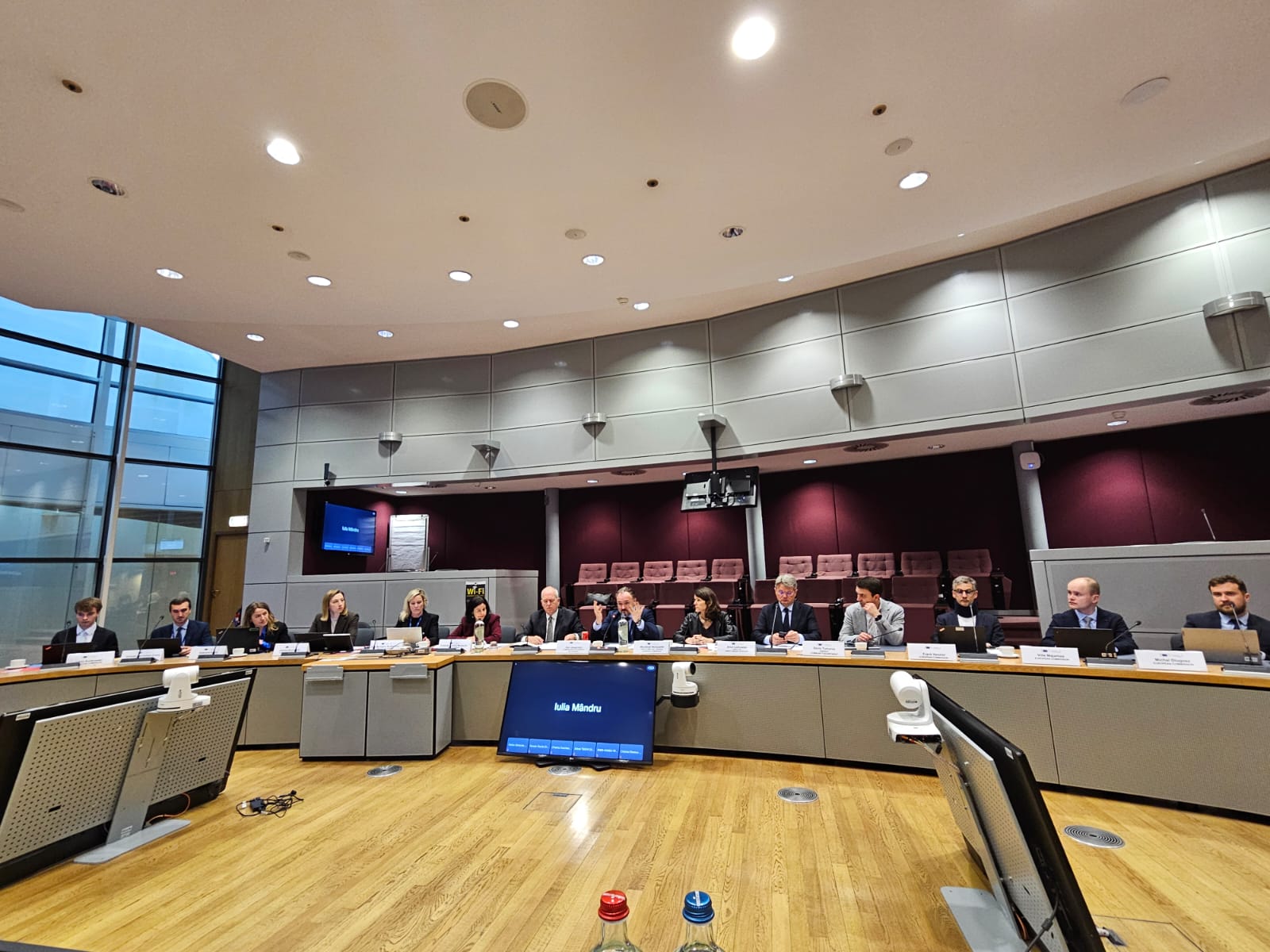
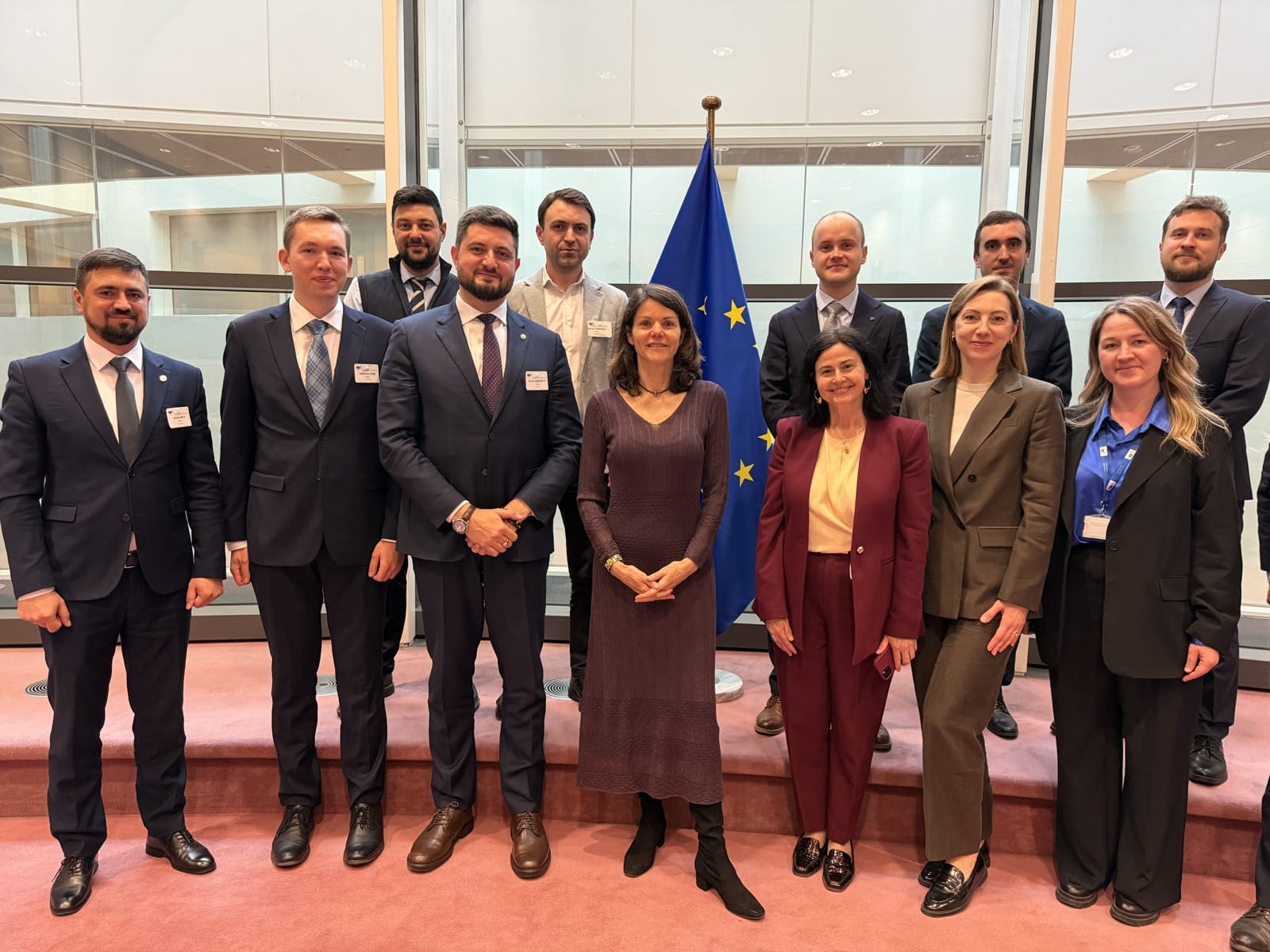
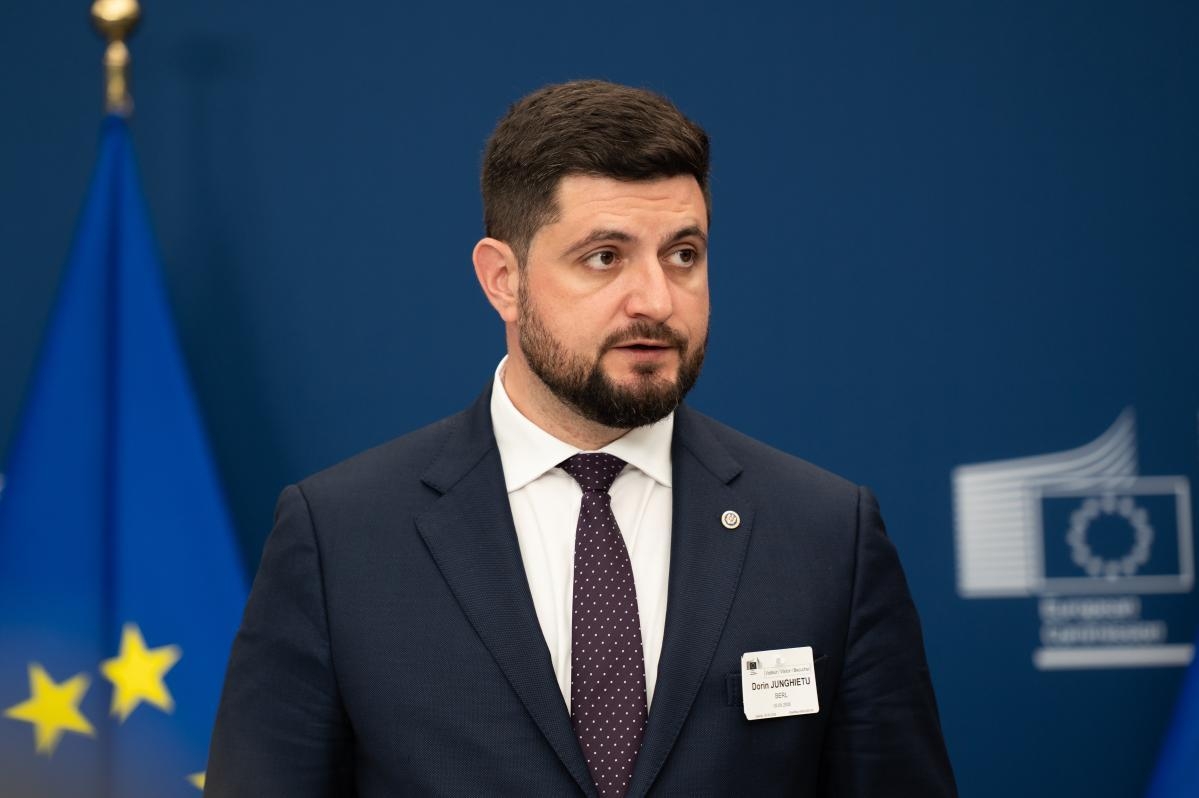
PHOTO // Energy Minister approached regional energy security strengthening in Brussels
MOLDPRES INTERVIEW // Falk Lange, Head of the Council of Europe Office: “The Presidency of the Committee of Ministers is both a responsibility and an opportunity for the Republic of Moldova to demonstrate its commitment to European values.”
Amendments to vetting laws analyzed by Superior Council of Prosecutors and Council of Europe experts
USMF "Nicolae Testemițanu" to organize SimOlympic simulation Olympiad
Moldova strengthens European image: high standard at Council of Europe
European MP says elections in EU can influence Moldova’s path, European support stays strong
Moldovan president participates in meeting of European Coalition Against Drugs at European Political Community's Summit in Yerevan
MEP says Moldova resisted Russian pressure, gaining increasing support in European Union
Moldova adopts North Carolina’s agricultural extension model to support local farmers
First in EU accession process: European Parliament, parliament of Moldova launch joint working groups on negotiation chapters
Moldova’s EU accession process on agenda of EPC Summit's discussions; Romanian president: “We will have an answer by end of June”
Opportunities of strategic investments presented at Moldova – EU Conference, held in Chisinau on June 4
Moldova's European future at center of high-level meeting in Yerevan
Voluntary amalgamation in north Moldova district: nine mayoralties merge, to receive 85 million lei in incentives
European Parliament member says Moldova continues to take concrete steps towards EU accession, political support for this goal stays strong
Moldovan PM says national resilience built through shared responsibility, coordination, preparedness
Receive the latest news directly to your email

Receive the latest news directly to your email