
How China’s museum experience can inspire Moldova – between heritage, technology and tourism of future
Chinese museums are stepping out of their display cases and into the digital era. The lesson Moldova can learn to turn heritage into a tourism experience.

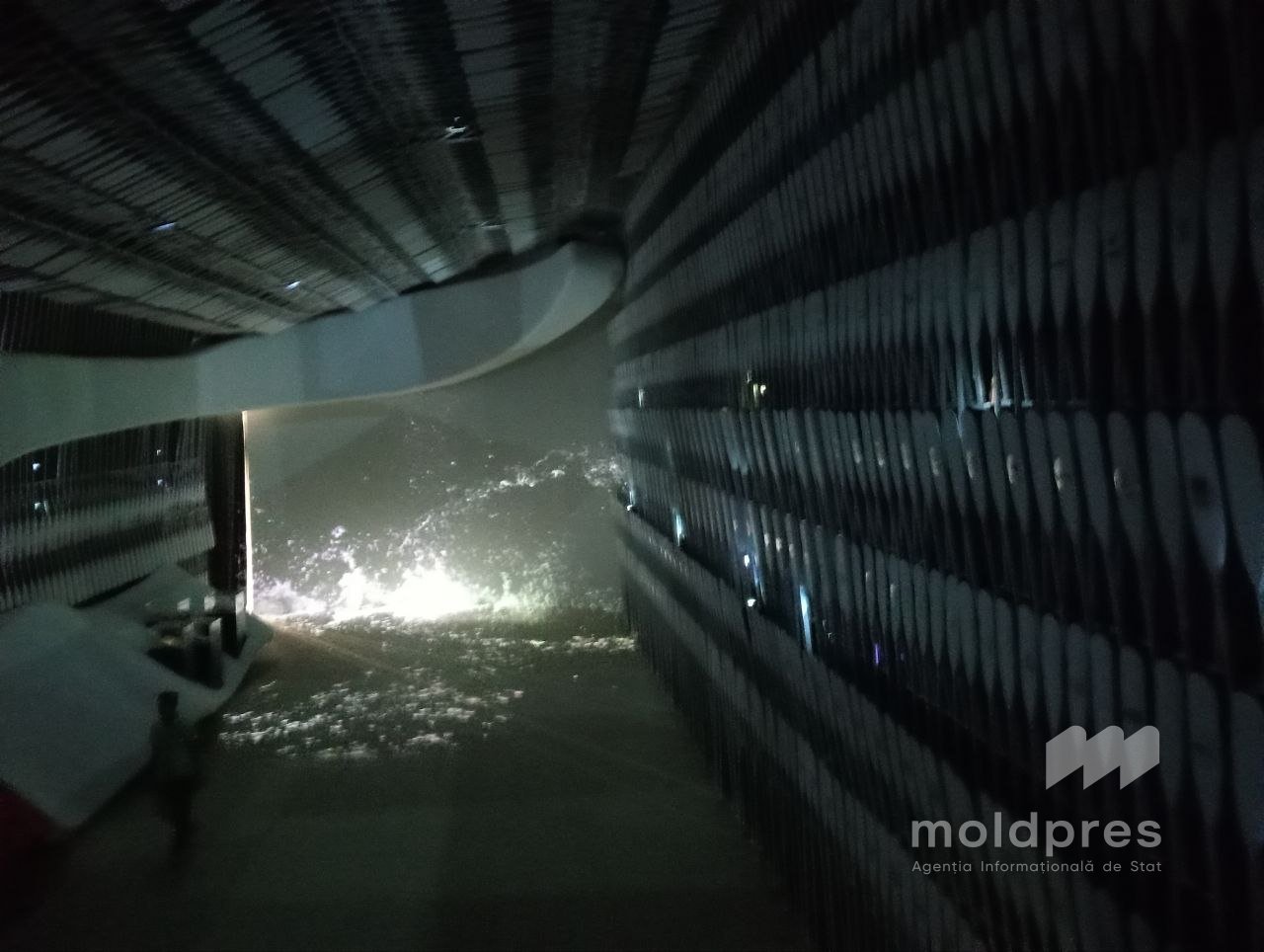
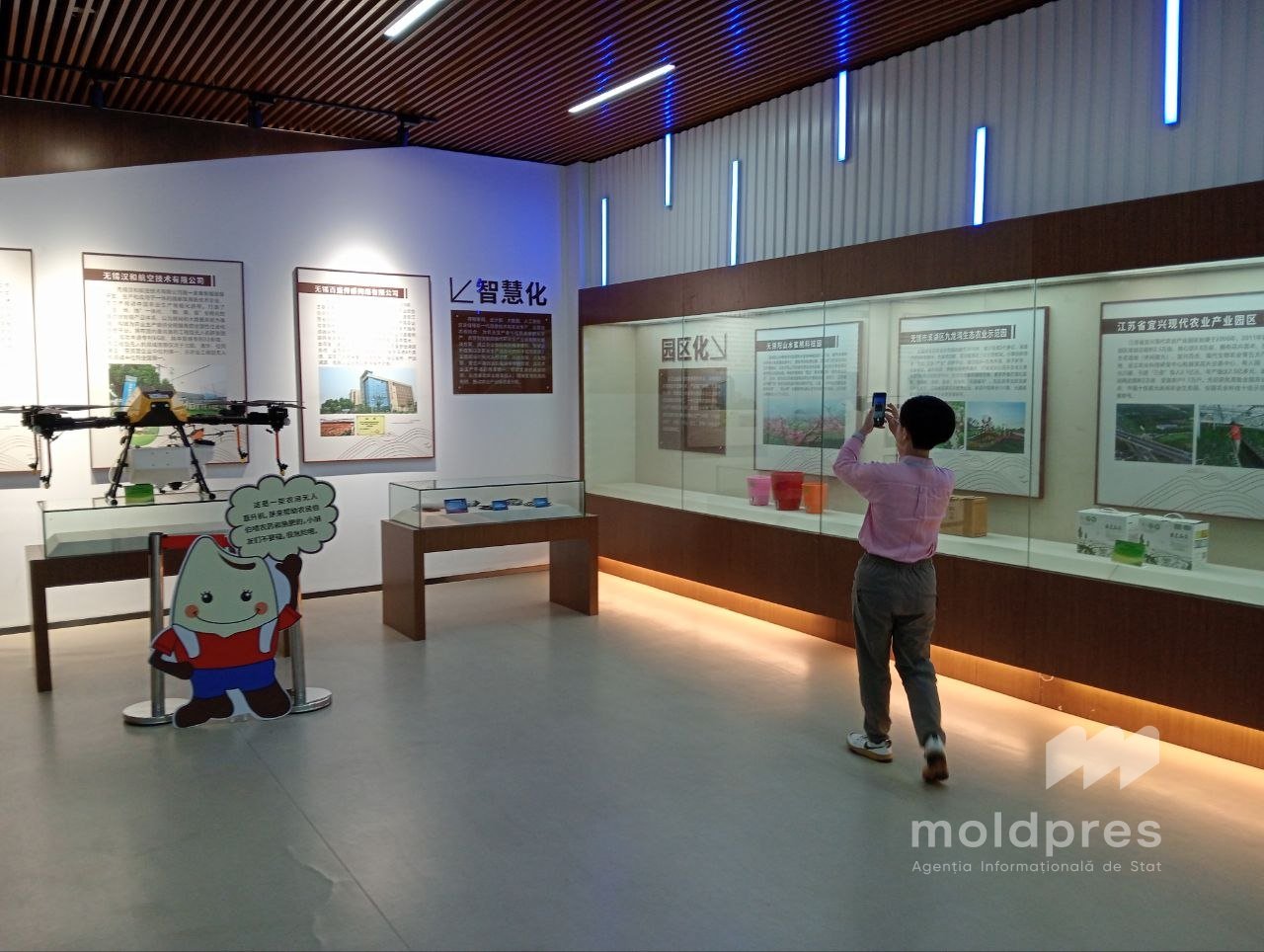
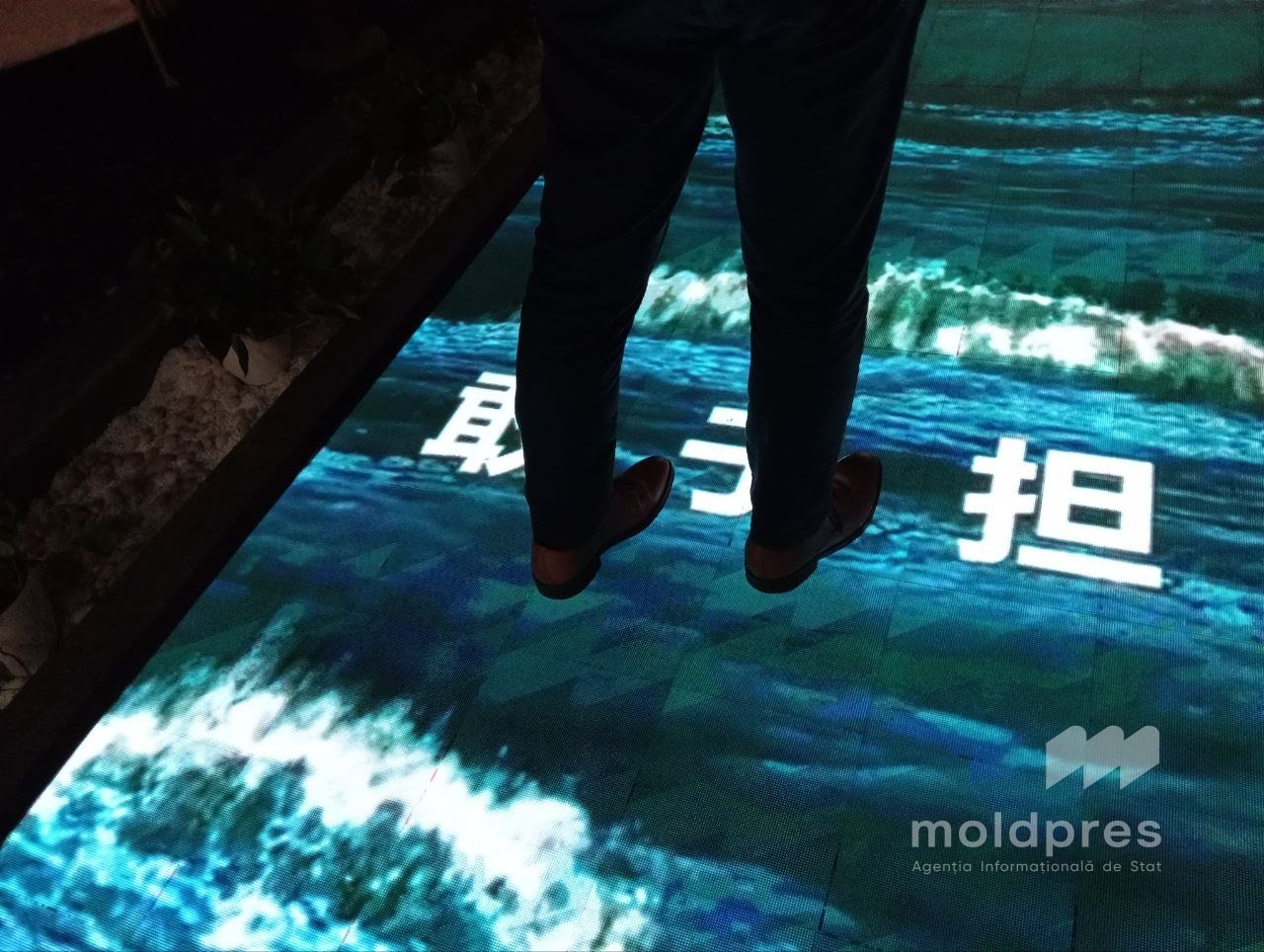
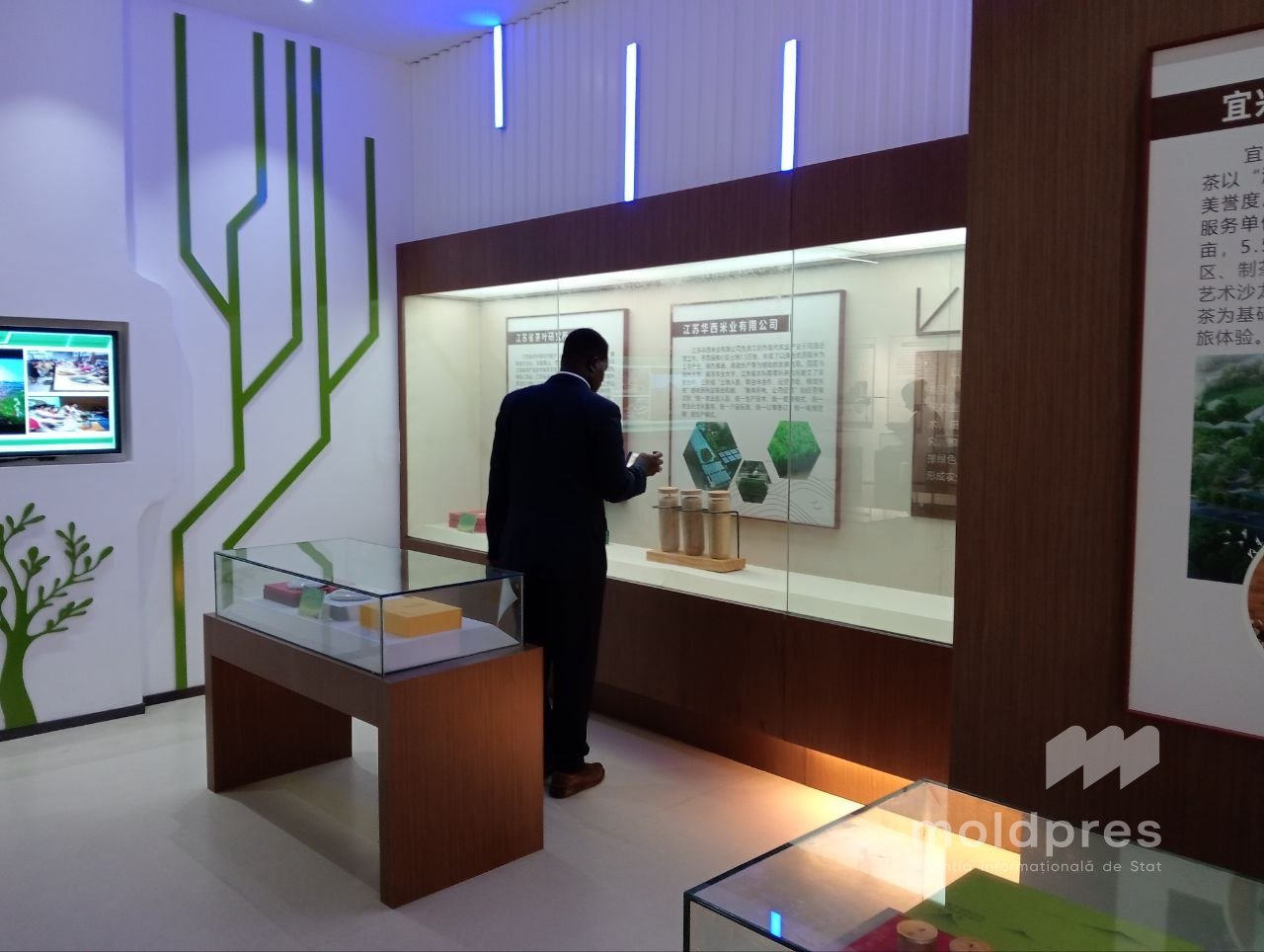
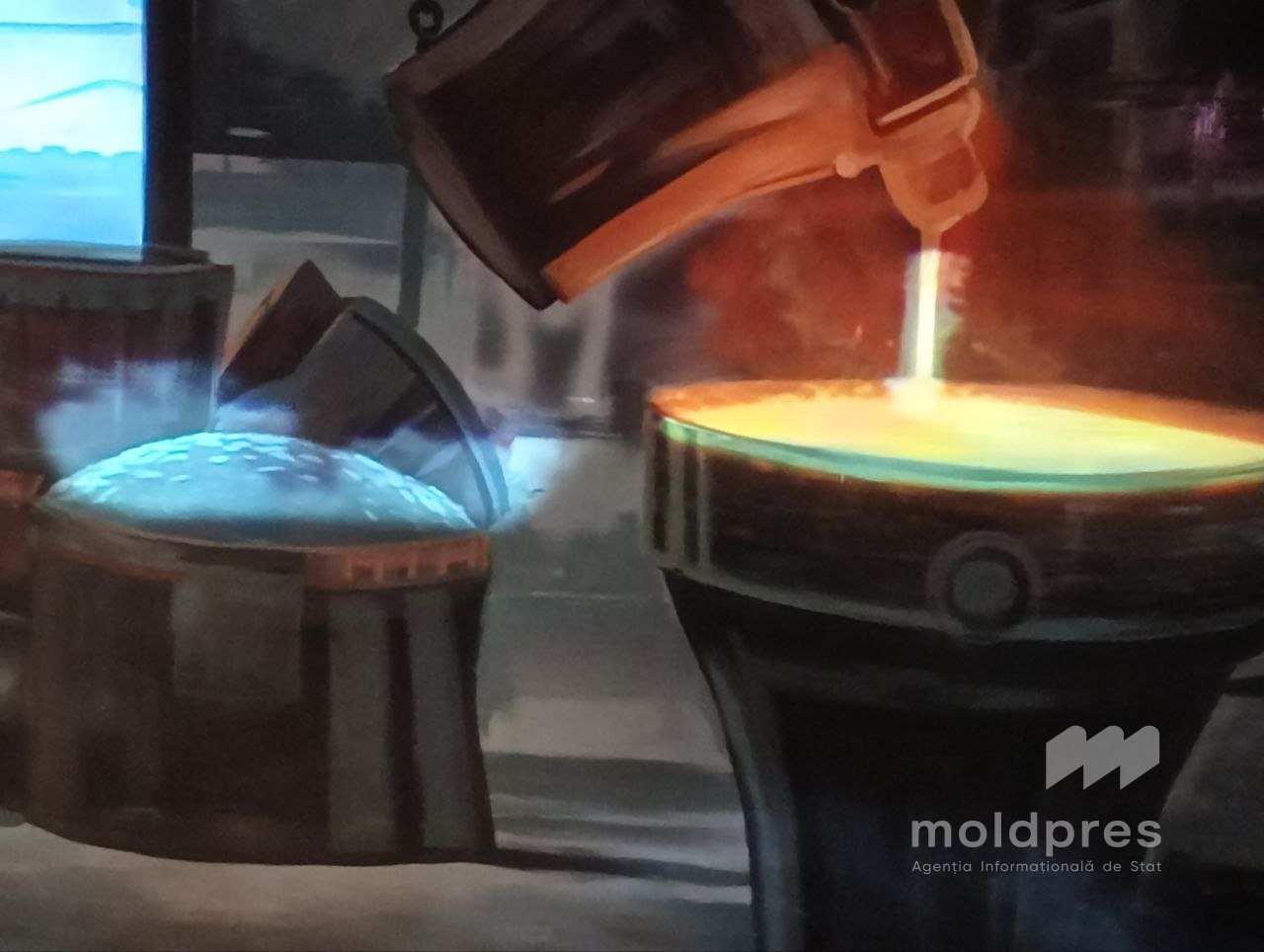
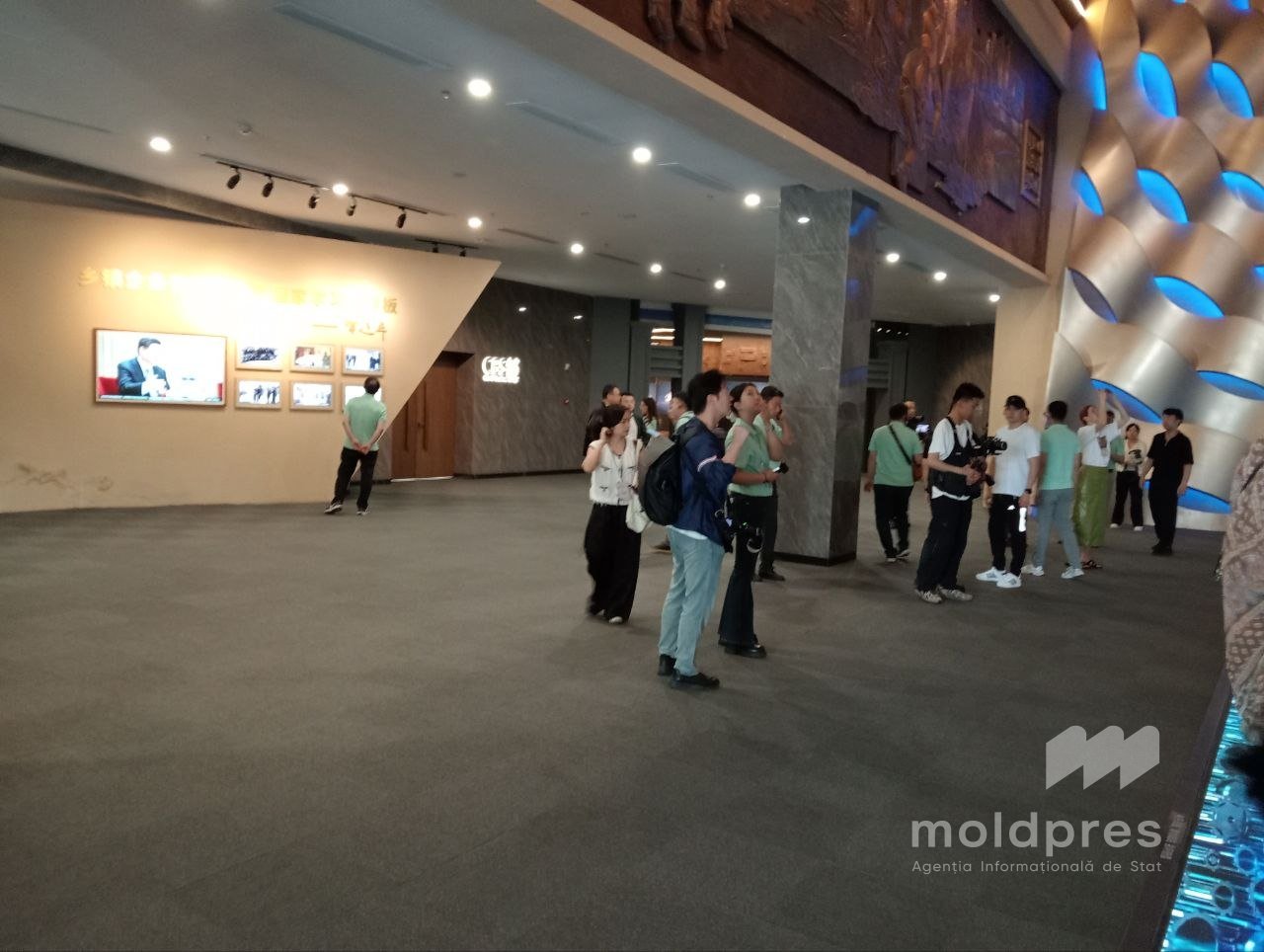
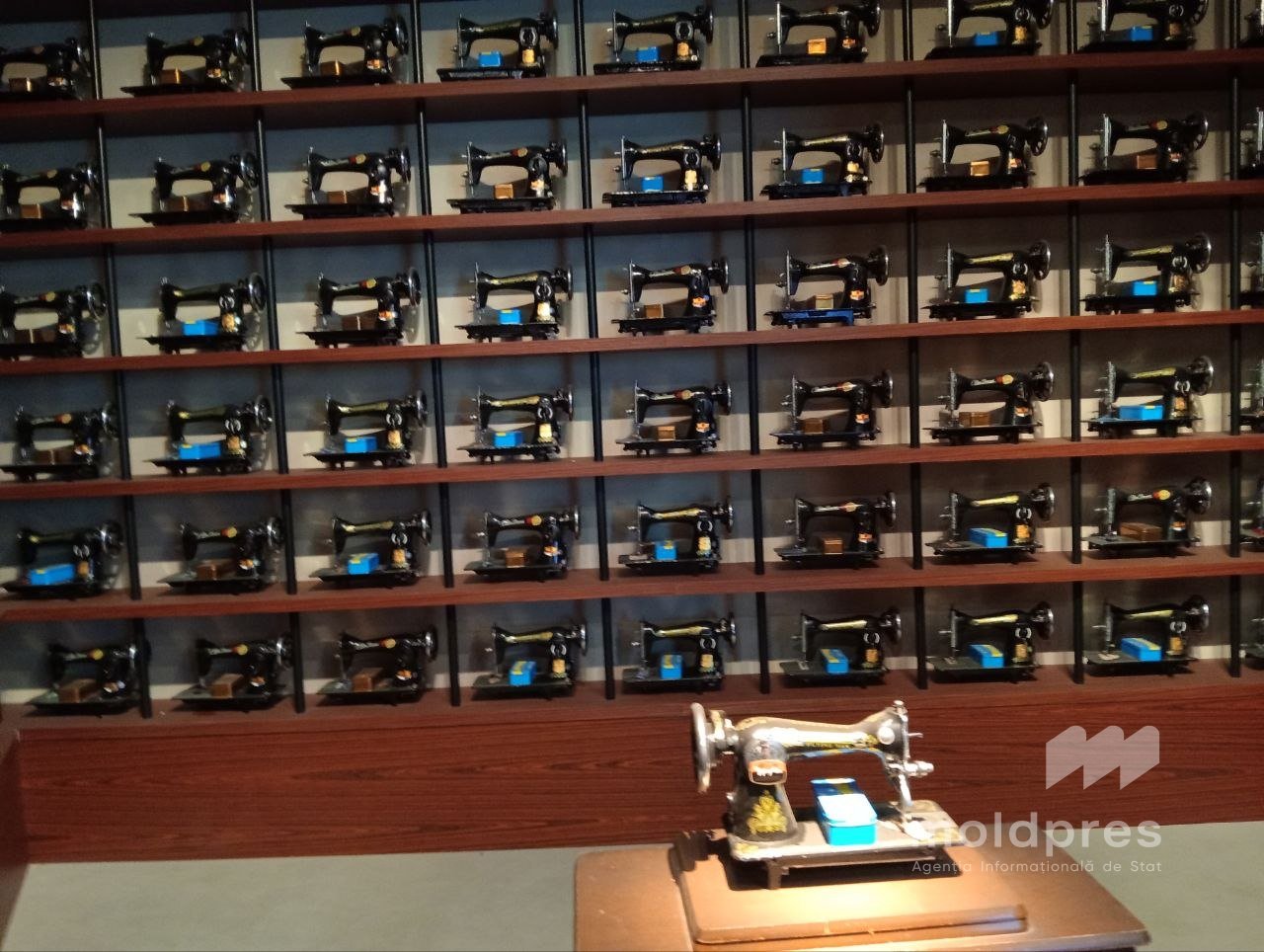
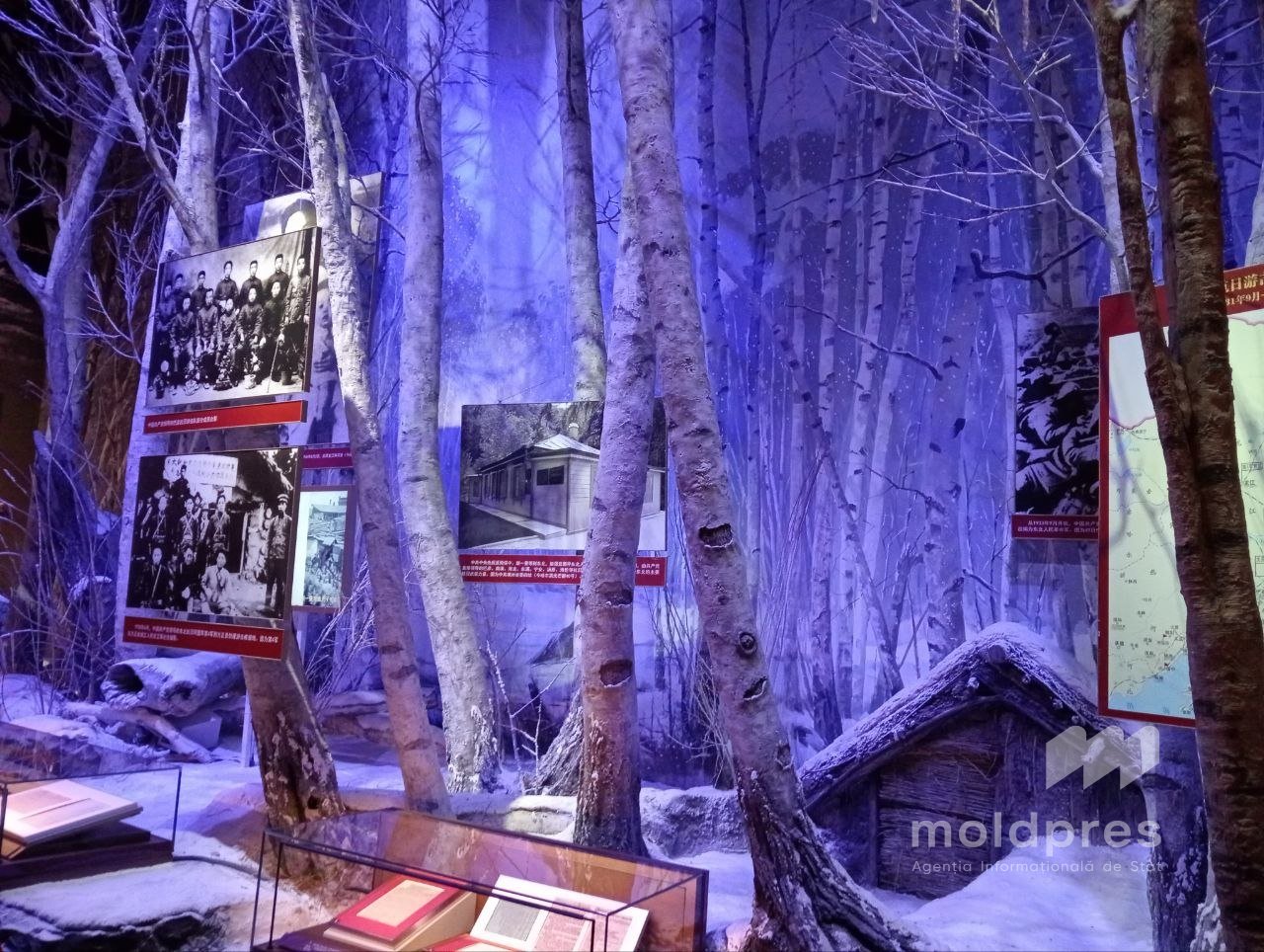
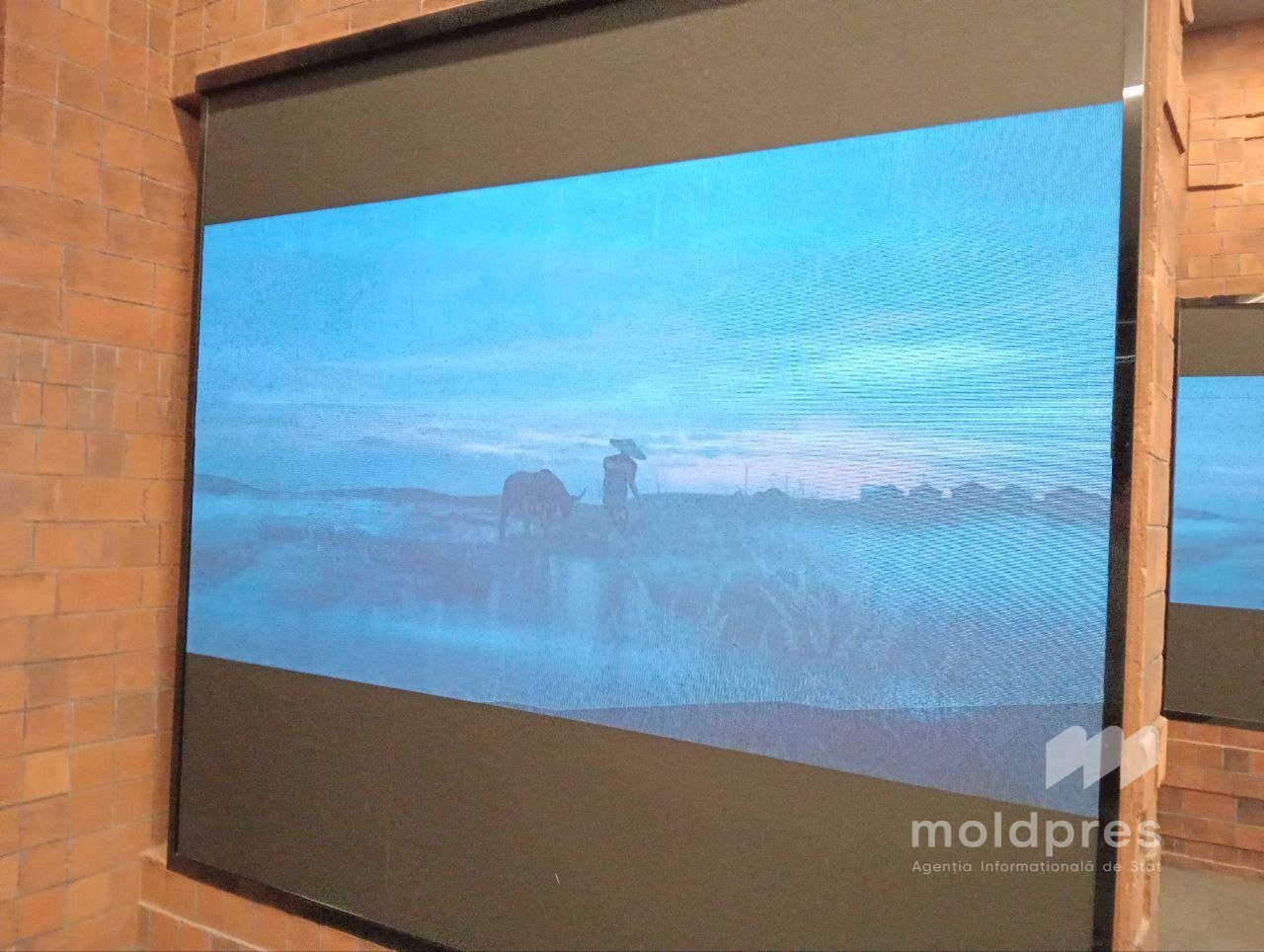
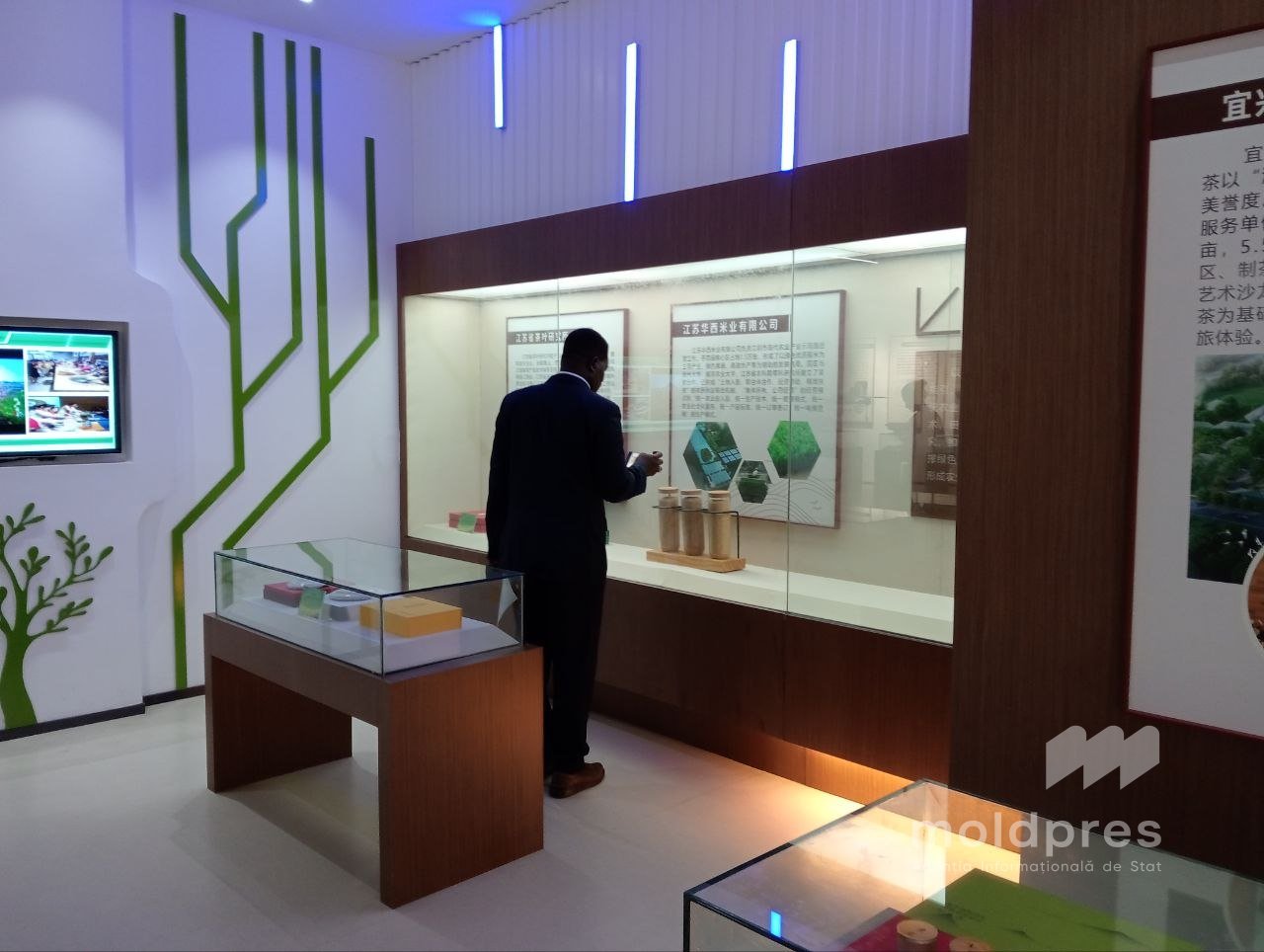
In China, a museum is no longer just a place where visitors look at objects in glass cases and read explanations on panels. It is an experience that begins before entering and continues through digital technologies, 3D projections, virtual reconstructions, interactive films, augmented reality and multimedia spaces that turn history into a living story.

In major Chinese museums, as well as in smaller regional and local ones, past and future coexist in a surprising way. A ceramic vessel thousands of years old can be accompanied by an animation showing how it was used in everyday life, a vanished building can be virtually reconstructed in front of the visitor, and a historic battle can be followed in an immersive space where images, sound and movement create the impression that the audience is part of the event.

This is a paradigm shift that China is increasingly applying in the cultural field: a museum should not only preserve the past, but also make it accessible to current generations.

From preserved collections to interactive stories

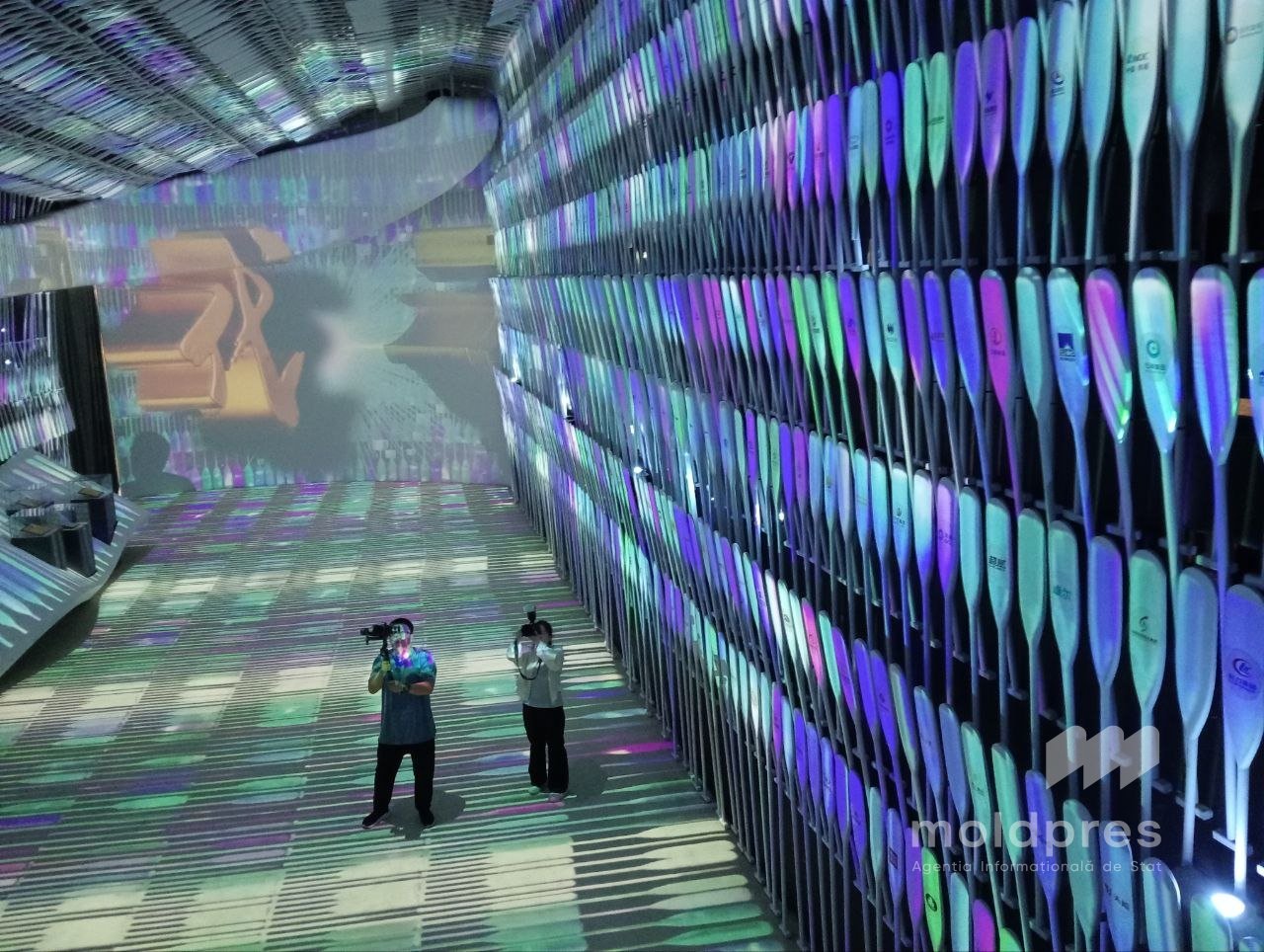
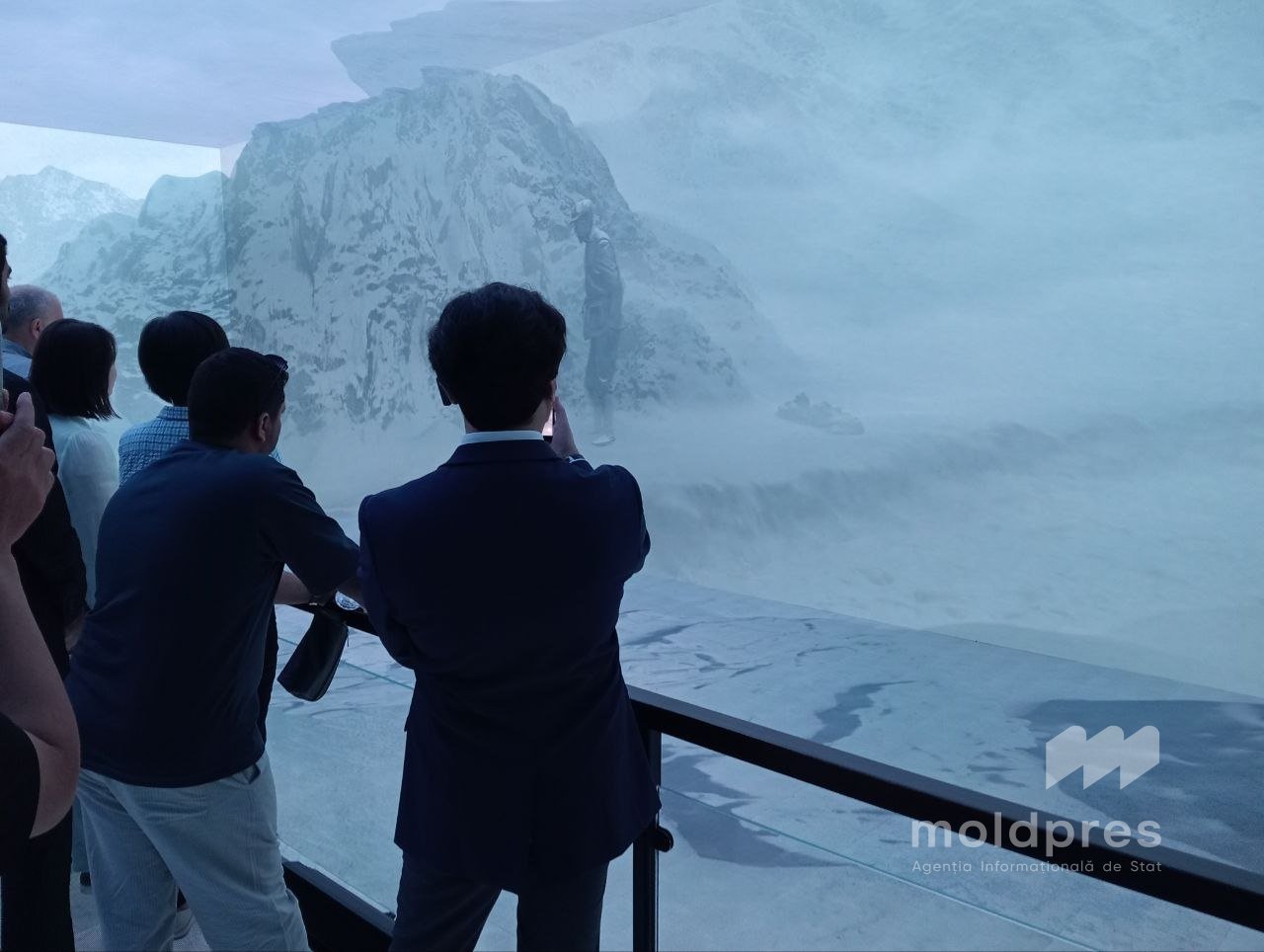
In many museums, visitors can use mobile applications that provide additional information about exhibits, scan codes to discover hidden stories, take part in virtual tours, or use augmented reality technologies to see how certain places and historical figures looked in the past. Some exhibitions use panoramic projection technologies, 3D and 4D layouts, cinematic effects and interactive installations to create a fully immersive atmosphere. For example, a room dedicated to a particular historical era does not only display objects, but recreates the environment in which they existed – architecture, sounds, images and everyday activities.

The result is an experience that resembles an interactive documentary film more than a traditional museum visit.

China is investing massively in the digitisation of its heritage

The transformation of museums is part of a broader Chinese strategy to protect and promote cultural heritage. Digitising collections, scanning historical monuments and creating virtual archives make it possible to preserve information for future generations and give access to a much wider audience. A historical monument can be visited virtually by people thousands of kilometres away, and a museum collection can become available online to researchers, students and tourists. This approach is also changing the role of museums in the tourism economy. Cultural institutions are becoming attractions capable of extending the time tourists spend in a region and creating new reasons for repeat visits.

Culture and tourism on the Moldovan-Chinese dialogue agenda

The importance of cooperation in heritage and tourism was also highlighted at the May 2026 meeting in Beijing between the Deputy Prime Minister and Minister of Foreign Affairs of the Republic of Moldova, Mihai Popșoi, and the Minister of Culture and Tourism of the People’s Republic of China, Sun Yeli.

The talks focused on expanding cultural exchanges, organising joint exhibitions and events, and strengthening cooperation between relevant institutions in the two countries. Particular emphasis was placed on the digitisation of cultural heritage, the exchange of experience between specialists and the use of Chinese expertise in protecting and restoring historical monuments and museum collections.

Officials also discussed the possibility of promoting the Republic of Moldova as a tourist destination for Chinese visitors by capitalising on traditions, gastronomy, wine culture, heritage and rural tourism.

What the Republic of Moldova could learn from China’s experience

China’s experience shows that heritage becomes more attractive when presented in a language that is close to the modern public. Moldova has rich heritage – medieval fortresses, manor houses, traditions, crafts, historic wineries, authentic villages and valuable museum collections – but the challenge lies in how these are presented.

An important direction could be turning traditional museums into experiential spaces, for example: - digitally reconstructing key historical moments for Moldova through 3D films and interactive projections; - creating virtual tours of museums and monuments, accessible to tourists before they arrive in the country; - using augmented reality in fortresses and historical sites so that visitors can see how they looked in the past; - introducing multimedia exhibitions dedicated to wine, traditions and the Moldovan village, where the visitor is not just a spectator but a participant; - developing integrated tourism applications that combine digital maps, audio stories, historical images and travel recommendations.

A successful example could be a digital experience dedicated to Moldovan wine, where tourists can "travel" through the history of viticulture, discover old cellars, see traditional and modern wine-making processes and learn the stories of the people who built this industry.

The museum of the future is where the past comes alive

China shows that technology does not replace culture; it can make it more accessible and more attractive. Digitisation does not change the value of a historical object; it adds a new dimension – the story.

For the Republic of Moldova, which aims to attract more tourists and become more visible on the international cultural map, this experience can be an important opportunity.

Moldovan heritage has impressive and appealing stories. The next step is to tell these stories in a language that the public of the 21st century understands.

And cooperation with China in culture, tourism and heritage digitisation can become a bridge that brings these experiences closer to visitors from all over the world.
 Facebook
 Instagram
 X/Twitter
 Telegram
PHOTO // Road to Tipova cave monastery of Moldova becomes more accessible: renovation works historic stairs start
Moldovan commune hosts festival bringing together Moldova, Ukraine, Romania
PHOTO // Parliament hosts exhibition dedicated to civil society
PHOTO GALLERY // Exhibition “True Nature” by artist Șerban Savu opened at National Museum of Art of Moldova
Discover Moldova with #MOLDPRES // Wooden church in Palanca, heritage symbol of Călărași for over two centuries
PHOTO GALLERY // Color, Tradition and Identity on National Day of Traditional Costume
PHOTO // Performance “1946”, presented as part of exhibition “State Terror in Soviet Moldova: Scope, Victims and Perpetrators” in Great National Assembly Square
PHOTO GALLERY // Blouse that unites generations: Images from celebration of tradition in Ialoveni
Culture Ministry makes public list of artists from Commonwealth of Independent States' countries not recommended for cultural events in Moldova
Universal Day of Romanian Blouse // President: Authentic traditions are not lost with passing time
Appeal by academic community of Moldova, Romania to two countries' presidents: “Reunification of Romanian people is legitimate option''
PHOTO GALLERY // Evening dedicated to love poetry at Romanian Literature Museum
DescOperă Festival starts at Orheiul Vechi on June 18: four evenings of classical music, opera, open-air performances
Books from Moldova at Beijing International Book Fair; Moldovan ambassador to China says event opportunity for Chinese public to discover cultural identity of Moldova
DOC // Published in Official Journal of Moldova: new regulations on postal voting, organization of elections in Gagauzia Autonomous Territorial Unit enter into force
Moldovan parliament speaker has farewell meeting with Ambassador of Lithuania
Lithuanian Ambassador to Moldova awarded Order of Honour
Moldovan president has meeting with members of NATO’s Political Committee
Moldovan foreign affairs minister has farewell meeting with Lithuanian Ambassador
All drone flights banned in Chisinau on August 27; warnings of Moldova's Civil Aviation Authority
Moldovan PM, president of Council of International Civil Aviation Organization discuss developing relevant sector in Moldova
 National Bank of Moldova
Moldovan parliament speaker has farewell meeting with Ambassador of Lithuania
Lithuanian Ambassador to Moldova awarded Order of Honour
Moldovan president has meeting with members of NATO’s Political Committee
Moldovan PM, president of Council of International Civil Aviation Organization discuss developing relevant sector in Moldova
Fifty nine young people of Moldova complete paid internship programme in public service

Eugeniu Buzatu wins competition for position of general director of Moldova's Energocom company
VIDEO // Moldovan parliament speaker: ''Independence belongs to everyone. Let us enjoy it and protect it”
Signer of Moldova's Declaration of Independence says spirit of national unity, dignity has never fallen
VIDEO // President at solemn Parliament session: Our independence is being tested and must be protected every day
State of alert in energy sector, hydrological domain extended by 30 days in Moldova
Government backs licensing of grain and oilseed imports by 31 October 2026
VIDEO // Prime Minister invited citizens to attend events on Independence Day
VIDEO // Prime Minister requested review of rules for authorizing dental clinics
Government to support social inclusion of people with disabilities under National Program 2026–2030
State of alert in energy and hydrological sectors to be extended
PHOTO // NBM puts into circulation two coins dedicated to 35 years of independence
29 new regional development projects included in 2025-2027 Single Programming Document
UPDATE // Heavy traffic in Sculeni eased
Government gradually standardizing tax regime applied to goods imported by economic operators from Transnistrian region
Energy Ministry to have new deputy secretary general
Designated Ministers of Economy and Agriculture to be sworn in on Friday
Receive the latest news directly to your email

Receive the latest news directly to your email