
Electricity and gas meters could be checked less often
Electricity and natural gas meters could be checked at longer intervals, following the model applied in some European Union states. The Ministry of Energy is analyzing this possibility in order to reduce distribution costs and, implicitly, the expenses reflected in the tariffs paid by consumers.

Currently, in the Republic of Moldova, three-phase meters are subject to metrological verification once every four years, while single-phase meters, used in most apartments and small houses, are verified once every eight years. According to estimates by the Ministry of Energy, extending the period between verifications could allow an operator to save approximately 40 million lei per year, excluding VAT. The costs of verifications are included in distribution tariffs.

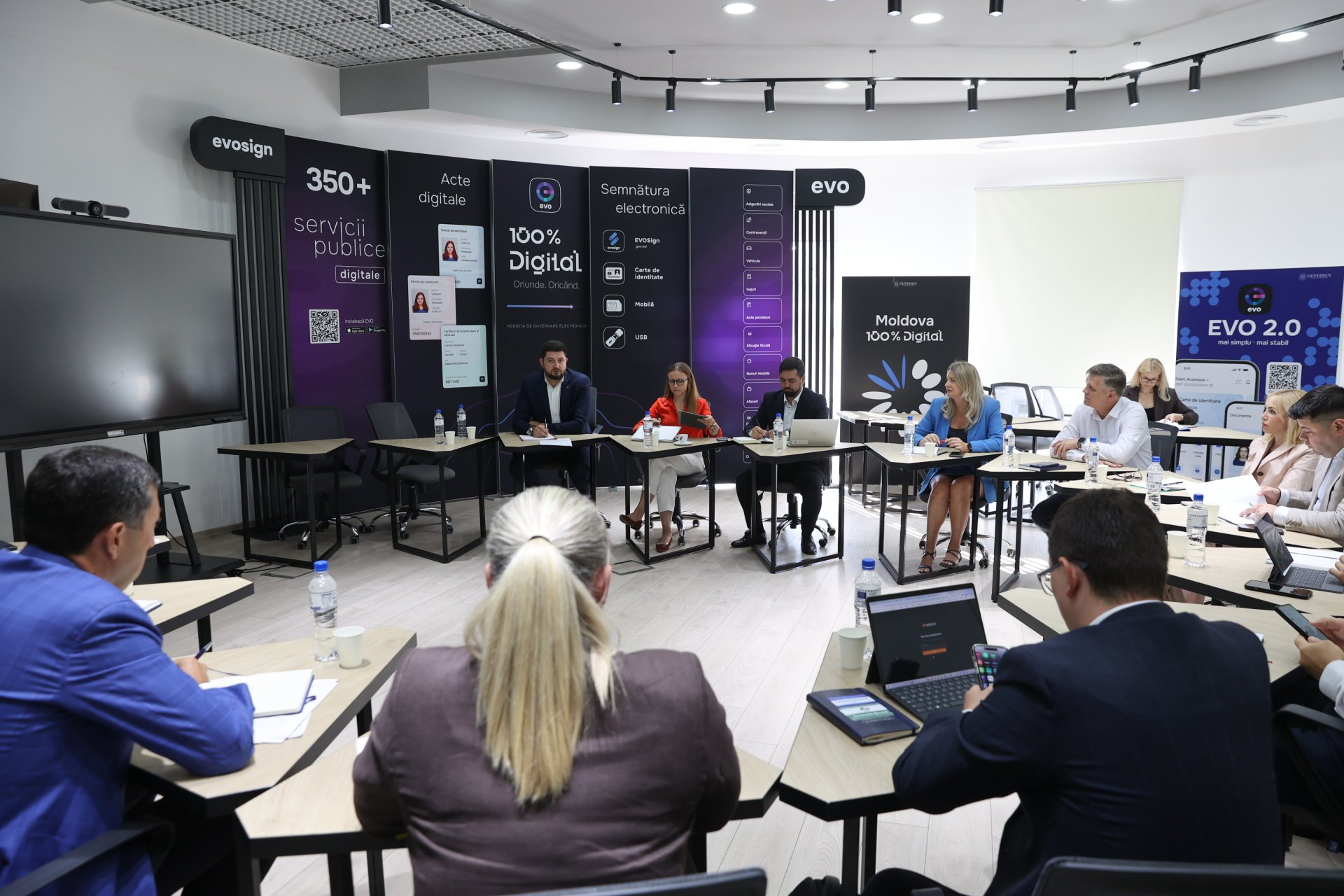
In several EU member states, meters are checked once every eight years or even at longer intervals. Data provided by distribution operators show that the operating life of meters is, in many cases, considerably longer than the period between metrological verifications, and significant deviations are rare. The issue was discussed today at a meeting convened by the Minister of Energy, Dorin Junghietu, with the participation of electricity and natural gas distribution system operators and the leadership of the National Energy Regulatory Agency.

“We want to reduce as much as we can the pressure of bills on citizens and we are looking for savings in all processes that we can streamline,” said Dorin Junghietu.

The minister specified that less frequent verification of meters is one of the solutions being analyzed, based on European practices and the available technical data. Premier Energy Distribution supports the view that the current intervals for metrological verification could be extended by amending the regulatory framework.

The company notes that manufacturers guarantee that meters operate within optimal parameters for longer periods. According to the operator, the service life of a meter is approximately 18 years, and the changes under consideration would apply to all types of meters, not just smart ones. In turn, RED-Nord reported that it annually organizes tenders for the metrological verification of meters. The costs of these procedures amount to about 2 million lei, while the total annual expenses for verifications reach around 5 million lei.

Data presented by the company show that only about 5% of the meters checked display deviations that exceed the allowed margin. Most of these are old meters that are already undergoing a second metrological verification. In the natural gas sector, possibilities for optimization have also been identified. Operators have presented data showing that a large proportion of household consumers have low consumption, and in some cases the costs of maintaining and verifying meters exceed the revenues generated by the respective services.

The Ministry of Energy and ANRE will continue the technical and economic analysis together with distribution operators. Subsequently, the authorities intend to draft proposals to amend the regulatory framework, taking into account European standards, the experience of other states, and the recommendations of equipment manufacturers.
 Facebook
 Instagram
 X/Twitter
 Telegram
PHOTO // Ungheni Bridge over Prut takes shape: physical progress of works reaches 55%
Energocom paid average of 133.86 euros per MWh of electricity in July
DOC // Rail transport to be eligible for co-financing to boost mobility in localities
PHOTO GALLERY // Arionești–Otaci road open to traffic following rehabilitation
Energocom reserved necessary electricity for today: Energy available on external markets remains more expensive, especially during peak hours
PHOTO // Traffic now open on new section of road R8.1 between Arionești and Otaci
Prime Minister at Diaspora Forum: We must improve people’s lives and restart engines of economy
VIDEO // Moldelectrica: Final consumers were not affected by damage to Bălți–Dnestrovsk Line
330 kV Bălți–Dnestrovsk power line severely damaged by natural disasters
President explains current energy crisis and urges reduced consumption during peak hours
Energocom: Electricity shortage during peak hours; consumers urged to save energy
Prime Minister: This government’s focus is to moderate rise in real estate prices
Finance Minister explains key proposed 2027 tax policy changes on income tax
DOC // Draft fiscal policy for 2027 submitted for public consultation
Mayors from Central Region of country participated in consultations on investments for amalgamated localities
VIDEO // Deputy Prime Minister: Moldova turning page on CIS and moving decisively toward peaceful, promising and prosperous future within great European family
Moldovan Prime Minister and Luxembourg counterpart discussed European path of country, expansion of bilateral cooperation
Electricity and gas meters could be checked less often
European gas prices reach highest level in last three weeks
Government discusses solutions to problems in grain sector with farmers
Moldova has sufficient fuel stocks and diesel shortage temporary, Ministry of Energy says
 National Bank of Moldova
Mayors from Central Region of country participated in consultations on investments for amalgamated localities
Moldovan Prime Minister and Luxembourg counterpart discussed European path of country, expansion of bilateral cooperation
Information session for businesses on both banks of Dniester on application of VAT and excise duties to goods imported into Moldova
Prime Minister attended Sports Festival held in Nisporeni
Information session for economic agents on both banks of Dniester River on application of VAT and excise duties to goods imported into Moldova

President urges children to share stories about books read this summer; most avid readers invited to Presidency
Moldovan electoral body announces start of electoral period for new local elections and referendum of 1 November
Information session for businesses on both banks of Dniester on application of VAT and excise duties to goods imported into Moldova
VIDEO // Foreign Minister about cooperation with Romania: Strategic relationship between two states based on shared language, history and traditions is major asset for our country
MOLDOVA#35 – What We Have Built // Deputy Prime Minister: We Have Followed Complex Economic Path. Next Step Is Full Integration into European Economy
Over 12,000 jobs offered by ANOFM
Prime Minister attended Sports Festival held in Nisporeni
Gold and silver for Moldova at Lima Grand Prix: judokas Radu Izvoreanu and Denis Vieru step onto podium
Moldovan driving licences to be recognized in Latvia
Around 500 town halls adopted final decisions on voluntary amalgamation
PHOTO // European Generations team wins second edition of EU & My Grandparents
Citizens returning to Moldova informed about employment opportunities and support measures offered by ANOFM
Information session for economic agents on both banks of Dniester River on application of VAT and excise duties to goods imported into Moldova
Mayors from northern regions participated in first round of consultations at Government on investments for merged localities
PHOTO GALLERY // EU & My Grandparents contest 2026
ARMENPRESS: Armenian citizenship applications exceed 32,000 in 2025, historical high, Deputy Minister says
Receive the latest news directly to your email

Receive the latest news directly to your email