
CIS Agreement on Interstate Humanitarian Fund denounced by Parliament of the Republic of Moldova
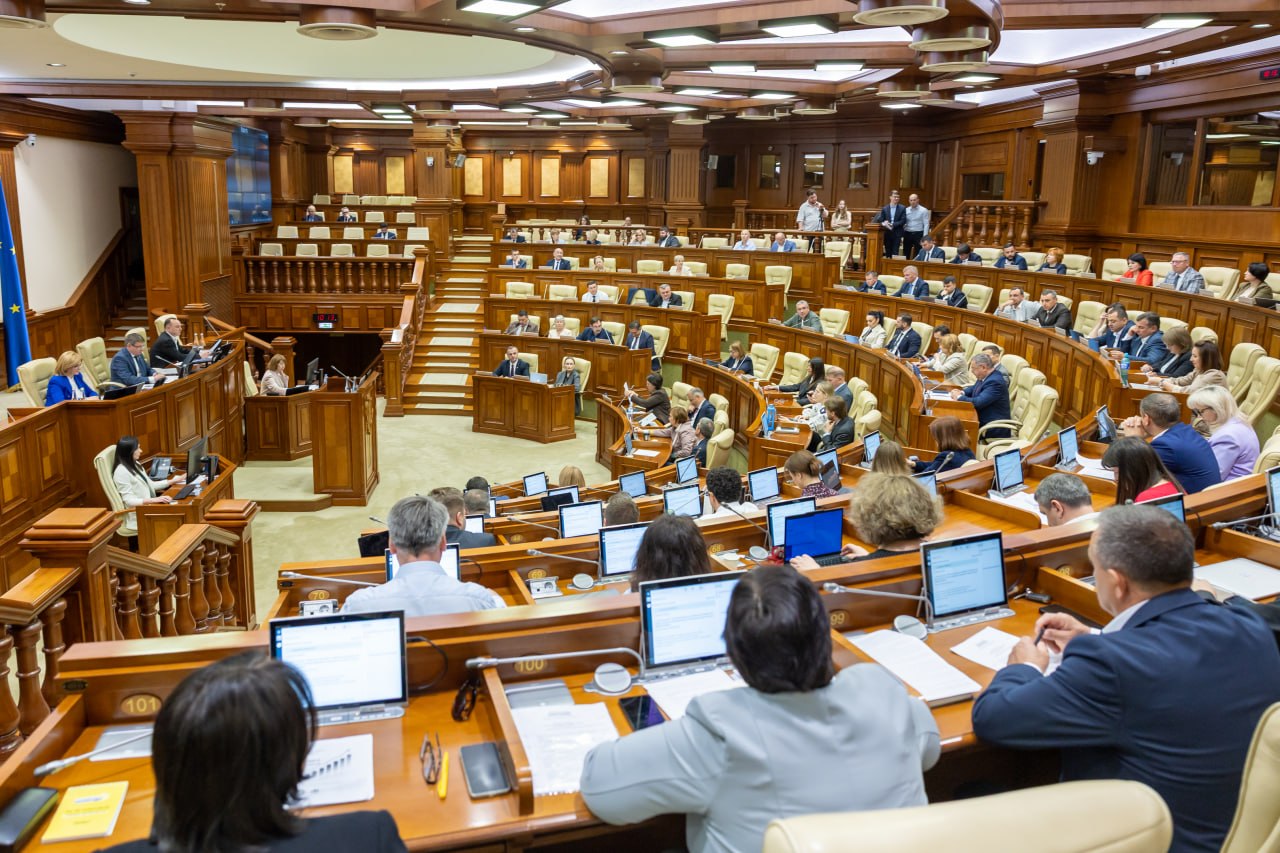
The Parliament of the Republic of Moldova today denounced the Agreement on the establishment of the Interstate Fund for Humanitarian Cooperation among Member States of the Commonwealth of Independent States (CIS).

The initiative was proposed by the Ministry of Culture, which argued that this agreement has not proven effective and does not generate benefits for the Republic of Moldova.

The report on the draft law was presented in plenary by the chairman of the Committee on Foreign Policy and European Integration, Adrian Băluțel.

“The Committee has reviewed this draft law and notes the following: it was reviewed and approved in the first reading during the plenary session on May 14. The Committee has not received any proposals or objections from parliamentary committees. The Committee on Foreign Policy and European Integration proposes that Parliament adopt Draft Law No. 40/II of April 30, 2026, on the denunciation of the Agreement on the Establishment of the Interstate Fund for Humanitarian Cooperation of the CIS Member States, in the second reading,” said Adrian Băluțel.

The document, signed in 2006, served as the basis for the creation of a fund intended to finance joint projects in areas such as culture, education, science, sports, tourism, media, and youth activities. However, since the ratification of the agreement, the Republic of Moldova has not made any payments or carried out any financial activities under this mechanism.

The authorities note that at present, the Republic of Moldova is focusing its efforts on partnerships deemed more relevant to the European integration process, such as Horizon Europe and Creative Europe programs, which offer extensive opportunities for cooperation in the fields of culture, education, youth, and research.

The termination of the agreement is part of the process of revising treaties concluded within the CIS framework and is part of efforts to align national policies with European Union standards and norms.
 Facebook
 Instagram
 X/Twitter
 Telegram
Moldovan president says massive attack on Kyiv of May 23-24 night war crime
Moldovan PM condemns Russian attacks on Ukraine
Moldovan president celebrates birthday
PHOTO GALLERY // Reception dedicated to Azerbaijan’s Independence Day, captured by MOLDPRES
Azerbaijan, Moldova deepen partnership: messages of cooperation, mutual trust conveyed at reception in Chisinau
Ambassador of Moldova to Norway presents letters of credence to His Majesty King Harald V
European Parliament President calls for speeding up accession of Moldova, Ukraine to EU
President awarded at GLOBSEC Forum in Prague
GLOBSEC // President rejects pessimistic scenarios on Moldova’s EU accession: Decision must be taken in Brussels, not in Moscow
PHOTO GALLERY // Partnership between Parliament and civil society reaffirmed at annual conference in Chișinău
Deputy Speaker: Cooperation between Parliament and civil society important for European path of Moldova
President shared Moldova’s experience in countering hybrid warfare at GLOBSEC Forum
Moldovan deputy PM has discussions with high EU official in Brussels
Moldovan foreign affairs minister has meeting with Chinese counterpart; facilitating access of domestic products to Chinese market on agenda
State providing support to families of children with disabilities: 13,000 children to receive 3,000 lei each per year
PAS MP: We have duty to look after present and future of our country, and children - our future
PAS MP conveys message on Dniester Day
Deputy Speaker urges graduates to continue studies in Moldova: Moldovan universities becoming increasingly competitive at European level
 National Bank of Moldova
Lower taxes on green energy investments: Government supports incentives for energy storage batteries and wind turbines
Moldovan deputy PM for reintegration meets with chair of Estonian parliament's national defence committee
Moldovan head of state meets former president of Georgia, awards her Order of the Republic
Government simplifies recognition of study documents and qualifications obtained abroad
President discussed Moldova’s European path and expansion of bilateral cooperation with Austrian parliamentarians

DOC // Greenhouse gas emissions data to be verified by independent experts
Moldova, Greece seek to develop joint projects in tourism, culture
Euractiv: Moldova might start negotiations on first EU accession cluster in next June
Moldovan government endorses draft of new media law; Culture minister describes step as necessary for modernizing legal framework in sector
Moldovan energy minister calls for compliance with deadlines for completing works needed to start energizing Vulcanesti–Chisinau power line
Moldovan deputy PM for reintegration meets with chair of Estonian parliament's national defence committee
Foreign affairs minister says Moldovan citizens on both banks of Dniester understand very well international circumstances country is in, risks of Russian citizenship
Moldovan head of state meets former president of Georgia, awards her Order of the Republic
VIDEO // BTA: “Bangaranga”, winning Eurovision song performed by DARA, dominates Europe’s music charts
Moldova to receive 150 million euros to modernize strategic roads
ARMENPRESS: Armenia, U.S. to finalize TRIPP implementation deal within a month: Pashinyan
Moldova aims to become regional hub for medical tourism; authorities preparing strategy
Foreign affairs minister meets Austria’s Ambassador to Moldova
Moldovan energy minister says every leu invested in energy efficiency generates significant economic impact
Around 70 households affected by floods caused by heavy rains in Moldova; damages to be assessed
Moldovan Central Electoral Commission imposes sanctions on officials from electoral bureaus set up for May 17 new local elections
Receive the latest news directly to your email

Receive the latest news directly to your email