
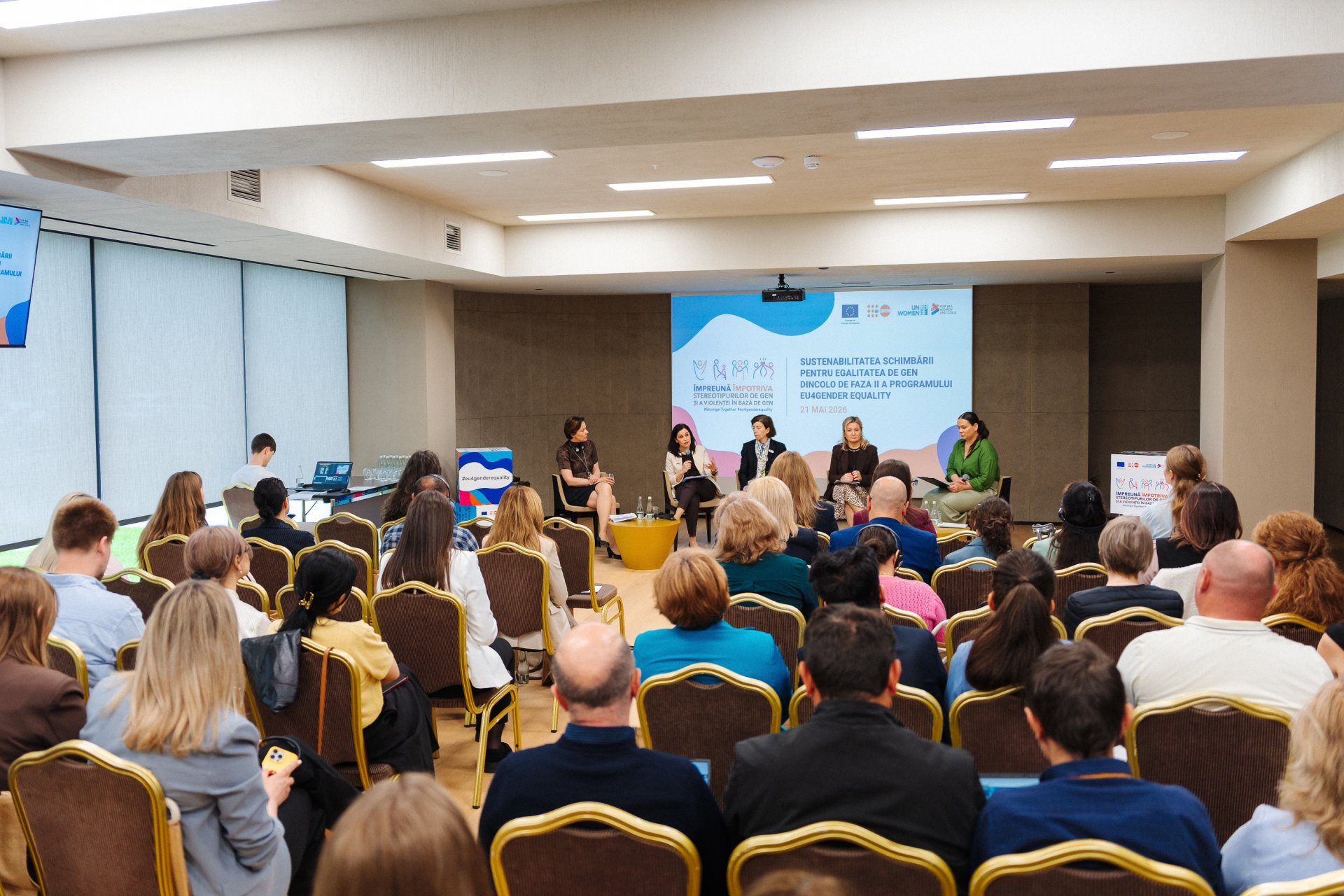
PHOTO // EU4GenderEquality Programme: around 3,000 people engaged in initiatives promoting gender equality, preventing violence in Moldova
Around 3,000 people of Moldova have taken part, over the past two and a half years, in activities promoting gender equality, preventing violence and combating stereotypes. The actions were carried out under the regional EU4GenderEquality programme, implemented in the Eastern Partnership countries, including Moldova.

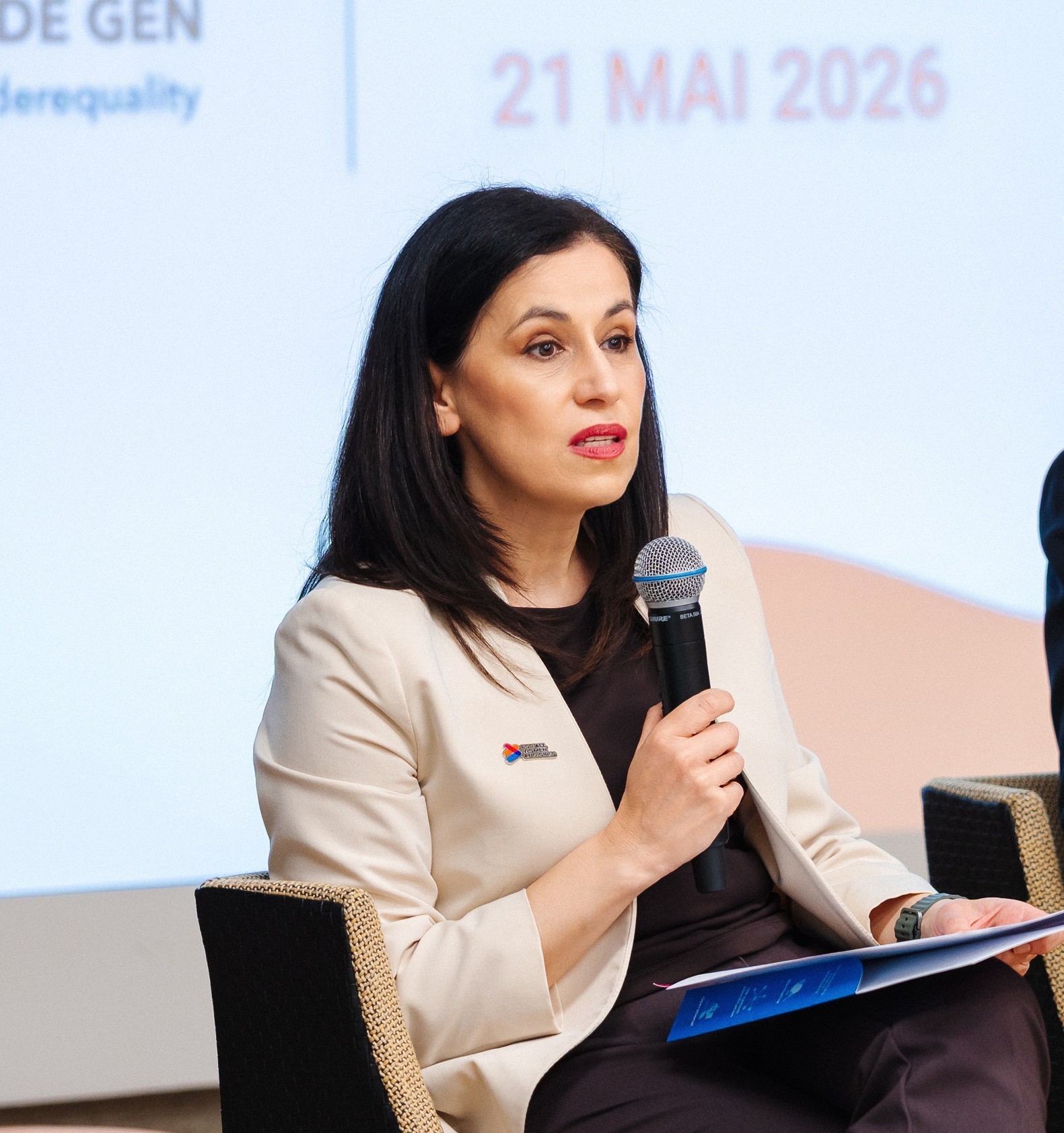
The programme’s impact and results achieved were presented at a closing event that brought together representatives of public authorities, civil society organizations, development partners, experts and programme beneficiaries.

During the 30 months of implementation, the programme cooperated with four civil society organizations, in order to carry out initiatives aimed at changing social perceptions about traditional gender roles and equality, while also working to prevent and combat stereotypes and gender-based violence, including against underrepresented groups.

In partnership with the Motivation public association, the programme supported the creation of a support network for 70 women and girls with disabilities from six regions of the country, informing them about their rights and where to turn for help when facing discrimination or violence. The initiative also included training for 284 personal assistants who care for people with disabilities. The training sessions covered topics ranging from promoting inclusion and the rights of people with disabilities to techniques for preventing burnout.

Within the same partnership, 82 members of multidisciplinary teams – made up of specialists from social assistance, education, public order, health care, and local public administration – strengthened their skills in recognizing, preventing and intervening in cases of violence against people with disabilities.

The programme has also made a significant contribution to promoting active fatherhood and the fair sharing of family and care responsibilities, objectives pursued through ten Fathers’ Clubs operating in five regions of the country. The initiative was implemented in partnership with the Child Rights Information and Documentation Centre, involving more than 500 fathers and boys in activities dedicated to developing positive parenting skills, communication and building healthy relationships. In addition, 18 local facilitators were trained to promote positive models of masculinity and active involvement in raising and educating children.

The programme also sought to engage religious leaders in efforts to prevent and combat domestic violence, given that the Church enjoys the highest level of public trust (65.6 per cent) and reaches even the most remote communities. Under a project implemented in partnership with the Social Mission “Diaconia,” over 80 religious leaders learned how they can help prevent and combat domestic violence. Ten priests from the Metropolitan See of Bessarabia were trained to speak to parishioners about the importance of harmonious relationships based on mutual respect, thereby challenging stereotypes and misinterpretations that perpetuate tolerance of abuse. The discussions involved more than one thousand women, men, girls, and boys from ten localities.

The initiative also aimed to engage the younger generation as drivers of change. Through a project implemented by Institutum Virtutis Civilis, 709 young women and men participated in interactive activities, including competitions, dedicated to promoting gender equality and combating discriminatory social norms. Under the same project, 63 young women and men were trained as peer-to-peer leaders, and 36 professionals strengthened their capacities to engage young people in promoting relationships based on respect and equality.

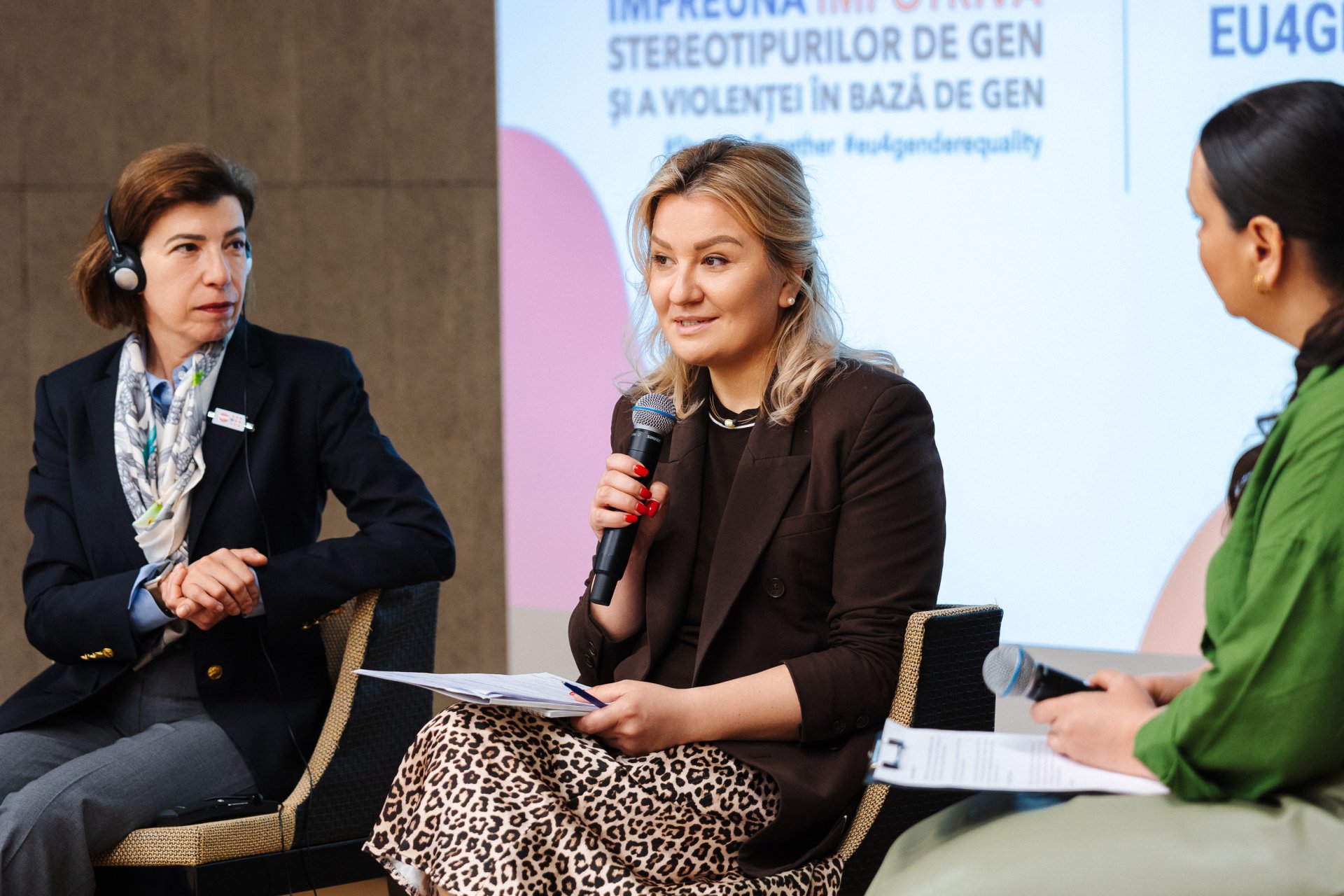
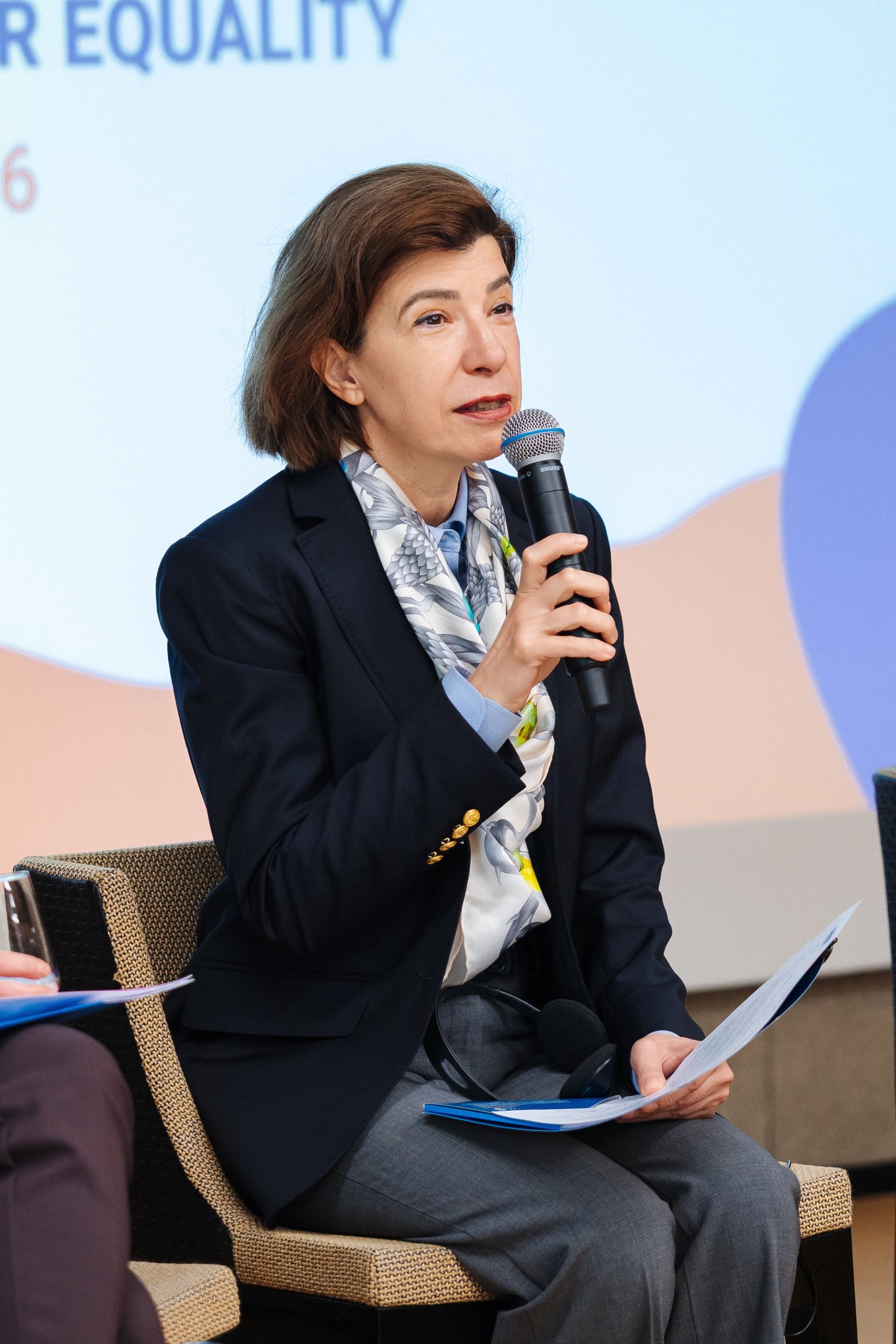
In her speech, Martina Spernbauer, Team Leader for Governance at the EU Delegation to Moldova, said that gender equality is not just about policies or legislation.

“Gender equality is built in communities, through relationships based on respect, participation, and shared responsibility. Through the EU4Gender Equality programme, we have seen women with disabilities, young people, fathers and religious leaders across the country become drivers of change. The European Union stays committed to supporting Moldova in building a more inclusive, more resilient, and fairer society for all,” said Martina Spernbauer.

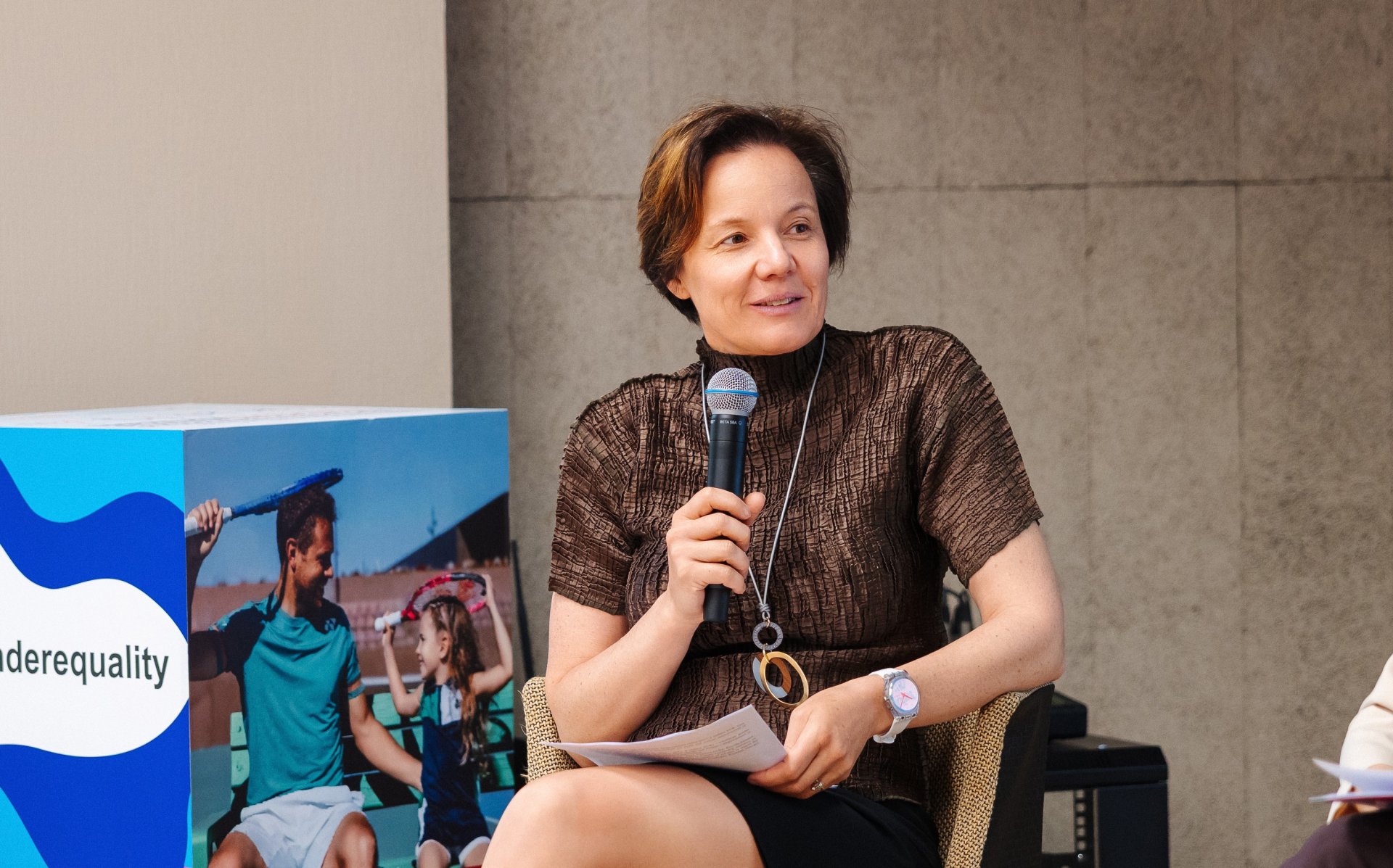
“These initiatives are extremely important, because they help eliminate gender norms and stereotypes that lie at the root of the persistent inequalities we see in society. This programme introduced an innovative approach to promoting change by involving religious leaders, young women and men, as well as women with disabilities. At a time when we are witnessing growing backlash against gender equality globally, including the expansion of movements, such as the manosphere that promote harmful stereotypes and unequal power relations, it is essential to continue supporting initiatives that challenge these norms and promote equality,” noted Dominika Stojanoska, UN Women Moldova Country Representative.

“The project has strengthened the demographic resilience of Moldova by promoting healthier and more equitable family environments that support family stability and children’s well-being. By encouraging the active involvement of fathers in childcare and family life, the project has helped reduce the unequal burden of unpaid care work borne by women, supported work–family balance, and promoted relationships based on respect, non-violent communication and shared parental responsibilities. These changes contribute to stronger family cohesion, improved well-being and the development of more inclusive communities while also combating harmful gender stereotypes related to caregiving roles,” said Karina Nersesyan, UNFPA Moldova Country Representative.

For her part, Viorica Timbalari, Director General of the Agency for Preventing and Combating Violence Against Women and Domestic Violence (ANPCV), stressed that social norms can be changed when institutions of the state, non-governmental organizations, society and development partners work together.

“The results of this programme clearly show us that violence prevention begins in the community: through the involvement of fathers and boys, through the voice of community and religious leaders, and through our ability to measure real changes in attitudes and behaviour. For ANPCV, it is a priority that these results do not remain only examples of good practice, but are transformed into sustainable public policies and long-term impactful interventions,” remarked Viorica Timbalari.

The event also featured the opening of the photo exhibition, The Multiple Faces of Femininity, which has also been displayed in Brussels at Mont des Arts. The works, created by Ukrainian journalist and photographer Olga Ivashchenko, bring to the forefront the stories of more women from Ukraine, Georgia, Armenia and  Moldova, who continue to rebuild their lives and help others despite the negative experiences caused by war, displacement and social and economic changes.

The regional programme EU4GenderEquality “Together against gender stereotypes and gender-based violence” is funded by the European Union and implemented by UN Women and UNFPA.
 Facebook
 Instagram
 X/Twitter
 Telegram
Three prosecutors fail external evaluation in Moldova; reports sent to Superior Council of Prosecutors
PHOTO // Moldovan foreign affairs minister meets group of Chinese students learning Romanian
Moldovan PM says Satoshi at Eurovision managed to convey to Europe an honest image of Moldova
New Q fever cases detected in Chisinau, three districts of Moldova; health authorities step up surveillance
Attention, travelers! Enhanced traffic at Palanca border crossing point of Moldova
Meteorologists issue new Yellow Code for atmospheric instability in Moldova
Finnish Embassy warns Moldovan citizens about job-related scams
Minister explains upcoming education reform: It will bring very clear salary increases
Old-style Orthodox Christians honor Saint Nicholas of Summer on May 22
VIDEO // National Food Safety Agency of Moldova destroys dozens of tons of non-compliant imported food products
Meteorologists issue Yellow Code warning for atmospheric instability in Moldova
New rules for corruption and organized crime investigations
DOC // Activity of zoos to be regulated by new law
DOC // Particip.gov.md platform to be modernized to ensure easier access to information on draft decisions proposed by authorities
Moldova to host first edition of International Exhibition, China Expo Auto, Mobility and Agrotech
Agreement signed in Chisinau; Moldova, Iceland to operate direct flights
Restart in Education concept, new governance model for schools of Moldova
VIDEO // Over 70% of Moldova's electricity consumption covered by renewable sources; Energy minister: “Less dependence on imports and greater security for citizens”
 National Bank of Moldova
Energy security on agenda of Moldovan National Security Council's meeting
EU funds – concrete opportunities for business, investment and development in Moldova
Moldovan PM discusses with Slovakia’s Defence Minister
Head of State signed decree granting citizenship of the Republic of Moldova to Mr Traian Băsescu
Moldovan president summons meeting of National Security Council

Agreement signed in Chisinau; Moldova, Iceland to operate direct flights
Restart in Education concept, new governance model for schools of Moldova
VIDEO // Over 70% of Moldova's electricity consumption covered by renewable sources; Energy minister: “Less dependence on imports and greater security for citizens”
Moldovan PM discusses with Slovakia’s Defence Minister
Traian Băsescu thanked President for granting Moldovan citizenship: I remain devoted to cause of country’s integration into EU
DOC // Report: Justice reform advances, 60% of judges undergoing vetting evaluated
Head of State signed decree granting citizenship of the Republic of Moldova to Mr Traian Băsescu
DOC // Former President of Romania granted Moldovan citizenship
Moldovan Ambassador to Japan presented copies of letters of credence
PHOTO // Bank Fraud file reaches Moldova's Court of Appeal: prosecutors seek 25 years in prison for Vladimir Plahotniuc
MOLDPRES INTERVIEW: Minister of Education and Research: Education system undergoing major transformation with great opportunities
Over 2,000 job vacancies to be offered at job fair organized in Moldovan capital
Chair of National Defence Committee of Estonia visits Chisinau
ARMENPRESS: Armenia’s financial system records growth across all sectors
Moldovan education minister says reform of education departments to ensure higher salaries, objective-based management
Two prosecutors pass evaluation in Moldova
Receive the latest news directly to your email

Receive the latest news directly to your email