
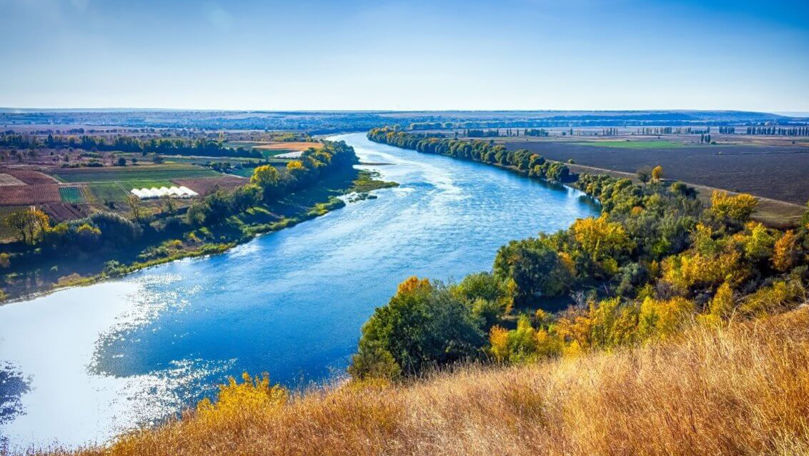
VIDEO // Discharges from Novodnistrovsk Reservoir of Ukraine to be reduced in next two weeks over drought
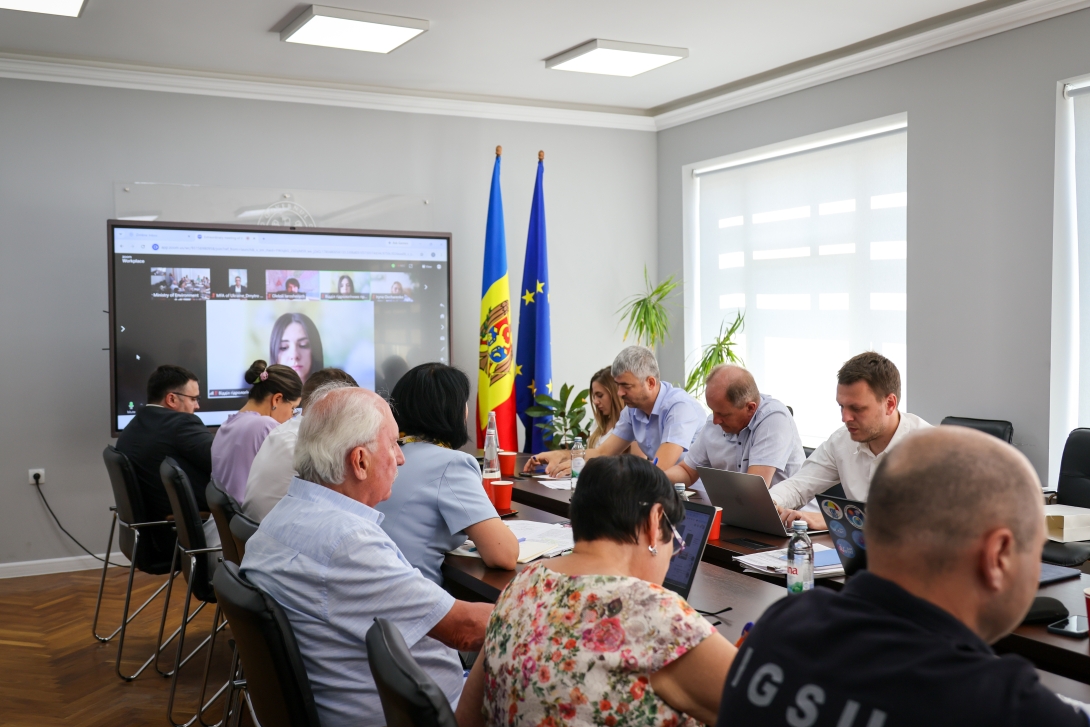
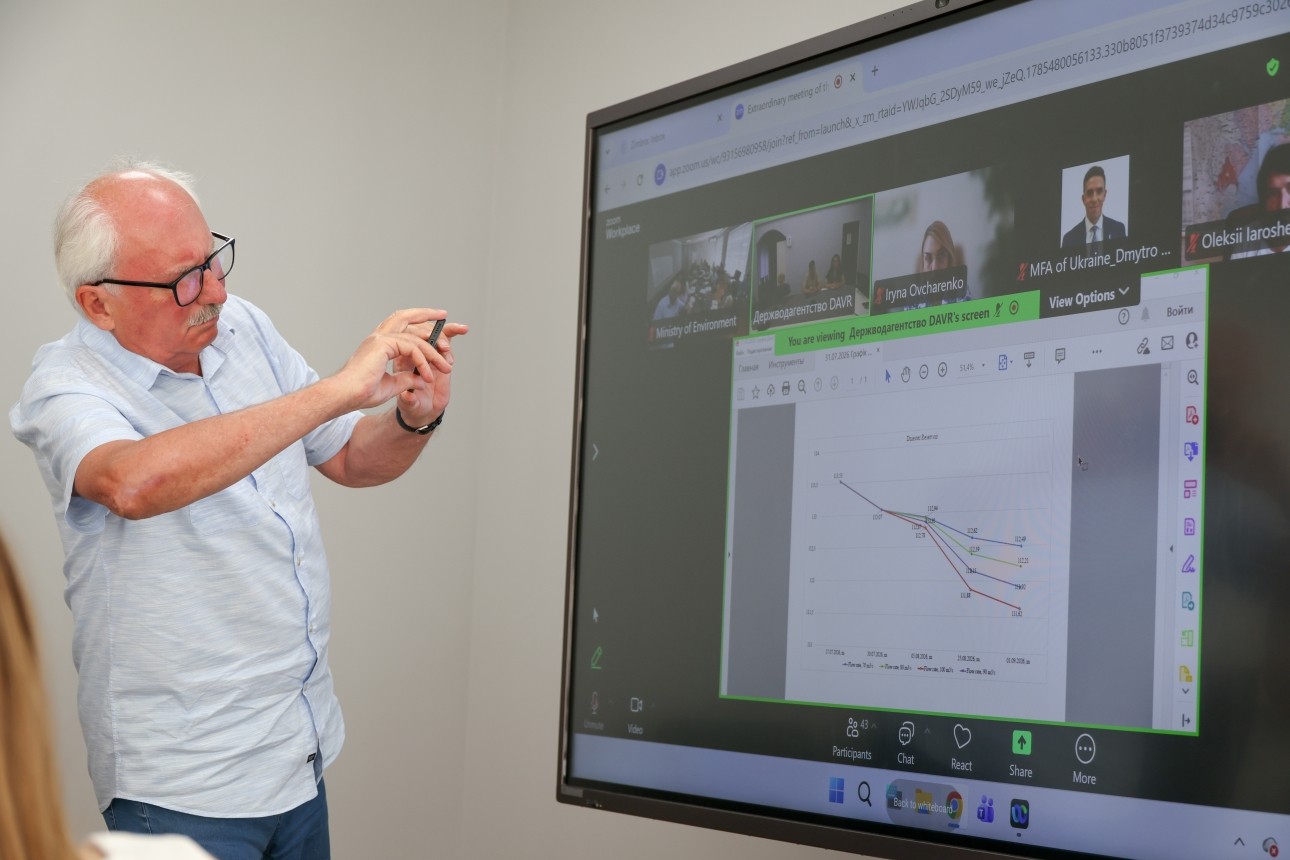
The Dniester Commission has ruled to reduce, for the next two weeks, the volume of water discharged from the Novodnistrovsk reservoir, from 100 to 85 cubic meters per second, in the context of the accelerated decrease of water reserves caused by drought. Environment Minister Gheorghe Hajder has made statements to this effect, after an extraordinary meeting held together with the Ukrainian side.

According to the minister, the participants in the meeting analyzed the hydrological situation, short- and medium-term forecasts, as well as the measures needed to manage the effects of the precipitation deficit on the Dniester basin.

“We agreed that, for the next two weeks, the discharges will be 85 m³/s, that is 15 m³/s less than at present. If the situation worsens, we will convene at any time for a new extraordinary meeting,” said Gheorghe Hajder.

The minister specified that the authorities would constantly monitor the evolution of the situation on the Dniester and would cooperate with water and sewerage operators, in order to ensure the operation of water intake stations even under reduced flow conditions.

Particular attention will be paid to the water intake station that supplies drinking water to the municipality of Chisinau, as well as other localities in the country.

According to the official, the water level in the Novodnistrovsk reservoir continues to fall rapidly, and the authorities are seeking to conserve the available reserves. At the same time, Ukraine has already introduced restrictions on the use of water for irrigation and other activities, with the exception of supplying the population with drinking water. Depending on how the situation evolves, the authorities of  Moldova could also come forward with additional recommendations.

The government of Moldova has established, for a period of 30 days, a hydrological alert status and an alert status in the energy sector, in order to prevent risks related to the supply of water and fuels. The measure was adopted in the context of drought and the reduction of water reserves in the Dniester basin.

A video of the announcement and discussions was published on the Ministry of Environment’s official Facebook page.
 Facebook
 Instagram
 X/Twitter
 Telegram
Moldova, India step up cooperation in higher education: negotiations initiated by Moldova's government
Young people willing to continue studies at Moldova's universities to be able to choose six new specialties
State aid for companies involved in dual education: Moldovan government improves mechanism
Moldova's Constitution Day: updated edition of Supreme Law, published by AIS MOLDPRES, available at Agency’s headquarters, at government’s branded merchandise store
Moldova to create information system for monitoring medicine stocks
VIDEO // Moldovan firefighters, part of joint efforts to extinguish vegetation fires across Europe
Roads of Moldova to be mandatorily assessed every five years
Moldovan PM says absolute priority drinking water for people
Moldovan PM government cannot influence 60 per cent of gas tariff, there is room for optimization for remaining 40 per cent
Red Code of reduced water flow on many rivers of Moldova
LIVE // Moldovan PM holds news conference
Court rulings to be recognized more easily abroad; Moldova joins Hague Convention
Over 10,000 applicants submit admission files to universities of Moldova on first day of contest
Citizens to be able to come up with proposals for authorities’ agenda via e-Democracy platform
Moldovan PM has phone conversation with Ukrainian counterpart
VIDEO // Available fuel stocks increase in Moldova; energy minister says measures adopted yield results
Decisions to initiate voluntary amalgamation approved by 85 percent of Moldova's mayoralties
VIDEO // MOLDPRES INTERVIEW // Moldovan parliament speaker: “We must persuade each member state that Moldova deserves to be in the European Union”
Moldova, Bavaria strengthen economic cooperation
VIDEO // Discharges from Novodnistrovsk Reservoir of Ukraine to be reduced in next two weeks over drought
Deadline to initiate voluntary amalgamation of Moldova's localities expires on July 31
 National Bank of Moldova
Over 400 local councils adopted final decisions on voluntary amalgamation in Moldova
Moldova, Bavaria strengthen economic cooperation
Moldovan government proposes targeted measures to stop excessive remuneration practices
About 4,000 pupils, students from Transnistrian region integrated into Moldova's national education system
Coaches of Moldova to have professional day, marked annually on September 25


Yellow fire danger warning Moldova till August 7
VIDEO // Moldova, German state of Bavaria to establish intergovernmental commission for economic cooperation
Moldovan government proposes targeted measures to stop excessive remuneration practices
Two years since launch of MIA Instant Payments in Moldova: over 31 million transactions processed, with total value of around 28.5 billion lei
Moldovan president says voluntary amalgamation comes with significant resources for local projects
VIDEO // Moldovan PM announces results of preliminary analysis "obscene salaries," main solutions proposed by government
Bavarian PM pledges support for Moldova’s European path: “Moldova must have a place in the European Union”
VIDEO // Investments in government securities exceed 1.3 billion lei via eVMS.md platform in Moldova
State-owned companies of Moldova increase profit more than fivefold in 2025; who tops ranking
Moldova's wrestler wins country’s first medal at U17 World Championships in Baku
VIDEO // New contingent of Moldova's National Army takes part in KFOR Mission in Kosovo
About 4,000 pupils, students from Transnistrian region integrated into Moldova's national education system
Over 70 candidates for 39 vacant judge positions in Moldova; ten new prosecutors proposed after graduating from National Justice institute
Moldovan parliament concludes spring–summer session; parliament speaker extraordinary meeting to be held on August 24
Coaches of Moldova to have professional day, marked annually on September 25
Processing of personal data for purpose of combating crime regulated by new law in Moldova
Receive the latest news directly to your email

Receive the latest news directly to your email