
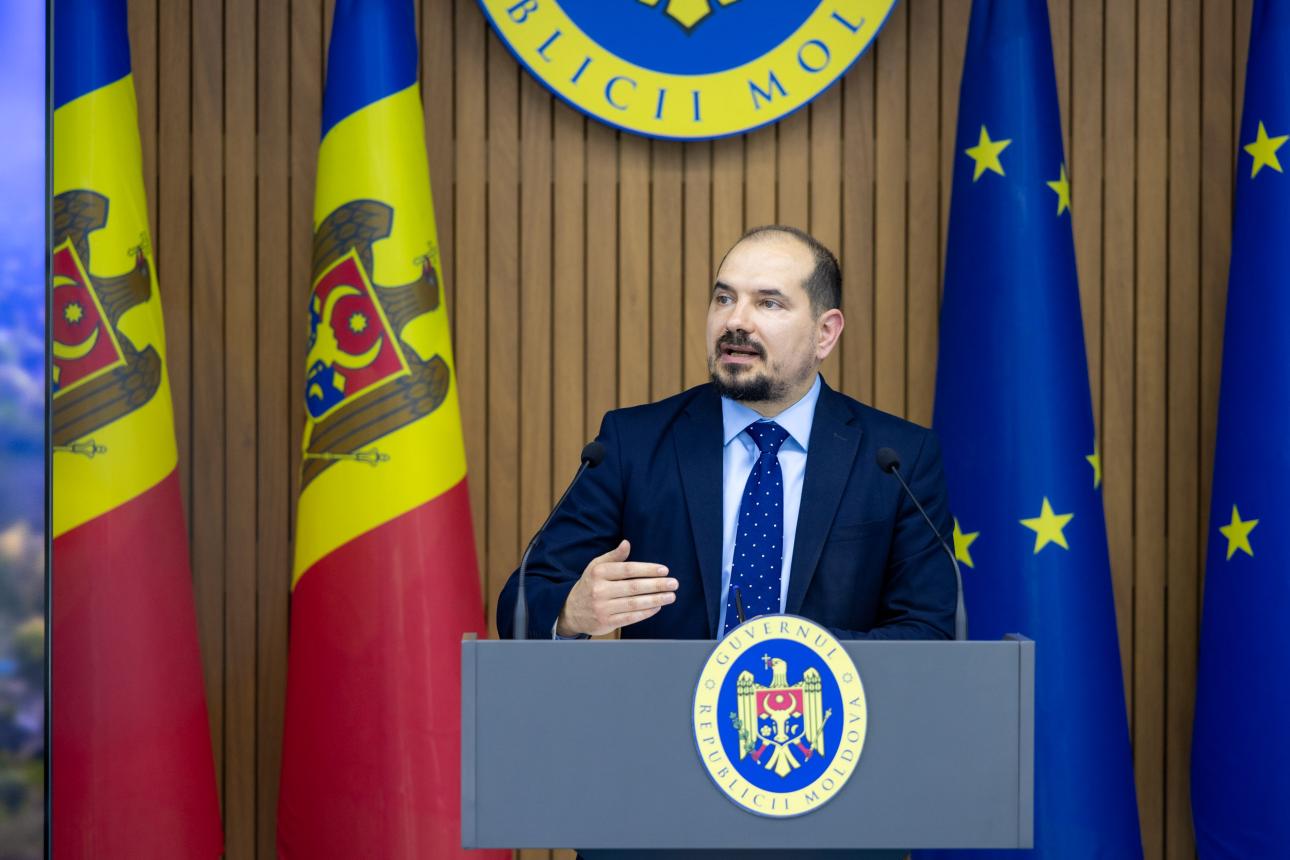
Over 400 local councils adopted final decisions on voluntary amalgamation in Moldova
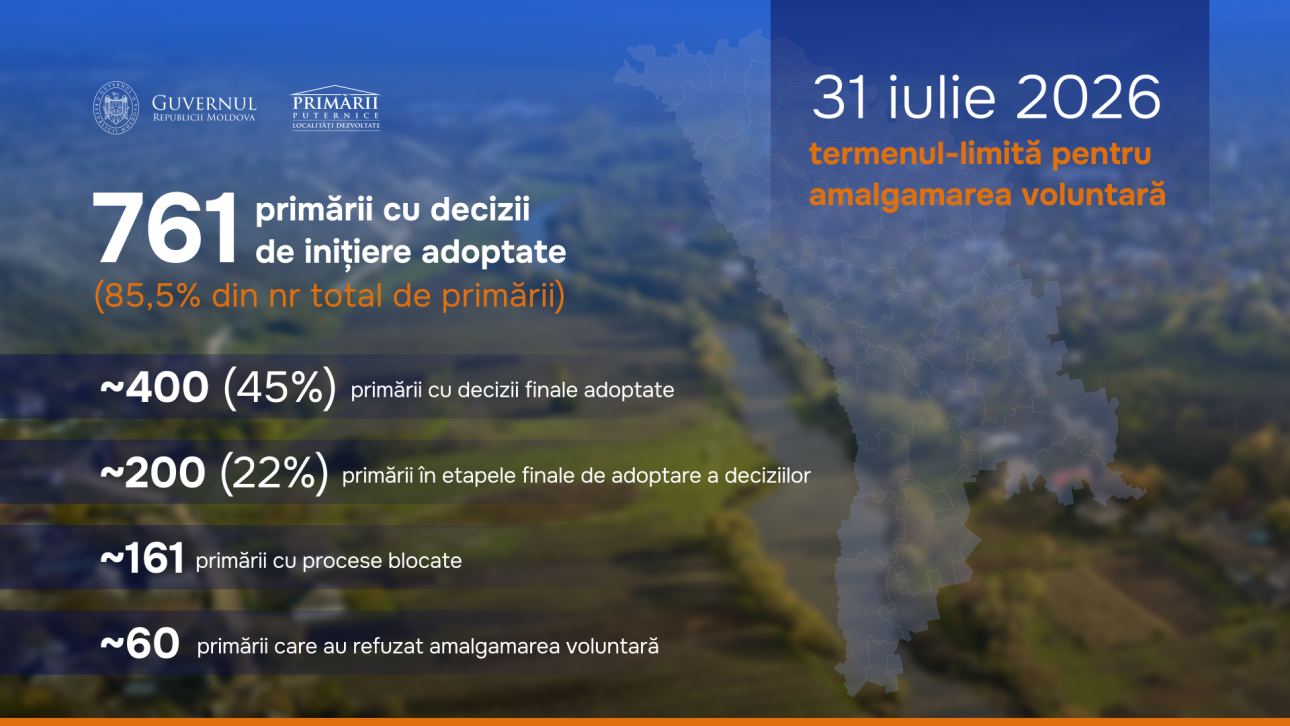
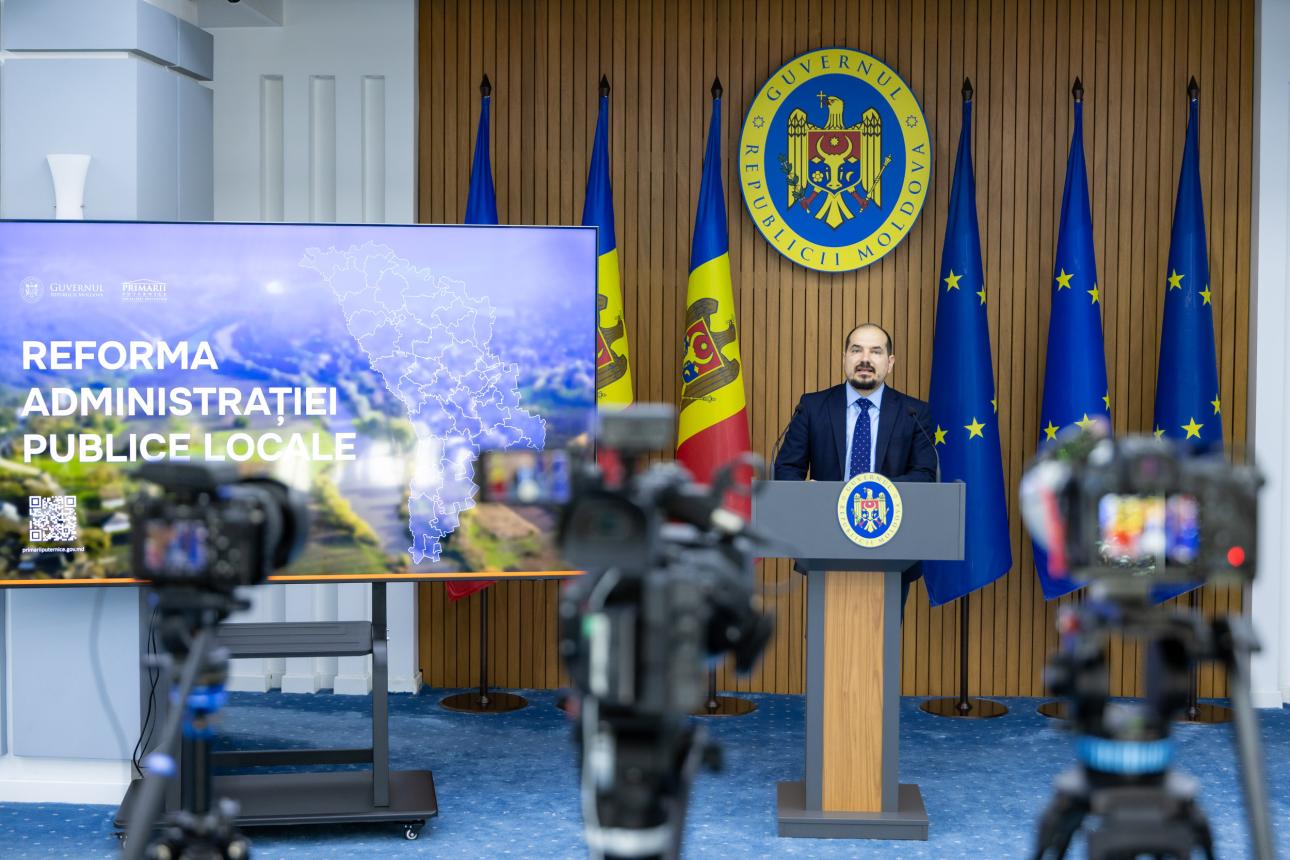
Over 400 local councils have adopted, so far, final decisions on voluntary amalgamation, while another approximately 200 are in the final stages of the process. The Secretary General of the Government Alexei Buzu unveiled data to this effect at a news conference today.

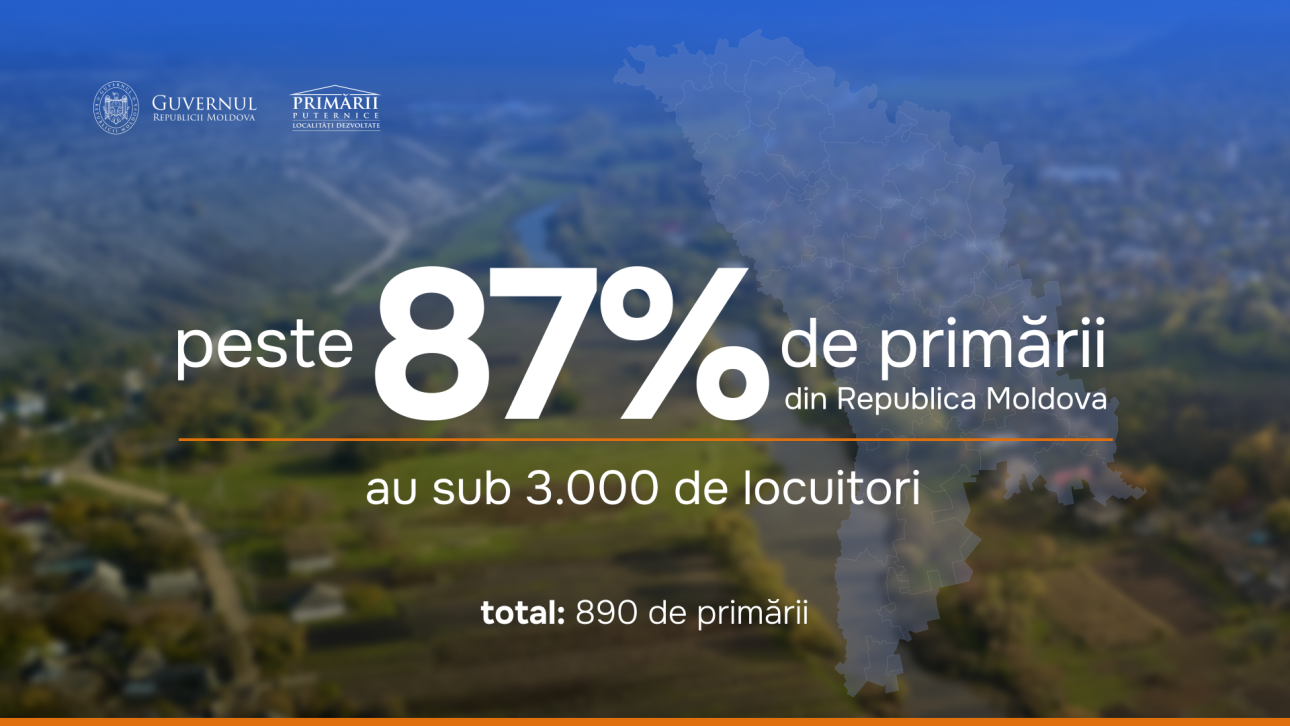
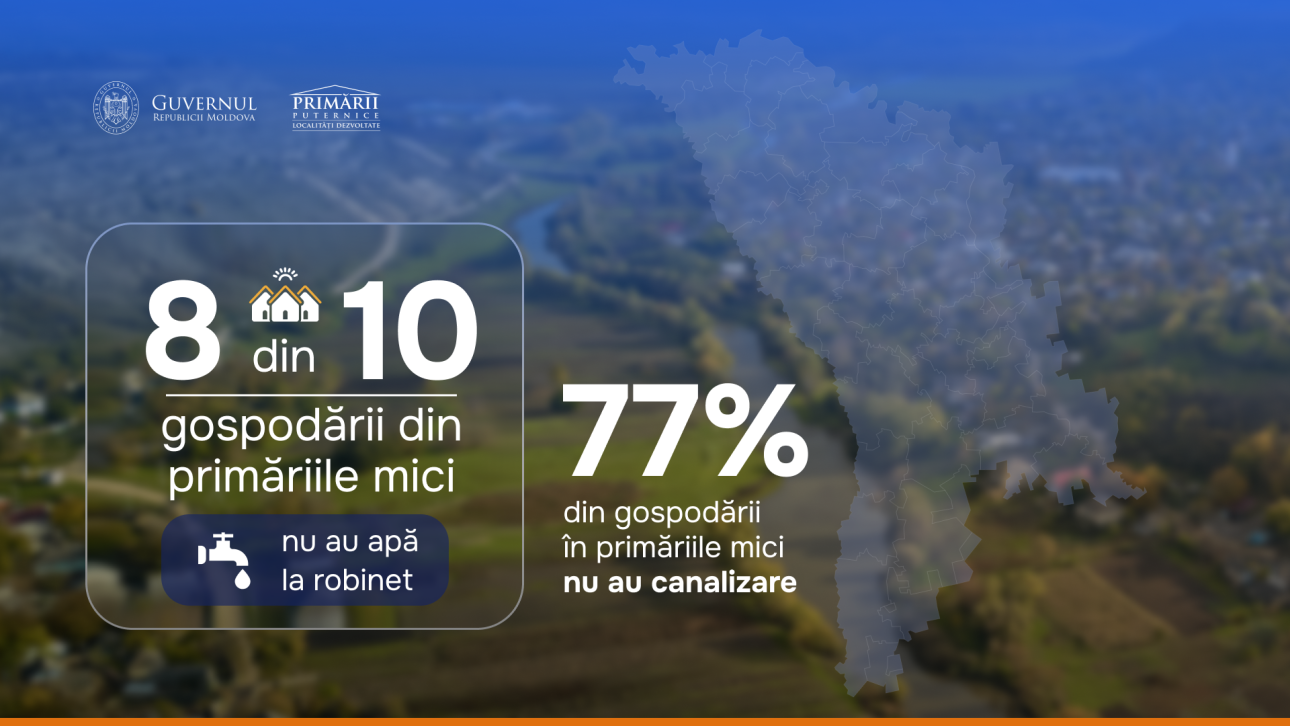
The head of the State Chancellery noted that the amalgamation process had been launched, in order to strengthen the capacity of local councils to provide better public services and attract investment in local infrastructure. At present, over 87 per cent of the local councils of Moldova serve fewer than 3,000 inhabitants. Eight out of ten families without access to water or sanitation live in localities administered by these councils. In these communities, the population has decreased by one third—twice as fast as the national average—while the own revenues of local administrations are declining.

“Only through strong local councils can we ensure quality public services, modern infrastructure and real investments in local development. The government has opted first and foremost for voluntary amalgamation, because locally elected officials know best the development priorities and the needs of citizens in their communities. We are carrying out this reform for people and for our communities,” said Alexei Buzu.

According to the data presented, out of 890 local councils, excluding the municipalities of Chisinau and Balti, 761, or 85.5 per cent, have adopted decisions to initiate voluntary amalgamation. By July 31, approximately 400 local councils had adopted final decisions. Another approximately 200 have conducted public consultations, prepared most of the documentation and are to submit the decisions for a vote in local councils. They will be able to finalize the process by the end of August.

In the case of approximately 161 local councils, the process stopped after the adoption of the initiation decision due to unfinished negotiations or other difficulties. The government will continue to provide legal and technical assistance to these local authorities. At the same time, approximately 60 local councils have refused to participate in the voluntary process, and for them, the next stage will be normative (mandatory) amalgamation.

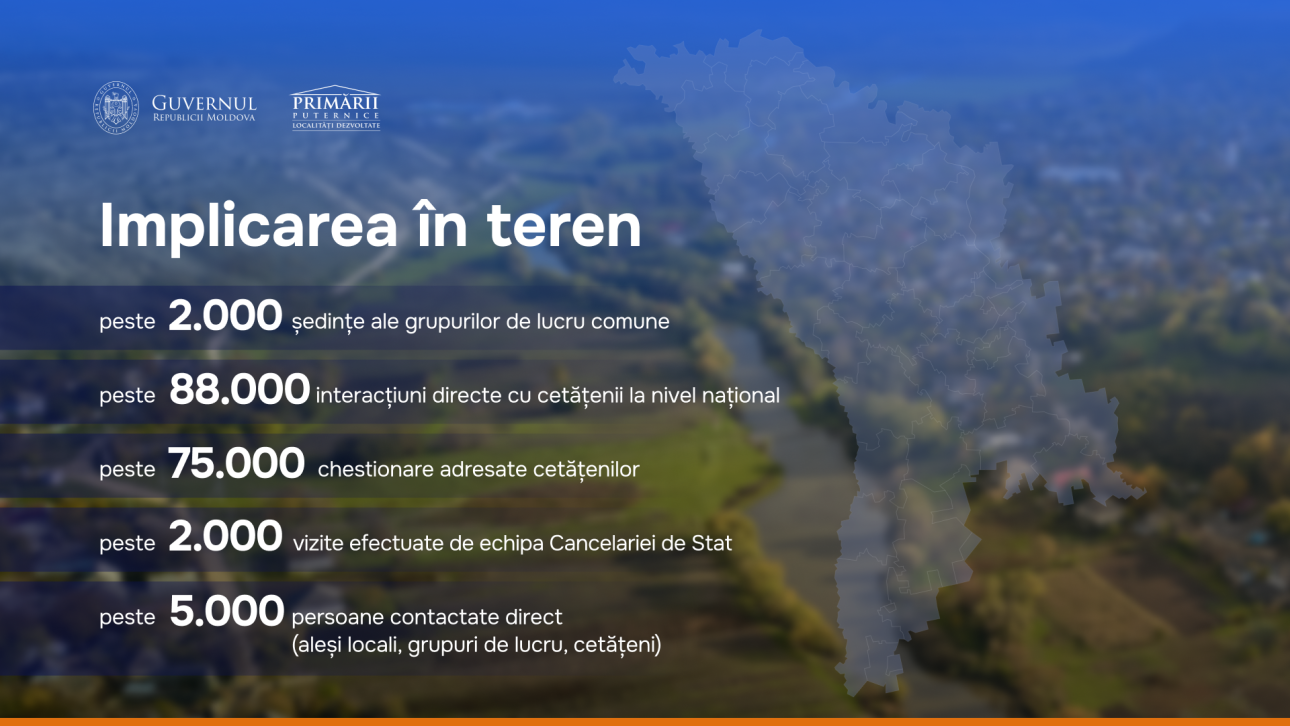
The process required extensive mobilization at the local level. Over 2,000 meetings of joint working groups were organized, more than 88,000 direct interactions with citizens took place, and over 75,000 questionnaires were carried out to identify community problems and priorities.

The State Chancellery team made more than 2,000 field visits and held direct discussions with over 5,000 mayors, local councillors, working group members, and citizens.

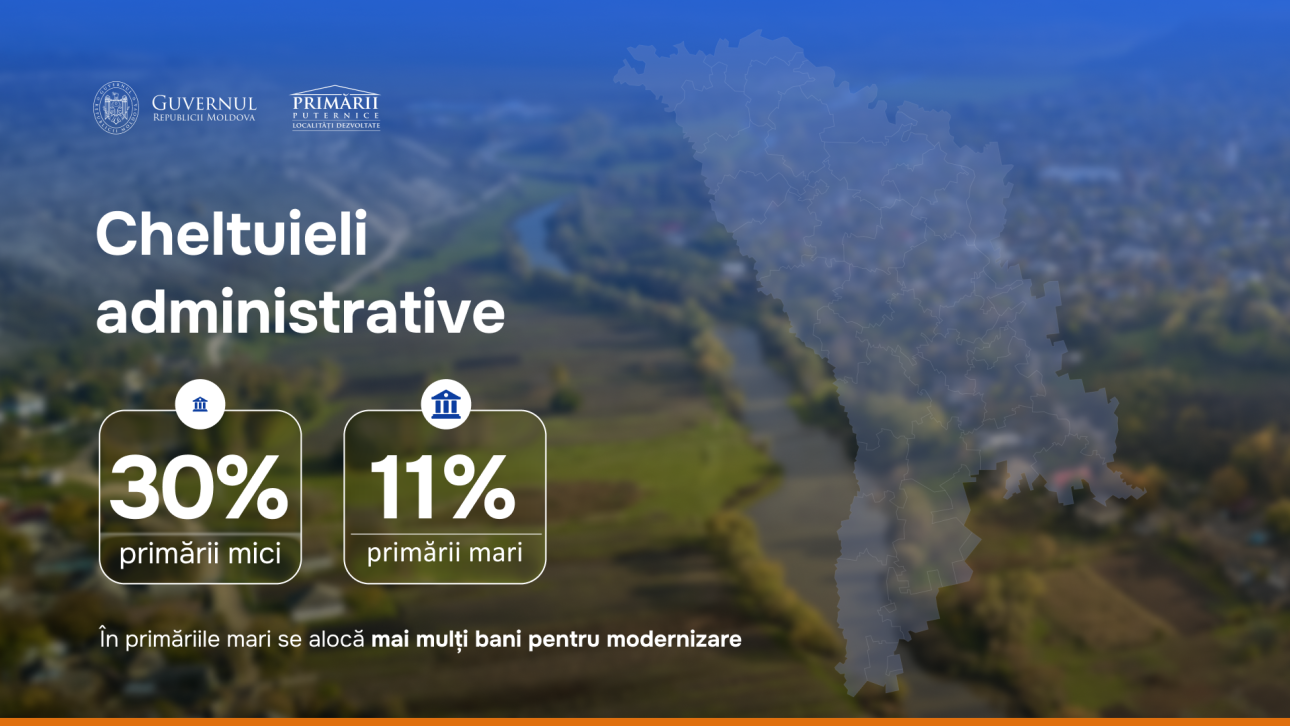
The priorities identified by citizens will underlie the use of the Amalgamation Fund. Resources will be directed to expanding water, sewage, gas and street lighting networks; rehabilitating local roads; developing public transport and digital services; waste management; modernizing kindergartens and cultural centers; as well as local economic development projects.

Local authorities still involved in the process are encouraged to finalize their documents and adopt the necessary decisions by the end of August, in order to benefit from voluntary amalgamation status and the full package of incentives.

The goal of the reform is for every citizen, regardless of the locality in which they live, to have access to better roads, water, street lighting and quality public services.
 Facebook
 Instagram
 X/Twitter
 Telegram
New rules for authorizing strategic transport infrastructure projects in Moldova
More investment opportunities, agriculture's modernization through Moldova's Orchard II project
New measures taken in Moldova for energy renovation of residential apartment buildings
State to cover half of expenses of companies training students through dual education in Moldova
Medicine stocks of Moldova to be monitored daily at national level
PM has meeting with Ambassador of Ukraine to Moldova
PM meets European Union Ambassador to Moldova
Moldovan PM to pay official visit to Bucharest
PM, Ambassador of Romania discuss Moldovan-Romanian partnership, European path of Moldova
Moldovan PM says government to intervene before problems turn into bigger crises
Moldovan PM, fuel market participants discuss measures to secure domestic market
Moldovan government declares 30-day state of alert in energy, hydrological sectors
Moldovan PM says European integration government’s top priority
Moldovan president chairs meeting of National Commission for European Integration
VIDEO // Available fuel stocks increase in Moldova; energy minister says measures adopted yield results
Decisions to initiate voluntary amalgamation approved by 85 percent of Moldova's mayoralties
VIDEO // MOLDPRES INTERVIEW // Moldovan parliament speaker: “We must persuade each member state that Moldova deserves to be in the European Union”
Moldova, Bavaria strengthen economic cooperation
VIDEO // Discharges from Novodnistrovsk Reservoir of Ukraine to be reduced in next two weeks over drought
Deadline to initiate voluntary amalgamation of Moldova's localities expires on July 31
Yellow fire danger warning Moldova till August 7
 National Bank of Moldova
Moldova, Bavaria strengthen economic cooperation
Moldovan government proposes targeted measures to stop excessive remuneration practices
About 4,000 pupils, students from Transnistrian region integrated into Moldova's national education system
Coaches of Moldova to have professional day, marked annually on September 25
Processing of personal data for purpose of combating crime regulated by new law in Moldova

VIDEO // Moldova, German state of Bavaria to establish intergovernmental commission for economic cooperation
Moldovan government proposes targeted measures to stop excessive remuneration practices
Two years since launch of MIA Instant Payments in Moldova: over 31 million transactions processed, with total value of around 28.5 billion lei
Moldovan president says voluntary amalgamation comes with significant resources for local projects
VIDEO // Moldovan PM announces results of preliminary analysis "obscene salaries," main solutions proposed by government
Bavarian PM pledges support for Moldova’s European path: “Moldova must have a place in the European Union”
VIDEO // Investments in government securities exceed 1.3 billion lei via eVMS.md platform in Moldova
State-owned companies of Moldova increase profit more than fivefold in 2025; who tops ranking
Moldova's wrestler wins country’s first medal at U17 World Championships in Baku
VIDEO // New contingent of Moldova's National Army takes part in KFOR Mission in Kosovo
About 4,000 pupils, students from Transnistrian region integrated into Moldova's national education system
Over 70 candidates for 39 vacant judge positions in Moldova; ten new prosecutors proposed after graduating from National Justice institute
Moldovan parliament concludes spring–summer session; parliament speaker extraordinary meeting to be held on August 24
Coaches of Moldova to have professional day, marked annually on September 25
Processing of personal data for purpose of combating crime regulated by new law in Moldova
Moldova's legislation on supervision of investment firms harmonized with EU rules
Receive the latest news directly to your email

Receive the latest news directly to your email