
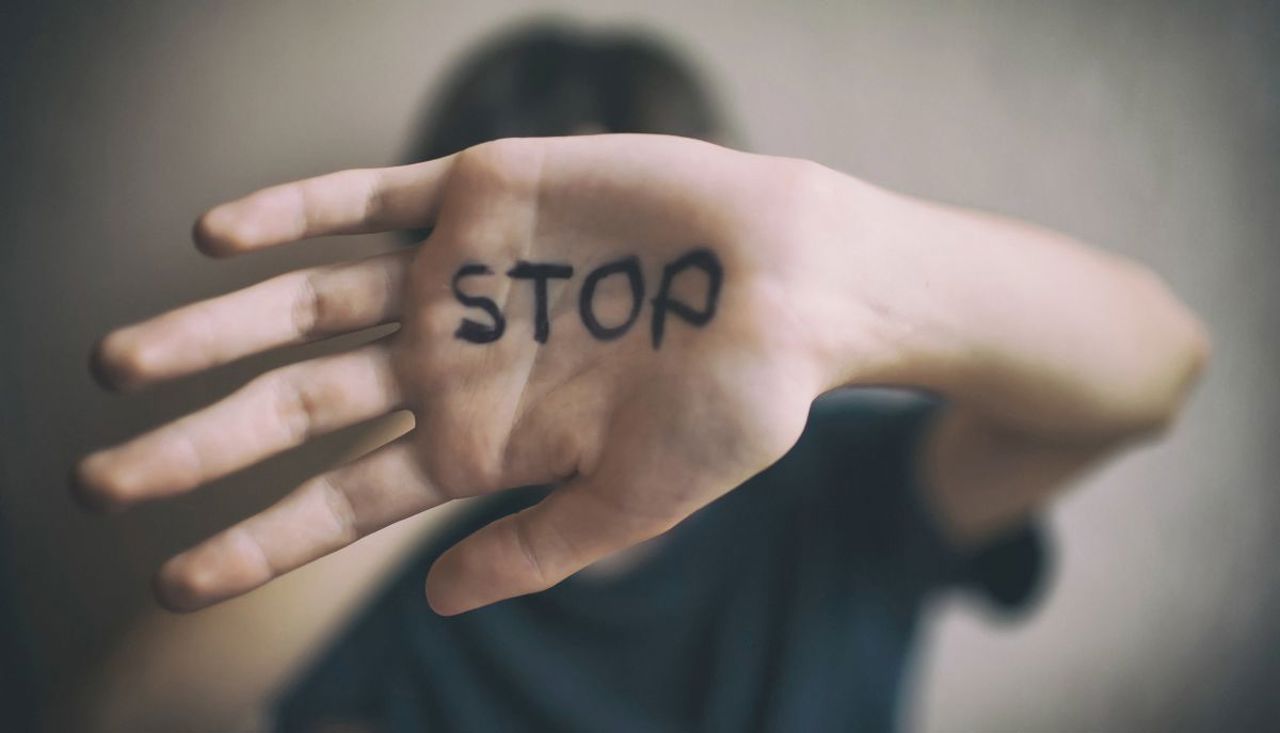
Violence can escalate to femicide: How to recognize warning signs and where victims can seek help
Violence against women can begin with threats, excessive control and isolation and can escalate to femicide. UN Women Representative to Moldova Dominika Stojanoska and MP Marcela Adam emphasize that early intervention, victim protection and institutional coordination are important for preventing tragedies. At the same time, people believe that authorities should intervene more decisively, while education and social services should play a greater role in combating the phenomenon.


“Violence is not her fault, and she does not have to go through this situation alone”

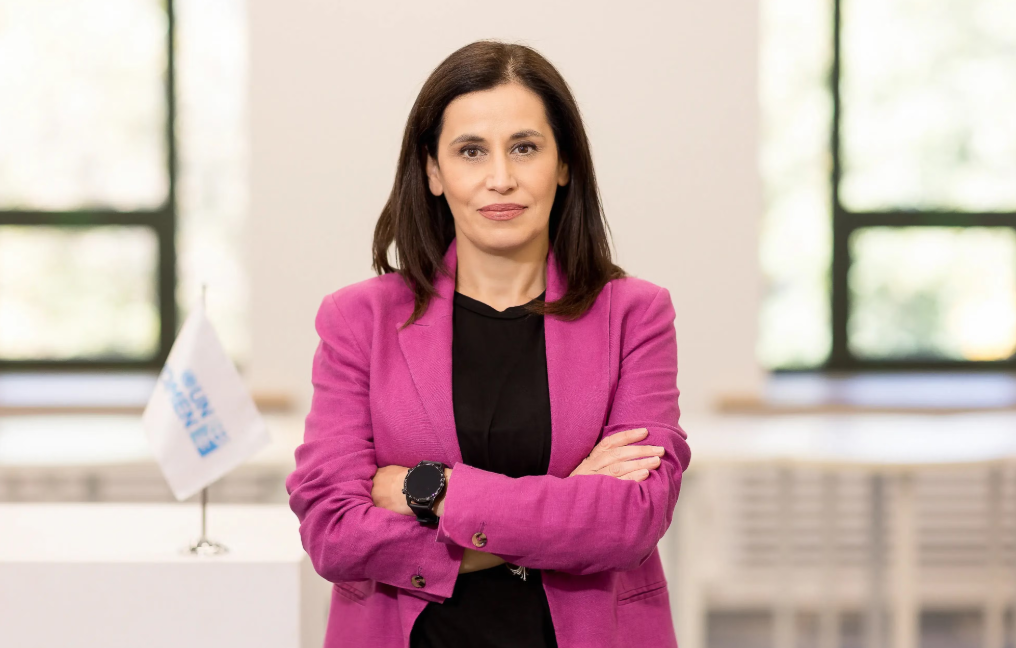
Women experiencing violence should not wait for the abuse to become more severe before seeking help. According to Dominika Stojanoska, threats, control exercised by a partner, isolation and economic dependence can be warning signs, and every case must be treated with the utmost seriousness.


“Reports by the Commission for the Analysis of Femicide Cases show us that, in most cases, there were clear risk indicators before the tragedy occurred. This highlights the importance of identifying and managing these signs at an early stage in order to prevent violence from escalating into lethal forms. The most frequent warning signs may include repeated violence and the escalation of abuse over time, death threats, coercive control exercised by the perpetrator, a history of violence and violations of protection measures, as well as situations in which the victim attempts to leave the relationship. Economic dependence and the victim’s isolation can also limit her ability to seek help and leave the violent relationship,” Dominika Stojanoska said in an interview with MOLDPRES.


The official emphasizes that there is no single pattern that can reliably identify all cases that may develop into lethal forms of violence. For this reason, authorities must intervene promptly, and the victim’s safety must be the priority.


“The most important message is that violence is not her fault and that she does not have to go through this situation alone. Every woman has the right to safety, respect and protection, regardless of the form of violence she is experiencing. If she fears for her life, health or physical integrity, or that of her children, it is important to seek help as early as possible and speak to someone she trusts,” the UN Women representative said.


What People Say About Preventing Femicide

People interviewed in a vox pop believe that authorities must treat cases of violence more seriously and intervene before they lead to severe consequences. Both women and men highlighted the need for effective measures, education and protection services.


“Femicide is a very serious problem in the Republic of Moldova, and the authorities must monitor the situation and have the power to intervene quickly with effective solutions, not merely as a formality,” one female respondent said.


Another woman believes that prevention must begin with education, while people prone to aggressive behavior should receive specialized support.


“We also need to change something in education so that people understand, including from a psychological perspective, why violence occurs, and there must be specialists who work with people prone to such behavior.”


The men interviewed also called for more effective measures against perpetrators. One respondent believes that electronic monitoring is not enough to prevent violence from being repeated.


“I do not agree that, in cases of femicide and domestic violence, we should limit ourselves to putting an electronic bracelet on the perpetrator. In my opinion, that is not enough. Something stricter is needed.”


Another man drew attention to the role of social services, protection centers and hotlines through which women can seek help.


“It is very important to focus not only on law enforcement agencies but also on social services. There must be protection centers and hotlines where women can talk about problems in their families. The situation must also be monitored in every family where there are risk indicators.”


MP Marcela Adam: Stereotypes Prevent Victims from Seeking Help

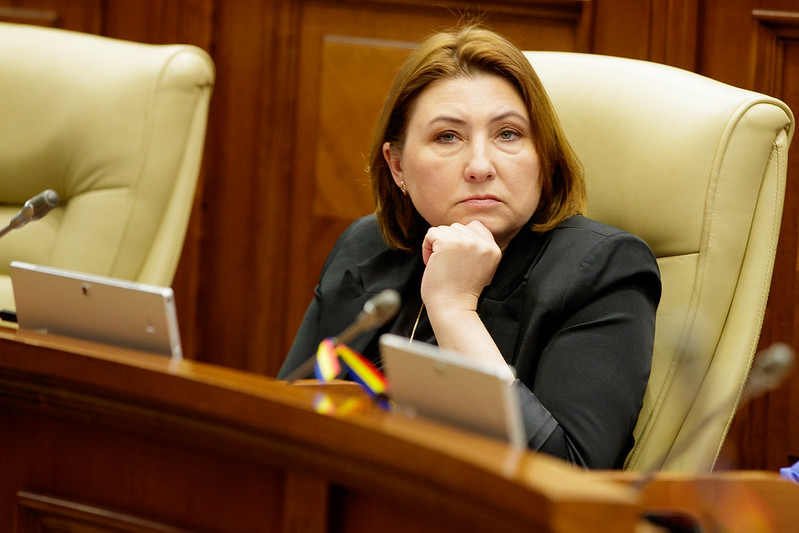
Strengthening cooperation between state institutions and rapidly sharing information about cases of violence are essential for preventing tragedies, says MP Marcela Adam, chair of the Women MPs’ Platform.

Following public hearings on the prevention and combating of violence organized by the Women MPs’ Platform, the parliamentarian highlighted the need to improve the mechanisms through which institutions share information and intervene according to their responsibilities.


“We must strengthen the state’s response to violence, consolidate and unify the mechanism for sharing information and institutional interconnection, because information that reaches one institution must be rapidly known by the institutions directly responsible for a particular aspect,” Marcela Adam told MOLDPRES.


The MP said that the National Agency for Preventing and Combating Violence against Women and Domestic Violence is developing the integrated VioData information system, which is expected to enable cases to be monitored from the moment help is requested until they are resolved.

Marcela Adam also spoke about the stereotypes and prejudices that lead some women not to report abuse, for fear of social judgment or because of economic dependence.


“We are still a society dominated by stereotypes and prejudices, where violence is considered a family conflict that the wider public should not know about. It is viewed as a private matter, which is why many cases go unreported, and women suffer alone or behind closed doors,” the MP said.


According to Marcela Adam, the increase in reported cases of violence shows that women have greater confidence in state institutions. However, efforts must continue through education, information campaigns and the training of specialists who work with victims.


More Than One Thousand Women Victims of Crimes in Family Relations in 2026

The Republic of Moldova has made progress in strengthening the legislative and institutional framework for preventing and combating violence against women. Measures mentioned by Dominika Stojanoska include criminalizing certain forms of violence, strengthening victim protection and expanding specialized services.

Shelters, psychological counseling, legal assistance and economic support can help women safely leave abusive relationships. At the same time, police officers, prosecutors and judges need continuous training to identify risks and manage cases of violence.

Data from the General Inspectorate of Police requested by MOLDPRES show that, in the first nine months of 2026, 1,010 women victims of crimes within family relations were reported, while police issued 5,611 emergency restraining orders. During the same period, 312 criminal cases were initiated for physical assaults and other violent acts resulting in minor injuries to bodily integrity or health. The police say that, in order to prevent serious cases, they verify reports, assess the risks of violence and lethality, monitor perpetrators and refer victims to specialized services.

Women and girls can call the Women’s and Girls’ Helpline at 0 8008 8008 for information and counseling. In case of imminent danger, they should call 112.
 Facebook
 Instagram
 X/Twitter
 Telegram
Moldovan parliament speaker has meeting with Metropolitan of Bessarabia
Alexei Buzu announces new round of consultations amid local public administration reform
Republic of Moldova to conclude social security agreement with Ireland
Moldova Prepared Program targeted by manipulative narratives
Interior minister on people seeking refuge in Transnistria
VIDEO // Moldova's interior minister says two incidents involving Ukrainian border guards first recorded since beginning of war
PHOTO // Moldova's General Inspectorate of Carabineers equipped with new vehicles purchased through EU-co-financed projects
PHOTO // Moldovan carabineers awarded NATO medal for participation in KFOR mission in Kosovo
PHOTO // Moldovan NGOs implement 28 environmental protection projects
Yellow fog warning issued in Moldova; visibility to drop below 200 meters
Moldovan students to participate in 24 national olympiads and competitions in 2027
Energy compensation could reach 670,000 families this winter
StratCom: False claim about drone factory coordinated and amplified on Telegram, feeding Russian narrative about “militarization of country”
National Army reservists strengthen military skills during training exercise
President attends commemoration in Budapest marking 70th anniversary of 1956 anti-communist revolution
Violence can escalate to femicide: How to recognize warning signs and where victims can seek help
PHOTO GALLERY // Romanian Armed Forces Day celebrated in Chișinău with exhibition dedicated to international military missions during interwar period
PHOTO // President honors courage of Hungarian people, 70 years after 1956 anti-communist Revolution
Ukraine condemns violation of Moldova’s airspace
Moldovan president condemns incident in Telenesti district: “Russia’s war continues to endanger citizens’ lives”
Staff member of Russia's Embassy in Moldova to be declared persona non grata after explosive-laden drone crashed in Telenesti district
 National Bank of Moldova

President attends commemoration in Budapest marking 70th anniversary of 1956 anti-communist revolution
Moldovan PM meets young people who won three medals for Moldova at World Robotics Championship
Moldovan PM, vice-president of European Investment Bank discuss accelerating development projects in Moldova
Moldovan deputy PM for reintegration participates in marking 30 years of work of theoretical lyceum from Grigoriopol
COMMENTARY on Tiraspol event

Two cases of national airspace violations recorded in Moldova in past week; Defence Ministry reiterates need to strengthen air defense capabilities
Moldovan deputy PM for reintegration participates in marking 30 years of work of theoretical lyceum from Grigoriopol
Drone falls in central Moldova village; police secure area
First at November 1, 2026 elections in Moldova: voters to be able to vote using digital ID from EVO app
National Bank of Moldova simplifies foreign exchange rules: transfers, investments of up to 100,000 euros without authorization
PHOTO, VIDEO // Moldovan head of state president welcomed by Hungarian president at Sándor Palace in Budapest
Drone illegally entered airspace of Moldova, disappears from radar
PHOTO GALLERY // Two hospitals of Moldova start process of energy modernization
Two members of Judges' Evaluation Commission to end activities on 31 December 2026
Energy consumption in ten hospitals in Moldova expected to drop by 40%; first two hospitals begin renovation
COMMENTARY on Tiraspol event
CHINA EXPO – Christmas Sale to be held for first time at Moldexpo on December 17
State Secretary for Reintegration: Revenue from taxes imposed in Transnistrian region will return to population through Convergence Fund
MOLDPRES INTERVIEW // What should a woman in an abusive relationship know? Dominika Stojanoska, UN Women Country Representative: “The violence is not her fault and she does not have to go through this situation alone”
Joint border control, energy projects on Prime Minister’s agenda during visit to Kyiv
Ukraine's Ambassador to Chisinau: Dniester incidents must be investigated, findings made public
Receive the latest news directly to your email

Receive the latest news directly to your email