
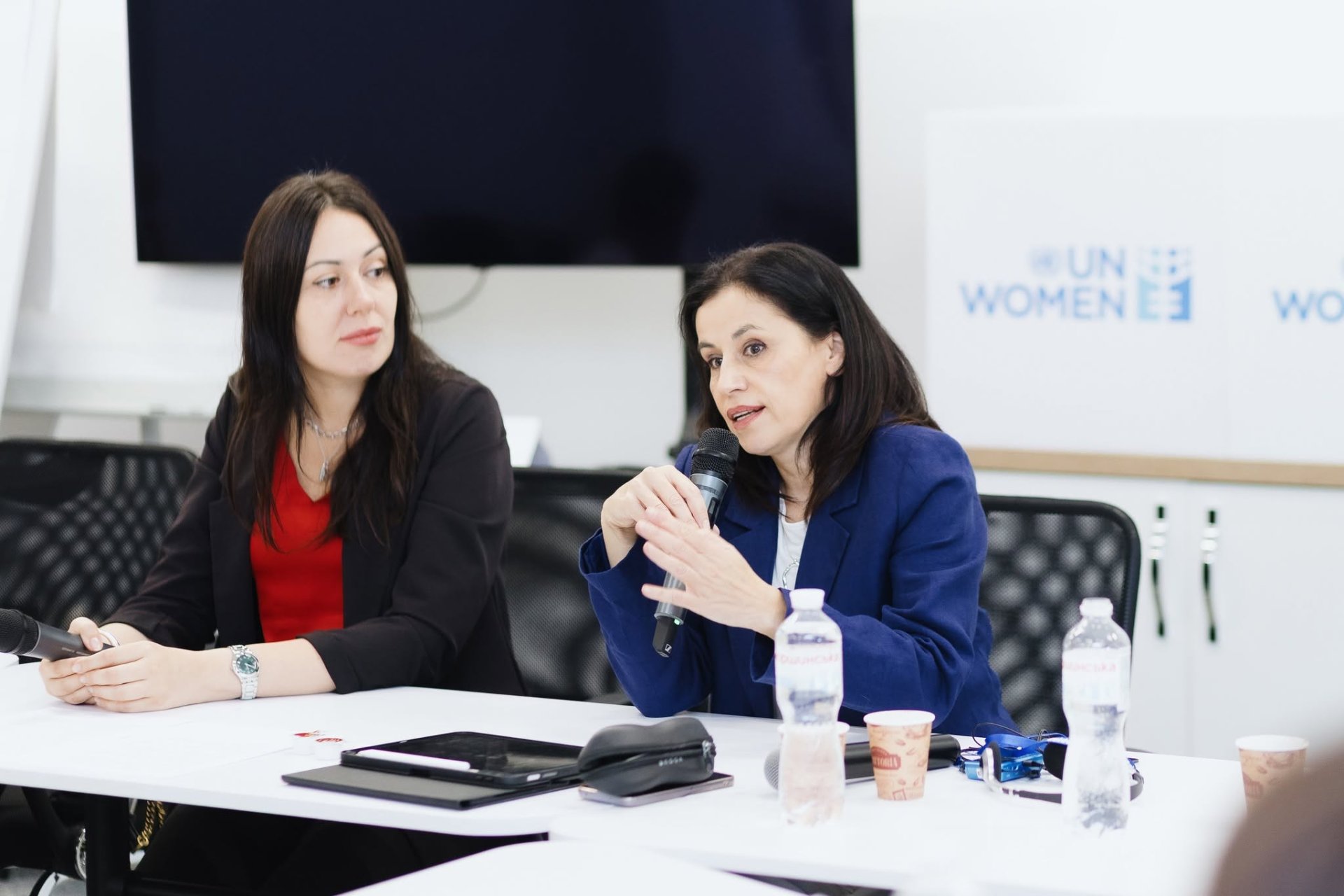
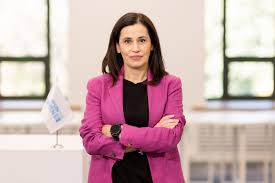
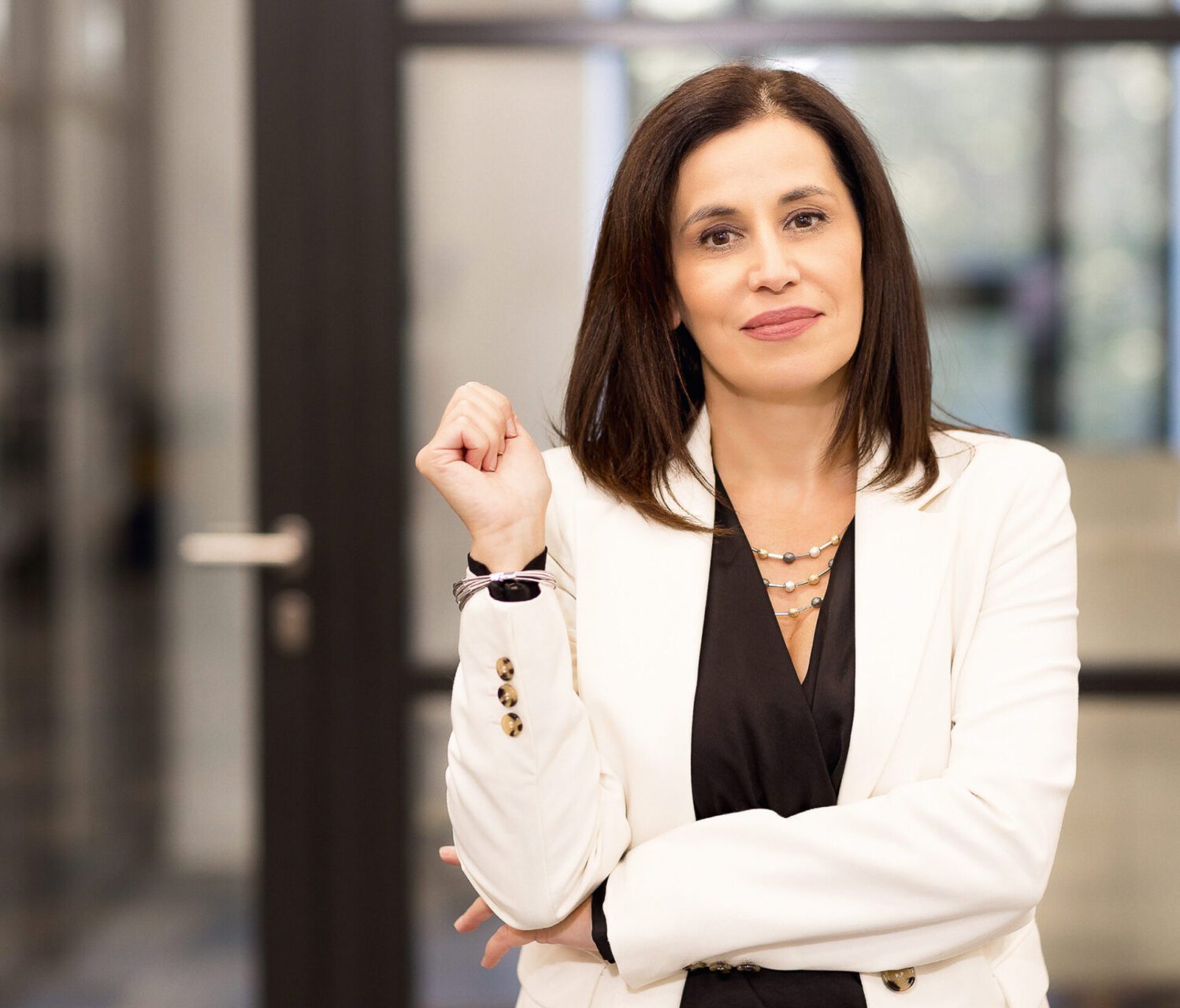
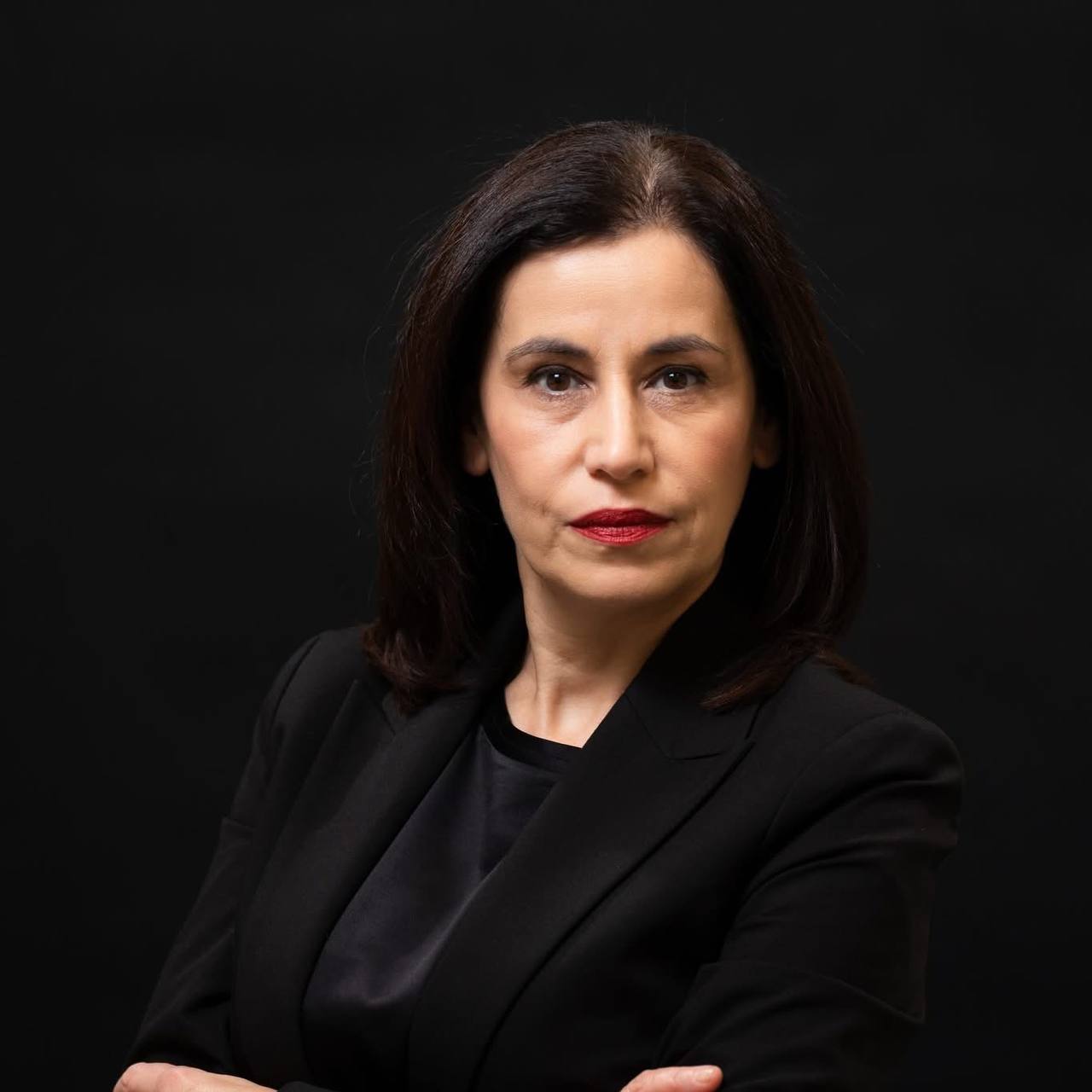
MOLDPRES INTERVIEW // What should a woman in an abusive relationship know? Dominika Stojanoska, UN Women Country Representative: “The violence is not her fault and she does not have to go through this situation alone”
Violence against women stays a challenge for Moldova, while preventing femicide requires early intervention, accessible protection services and effective cooperation among institutions. Beyond the statistics that reflect the scale of the phenomenon, changes in social attitudes, the combating of stereotypes and the removal of barriers that prevent victims from seeking help are necessary.
In an interview with MOLDPRES, Dominika Stojanoska, UN Women Country Representative, analyses the reasons that make it difficult to leave abusive relationships, the warning signs that may precede cases of femicide and the role of specialized services in protecting women and children. The official also speaks about the measures needed to strengthen the institutional response and society’s responsibility not to tolerate violence and to support victims without judging them.
MOLDPRES: Violence against women continues to be one of the most serious social problems and a violation of human rights. Mrs. Stojanoska, how widespread is this phenomenon in Moldova, what do the latest data show and how vulnerable are women to different forms of violence?
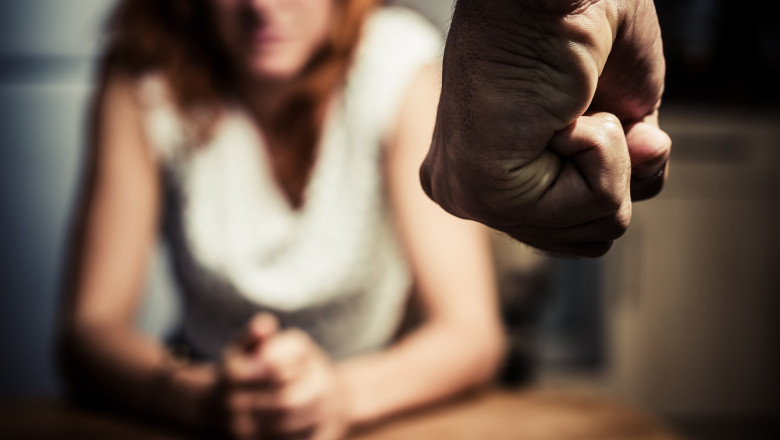
Dominika Stojanoska: Violence against women remains a serious and widespread problem in Moldova, taking various forms, including physical, sexual, psychological, economic and spiritual violence. It does not always begin with physical aggression, but may take the form of excessive control, isolation, humiliation, threats or restricting access to financial resources and personal decisions. Almost 7 out of 10 women have experienced at least one form of domestic violence during their lifetime, while two out of five women have been subjected to physical or sexual violence after the age of 15. Institutional data confirms the scale of the phenomenon: in 2025 alone, the police registered 23,727 reports and requests for assistance, as well as 850 criminal cases involving domestic violence.
This phenomenon is not isolated. Globally, one in three women experiences physical or sexual violence during her lifetime, most often at the hands of an intimate partner. A global survey shows that 38 per cent of women have been exposed to online violence.
At the same time, women are not affected equally, with certain groups facing increased risks and additional barriers to accessing protection and services. They include women with disabilities, older women, women living in rural areas, Roma women and other women experiencing multiple vulnerabilities.
Violence against women and girls represents a serious violation of human rights, and its physical, sexual and psychological consequences can be devastating, including fatal. It affects women’s health, well-being and ability to participate fully in social and economic life. At the same time, its impact is felt by families, communities and the society as a whole, generating significant costs for the health, justice and social protection systems, as well as economic losses caused by reduced productivity and labour market participation.
MOLDPRES: How many femicide cases have been registered in Moldova in recent years and what trends do this data highlights? What do these cases tell us about the effectiveness of measures to prevent lethal violence against women?Dominika Stojanoska: Femicide is the killing of a woman for reasons related to her gender and represents the most serious form of violence against women. In most cases, it is not an isolated act, but the culmination of repeated episodes of violence, threats, control and abuse.
In Moldova, a specialized commission operates at the Interior Ministry (MAI) to analyze cases of femicide and serious cases of domestic violence and violence against women, in order to identify risk factors and the measures needed to prevent such tragedies. According to the reports of the Commission for the Analysis of Cases of Femicide and Domestic Violence Resulting in the Death of the Victim or Serious Bodily Injury or Damage to Health, 24 femicide cases were registered in Moldova in 2022, 21 cases in 2023, 21 cases in 2024 and 13 cases in 2025[3]. The data show that femicide remains a persistent problem and one of the most serious forms of violence against women. It is also constantly noticed that women represent the majority of victims of fatal domestic violence. This pattern is maintained from year to year and confirms that women are disproportionately affected by extreme and lethal forms of violence.
Femicide is not only a local problem, but a global phenomenon. Worldwide, approximately 50,000 women and girls were killed in private environment in 2024, meaning that 137 women lose their lives every day as a result of violence perpetrated by partners or family members. This underscores the importance of early intervention, effective victim protection and treating every warning sign with the utmost seriousness.
MOLDPRES: To what extent are domestic violence cases preceded by risk signals that could indicate an escalation to extreme forms, including femicide, and how effectively are authorities able to identify these signals and intervene in time?Dominika Stojanoska: The data accumulated through case analysis show that many femicide cases are preceded by earlier episodes of violence, threats, coercive control or other risk signals. At the same time, there is no single pattern that would make it possible to identify with certainty which cases will develop into lethal forms of violence. Moreover, it would be more accurate to say that this data cannot be analyzed solely from a statistical perspective. For this reason, every case of violence must be treated with the utmost seriousness and assessed from the perspective of the victim’s safety. The consequences of femicide are devastating not only for the victim, but also for children, families and communities, making early intervention and the effective protection of people at risk essential.
MOLDPRES: What are the main warning signs indicating an increased risk of escalating violence against a woman, and what should authorities do to prevent cases with fatal consequences?Dominika Stojanoska: The reports of the Commission for the Analysis of Femicide Cases show that, in most cases, there were clear indications of risk before the tragedy occurred. This highlights the importance of identifying and managing these signals at an early stage, in order to prevent violence from escalating into lethal forms. Among the most frequent warning signs. there are repeated violence and the escalation of abuse over time, death threats, coercive control exercised by the perpetrator, a history of violence and the perpetrator’s presence in official records, violations of protection measures, as well as situations in which the victim attempts to leave the relationship. Economic dependence and the victim’s isolation may also limit her ability to seek help and leave the violent relationship. However, there is no single pattern that would make it possible to identify with certainty which cases will develop into lethal forms of violence. For this reason, it is important that each case of violence against women be treated with the utmost seriousness and receive a prompt risk assessment, so that tragic situations can be prevented.
MOLDPRES: Why is it so difficult for many women to leave an abusive relationship and seek help? To what extent do fear of the perpetrator, economic dependence and pressure from family or the community prevent them from taking this step?
Dominika Stojanoska: Leaving an abusive relationship is often a difficult process and does not involve a single moment of decision. Many women simultaneously face fear of retaliation, economic dependence, concern for their children, the lack of safe housing, pressure from family or the community and the hope that the perpetrator will change. Feelings of shame, guilt and fear can make it even more difficult to seek help.
At the same time, recent research shows that women also face a lack of information about their rights and available services, unequal access to support and protection, especially in rural areas, as well as stereotypes and attitudes that continue to blame victims. The study on access to justice for women victims of violence, including those from groups experiencing multiple vulnerabilities, highlights that economic dependence, the lack of safe housing and insufficient access to specialized services may lead some women to remain in or even return to abusive relationships.
That is why, it is important to understand that the question is not why women do not leave, but what obstacles prevent them from doing so safely. Responsibility for the violence always lies with the perpetrator, while the role of the society and institutions is to create the necessary conditions for women and their children to access protection, support and safe solutions when they decide to seek help.
MOLDPRES: To what extent can specialized services—from shelters and psychological counselling to legal assistance—protect women at risk and contribute to preventing femicide? How important is the coordination of these services?Dominika Stojanoska: Specialized services for victims play an essential role in preventing femicide. The Istanbul Convention clearly emphasizes that effective victim protection, access to specialized services and early intervention are key elements in preventing serious and lethal violence against women. Shelters provide immediate safety for women and their children, removing them from the perpetrator at a time of high risk. Psychological counselling helps victims overcome trauma, regain their confidence and their ability to make decisions for their own safety and the one of their children, while legal assistance enables them to access protection measures and exercise their rights. All these services can enhance the safety of women affected by violence and support them in deciding to leave an abusive relationship.
At the global level, there is a very clear standard: the Essential Services Package developed by more UN agencies, including UN Women, which recommends a coordinated response among the health, social services, police and justice sectors. The central idea is that a woman experiencing violence does not need just one service, but a system that works together for her safety, protection and recovery.
Findings from research conducted in Moldova confirm this need. Legal protection is more effective when accompanied by access to safe shelter, psychological support, legal assistance and social and economic support. Only an integrated response can help women and children safely escape the cycle of violence and rebuild their lives.
MOLDPRES: Moldova has made legislative and institutional progress in combating violence against women. What measures should be implemented as a priority, so that this progress translates into real protection and domestic violence is stopped before it has fatal consequences?
Dominika Stojanoska: In recent years, Moldova has made important progress in preventing and combating violence against women and domestic violence. Progress has been recorded across all four pillars of the Istanbul Convention, which was ratified by Moldova in 2021: prevention, protection, prosecution and integrated policies. The legislative, regulatory and institutional framework has been strengthened in line with the Istanbul Convention. More forms of violence have been criminalized, including harassment, digital violence, forced marriage and femicide. Protection measures have also been strengthened and specialized services expanded, including the establishment of the Family Justice Centre under the General Police Inspectorate and the creation of the first regional Integrated Service for Victims of Sexual Violence in Ungheni. An important step in strengthening inter-institutional coordination was the creation of the National Agency for Preventing and Combating Violence against Women and Domestic Violence, tasked with coordinating institutional efforts in this area.
To prevent violence before it escalates, it is essential to continue efforts to enforce the law and strengthen coordination among institutions, in accordance with the four pillars of the Istanbul Convention. It is important to integrate the prevention and combating of violence against women and domestic violence into public planning and budgeting processes, in order to ensure adequate and sustainable resources.
Sustained investment in prevention is needed, including combating stereotypes and social norms that tolerate violence, promoting gender equality and relationships based on respect and consent, including through education and work with young people. It is also necessary to continuously strengthen professionals’ capacities to identify risks at an early stage and ensure a coordinated, victim-centred response, adapted to the continuously developing legislative and institutional framework. Non-governmental organizations remain essential partners, both by providing specialized services for survivors and through prevention, awareness-raising and advocacy activities. Supporting them is essential for preventing and combating all forms of gender-based violence.
MOLDPRES: What should a woman living in an abusive relationship and fearing for her life know? Where can she find help and what measures can she take to protect herself and her children?Dominika Stojanoska: The most important message is that the violence is not her fault and that she does not have to go through this situation alone. Every woman has the right to safety, respect and protection, regardless of the form of violence she is experiencing.
If she fears for her life, health or physical integrity, or for the ones of her children, it is important to seek help as early as possible and speak to someone she trusts. Women and girls can call the Women and Girls’ Trust Line at 0 8008 8008 for emotional support, information, counselling and referral to protection services and specialized assistance. In situations of imminent danger, they should call 112 immediately.
The police can immediately issue an emergency restraining order, a temporary protection measure valid for 10 days. Women affected by violence can request free assistance from state-provided lawyers, by submitting an application in person to one of the territorial offices of the National Council for State Guaranteed Legal Assistance, or by phone. A lawyer or specialized organization can also help submit the documents required to the court for the issuance of a protection order valid for up to six months, with the possibility of extension.
It is important for women to know that they do not have to wait until the violence becomes extreme to seek help. In many cases, serious violence is preceded by controlling behaviour, humiliation, intimidation, threats or other forms of abuse that tend to intensify over time. The earlier support is sought, the greater the chances of protection and of safely leaving the abusive relationship. If they encounter a lack of understanding, prejudice or a lack of support from a person or institution, it is important to continue seeking help elsewhere.
Support from those around them is essential. If you suspect that a woman is experiencing violence, stay in contact with her, listen without judging and provide information about available support services. Respect her confidentiality and decisions, but if you believe that her life or physical integrity is in imminent danger, call 112 immediately. Sometimes, the support of a trusted person can be the first step towards safety and access to specialized assistance.
On 2 July 2010, the United Nations General Assembly unanimously voted to establish UN Women, the UN agency dedicated to promoting gender equality and women’s empowerment. The organization was created to accelerate progress in ensuring the rights of women and girls and to respond more effectively to their needs worldwide.UN Women supports initiatives to combat discrimination and all forms of violence against women and girls, promoting equal opportunities, women’s participation in decision-making and their access to justice and protection services.
In Moldova, the organization works with authorities, civil society and development partners, in order to prevent and combat violence, strengthen protection mechanisms and promote a society in which women and girls can exercise their rights in conditions of equality and safety.


 Facebook
 Instagram
 X/Twitter
 Telegram
MOLDPRES INTERVIEW // ANSC Director: We make sure that path of public money to hospitals, schools or infrastructure fair and transparent
MOLDPRES INTERVIEW // Vice President of Romanian Academy says academic, research environment of Moldova advanced, can be efficiently integrated into European, international structures
MOLDPRES INTERVIEW // Rector of University from Romanian city says if someone overturns your history, national identity, it means you don’t have enough knowledge
MOLDPRES INTERVIEW // Director of South Regional Development Agency says Agency creating better living conditions, easier life for thousands of residents
MOLDPRES INTERVIEW // Lithuanian Ambassador about prospects of Moldova’s EU accession: If you make things real, they will become achievable
MOLDPRES INTERVIEW // Moldovan finance minister says government aims to modernize financial system for benefit of businesses, citizens
MOLDPRES INTERVIEW // Ambassador of State of Qatar to Moldova: We are working to improve ways of attracting Qatari investors to Moldovan market
MOLDPRES INTERVIEW // President of Moldova's Chamber of Commerce and Industry says country must use opportunities provided by European integration to attract investments, become competitive
MOLDPRES Interview // Minister of Internal Affairs: Interior Ministry applies European security standards and is ready to advance in EU accession process
MOLDPRES INTERVIEW // Moldovan energy minister says foremost interest citizens to have secure energy at affordable prices
Moldovan justice minister says, according to European Commission’s Report, Moldova made greatest progress among EU candidate states, including in justice field
INTERVIEW MOLDPRES // Moldovan defense minister says Russia's war in Ukraine highlighted vulnerability of defense sector, need of building strong, prepared, resilient army to current challenges
INTERVIEW WITH MOLDPRES // Deputy PM says wants Moldova where a child from any village has same opportunities as a child from Chisinau
INTERVIEW MOLDPRES // Deputy Prime Minister on Ukraine Peace Agreement: No discussion about Moldova can take place without Chișinău's participation
PHOTO, VIDEO // Moldovan head of state president welcomed by Hungarian president at Sándor Palace in Budapest
Drone illegally entered airspace of Moldova, disappears from radar
Two members of Judges' Evaluation Commission to end activities on 31 December 2026
Energy consumption in ten hospitals in Moldova expected to drop by 40%; first two hospitals begin renovation
CHINA EXPO – Christmas Sale to be held for first time at Moldexpo on December 17
State Secretary for Reintegration: Revenue from taxes imposed in Transnistrian region will return to population through Convergence Fund
MOLDPRES INTERVIEW // What should a woman in an abusive relationship know? Dominika Stojanoska, UN Women Country Representative: “The violence is not her fault and she does not have to go through this situation alone”
 National Bank of Moldova

COMMENTARY on Tiraspol event
Summary of Moldovan parliament's plenary meeting held on October 22, 2026
Balti city mayor to be assisted by own cabinet; Moldovan parliament passes relevant draft in first reading
Moldovan MPs vote on draft on tax, customs facilities for import of 24 musical instruments meant for national collection of musical instruments
Moldovan parliament votes in first reading: construction of Straseni–Gutinas power line, modernization of Straseni substation to be declared of national public utility

Ukraine's Ambassador to Chisinau: Dniester incidents must be investigated, findings made public
PHOTOS // Story behind legend of Dracula: Irish culture, film from 1931 presented in Chisinau
Prosecutor Petru Iarmaliuc passes external integrity assessment
Summary of Moldovan parliament's plenary meeting held on October 22, 2026
Moldovan environment minister, Romanian counterpart discuss environmental cooperation
Judge Veaceslav Cernalev heard by Commission for Evaluation of Judges
Balti city mayor to be assisted by own cabinet; Moldovan parliament passes relevant draft in first reading
Moldovan MPs vote on draft on tax, customs facilities for import of 24 musical instruments meant for national collection of musical instruments
OSCE Permanent Council: Moldova rejects Russia’s claims concerning Transnistria, calls for withdrawal of military forces from its territory
Moldovan parliament votes in first reading: construction of Straseni–Gutinas power line, modernization of Straseni substation to be declared of national public utility
PHOTO // Three Moldovan carabineers return from Kosovo after six-month peacekeeping mission
Access to education, quality public services in focus during visits by secretary general for reintegration to Tiraspol, Bender, Varnita
Romania's new PM to pay first visit to Chisinau on October 27
Moldovan parliament adopts fiscal, customs policy package for 2027
Moldovan government's deputy secretary general says Moldova’s European path runs through country's villages, benefits of reforms must be felt locally
Cooperation between Moldova, International IDEA discussed in Chisinau
Receive the latest news directly to your email

Receive the latest news directly to your email