
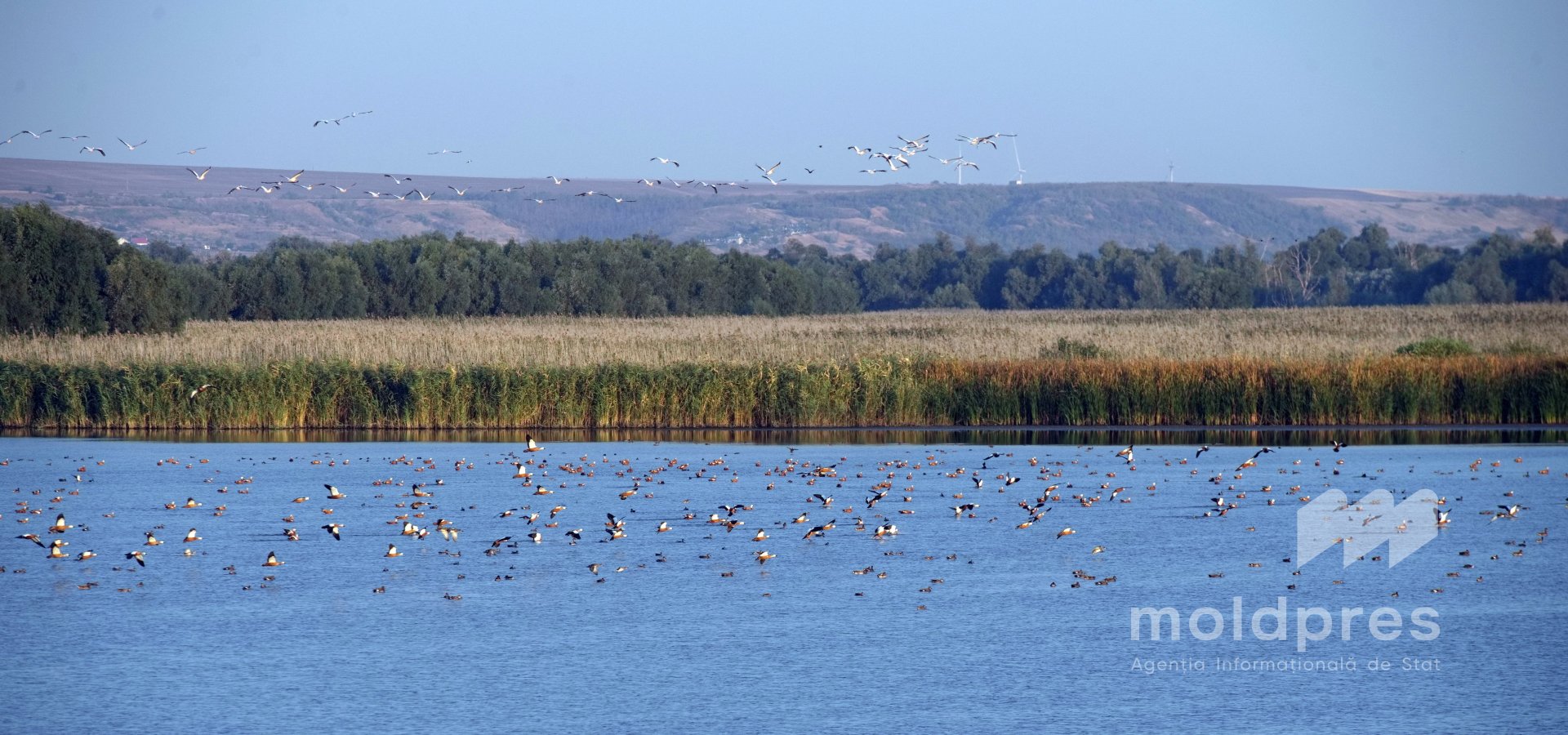
Discover Moldova with #MOLDPRES: wetlands, ecosystems of global value, between biodiversity, traditions, unique tourist experiences
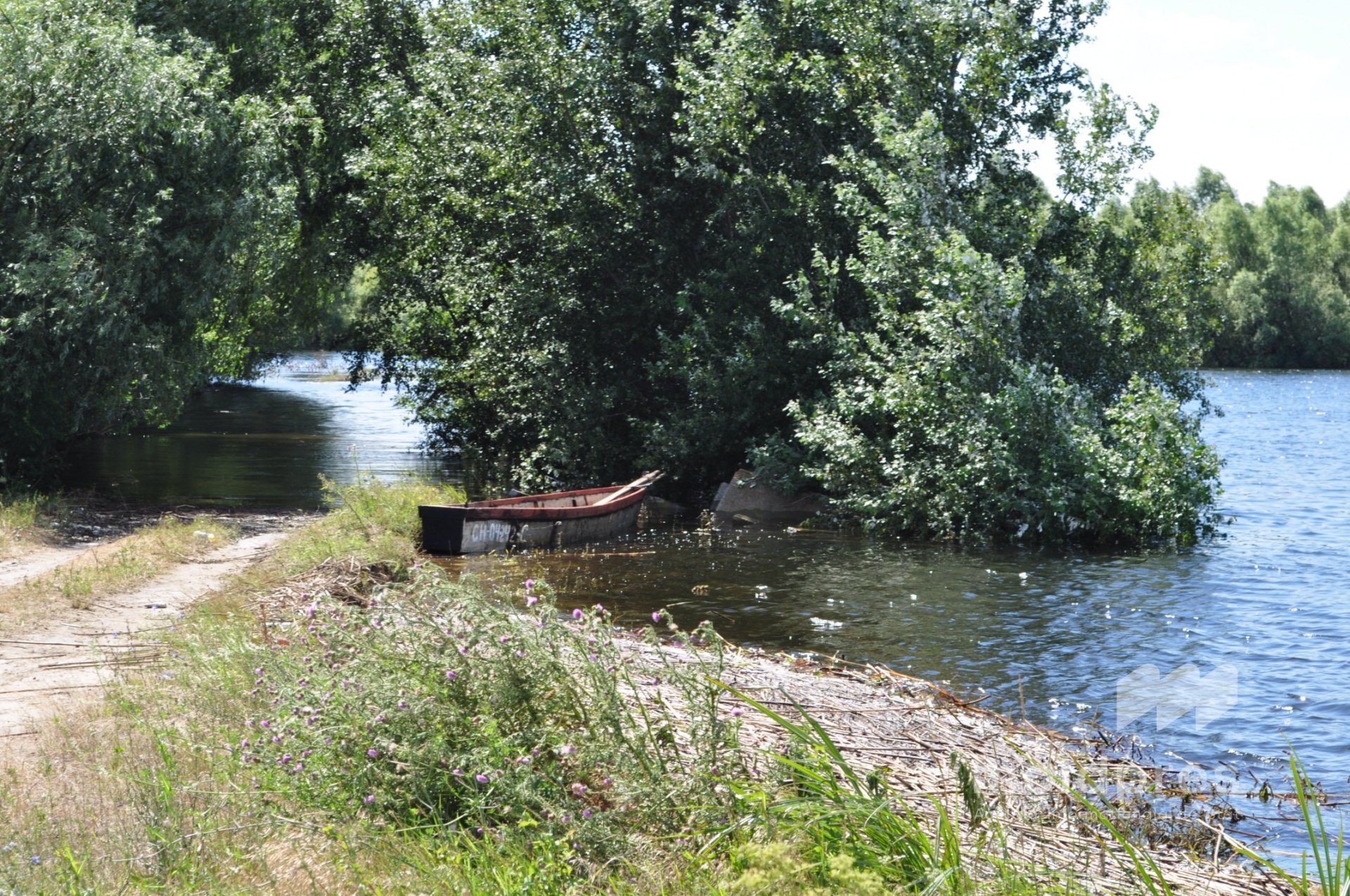
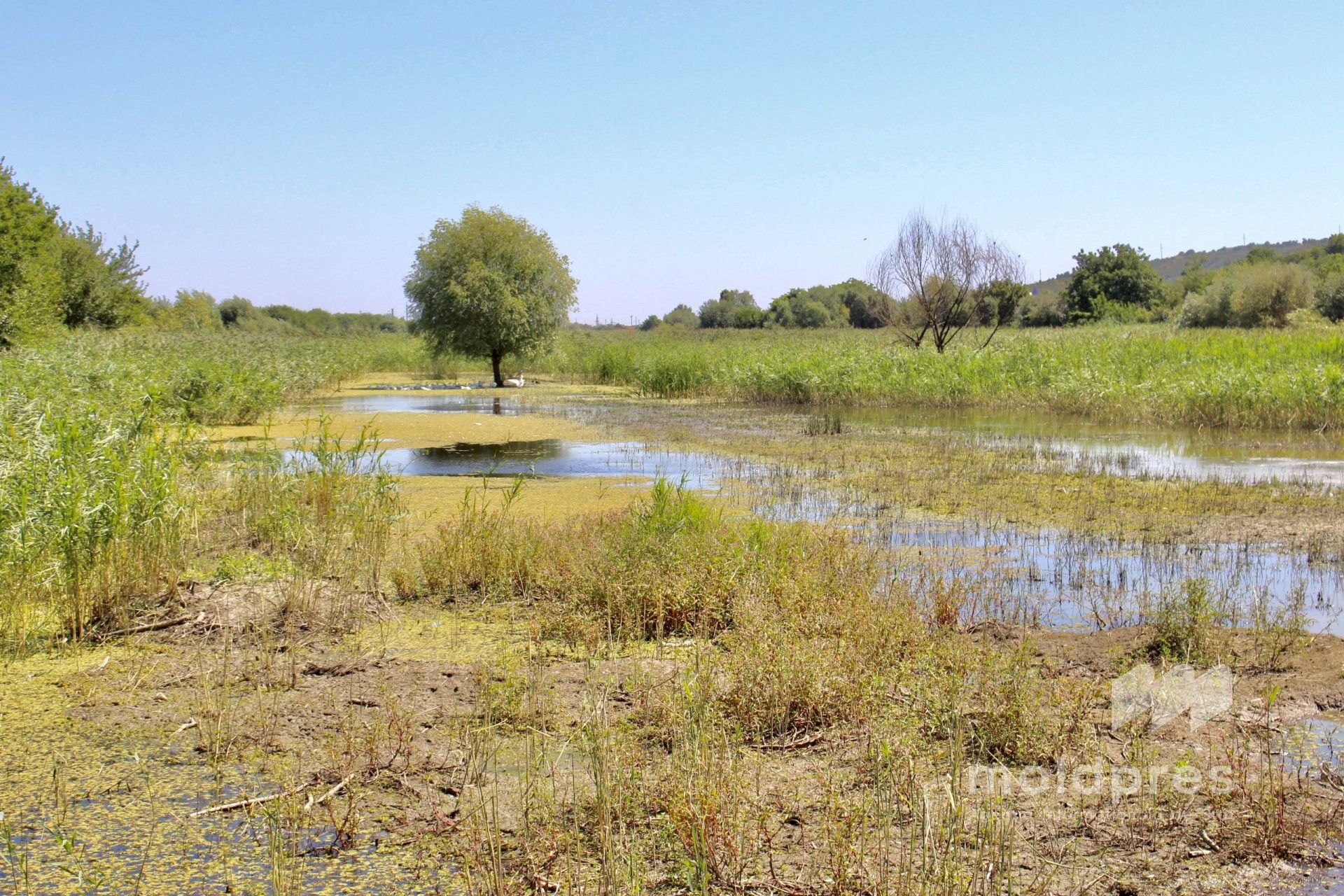
Moldova on February 2 marks the World Wetlands Day, a global event that highlights the importance of wetland ecosystems for the environment, communities and cultural heritage. This year’s subject, Wetlands and Traditional Knowledge: Celebrating Cultural Heritage, emphasizes the role of local communities in conserving these vital habitats and the deep connection between nature, traditions, and knowledge, passed down from generation to generation.

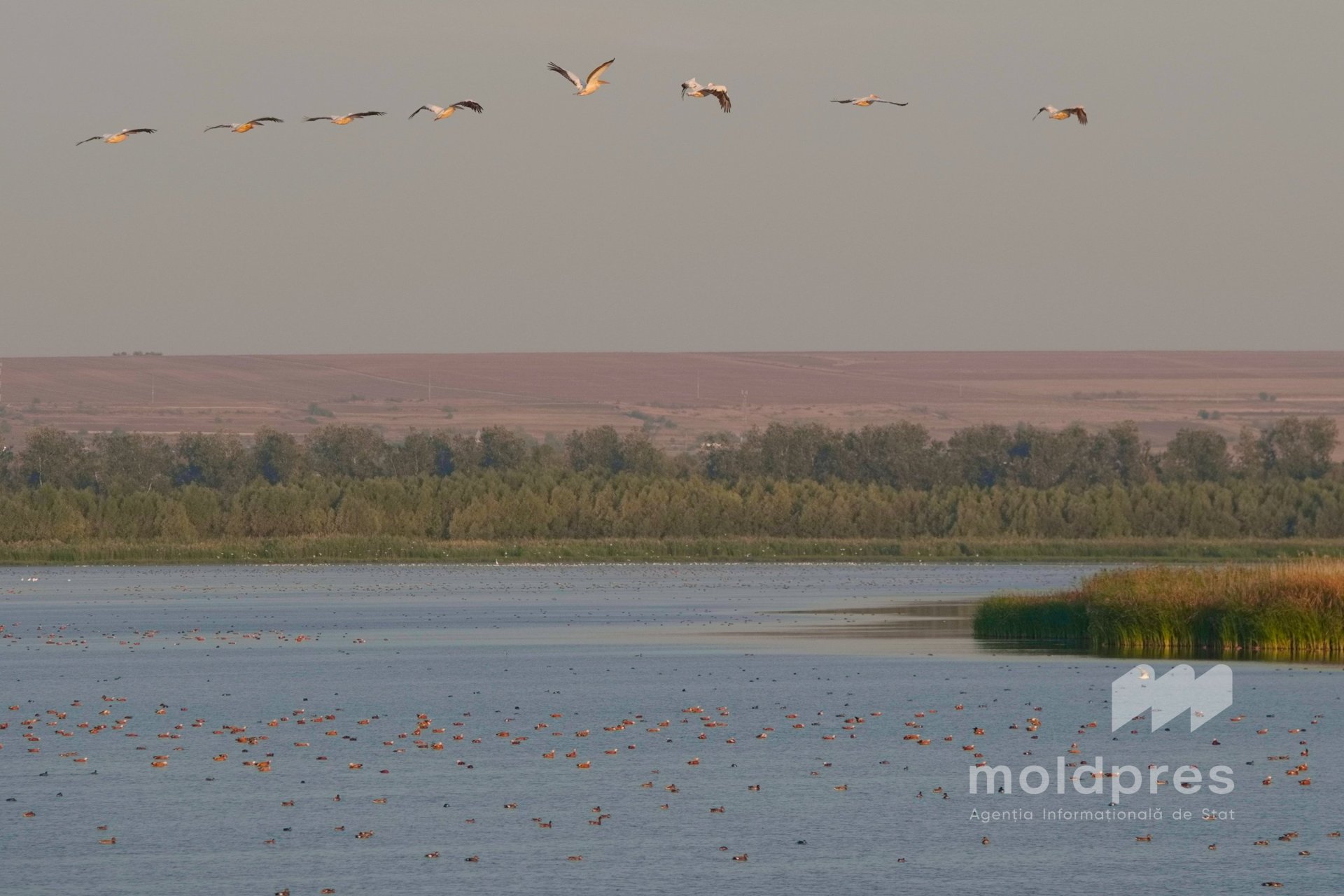
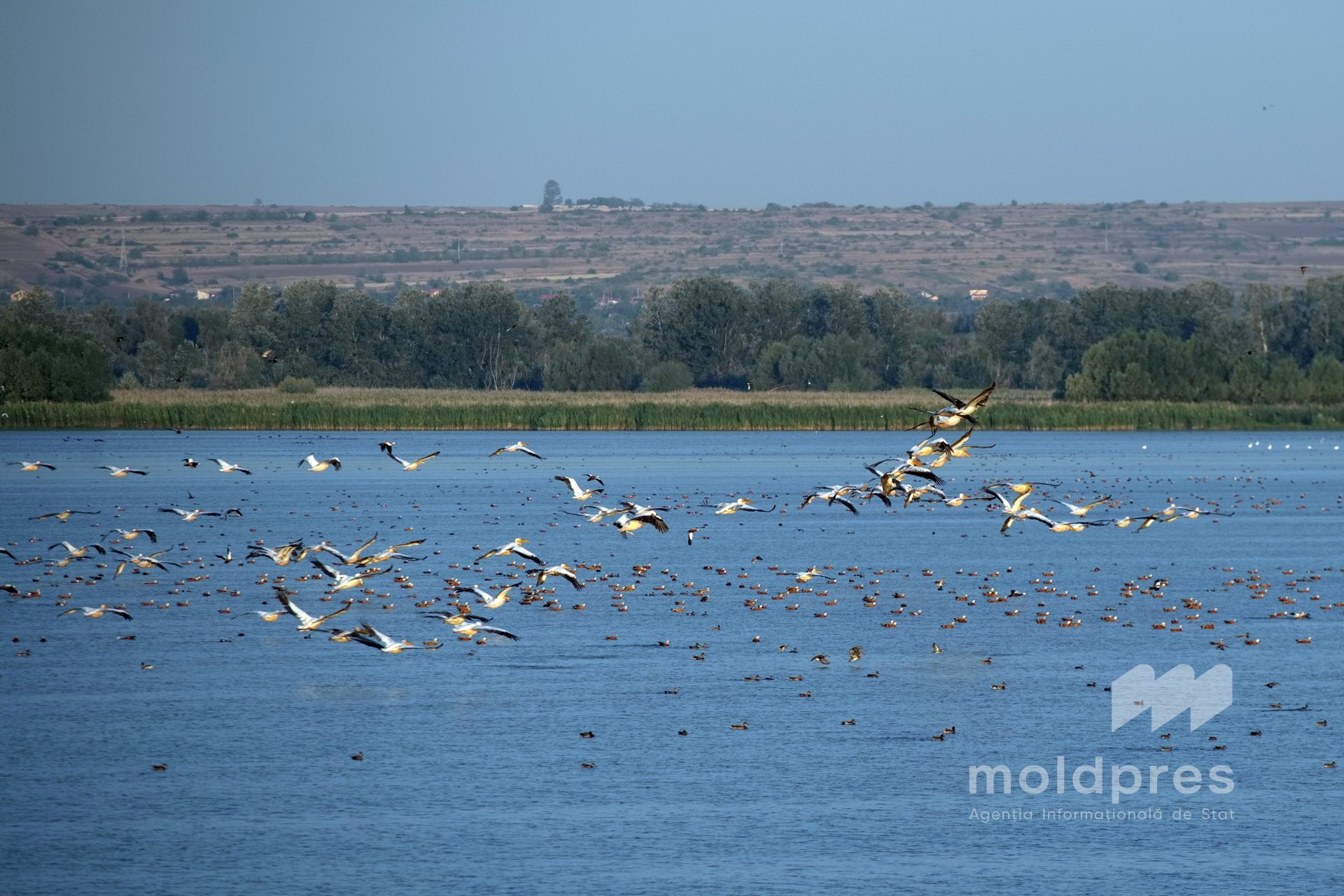
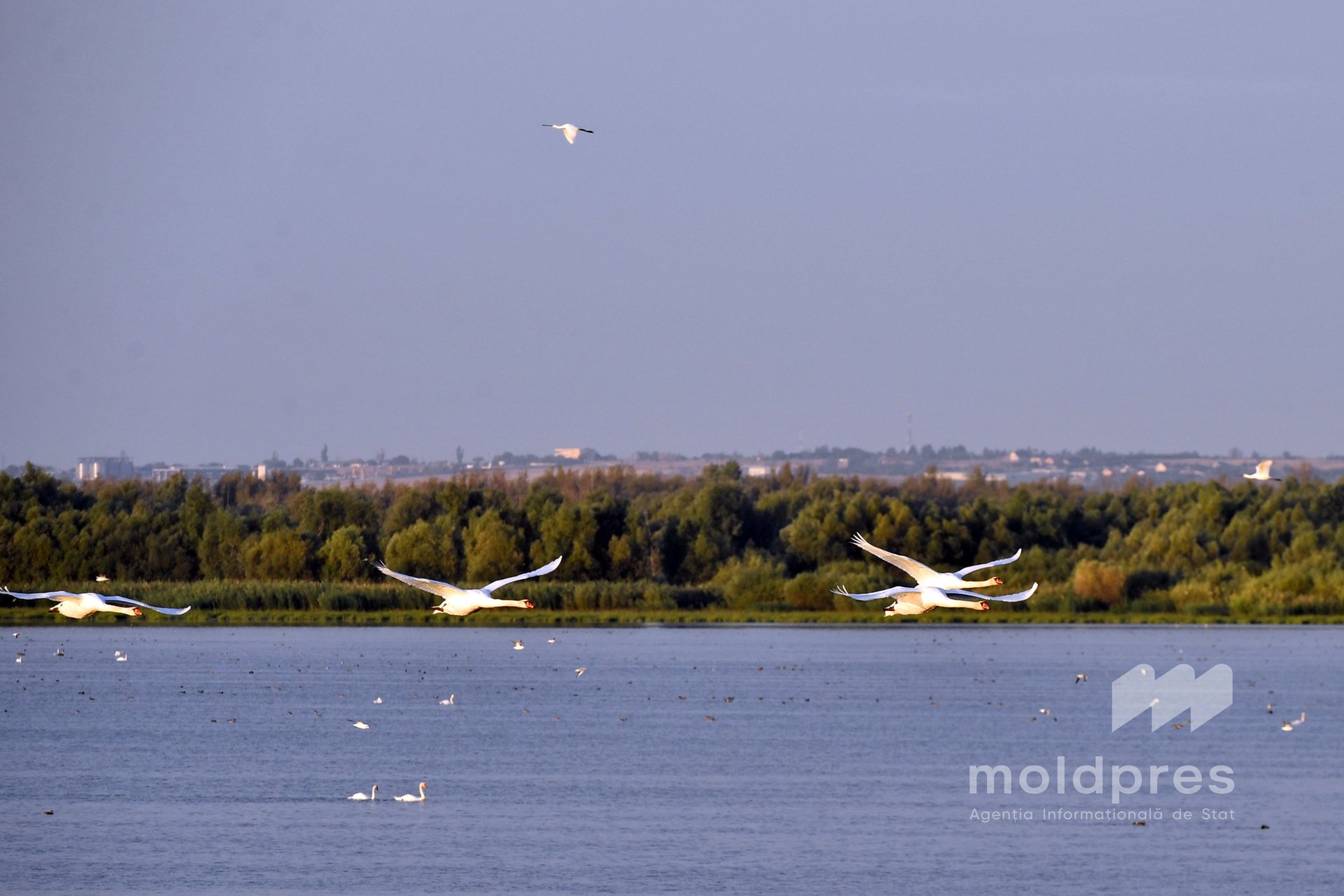
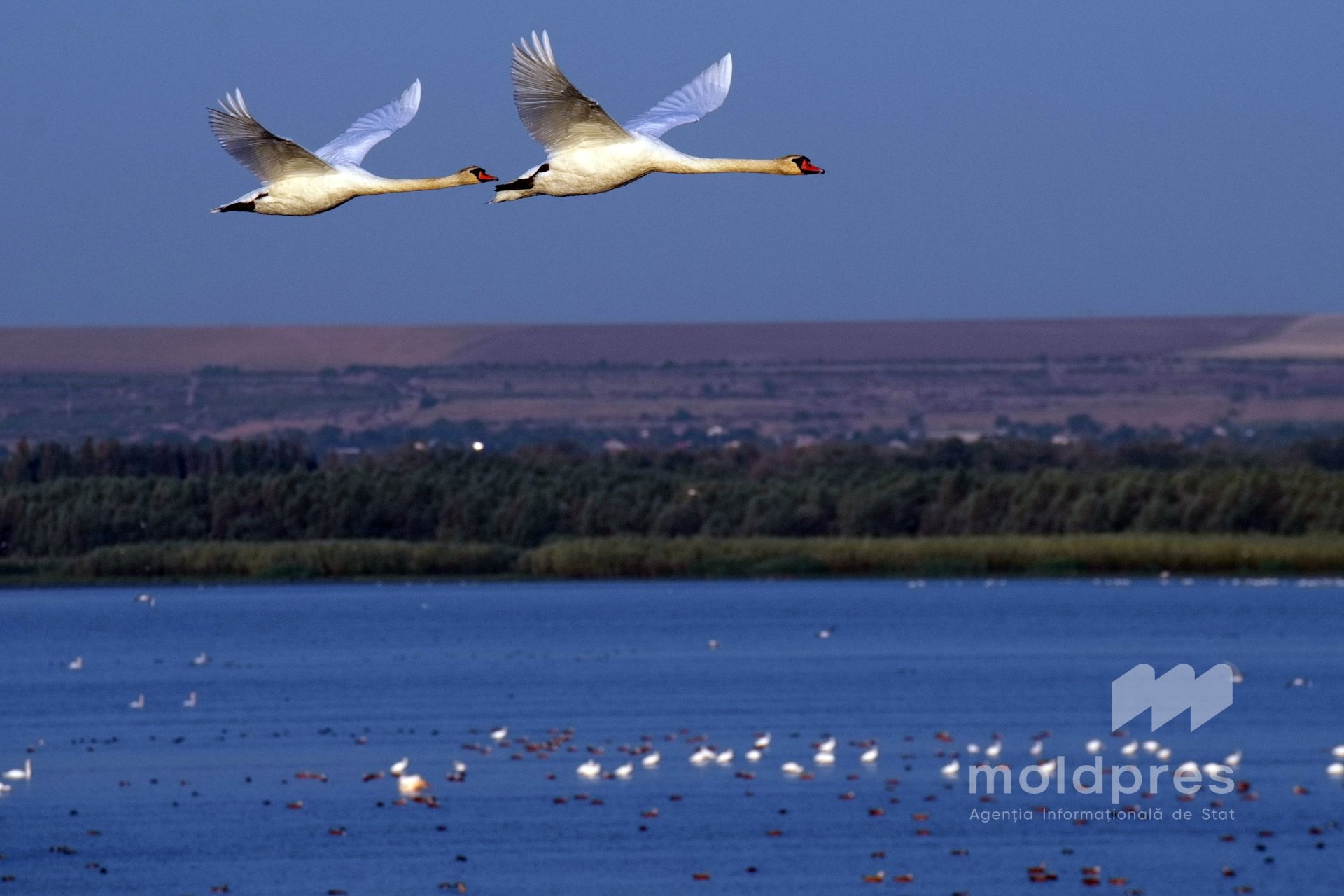
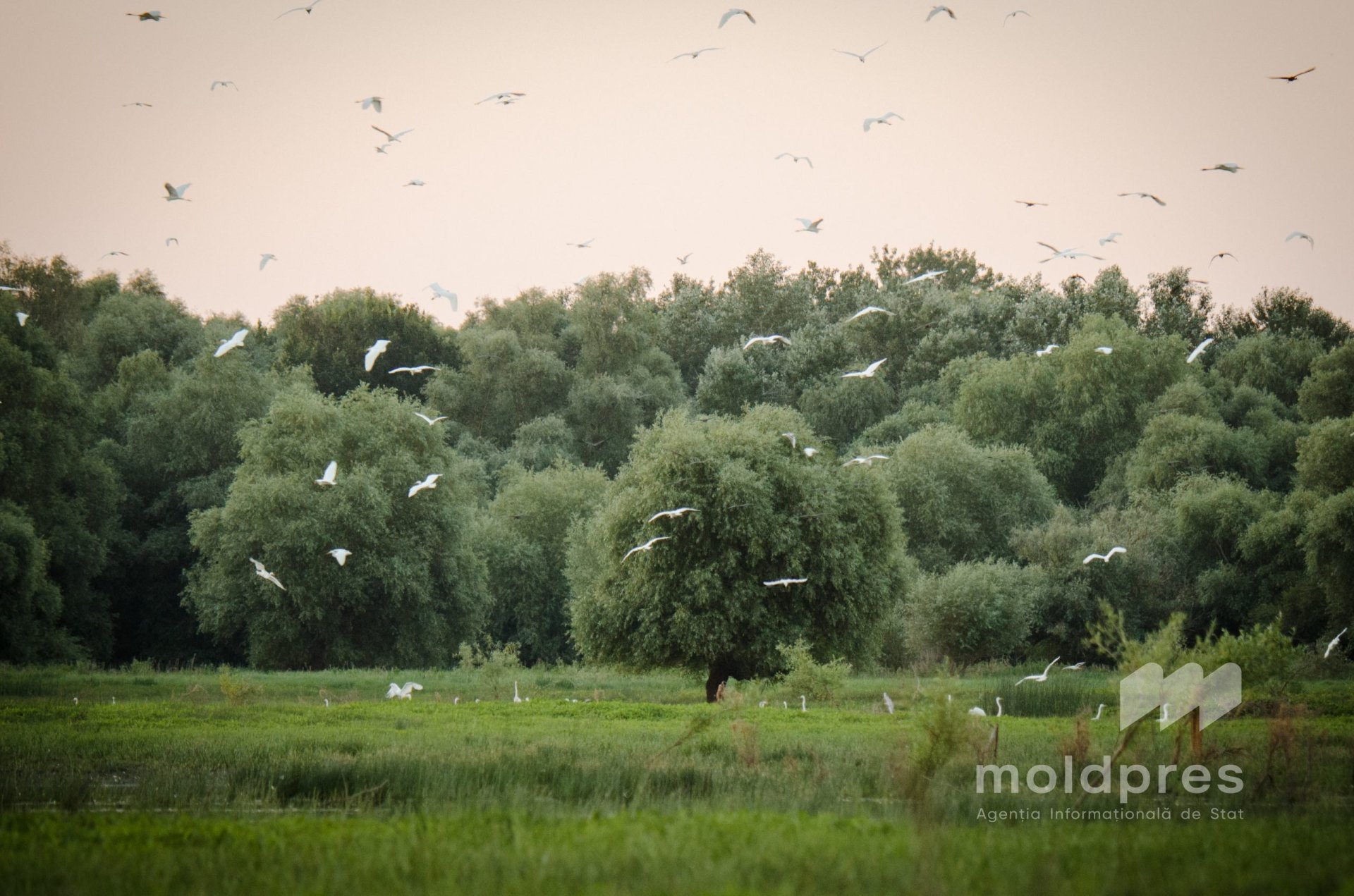
Moldova is proud of three wetlands of international importance, designated under the Ramsar Convention: Lower Prut Lakes, Lower Dniester, and Unguri–Holosnita, with a total area of 94,705 hectares. These natural areas are not only habitats for rare and protected species – such as the wildcat, otter, pelican, swan, or pygmy cormorant – but also a true natural treasure that ensures ecosystem balance and contributes to the well-being of communities.

Ecological functions and benefits for communities

Wetlands act like true “natural sponges,” retaining excess water during periods of heavy rainfall and reducing the risk of floods. They also contribute to the natural filtration of water by retaining pollutants, sediments and heavy metals, and by replenishing groundwater resources. Moreover, these ecosystems provide protection against storms and tidal waves, mitigate the negative effects of climate change and help maintain biodiversity, serving as an essential habitat for numerous plant and animal species. At the same time, they offer cultural and recreational value, being ideal places for tourism, education, research and local traditional activities.

International and historical heritage

World Wetlands Day is annually marked on February 2, marking the adoption of the Ramsar Convention in Ramsar, Iran, in 1971 – one of the first international treaties dedicated to the conservation of natural heritage. Moldova ratified the convention in 1999, becoming an official member in 2000, with the designation of its first Ramsar site, Lower Prut Lakes. This was followed by the Lower Dniester site (2003) and Unguri–Holosnita (2005). These ecosystems are vital not only for the environment, but also for the economy and tourism. Wetlands contribute to regional development through ecological and cultural tourism, generating income for local communities and opportunities for recreation, bird and local flora watching, as well as for research and education.

Ecotourism and unique experiences

For tourists, Moldova’s wetlands offer authentic and diverse experiences:

- Guided trails and educational tours for discovering local biodiversity;

- Birdwatching and wildlife observation;

- Research, photography, and eco-tourism activities;

- Exploring traditions and local knowledge related to water, fishing and crafts.

Visiting these natural areas not only provides memorable experiences, but also supports their conservation by promoting responsible and sustainable tourism.

Challenges and responsibility

Climate change, overpopulation and irrational use of land and water resources threaten the integrity of wetlands. Their conservation requires the active involvement of local communities, effective policies, international cooperation, and public awareness. Protecting these ecosystems is essential for the environment, as well as for culture, the economy and tourism.

The role of traditional knowledge

The 2026 subject underlines that wetland conservation is not only a technical or legislative matter, but also a cultural one. Local traditions, customs passed down through generations and the sustainable practices of communities living around wetlands are vital for protecting these ecosystems and for passing on natural and cultural heritage to future generations.

Facts and curiosities

- Over 2,500 Ramsar sites are registered worldwide, in more than 170 countries.

- Approximately 40 per cent of plant and animal species depend on wetlands.

- Wetlands slow soil erosion and protect communities from floods.

- The common willow, frequently found in these ecosystems, produces salicylic acid, used as an analgesic.

Moldova demonstrates that valuing wetlands can be a driver of sustainable and tourism development, offering visitors authentic nature experiences, opportunities for learning and recreation and strengthening the country’s natural and cultural heritage. The conservation and promotion of these ecosystems stay a priority, and every responsible visit contributes to preserving them for future generations.
 Facebook
 Instagram
 X/Twitter
 Telegram
Discover Moldova with #MOLDPRES: Men’s caroling groups, tradition, spirituality at Palanca, Calarasi district
Discover Moldova with #MOLDPRES: Old Style Christmas, between traditions, customs and meanings
Discover Moldova with #MOLDPRES: Take Home from Moldova – authentic presents, memories from Moldova
VIDEO // Roman, early medieval archaeological artifacts to be exhibited at museum in southern Moldova
PHOTO // Tourist destinations from northern Moldova highlighted through Heart of Moldova tour
PHOTO, VIDEO // Discover Moldova with #MOLDPRES: Wine Vernissage 2025 - where tradition, excellence, tourism meet under sign of Moldovan wine
Moldova promoted in Vogue Polska: spectacular appearance putting country on map of inspiring destinations
PHOTO, VIDEO // Discover Moldova with #MOLDPRES: 'Wheel of Time' – a cultural and tasty journey, part of cross-border gastronomic route
PHOTO, VIDEO // Discover Moldova with #MOLDPRES: Gate of the Nation, where traditions come to life
PHOTO, VIDEO // Discover Moldova with #MOLDPRES: Mircești winery – 'Little Tuscany' of Ungheni, bridge between tradition, wine, tourism like in Europe
Discover Moldova with #MOLDPRES: Casa din Luncă - a haven of peace and tradition in heart of Old Orhei
Discover Moldova with #MOLDPRES: “At Tanti Masha's”: tradition, family recipes, tourist experiences and community on Romania-Moldova Gastronomic Route
PHOTO // Moldovan Wines conquer Switzerland at EXPOVINA 2025 in Zürich
Discover Moldova with #MOLDPRES: from vineyards to hospitality. how authentic wine, tourism experiences were promoted at World Wine Tourism Day 2025
Judicial reform, rule of law in focus of discussions between Moldovan president, new Head of Council of Europe Office
Moldovan parliament's standing bureau approves agenda for September 24 plenary meeting
Energocom company of Moldova requests gas prices' adjustment after 42-per cent rise in European quotations
Moldova, Mongolia abolish visa requirements for holders of diplomatic, service passports
Vulcănești–Chișinău Power Line: defective equipment at Chișinău substation repaired
DOC // Moldova has new media law
DOC // Decision on declaring state of emergency in energy and hydrological sectors published in Official Journal
 National Bank of Moldova
Judicial reform, rule of law in focus of discussions between Moldovan president, new Head of Council of Europe Office
Moldovan parliament's standing bureau approves agenda for September 24 plenary meeting
Topics considered at meetings of Moldovan parliament's standing commissions on September 23, 2026
New opportunities for professional development, salary supplements for employees in Moldova's social assistance system
Parliament to ratify new agreement between Moldova and Romania on strategic transport infrastructure

Civil protection and fire protection to be regulated by rules aligned with European standards
Clearer, more visible health warnings on tobacco products' packaging in Moldova
Vulcănești–Chișinău Power Line: defective equipment at Chișinău substation repaired
DOC // Moldova has new media law
DOC // Decision on declaring state of emergency in energy and hydrological sectors published in Official Journal
Legal framework for integration of foreigners in Moldova to be strengthened
National legislation on electronic evidence to be aligned with international standards
Energy communities: clearer rules for establishment and registration
VIDEO // Officials and international experts present opportunities for Moldova’s organic agriculture in Chisinau at Southeast European Conference
Modernization works for district heating systems in Chișinău and Bălți to be declared matter of national public utility
Obtaining permits and approvals for renewable energy production to be simplified
StratCom analyzes main vulnerabilities of regional information environment ahead of elections in Gagauzia
Parliament to examine legislative measures to strengthen NBM independence in line with European standards
PHOTO GALLERY // Journey through Northern Moldova through MOLDPRES lens
Prime Minister visits New York: bilateral meetings and address to plenary of UN General Assembly
Moldova and Kazakhstan strengthen cooperation
Receive the latest news directly to your email

Receive the latest news directly to your email