
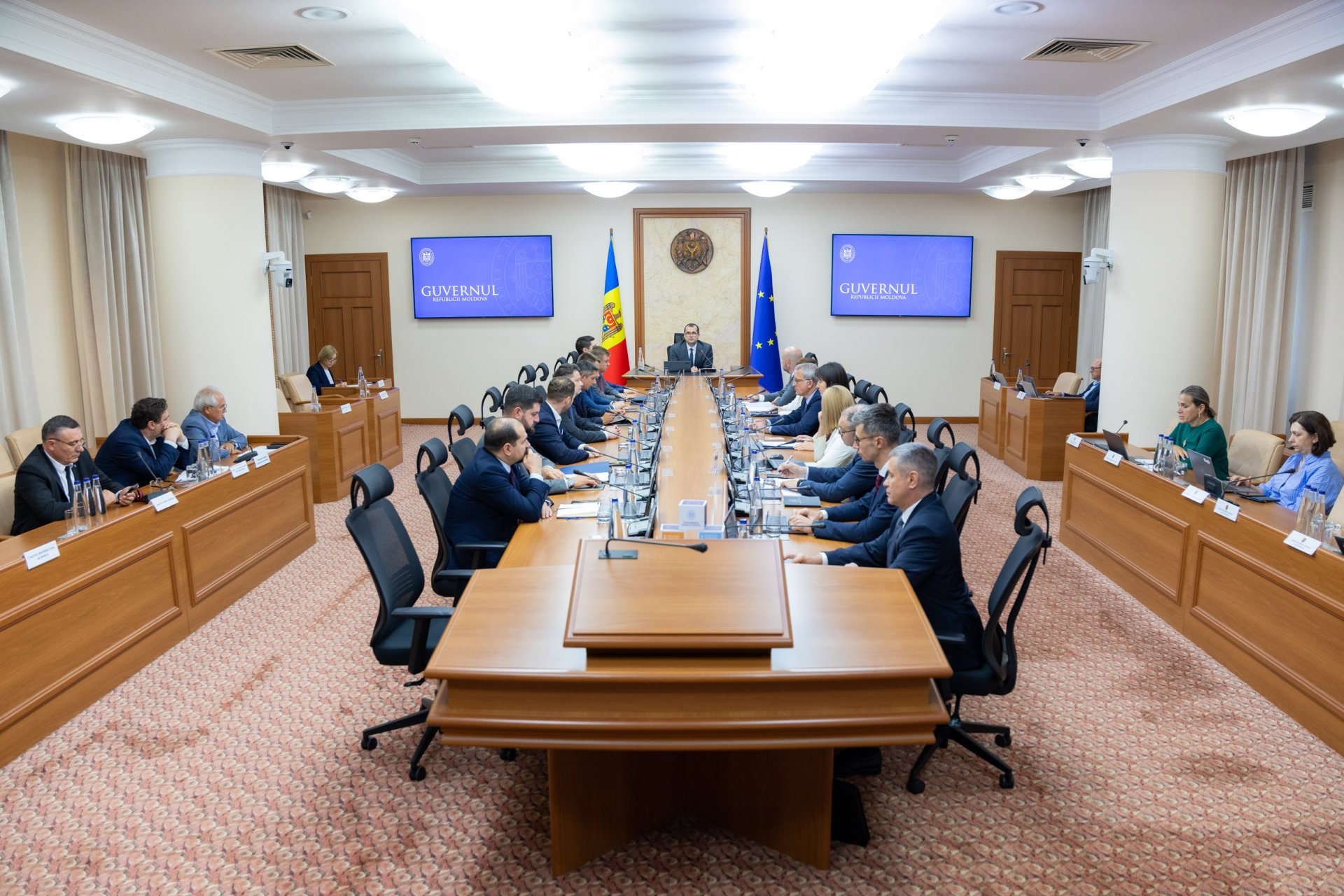
Fiscal and Customs Policy for 2027 approved by Government
The Cabinet of Ministers approved at today’s meeting the fiscal and customs policy package for 2027, aimed at simplifying and streamlining the relevant legislation. The document provides for amendments to the Tax Code, Customs Code and other related regulatory acts and was developed following consultations with the business community, public authorities and taxpayers.

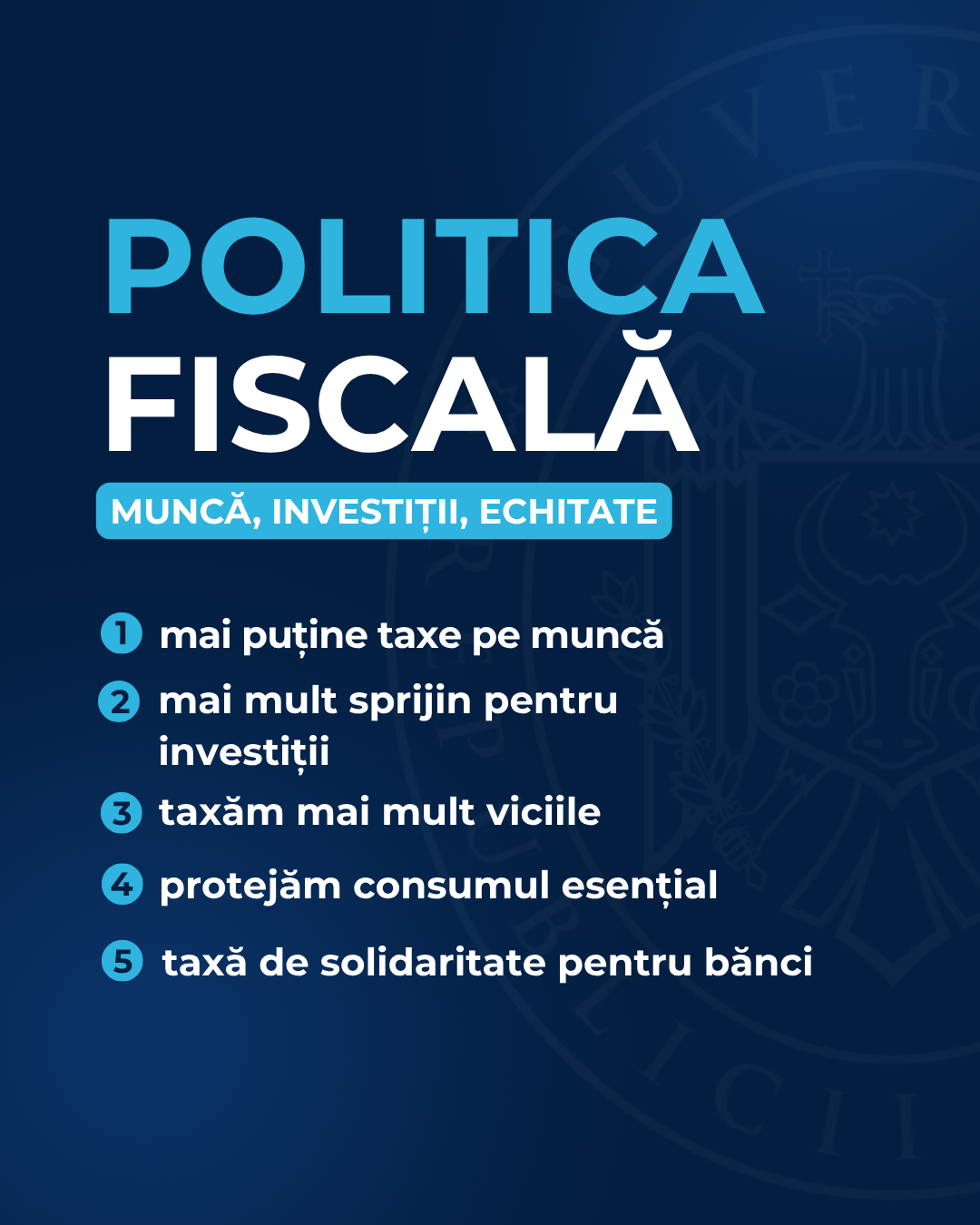
The new measures seek to create a fairer, simpler and more predictable tax system, encourage investment and profit reinvestment, and gradually align national legislation with European Union standards.

“The way a state sets its priorities in fiscal policy determines how the economy will function. Our vision is as follows: we tax labor less, we tax investment less, but we compensate through higher taxation of harmful activities. We need a balanced fiscal policy so that we can pay our bills, implement the salary legislation and cover the debts owed to farmers. I continue to encourage civil society and the business community to get involved. If there are still shortcomings or things that need to be corrected, we have the opportunity to do so between the parliamentary readings,” Prime Minister Vasile Tofan said.

Minister of Finance Victoria Belous said that the fiscal policy is largely proposed to enter into force in 2027, with the exception of VAT on parcels, for which the proposal is to take effect on 1 October this year.

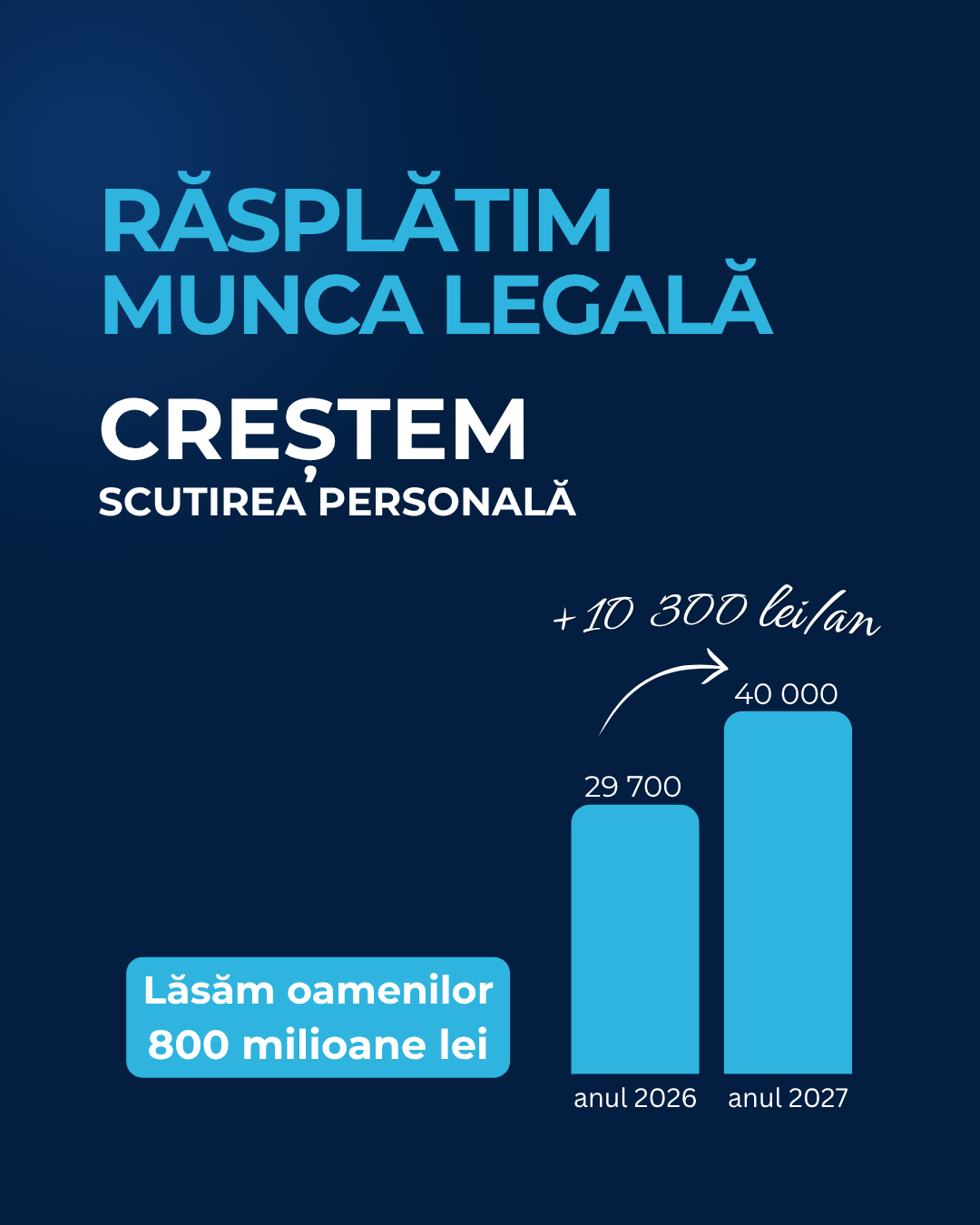
Regarding personal income tax, an increase in the personal allowance is proposed: the personal allowance will rise from 29,700 to 40,020 lei annually, while the increased personal allowance will rise from 34,620 to 40,020 lei. At the same time, the conditions for confirming a “primary residence” will be made more flexible, granting taxpayers the right to benefit from the facility when selling the primary residence, even if they were not officially registered at that address, provided that they lived in the property and it constituted their only residence. In addition, an outstanding income tax debt of up to 100 lei will no longer prevent taxpayers from exercising the right to designate 2% of their income tax.

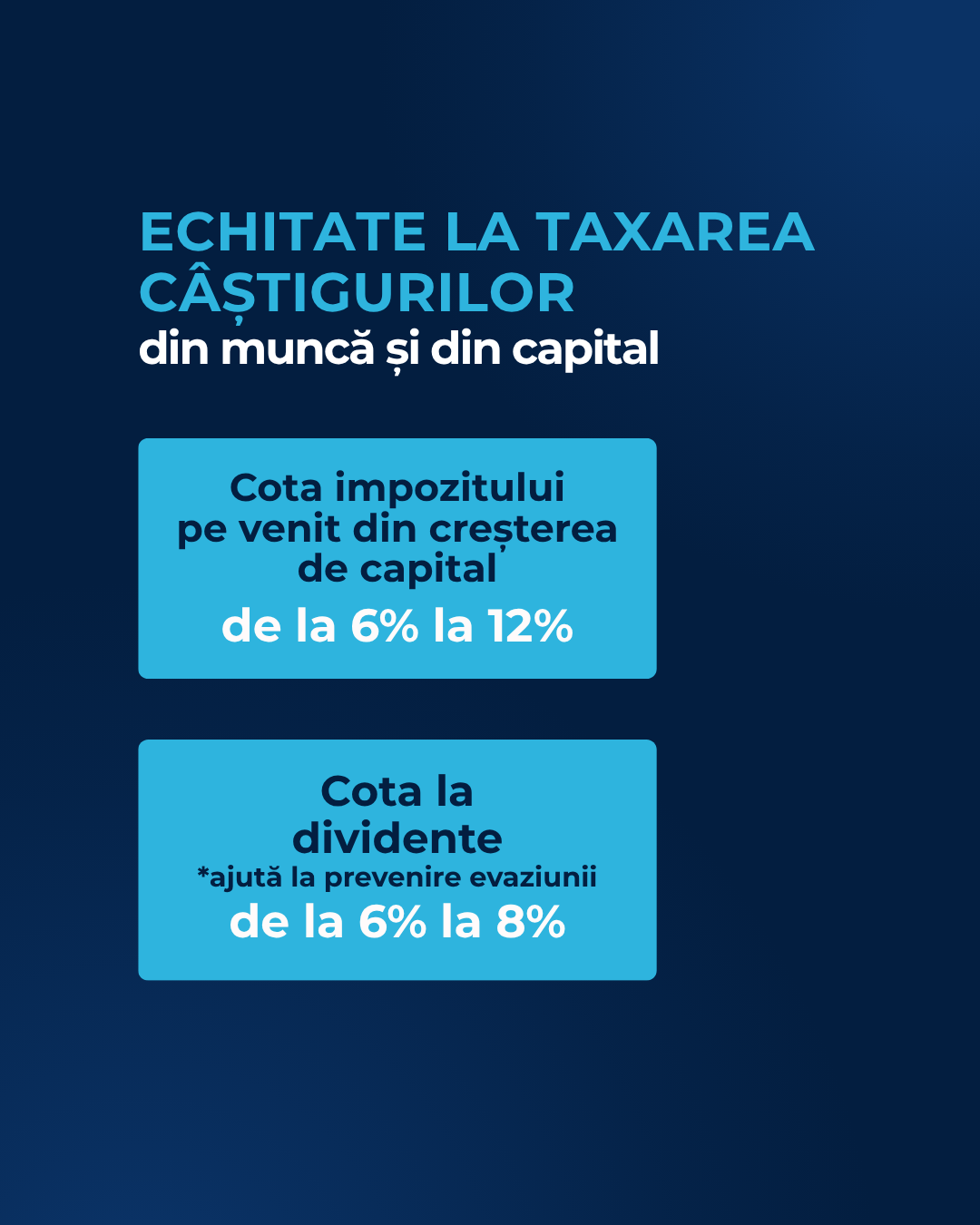
Regarding the review of rates applicable to investment income, the following changes are introduced. The capital gains rate will remain at 12%, but it will be applied in full, without the 50% reduction of the excess amount. The dividend tax rate will increase from 6% to 8% for profits generated exclusively from 2027 onward, while cash donations made by economic agents for the benefit of individuals will be taxed at 12%, compared with 6% at present.

The package also provides for the introduction of a 6% vice tax on participation in gambling and lotteries, applied to the funds deposited to top up gambling accounts and to the price of lottery tickets, respectively. The measure is also intended to offset the social costs generated by the gambling industry for public health and social assistance systems.

For corporate income tax and the income tax applicable to individuals carrying out business activities, the 0% rate for undistributed profit will be extended until 2029, while the eligibility threshold will increase from 100 million lei to 200 million lei. The tax rate for peasant households will be harmonized fairly with that applicable to individual enterprises and salaried individuals in comparable situations, increasing to 12% from the current 7%.

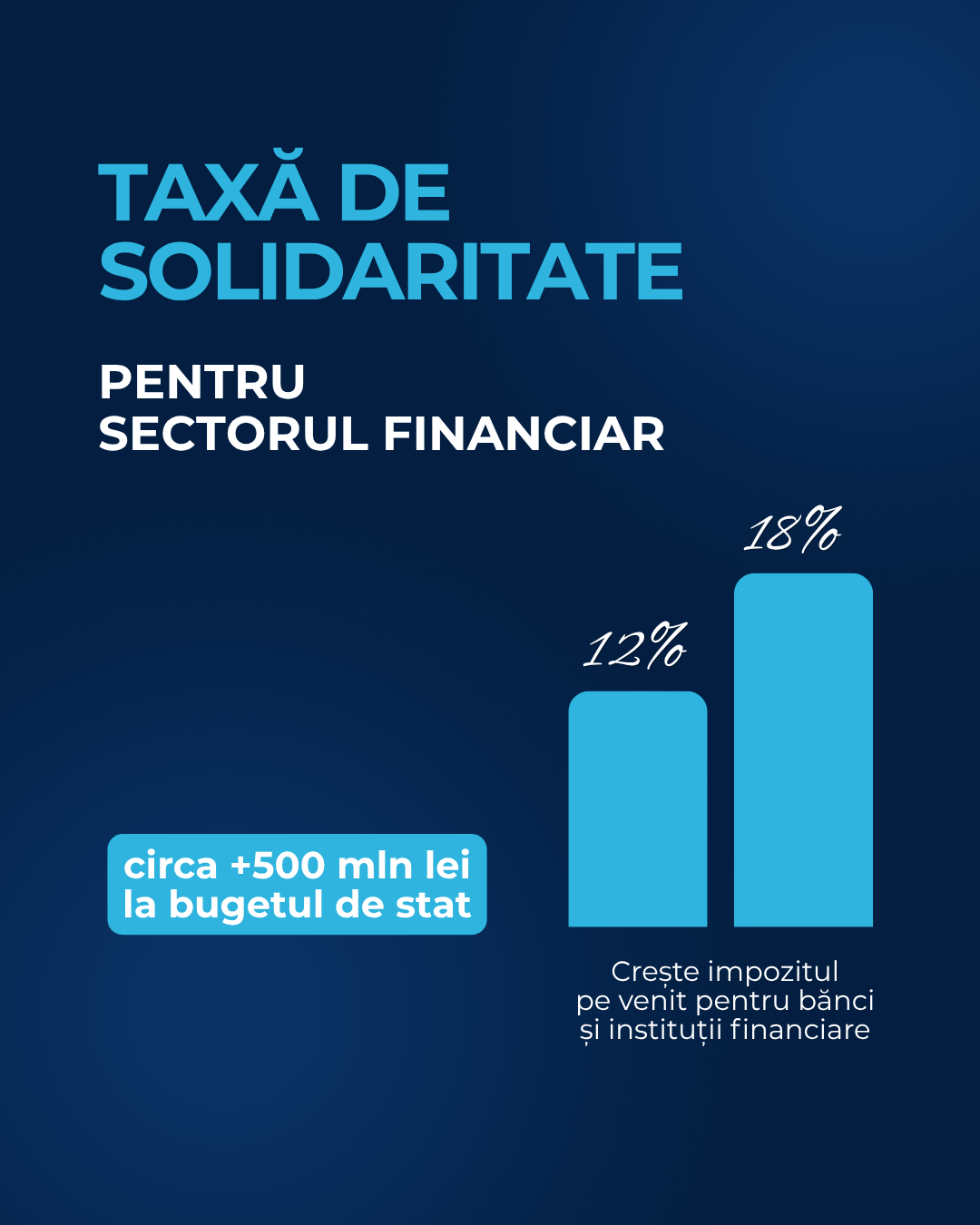
In addition, the income threshold from business and management consulting above which the special tax regime of 4% of turnover can no longer be applied will be reduced from 60% to 25%. The income tax exemption will be removed for savings and loan associations, trade unions, employers’ organizations and private educational institutions, which will apply the standard 12% rate. A temporary rate of 18% will be introduced for 2027 on income from financial and insurance activities.

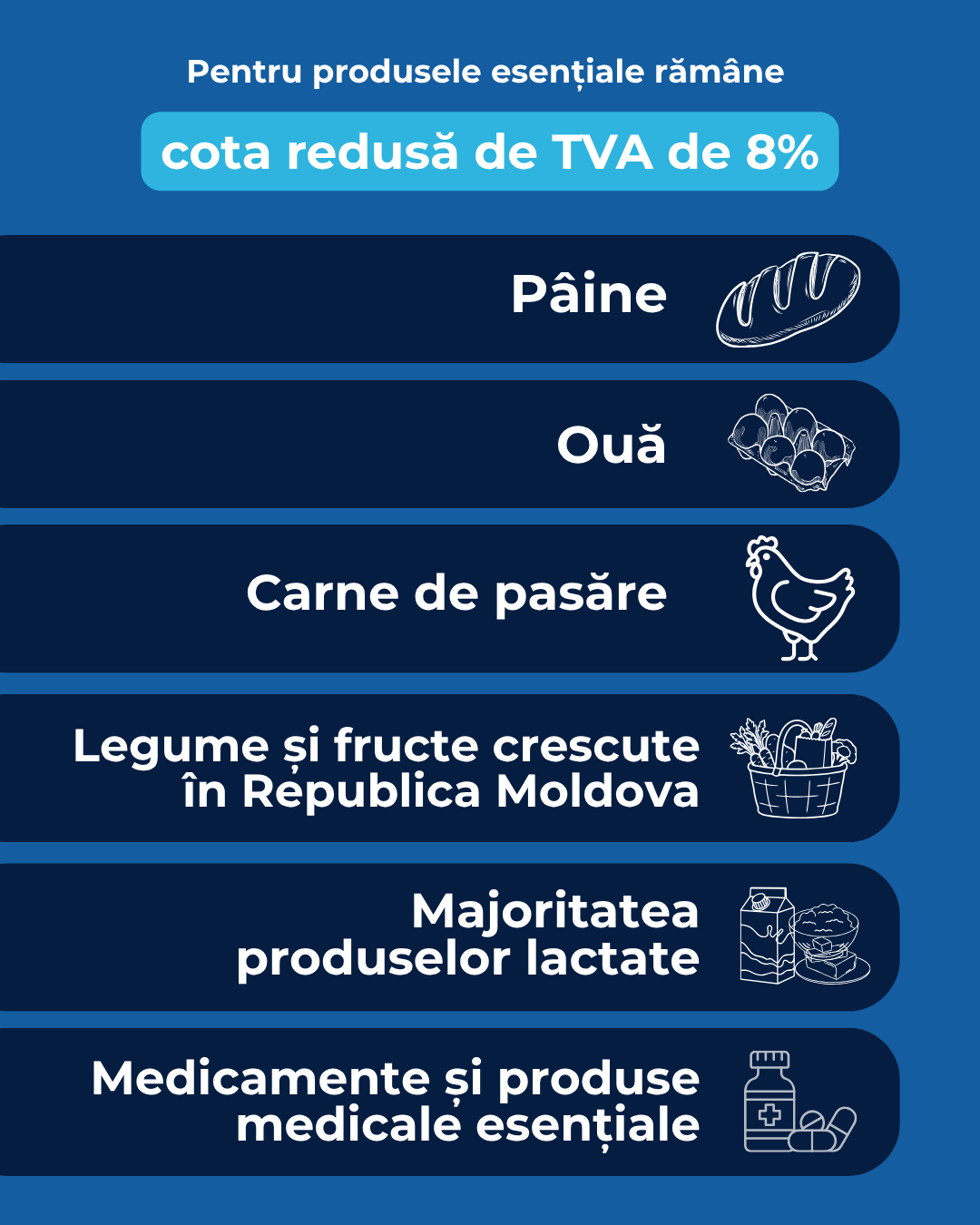
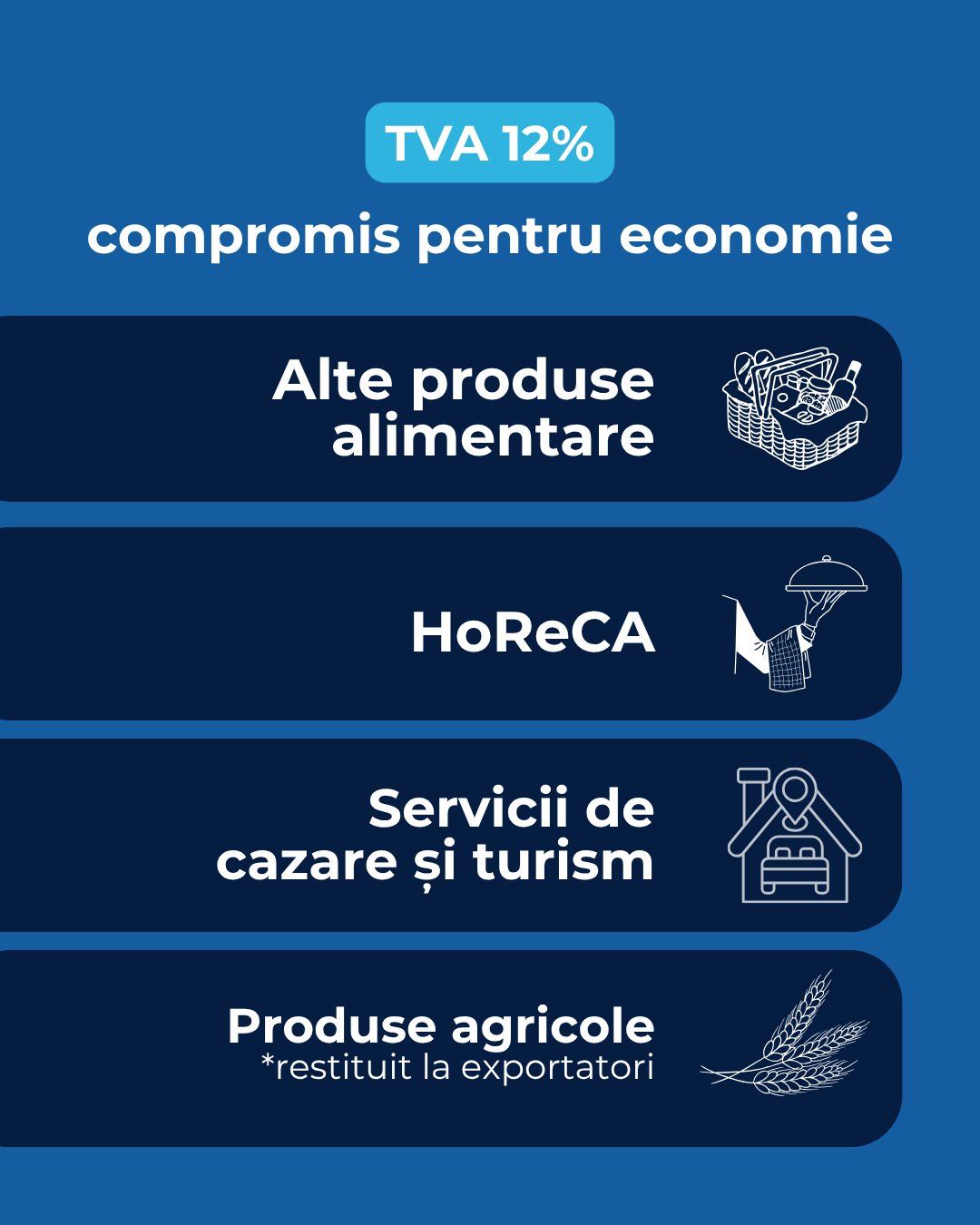
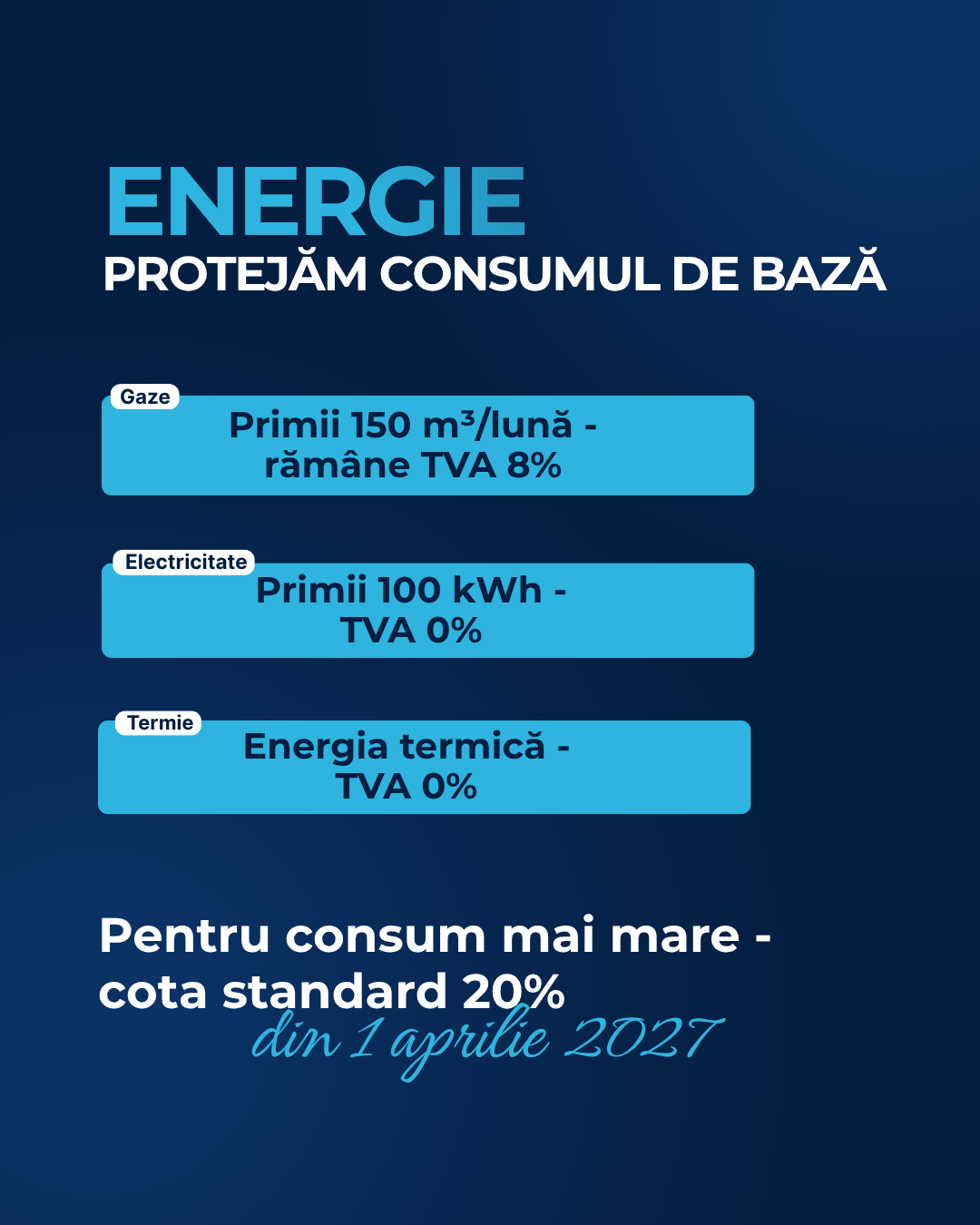
Regarding VAT, the following changes are proposed: extending the reduced 8% rate to poultry meat and eggs and maintaining the 8% rate for bread, milk, vegetables and fresh fruit grown in Moldova, which are essential products for the population. A reduced 12% rate will be introduced for certain livestock, crop-production and horticultural products, as well as for certain fresh fruits. For household consumption of natural gas, a reduced 8% rate will apply from April 1, 2027, for a volume of up to 150 m3 per month per point of consumption, while consumption exceeding this threshold will be taxed at the standard rate. The VAT exemption with the right to deduct will also be maintained for electricity used for the first 100 kWh per consumption point. The measures are proposed to enter into force on April 1, after the end of the heating season.

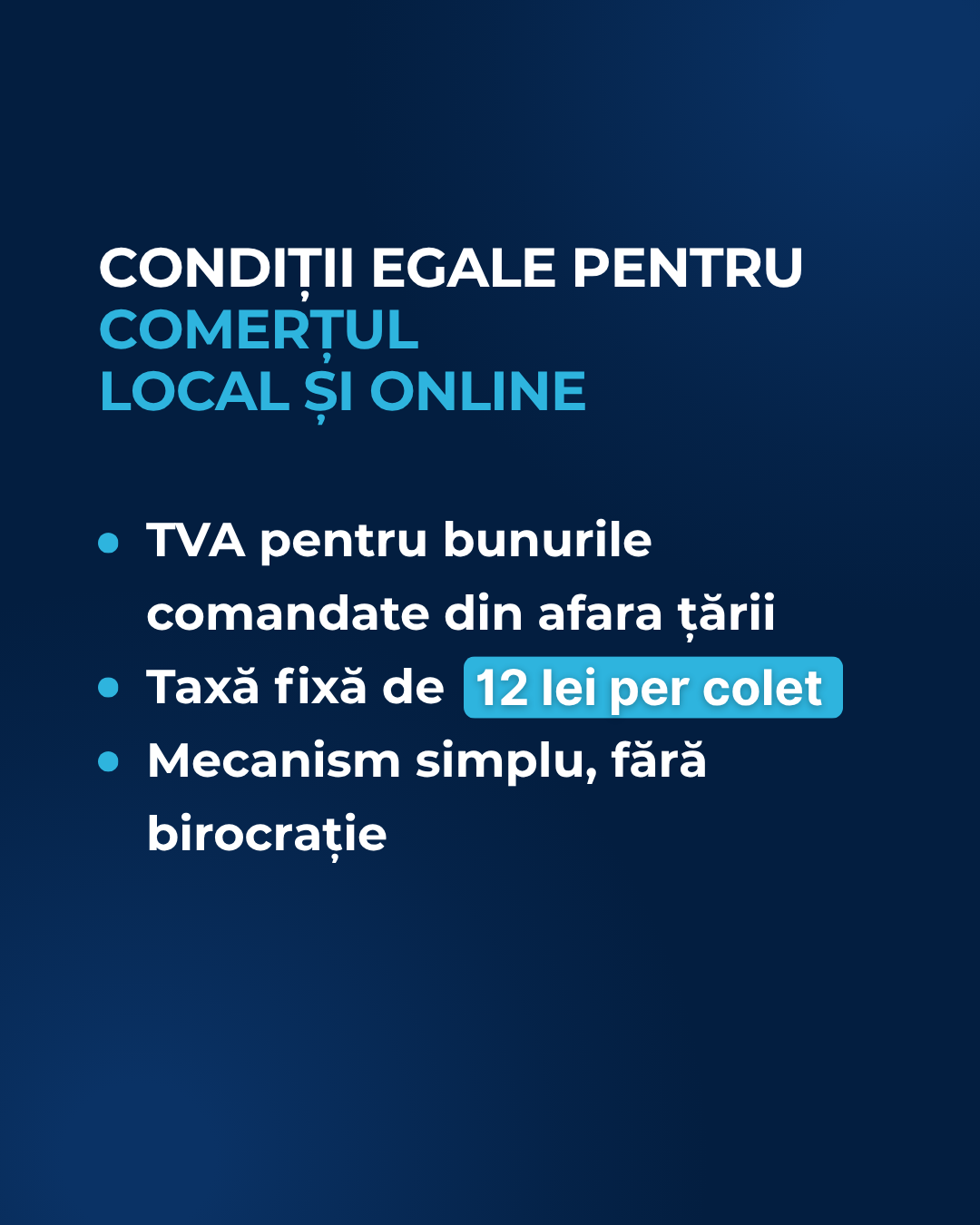
The VAT rate for HoReCa sector will increase from 8% to 12%, thereby maintaining a preferential regime compared with the standard rate. At the same time, for goods imported through distance sales with a value of up to EUR 150 per parcel, a special VAT regime and a management fee of 12 lei per parcel will be introduced. This measure eliminates the unjustified competitive advantage of cross-border e-commerce over local traders.

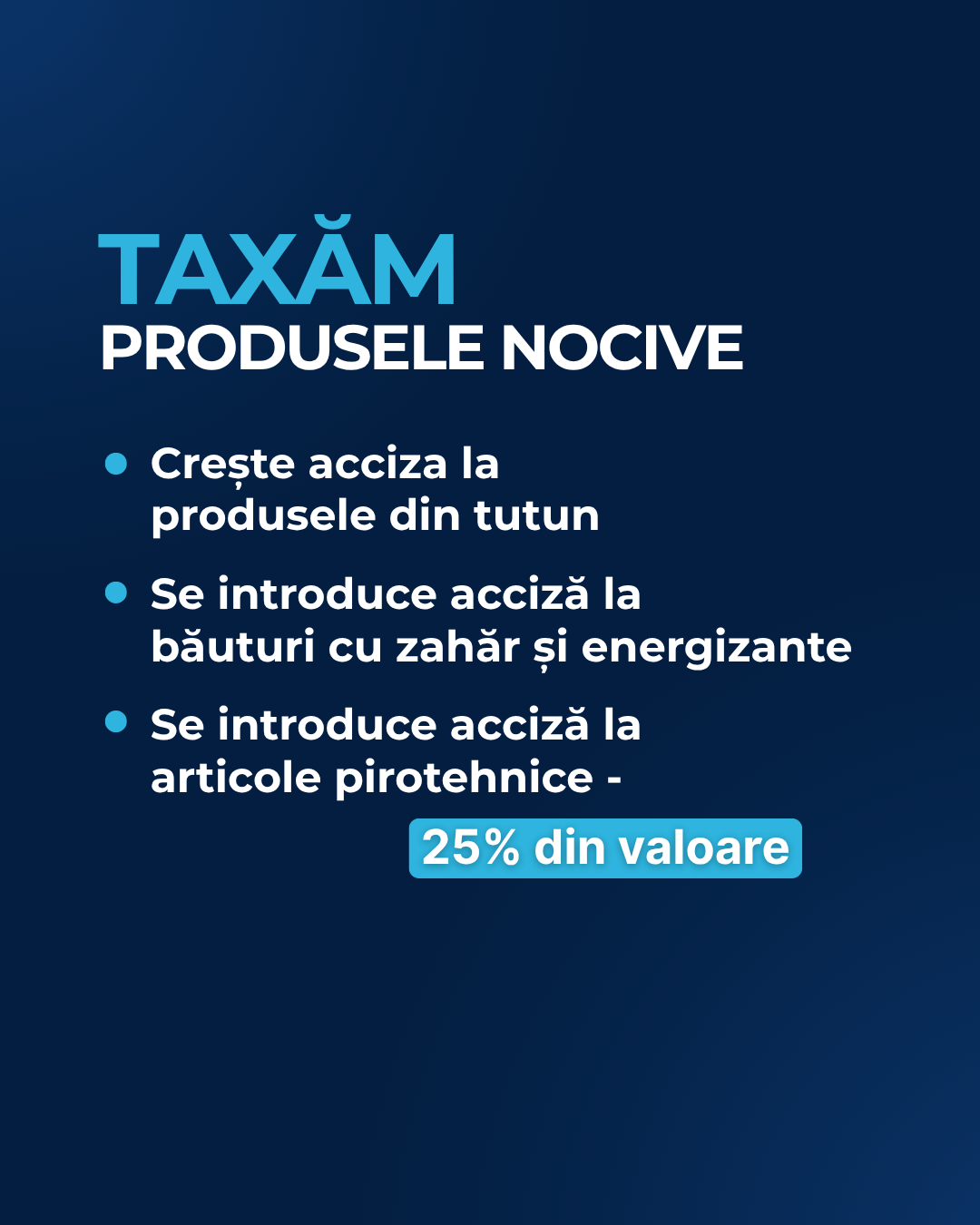
Regarding excise duties, a clear adjustment path is proposed for the next three years. Thus, the excise duty on tobacco products is proposed to increase by 20% in 2027 and by 15% in each of the following years, 2028 and 2029. An excise duty will be introduced on nicotine-free liquids. Excise duties will also be introduced on certain non-alcoholic beverages containing sugar or sweeteners, energy drinks and recreational pyrotechnic articles. In addition, an excise duty will be introduced for the first time on fully electric vehicles, calculated according to the vehicle’s weight, while the 25% reduction and preferential treatment for electric and plug-in hybrid vehicles will be maintained for the following year.

Other amendments concern tax administration through the digitalization and streamlining of processes, the classification of violations according to their severity and the application of proportionate fines. Arrears of up to 20 lei per economic classification will be cancelled automatically.

At the same time, the wealth tax will be simplified by establishing a threshold of 4 million lei for the estimated value of residential real estate, including holiday homes. The 0.8% rate will apply only to the value exceeding this threshold.

Regarding local taxes, the amendments aim to strengthen predictability, decision-making transparency and proportionality in the setting of rates by local public authorities. For road taxes, the deadline for paying the annual tax will be linked to the date of the vehicle’s periodic technical inspection. In the customs field, measures are provided to protect operators acting in good faith, including when non-compliance is caused by the malfunction of the Customs Service’s information systems.

The direct positive budgetary impact of the measures is estimated at approximately 5.1 billion lei, including 820 million lei from income tax, 1.6 billion lei from VAT and 2.7 billion lei from excise duties.

At the same time, the package maintains and expands measures supporting profit reinvestment and preserves incentives targeting essential household consumption. Through the fiscal and customs policy for 2027, the authorities seek to consolidate a fairer, simpler and more predictable fiscal and customs system that supports investment, economic development and competitiveness and ensures the resources necessary to finance public services.
 Facebook
 Instagram
 X/Twitter
 Telegram
Deputy PM for reintegration has meeting with new Head of OSCE Mission to Moldova
As many as 561 mayor's offices adopt final decisions on voluntary amalgamation; government's secretary-general says real stake of reform to provide citizens with decent living conditions
Government approves amendment to state social insurance budget for 2026
More medical services for population: mandatory health insurance funds to be increased by 167.4 million lei
Government approves 2026 state budget revision: Funds allocated for compensation, completion of local infrastructure projects, one-off payments for public sector and road fund
Moldovan PM has meeting with Ambassador of Greece
Moldovan deputy PM participates in solemn ceremony dedicated to starting of new school year at Evrica Theoretical Lyceum from Rabnita
Moldovan deputy PM for reintegration pays working visit to Rezina district
Moldovan deputy PM for reintegration attends solemn ceremony marking beginning of new school year at Evrika Theoretical Lyceum from in Rabnita
Great National Dictation brought together 3,500 people from across country on Romanian Language Day
Moldovan PM attends opening of Local Product national exhibition
Moldovan president awards state distinctions on Independence Day
Ministers Claudiu Năsui and Eugen Osmochescu sworn in today
New Ministers of Agriculture and Food Industry and of Economic Development and Digitalization sworn in today
Moldova, Bulgaria strengthen cooperation in economy, energy, security
Tudora–Starokazacie Moldovan-Ukrainian border crossing point resumes operations; traffic through crossing point proceeds as normal
Truck traffic redirected through Palanca customs checkpoint; Moldova's Customs Service increases number of officers
VIDEO // Tour of Romania starts from Moldova; more than 130 cyclists start in Chisinau
Assigning young specialists in healthcare system to be optimized
Speaker: Moldova must become relevant security provider in Europe
President attends state funeral of King Harald V of Norway
 National Bank of Moldova
Speaker: Moldova must become relevant security provider in Europe
Government approves plan on preparing for 2026–2027 heating season
President attends state funeral of King Harald V of Norway
Strengthening transparency in public procurement – new measures approved by Government
Government simplifies authorization of renewable energy projects and sets new rules for biofuel market



Prime Minister about PISA test results: We must continue education reforms
Government simplifies authorization of renewable energy projects and sets new rules for biofuel market
Defense Minister: Russian Federation continues to represent main threat to state’s military security
Prime Minister discussed next steps in Moldova’s EU accession with European Commissioner
President after drone attack at Moldova’s border: Brutal war reaching our border
Cold-season assistance program in finalization stage
Prime Minister: In August alone, 17 drones struck our territory. This is extremely worrying
PHOTO GALLERY // More than 130 cyclists set off from Chișinău in Tour of Romania
Government proposes measures to prepare for next cold season
Health Ministry to have new state secretary
Moldsilva Agency and National Probation Inspectorate without directors
Moldova Railways to be reorganized and transformed into joint-stock company
Speaker: Russia’s threat not scare tactic and not propaganda. It is daily reality
Moldova's Foreign Ministry condemns Russian attacks on Ukraine
UPDATE // Customs Service's information systems operating normally
Eight properties worth over 9.6 million lei permanently seized for benefit of state
Receive the latest news directly to your email

Receive the latest news directly to your email