
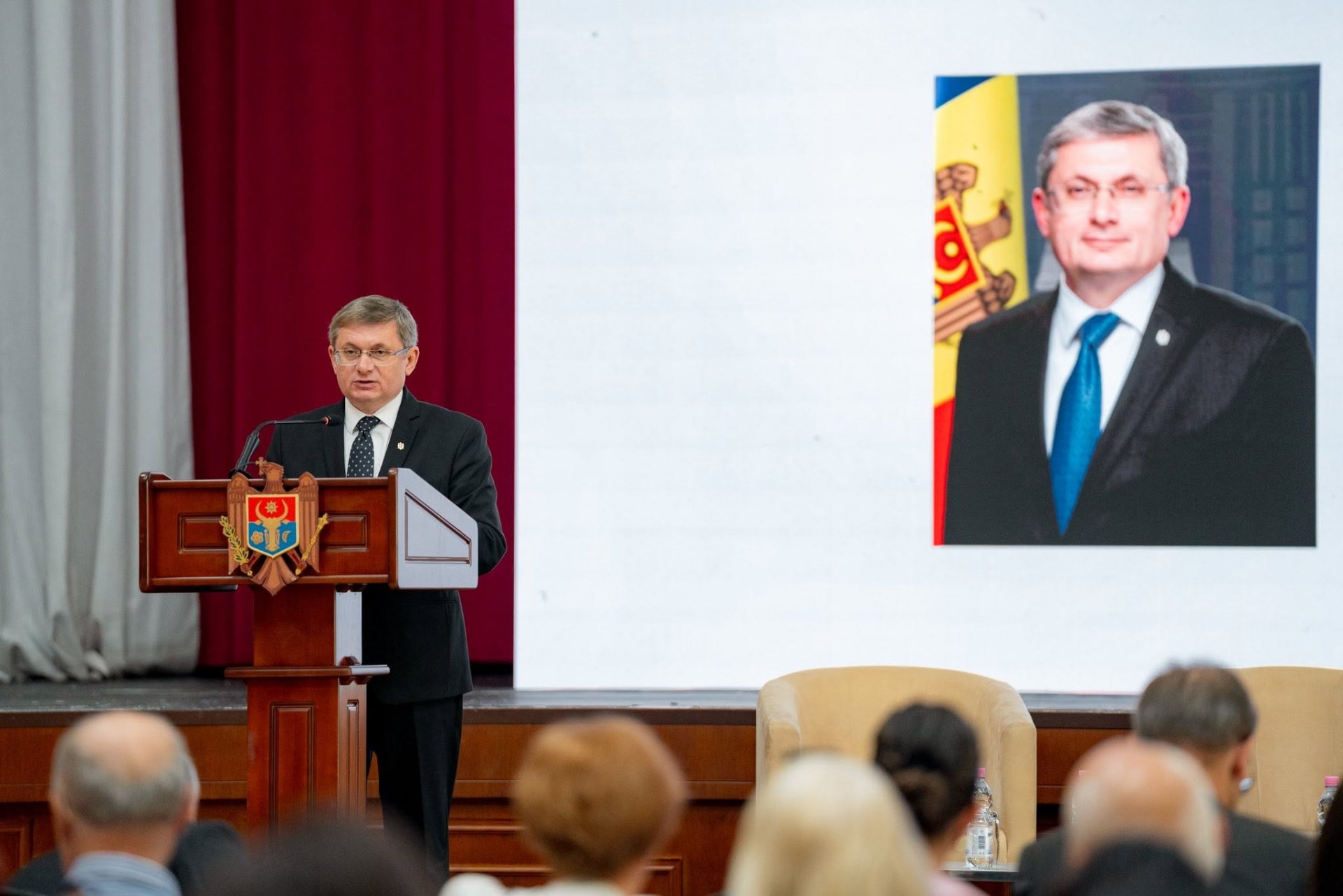
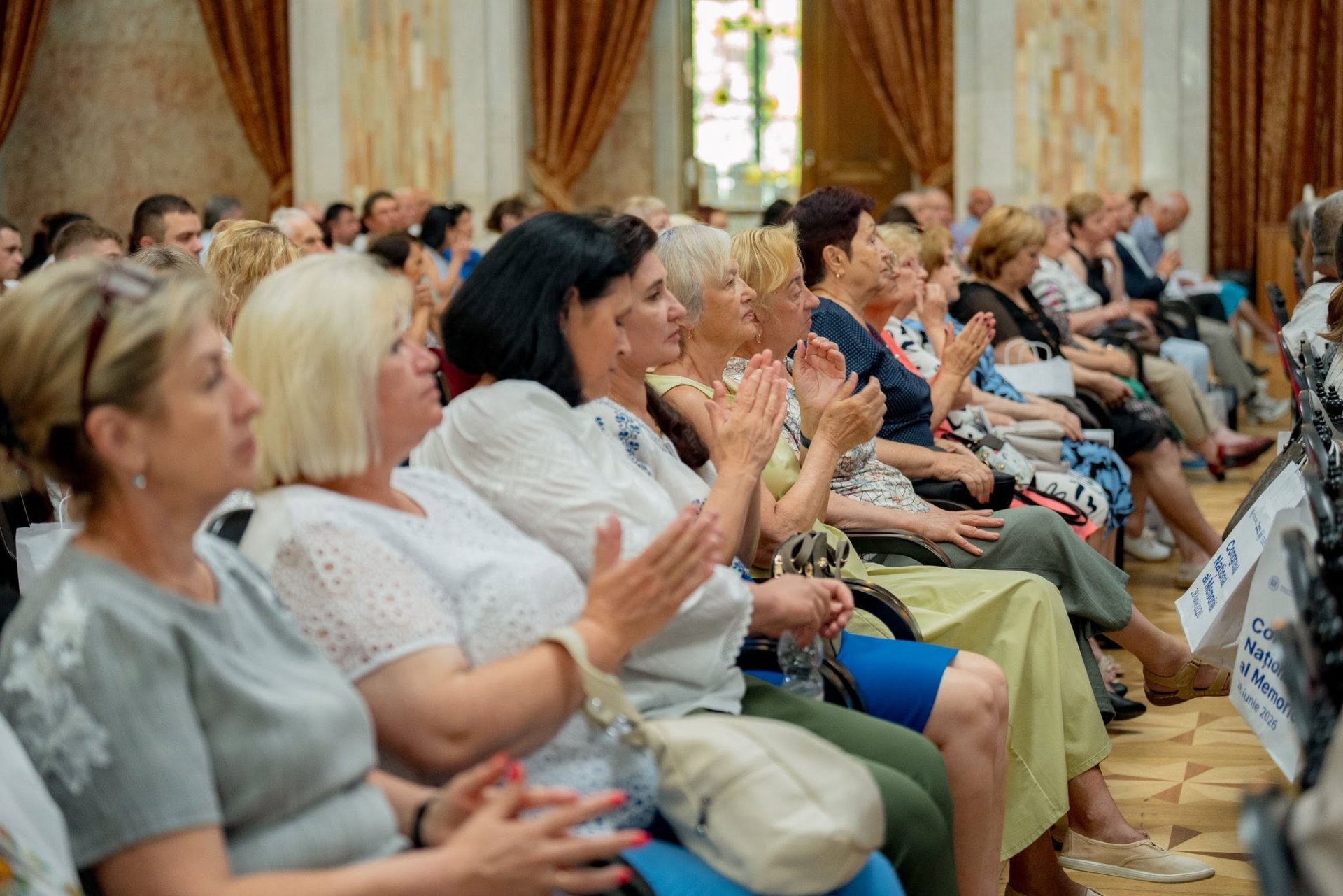
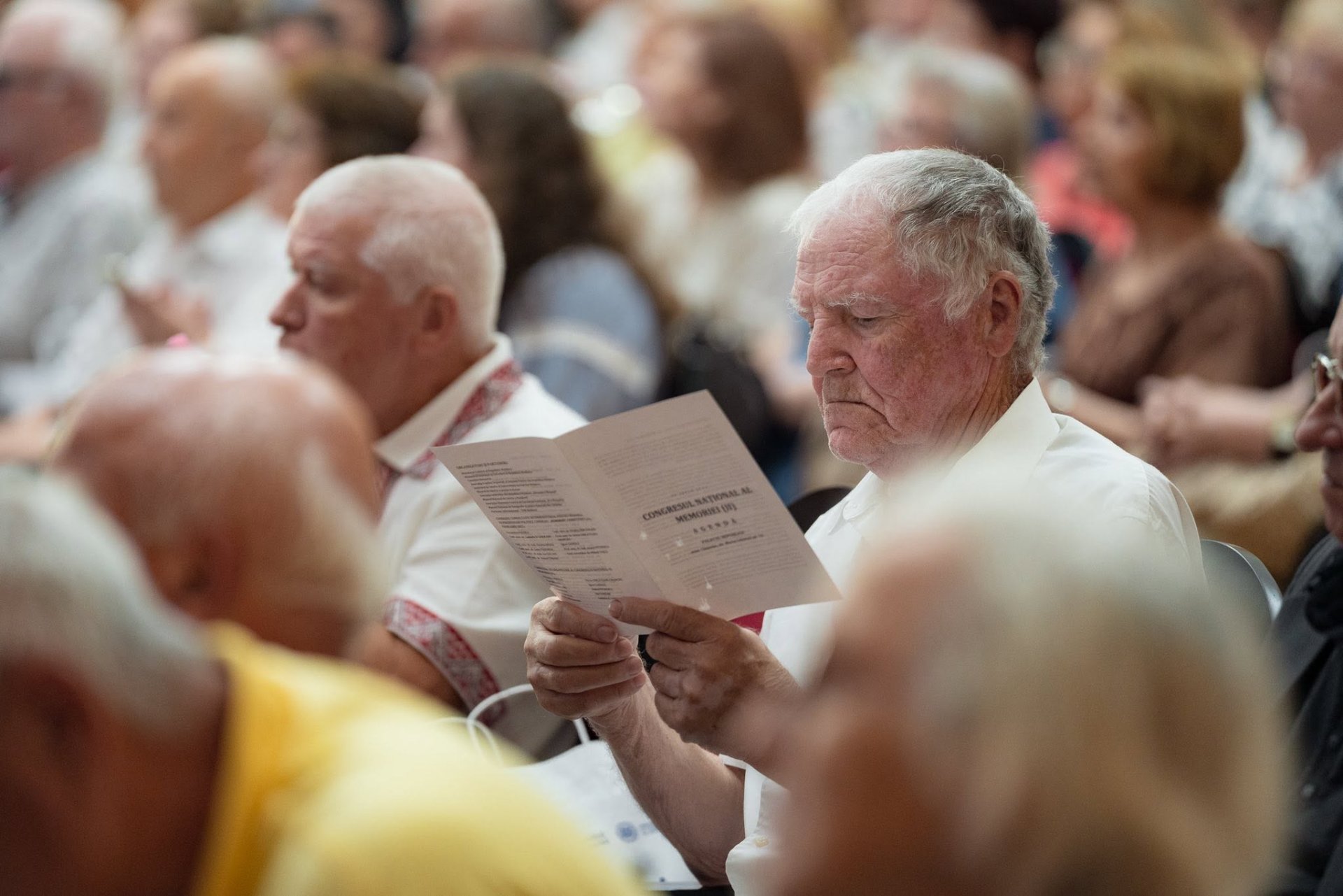
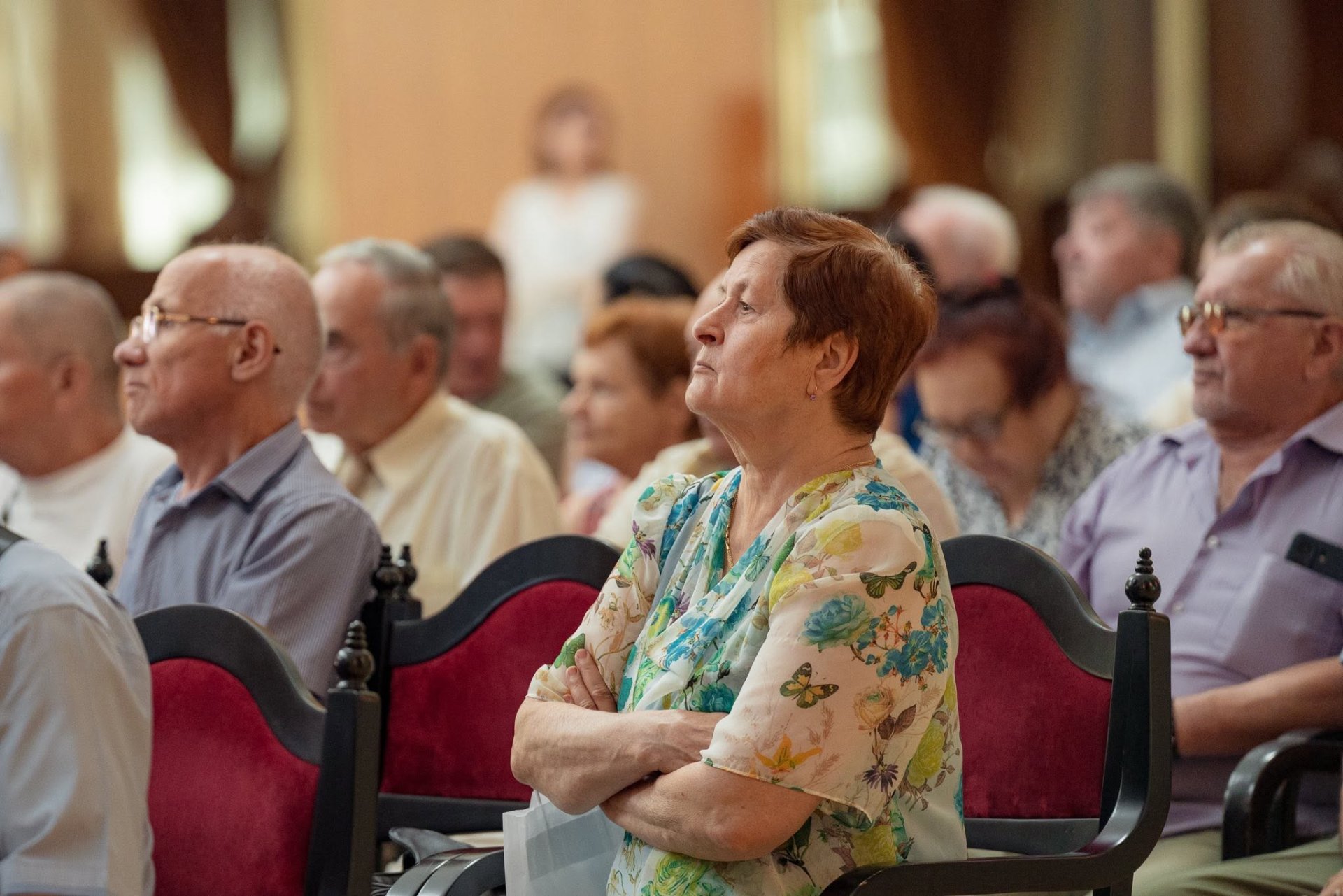
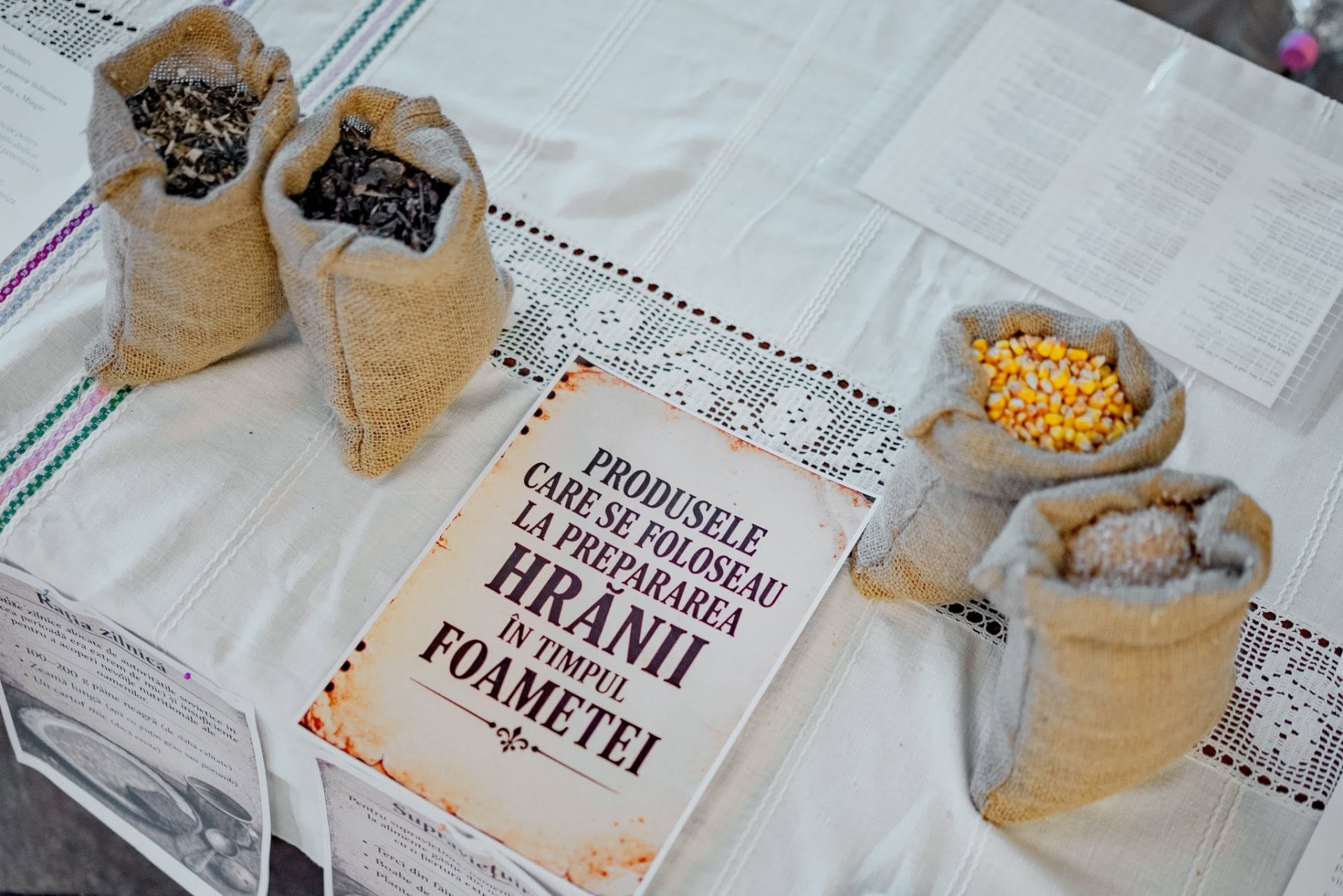
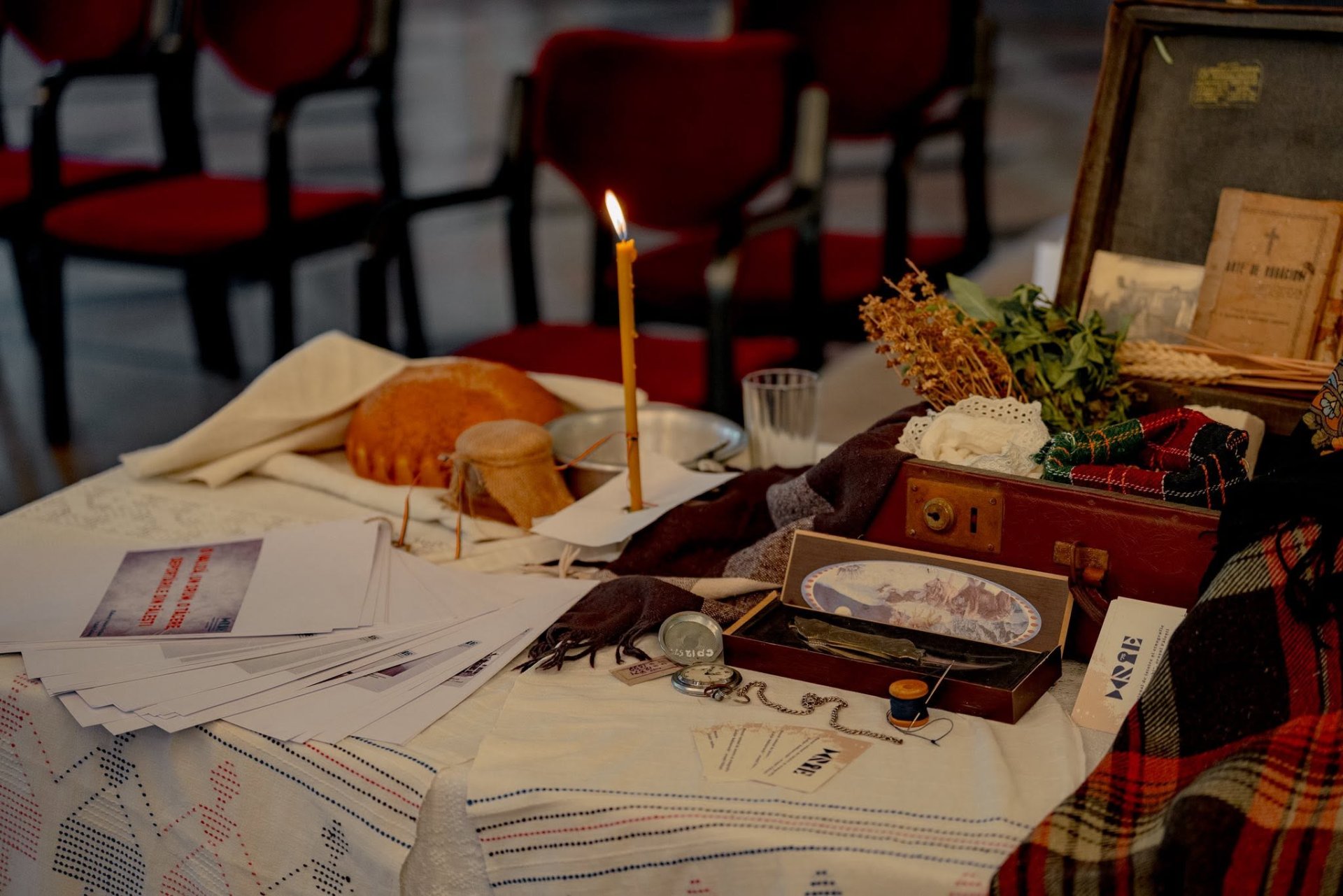
PHOTO // Second edition of National Memory Congress held in Chișinău
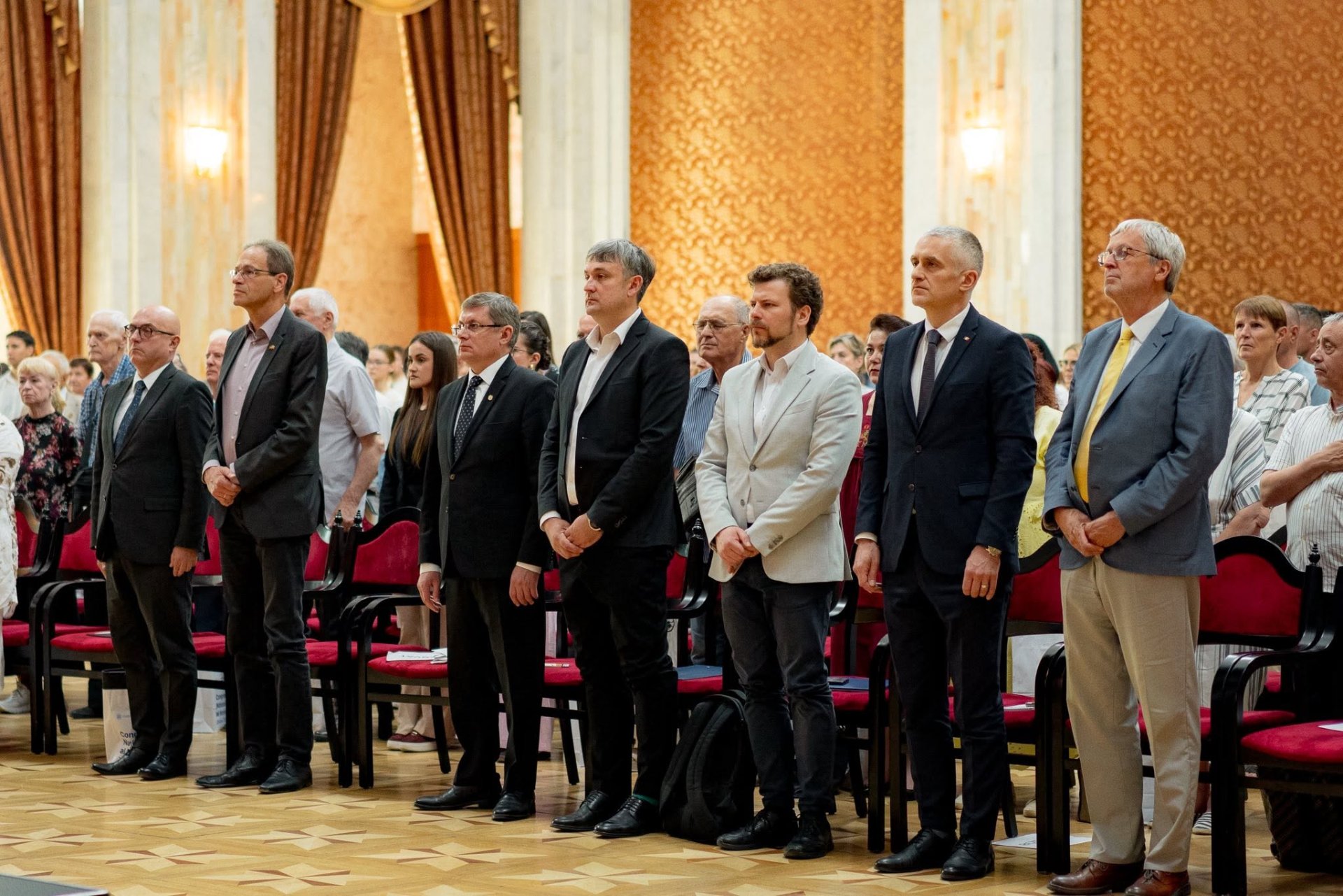
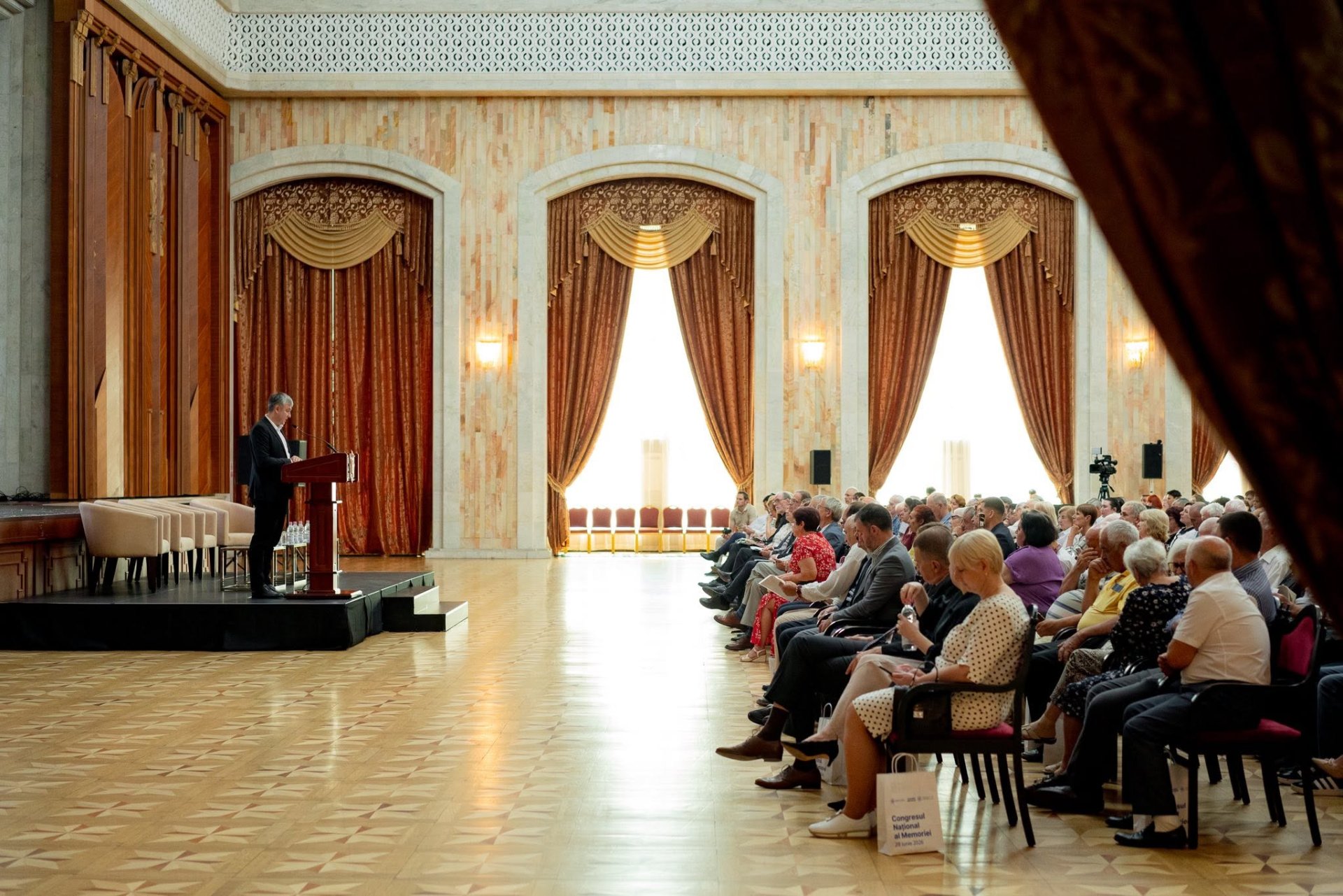
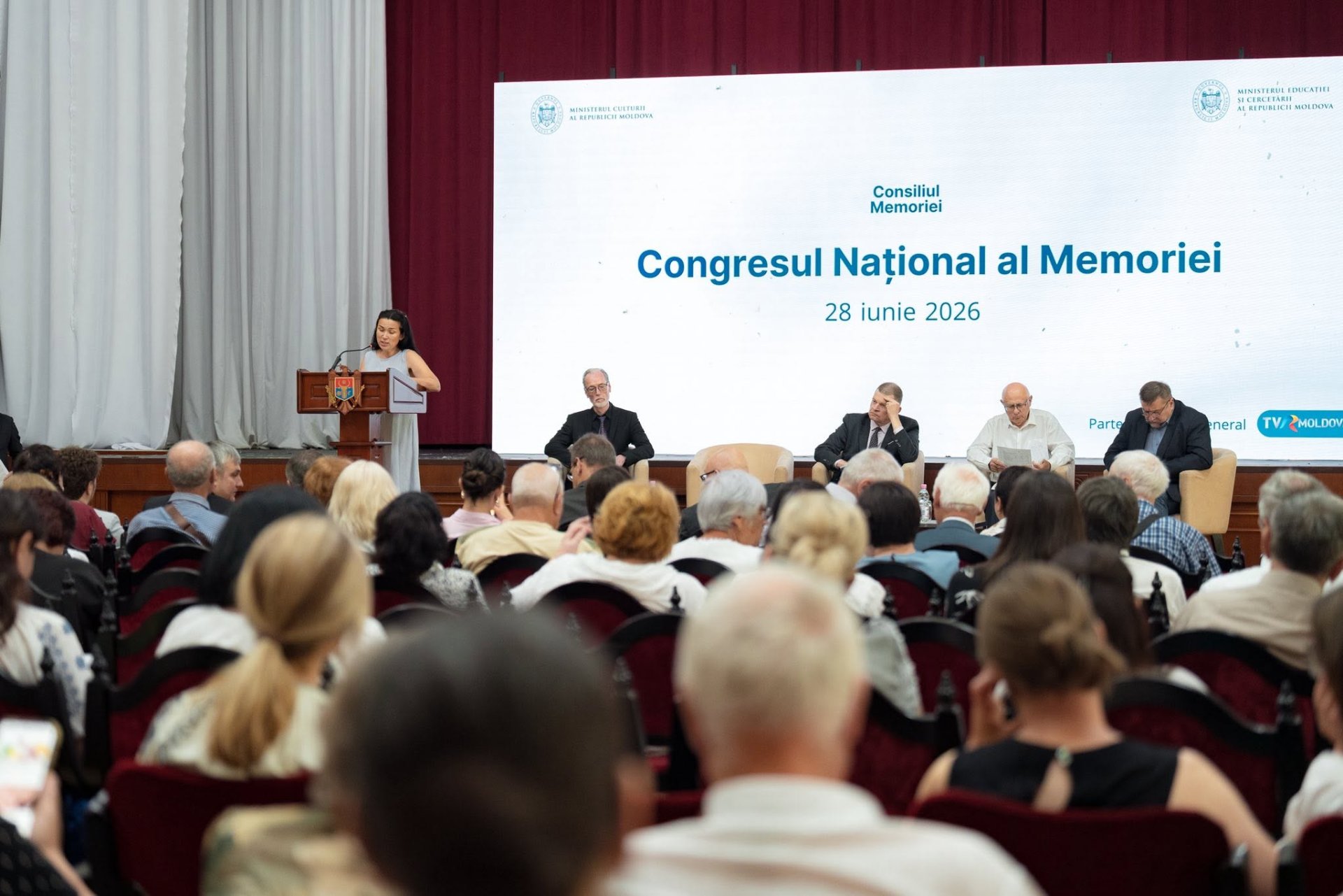
The second edition of the National Memory Congress is taking place today at the Palace of the Republic in Chișinău. The event is dedicated to commemorating the victims of deportations, political repressions, and the famine organized by the totalitarian communist regime.

This year’s edition is held in a context of special significance for the collective memory of the Republic of Moldova. The year 2026 marks 80 years since the organized famine of 1946–1947 and 85 years since the first deportations in 1941—two of the gravest crimes committed against the people of Moldova during the Soviet occupation.

The Congress has brought together historians, survivors and descendants of the victims of deportations and political repressions, representatives of local public authorities, members of diplomatic missions, teachers, scientific researchers, and representatives of museums and non-governmental organizations.

Opening the event, Speaker Igor Grosu emphasized that our history bears deep wounds that have marked people, families, and destinies.

“This year we commemorate 85 years since the first wave of Stalinist deportations and 80 years since the organized famine of 1946–1947. I stress ‘organized’ and not, as some try to tell us, that it was merely a drought. There is no village in the Republic of Moldova where there was not at least one deported family. There is no locality that does not preserve the memory of the famine. These tragedies are not just statistics; they are part of the collective memory of our people. That is why historians have a special mission: to study the past and to pass on the culture of memory,” said Grosu.

According to him, the Congress is taking place at a time when the authorities are assuming important steps for the official recognition of the suffering caused by the Soviet regime. Thus, the legal recognition of the status of famine victim is a necessary step toward restoring historical truth and acknowledging a tragedy that for a long time was kept in silence. At the same time, the prospect of legally condemning the denial of communist repressions is essential for protecting the memory of the victims and for combating the falsification of history.

“One of the state’s obligations is to ensure its citizens’ right to truth, as an important element of respecting human rights. The right to truth is the right of victims and of society to know the truth about the circumstances in which serious human rights violations were committed. It is an act of justice toward the victims and a duty toward future generations. Memory must not be used to divide society. Memory must unite us around the truth and bring justice to the victims and their descendants. The Republic of Moldova is following the European path, and Europe also means assuming the past, condemning totalitarian regimes, and respecting human dignity. We have the moral obligation to pass this memory on to our children and grandchildren. Because a people that knows its past is a people that can build its future with dignity,” Igor Grosu affirmed.

Minister of Culture Cristian Jardan noted that historical truth cannot be denied or hidden, and the ordeal of the victims of these repressions cannot be erased.

“In recent years we have organized more and more events dedicated to the culture of memory. There are hundreds of thousands of victims and descendants of deportations, of the organized famine, and of Soviet repressions, and we must know their stories. This year, together with the Ministry of Education and Research, we organized the Decade of Memory, during which hundreds of students from across the country had the opportunity to come to Chișinău, visit museums, and attend theatre performances dedicated to Soviet repressions. Today, in the repertoire of our theatres we have at least four very well-documented productions dedicated to Soviet repressions. These are: ‘The Siberia Files’ at Mihai Eminescu National Theatre, the play ‘1946’ at Luceafărul Theatre, which was staged on Friday in the Great National Assembly Square, and ‘Children of the Famine’ at Mihai Eminescu National Theatre. This year we also had a premiere at the Nameless Theatre, where ‘The Night Written in Red’ was staged, an extraordinary performance about an act of courage shown by two young women from Chișinău against the Soviet regime. The events depicted took place in 1970,” said Jardan.

Also this year, the Wagon Exhibition, now in its fourth edition, has been expanded to Bălți. Likewise, the Memory and Identity Festival in Mereni will reach an unprecedented scale this year.

“Commemorating the victims of repressions cannot be an occasional or purely symbolic act. It is an assumed institutional responsibility. It is not an exercise in painful nostalgia, but a condition of democratic resilience and an act of justice toward those who suffered and those who are no longer with us. This is precisely the objective of the Congress: to consolidate the culture of memory in the Republic of Moldova, to align with European values of historical truth, and to promote human dignity and democracy as indivisible values,” remarked Cristian Jardan.

Present at the event, Minister of Education and Research Dan Perciun stressed that the institution views historical education as one of the pillars of the development of a democratic society.

“It is the school that forms citizens capable of understanding the past, distinguishing facts from manipulation, and looking to the future with responsibility. A well-understood memory strengthens a society’s resilience—something we perhaps understood too late, only after the beginning of the Russian Federation’s invasion of Ukraine. A people that knows its history develops confidence in its own values, protects its freedom, and builds its future on the basis of truth. Memory is also an act of unity. Repressions tragically affected people of different ethnicities, confessions, and professions. Today, together with you, we commemorate them together, united in respect for every life story and the dignity of every person,” said Dan Perciun.

The official spoke about the actions undertaken by the Ministry of Education and Research to make memory a living part of the educational process.

“Throughout the entire month, 35 scientific and methodological conferences were held across the country, and dozens of public lectures supported by historians and experts were organized, dedicated to deportations, Soviet repressions, the organized famine, and the war for the independence of the Republic of Moldova. In all educational institutions, the documentary ‘We Are Home’ was screened, and hundreds of students visited sites of memory in Chișinău: the Deportees’ Monument, the Military Museum and the National Museum of History, complementing this experience with themed performances. Memory truly becomes alive when it is understood, researched, and shared, thus contributing to the cultivation of a genuine culture of memory.

Through the memory of those who went through deportations and famine we understand the value of freedom. Through education we pass on the truth. Through solidarity we strengthen communities. Through respect for history we consolidate the democratic and European path of the Republic of Moldova,” concluded Dan Perciun.

The National Memory Congress was launched in 2025 as a platform for dialogue between survivors and descendants of the victims of deportations and political repressions, public authorities, the academic community, museum institutions, and civil society organizations. With its second edition, this platform is being consolidated and continues to contribute to the development of a culture of memory in the Republic of Moldova.
 Facebook
 Instagram
 X/Twitter
 Telegram
VIDEO // Prime Minister on Sovereignty Day: European path - sovereign choice of the Republic of Moldova
VIDEO // President, 36 years after proclamation of sovereignty
EU–Moldova Summit // European leaders reaffirm Moldova's future in European Union: “Reforms open the door to accession”
PM says every achievement on European path result of work Moldovans do at home
European Council President says European Union to support Moldova every step of way towards EU accession
Moldovan president says Moldova ready to open accession negotiations with EU on all chapter clusters
European Commission President after EU–Moldova Summit says another 503 million euros to be unlocked, if Moldova implements reforms assumed
LIVE // European Council President, European Commission President, Moldovan head of state make press statements following EU - Moldova Summit
Moldovan parliament's delegation participates in summer session of Parliamentary Assembly of Council of Europe
VIDEO // Moldovan president at EU – Moldova Summit says accession perspective gives country power to make important changes, achieve results
European Council President at EU–Moldova Summit says Moldova deserves to get European Union membership as soon as possible
VIDEO // EU – Moldova Summit starts in Brussels
EU–Moldova Summit // Deputy Prime Minister: We are discussing how we can advance more quickly based on our own merits
Speaker pays official visit to Czech Republic
Prime Minister, 86 years after Soviet occupation of Bessarabia and Northern Bukovina
USMF “Nicolae Testemițanu” awarded winners of drawing contest - Doctor – Through Eyes of Child
National Fathers’ Day marked Moldova
PHOTO // Exhibition “Republic of Moldova Presents” opens in Brașov
 National Bank of Moldova
URBACT Programme: new support opportunities for cities, municipalities of Moldova
Moldovan president meets OSCE High Commissioner on National Minorities
First meeting of Moldova – European Union Subcommittee on public administration reform held in Chisinau
Moldovan PM, top European bank's president hold dialogue on strategic investments, support for Moldova's European path
Moldovan PM has meeting with Estonian counterpart


MOLDOVA IS ME // Dreams born from courage. Story of Anastasia Dumbrava, student at Ștefan cel Mare Academy
Heatwave temperatures in Moldova
Attention, travelers! Increased traffic at Giurgiulești–Galați checkpoint on outbound route
Republic of Moldova marks 12 years since signing Association Agreement with EU
VIDEO // Citizens urged to check personal social insurance account
Moldova’s capital market in expansion: CNPF announces significant growth, new financial instruments in 2025
Parliament speaker says Moldova needs stable government in Bucharest
Moldovan parliament speaker comments on draft concerning Moldova's union with Romania, tacitly adopted in Bucharest
Moldovan parliament adopts reform of Service for Prevention and Combatting of Money Laundering in first reading
Moldova's Energy Ministry: over 60 per cent of actions assumed for integration into European energy market already implemented
Investment opportunities of Moldova, new cooperation projects on Moldovan deputy PM's agenda during visit to Austria
URBACT Programme: new support opportunities for cities, municipalities of Moldova
Moldovan president meets OSCE High Commissioner on National Minorities
Moldovan parliament establishes mechanism for identifying prepaid mobile service users: SIM cards to be able to be activated only based on identity document
First meeting of Moldova – European Union Subcommittee on public administration reform held in Chisinau
Contract for construction of Balti–Suceava electricity line signed in Chisinau; Moldovan energy minister says investment strengthens independence, resilience of country's power system
Receive the latest news directly to your email

Receive the latest news directly to your email