
Doctoral studies system to be modernized, aligned with European standards in Moldova
The doctoral studies system will be modernized and aligned with European standards. A Regulation on organizing the study process was approved by the government today.

The reform, developed by the Education and Research Ministry (MEC), comes as a response to changes in recent years in the fields of education, research and innovation, as well as to the goals assumed by Moldova in the process of integration into the European Higher Education Area and the European Research Area.

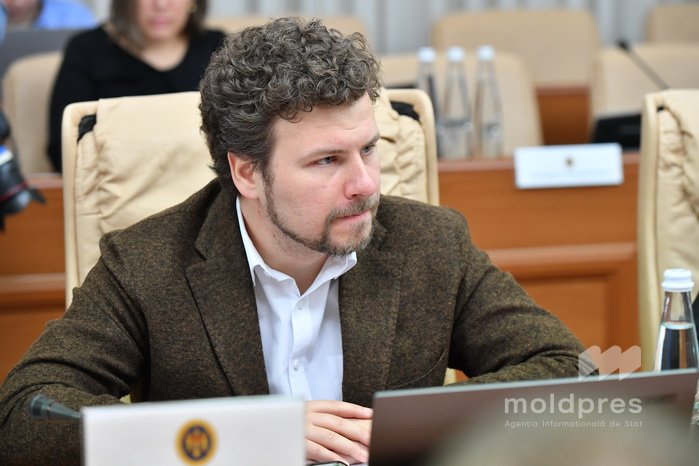
“Through this reform, we are taking an important step towards a more coherent, more transparent doctoral system, one that is better connected to the real needs of society and the economy. We want the doctorate to be not just an academic stage, but a driver of innovation and development. We are simplifying admission, clarifying the rules and opening universities more to the economic environment, including by introducing industrial doctorates. This change will enhance the quality of research and will give doctoral students real opportunities for professional development, both in academia and in the private sector,” noted   Education and Research Minister Dan Perciun.

One of the most important changes concerns the way of admission to doctoral studies. The current system, based on competition for doctoral grants, will be replaced by a more transparent and predictable mechanism: state-funded places will be set annually by the government through the state order. This change will make it possible to correlate the number of doctoral places with national strategic priorities, with the evolution of research fields, and with the real capacity of higher education institutions to organize quality doctoral programmes.

The updated Regulation introduces clarifications regarding the roles and responsibilities of all actors involved: organizing institutions, doctoral schools, scientific councils, doctoral supervisors and advisory committees.

These adjustments aim to eliminate overlapping competences and differing interpretations between institutions, contributing to a uniform application of the rules and to improving the quality of doctoral studies.

At the same time, the provisions regarding the rights and obligations of doctoral students and supervisors are updated, including in terms of monitoring academic progress and observing norms of ethics and integrity.

A novel element of the reform is the introduction of the industrial doctorate – a new type of programme that strengthens the relation between universities and the economic environment. Through this model, doctoral students will be able to conduct research in partnership with companies, having access to infrastructure and expertise from the private sector. The measure is meant to stimulate applied research, increase the economic relevance of doctoral studies and facilitate the transfer of knowledge to industry.

The changes also include explicit regulations regarding: changing the doctoral supervisor; the functioning of the advisory committee; resolving conflict situations and organizing and defending the doctoral thesis.

The new mechanism will enter into force starting with the 2026–2027 academic year. At present, 1,902 people are enrolled in doctoral studies.
 Facebook
 Instagram
 X/Twitter
 Telegram
Spring conscription into National Army started: recruits undergo training and will take military oath
Suspicious drone‑like object detected on apartment block in central sector of Moldovan capital
Moldova marks 12 years since abolition of visa regime for travel to EU and Schengen area
VIDEO // Over 330 state flags reach lyceums of Moldova
PHOTO GALLERY // Tricolor for each high school: over 300 flags distributed to high school principals at official event
Arrest warrant issued for Ilan Shor in case of illegal party financing
PHOTO // Traditional Moldovan costume promoted at international fashion event in China
Tragedy in Moldovan capital: 85-year-old man dies after being crushed by tree felled by wind
Woman taken to hospital, after billboard knocked down by wind in Chisinau
Orange wind warning // Moldovan General Inspectorate for Emergency Situations carries out 58 interventions, no victims reported
PHOTO // Orange wind alert: Police report damage, interventions in more of Moldova
Child rushed to hospital in Moldova, after wind-felled tree collapses on him
Orange wind alert // Possible flight delays, cancellations at Chisinau-based Eugen Doga Airport
VIDEO // Moldovan environment minister warns: strong winds up to 27 m/s, frost on nights to come
Defence Ministry says object found in central district drone which illegally flew over Moldova on March 30
Moldovan foreign affairs minister says accusations by Russian ambassador attempts to destabilize situation, part of hybrid warfare mechanism
PHOTO // Drone-like object discovered on field in central Moldova district: identified parts pose no danger
Moldovan deputy PM for reintegration says gradual elimination of tax exemptions provided to economic agents of Transnistrian region to allow unifying fiscal space
ARCHIVES' Chronicle // Sergei Lunchevici’s virtuosity brought back to public eye: rare 1966 recording published by National Archives Agency of Moldova
Mechanism for establishing state of emergency to be amended in Moldova according to European model
PHOTO // Railway of Moldova enterprise restores direct connection to Giurgiulesti International Port
 National Bank of Moldova
Farmers of Moldova to receive partial compensation of diesel excise duty for March 1 – May 31, 2026: government allocates 110 million lei
Moldovan government approves establishment of Ungheni–Ungheni border crossing point
Road accidents to be recorded, analyzed in modernized system in Moldova
Moldovan government approves new rules for growing, processing, marketing industrial hemp
Moldovan head of state wishes singer Satoshi success before participation in Eurovision Song Contest 2026

Road accidents to be recorded, analyzed in modernized system in Moldova
Moldovan government approves draft decision: new Moldova-Romania border crossing point to be created
Moldovan government approves new rules for growing, processing, marketing industrial hemp
Moldova to introduce new models of passports, travel documents
Moldova launches negotiations for international road transport agreement with People’s Republic of China
Moldova modernizes Register of road accidents, aligns it with EU standards
Moldovan Interior Ministry has new secretary general
DOC // Moldovan government allocates 110 million lei to fully compensate diesel excise duty for farmers; regulation sets ceiling of 200,000 lei per beneficiary
Moldovan head of state wishes singer Satoshi success before participation in Eurovision Song Contest 2026
Moldovan president wishes success to singer Satoshi before Eurovision performance
PHOTO // Two new tourist trails launched in south Moldova
Moldovan head of state says only real chance for Gagauz language to endure profound change of paradigm, mentality
Moldovan president’s message at international conference dedicated to Gagauz language
PHOTO // Denim Day international campaign campaign; Moldovan Labour Ministry's employees stand in solidarity with violence victims
Strengthening public trust, democratic resilience discussed at international conference in Moldovan capital
Holiday vouchers now available for employees of private sector in Moldova
Receive the latest news directly to your email

Receive the latest news directly to your email