
Moldova advances study of reclaimed water reuse in agriculture with support of Swedish Environment Institute
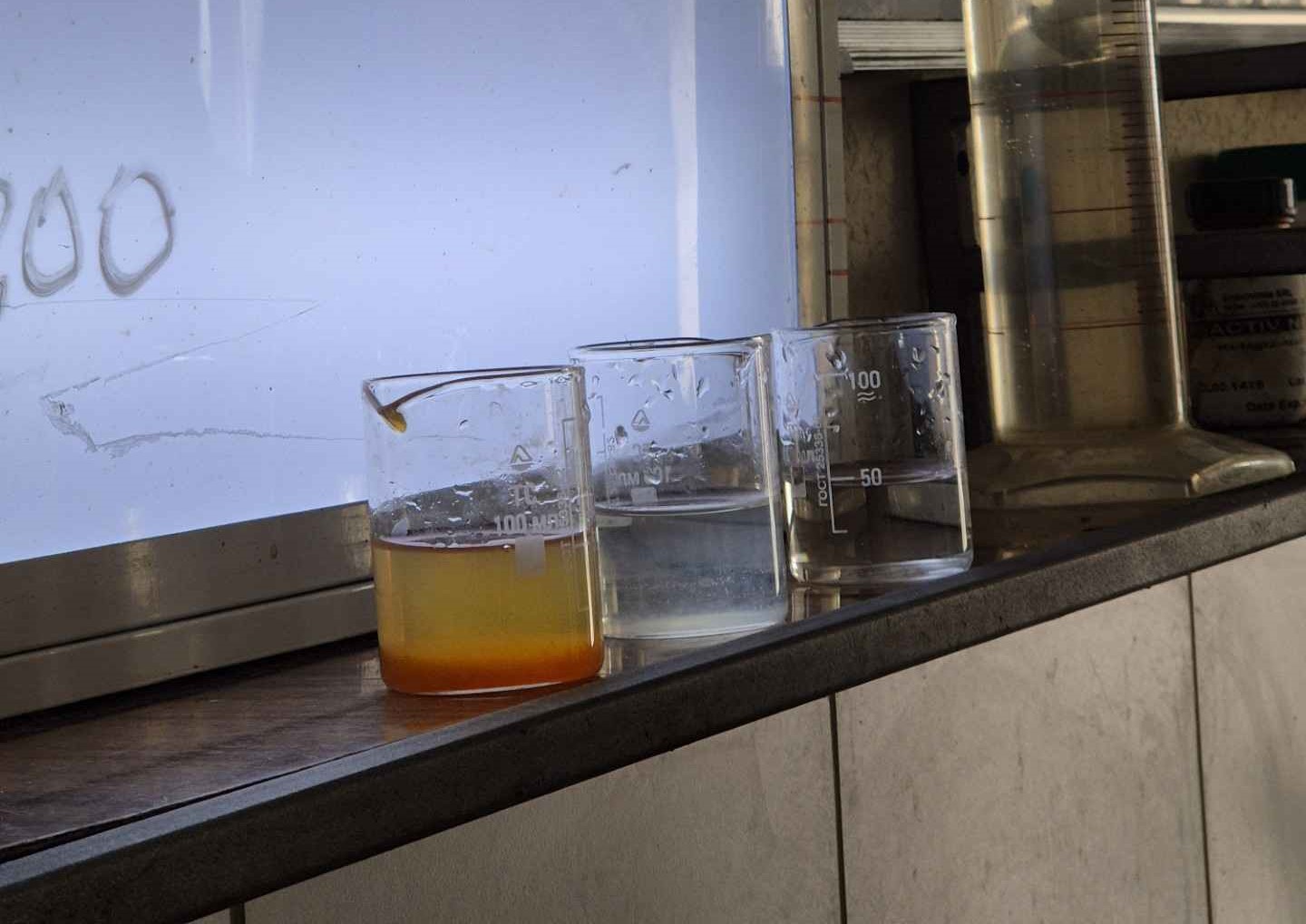
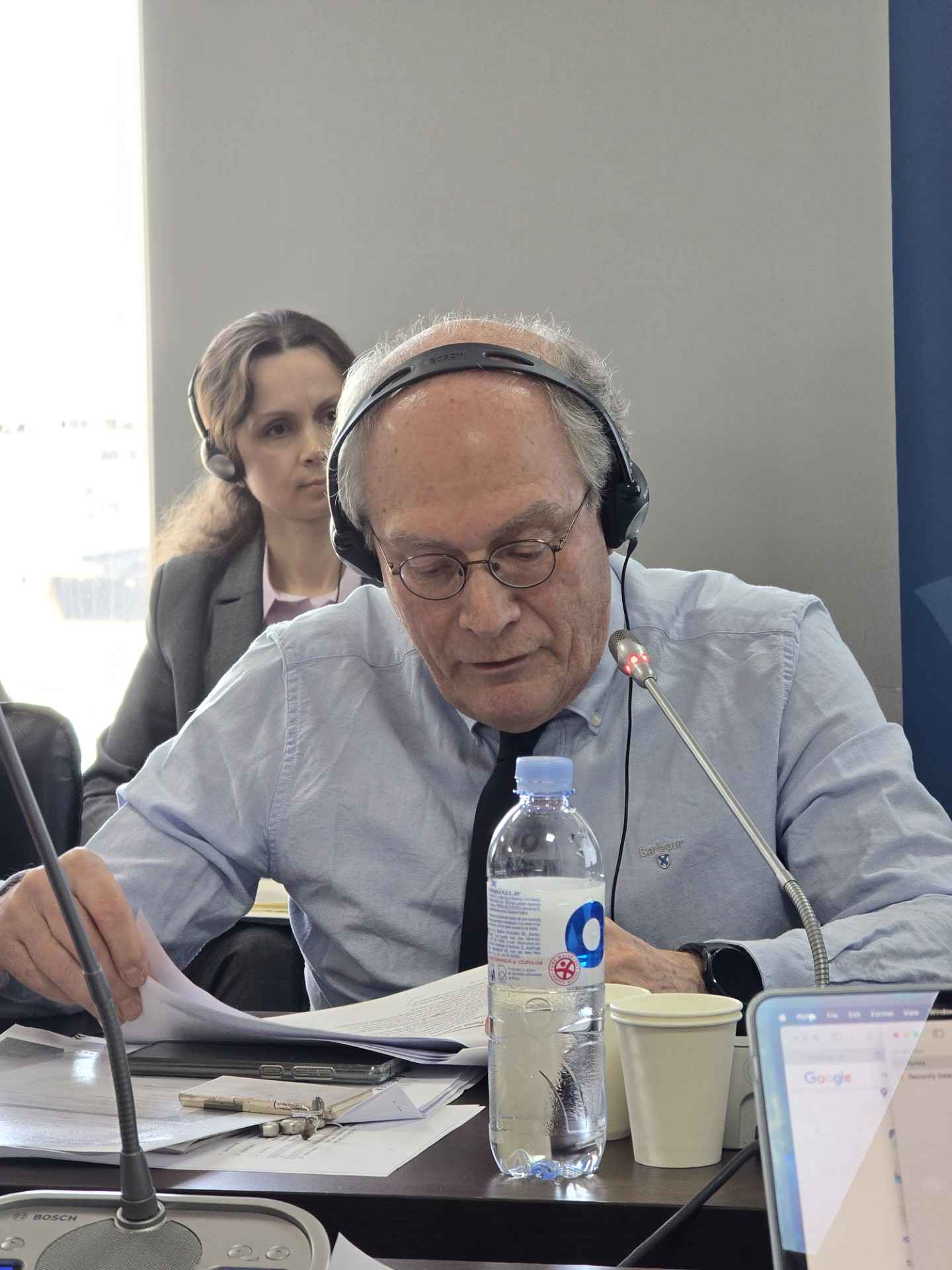
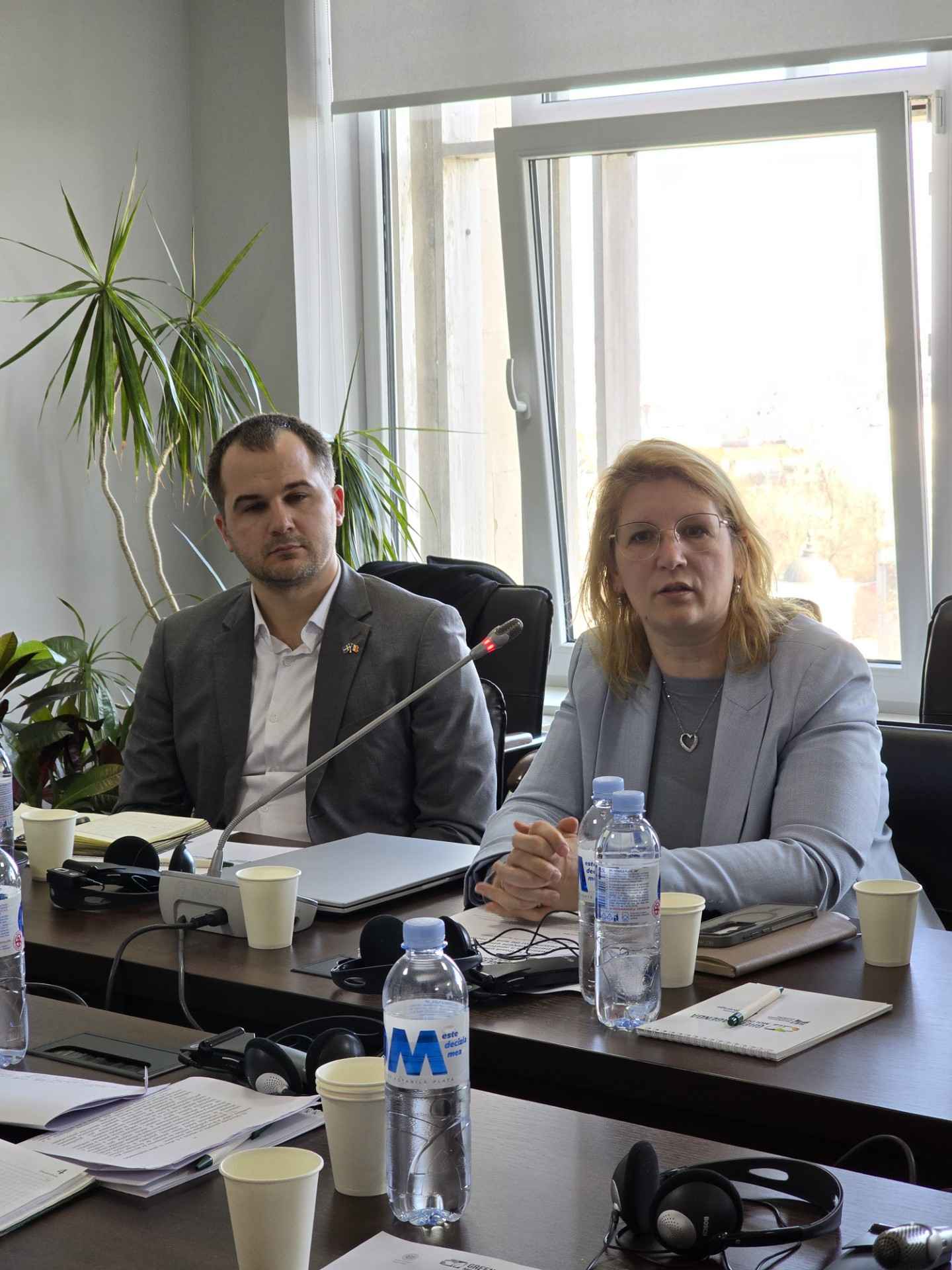
Last week, the Stockholm Environment Institute (SEI) Green Agenda for Armenia, Georgia, Moldova and Ukraine project, funded by the Swedish International Development Cooperation Agency (Sida), in collaboration with the Moldova Ministry of Environment, gathered over 30 researchers and government representatives from the sectors environment, agriculture, infrastructure, health and food safety in a workshop on treated wastewater reclamation.

The stakeholder workshop presented and discussed key findings and recommendations from the Green Agenda Moldova project Stage 1report, a rapid scoping assessment, conducted from October 2024 to February 2025. The assessment looks at using treated wastewater for irrigation, focusing on standards and infrastructure updates. With Moldova facing more droughts and water shortages, the study discusses how reclaimed treated wastewater could provide a stable supplemental irrigation source for the country while offering economic and environmental benefits. The research aims to support Moldova’s EU accession process by providing technical assistance on assessing the feasibility of reusing treated wastewater for agricultural irrigation, in accordance with EU Regulation 2020/741 of the European Parliament and of the Council on minimum requirements for treated wastewater reuse.

Victoria Gratii, Chief of the Policy Direction for Integrated Management of Water Resources at the Moldova Ministry of Environment, commented in the workshop, highlighting that the study on treated wastewater reuse in agriculture provides a strong basis for assessing Moldova’s capacity to implement the requirements of EU Regulation 2020/741. “These data shall conclude the feasibility of this solution, considering existing infrastructure, agricultural demand, and climate impact. With the country’s increased vulnerability to drought, the reuse of treated wastewater can enhance water security and reduce reliance on traditional sources. Beyond environmental benefits, a detailed cost-benefit analysis will support the identification of the most effective implementation strategies, ensuring alignment with European standards,” she added.

Igor Afteniuc, Programme Officer at the Embassy of Sweden in Moldova, emphasized Sweden’s priorities, stating, “One of the key priorities promoted by Sweden in its cooperation with Moldova is the sustainable management and responsible use of natural resources within the country. Given Moldova’s limited water resources and the increasing severity of climate change, this study aligns perfectly with Swedish priorities. It will provide a comprehensive list of opportunities for governmental institutions and the business sector, particularly in agriculture, to utilize wastewater effectively in accordance with EU regulations.”

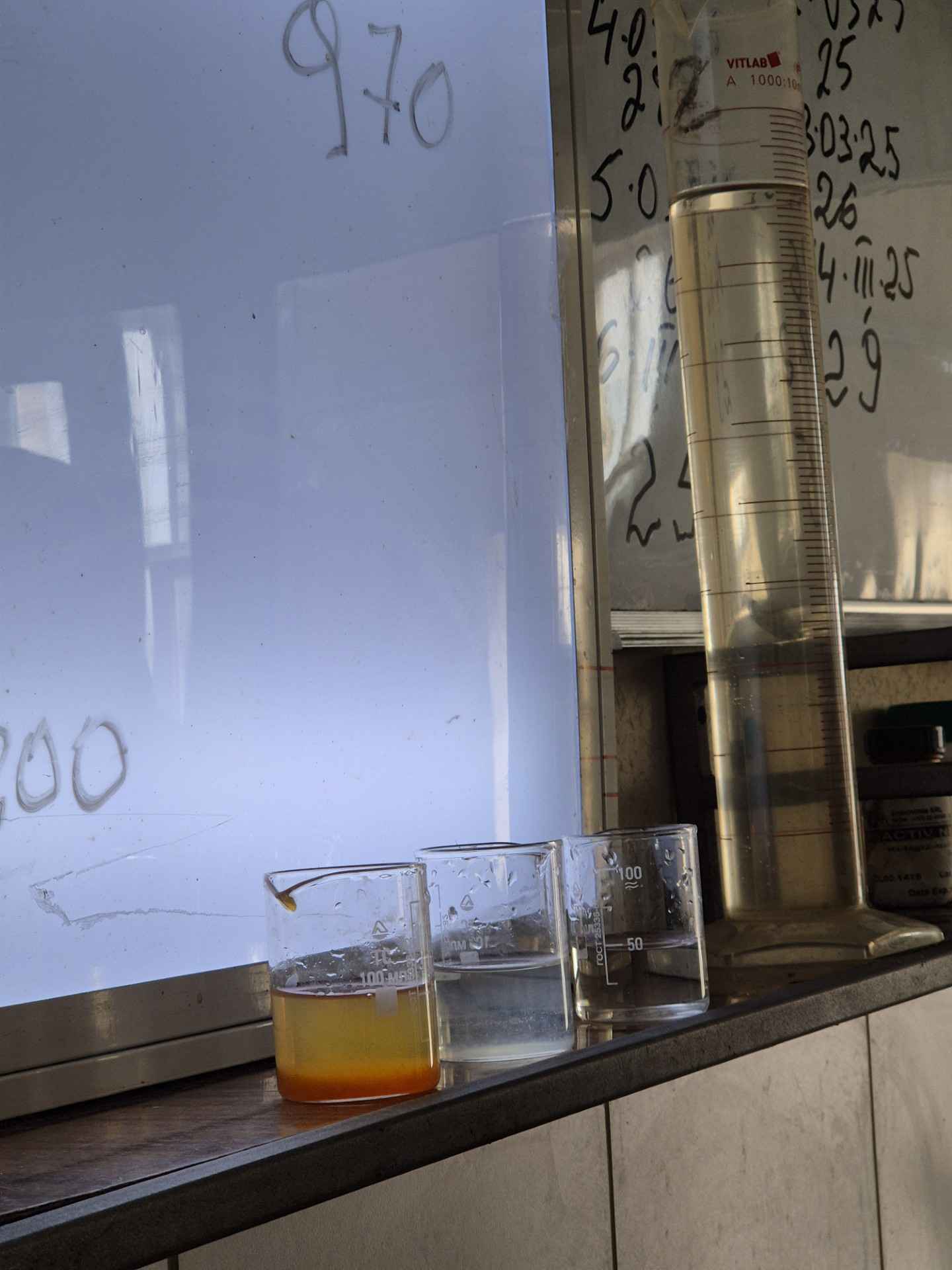
The event also marked the initiation of Stage 2 of the project, which consists of pilot studies assessing the implementation of reclaimed treated wastewater in Moldova. Following the workshop, the team of experts visited the wastewater treatment facility in Causeni, one of three facilities chosen for a detailed technical and economic evaluation. The visit documented the primary and secondary treatment processes, existing laboratory protocols of chemical and biological parameters, and assessed effluent volumes and seasonal modifications. If consistent with standards set in national minimum requirements and responding to EU WRR Regulation nr 2020/741 parameters, the reclaimed water, rich in essential nutrients, can reduce the need for chemical fertilizers, enhance soil health, and boost crop yields, benefiting drought-vulnerable vineyards, orchards and berry plantations.

Tatiana Echim, the National Coordinator for the Green Agenda project in Moldova, highlighted the potential long-term advantages of treated wastewater reuse for both farmers and the environment. “By reducing dependence on freshwater sources, it helps alleviate pressure on natural resources. Farmers can also lower irrigation costs by using treated wastewater as an alternative to conventional water sources,” she said.

With 74% of Moldova’s land dedicated to agriculture, water availability for irrigation is a growing concern, especially in drought-prone southern regions. This pressure is compounded by seasonal fluctuations and long-term reductions in surface water affecting the Dniester and Prut rivers, the country’s primary water sources. Exploring treated wastewater for irrigation is a promising sustainable alternative, providing a reliable water source during dry periods and boosting agricultural productivity.

The study’s next phase will conduct detailed feasibility assessments of at least three wastewater treatment facilities, analyzing technologies, infrastructure, costs, irrigation potential, and water quality. Efforts will also focus on developing regulatory measures that support safe treated wastewater reuse in agriculture. Additionally, the pilot projects will assess irrigation strategies for various crops and soil conditions, paving the way for sustainable water management solutions in Moldova. For further insights on Moldova’s green initiatives, visit Green Agenda Moldova.

The rapid scoping assessment was conducted in collaboration with a national team of researchers: Tatiana David and Leonid Popov, from the National Institute of Applied Research in Agriculture and Veterinary Medicine; Alexandru Visnevschi, from the Institute of Chemistry, State University of Moldova; and Mihail Gorincioi, National Legal Expert.
 Facebook
 Instagram
 X/Twitter
 Telegram
Confiscated criminal assets to be used for people's benefit in Moldova; commission for assets' management starts work
VIDEO // State institutions to accelerate measures to strengthen cybersecurity; Moldovan PM says main goal to rebuild citizens’ trust in digital state
Enhanced border security measures; Moldovan, Ukrainian authorities hold technical talks on implementing joint control on territory of Moldova
More than 60 digital public services restored, available on EVO portal in Moldova; 21 remain temporarily unavailable
New regional hospitals for 930,000 residents: authorities announce completion deadlines for Bălți and Cahul
Environment Ministry announces increase in releases from Dubăsari reservoir to 85 cubic meters per second
Speaker pays tribute to artists Ion and Doina Aldea-Teodorovici
Prosecutor’s Office initiates criminal case after cyberattack allegedly compromised personal data of 750,000 Moldovans
Moldovan finance minister provides details on new salary law: which employees to benefit from largest pay increases
Moldovan finance minister says cold-season compensation might be covered by savings from public spending's optimization
BUILDING MOLDOVA // Moldova to have center for collection, processing of special waste
BUILDING MOLDOVA // Ten health centers to be renovated, endowed with modern equipment in Moldova
UPDATE // Heavy cross-border traffic at Leușeni Border Crossing Point eased
Over 2,400 students from 31 countries admitted to Moldova’s universities
Moldovan foreign affairs minister has meeting with Political Director of European External Action Service
EU Enlargement Package presented to European Parliament's committee; EU Commissioner for Enlargement says Moldova accelerating pace of reforms
Fresh Moldovan sweet cherries can be exported to China now: protocol on phytosanitary requirements signed
VIDEO // Cyberattack on Moldova launched from abroad; MP says IP addresses from six countries identified
Moldova prepares to connect to European medical data exchange network
Expansion of cooperation and new joint projects discussed at meeting of Moldovan-Chinese intergovernmental commission on trade and economic cooperation
Nine beneficiaries of Moldova to receive support for local development projects through URBACT programme
 National Bank of Moldova

Moldovan PM speaks about European Commission’s Report on Moldova
Data ion traffic, road infrastructure, transport, parking to be available on common digital platform in Moldova
Stricter sanctions for fraud, counterfeiting of non-cash payment instruments in Moldova
Tax, customs exemptions for 43 emergency response vehicles, equipment needed to develop MD-ALERT system in Moldova
Nine beneficiaries of Moldova to receive support for local development projects through URBACT programme

Tax, customs exemptions for 43 emergency response vehicles, equipment needed to develop MD-ALERT system in Moldova
Moldova prepares to connect to European medical data exchange network
Expansion of cooperation and new joint projects discussed at meeting of Moldovan-Chinese intergovernmental commission on trade and economic cooperation
Nine beneficiaries of Moldova to receive support for local development projects through URBACT programme
Estonia granted Moldova 50 additional permits for occasional international passenger transport
Further drop in fuel prices
Holocaust and lessons of history brought closer to students through education
New rules on activities performed outside working hours by special-status civil servants within Ministry of Internal Affairs
Over one thousand international brands to be presented at BEAUTY AUTUMN and BEAUTY PROF exhibitions at Moldexpo
Another about 5,500 families benefited from vouchers to purchase new household appliances
PHOTO // Chinese experts assess phytosanitary conditions for importing grape seeds from Moldova
Strengthening cooperation between central banks of Moldova and Bulgaria discussed by Anca Dragu and Dimitar Radev in Sofia
Drone illegally crossed airspace of Moldova
PHOTO // More than 200 job vacancies presented at job fair in south Moldova town
PHOTO GALLERY // New office of Employment Directorate inaugurated in south Moldova town; more than 200 vacancies available to region's residents
Consultations on local public administration reform continue at Moldova's parliament
Receive the latest news directly to your email

Receive the latest news directly to your email