
Orthodox Christians celebrate Holy Easter; Orthodox priest says peace should be sought in hearts, Light of Resurrection should be shared with everyone”
Orthodox Christians celebrate the Resurrection of the Lord, the most important event in the Christian calendar. In a time marked by global crises, Father Viorel reminds believers that Easter represents “the epicenter of our faith” and the triumph of life, calling on us to make forgiveness and love fundamental pillars of the contemporary society.

The Feast of Holy Easter is considered the “feast of feasts,” with a deep meaning: “the victory of life over death, of good over evil.” According to the teaching of the Church, after He had given up His spirit on the cross, Christ descended into hell to free those held there, opening the gates of Heaven.

“We know that there are wars around us, we know that our people are inclined toward depression, toward despair. Each of us creates the peace around us, starting from within our own heart. Let us seek peace in our hearts, and this peace, this light of the Resurrection, let us share it with everyone. Christ is Risen!” Father Viorel told MOLDPRES.

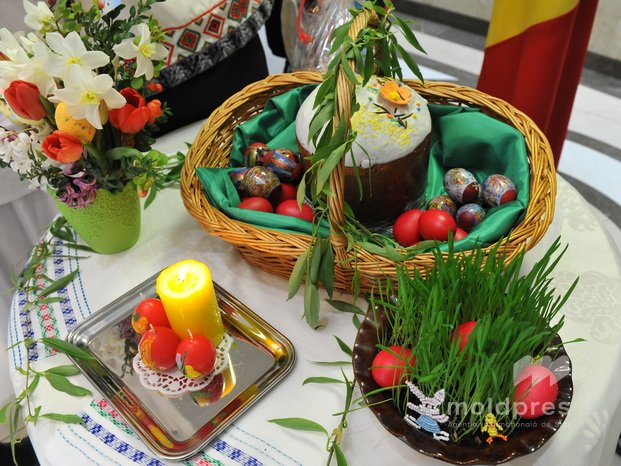
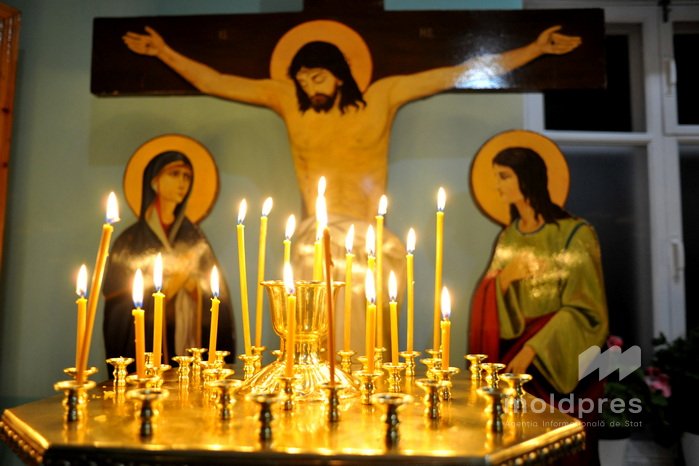
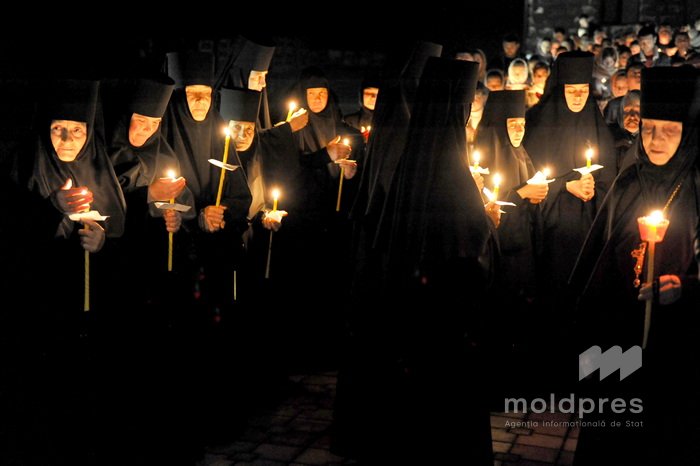
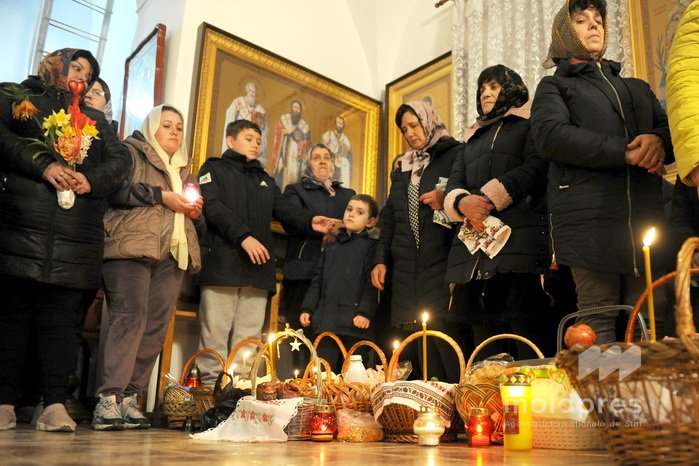
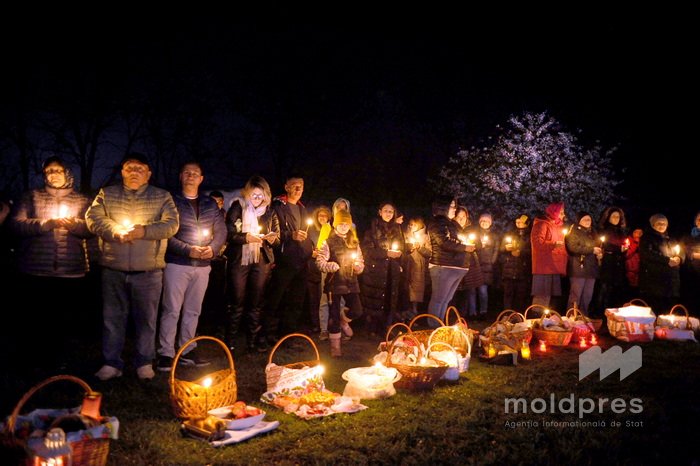
In churches across Moldova, Easter services were celebrated. Priests distributed the Holy Light brought from Jerusalem, proclaiming the Resurrection of Christ. This light symbolizes the divine grace that has descended to earth, bringing hope, peace and salvation. At the end of the service, priests blessed the dishes carefully prepared and brought to church by believers.

Holy Easter is a feast beloved by all. For the older generation, Easter is lived with a special intensity that recalls the simplicity of the past.

“For me, Easter is the greatest feast of the year… it’s about peace in the soul and about forgiveness. It’s the moment when we remember God more, when we cleanse not only the house, but also the heart. On the night of the Resurrection, you seem to feel the world differently… cleaner, brighter,” says Ecaterina Rotarau.

The woman, now in her eighties, recalls with nostalgia the traditions of long ago, when the preparations were an almost sacred ritual:

“We used to dye the eggs with onion skins, not like now, with all the colors from the store. In the morning, we would wash our faces with water in which we had placed a red egg and a coin, so that we would be healthy and lucky.”

Father Viorel explains that this cleansing, recalled by the elderly, has deep roots in the 40‑day period of Easter preparation.

“The fewer sins we have, the lighter will be the cross of the Lord Christ.”

In addition to spiritual preparation, through the confession of sins, the priest also mentions the importance of material preparations: “the fasting dishes, the lit candles and this Paschal joy.”

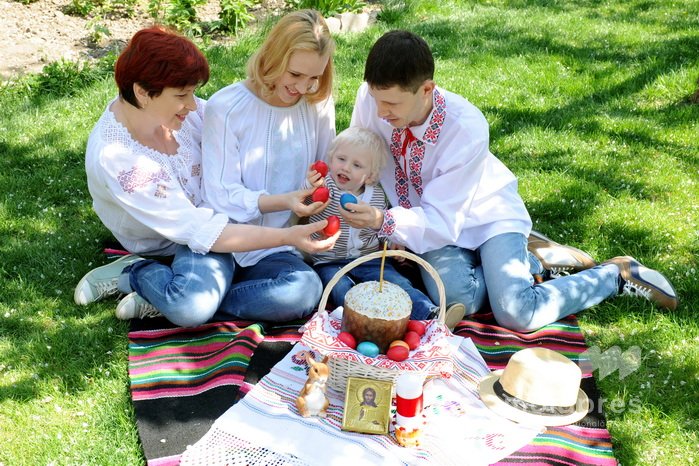
On Easter morning, families gather around the festive table, where they knock red eggs together – a symbol of the blood of Christ shed on the cross, as well as of the tomb from which He rose. On the traditional table, there is always pasca (sweet Easter bread), cozonac (sweet loaf), and lamb roasted in the oven. The atmosphere is completed by red wine and prayers of thanksgiving for the blessings received. For mothers whose children are far from home, Easter is deeply intertwined with longing.

“The children don’t come as often as I would like… it depends on work, on the journey on money,” says Maria Craciun.

The joy of the feast is complete only when the family is reunited:

“When we manage to celebrate together, that’s the greatest joy. It’s as if the house comes to life again. I cook all sorts of dishes, the way they like them, I lay the table nicely and we don’t part from one another. That’s when it’s a true Easter.”

Even in a world that is constantly changing, Easter remains for young people a moment of rediscovery and reconnection with family values. For many of them, the Resurrection is, above all, about “warmth and peace.”

Vlada is a university student. For her, Easter is an opportunity to see her loved ones again. The young woman says that traditions are passed down through the upbringing received at home, in the family.

“I usually observe the Easter traditions because it is something that belongs to the education and culture I received from my family. Although many young people do not go to church frequently, in their hearts, at Easter there is a lot of warmth and peace,” Vlada says.

Easter is also a time for reflection and spiritual renewal. Believers are encouraged to forgive, correct their wrongs and live in harmony with people around them. The feast recalls the sacrifice and offering of Christ, giving everyone the opportunity to rediscover the meaning of faith and to live according to Christian values.

Author: Veronica Doni
 Facebook
 Instagram
 X/Twitter
 Telegram
VIDEO // EcoContact public association of Moldova launches environmental conflict mediation guide after series of practical sessions in Chisinau, Cahul
Moldovan parliament tightens anti-drug legislation: criminal penalties for online promotion too
Parliament adopts comprehensive reform of environmental institutions
New rules for equipping Ministry of Internal Affairs structures adopted by MPs
PHOTO // President meets Moldovans in Ireland
Moment of silence in Parliament in memory of Mircea Lucescu
Speaker’s Easter greetings to Moldovans everywhere: Easter unites us, wherever we may be
Moldovan driving licenses to be recognized in Ireland
Moldovan-Greek partnership through the LIFE Renata EU programme provides practical solutions for conserving threatened species
Alina Cebotariov nominated for position of president of Moldova's Competition Council
Famine of 1946-1947: rare photos, documents exhibited in Moldovan capital
PHOTO // Moldova's General Police Inspectorate equipped with six mobile sectors, eight new special vehicles
Solutions for social, educational inclusion of Roma discussed at national conference held in Moldovan capital
State starts paying heating compensation for March
VIDEO // EU Ambassador to Moldova says people on Eastern holidays return to things that matter most: family, traditions
Moldovan PM conveys message on Easter
VIDEO // Moldovan parliament speaker says may Light of Resurrection brings us peace, courage, new hope
Moldovan president congratulates citizens on Resurrection of the Lord
Orthodox Christians celebrate Holy Easter; Orthodox priest says peace should be sought in hearts, Light of Resurrection should be shared with everyone”
Holy Light from Jerusalem brought to Moldova
Over 200 young people of Moldova launch or expand businesses through European Union-funded project
 National Bank of Moldova
Moldovan president participates in launch of exhibition dedicated to 1903 Pogrom
Moldovan parliament votes: voluntary amalgamation becomes simpler, better funded for development
Deputy Prime Minister meets UNFPA Country Representative and UNDP Resident Representative to Moldova
Moldovan president, on visit to Dublin, says Ireland’s transformation after EU accession model for Moldova’s European future
President Maia Sandu’s speech at the joint press conference with the Prime Minister of Ireland, Micheál Martin

Ungheni municipality, 18 other settlements unite in voluntary amalgamation; Ungheni mayor says largest cluster in Moldova takes shape
Bomb threat reported at Chisinau Airport proves to be hoax; terminal resumes operations
Moldovan health specialists recommend rational consumption of food products during Easter holidays
Moldovan president participates in launch of exhibition dedicated to 1903 Pogrom
Bomb threat at Chisinau Airport; passengers, airport staff evacuated
Moldova's National Alternative Movement Party withdraws from Alternative Bloc, remains in parliamentary faction
Japan reconfirms status of strategic partner for development of Moldova's agricultural sector
Another nine cultural figures of Moldova to receive merit allowances
National Crisis Management Center presented integrated report on actions taken during state of emergency
VIDEO // Strășeni–Gutinaș power line project moving forward: construction could start in 2027
Significant diesel price cut: cost drops by 1.17 lei
Eugen Doga Chisinau International Airport ensures stable flights on easter, despite heavy passenger traffic
Ministry of Culture considers holding of three events with foreign artists inopportune
New EU entry rules: Entry/Exit System becomes fully operational as of today
VIDEO // Special measures at border before Easter: authorities promise shorter waiting times
DOC // Moldova setting up advisory committee on international development cooperation and humanitarian assistance
Receive the latest news directly to your email

Receive the latest news directly to your email