
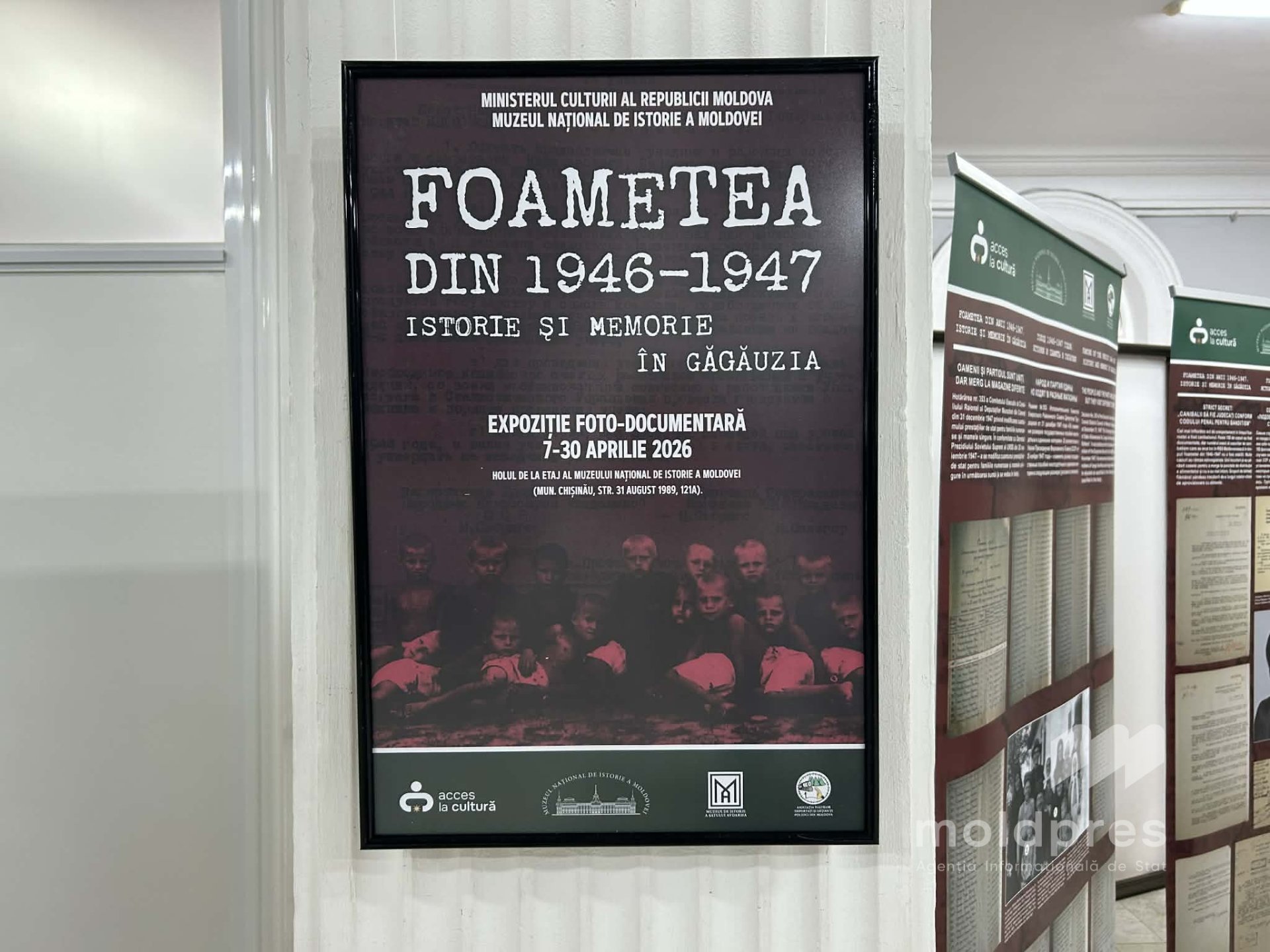
Famine of 1946-1947: rare photos, documents exhibited in Moldovan capital
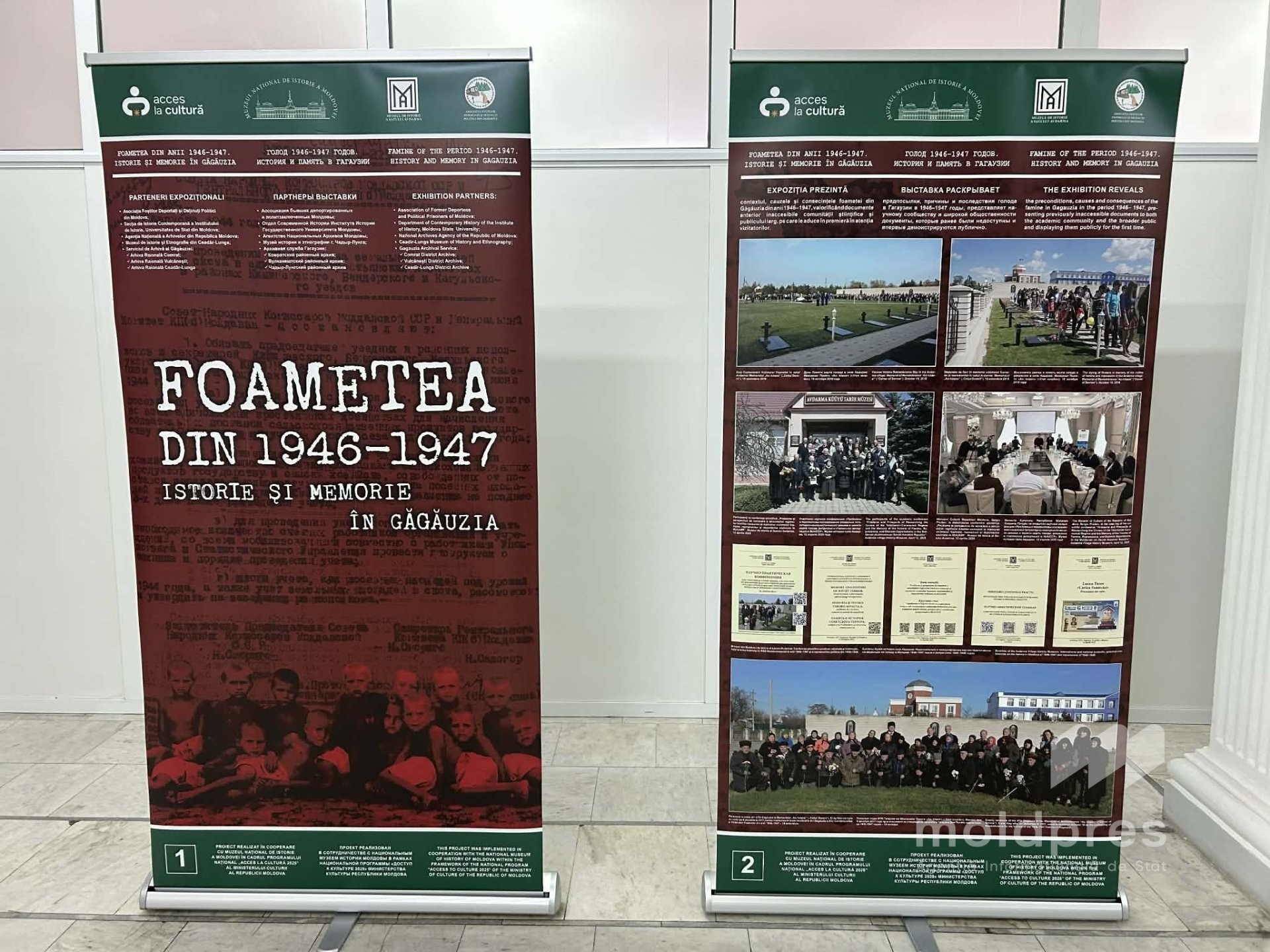
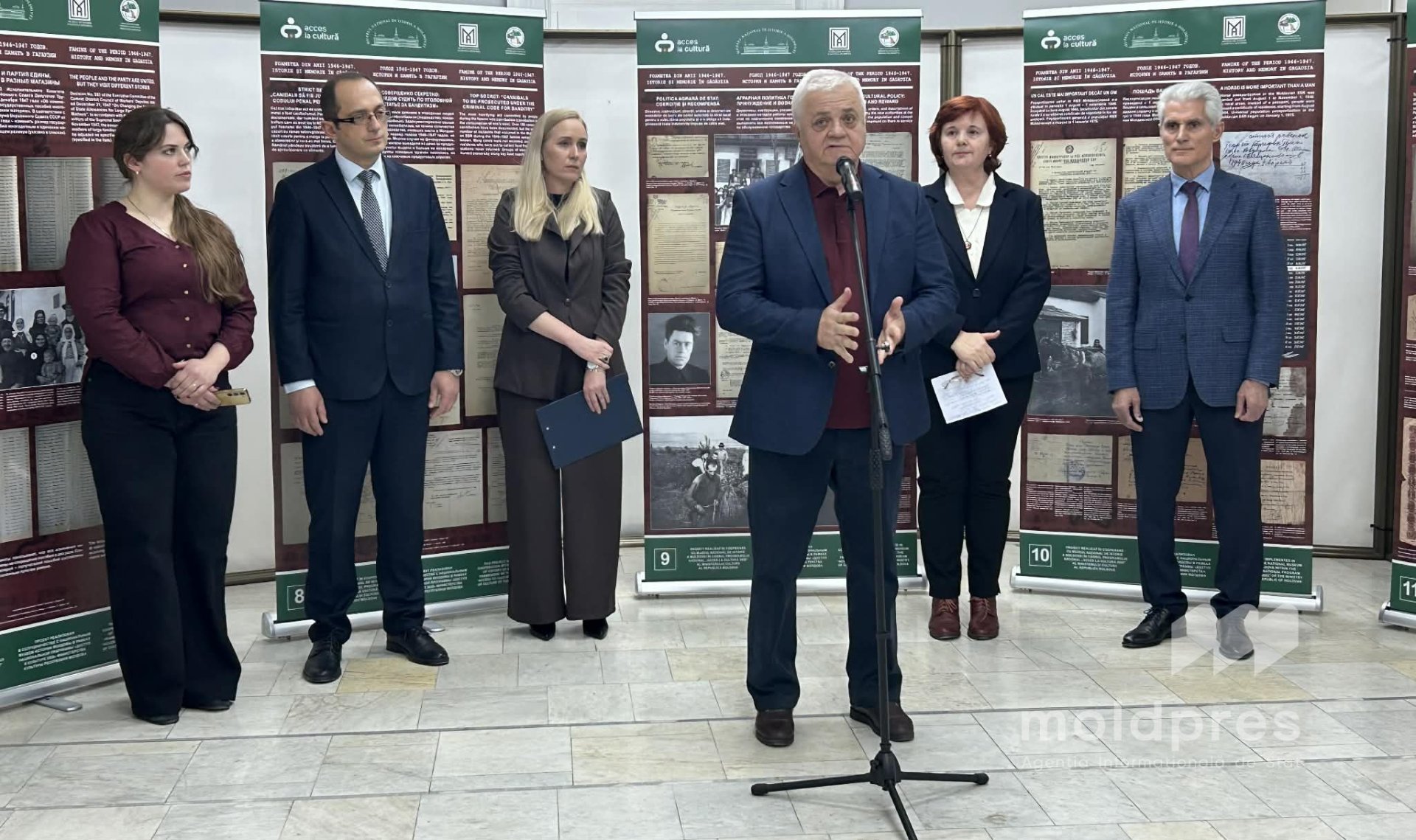
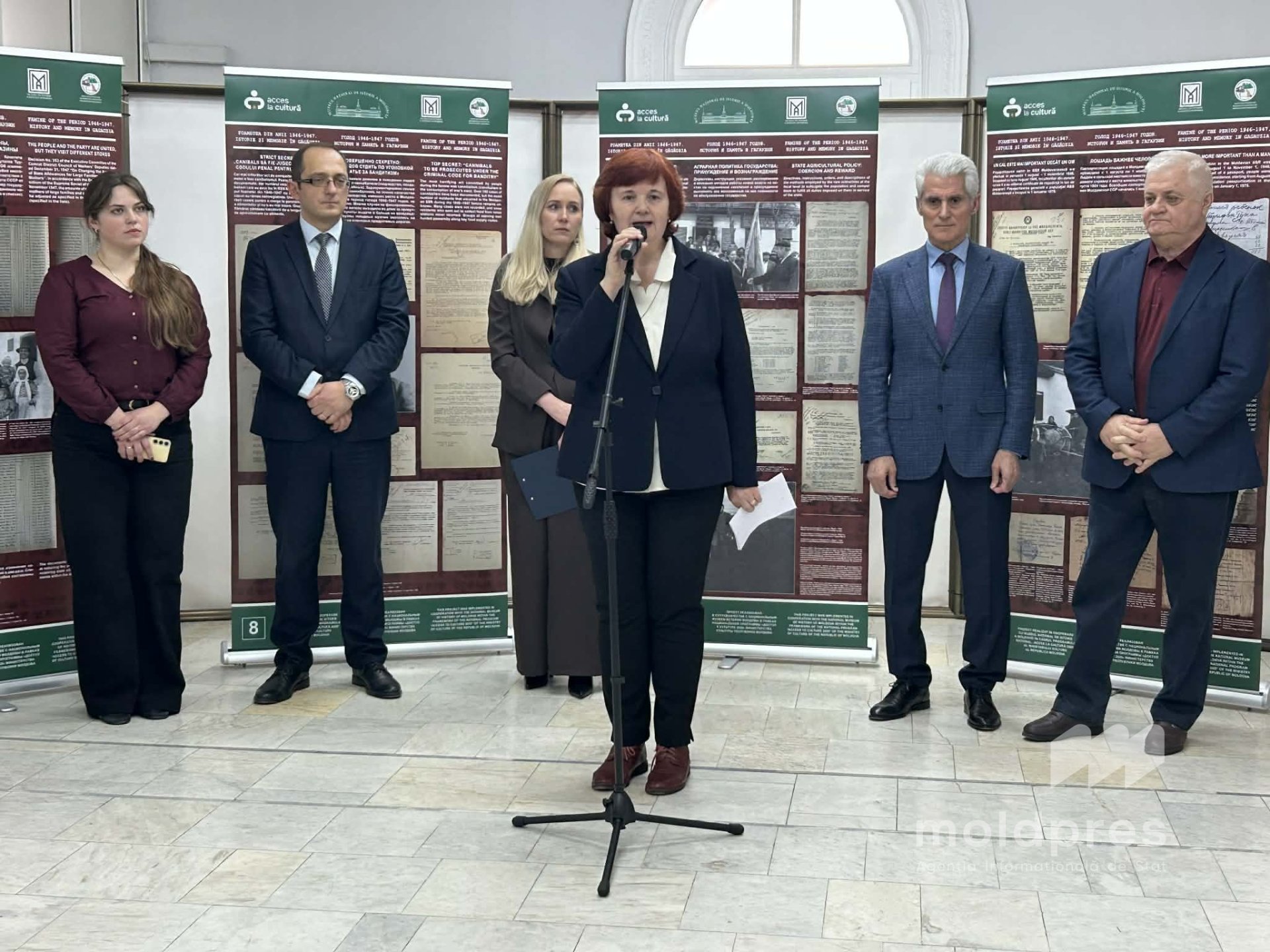
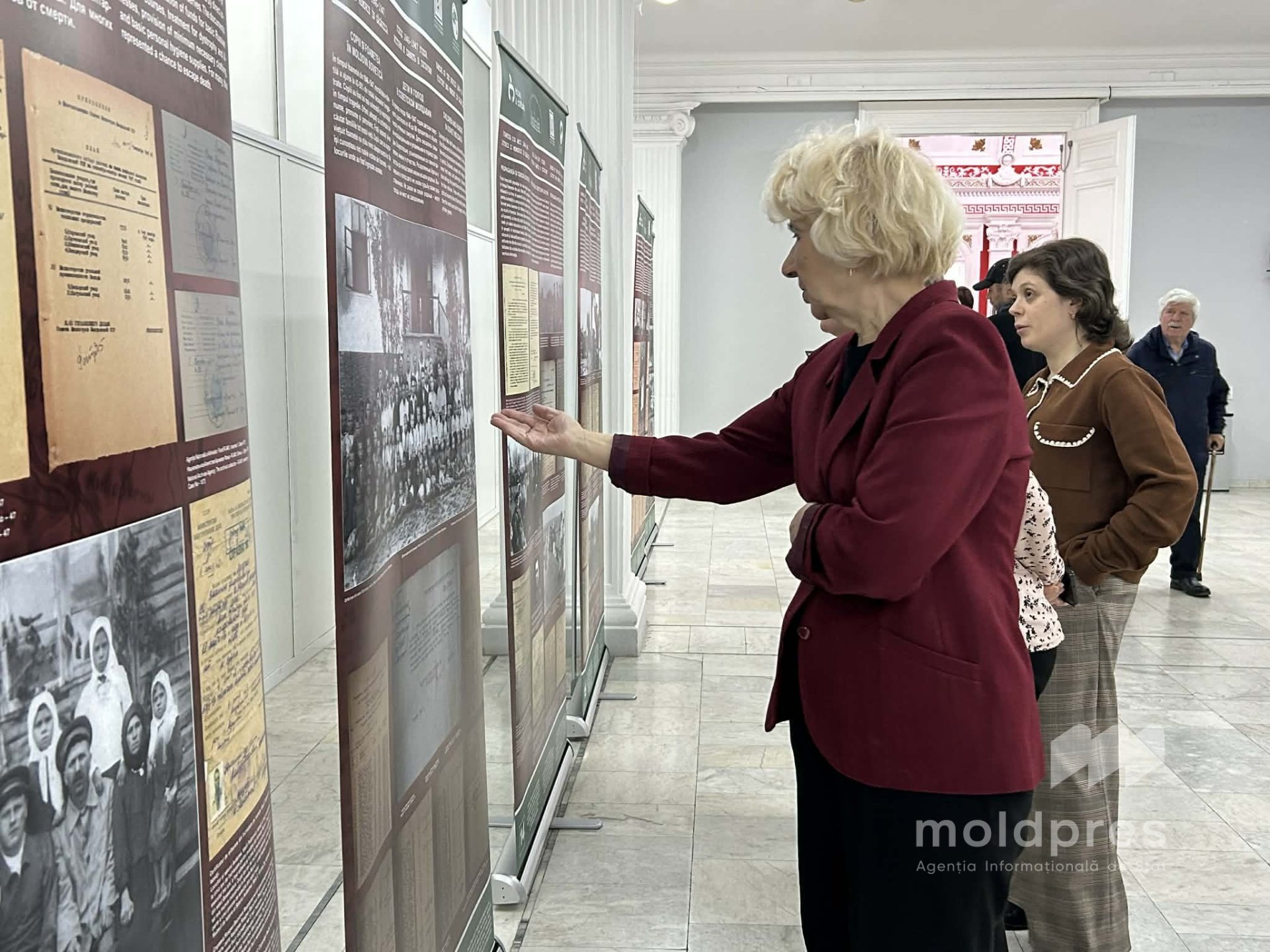
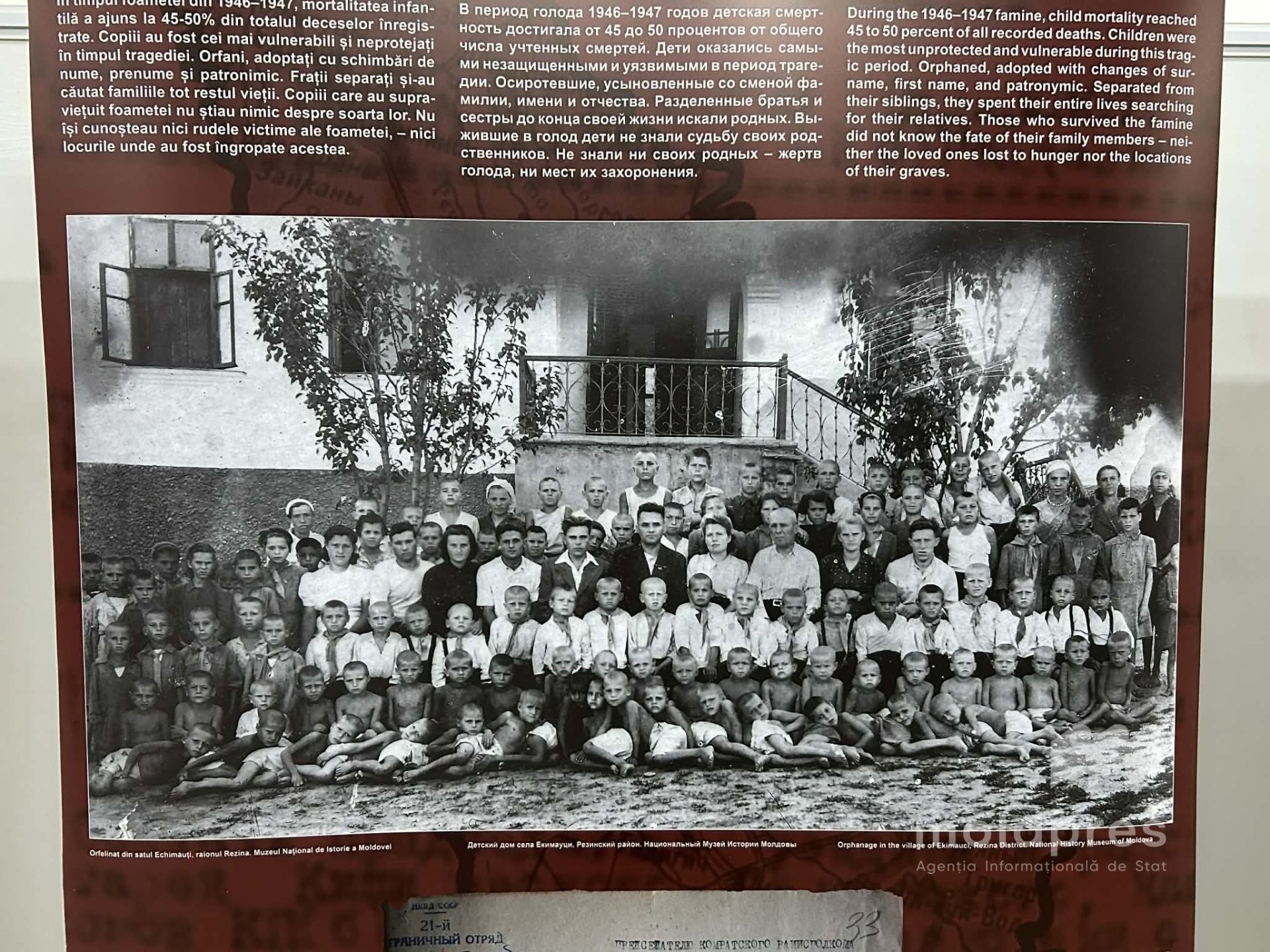
The National Museum of History of Moldova is hosting an exhibition of photographs and documents titled, The Famine of 1946–1947. History and Memory in Gagauzia. The project brings to the forefront one of the darkest periods of the totalitarian-communist regime, marked by suffering and massive human losses in the south of the country.

The exhibition presents to the general public testimonies, photographs and documents, many of them displayed for the first time, selected from the collections of the National Museum of History, the museum in Avdarma and the National Archives.

A scientific researcher at the National Museum of History of Moldova, Ludmila Cojocaru, explains that the goal of this exhibition was to present a representation of the culture of memory and to strengthen a stronger relation between generations.

“We want to bring an exhibition initiative aligned with the new paradigm regarding the culture of memory, which implies a stronger relation between generations through the dimension of testimonies. The exhibition presents propaganda photographs in a way that shows how manipulation worked, accompanied by images from family archives that reflect the suffering and loss of human lives,” Ludmila Cojocaru told MOLDPRES.

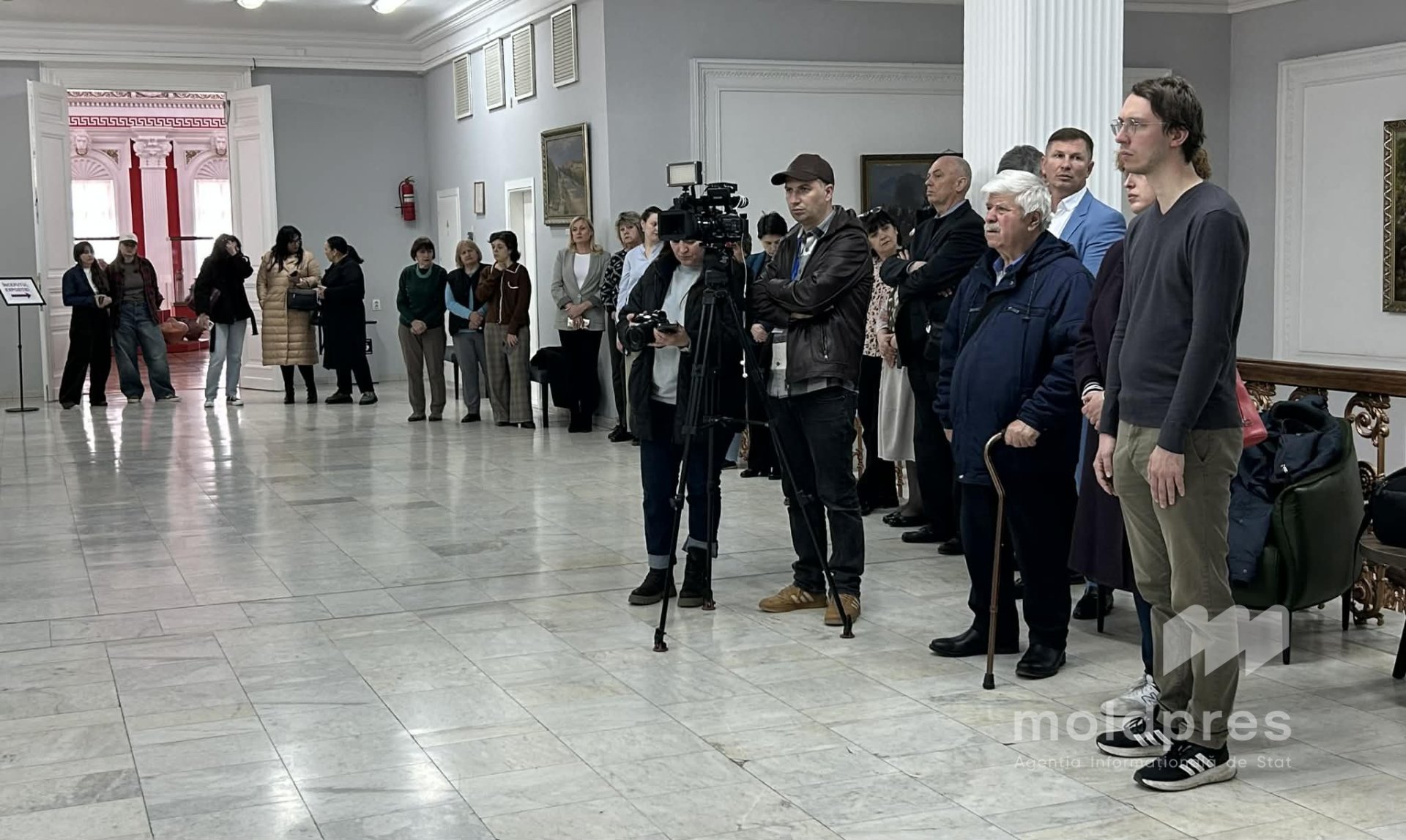
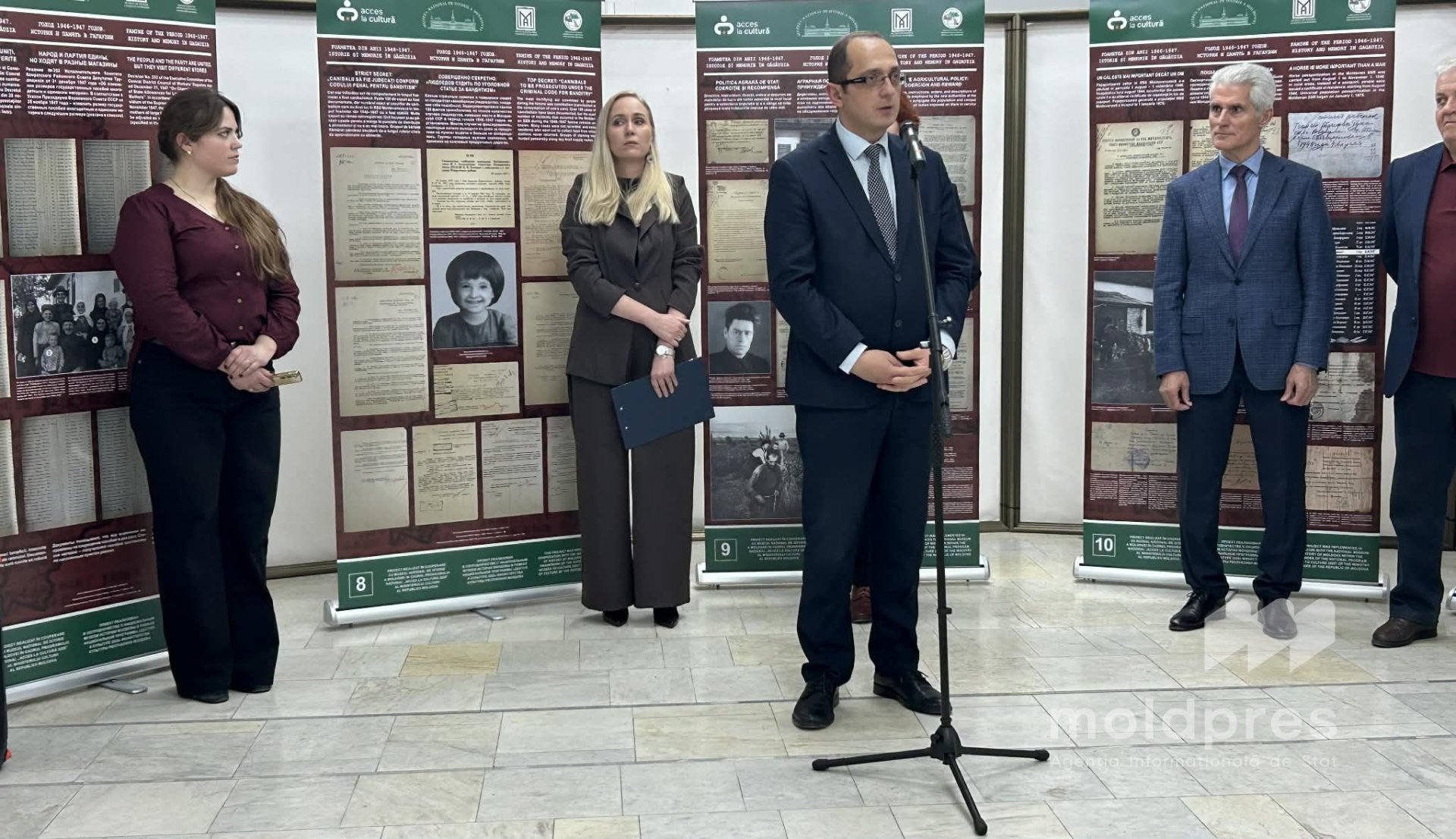
At the opening event of the exhibition, historian Anatol Taranu emphasized how late Moldovan society was assuming this painful past. According to him, although historians “rang the alarm bell” immediately after independence, the political establishment ignored the phenomenon for a long time.

“We are practically now witnessing the birth of a society, of a state in which there is historical memory. History is the foundation of a national identity and such a state without historical memory is practically a simulacrum, a body without a soul,” stated Anatol Taranu.

The representative of the Association of Former Deportees and Political Prisoners, Alexandru Postica, drew attention to the fact that, although the figures weree official (over 200,000 deaths nationwide), the traumas persist in the collective mindset, preventing a more assertive organization of the victims’ descendants.

“I was just asking myself: if there were so many victims, why did the descendants of those victims not synchronize to create an association to represent them? Fear has probably still not left us,” believes Alexandru Postica.

He also noted the need for a parliamentary decision that explicitly condemns the famine as a form of repression, in order to ensure the full restoration of the rights of the people affected.

The exhibition was organized at an initiative by the Avdarma Village History Museum, in cooperation with the National Museum of History of Moldova, and was made possible thanks to the National Programme, Access to Culture 2025, with the support of Moldova’s Culture Ministry, representatives of the National Museum of History of Moldova told MOLDPRES.

The exhibition will be open to the public till April 30, 2026. The exhibits can be viewed in the lobby of the National Museum of History of Moldova.

Author: Veronica Doni
 Facebook
 Instagram
 X/Twitter
 Telegram
Moldovan PM says children represent most important future of Moldova
Moldovan president launches children’s reading competition for June 1
Increased support for families in Moldova: birth allowance reaches 21,866 lei
Moldova has over 833,000 children; Public Services Agency says more than 9,000 babies born in first five months of 2026
Moldova marks International Children’s Day: diverse schedule of activities for whole family
PHOTO // President: It is important to keep alive customs and values that bring us together
Prime Minister: Dniester unites us more than it divides us
President: Dniester - essential for people’s health and safety of our communities
Water, roads and public services: why authorities insist on local reform
President urges citizens to double-check before transferring money to scammers
PHOTO GALLERY // Largest exhibition dedicated to children opened at Moldexpo
MOLDPRES REPORT // Solar energy, batteries and electric transport: green technologies developed in China that could be of interest to Moldova
Attention, travelers! Heavy traffic at Leușeni border crossing point on exit from Moldova
PM's emotional message at end of school year
Moldovan parliament speaker describes Russia’s intention to move Russian Center of Culture to Tiraspol as political provocation
Stricter rules for taxi platforms: payments to be required to obligatorily go through banks of Moldova
Moldovan parliament speaker says each day of delay of elections in Gagauzia works against autonomy
Voted in parliament: Moldovan citizens who worked legally in Canada to be able to receive social benefits
Moldovans working in Ukraine to be able to receive pensions, other social benefits
Moldova hosts Kettlebell World Championship
Over 1 billion euros in new investment partnerships, financing announced for Moldova
 National Bank of Moldova
Over 1 billion euros in new investment partnerships, financing announced for Moldova
Topical issues addressed at meeting of Joint Control Commission
Moldovan president, European Commissioner for Enlargement discuss reforms, next steps in accession process
Moldova strengthens institutional capacity to counter hybrid threats with support of EU Partnership Mission in Moldova
President’s speech at joint press conference with European Commissioner for Enlargement

VIDEO // ARBOM offers 80 tickets for Moldova - Bulgaria match to supporters from Taraclia
Moldovan head of state says Russia’s interference constant, efforts must be made to counter it
Moldova secures additional funding for connection to European Road Network
ARMENPRESS: EU to provide additional support to Armenia amid Russian import restrictions
Moldova attracts over 1 billion euros in investments through new strategic partnerships announced at first Moldova–EU Investment Conference
Topical issues addressed at meeting of Joint Control Commission
Moldovan president, European Commissioner for Enlargement discuss reforms, next steps in accession process
EU Commissioner for Enlargement says Moldova on first position in its preparations for European Union membership
Moldovan president says all EU member states reconfirm Moldova ready to open accession negotiations
Moldova strengthens institutional capacity to counter hybrid threats with support of EU Partnership Mission in Moldova
Departed well-known composer of Moldova honored in Chisinau: maestro’s music returns to salon bearing his name
VIDEO // Moldova and Ukraine reaffirm: Our future in EU
President’s speech at joint press conference with European Commissioner for Enlargement
VIDEO // News from Brussels on starting preparations for Cluster I in accession negotiations of Moldova to European Union applauded in Parliament
Strong support for Ukraine reaffirmed in Chisinau Parliament
Applause in Parliament in memory of Eugen Doga
Receive the latest news directly to your email

Receive the latest news directly to your email