
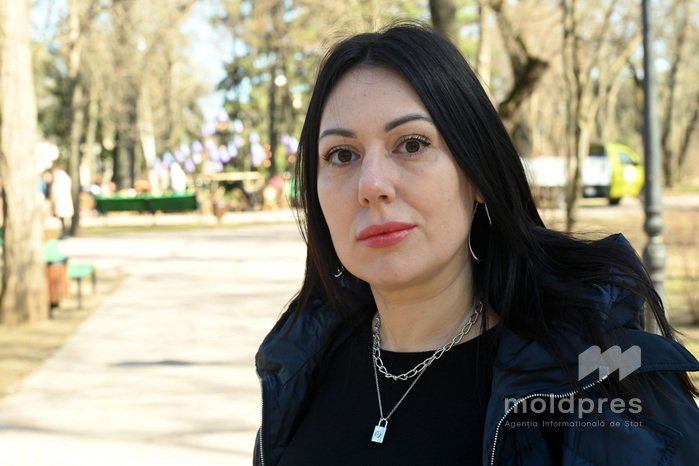
PHOTO // Iulia Zenchenko, refugee from Odesa turned pain of war into mission to support women
The war in Ukraine has changed the destiny of millions of people, forcing them to leave their homes and rebuild their lives in other countries. Among them is Iulia Zenchenko from Odesa, who arrived in Chisinau in March 2022 together with her son. From her personal experience as a refugee, however, an initiative to support others was born. In an exclusive interview for MOLDPRES, she tells her story and explains how she managed to turn her own experience into a project that helps refugee women integrate and regain their balance in a new country.

On March 16, 2022, Iulia Zinchenko’s life changed forever. That day she arrived in Chisinau with her seven-year-old son, fleeing the full-scale war unleashed in Ukraine.

"I came to Moldova for just one or two weeks. I simply wanted to get some sleep. In the second month of the war, because of constant air-raid alarms and stress, my son and I were barely sleeping at all. We arrived here exhausted, scared and without understanding what would come next," Iulia recalls.

For her, the Republic of Moldova was not completely unknown. Around twenty years earlier, she had come here briefly with her parents to visit relatives. But the return in 2022 was completely different: it was no longer a visit, but an attempt to find shelter and peace during a period of total uncertainty. Iulia found herself living in a completely new reality. She and her son were initially hosted in the home of strangers, who gave them shelter during their first days as refugees.

"I lost my job, my usual points of reference, and even my sense of purpose. But I had a seven-year-old child next to me, and every day I had to find the strength to take care of him – to create a safe and calm environment, to think about school and about how we would live from then on... Almost four years have passed since then. And in this time, Moldova has become our second home," says Iulia.

For Ukrainians who fled the war, calm does not mean forgetting. Almost every refugee has relatives or friends who have lost their homes, their health or even their lives. War is not only about destroyed cities and explosions. It means constant stress, psychological tension, worsening of chronic illnesses, financial difficulties and permanent uncertainty. Even in another country, refugees live this reality together with those who remained at home.

"Here in Moldova, our children have what today seems like a luxury for many families in Ukraine: peace and quiet. They don’t hear bombardments, they don’t run to shelters at night, they don’t live in cold houses without light and heating. One moment from my last months in Odesa is deeply etched in my memory. I was walking in the park and heard a little boy ask his mother during a storm: ‘Mom, is that thunder or are they bombing us again?’ He said it calmly, as if it were an ordinary question. This normalization is probably the most frightening thing. Because war must not become something normal. It is the most terrible thing that can happen in a person’s life – a cruel, unjust and devastating event that changes destinies forever," Iulia says, deeply moved, as if reliving those nightmare moments.

The pain and fate of refugees pushed Iulia to act. This is how the public association Female Support Force was created, founded by refugee women from Ukraine who settled in the Republic of Moldova. Iulia Zenchenko is the co‑founder and executive director of the organization.

"There is a well-known saying: if things are hard for you, start helping those who are worse off. That’s what happened with us. We created this organization when we realized that many of the problems of Ukrainian refugees can truly be seen only from the inside. It was a way for us to regain our sense of purpose and the strength to move forward," says Iulia. Most Ukrainians in Moldova benefit from temporary protection – about 90,000 people – a status that offers fewer rights than citizenship, but still allows access to healthcare, work and education. Children attend kindergartens, schools and universities.

"We offer free consultations – legal, psychological, educational and social. We organize workshops, trainings and community events. We have also created a unique network of integration mediators in different regions of the country, including in the Transnistrian region. Integration does not happen automatically – it takes time, willingness and the support of the host society. We appreciate the openness of the Ministry of Education and Research of the Republic of Moldova, with which we have signed a Memorandum of Cooperation to facilitate the integration of children from Ukraine," Iulia adds.

Refugees continue to face numerous difficulties: psychological trauma, economic problems, high rental costs and uncertainty regarding the future of their temporary protection status after March 2027. At the same time, life goes on: work, children, school, friends, walks in the park. Many have begun to feel Moldova as home, have grown fond of the local cuisine and are building their future here.

"Yet we live in two realities: one here, in the present, and another there, where the war continues and where a part of our heart remained. The war has changed me profoundly. There was a point of no return. We live with a constant underlying pain that does not go away. Moldova has welcomed us, and here we are trying to rebuild the meaning of life. My son studies at a school in Chisinau. Adaptation was not easy at first, but over time his classmates accepted him and he made friends," says Iulia.

Iulia Zenchenko was born and raised in Odesa. She graduated from "I. Mechnikov" National University with a double qualification: manager and economist. Her career in Ukraine developed rapidly. After taking refuge in the Republic of Moldova, her professional experience helped her, but the direction of her life changed radically.

"Has the war made us stronger? Maybe it has. But it is not the kind of strength people dream of. Because the war has not disappeared. It lives within us – and it has changed us forever," Iulia says.

Female Support Force was officially registered with the support of UN Women. In just two years of activity, the organization has provided direct support to about 4,000 refugees, legal assistance to around 1,000 people, psychological support to 500 beneficiaries and has helped more than 100 people through educational interventions. Female Support Force has also contributed to draft legislation and amendments regarding refugee integration and the temporary protection regime.
 Facebook
 Instagram
 X/Twitter
 Telegram
Fairs offering local products organized in several districts of capital
PHOTO // Moldovan president visits south of country: modernization of two ports in Giurgiulesti, construction of Cahul regional hospital, talks with young people
New rules against digital piracy: Moldovan parliament approves administrative sanctions
UPDATE // Heavy cross-border traffic at Sculeni crossing point eased
Over 90% of food products tested in 2025 compliant. ANSA publishes pesticide residue report
First monument dedicated to Moldovan heroes fallen in all wars inaugurated in Hungary
Law strengthening security of judges and prosecutors published in Official Journal
ARBOM supported reception dedicated to Bulgaria’s National Day in Chisinau
Appointment of members put forward by development partners for commissions of external evaluation of judges, prosecutors to be made by simple majority vote in Moldova
State authorities of Moldova levies distraints totaling 7.57 billion lei in Bank Fraud case
Head of Moldova's National Anticorruption Center in parliament says crime rings used sophisticated ways, including cryptocurrencies, to influence vote in Moldova
CNA director reports to Parliament: In 2025, National Anticorruption Center documented over 800 offenses and seized more than 710 million lei
Crisis Cell: Over 80 Moldovan citizens arrived in Chișinău from Dubai
Around 500 attempts to bribe reported by police officers
Moldovan PM has meeting with oil products importers
VIDEO // Moldovan authorities give assurances about fuel stock levels; Energy minister says Moldova has sufficient volumes current, medium-term consumption
PHOTO // Moldova's General Police Inspectorate equipped with 17 mobile sectors for field interventions
Moldova's General Police Inspectorate initiates two criminal proceedings on death of woman
Director of Ruse University's branch from Taraclia, ARBOM head meets President of Bulgaria
VIDEO // Government of Japan provides grant for renovation of social center in south Moldova through Kusanone programme
VIDEO // “Round Dance of Tractors” symbolically opens Moldova’s agricultural season: event held on eve of Moldagrotech Spring 2026 exhibition
 National Bank of Moldova
Moldovan PM has meeting with oil products importers
Transnistrian file discussed with researchers from United States
Deputy Prime Minister: Reintegration - complicated, lengthy process with many unknowns
Deputy Prime Minister: Presence of Russian troops on left bank of Dniester River - major impediment to Transnistrian settlement process
Moldovan President to pay official visit to Lithuania

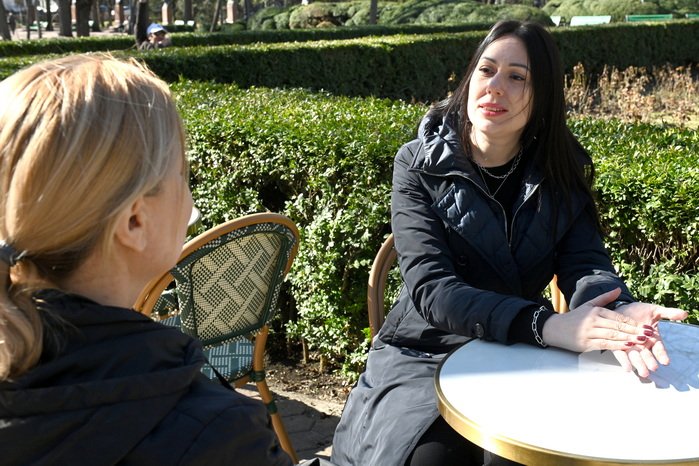
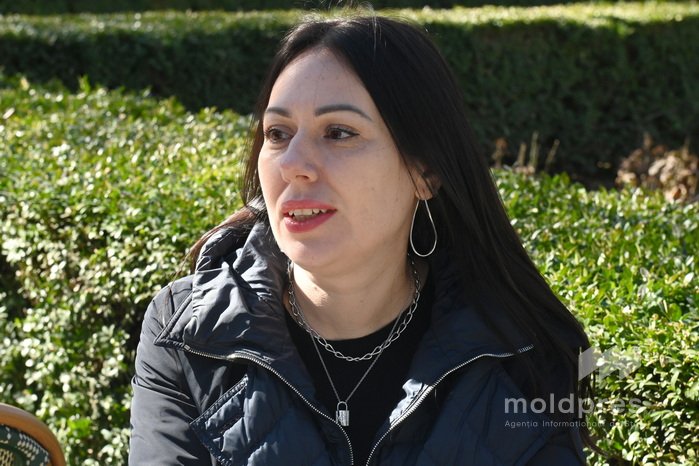
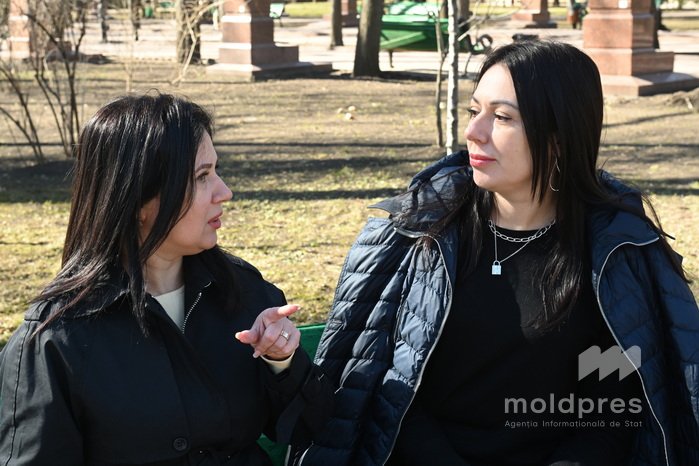
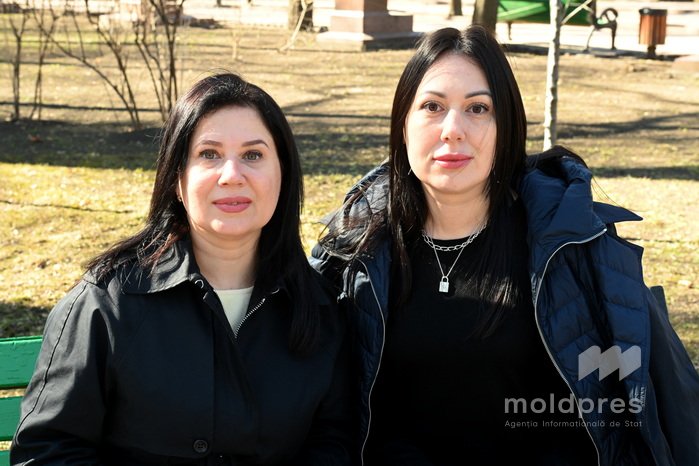
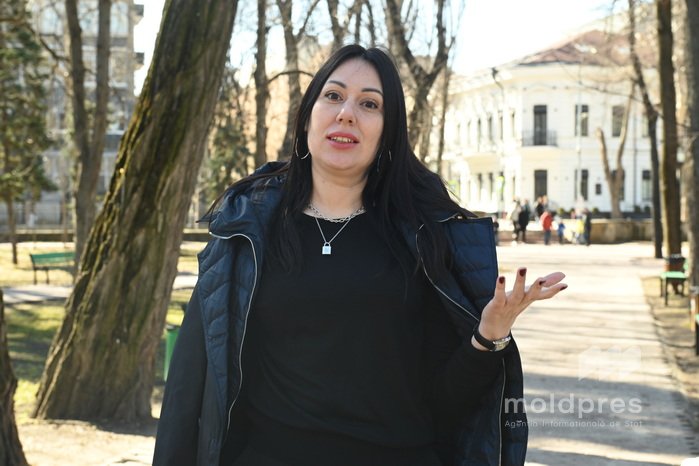
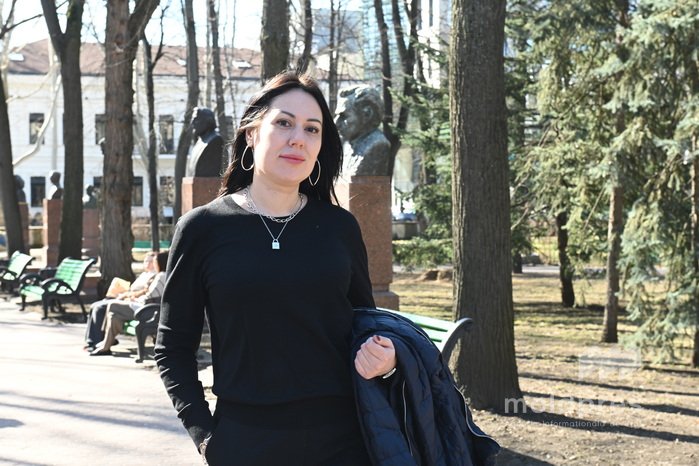
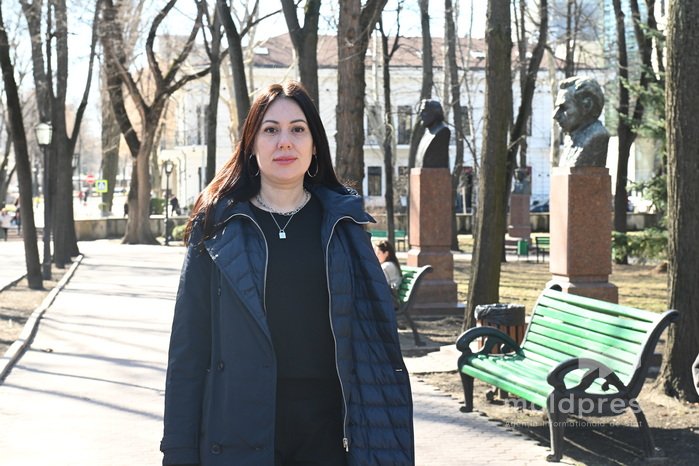
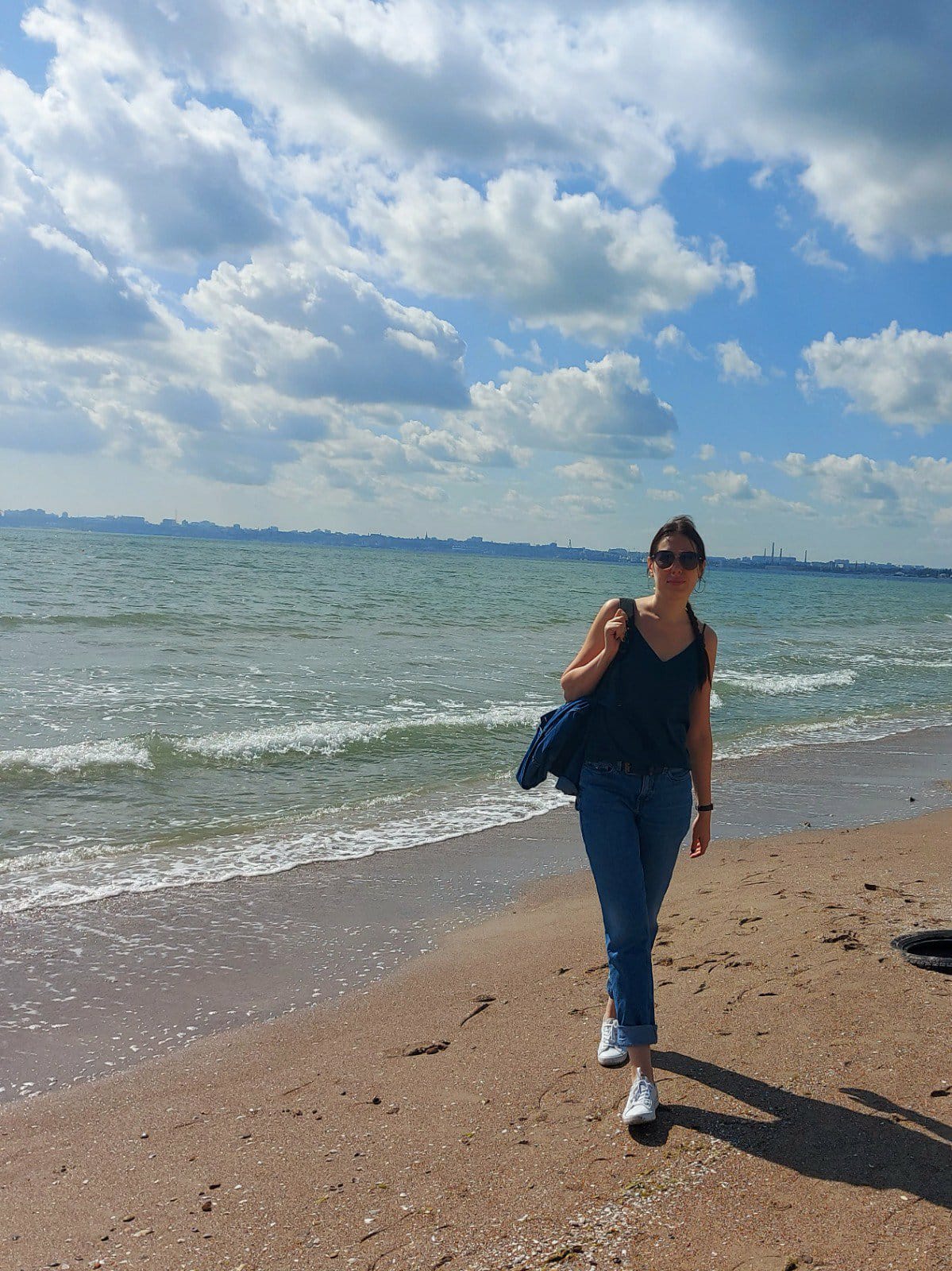
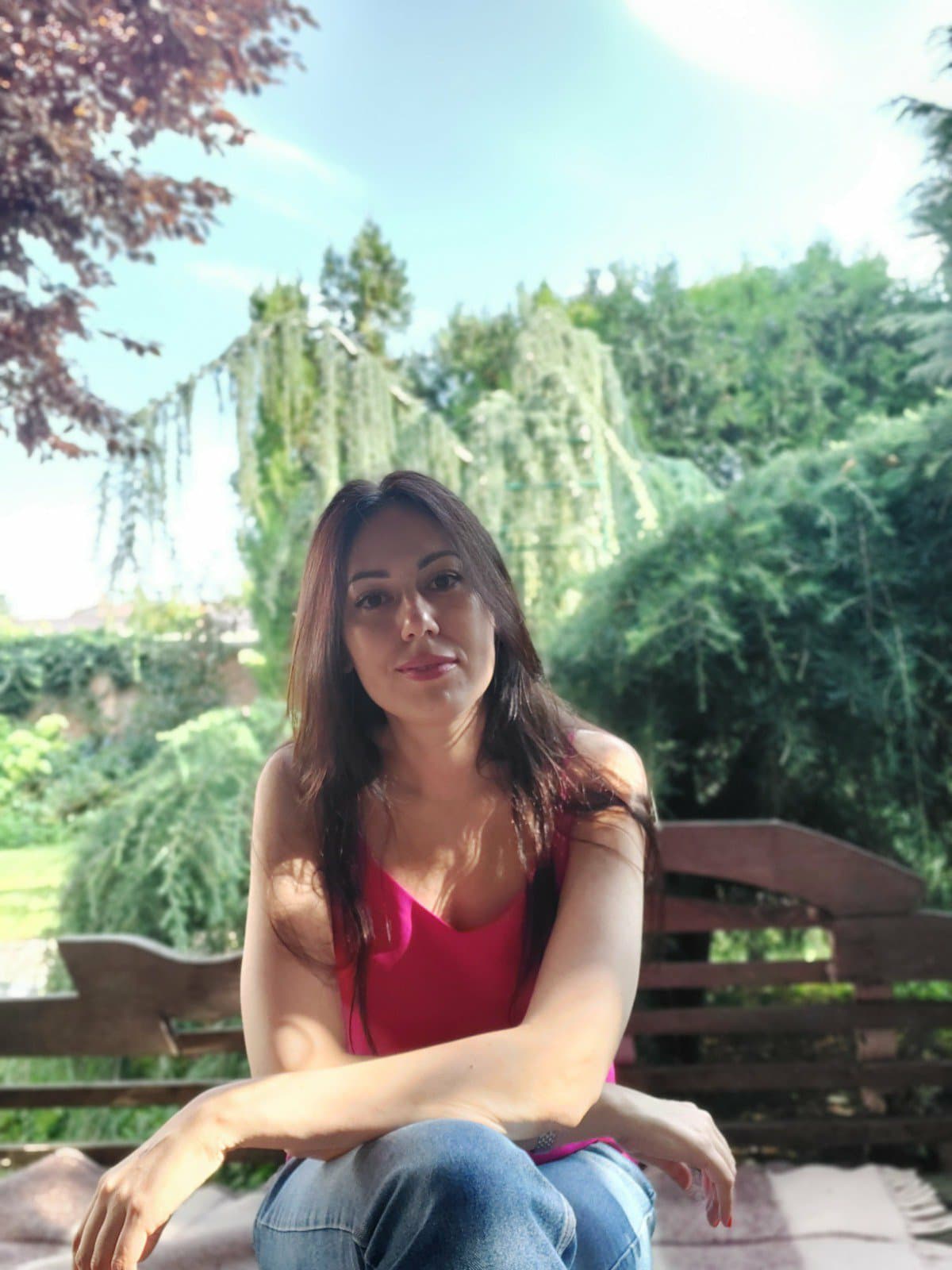
PHOTO // USMF "Nicolae Testemițanu" national leader by articles indexed in scientometric databases Web of Science and Scopus
Deputy Prime Minister: Reintegration - complicated, lengthy process with many unknowns
Update on situation in Middle East: 33 Moldovans returned to Chișinău from Dubai
Customs Service collected over 780 million lei last week
Deputy Prime Minister: Presence of Russian troops on left bank of Dniester River - major impediment to Transnistrian settlement process
Moldovan President to pay official visit to Lithuania
Survey: Help set priorities for Open Government 2026–2028
1992 – War That Cannot Be Forgotten // Ion Iovcev, Former Principal of Lucian Blaga Lyceum in Tiraspol: I took out children, stamp and school bell
PHOTO GALLERY // Flowers, smiles, and spring festive atmosphere in Chișinău
Hâncești tragedy: Authorities call for clarification of circumstances and possible responsibilities
PHOTO // Iulia Zenchenko, refugee from Odesa turned pain of war into mission to support women
Crisis Cell: Air operations partially resumed in several Middle Eastern countries
President conveys message of appreciation on International Women’s Day
Prime Minister: Women in Moldova keep country moving
PHOTO // Woman of Moldova: portrait of changing society
International Women’s Day marked in Moldova and worldwide
Receive the latest news directly to your email

Receive the latest news directly to your email